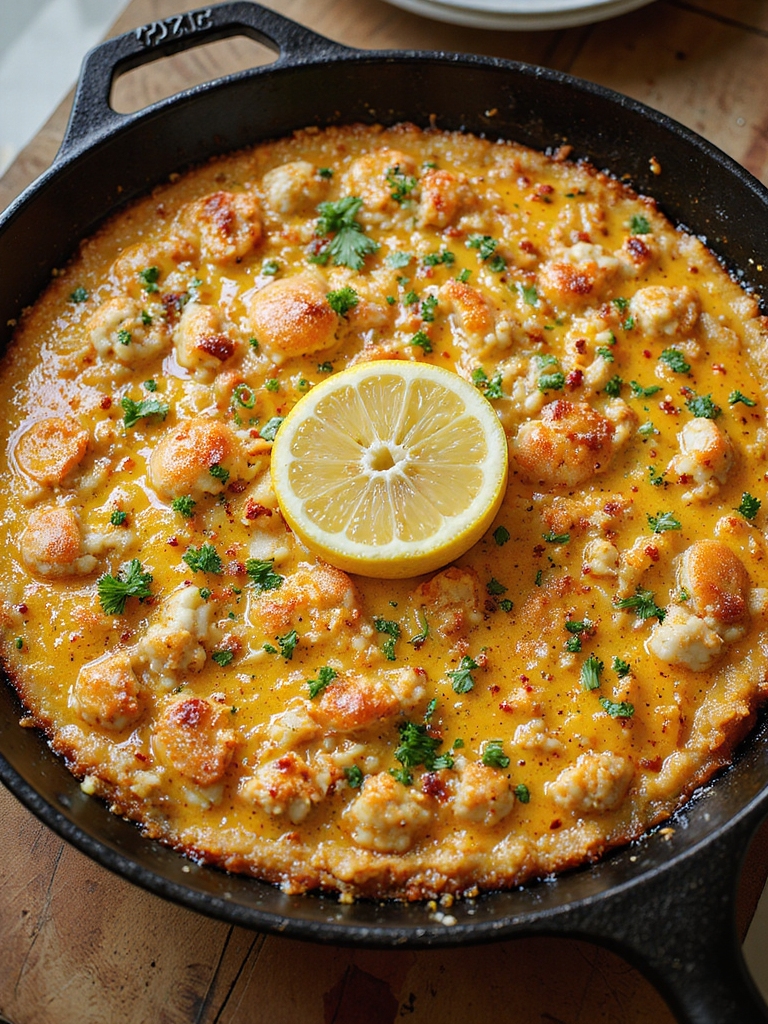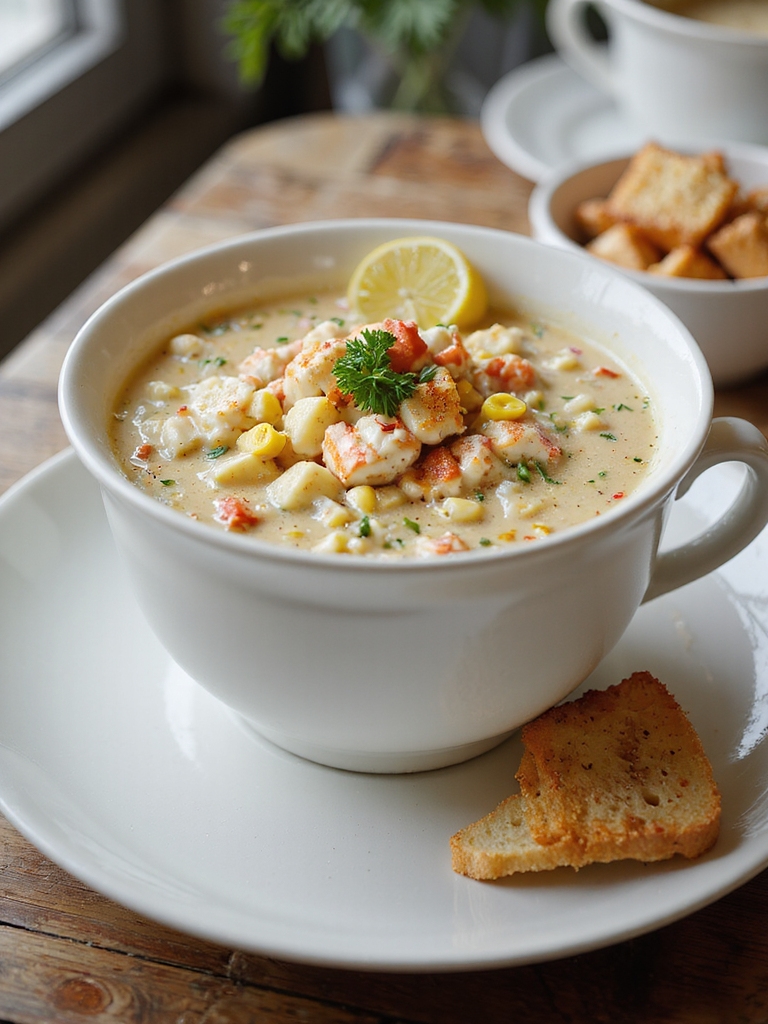
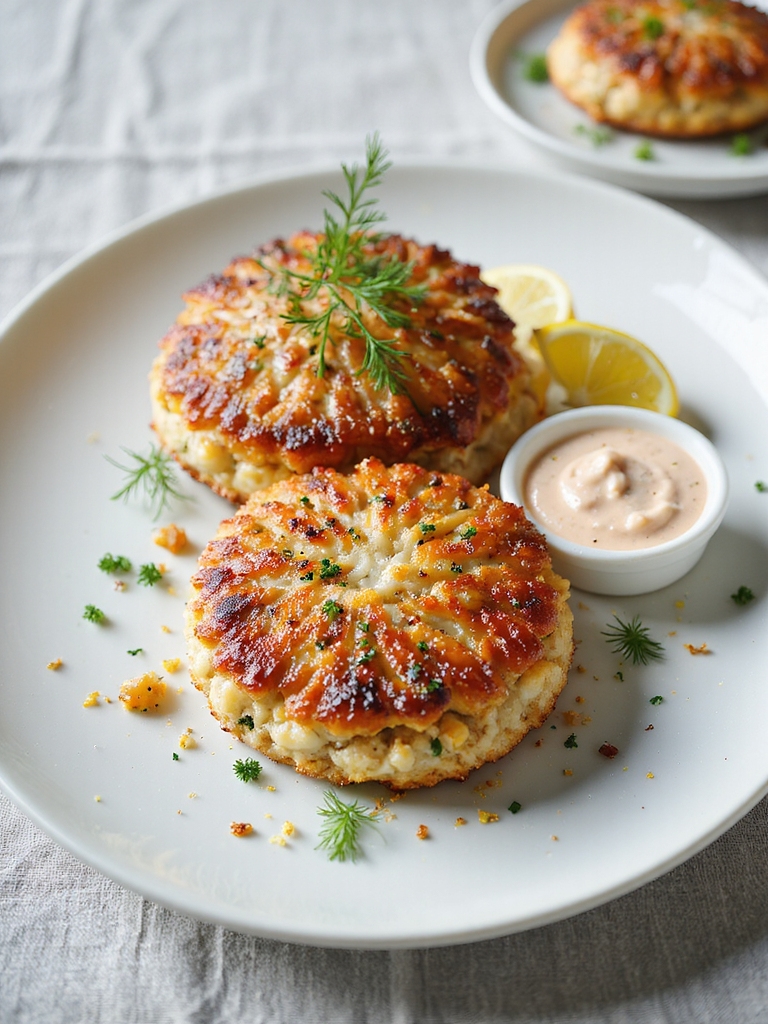
I’m thrilled to share my favorite way to make baked crab cakes that are both healthy and bursting with flavor. Using high-quality crab meat and simple ingredients like Greek yogurt and Old Bay seasoning makes these cakes irresistible yet guilt-free.
Baking them gives a golden crust without the excess oil of frying. From sauce pairings to creative variations, there’s so much to explore. Shall we?
Selecting the Best Crab Meat
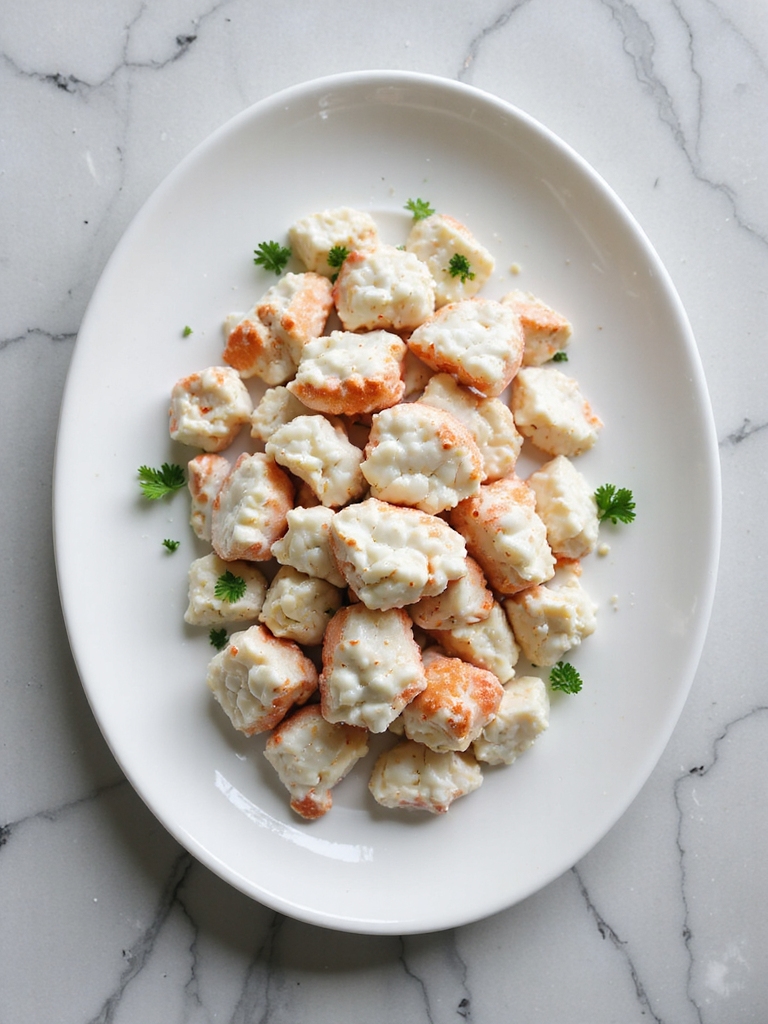
To make delicious baked crab cakes, it’s important to start with high-quality crab meat for the best flavor and texture. Opt for fresh, lump crab meat whenever possible, as this will provide the most authentic seafood taste and hold together well during baking. Combine the crab meat with just the right amount of seasoning and breadcrumbs to enhance its natural sweetness without overshadowing the delicate flavor.
- Fresh lump crab meat
- Mayonnaise
- Dijon mustard
- Worcestershire sauce
- Old Bay seasoning
- Lemon juice
- Egg
- Panko breadcrumbs
- Fresh parsley
- Olive oil
Preheat your oven to 400°F (200°C). In a bowl, gently mix the crab meat with mayonnaise, Dijon mustard, Worcestershire sauce, Old Bay seasoning, lemon juice, and a beaten egg until just combined. Fold in panko breadcrumbs and fresh parsley, then shape the mixture into cakes, brush with olive oil, and bake on a lined baking sheet for 15 minutes or until golden brown. The best crab cakes are known for their rich flavor and tender texture, reflecting the quality of the crab meat used.
To guarantee your crab cakes are perfectly moist, avoid overmixing the crab meat as it can become tough. Use a light hand when folding in the ingredients, and handle the cakes carefully to maintain their shape during baking.
Essential Ingredients for Healthy Crab Cakes
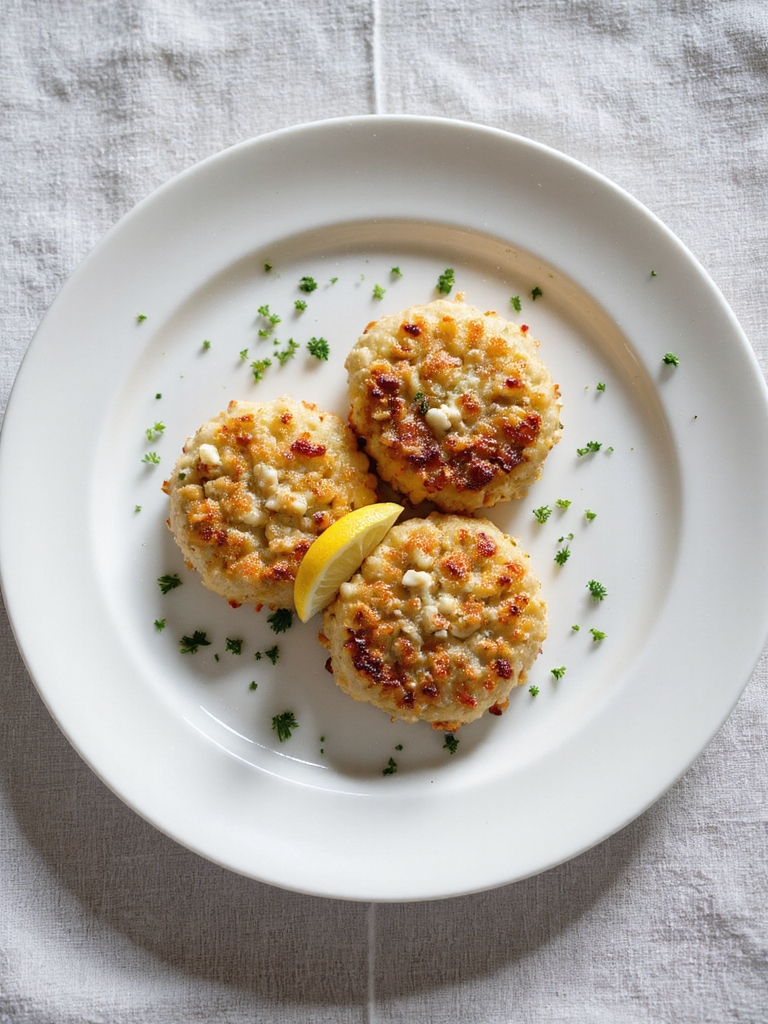
For those looking to enjoy a healthier version of crab cakes, using essential ingredients that support overall wellness is key. Opt for fresh, high-quality crab meat, but swap traditional mayonnaise for Greek yogurt to reduce calories and fat without sacrificing creaminess. Incorporate oat flour instead of panko breadcrumbs for a gluten-free option, and add anti-inflammatory garlic along with fresh herbs to boost flavor naturally. One of the benefits of using fresh lump crab meat is that it is rich in protein and low in carbohydrates, making it a healthy choice for seafood lovers.
- Fresh lump crab meat
- Greek yogurt
- Dijon mustard
- Worcestershire sauce
- Old Bay seasoning
- Lemon juice
- Egg
- Oat flour
- Fresh parsley
- Olive oil
- Minced garlic
Preheat your oven to 400°F (200°C). In a bowl, gently combine crab meat with Greek yogurt, Dijon mustard, Worcestershire sauce, Old Bay seasoning, lemon juice, minced garlic, and a beaten egg until mixed. Carefully fold in oat flour and fresh parsley, shape the mixture into cakes, lightly brush with olive oil, and place on a lined baking sheet. Bake for 15 minutes or until golden brown.
When creating these healthy crab cakes, be gentle when mixing and forming the patties to retain their texture and flavor. Don’t skip on fresh herbs like parsley to lift the dish with a bright, fresh taste.
Perfecting the Crab Cake Mixture
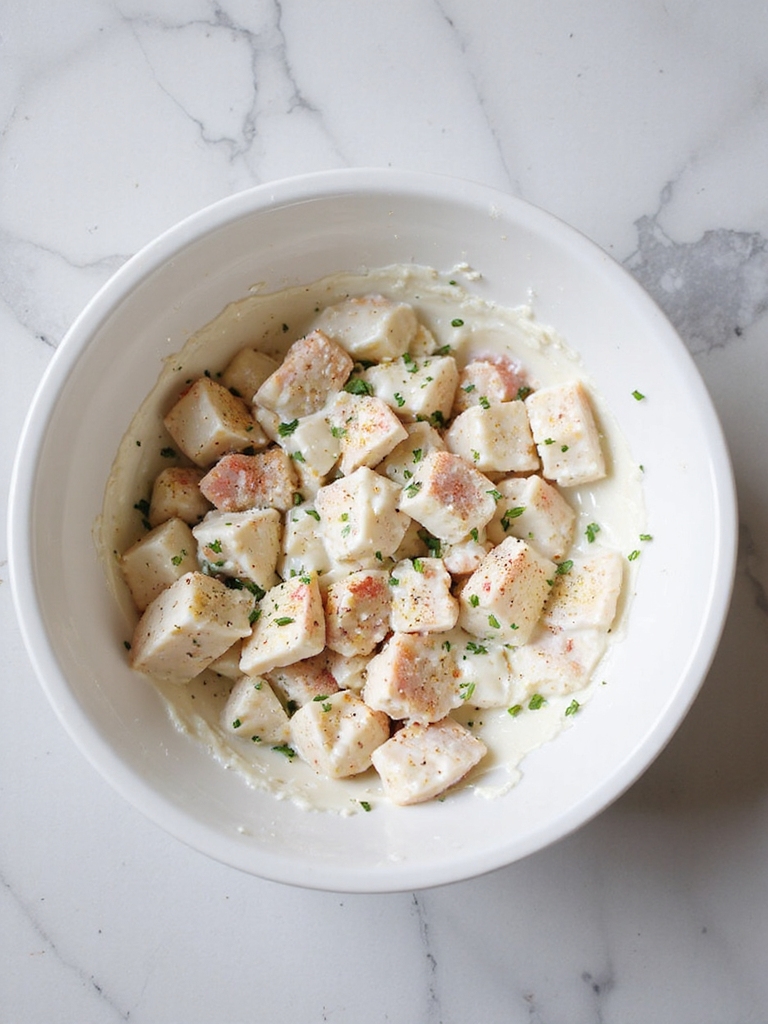
To perfect the mixture for healthy crab cakes, it’s essential to achieve the right balance of ingredients that bind well without overpowering the delicate flavor of the crab. Start by using fresh lump crab meat as the star ingredient, and combine it gently with a creamy, low-fat base of Greek yogurt and Dijon mustard for a tangy kick, complemented by Worcestershire sauce and Old Bay seasoning for depth. Using oat flour helps keep the mixture gluten-free while adding a tender texture, and the inclusion of fresh parsley brings a burst of freshness. Confirm your mixture holds together by incorporating just enough beaten egg as a binder.
- Fresh lump crab meat
- Greek yogurt
- Dijon mustard
- Worcestershire sauce
- Old Bay seasoning
- Lemon juice
- Egg
- Oat flour
- Fresh parsley
- Minced garlic
In a large mixing bowl, gently combine lump crab meat with Greek yogurt, Dijon mustard, Worcestershire sauce, Old Bay seasoning, and lemon juice. Incorporate a beaten egg and oat flour to bind, then fold in minced garlic and fresh parsley. Shape the mixture into patties, confirming they’re compact, before cooking them to perfection. For best results, handle the crab meat cautiously to preserve its chunks and avoid overmixing, which can make the cakes dense. Let the mixture chill briefly before shaping to help the patties maintain their form while cooking.
Additionally, allowing the mixture to rest enhances the overall flavor profile and helps meld the ingredients harmoniously.
Using Herbs and Spices for Flavor
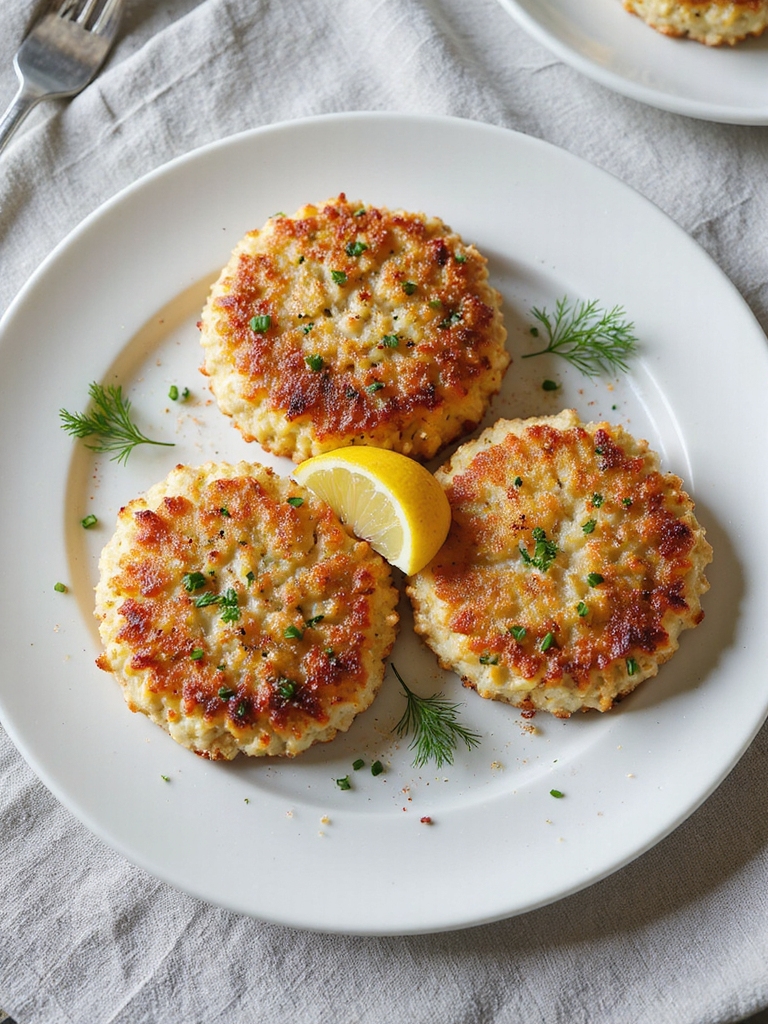
To elevate your crab cakes with a burst of flavor, incorporate a harmonious blend of herbs and spices that complement the natural sweetness of the crab meat. Start by using a mixture of dill, cilantro, and chives, along with a subtle kick from cayenne pepper and a hint of smoky paprika.
These aromatic herbs and spices not only bring out the best in the crab meat but also add layers of complexity to each bite, ensuring an unforgettable tasting experience. Make sure the herbs are finely chopped to distribute evenly throughout the mixture, enhancing the crab cakes’ flavor profile with every morsel. Additionally, consider using Old Bay seasoning for an iconic Maryland flavor that perfectly pairs with crab.
- Lump crab meat
- Greek yogurt
- Dijon mustard
- Worcestershire sauce
- Old Bay seasoning
- Lemon juice
- Egg
- Oat flour
- Fresh parsley
- Minced garlic
- Dill
- Cilantro
- Chives
- Cayenne pepper
- Paprika
In a large mixing bowl, combine crab meat, Greek yogurt, and Dijon mustard with Worcestershire sauce, and Old Bay seasoning. Stir in lemon juice, a beaten egg, and oat flour to bind, then fold in minced garlic, fresh parsley, dill, cilantro, chives, cayenne, and paprika. Shape into compact patties, chill briefly, and bake until golden.
To preserve the integrity of the crab meat and keep the cakes light, be gentle when folding in the ingredients. Allowing the patties to chill before baking helps maintain their shape and enhances the melding of flavors.
Baking Versus Frying: Health Benefits
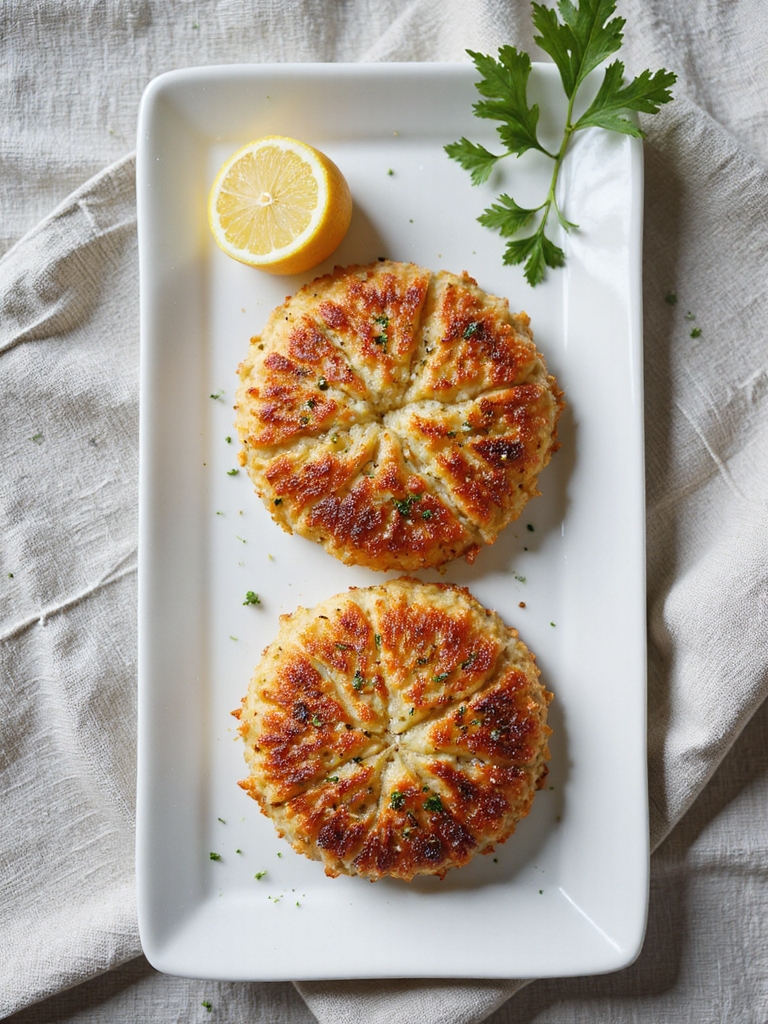
Baking crab cakes offers a healthier alternative to frying by considerably reducing the amount of added fat, therefore keeping the dish low in calories and fats. When you bake crab cakes, they retain their flavor and texture while benefiting from even heat distribution, ensuring a perfect, golden crust without the use of excessive oil.
This method also maintains the purity and natural taste of the crab meat, offering a delicious and nutritious meal option. Additionally, air frying crab cakes allows for a similar crispy texture with even less oil, making it another great option for health-conscious eaters.
- Lump crab meat
- Greek yogurt
- Dijon mustard
- Worcestershire sauce
- Old Bay seasoning
- Lemon juice
- Egg
- Oat flour
- Fresh parsley
- Minced garlic
- Dill
- Cilantro
- Chives
- Cayenne pepper
- Paprika
Preheat your oven to 375°F. Gently mix the ingredients together in a large bowl and form into patties. Arrange the patties on a baking sheet lined with parchment paper and bake for about 15-20 minutes or until the tops are golden brown.
To achieve the best texture, make sure to pack the crab cakes tightly and chill them in the fridge for at least 20 minutes before baking. This helps them hold their shape and enriches the flavors absorbed during chilling.
Step-by-Step Baking Instructions
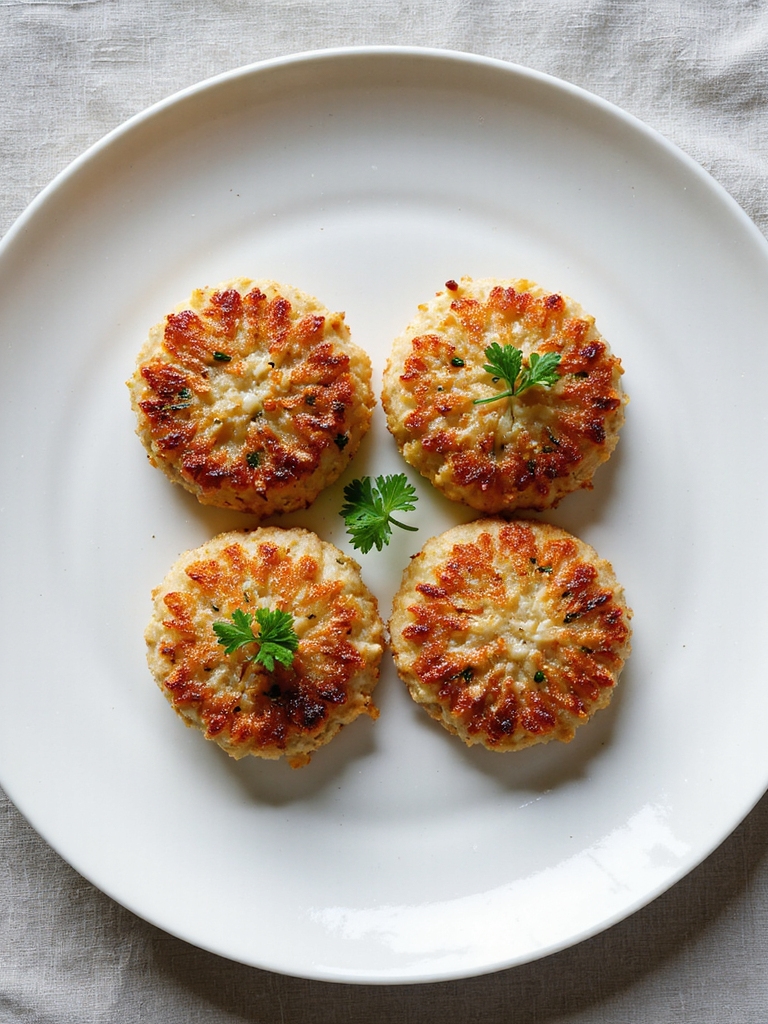
To make delicious baked crab cakes, follow this easy and healthy recipe that combines fresh ingredients with a perfect blend of spices. Begin by preheating your oven to 375°F and preparing your crab cake mixture. This method guarantees that the crab retains its natural flavor while being baked to perfection, resulting in a nutritious dish with a delightful texture.
- Lump crab meat
- Greek yogurt
- Dijon mustard
- Worcestershire sauce
- Old Bay seasoning
- Lemon juice
- Egg
- Oat flour
- Fresh parsley
- Minced garlic
- Dill
- Cilantro
- Chives
- Cayenne pepper
- Paprika
Once the oven is ready, combine all the ingredients in a large bowl, mixing gently to avoid breaking up the crab meat, and shape the mixture into patties. Place the crab cakes on a parchment-lined baking sheet, then bake until the tops are golden brown, roughly 15-20 minutes. Confirm consistent browning by flipping the cakes halfway through baking.
For extra flavor and texture, try chilling the patties in the refrigerator for at least 20 minutes before baking to help them hold their shape and intensify flavors. Avoid overmixing the ingredients as it can cause the crab meat to shred, compromising the desired texture. Additionally, using lump crab meat ensures that your crab cakes will have the best flavor and texture possible.
Tips for Achieving Crispy Baked Crab Cakes
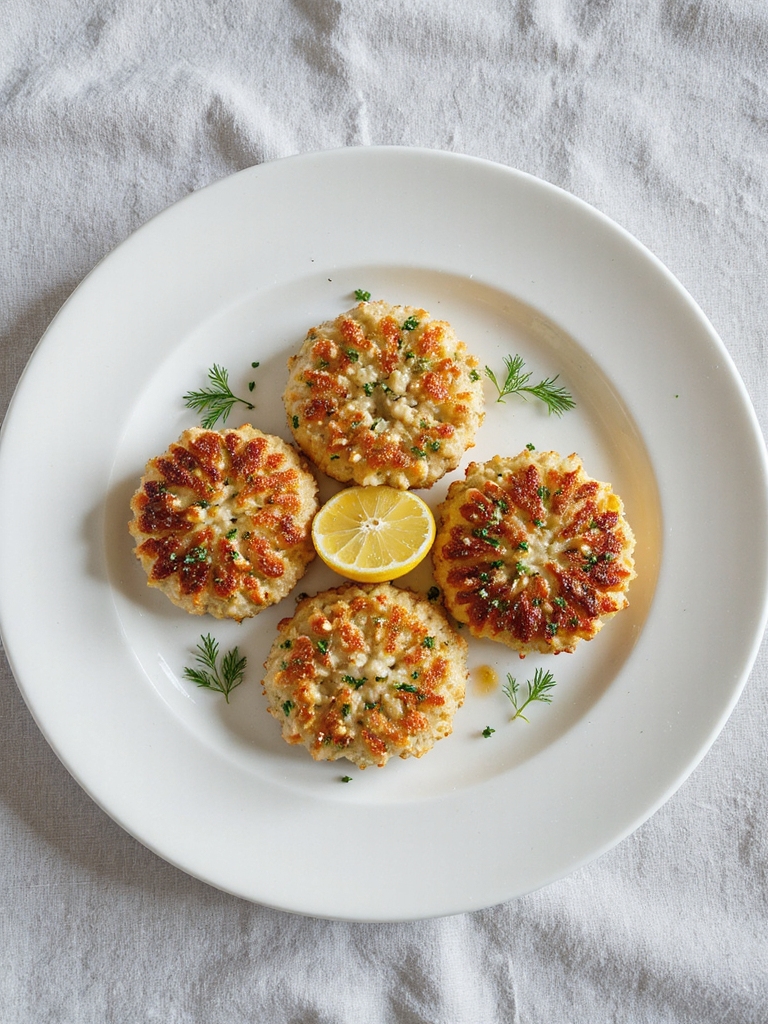
To achieve crispy baked crab cakes, it’s all about handling the crab meat gently and guaranteeing the right baking techniques. Begin by making certain your crab cake mixture includes a good balance of wet and dry ingredients to form a cohesive yet delicate texture. Chilling the cakes before baking helps them retain their shape, and using a hot oven with the proper placement of baking racks guarantees even heat distribution for perfect crispiness.
- Lump crab meat
- Greek yogurt
- Dijon mustard
- Worcestershire sauce
- Old Bay seasoning
- Lemon juice
- Egg
- Oat flour
- Fresh parsley
- Minced garlic
- Dill
- Cilantro
- Chives
- Cayenne pepper
- Paprika
Gently combine all ingredients, form into cakes, and chill in the fridge for 20 minutes. Preheat oven to 400°F, arrange cakes on a parchment-lined sheet, and bake on the upper-middle rack for about 15 minutes or until golden brown. Flipping the cakes halfway guarantees both sides develop a crispy crust.
To further enhance crispiness, consider lightly brushing the tops of the crab cakes with melted butter or olive oil before baking. This simple step encourages browning and adds a subtle richness to each bite without compromising the desirable texture. Additionally, using lump crab meat ensures that your cakes maintain a hearty texture and flavor which is essential for a great crab cake experience.
Gluten-Free Baked Crab Cakes Option
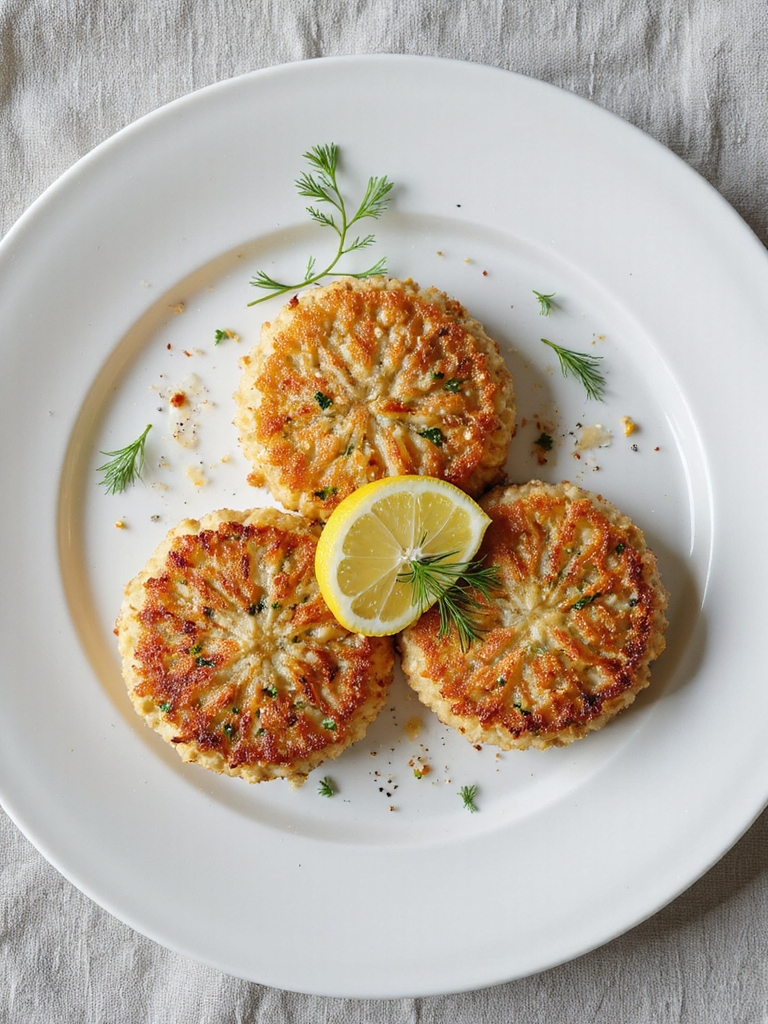
For a gluten-free option of baked crab cakes, you’ll enjoy a delightful and healthier alternative that doesn’t compromise on taste. Replacing the oat flour with almond flour provides a nutritious and gluten-free binding agent that complements the rich flavors of crab meat and aromatic herbs. These gluten-free crab cakes are packed with flavor and are perfect for those with dietary restrictions while still delivering the same satisfying crispy texture. Additionally, using lump crab meat in the recipe ensures that your crab cakes remain moist and flavorful.
- Lump crab meat
- Greek yogurt
- Dijon mustard
- Worcestershire sauce
- Old Bay seasoning
- Lemon juice
- Egg
- Almond flour
- Fresh parsley
- Minced garlic
- Dill
- Cilantro
- Chives
- Cayenne pepper
- Paprika
Gently mix together all the ingredients, shape the mixture into small cakes, and let them chill in the refrigerator for 20 minutes. Preheat your oven to 400°F and line a baking sheet with parchment paper. Arrange the crab cakes on the sheet and bake on the upper-middle rack for 15 minutes, flipping halfway, until they turn golden brown and crispy.
For added crispiness, you can brush the top of the crab cakes lightly with either melted butter or olive oil before baking. Adjust the seasoning according to your preferences, but be mindful not to overpower the delicate flavor of the crab.
Dairy-Free Baked Crab Cakes Alternative
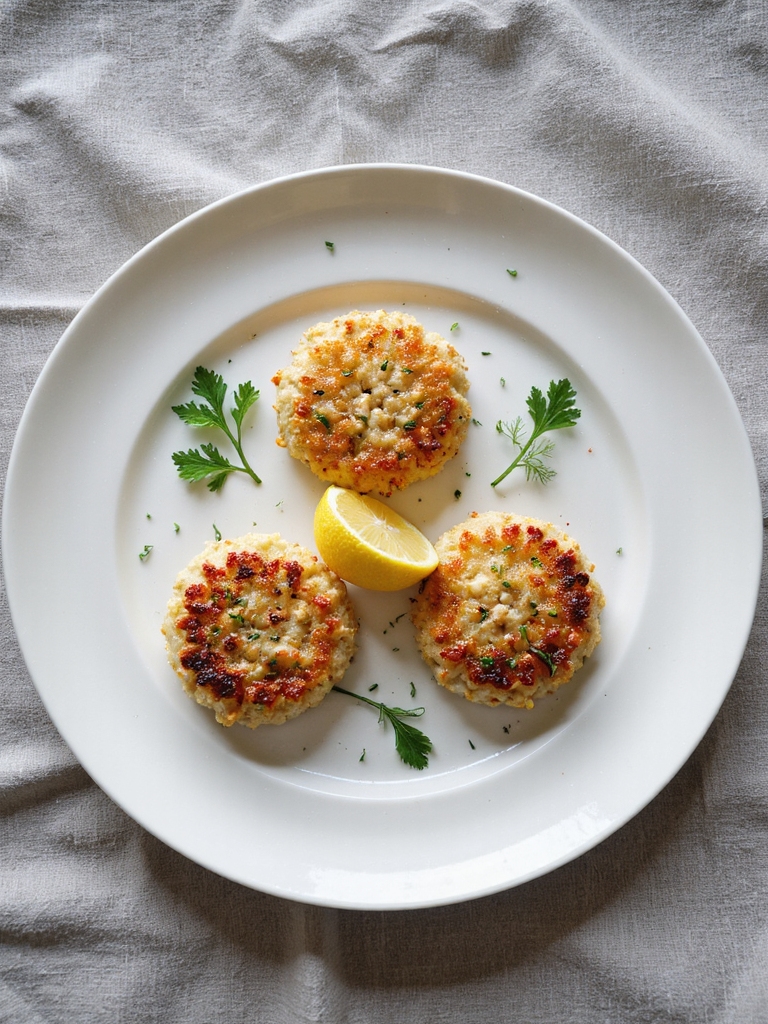
For a dairy-free version of baked crab cakes, you’ll find that creamy, flavor-packed textures can still be achieved without traditional dairy products. Coconut cream serves as an excellent substitute for Greek yogurt, guaranteeing a moist crab cake that stays true to its classic taste profile while catering to dietary needs. This dairy-free alternative pairs beautifully with the succulent crab meat and a mix of fresh herbs, creating an exquisite dish for everyone to enjoy.
- Lump crab meat
- Coconut cream
- Dijon mustard
- Worcestershire sauce
- Old Bay seasoning
- Lemon juice
- Egg
- Panko breadcrumbs
- Fresh parsley
- Minced garlic
- Dill
- Cilantro
- Chives
- Cayenne pepper
- Paprika
Combine all ingredients in a large bowl, mixing gently to avoid breaking up the crab meat. Shape the mixture into cakes and chill for 20 minutes. Preheat your oven to 400°F, place the cakes on a parchment-lined baking sheet, and bake for 15 minutes, flipping halfway through.
To guarantee crispy edges, lightly oil the baking sheet and the tops of the crab cakes with olive oil before baking. Adjust seasoning to taste, but be careful not to overwhelm the crab’s natural sweetness.
Low-Carb Baked Crab Cakes Recipe
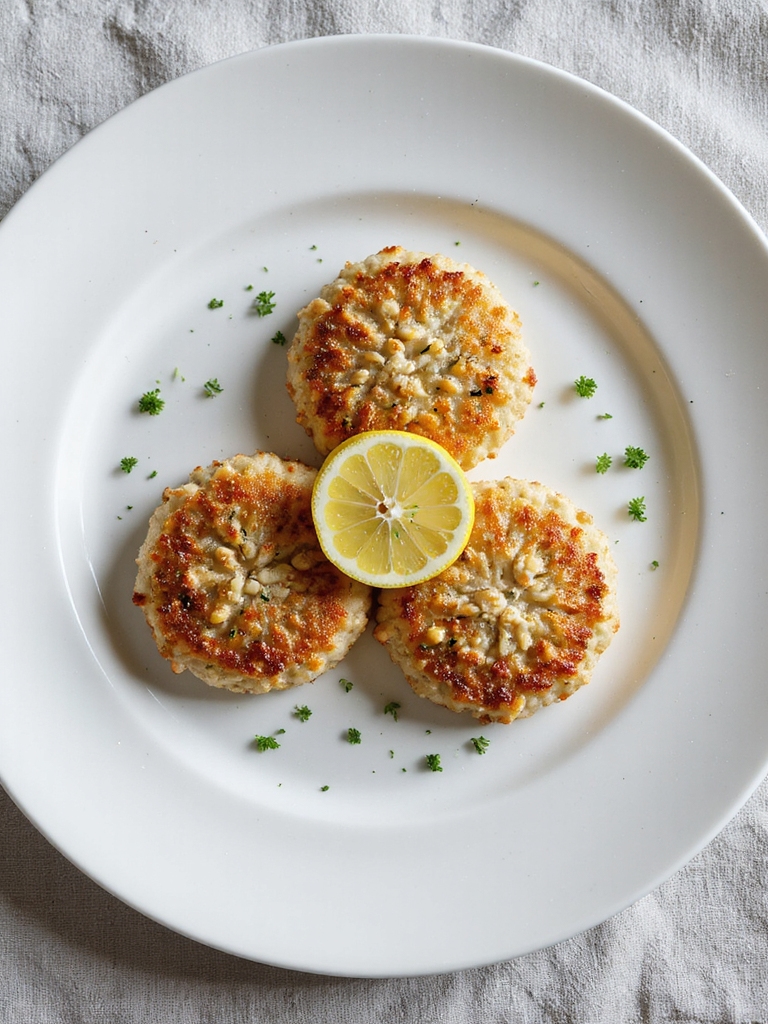
For a delightful low-carb baked crab cake recipe, almond flour replaces traditional breadcrumbs to deliver a satisfying texture while maintaining a lower carbohydrate content. This version preserves the delectable essence of crab cakes without sacrificing flavor, making it suitable for those following a low-carb diet. The combination of spices, lemon juice, and fresh herbs guarantees each bite is filled with freshness and zest, showcasing the versatility of Delicious Crab Dishes.
- Lump crab meat
- Almond flour
- Egg
- Dijon mustard
- Lemon juice
- Old Bay seasoning
- Salt
- Pepper
- Fresh parsley
- Minced garlic
- Cayenne pepper
- Paprika
- Olive oil
Gently mix the lump crab meat, almond flour, egg, Dijon mustard, lemon juice, spices, and herbs in a large bowl. Form into cakes and chill for 15 minutes. Preheat your oven to 375°F, placing the chilled cakes on a lightly greased baking sheet, bake for 18 minutes, and flip halfway for even cooking.
The key to perfectly cooked low-carb crab cakes is not over-mixing the crab to preserve its texture. Use fresh crab meat for the best flavor, and serve with a lemon wedge to enhance the dish’s zing.
Pairing Crab Cakes With Delicious Sides
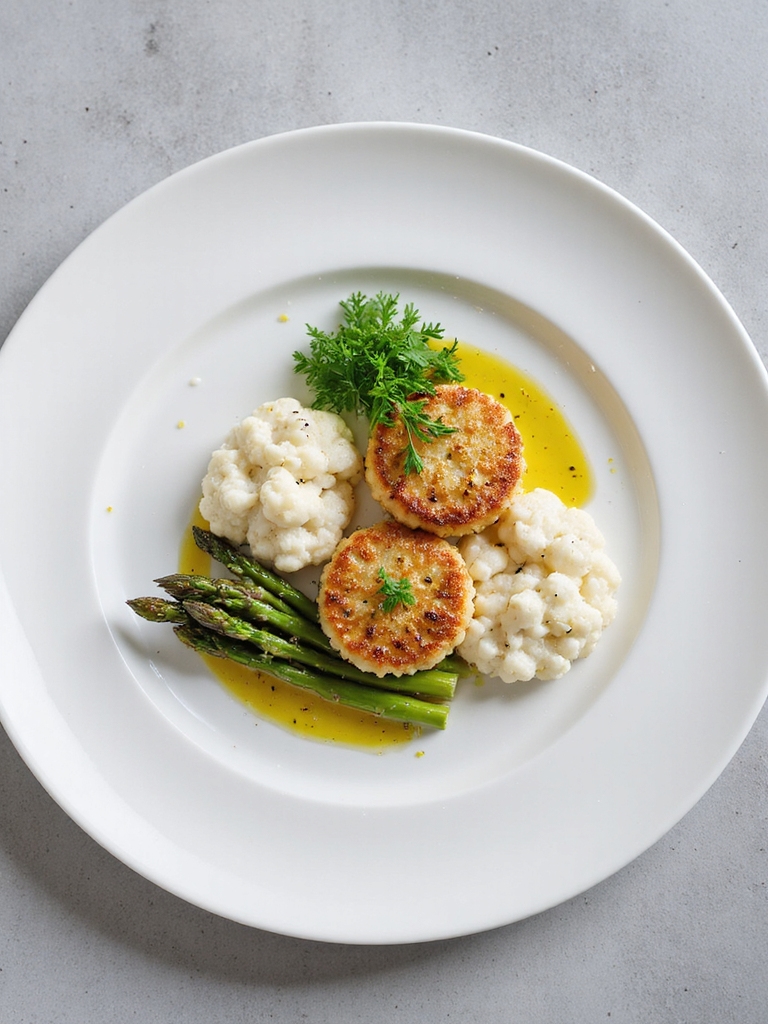
To complement your baked crab cakes, consider pairing them with fresh and vibrant sides that highlight their delicate flavors. A mix of roasted asparagus, a crisp arugula salad, and creamy mashed cauliflower offers a balance of textures and tastes while maintaining a healthy angle. These sides seamlessly integrate into a coastal-inspired meal, elevating your dining experience with minimal effort.
Ingredients:
- Asparagus
- Arugula
- Olive oil
- Lemon juice
- Salt
- Pepper
- Cauliflower
- Butter
- Sour cream
Toss asparagus with olive oil, salt, and pepper, then roast at 400°F for 12 minutes. Prepare an arugula salad by mixing arugula with lemon juice and olive oil dressing. For the mashed cauliflower, steam until soft, then blend with butter and sour cream until smooth, seasoning to taste with salt and pepper.
Ensure the cauliflower is thoroughly drained before blending to prevent a watery consistency. Serve the dishes as soon as they’re prepared to maintain ideal texture and flavor.
Sauces and Dressings to Complement Crab Cakes
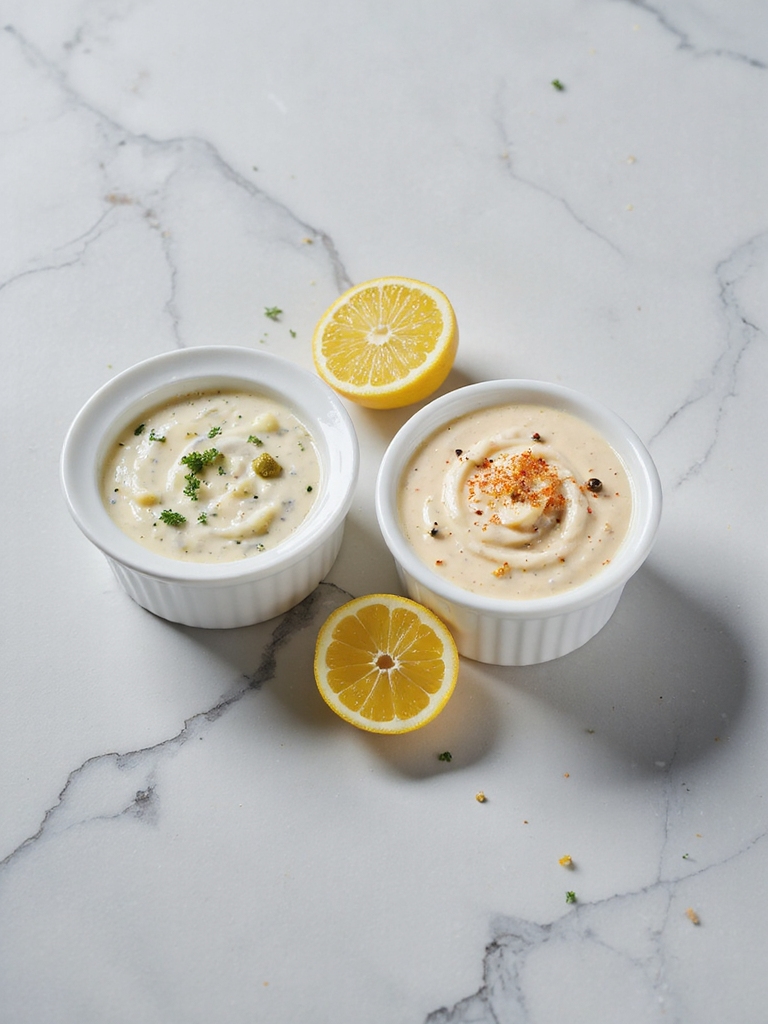
To elevate the flavors of your baked crab cakes, consider pairing them with a zesty tartar sauce or a spicy remoulade. A well-prepared sauce can enhance the natural sweetness of the crab and add a layer of complexity to the dish. These sauces are simple to make and provide the perfect balance of richness and acidity, making every bite of your crab cakes even more delicious.
- Mayonnaise
- Pickle relish
- Lemon juice
- Hot sauce
- Dijon mustard
- Capers
- Paprika
- Fresh parsley
In a bowl, combine mayonnaise, pickle relish, lemon juice, and hot sauce for the tartar sauce or mix mayonnaise, Dijon mustard, capers, and paprika for the remoulade. Stir until well-blended and adjust seasonings to taste. Serve immediately or chill briefly for flavors to meld.
To enhance your dining experience, use fresh lemon juice for peak flavor, and adjust the level of spice to your preference by varying the quantity of hot sauce.
Wine Pairings for an Elegant Meal
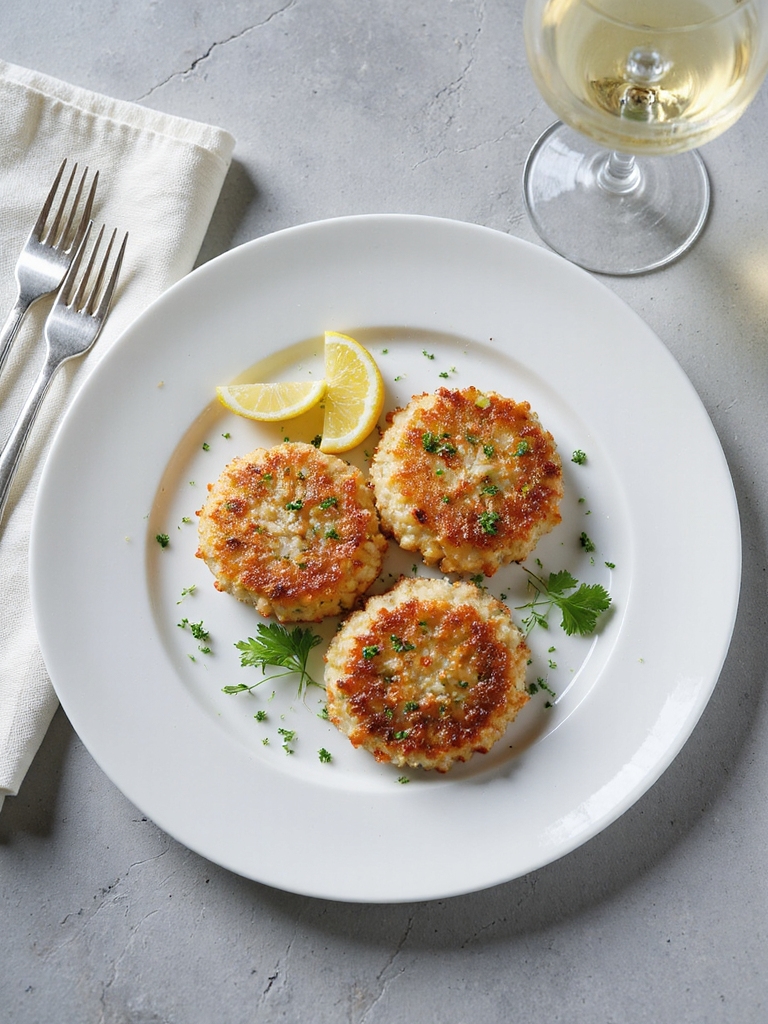
Crab cakes are a versatile dish that pairs beautifully with a variety of wines, enhancing the overall dining experience with their delicate and complex flavors. When choosing a wine pairing, consider the subtle sweetness and rich texture of the crab.
A crisp white wine, such as a Chablis or a Sauvignon Blanc, complements the flavors of crab cakes nicely, offering a revitalizing counterbalance to the dish. Alternatively, a light red wine like Pinot Noir can also be an elegant choice, providing a gentle contrast without overpowering the nuances of the crab.
Additionally, serving with savory baked crab legs can elevate your feast, making it a more indulgent experience.
Ingredients:
- 1/2 pound lump crab meat
- 1/4 cup mayonnaise
- 1 egg, beaten
- 1 tablespoon Dijon mustard
- 1 teaspoon Worcestershire sauce
- 1/4 cup breadcrumbs
- 1 tablespoon fresh lemon juice
- Salt and pepper to taste
- 1 tablespoon fresh parsley, chopped
- Olive oil for brushing
Preheat your oven to 375°F (190°C). In a bowl, combine crab meat, mayonnaise, beaten egg, Dijon mustard, Worcestershire sauce, breadcrumbs, lemon juice, salt, pepper, and parsley. Mix gently to avoid breaking the crab pieces. Form into patties, brush with olive oil, and bake on a lined tray for 20-22 minutes or until golden brown.
For ideal results, verify the crab meat is well-drained to prevent the mixture from becoming too wet. Pairing your crab cakes with wine can further enhance their flavors; try a chilled glass of white wine for a revitalizing contrast.
Creative Variations and Add-Ins
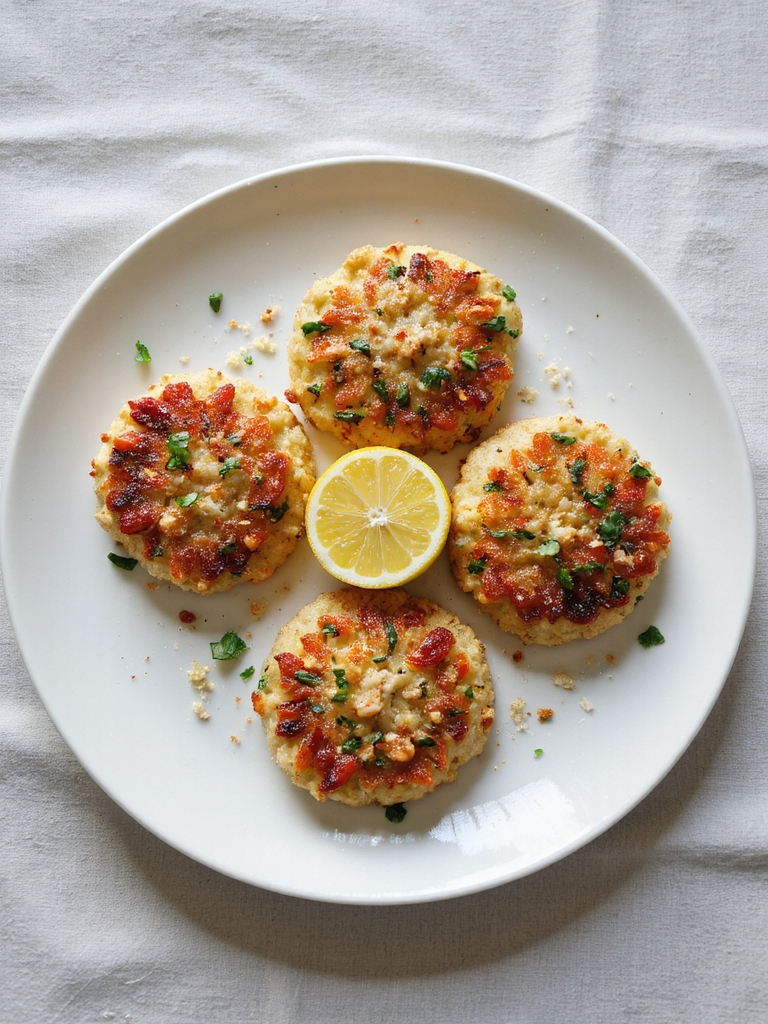
Crab cakes can easily be adapted with creative variations and add-ins to make them uniquely flavorful. You can incorporate ingredients such as roasted red peppers for a hint of sweetness and color or add Old Bay seasoning for a classic Maryland touch.
For a spicy twist, mix in diced jalapeños or a dash of hot sauce. Including different herbs like cilantro or adding in a finely grated cheese, such as Parmesan, can also elevate the richness of the crab cakes.
These variations allow you to tailor the flavors to your personal taste preferences while maintaining the classic texture of the dish.
Ingredients:
- 1/2 pound lump crab meat
- 1/4 cup mayonnaise
- 1 egg, beaten
- 1 tablespoon Dijon mustard
- 1 teaspoon Worcestershire sauce
- 1/4 cup breadcrumbs
- 1 tablespoon fresh lemon juice
- Salt and pepper to taste
- 1 tablespoon fresh parsley or cilantro, chopped
- 1/4 cup roasted red peppers, diced
- 1 teaspoon Old Bay seasoning
- 1 tablespoon jalapeños, seeded and chopped
- 2 tablespoons grated Parmesan cheese
- Olive oil for brushing
Preheat your oven to 375°F (190°C). In a bowl, gently combine crab meat, mayonnaise, beaten egg, Dijon mustard, Worcestershire sauce, breadcrumbs, lemon juice, salt, pepper, herbs, roasted red peppers, Old Bay seasoning, jalapeños, and Parmesan cheese. Form into patties, brush with olive oil, and bake for 20-22 minutes or until golden brown.
When exploring creative variations, make certain your add-ins are finely diced to keep the texture even and prevent the crab cakes from falling apart. Balancing the spice, acidity, and aroma of the ingredients will create harmoniously flavored crab cakes.
Storing and Reheating Tips for Crab Cakes
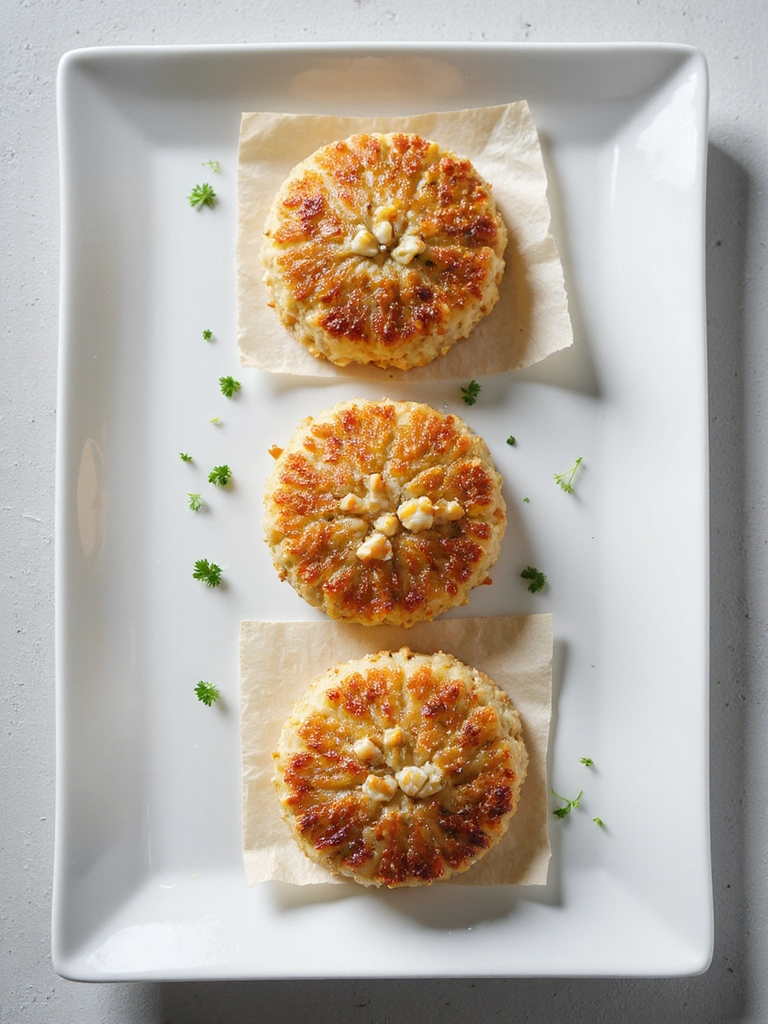
When it comes to storing and reheating crab cakes, proper techniques are key to maintaining their delicious flavor and texture. Once cooked, allow the crab cakes to cool completely before storing them in an airtight container in the refrigerator for up to three days. To reheat, preheat your oven to 350°F (175°C), arrange the crab cakes on a baking sheet, and bake for 10-15 minutes until heated through and crispy.
Ingredients:
- Cooked crab cakes
- Airtight container
- Olive oil or non-stick spray
- Baking sheet
Place the crab cakes on a baking sheet lined with parchment paper and lightly brush or spray with olive oil. Bake in a preheated oven at 350°F (175°C) for 10-15 minutes or until they’re warmed through and regain their crispy texture, being careful not to overbake as this could dry them out. Confirm they achieve an even reheating by flipping them halfway through the baking time.
To prevent soggy crab cakes during storage, place a sheet of parchment or paper towel in the container to absorb moisture. If freezing, wrap them individually in plastic wrap to minimize freezer burn and maintain their taste upon reheating.