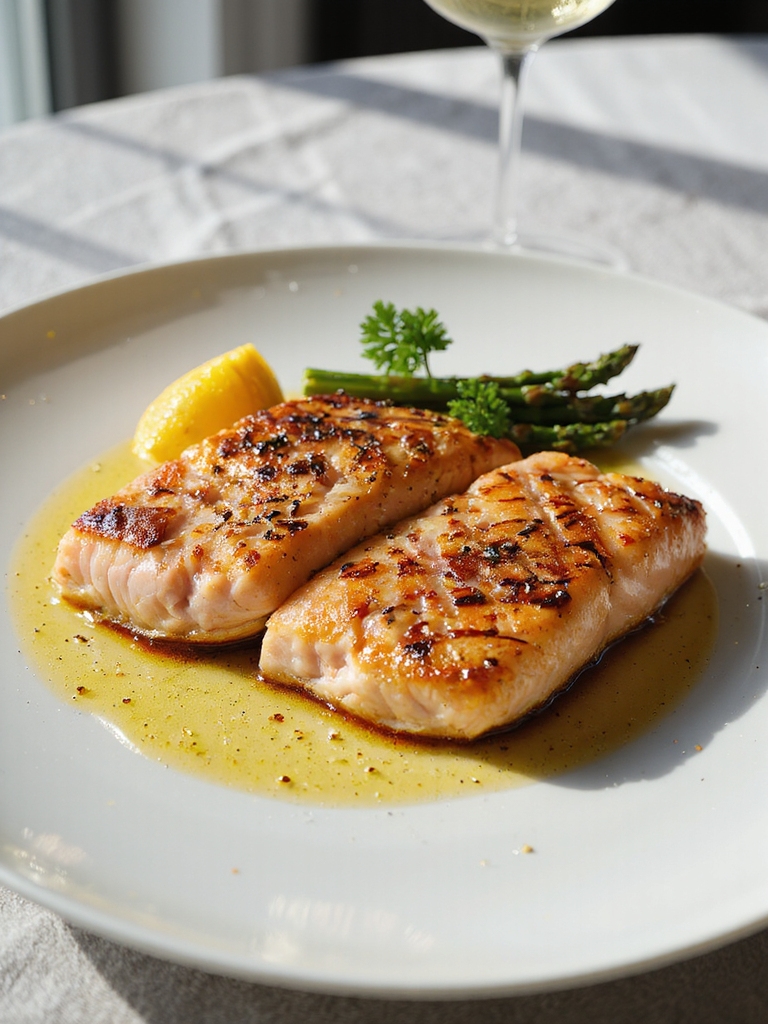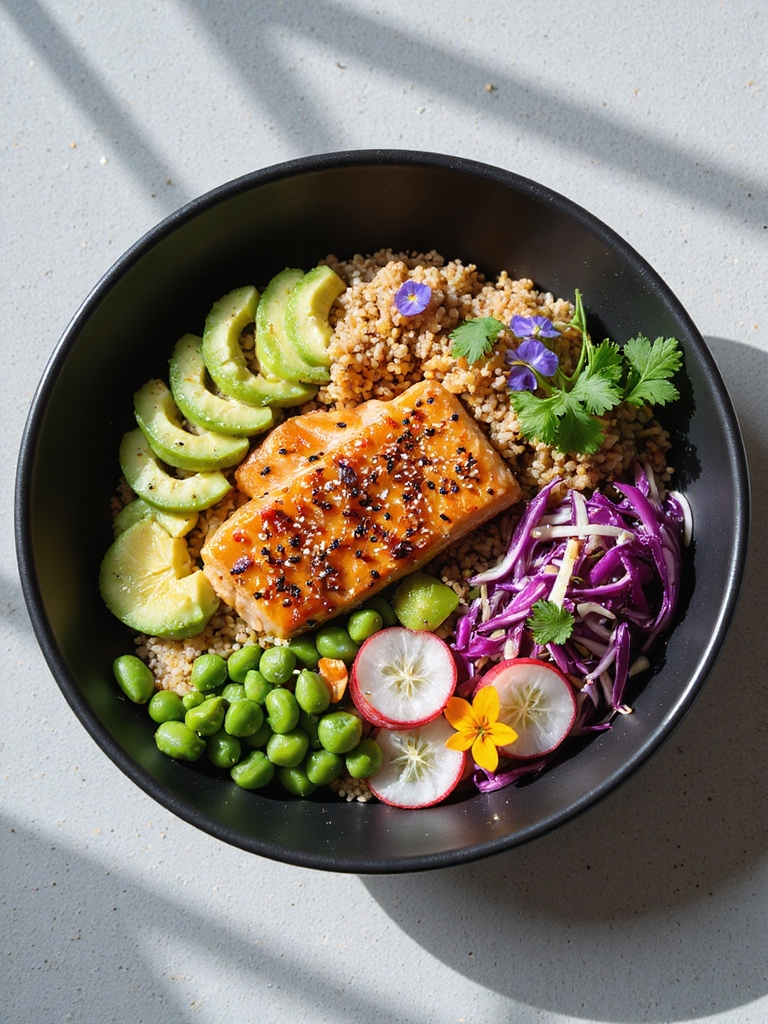
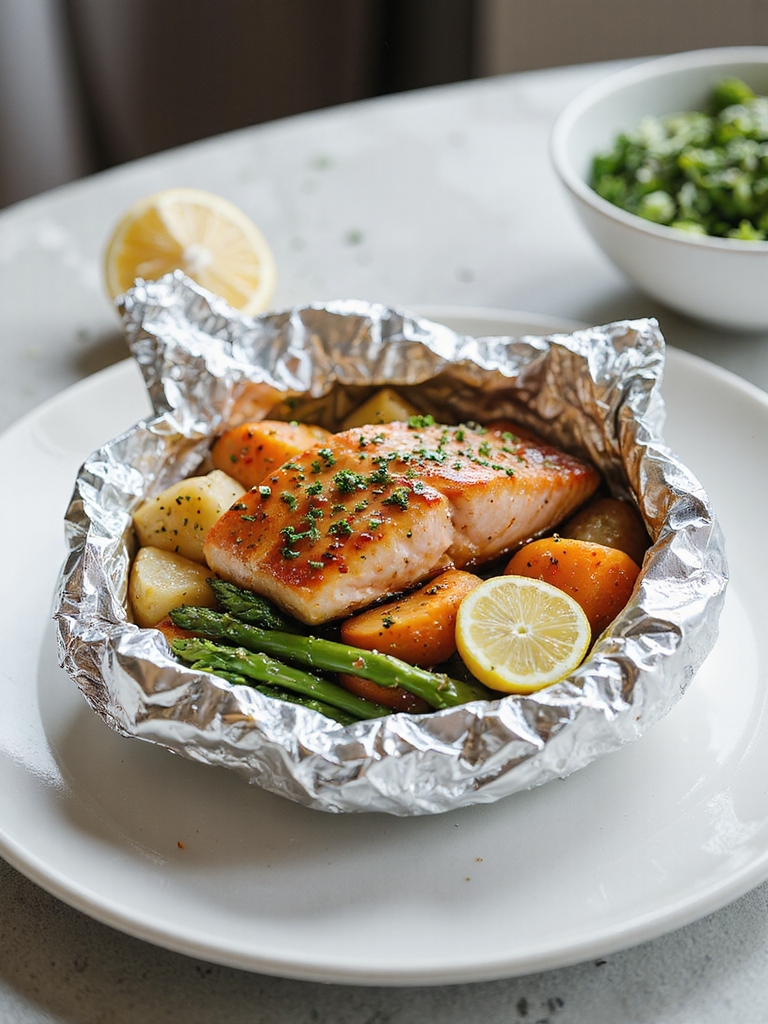
I love firing up the grill for salmon that gets a smoky crust and stays buttery inside, and I’ll show you simple ways to get that every time—whether you’re using cedar planks, a spicy maple glaze, or a foil packet of garlic butter veggies.
I’ll walk you through choosing the best fish, prepping fillets, and nailing the sear so your next summer meal becomes the one everyone asks about—and then some.
Choosing the Best Salmon for Grilling
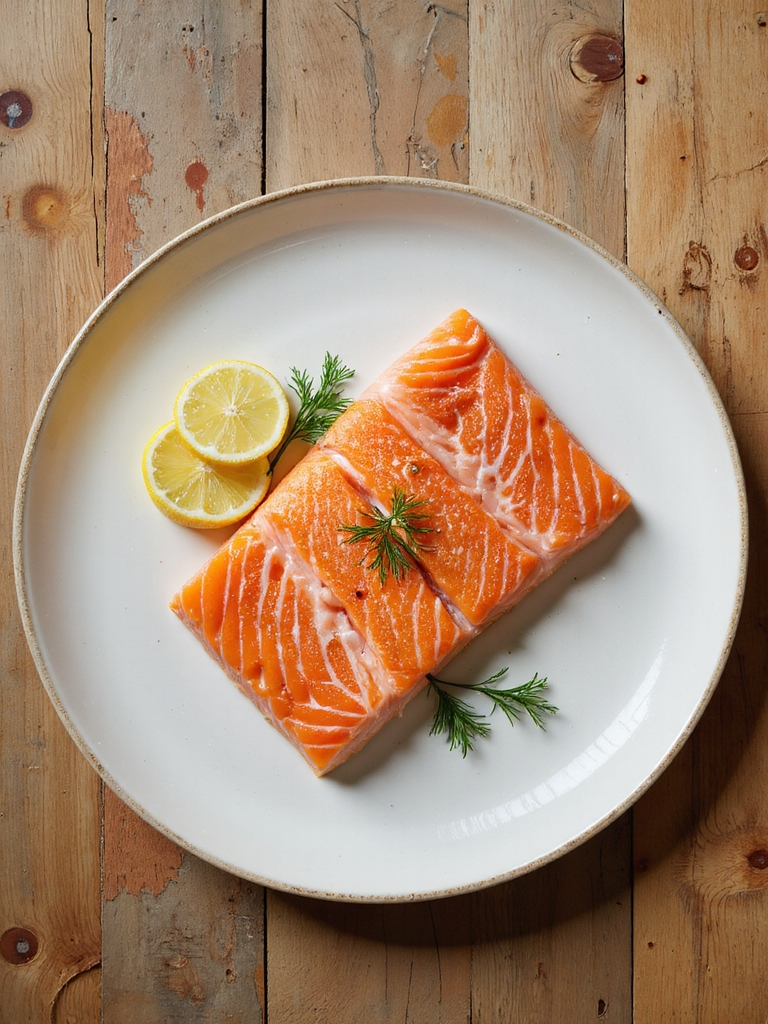
Choosing the Best Salmon for Grilling: pick firm, fatty fillets with bright color and minimal brown spots—wild-caught king (chinook) or sockeye offer great flavor and hold up well, while farmed Atlantic has more fat and is forgiving; look for skin-on portions to protect the flesh, even thickness for even cooking, and ask the fishmonger to pin-bone or do it yourself for easier eating.
- 1 lb salmon fillet, skin-on and evenly thick
- Salt, kosher or sea salt, to taste
- Freshly ground black pepper, to taste
- 1–2 tbsp olive oil or neutral oil
- 1 lemon, halved (for juice and serving)
- Optional: 1 tbsp Dijon mustard or a light glaze
- Optional: Fresh herbs (dill, parsley) for finishing
Preheat grill to medium-high (about 400°F/200°C) and oil grates well; season salmon with salt, pepper, and a light brush of oil (and mustard if using), place skin-side down and grill with lid closed 4–6 minutes until skin is crisp and flesh releases easily, then flip carefully and cook 1–3 minutes more for medium (internal 120–125°F/49–52°C) before removing and resting 3–5 minutes.
Serve with a squeeze of lemon and herbs, adjusting time for thickness and desired doneness.
Tip: Always let salmon come to room temperature for 15–20 minutes before grilling and keep the skin on to prevent sticking and overcooking; use a hot, clean, well-oiled grate and minimal flipping for best results. A simple oven-baked method can also produce reliably moist results and is useful when grilling isn’t an option — try baking at 400°F for about 10–12 minutes per inch of thickness for even cooking.
Preparing and Trimming Fillets Like a Pro
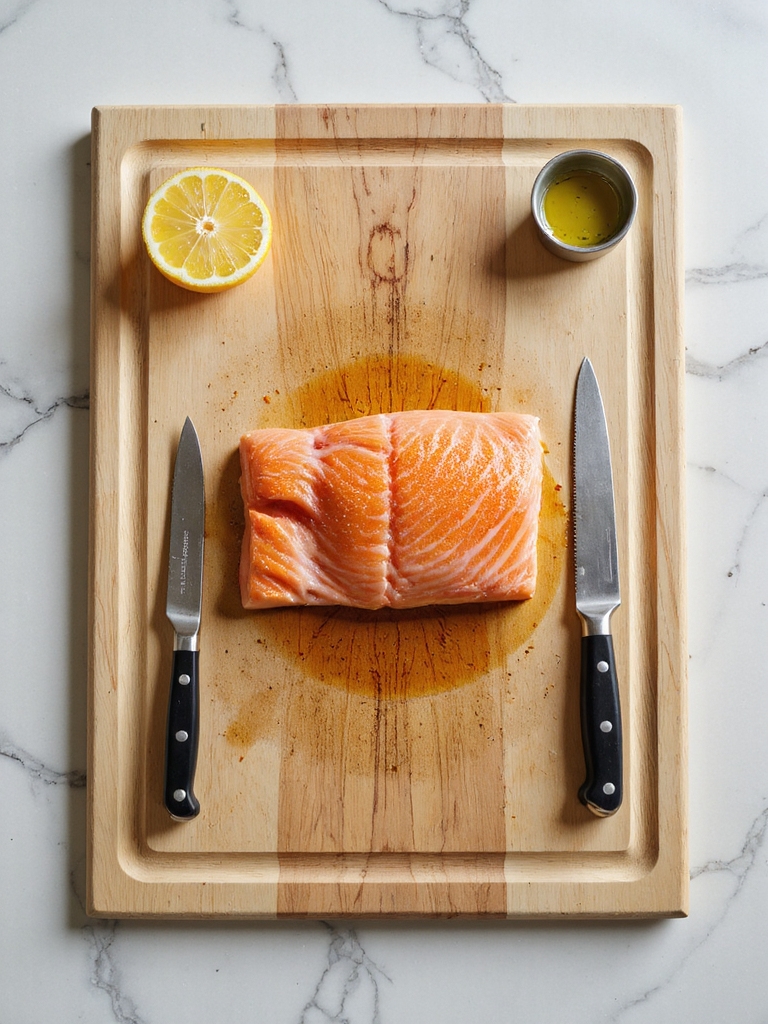
Preparing and trimming salmon fillets properly makes grilling easier, improves presentation, and guarantees even cooking; this recipe walks you through bringing a skin-on fillet to restaurant-quality readiness by removing pin bones, trimming ragged edges, evening the thickness, and seasoning for the grill.
- 1 lb skin-on salmon fillet
- Kitchen shears
- Fillet or flexible knife (sharp)
- Pliers or fish bone tweezers
- Cutting board
- Paper towels
- Salt and pepper
- Olive oil
- Lemon
- Optional: Dijon mustard, fresh herbs
Place the fillet skin-side down on a clean cutting board and use kitchen shears to trim any ragged skin or fins, pat the flesh dry with paper towels then run your fingers along the centerline to locate pin bones and remove them with pliers or tweezers by pulling in the direction they angle; if the fillet is uneven, make a shallow horizontal cut to fold or butterflly thicker portions for uniform thickness, season lightly with salt, pepper and oil (and mustard if using), let rest at room temperature 15–20 minutes then grill skin-side down as directed in the previous recipe.
Tip: Work gently when removing pin bones and keep the fillet cold so it stays firm, and save trimmings for stock or crisping on the grill. For perfectly cooked salmon every time, consider a brief oven finish to reach an internal temperature of 125°F for medium-rare ideal doneness.
Essential Tools and Grill Setup for Perfect Sear
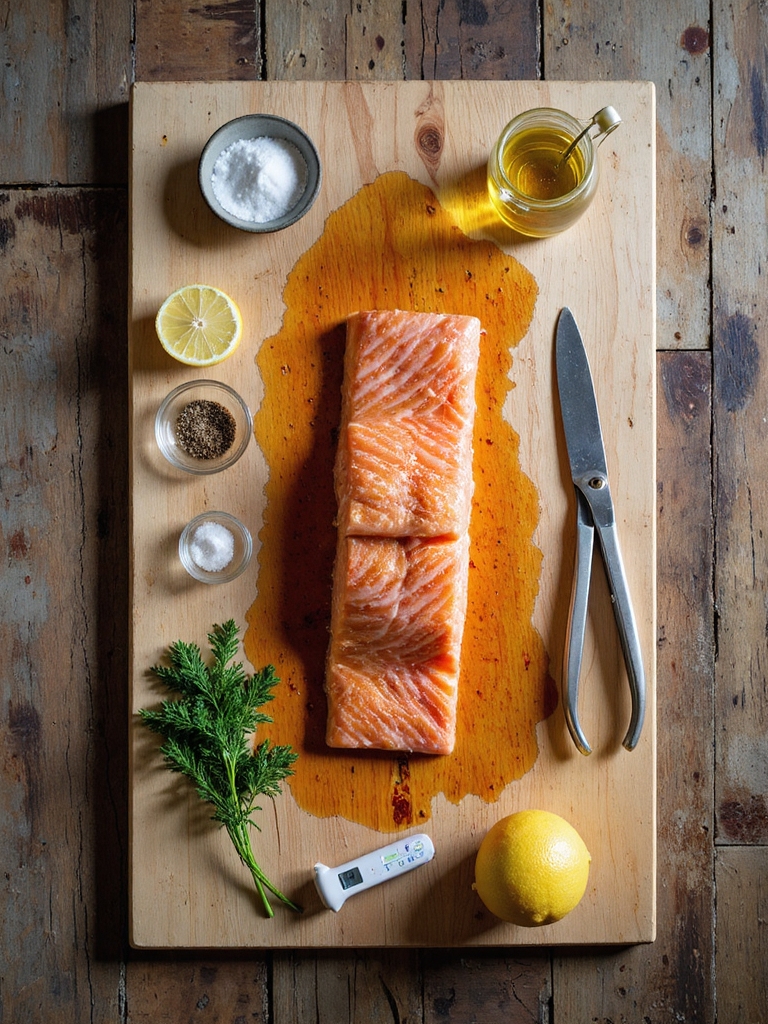
Getting a perfect sear on salmon starts with the right tools and grill setup: gather a sturdy spatula or fish turner, a long-handled grill brush, tongs, a thermometer, a clean grate or plank, and a spray bottle of water for flare-ups; set up a two-zone fire (direct high heat for searing, indirect medium heat to finish), preheat the grill with the lid closed until very hot, oil the grates or plank, and have a stable surface and heat-resistant gloves ready for safety.
- 1 whole salmon fillet (skin-on), about 1–1.5 lb
- High-heat oil (canola, grapeseed, or avocado)
- Coarse kosher salt and freshly ground black pepper
- Lemon (halved) and optional fresh dill
- Long-handled spatula or fish turner
- Grill brush, tongs, and a spray bottle of water
- Instant-read thermometer
- Cedar plank (soaked) or a clean, well-oiled grill grate
- Heat-resistant gloves
Preheat grill to create a two-zone fire: one side high heat (450–500°F) for searing, the other medium (350°F) to finish; oil the grate or plank, pat salmon dry, oil and season skin lightly, sear skin-side down over direct heat 2–3 minutes until skin crisps, then move to indirect heat (or place plank) and cook with lid closed until internal temperature reaches 125–130°F for medium (about 6–10 more minutes depending on thickness), use the spatula to flip only if necessary and rest 3–5 minutes before serving.
Tip: Keep a spray bottle handy to tame flare-ups, pre-soak cedar planks to prevent burning, and always use an instant-read thermometer to avoid overcooking.
For an even cooking surface and to help prevent sticking, consider using a soaked cedar plank under the fillet when finishing on indirect heat.
Cedar Plank Salmon With Lemon and Dill
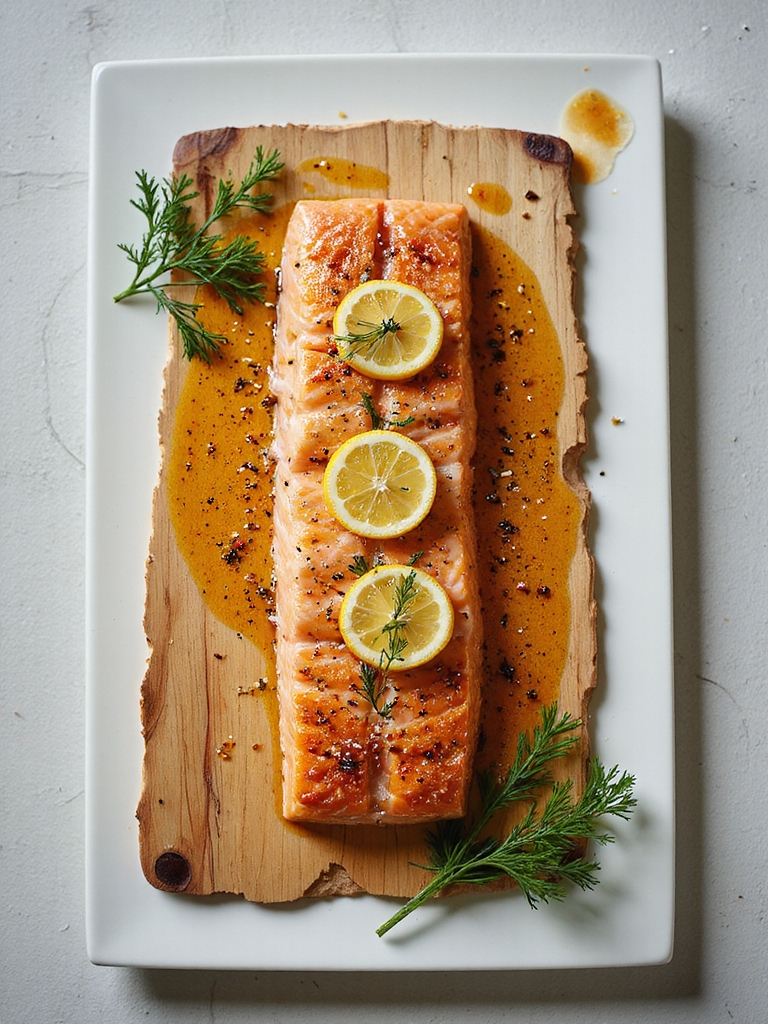
Cedar plank salmon with lemon and dill is an aromatic, tender grilled dish where the smoky plank infuses the fish while citrus and fresh herbs brighten the flavor; this version uses a soaked cedar plank, a simple lemon-dill butter, and skin-on fillets seared then finished over indirect heat for a moist interior and crisped edges.
- 1 whole salmon fillet (skin-on), about 1–1.5 lb
- 1 cedar plank, soaked in water for at least 1 hour
- 2 tbsp unsalted butter, softened
- Zest and juice of 1 lemon
- 1–2 tbsp chopped fresh dill (plus sprigs for garnish)
- 1 tbsp olive oil
- Kosher salt and freshly ground black pepper
- Lemon slices for topping
Preheat grill for two-zone cooking with lid closed until very hot; pat salmon dry, rub skin lightly with oil and season with salt and pepper, mix butter with lemon zest, juice and chopped dill and spread over flesh, place soaked plank on the hot side until it begins to smoke then move to indirect heat and set salmon skin-side down on the plank, close lid and grill until internal temperature reads 125–130°F (about 12–18 minutes depending on thickness), remove and rest 3–5 minutes before serving with lemon slices and dill sprigs.
Tip: Make certain the plank is well soaked to prevent flare-ups, monitor temperature with an instant-read thermometer to avoid overcooking, and keep a spray bottle of water handy for any flare-ups. For best results, select a fresh, food-safe cedar plank specifically sold for cooking to avoid any treated wood contaminants.
Sweet and Spicy Maple-Sriracha Glazed Salmon
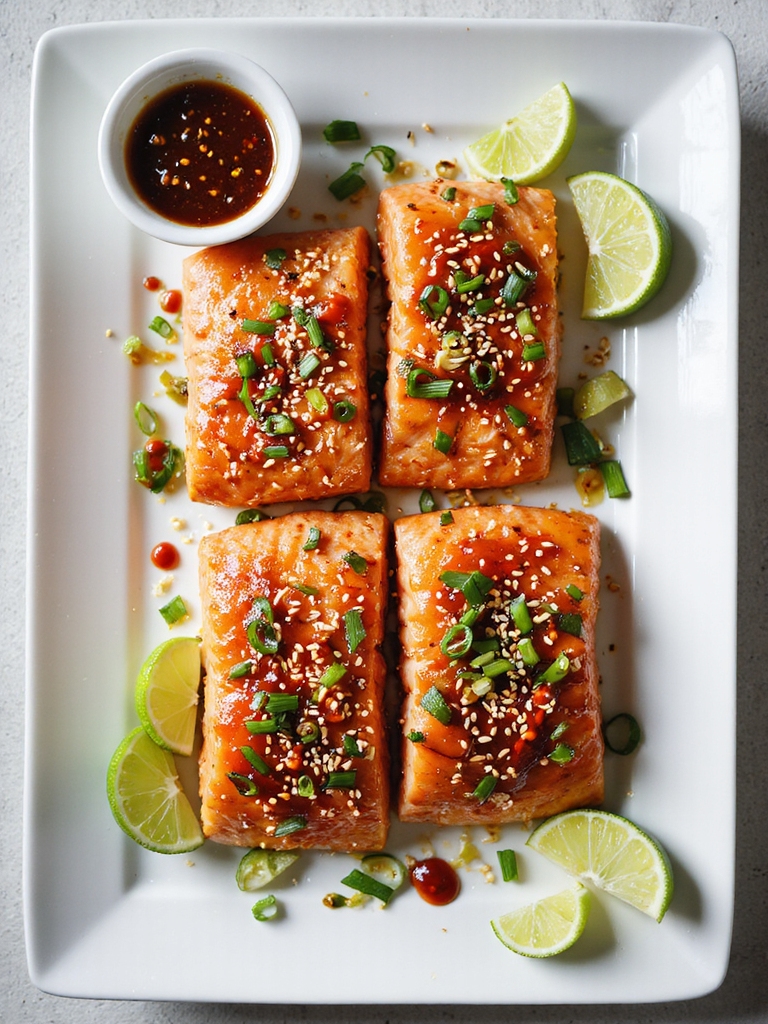
Sweet and Spicy Maple-Sriracha Glazed Salmon is a bold, sticky, and caramelized dish that balances rich maple sweetness with a chile-forward Sriracha heat and a touch of soy and citrus for depth; it’s quick to prepare and works well on a hot grill or in a hot oven for a glossy, flavorful crust while keeping the interior tender and moist.
- 1–1.5 lb salmon fillet or 4 salmon portions (skin-on or skinless)
- 3 tbsp pure maple syrup
- 1–2 tbsp Sriracha (adjust to heat preference)
- 1 tbsp soy sauce (or tamari)
- 1 tbsp rice vinegar or lime juice
- 1 tsp sesame oil
- 1 clove garlic, minced
- 1 tsp grated fresh ginger (optional)
- 1 tbsp neutral oil (for grilling or searing)
- Sesame seeds and sliced scallions for garnish
Preheat grill or oven to high (grill: direct medium-high; oven: 425°F/220°C) and pat salmon dry then season lightly with salt; whisk maple, Sriracha, soy, vinegar, sesame oil, garlic and ginger and reserve 2 tbsp of the glaze for finishing, brush the salmon with the remaining glaze and grill skin-side down (or sear in an ovenproof skillet over medium-high and finish in oven) for about 4–6 minutes per side depending on thickness, basting once or twice with more glaze and cooking until the salmon reaches 125–130°F for medium-rare to medium and the glaze is sticky and caramelized, then remove and rest 3–5 minutes before garnishing with sesame seeds and scallions.
Tip: Use an instant-read thermometer to avoid overcooking, reserve some glaze for a final brush to prevent burning, and if grilling keep a spray bottle of water for flare-ups or cook over indirect heat if sugars start to char too quickly. This recipe pairs especially well with salmon teriyaki flavors for an easy weeknight dinner.
Citrus-Herb Marinade for Bright, Juicy Fish
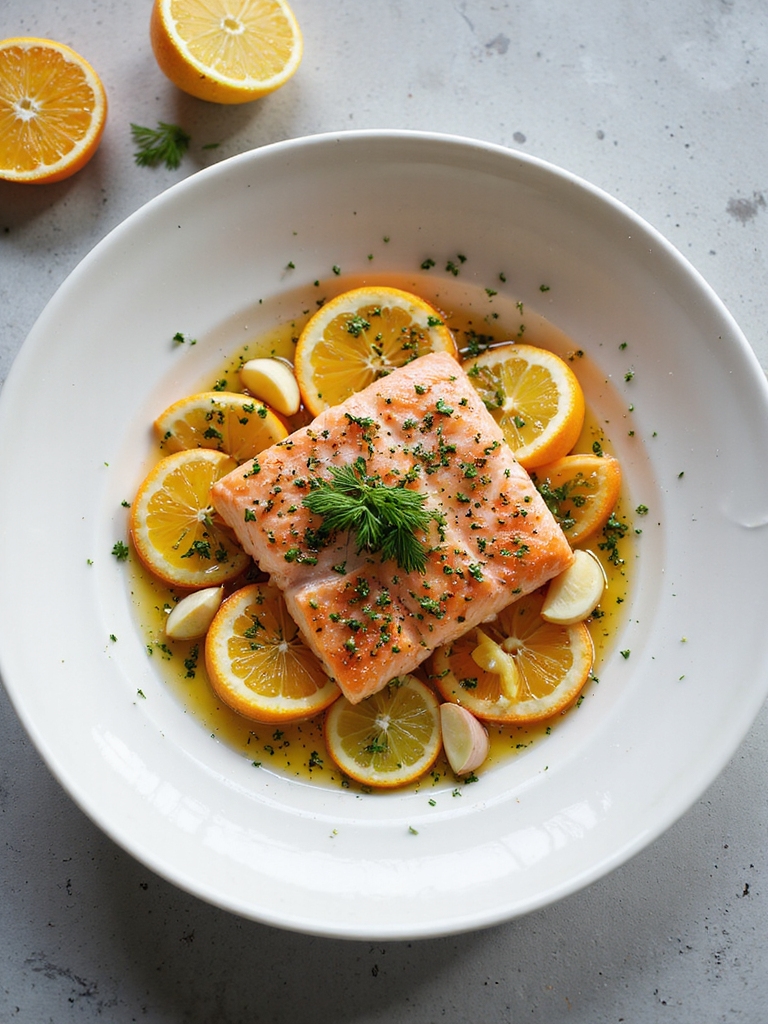
A bright Citrus-Herb Marinade for salmon combines lemon and orange juice with olive oil, fresh herbs, garlic and a touch of mustard to infuse the fish with lively acidity and aromatic complexity while keeping it tender and juicy; it works great for grilling, broiling, or baking and is especially good for thinner fillets or portions that benefit from a short marinate to avoid “cooking” in the acid.
- 1–1.5 lb salmon fillet or 4 salmon portions (skin-on or skinless)
- 3 tbsp fresh lemon juice
- 2 tbsp fresh orange juice (or extra lemon)
- 3 tbsp extra-virgin olive oil
- 2 tbsp chopped fresh parsley
- 1 tbsp chopped fresh dill (or tarragon)
- 1 clove garlic, minced
- 1 tsp Dijon mustard
- 1/2 tsp honey or agave (optional)
- 1/2 tsp kosher salt, plus more to taste
- 1/4 tsp freshly ground black pepper
- Zest of 1 lemon (optional)
Whisk citrus juices, olive oil, herbs, garlic, mustard, honey, zest, salt and pepper in a shallow dish or resealable bag, add salmon and turn to coat, marinate 15–30 minutes in the refrigerator (no more than 30 minutes to avoid acid “cooking” the fish), then remove from marinade, pat lightly dry, grill over medium-high heat skin-side down 4–6 minutes then flip and cook 2–4 more minutes until 125–130°F for medium, or bake at 400°F (200°C) on a lightly oiled sheet 8–12 minutes depending on thickness, or broil 4–6 minutes, and rest 3–5 minutes before serving.
Tip: Always pat salmon dry before searing or grilling to get a good crust, limit marinating time to 15–30 minutes to prevent texture changes from the acid, and reserve a small amount of the marinade (before adding raw fish) to brush on at the end for extra flavor.
This method adapts well from oven-baked techniques used in other salmon recipes, giving reliable results whether you choose oven baking or grilling.
Blackened Rub Salmon for Smoky Heat
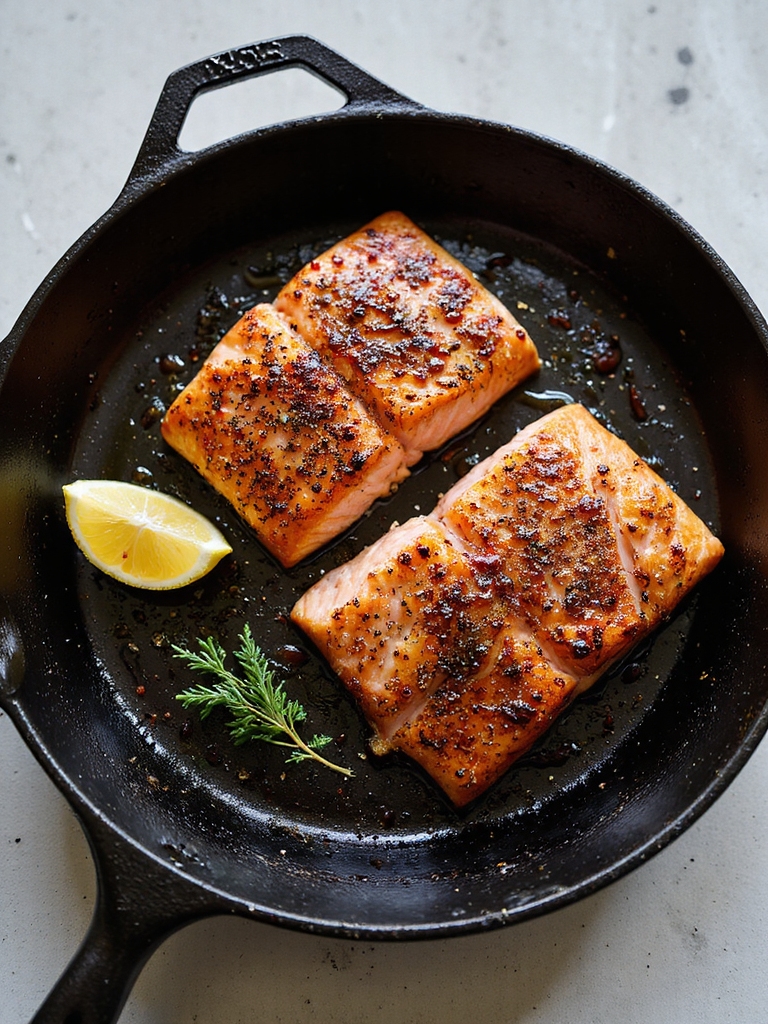
A blackened rub salmon brings bold, smoky, and spicy flavors to the grill or cast-iron skillet by coating fillets with a warm spice blend that sears into a flavorful crust while keeping the inside moist; this version uses paprika, cayenne, brown sugar and herbs for balanced heat and caramelization and works well on skin-on portions cooked skin-side down first to protect the flesh and render the skin crisp.
- 1–1.5 lb salmon fillet or 4 portions, skin-on preferred
- 1 tbsp smoked paprika
- 1 tsp sweet paprika
- 1 tsp garlic powder
- 1 tsp onion powder
- 1 tsp dried thyme
- 1/2 tsp dried oregano
- 1/2–1 tsp cayenne pepper (adjust to heat preference)
- 1 tbsp light brown sugar (packed)
- 1 tsp kosher salt
- 1/2 tsp freshly ground black pepper
- 1–2 tbsp neutral oil (for skillet) or oil for brushing grill grates
- Lemon wedges, for serving
Pat salmon dry and coat evenly with a thin layer of the spice mix, pressing so it adheres; for best results rest 10–15 minutes at room temperature or up to 30 minutes refrigerated.
Heat a cast-iron skillet over medium-high (or preheat grill to medium-high) with a little oil and cook skin-side down 4–6 minutes until skin is crisp and the fish releases easily, then carefully flip and cook 2–4 more minutes until 125–130°F for medium (or longer if preferred), rest 3–5 minutes before serving with lemon.
Tip: Use skin-on fillets, press the rub firmly so it forms a crust, avoid moving the fish while searing, and adjust cayenne to taste to prevent overpowering the salmon. A hot cast-iron skillet helps create an authentic blackened crust by searing the spices quickly and locking in moisture.
Teriyaki-Grilled Salmon With Scallion Garnish
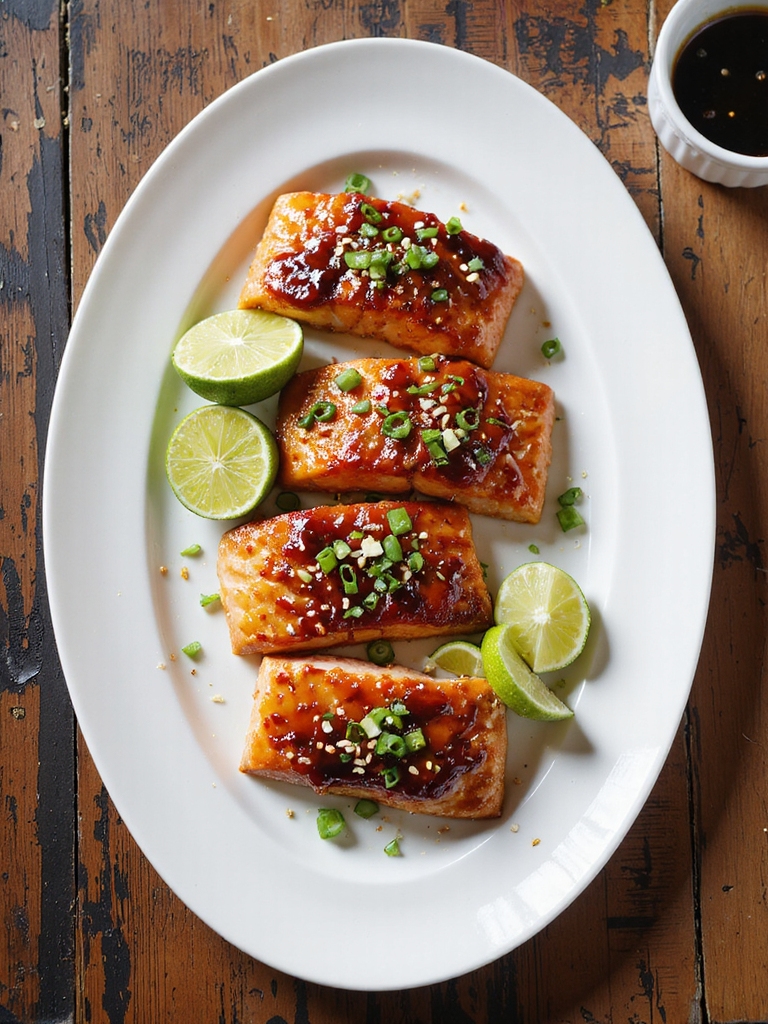
Teriyaki-grilled salmon marries a sweet-savory homemade teriyaki glaze with the smoky char of the grill and is finished with a bright scallion garnish for freshness; this recipe marinates salmon briefly, grills skin-on fillets over medium-high heat to crisp the skin while caramelizing the glaze, and serves with extra scallions and a squeeze of lime for balance.
- 1–1.5 lb salmon fillet or 4 portions, skin-on preferred
- 1/4 cup soy sauce
- 2 tbsp mirin (or 1 tbsp rice vinegar + 1 tbsp sugar if unavailable)
- 2 tbsp brown sugar or honey
- 1 tbsp freshly grated ginger
- 2 garlic cloves, minced
- 1 tbsp sesame oil
- 1 tsp cornstarch mixed with 1 tbsp cold water (optional, for thickening)
- 2–3 scallions, thinly sliced (plus extra for garnish)
- 1 tbsp neutral oil (for grill grates) and lime wedges for serving
Whisk soy sauce, mirin, brown sugar, ginger, garlic, and sesame oil; reserve 2–3 tbsp of the sauce for brushing and pour the rest over the salmon in a shallow dish to marinate 15–30 minutes while you preheat the grill to medium-high and oil the grates.
Then place salmon skin-side down, grill 4–6 minutes without moving to crisp the skin, brush glaze on the flesh, flip carefully and cook 2–4 minutes more until internal temp reaches 125–130°F for medium, transfer to a platter, spoon remaining reserved sauce into a small saucepan to simmer and thicken with the cornstarch slurry if desired, brush thickened glaze over the fillets, top with sliced scallions and a squeeze of lime before serving.
Tip: Pat the skin dry before grilling and oil the grates to prevent sticking, keep an eye on sugar in the glaze to avoid burning by moving fish to indirect heat if flare-ups occur.
For an extra smoky finish, finish the salmon briefly over a hotter section of the grill or use wood chips for smoke flavor to deepen the barbecue character.
Foil-Packet Salmon With Garlic Butter Veggies
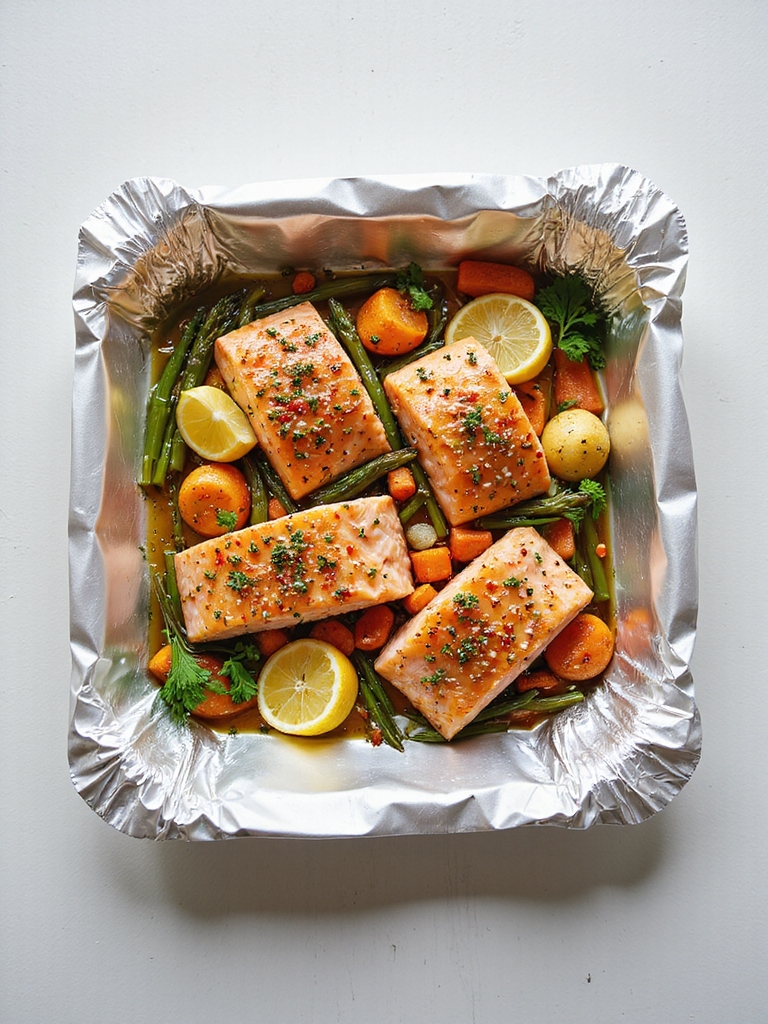
Foil-packet salmon with garlic butter veggies is an easy, hands-off grill or oven meal that steams the fish with tender, flavorful vegetables in a buttery, garlicky sauce; packets lock in moisture and smoky char if you cook them on the grill while keeping cleanup minimal, and the method is flexible for substituting seasonal veg or adding herbs and lemon for brightness.
- 1–1.5 lb salmon fillet, cut into 4 portions (skin-on or off)
- 2 cups baby potatoes, halved or quartered if large
- 1 cup baby carrots or carrot coins
- 1 cup asparagus trimmed or green beans
- 4 tbsp unsalted butter
- 3 garlic cloves, minced
- 1 tbsp olive oil
- 1 tsp Dijon mustard (optional)
- 1 tsp lemon zest and 2 tbsp lemon juice
- 1 tsp dried thyme or 1 tbsp chopped fresh thyme
- Salt and pepper to taste
- 2 tbsp chopped parsley for garnish
- Heavy-duty aluminum foil (4 sheets, about 12×12 inches each)
Preheat grill to medium (or oven to 400°F) and toss potatoes and carrots with half the olive oil, salt and pepper; par-roast potatoes for 10 minutes on a sheet pan if using the oven to guarantee they cook through.
Then place a foil sheet shiny-side up, layer a portion of par-roasted potatoes and carrots, add asparagus or green beans, place a salmon portion on top, mix butter, minced garlic, Dijon, lemon zest and juice and thyme, spoon equal amounts over each fillet, fold foil into sealed packets and grill over indirect medium heat for 10–14 minutes (or bake on a rimmed sheet pan in the oven for 12–16 minutes) until salmon reaches 120–125°F for medium-rare or 125–130°F for medium; open carefully to avoid steam, garnish with parsley and serve with lemon wedges.
Tip: Use par-roasting for dense vegetables, avoid over-buttering to prevent soggy veg, and let packets rest 2–3 minutes before opening so juices redistribute.
Baked salmon is a versatile, reliable option for home cooks who want consistent results every time, especially when using a proven oven method like Savory Oven-Baked Salmon to ensure even cooking and moist texture.
Tips for Resting, Flaking, and Serving Salmon
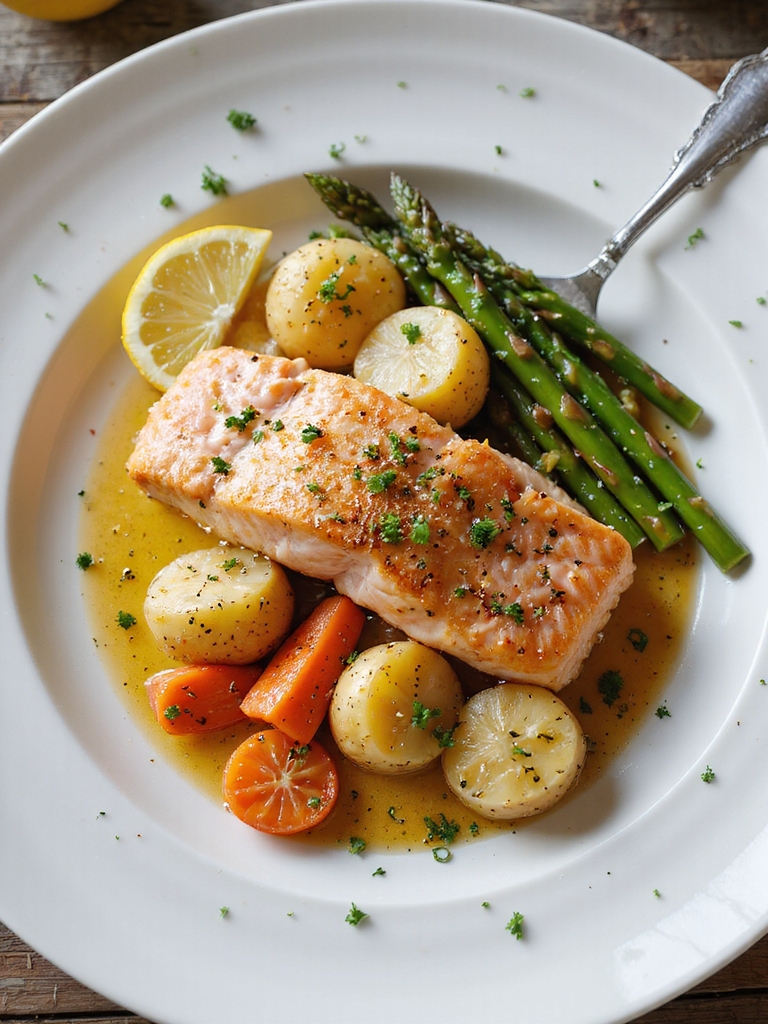
Resting, flaking, and serving foil-packet salmon with garlic butter veggies finishes the dish so the fish stays juicy, the flavors meld, and presentation is easy — after removing packets from the grill or oven let them rest to redistribute juices, carefully open to avoid steam, flake the salmon gently along the grain with a fork into bite-sized pieces or leave whole for a rustic look, and serve atop the buttery vegetables with fresh lemon, parsley, and any extra sauce spooned over.
- 1–1.5 lb salmon fillet, cut into 4 portions (skin-on or off)
- 2 cups baby potatoes, halved or quartered if large
- 1 cup baby carrots or carrot coins
- 1 cup asparagus trimmed or green beans
- 4 tbsp unsalted butter
- 3 garlic cloves, minced
- 1 tbsp olive oil
- 1 tsp Dijon mustard (optional)
- 1 tsp lemon zest and 2 tbsp lemon juice
- 1 tsp dried thyme or 1 tbsp chopped fresh thyme
- Salt and pepper to taste
- 2 tbsp chopped parsley for garnish
- Heavy-duty aluminum foil (4 sheets, about 12×12 inches each)
Preheat grill to medium or oven to 400°F and par-roast potatoes and carrots for 10 minutes if baking; assemble packets shiny-side up with par-roasted potatoes and carrots, asparagus or green beans, place salmon on top, mix butter, garlic, Dijon, lemon zest and juice and thyme and spoon over each fillet, seal packets and grill over indirect medium heat for 10–14 minutes or bake 12–16 minutes until salmon reaches 120–130°F, remove and let rest sealed for 2–3 minutes then open carefully, flake gently with a fork or serve whole and spoon juices and herbs over the top.
Rest packets 2–3 minutes before opening to let juices redistribute, open away from your face to avoid steam, flake along the grain for the best texture, and serve immediately with lemon wedges and extra parsley.
Try a quick salmon skillet first to lock in a smoky crust before finishing in the foil packets for added flavor.