I’ll show you how to get tender, glossy beef bulgogi fast, with two reliable paths: a quick caramelized stovetop method and a restaurant-style marinade that sets you up for deeper flavor.
We’ll pick the right cut, slice it thin, nail the soy–pear–garlic balance, and manage high heat without steaming. I’ll also cover glaze finishing, sesame shine, and smart make-ahead moves. If you want weeknight speed without sacrificing depth, this is for you.
Essential Cuts and Slicing Tips
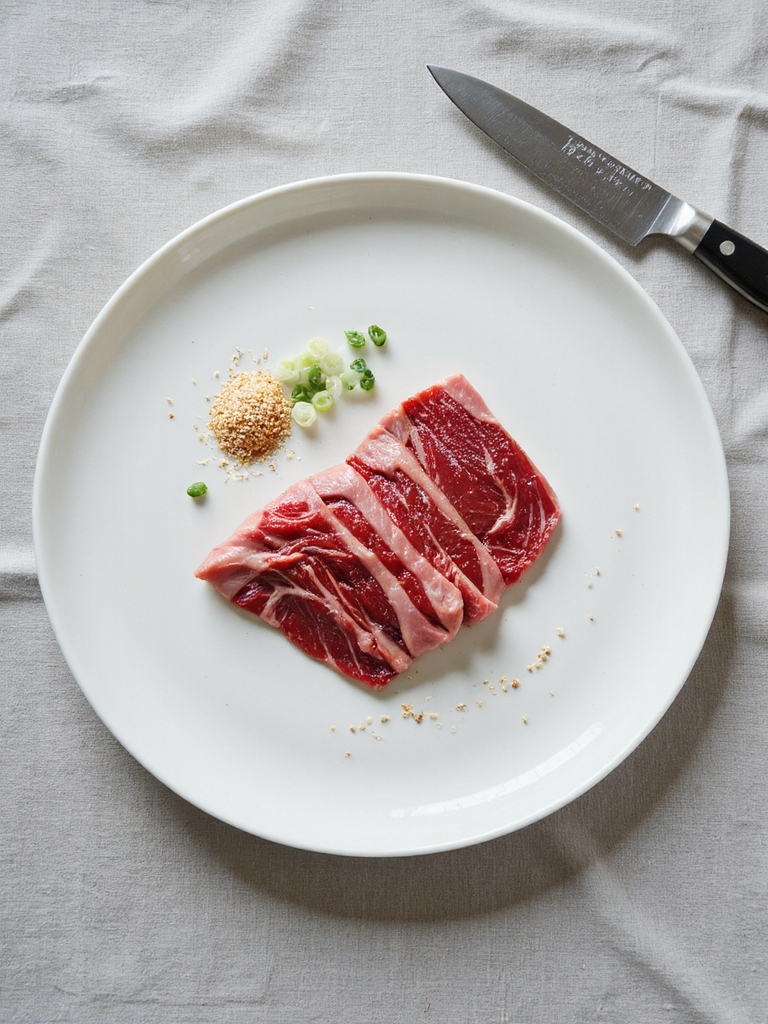
For tender, flavorful beef bulgogi, choose well-marbled cuts and slice them thinly across the grain. Ribeye is the gold standard for rich marbling; top sirloin and flap (bavette) are leaner but still tender; short rib (boneless “karubi”) offers deep beefiness. Chill the meat until firm but not frozen, then use a long sharp knife to shave 1–2 mm slices; cutting against the grain shortens muscle fibers and keeps the bite tender. Trim excess silverskin, keep some fat for juiciness, and aim for uniform slices so they cook evenly over high heat.
- 1 lb ribeye or top sirloin, well-marbled, partially frozen
- 4 tbsp soy sauce
- 2 tbsp brown sugar
- 1 tbsp honey
- 2 tbsp grated Asian pear (or apple)
- 1 tbsp grated yellow onion
- 3 cloves garlic, minced
- 1 tsp ginger, minced
- 2 tsp toasted sesame oil
- 1 tbsp neutral oil
- 2 tsp toasted sesame seeds
- 2 green onions, thinly sliced
- 1/4 tsp black pepper
Place the chilled beef on a board and slice across the grain into 1–2 mm sheets; fan them out and lightly pat dry. Whisk soy sauce, brown sugar, honey, pear, onion, garlic, ginger, sesame oil, pepper; toss with beef and marinate 20–45 minutes (longer for lean cuts). Heat a large skillet or grill pan over high with neutral oil, cook beef in a single layer in batches 60–90 seconds until caramelized, sprinkle sesame seeds and green onions, and serve immediately.
For ultra-thin slicing, chill meat 45–60 minutes or freeze 20–25 minutes until the exterior is firm; angle your knife 10–15 degrees for wider slices. If using short rib or very fatty cuts, trim thick surface fat and increase sear heat slightly; for lean cuts, shorten marination to avoid mushiness and add a teaspoon more sesame oil for succulence. For more recipe ideas, see our Beef Recipes collection.
Core Marinade Elements and Ratios
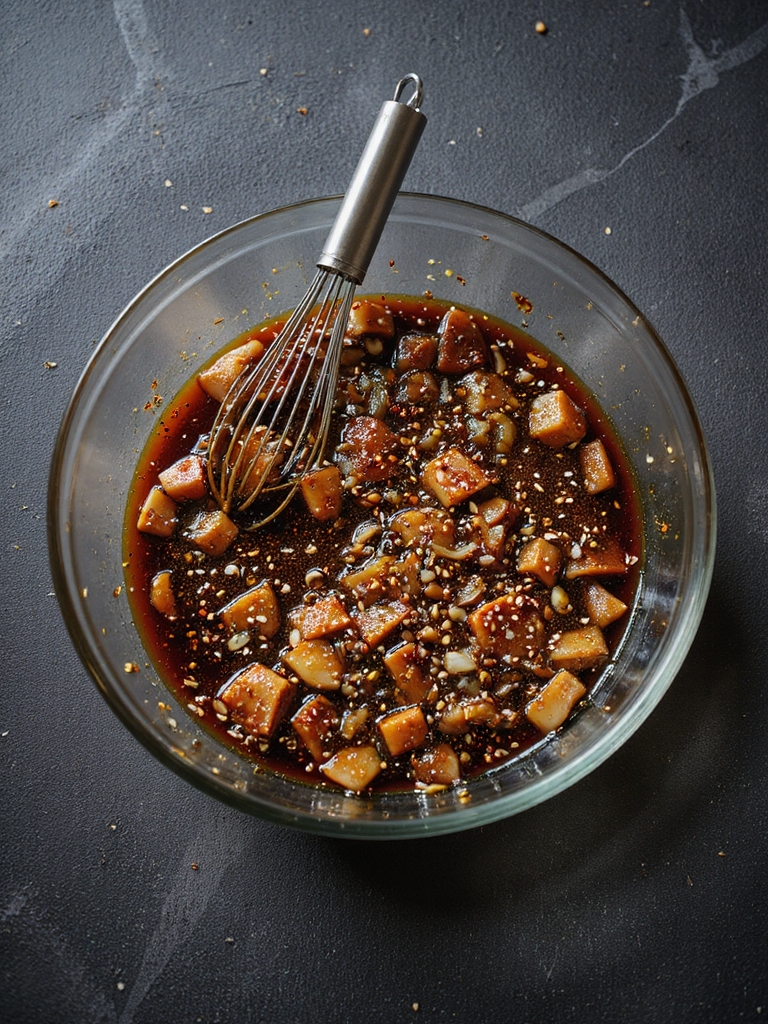
Building a balanced bulgogi marinade is about sweet–salty backbone, fruit enzymes for tenderness, aromatic heat, and nutty depth. Aim for a base ratio by volume of 2 parts soy sauce : 1 part sugar mix (brown sugar + honey) : 1 part fruit/onion purée, then layer garlic, ginger, sesame oil, and black pepper; adjust salinity with soy, sweetness with sugar/honey, body with fruit, and roundness with sesame oil.
- 4 tbsp soy sauce
- 2 tbsp brown sugar
- 1 tbsp honey
- 2 tbsp grated Asian pear (or apple)
- 1 tbsp grated yellow onion
- 3 cloves garlic, minced
- 1 tsp ginger, minced
- 2 tsp toasted sesame oil
- 1/4 tsp black pepper
- 1 lb thinly sliced ribeye or top sirloin
Whisk soy sauce, brown sugar, and honey until dissolved, then stir in grated pear, grated onion, garlic, ginger, sesame oil, and black pepper until evenly emulsified and fragrant. Add the thinly sliced beef, separating slices so the marinade coats every piece; use about 1/2 cup marinade per pound of beef, adding a teaspoon of water only if needed to lightly cloak rather than drown the meat. Marinate 20–45 minutes in the fridge (shorter for very thin or lean cuts, longer for richer cuts), then proceed to cook as desired.
Taste the marinade before adding meat: it should be slightly too salty and sweet, as it will mellow during cooking; if it tastes flat, add a pinch more sugar or a few drops of soy, not both. Avoid over-marinating beyond 1 hour with pear or onion present, as enzymes can make the texture pasty; for overnight prep, omit fruit and add it 30 minutes before cooking. This recipe adapts well to different cuts and is a foundation for making authentic Korean Ground Beef dishes.
Quick Caramelized Stovetop Method
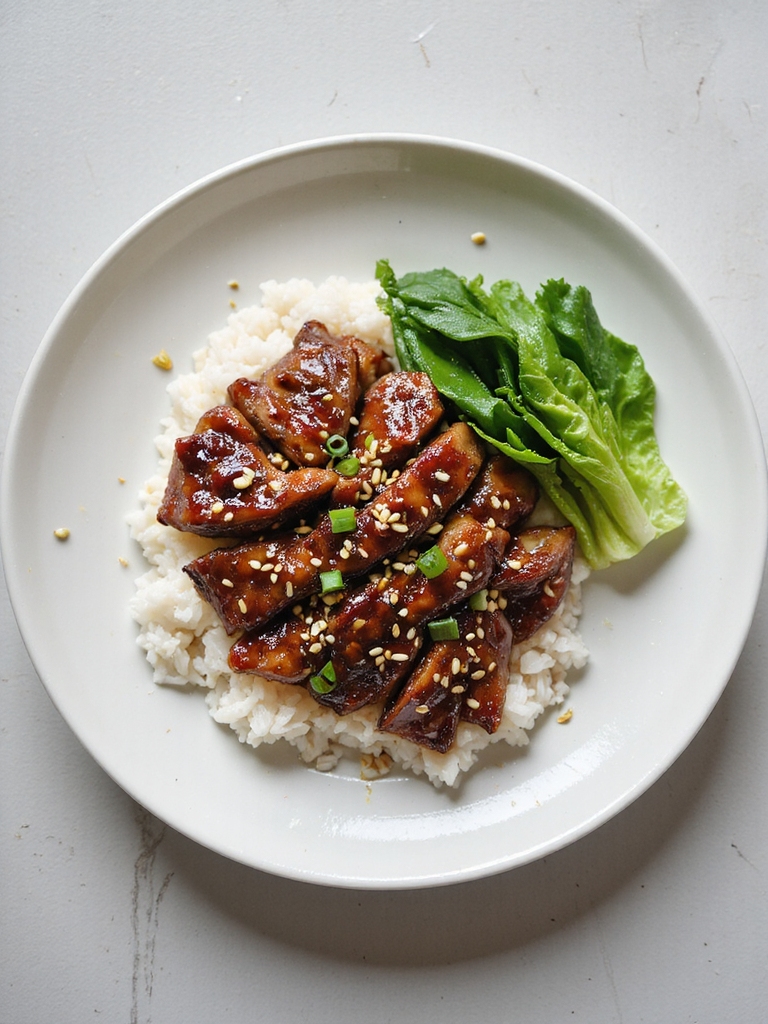
When you want bulgogi on the fly with deep browning and glossy edges, use high heat, wide surface area, and a quick reduction to concentrate the marinade into a savory-sweet glaze that clings to the beef. Work in batches to avoid steaming, and aim for caramelization on contact; a final toss with scallions and a pat of butter (optional) adds sheen and restaurant-style finish.
- 1 lb marinated thinly sliced beef bulgogi (from previous subtopic)
- 1 tsp neutral oil (per batch)
- 1 tbsp unsalted butter (optional)
- 2 scallions, thinly sliced
- 1 tsp toasted sesame seeds
- Steamed rice and lettuce leaves, for serving
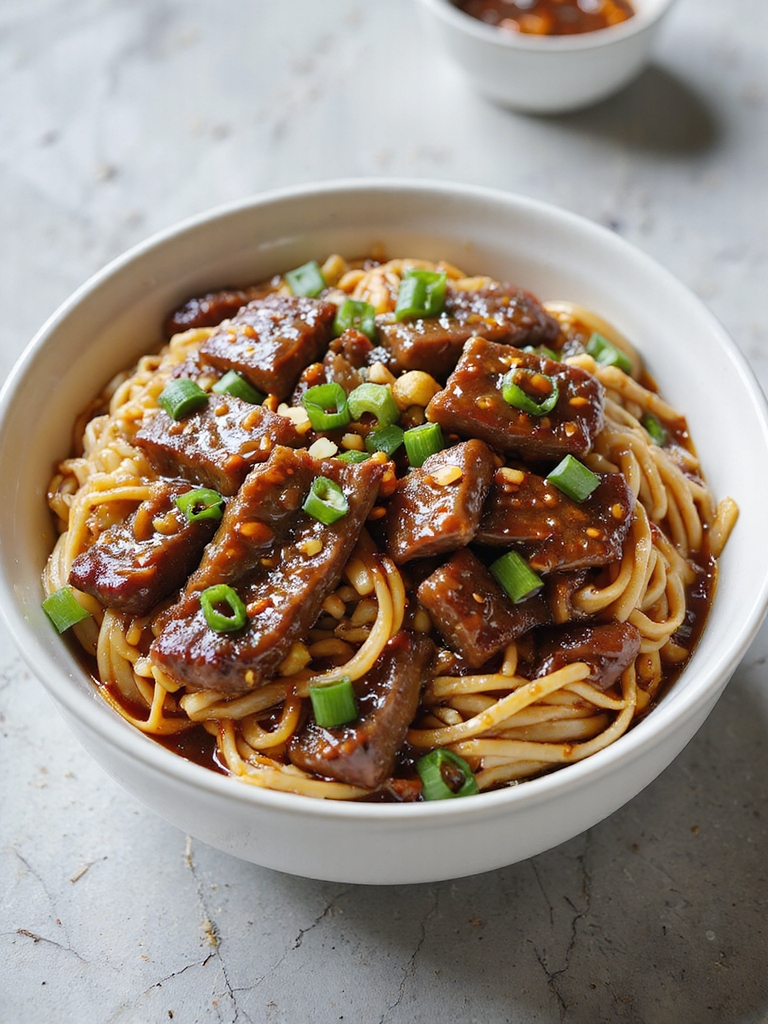
Preheat a large stainless or cast-iron skillet over medium-high until lightly smoking; add 1 tsp oil, then spread a single layer of beef (shake off excess marinade), laying pieces flat without crowding. Sear 60–90 seconds undisturbed until edges char and sugars caramelize, flip and cook 30–60 seconds more; drizzle in 1–2 tablespoons reserved marinade only if the pan is dry to create a quick glaze. Transfer to a platter, repeat with remaining beef, then return all meat to the pan with butter (optional) and scallions, toss 10–15 seconds to coat, finish with sesame seeds, and serve immediately with rice and lettuce.
Use very high heat and dry, wide pans to prevent stewing; if the pan builds up fond, splash a teaspoon of water between batches to dissolve it and keep sugars from burning. If your beef slices are thicker or colder, cook slightly longer but reduce any added marinade so the glaze stays glossy, not watery. For serving variations, consider pairing the bulgogi with a simple Korean Beef Bowl to turn it into a complete meal.
Restaurant-Style Marinade and Resting
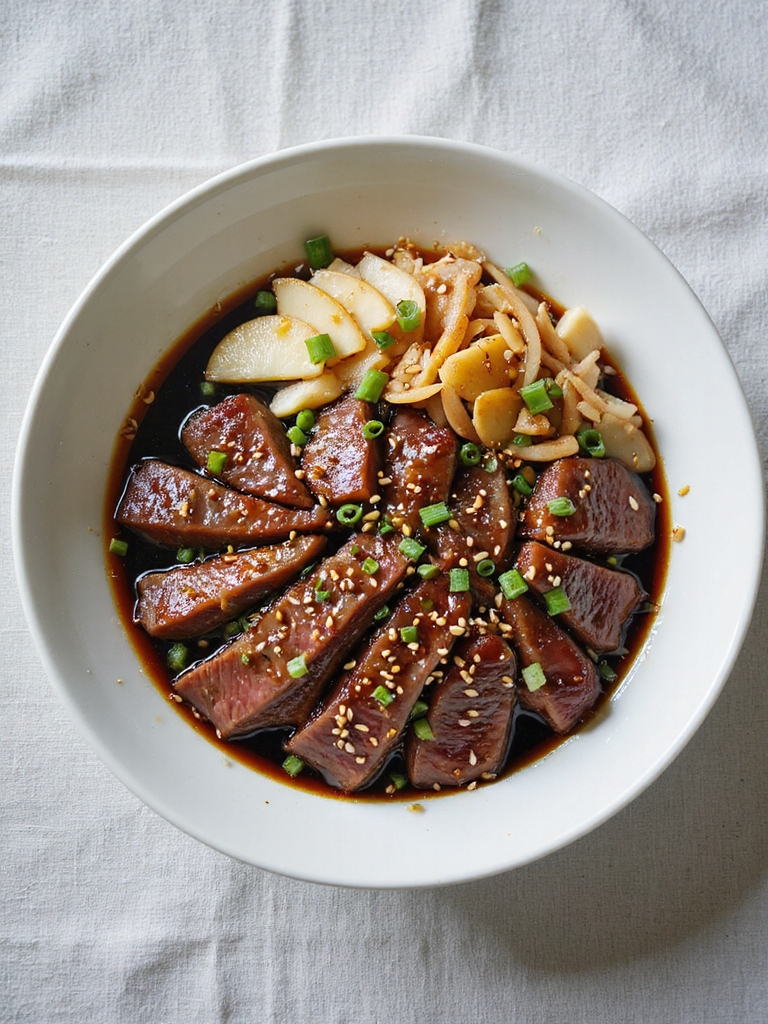
For restaurant-style bulgogi, the marinade should be balanced, silky, and deeply penetrative, then given time to rest so the meat seasons evenly and tenderizes. Use a pear-based sweet-salty base for enzyme action and fragrance, finely grate aromatics for maximum diffusion, and fold in a splash of mirin for gloss. Massage the marinade into thinly sliced ribeye, then let it rest cold long enough to absorb but not turn mushy; before cooking, blot lightly to prevent excess moisture, reserving some marinade to reduce into a lacquer.
- 1 lb thinly sliced beef ribeye or sirloin
- 1/2 Asian pear (or 1/4 cup grated pear), finely grated
- 1/4 small yellow onion, finely grated
- 3 cloves garlic, microplaned
- 1 tsp fresh ginger, microplaned
- 3 tbsp soy sauce
- 1 tbsp light brown sugar
- 1 tbsp mirin (or 1 tbsp sugar + 1 tsp water)
- 1 tbsp toasted sesame oil
- 1 tbsp neutral oil
- 1/4 tsp black pepper
- 1 tbsp toasted sesame seeds
- 2 scallions, thinly sliced
In a bowl, whisk soy sauce, brown sugar, mirin, sesame oil, neutral oil, black pepper, and the grated pear, onion, garlic, and ginger until syrupy; add beef and massage 60–90 seconds to coat thoroughly, then fold in half the scallions and sesame seeds. Transfer to a zip-top bag, press out air, and rest 1–2 hours in the refrigerator (up to 6 hours for thicker cuts), turning once; for best texture, bring to cool room temp 20–30 minutes before cooking. Lift beef from marinade, letting excess drip off; reserve 2–3 tablespoons of marinade for glazing during cooking as desired.
For clean flavors, avoid over-marinating beyond 8 hours with pear—enzymes can over-tenderize and muddy the bite; if marinating longer, omit pear until the final 1–2 hours. Lightly blot the beef before searing to promote fast browning, and add reserved marinade only as a quick reduction so the glaze stays glossy, not watery. Using thinly sliced cuts like ribeye promotes quick caramelization and a tender bite when seared at high heat, showcasing traditional Korean beef techniques.
Heat Control for Perfect Browning
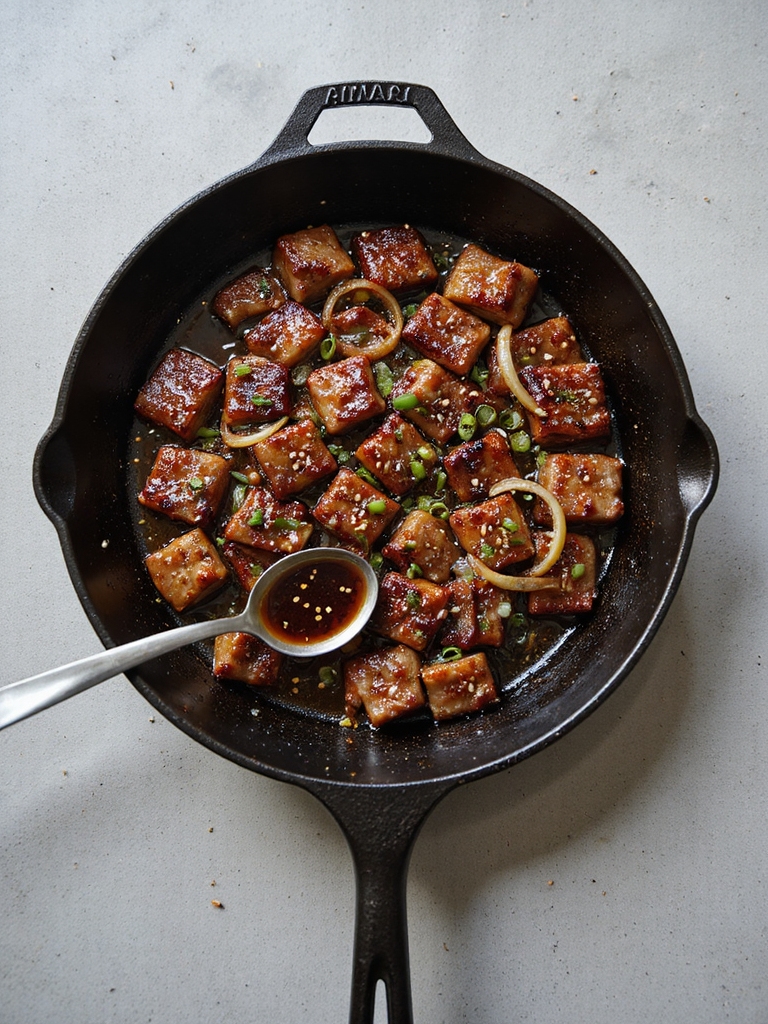
Mastering bulgogi’s signature char and succulence is all about managing heat in waves: start ripping-hot to sear fast, then modulate to maintain browning without steaming, and finish with a brief, controlled glaze. Work in small batches, preheat your pan until a drop of marinade sizzles instantly, and keep the meat moving so thin slices kiss the surface, pick up color, and avoid burning sugars. Vent steam, use high-smoke-point oil, and add reserved marinade only when the pan can rapidly reduce it to a glossy coat.
- 1 lb marinated beef bulgogi (from Restaurant-Style Marinade and Resting)
- 2–3 tbsp reserved marinade
- 2 tsp neutral oil
- 1 tsp toasted sesame oil (optional)
- 2 scallions, thinly sliced
- 1 tsp toasted sesame seeds
Set a large carbon-steel or cast-iron skillet over high heat until lightly smoking; swirl in neutral oil, then add a single layer of beef without crowding and press briefly to ensure contact, searing 45–60 seconds until edges caramelize. Flip and immediately reduce heat to medium-high to sustain browning without scorching, cooking 30–60 seconds more, then push meat to the edges; add a spoon of reserved marinade to the center and reduce to a syrup, tossing to glaze; repeat with remaining batches, adding tiny splashes of oil only if the pan dries. Finish with sesame oil, scallions, and sesame seeds off heat; rest 1 minute on a warm plate so juices settle before serving.
Preheat thoroughly—if the first piece doesn’t sizzle aggressively, wait; if smoke turns acrid or sugars blacken, drop the heat slightly or momentarily pull the pan off the burner. Keep batches small, open a window, and avoid adding glaze until most surface moisture is gone so you brown first and lacquer last. Use a carbon-steel or cast-iron pan for best high-heat searing and flavor development.
Pan, Grill, or Broiler: Choosing Your Setup
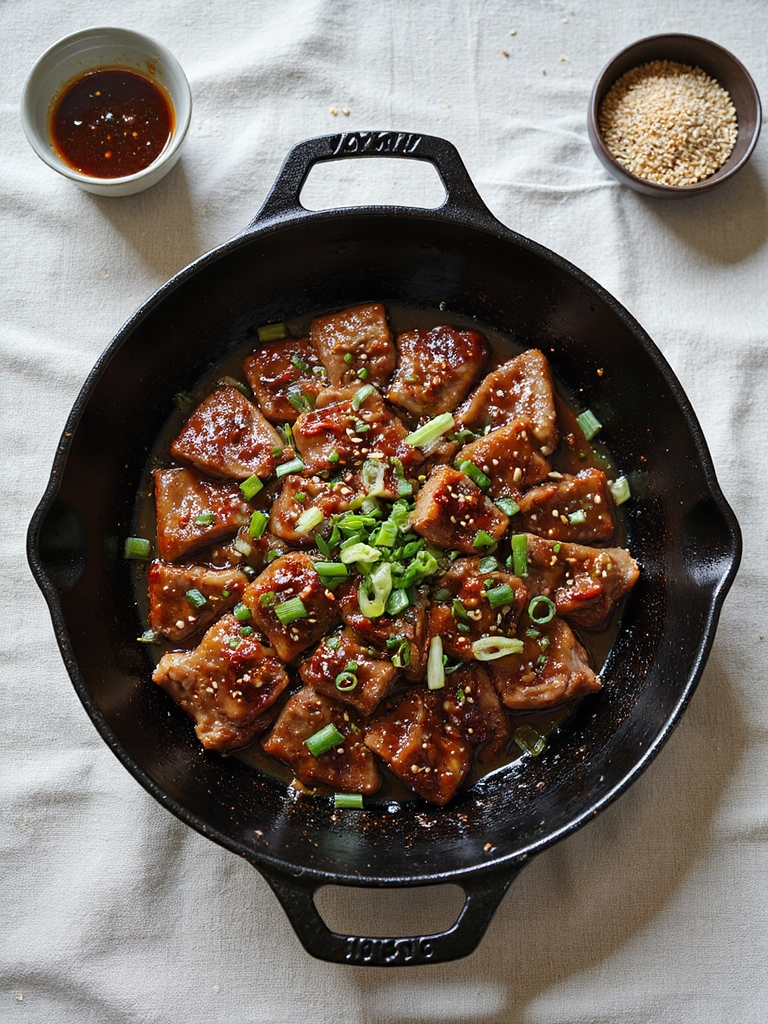
If you’re chasing wok-kissed edges on the stove, backyard char on grates, or a sheet-pan sizzle under the broiler, bulgogi shines when thin slices meet roaring heat and quick glazing. Choose your setup based on capacity and ventilation: a heavy skillet for weeknights and precise control, a ripping-hot grill for smoky edges and flare-kissed sweetness, or a broiler for crowd-sized batches with minimal fuss.
- 1 lb marinated beef bulgogi (from Restaurant-Style Marinade and Resting)
- 2–3 tbsp reserved marinade
- 2 tsp neutral oil (pan or grill grates)
- 1 tsp toasted sesame oil (optional)
- 2 scallions, thinly sliced
- 1 tsp toasted sesame seeds
For pan: preheat a carbon-steel or cast-iron skillet until lightly smoking, oil, then sear beef in single-layer batches 45–60 seconds per side; push to edges, reduce a spoon of marinade in center to syrup, toss to glaze, repeat, finish with sesame oil, scallions, seeds. For grill: heat to high, oil grates, lay slices across bars, sear 30–45 seconds per side, move to cooler zone, brush thin film of marinade to lacquer without flare-ups, finish with sesame oil and toppings. For broiler: set rack 6 inches from element, preheat pan under broiler, spread beef in a single layer, broil 2–3 minutes, flip 1–2 minutes more, drizzle and briefly broil reserved marinade to gloss, garnish.
Pan offers maximal control and fast batches; grill adds smoke but needs vigilance against flare-ups; broiler handles volume if you preheat the pan and spread meat thin. Vent well, keep slices dry before hitting heat, and glaze only once browning sets so sugars don’t burn. Instant Pot recipes can be convenient for ground beef, but for authentic caramelized edges use direct high heat and quick cooking for best texture.
Balancing Sweetness, Salt, and Umami
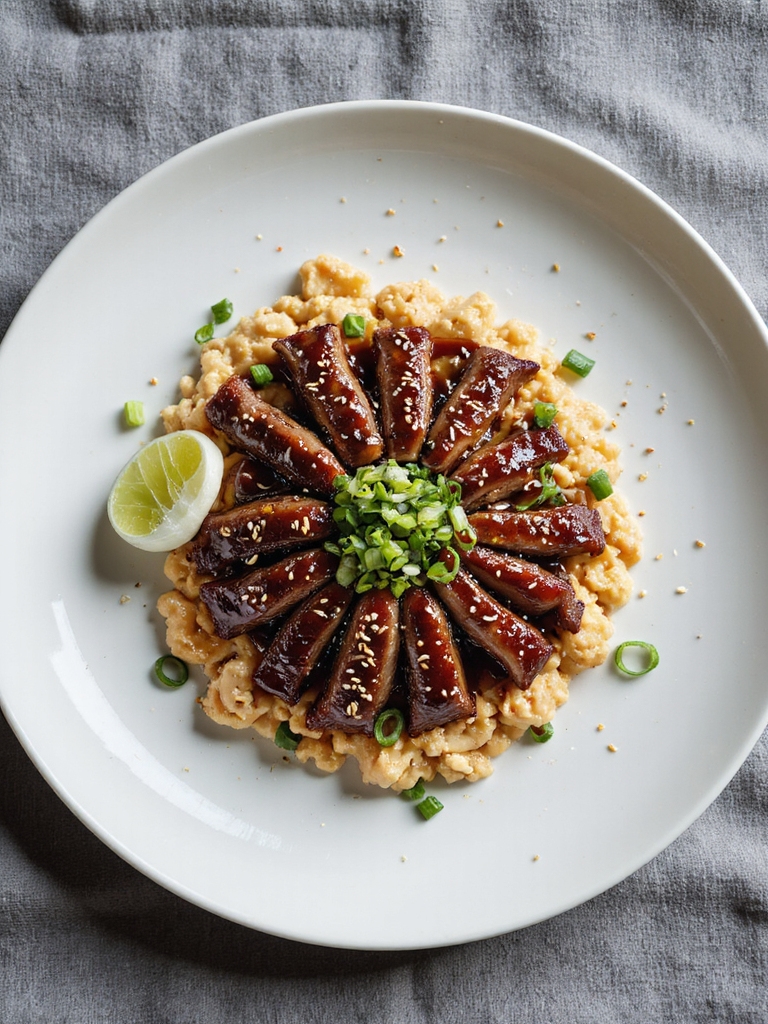
A great bulgogi sings with layered sweetness, clean salinity, and deep umami, so treat your marinade like a dial: fruit for round sweetness, soy for backbone, and glutamates for savor. Aim for a glossy glaze that clings, not drips—sweet enough to caramelize, salty enough to wake up, and umami-rich enough to linger—then adjust post-sear with quick reductions for balance.
- 1 lb thin-sliced beef (ribeye or sirloin)
- 3 tbsp soy sauce
- 1.5 tbsp light brown sugar
- 2 tbsp grated Asian pear (or apple)
- 1 tbsp mirin (optional)
- 1 tbsp grated onion
- 2 tsp minced garlic
- 1 tsp minced ginger
- 1 tsp fish sauce (or 1/2 tsp MSG)
- 1 tsp toasted sesame oil
- 1/4 tsp black pepper
- 2–3 tbsp reserved marinade for glazing
Combine soy, sugar, pear, mirin, onion, garlic, ginger, fish sauce, sesame oil, and pepper until dissolved; taste: it should be pleasantly sweet, savory, and slightly fruity with a saline snap. Marinate beef 30–90 minutes, then pat dry, sear hot in batches to develop browning; reduce 1–2 tbsp reserved marinade in the pan to a syrup and toss beef to glaze, tasting and adjusting with a pinch of sugar for edge or a few drops of soy for backbone. If too salty, add a splash of water and reduce; if too sweet, brighten with soy or a few drops of rice vinegar, keeping the glaze shiny and just tacky.
Salt blooms over time, so undersalt the marinade slightly if marinating longer; sugar burns fast, so prioritize browning first and glaze late. For deeper umami without extra salt, choose MSG or mushroom powder over more soy, and use fruit for sweetness that caramelizes cleanly. For a quick restaurant-style finish, sear thin slices hot like in Beef Teriyaki to build an immediate caramelized crust.
Finishing Touches: Scallions, Sesame, and Shine
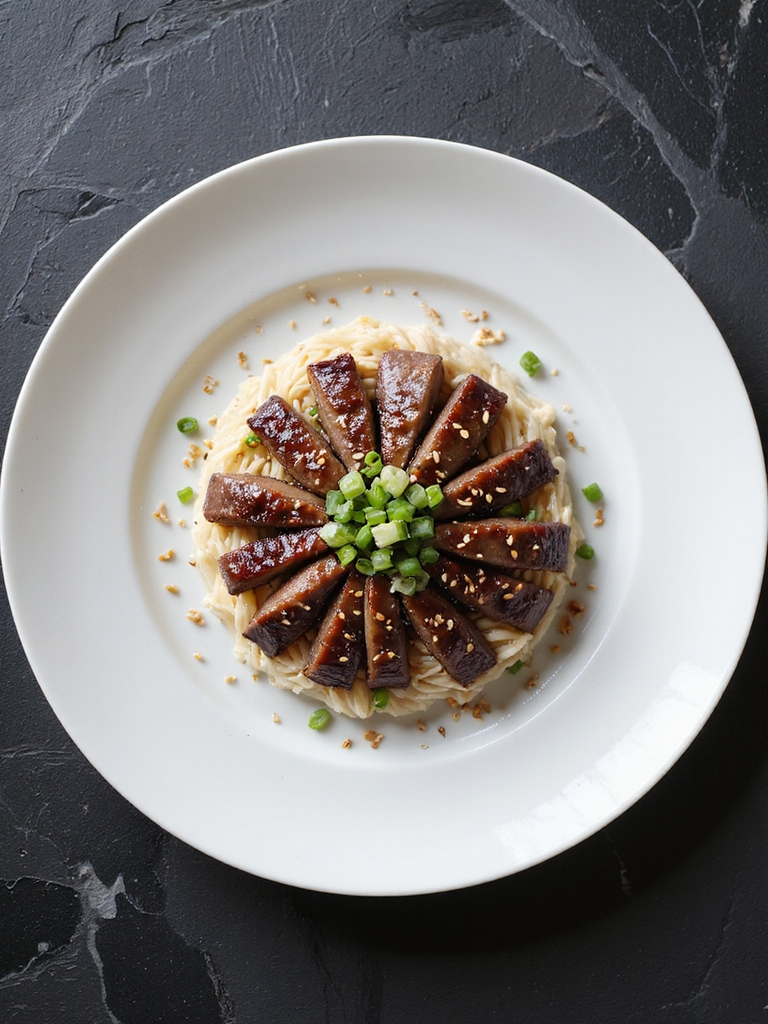
A glossy, just-tacky bulgogi deserves a finish that crackles with freshness and shine: thread-thin scallions for lift, toasted sesame for nutty pop, and a quick pan-kissed glaze that makes everything gleam without weighing it down. Think contrast—cool herbs and seeds against hot, lacquered beef—so every bite lands sweet, savory, and fragrant.
- 1 lb cooked, glazed bulgogi (from previous step)
- 3 scallions, very thinly sliced on a bias
- 1.5 tsp toasted sesame seeds
- 1 tsp toasted sesame oil
- 1–2 tsp reserved reduced glaze or pan juices
- 1 tsp neutral oil (optional, for shine)
- Pinch flaky salt or a few drops soy (to taste)
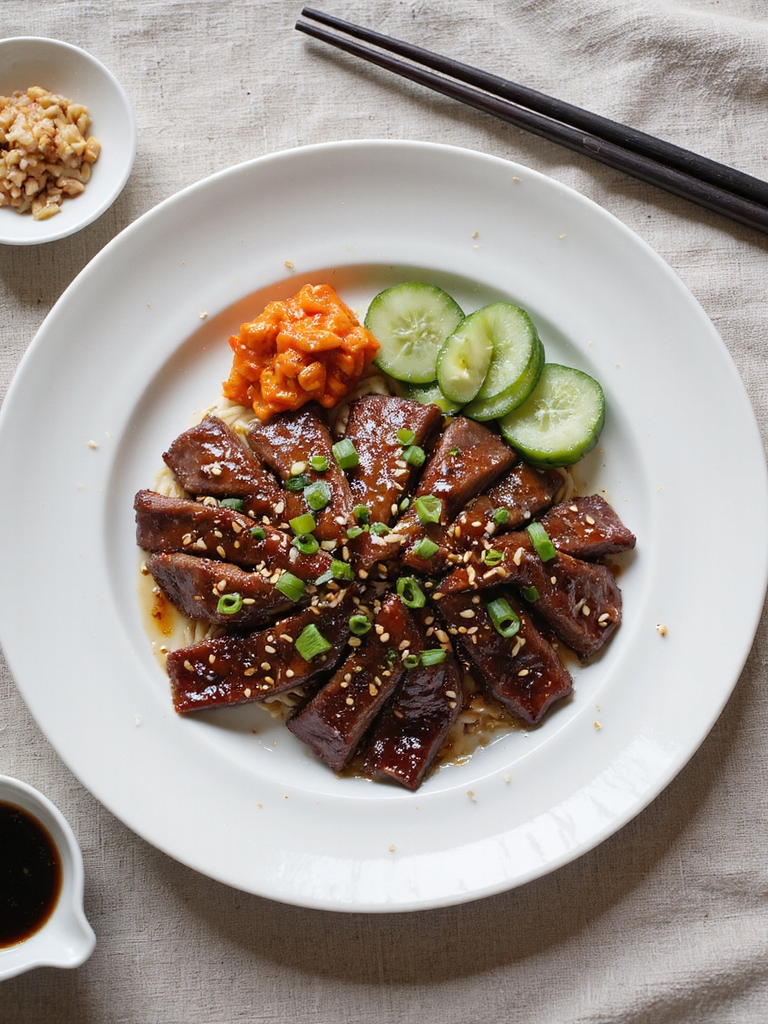
Return hot bulgogi to a medium pan and drizzle in sesame oil and reserved glaze, tossing just until glossy; if it looks dry, add a few drops neutral oil for a soft sheen. Pull from heat, shower with scallions and sesame seeds, and toss once so herbs wilt slightly but stay bright; taste and fine-tune with a pinch of salt or a drop of soy. Pile onto a warm plate, spoon over any juices, and serve immediately while the scallions are still vivid and the glaze clings.
Slice scallions as thin as possible for feathery texture and quick perfuming; shock in ice water for 5 minutes if you want extra curl and crispness, then pat dry before tossing. For a subtle lift, finish with a micro-grating of lemon zest or a few drops rice vinegar—just enough acidity to wake up the glaze without dulling the shine. For a comforting weeknight swap, you can adapt this finishing technique to slow cooker beef preparations for an easy, hands-off alternative.
Serving Ideas: Rice, Lettuce Wraps, and Banchan
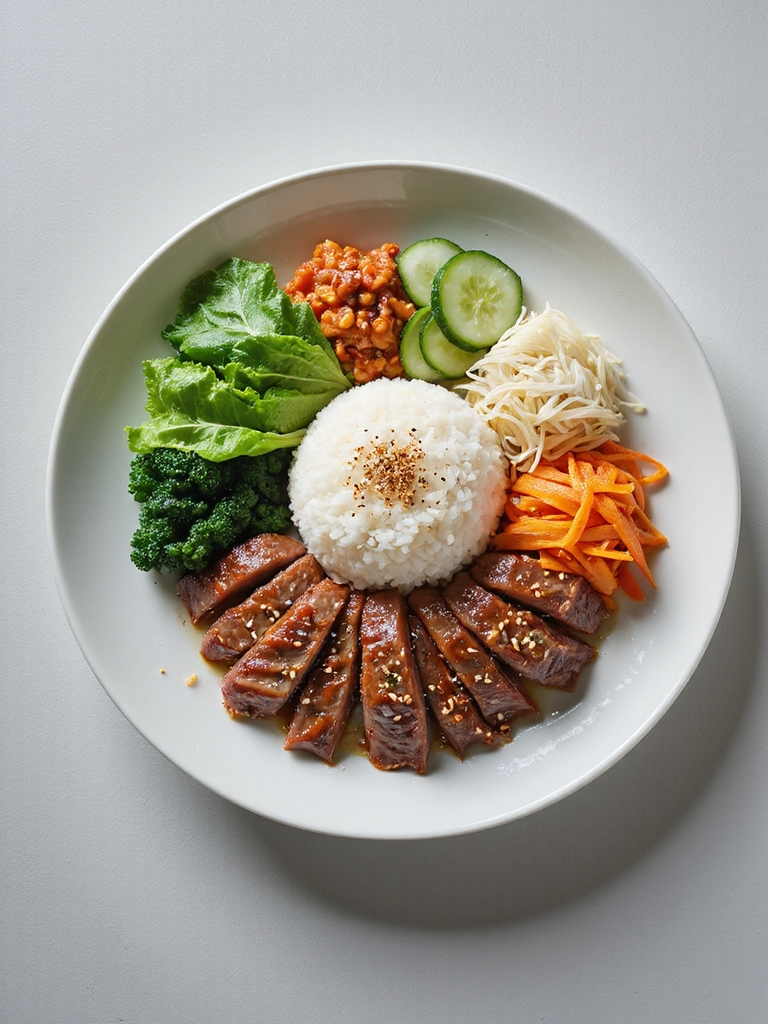
Bulgogi shines when you give it a soft landing—steamed rice to catch the juices, crisp lettuce to wrap and crunch, and a chorus of banchan to cut richness and keep each bite lively. This spread turns a pan of glossy beef into a complete, customizable meal that balances sweet-savory meat with cool greens, warm grains, and punchy pickles.
- 1 lb cooked, glazed bulgogi, hot
- 3 cups hot steamed short-grain rice
- 1 head tender lettuce (butter, red leaf, or romaine hearts), leaves separated
- 1 cup kimchi (napa or radish), bite-size
- 1 cup assorted banchan (spinach namul, bean sprouts, cucumbers)
- 1 small carrot, julienned
- 1 small cucumber, thinly sliced
- 4–6 perilla leaves (optional)
- 2–3 tbsp ssamjang or gochujang
- 1 tsp toasted sesame seeds
Spoon rice into bowls and top with bulgogi, a sprinkle of sesame seeds, and quick-fresh veg; serve remaining bulgogi family-style so everyone can build bites. For wraps, stack a lettuce or perilla leaf, smear with a dab of ssamjang, add a small mound of rice, a few pieces of bulgogi, kimchi, and fresh veg, then fold and eat in one or two bites. Arrange banchan around the table for mixing and matching; rotate bites between warm rice, juicy beef, crisp wraps, and tangy sides to keep the palate refreshed.
Keep rice hot and fluffy so it absorbs juices without getting gluey, and serve lettuce cold and dry for maximum snap. If using store-bought banchan, drain excess liquid so wraps don’t sog, and offer extra ssamjang, sliced chilies, and lime or rice vinegar to brighten heavier bites. Italian beef sandwiches are another example of a juicy, savory-saucy meat option that shares similarities with bulgogi in how it’s served and enjoyed, especially when eaten with bread or greens as a vehicle for the meat and juices like authentic Italian beef.
Make-Ahead, Freezing, and Reheating Tips
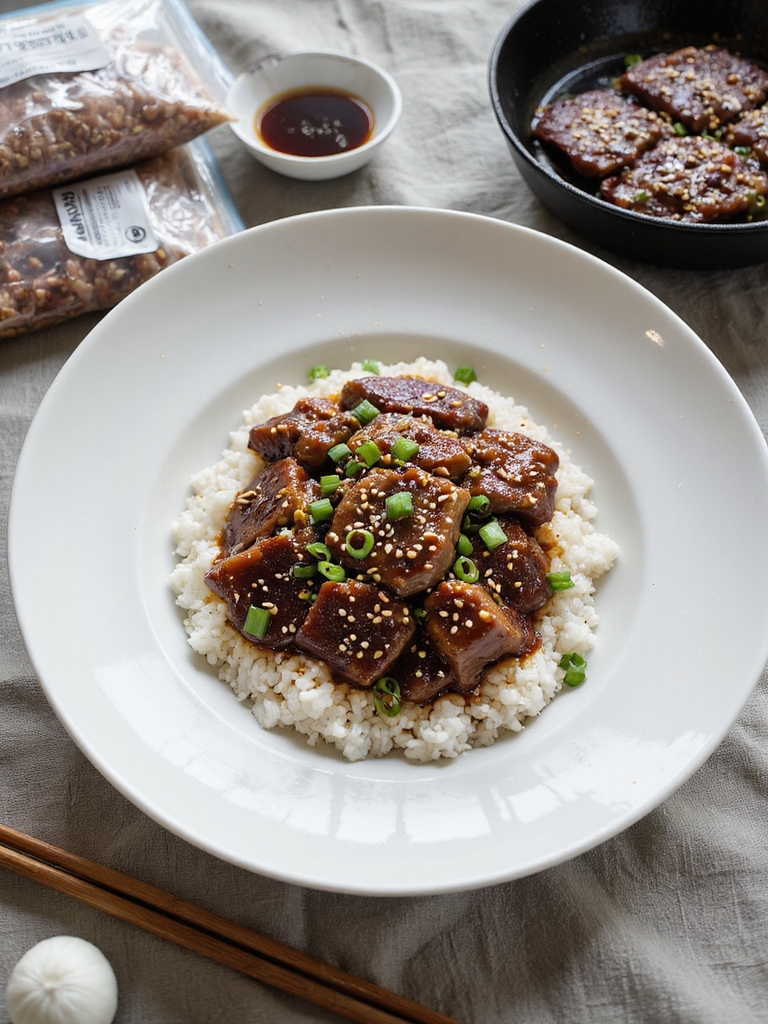
Batching bulgogi keeps weeknights easy: marinate in portions, cook quickly, then cool, store, and reheat without losing that glossy, tender bite. These guidelines cover what to prep ahead, how to freeze raw vs. cooked bulgogi, and how to revive it so it’s juicy—not stewed—when it hits the plate.
- 2 lb thinly sliced beef (ribeye or sirloin)
- 1 small pear or 1/2 Asian pear, grated
- 1/2 onion, grated
- 4 cloves garlic, minced
- 2 tbsp ginger, minced
- 1/3 cup soy sauce
- 3 tbsp brown sugar
- 2 tbsp mirin (or 1 tbsp sugar + 1 tbsp water)
- 1 tbsp sesame oil
- 1/2 tsp black pepper
- 2 green onions, sliced
- 1 tbsp neutral oil (for cooking)
Whisk marinade; toss with beef, pear, onion, garlic, ginger, green onions, and chill 8–24 hours; divide into 4 flat zipper bags (about 1/2 lb each). For make-ahead: refrigerate up to 2 days or freeze flat up to 2 months; cook from thawed: sear in a hot oiled skillet in single layers 2–3 minutes per side until caramelized, working in batches. For reheating cooked bulgogi: cool fast on a sheet pan, store up to 4 days, reheat over medium-high 60–90 seconds or microwave 45–60 seconds covered; splash with 1–2 tsp water if dry and finish with sesame oil.
Cool cooked bulgogi uncovered 10 minutes before sealing to prevent condensation and sogginess; label bags with date and “raw” or “cooked” for clarity. Freeze raw bulgogi in thin slabs so it thaws in 20–30 minutes under cold water; keep portions small to reheat only what you need and maintain that edge-to-edge browning. Searing in a very hot pan helps develop the kind of deep caramelization found in restaurant-style preparations.