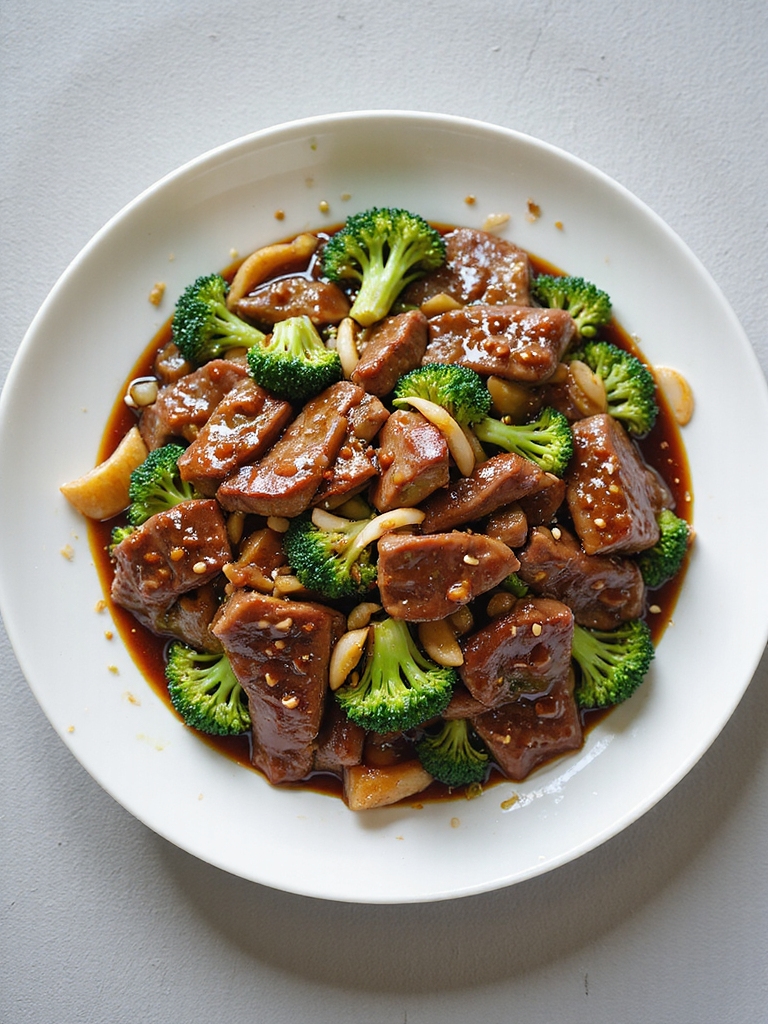
When I want takeout flavor without takeout prices, I make beef lo mein fast: thin-sliced beef, bouncy noodles, and a glossy soy-oyster sauce. I prep everything first, cook noodles just shy of done, and keep the pan ripping hot for crisp veggies.
A quick marinade and cornstarch slurry do the heavy lifting. If you’ve got 20 minutes and a skillet, you’re halfway there—now here’s how to nail the texture and that restaurant-style shine.
Why This Beef Lo Mein Belongs in Your Weeknight Rotation
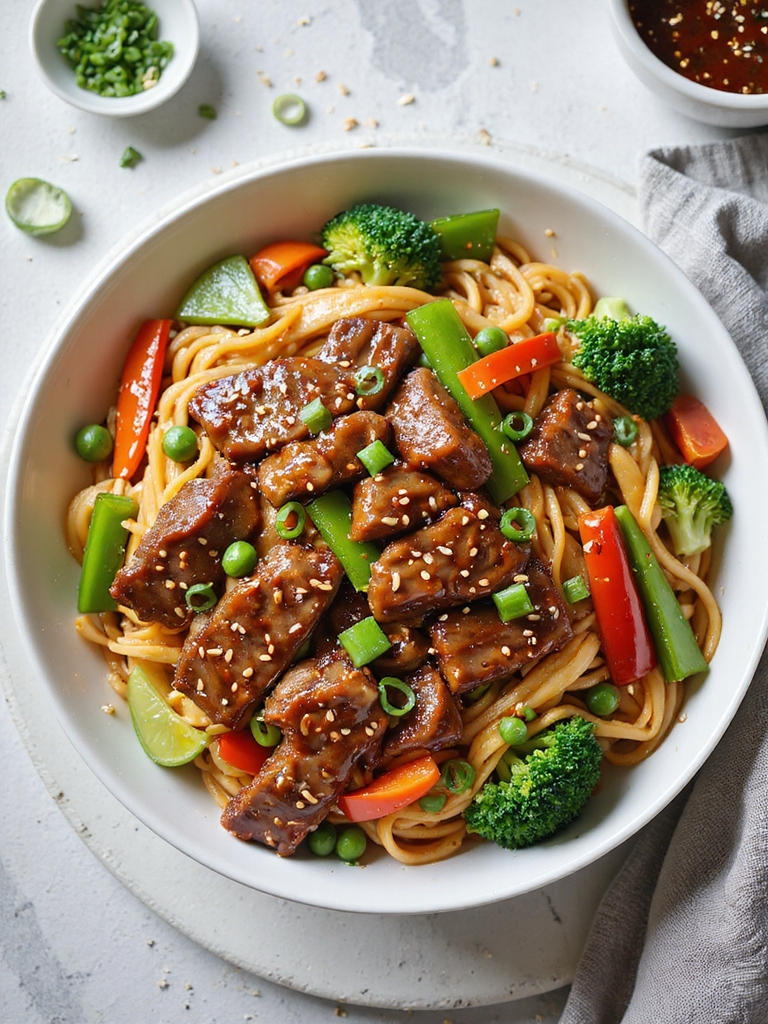
Busy nights call for big flavor with minimal fuss, and this Beef Lo Mein delivers: tender strips of beef, bouncy noodles, and a glossy, savory sauce that comes together in under 30 minutes. It’s a flexible, fridge-clearing hero—swap in whatever veggies you have, scale it for family or leftovers, and rely on a simple pantry sauce that tastes takeout-good without the price or wait. Add it to your rotation for speed, satisfaction, and weeknight sanity.
- 8 oz lo mein or spaghetti noodles
- 1 lb flank steak, thinly sliced against the grain
- 1 tablespoon cornstarch
- 2 tablespoons soy sauce, divided
- 1 tablespoon oyster sauce
- 1 tablespoon hoisin sauce
- 1 tablespoon dark soy sauce (optional for color)
- 1 tablespoon rice vinegar
- 1 teaspoon sesame oil
- 1 tablespoon brown sugar
- 3 tablespoons neutral oil, divided
- 3 cups mixed vegetables (bell peppers, carrots, snap peas, broccoli)
- 3 cloves garlic, minced
- 1 teaspoon grated fresh ginger
- 2 scallions, sliced
Cook noodles per package; drain, rinse briefly, and toss with 1 teaspoon oil. Toss beef with cornstarch and 1 tablespoon soy sauce. Whisk remaining soy, oyster, hoisin, dark soy, rice vinegar, sesame oil, brown sugar, and 2 tablespoons water. Heat 2 tablespoons oil in a large skillet or wok over high; sear beef in batches until just browned, 2–3 minutes; remove. Add 1 tablespoon oil, sauté veggies 2–3 minutes, then add garlic and ginger for 30 seconds; return beef, add noodles and sauce, and toss until glossy and hot. Finish with scallions; adjust soy or vinegar to taste and serve immediately.
Slice beef partially frozen for easier thin cuts and maximum tenderness; always cook over high heat to keep noodles springy and veggies crisp. Have all ingredients prepped before heating the wok—lo mein cooks fast, and pausing can lead to overcooked noodles or soggy vegetables. This method borrows technique from a classic ground beef stir fry to maximize sear and texture while keeping the dish quick.
Essential Ingredients for That Takeout-Style Flavor
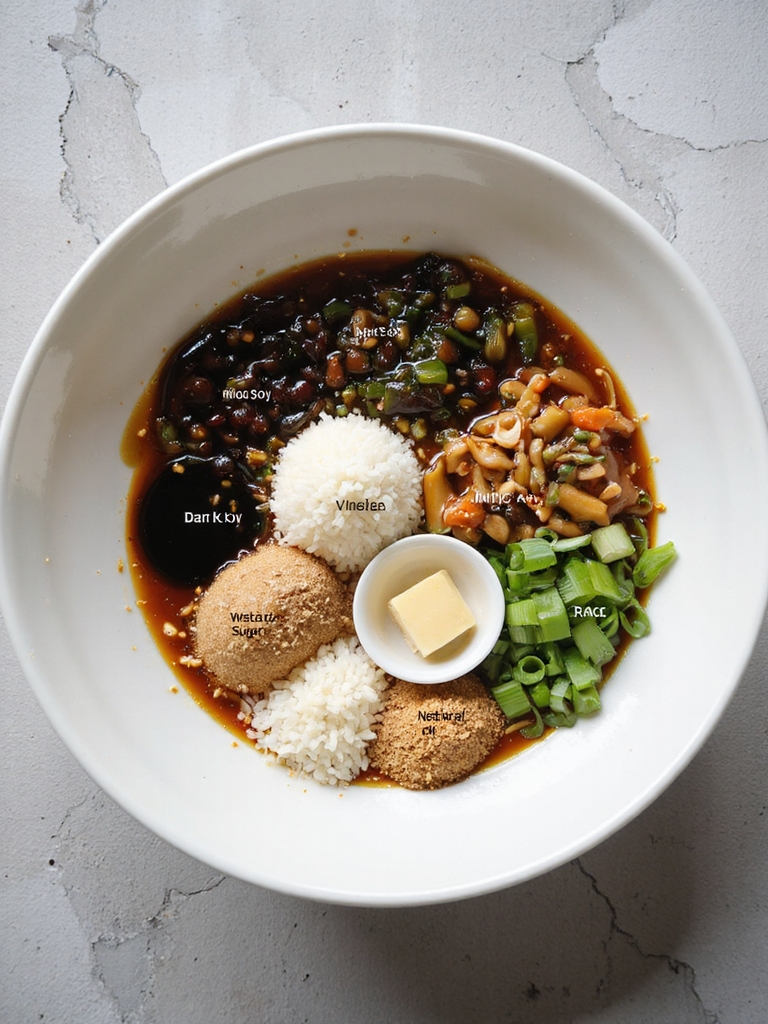
Nail that glossy, savory, takeout-style Beef Lo Mein by building a balanced sauce and aromatic base: light and dark soy for salinity and color, oyster sauce for umami depth, hoisin for a hint of sweetness and body, rice vinegar for brightness, and toasted sesame oil for nutty finish. Pair these with fresh aromatics—garlic, ginger, and scallions—and a neutral high-heat oil to sear beef and vegetables fast for restaurant-quality texture.
- 8 oz lo mein or spaghetti noodles
- 1 lb flank steak, thinly sliced
- 1 tbsp cornstarch
- 2 tbsp light soy sauce
- 1 tbsp dark soy sauce (optional)
- 1 tbsp oyster sauce
- 1 tbsp hoisin sauce
- 1 tbsp rice vinegar
- 1 tsp toasted sesame oil
- 1 tbsp brown sugar
- 3 tbsp neutral oil (canola or peanut)
- 3 cloves garlic, minced
- 1 tsp grated fresh ginger
- 3 cups mixed vegetables (bell peppers, carrots, snap peas, broccoli)
- 2 scallions, sliced
- 3–4 tbsp water
Cook noodles until just tender; drain, rinse briefly, and toss with a splash of oil. Toss beef with cornstarch and 1 tbsp light soy. Whisk remaining light soy, dark soy, oyster, hoisin, rice vinegar, sesame oil, brown sugar, and water to form a glossy sauce. Heat 2 tbsp neutral oil in a hot wok; sear beef until just colored, remove; add remaining oil, stir-fry vegetables 2 minutes, add garlic and ginger 30 seconds; return beef, add noodles and sauce, toss over high heat until coated and steaming; finish with scallions and adjust seasoning.
Use light soy for salt and dark soy sparingly for color so it doesn’t turn bitter; oyster sauce delivers umami while hoisin adds sweetness—balance with rice vinegar. For proper wok hei, keep everything dry and prepped, and don’t overcrowd the pan; taste and tweak with a splash more soy or vinegar right before serving. Savoring the Ultimate Beef Bowl Experience is a great way to explore similar umami-rich techniques and flavor pairings for beef-forward dishes Beef Bowl.
Choosing and Slicing the Best Cut of Beef
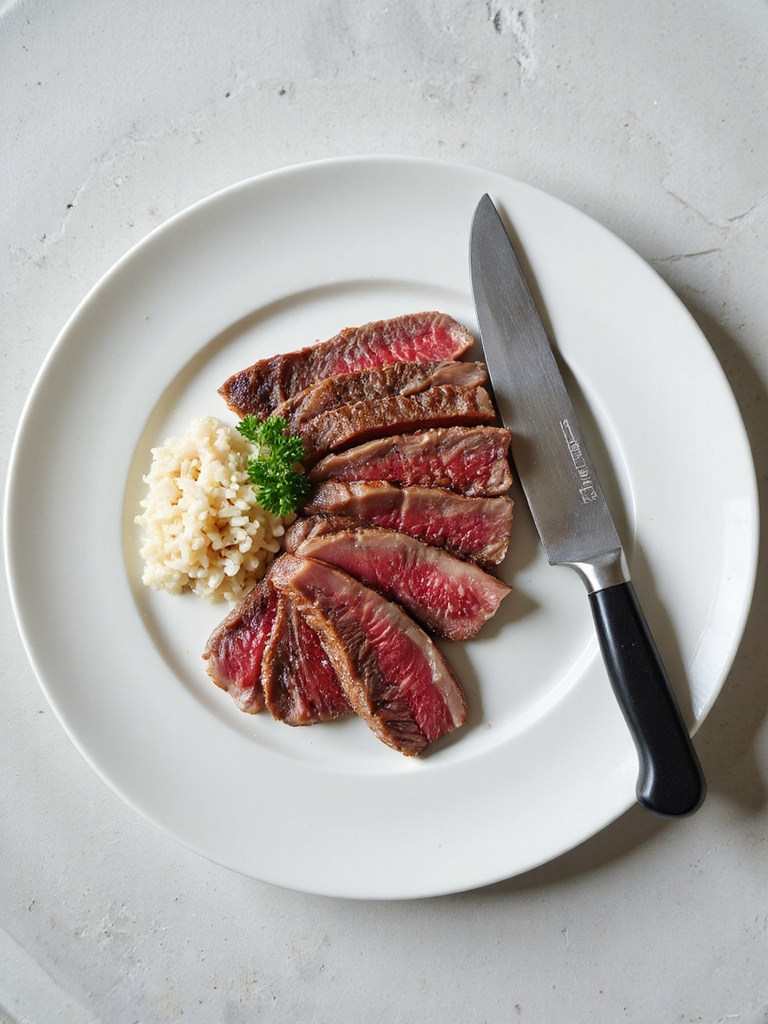
Choosing the right beef and slicing it properly makes all the difference in tender, restaurant-style lo mein. Opt for quick-cooking cuts with fine grain and minimal connective tissue: flank steak is classic, but skirt, flat iron, sirloin tip, or ribeye trimmings also work well. Freeze the beef 20–30 minutes to firm it up, then slice very thinly—1/8 inch—across the grain; for cuts with long fibers like flank and skirt, angle the knife at 30–45 degrees for broader, tender slices. Marinate briefly with soy and cornstarch to season and create velvety edges that sear fast without turning tough.
- 1 lb flank steak (or flat iron/sirloin tip), chilled
- 1 tbsp light soy sauce
- 1 tsp dark soy sauce (optional)
- 1 tsp rice vinegar
- 1 tsp oyster sauce
- 1 tsp hoisin sauce
- 1 tsp toasted sesame oil
- 1 tbsp cornstarch
- 1 tsp brown sugar
- 1 tbsp neutral oil
Freeze beef 20–30 minutes until firm at the edges; trim silverskin, then slice 1/8-inch thick strictly against the grain, angling the knife for wider pieces if using flank or skirt. Whisk light soy, dark soy, rice vinegar, oyster, hoisin, sesame oil, brown sugar, and cornstarch; toss with beef to coat and rest 10–20 minutes while you prep aromatics and noodles. Heat a wok until smoking, add oil, spread beef in a single layer, sear 45–60 seconds per side until just browned but still rosy at the center, then immediately remove to finish in the final stir-fry with noodles and sauce.
Slice across the grain to shorten muscle fibers; if the grain runs diagonally, rotate the steak so your cuts stay perpendicular and consistent. Keep slices evenly thin for uniform cooking, and avoid over-marinating (under 30 minutes) so the surface stays tacky for great searing without weeping moisture. For accelerated tenderness and even searing, consider using a wok searing technique that concentrates heat quickly.
The Secret to Bouncy Noodles and Glossy Sauce
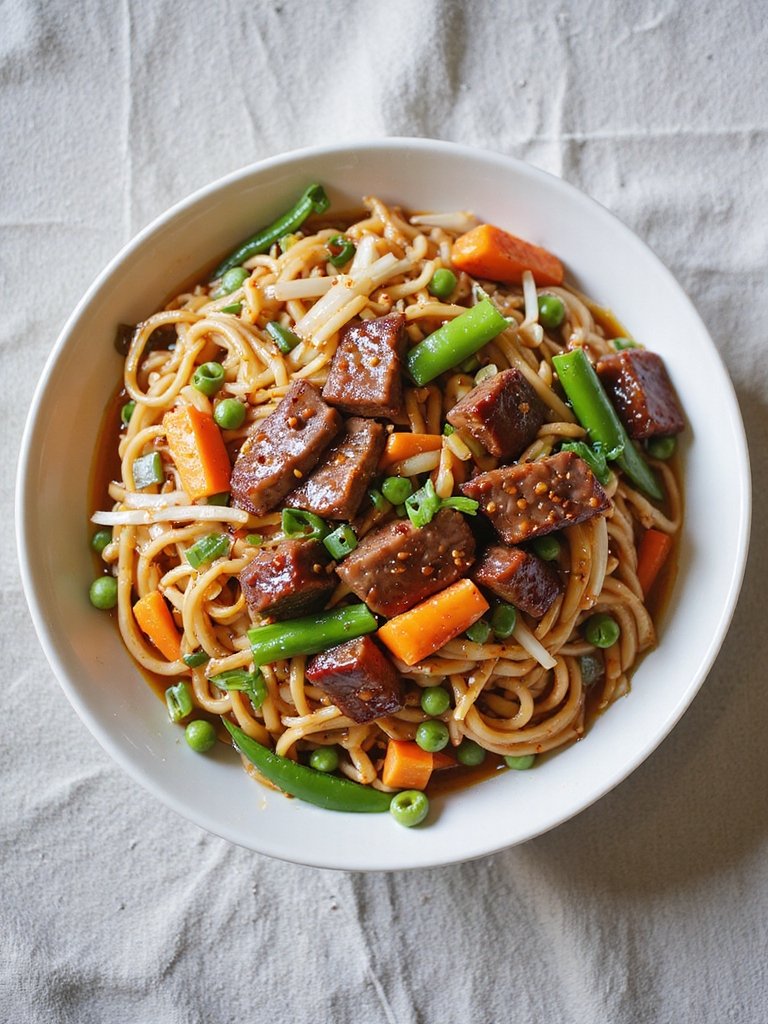
A great beef lo mein hinges on springy, bouncy noodles and a sauce that clings like silk. Use alkaline noodles or add a pinch of baking soda to boiling water to mimic the bouncy chew, rinse quickly to halt carryover, then re-oil so strands stay distinct. Build a glossy, velvety sauce with a cornstarch slurry balanced by soy, oyster sauce, and a touch of sugar; finish with hot wok oil emulsification so the starch gels smoothly and coats every strand.
- 12 oz fresh lo mein or egg noodles
- 1/4 tsp baking soda (optional, for boiling water)
- 2 tbsp oyster sauce
- 1 tbsp light soy sauce
- 1 tsp dark soy sauce
- 1 tsp sugar
- 1 tsp rice vinegar
- 1/2 tsp toasted sesame oil
- 3/4 cup low-sodium chicken broth
- 1.5 tbsp cornstarch
- 2 tbsp neutral oil
- 3 cloves garlic, minced
- 1 tsp grated ginger
- 4 scallions, whites sliced, greens in 2-inch batons
- 2 cups mixed vegetables (snow peas, carrots, bean sprouts)
Boil noodles in generously salted water (optionally with baking soda) until just shy of done; drain, rinse 2 seconds under hot water, then toss with 1 tsp oil to prevent sticking. Whisk broth, oyster sauce, light and dark soy, sugar, vinegar, sesame oil, and cornstarch to make a smooth slurry. Heat wok until smoking, add oil, then garlic, ginger, and scallion whites; add vegetables, toss 60–90 seconds, add noodles, pour in slurry, toss vigorously over high heat until the sauce thickens, turns glossy, and coats strands; finish with scallion greens.
Use high heat so the starch gelatinizes rapidly, forming a sheen instead of turning gummy; if sauce tightens too much, splash in hot broth 1 tablespoon at a time to re-emulsify. Keep noodles moving to avoid clumping, and add oil only at the start—too much at the end prevents the sauce from adhering. Roast beef adds savory depth and pairs well with lo mein for hearty weeknight meals, especially when sliced thin and served atop the noodles with a drizzle of pan jus for extra richness Roast Beef.
Quick Marinade and Stir-Fry Technique
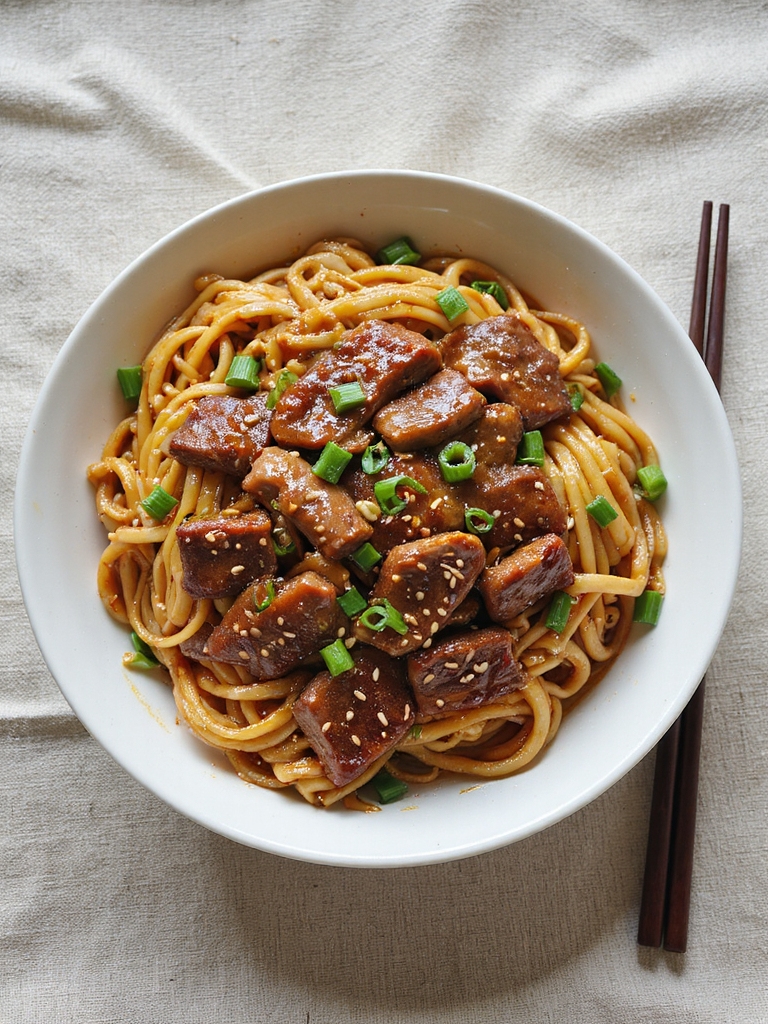
A fast beef marinade infuses flavor and tenderness while keeping the stir-fry quick and hot; slice beef thinly against the grain, coat with umami-rich seasonings plus a touch of cornstarch for velveting, then sear in batches to keep the wok smoking so the noodles and sauce stay glossy and bouncy.
- 12 oz flank steak, thinly sliced against the grain
- 1 tbsp light soy sauce
- 1 tsp dark soy sauce
- 1 tsp oyster sauce
- 1 tsp Shaoxing wine (or dry sherry)
- 1 tsp sugar
- 1/4 tsp baking soda
- 1 tsp cornstarch
- 1 tsp neutral oil
- 2 tbsp neutral oil (for stir-fry)
- 3 cloves garlic, minced
- 1 tsp grated ginger
- Cooked noodles and prepared sauce from previous subtopic
Toss beef with light soy, dark soy, oyster sauce, Shaoxing, sugar, baking soda, cornstarch, and 1 tsp oil; marinate 10–15 minutes while you heat the wok and prep aromatics. Heat wok until smoking, add 1 tbsp oil, and spread half the beef in a single layer; sear 45–60 seconds per side until just browned, remove, repeat with remaining beef and 1 tbsp oil. Return all beef, add garlic and ginger for 15 seconds, then add cooked noodles and slurry; stir-fry vigorously to coat, finish when sauce turns glossy and beef is just cooked through.
Slice beef very thin and keep it cold until marinating; baking soda tenderizes quickly, so don’t exceed 20 minutes or it can turn pasty. Always sear beef in batches to avoid steaming; if fond forms, deglaze with a splash of hot broth before adding the slurry for a cleaner, glossy sauce. Korean ground beef techniques can inform quick flavor boosts and balance when you need a savory shortcut with Korean Ground Beef.
Veggie Add-Ins for Crunch and Color
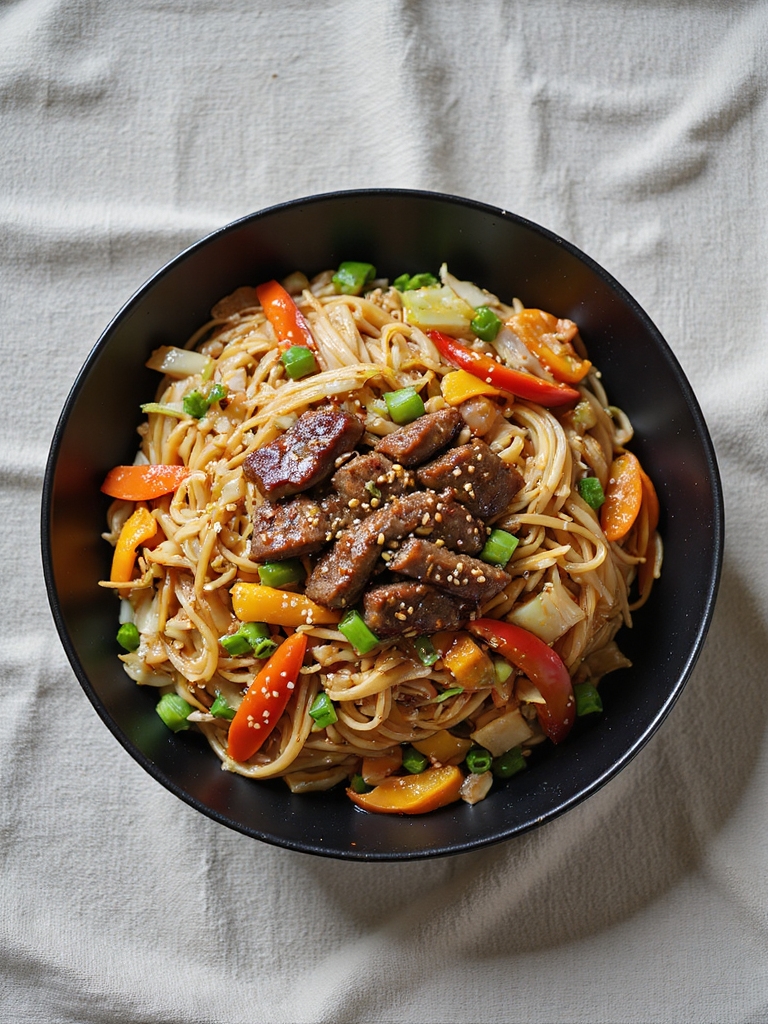
Bright, crisp vegetables turn beef lo mein into a colorful, textural stir-fry that balances savory meat and bouncy noodles; choose quick-cooking produce cut into matchsticks or thin slices so everything sears, not steams, and staggers into the wok in order of hardness for perfect doneness and crunch.
- 1 cup thinly sliced bell peppers (mixed colors)
- 1 cup sugar snap peas, strings removed, halved on the bias
- 1 cup shredded Napa cabbage (or green cabbage)
- 1/2 cup julienned carrots
- 1/2 cup sliced shiitake or cremini mushrooms
- 4 scallions, cut into 2-inch pieces, whites and greens separated
- 1/2 cup bean sprouts, rinsed and drained
- 2 tbsp neutral oil
- 1 tbsp light soy sauce
- 1 tsp sesame oil
- Pinch white pepper
- Cooked noodles, prepared sauce, and seared beef from previous subtopic
Heat wok until smoking, swirl in 1 tbsp oil, add mushrooms and carrots, stir-fry 60–90 seconds until edges blister; add bell peppers, snap peas, and scallion whites with remaining oil, toss 60 seconds until vibrant and still crisp. Add cabbage and bean sprouts, season with soy sauce and white pepper, cook 30–45 seconds just to wilt; return seared beef and noodles with prepared sauce. Toss vigorously to coat, add scallion greens and sesame oil, stir until glossy and steaming, then remove from heat so vegetables stay crisp.
Cut vegetables uniformly thin for speed and even doneness, and keep batches small so the wok stays scorching hot. If moisture pools, push veg up the wok sides and reduce briefly, then re-toss with noodles for a glossy, not watery, finish. A quick sear of the meat and noodles helps build savory caramelization and ties the dish together with the ground beef pasta flavor profile.
Make-Ahead, Freezer, and Reheating Tips
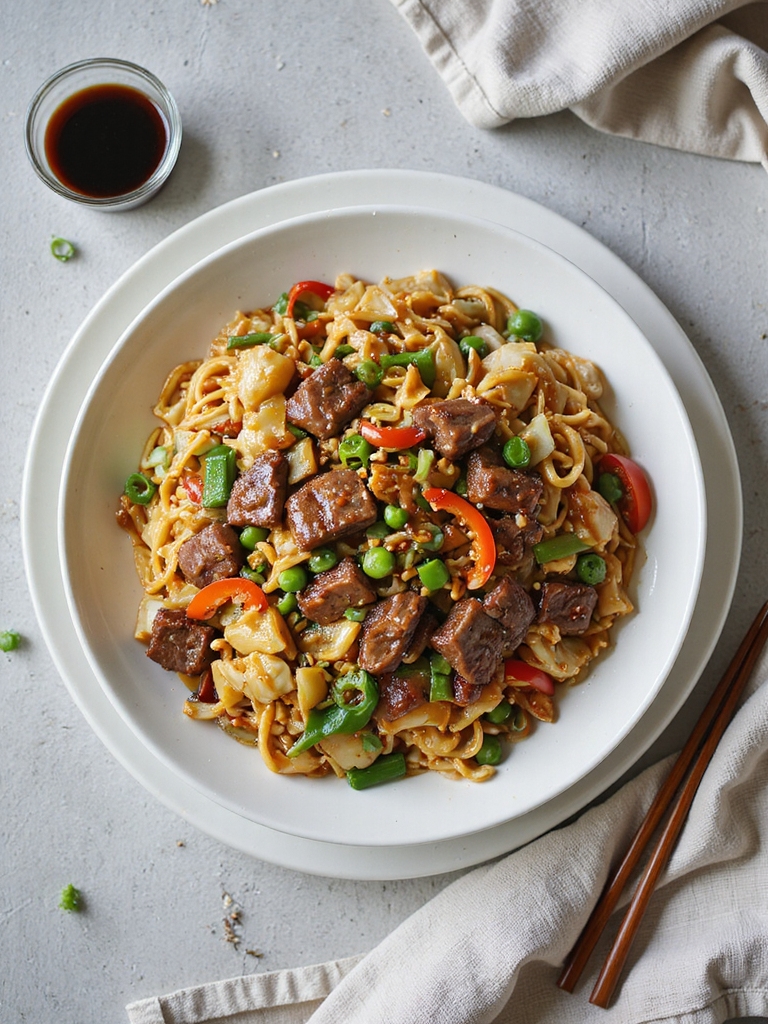
Get ahead on weeknights by prepping beef lo mein components in stages: slice and marinate beef, whisk sauce, and blanch or par-cook noodles up to 3 days ahead; stir-fry vegetables the day of for crisp texture. The finished dish can be chilled for quick lunches, or frozen in smart portions for future meals with minimal quality loss if cooled fast and reheated hot and quickly.
- 12 oz lo mein or thin egg noodles
- 1 lb flank steak, thinly sliced against the grain
- 2 tbsp light soy sauce
- 1 tbsp oyster sauce
- 1 tbsp Shaoxing wine (or dry sherry)
- 1 tsp cornstarch
- 1 tsp sugar
- 2 tsp dark soy sauce
- 1 tbsp hoisin (optional)
- 1 tsp toasted sesame oil
- 2 tbsp neutral oil
- 3 cups mixed quick-cook vegetables (bell peppers, snap peas, cabbage, mushrooms, carrots, scallions)
- 2 cloves garlic, minced
- 1 tsp grated ginger
- White pepper to taste
Cook noodles 1 minute shy of package, rinse, drain well, toss with 1 tsp oil, cool, then portion; whisk soy sauces, oyster, wine, sugar, hoisin, white pepper, and 2 tbsp water; toss beef with 1 tbsp light soy, cornstarch, 1 tsp oil. For make-ahead, refrigerate noodles, sauce, and marinated beef separately up to 3 days; freeze cooked, cooled lo mein in 1–2 cup portions up to 2 months, or freeze raw marinated beef flat for 2 months. Reheat: from chilled, stir-fry beef in hot wok with oil 60–90 seconds, add aromatics and veg 2–3 minutes, add noodles and sauce, toss until hot; from frozen cooked portions, microwave covered 60–90 seconds then finish in a hot pan 1–2 minutes, or stir-fry from frozen over medium-high heat until steaming.
Spread hot, just-cooked lo mein on a sheet pan to cool within 30 minutes to preserve texture; vent containers slightly until cold, then seal. If noodles clump when reheating, splash in 1–2 tablespoons water or stock; if the sauce thins, reduce briefly in the pan, then finish with a drizzle of sesame oil. Slow cook enthusiasts can adapt the beef to a low-and-slow method by using ground beef for a different texture and hands-off cooking approach.
Shortcuts: Store-Bought Swaps That Work
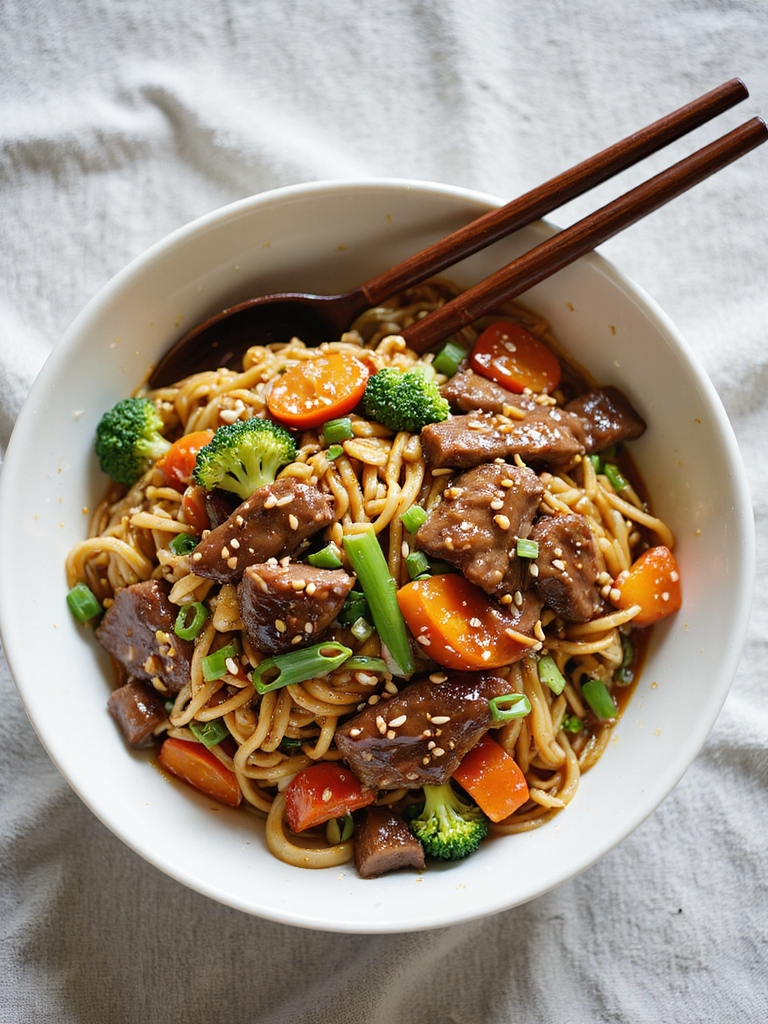
Craving beef lo mein without all the prep? Use smart store-bought swaps to get takeout flavor fast: pre-cut stir-fry beef or deli roast beef, bagged stir-fry veggie mix, bottled stir-fry sauce boosted with pantry staples, and fresh or shelf-stable cooked noodles. With a hot pan and a few aromatics, you’ll have glossy, springy noodles and tender beef in minutes.
- 12 oz fresh cooked lo mein or yakisoba noodles (or 10 oz shelf-stable stir-fry noodles)
- 12–16 oz pre-sliced stir-fry beef or deli rare roast beef, sliced
- 12–16 oz bagged stir-fry vegetable mix
- 1/2 cup bottled stir-fry sauce or teriyaki
- 2 tbsp light soy sauce
- 1 tbsp oyster sauce
- 1 tsp dark soy sauce (optional)
- 1 tsp cornstarch
- 2 tsp sugar or honey
- 2 cloves garlic, minced
- 1 tsp grated ginger (or 1/2 tsp ginger paste)
- 2 tbsp neutral oil
- 1 tsp toasted sesame oil
- White pepper to taste
Whisk bottled sauce with light soy, oyster, dark soy (if using), cornstarch, sugar, and 2 tbsp water; loosen noodles under hot water and drain. Heat a large skillet or wok over high, add 1 tbsp oil, sear beef 60–90 seconds (30 seconds if using deli beef), then transfer. Add remaining oil, sauté garlic and ginger 10–15 seconds, add vegetables and stir-fry 2–3 minutes until crisp-tender; add noodles and sauce, toss vigorously 1–2 minutes until glossy, return beef, finish with sesame oil and white pepper.
Use high heat and don’t overcrowd the pan; cook in batches if needed to avoid steaming. If noodles are tight or dry, splash in 1–2 tablespoons water or stock to loosen, and adjust salt with soy or brightness with a squeeze of lime. This quick method yields tender beef similar to a Korean-style stir-fry when you start with pre-sliced stir-fry beef.
Variations: Spicy, Extra-Saucy, and Low-Sodium Options
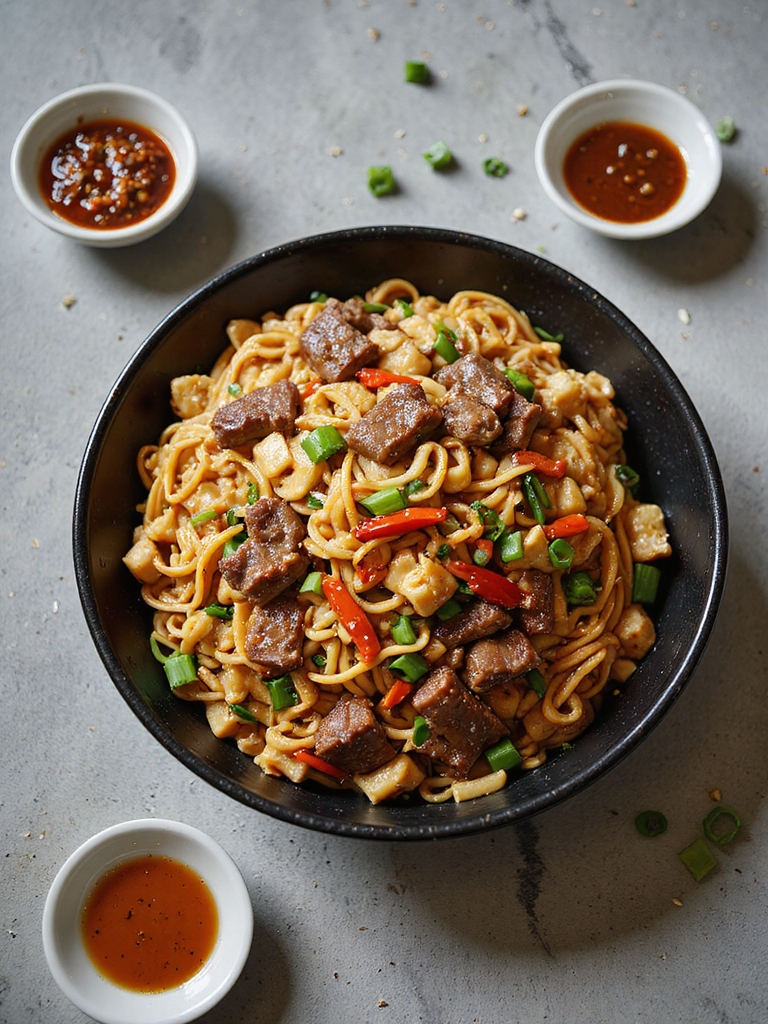
Craving a tailored bowl of beef lo mein? Try three flexible takes to match your mood: a chili-forward Spicy Lo Mein that brings heat and fragrance, an Extra-Saucy version that’s glossy and slurpable, and a Low-Sodium option that keeps savor while easing the salt. Each variation uses the same base technique with targeted swaps so you can mix and match to your taste.
- 12 oz lo mein or yakisoba noodles
- 12 oz beef (flank, skirt, or pre-sliced stir-fry beef), thinly sliced
- 2 cups mixed stir-fry vegetables
- 2 tbsp neutral oil
- 3 cloves garlic, minced
- 1 tsp grated ginger
- Spicy: 1–2 tbsp chili crisp or sambal, 1 tsp chili oil, 1 tsp Sichuan pepper (optional)
- Extra-Saucy: 3/4 cup low-sodium chicken stock, 3 tbsp oyster sauce, 2 tbsp light soy, 1 tbsp dark soy, 2 tsp cornstarch, 2 tsp sugar
- Low-Sodium: 1/3 cup no-salt stock, 1 tbsp low-sodium soy, 1 tbsp coconut aminos, 1 tbsp oyster or mushroom stir-fry sauce, 1 tsp cornstarch
- 1 tsp toasted sesame oil
- White pepper to taste
- Optional add-ins: scallions, bean sprouts, lime
Loosen noodles under hot water and drain; whisk your chosen sauce set: Spicy (2 tbsp light soy, 1 tbsp oyster, 1–2 tbsp chili crisp, 1 tsp sugar, 1 tsp cornstarch, 2 tbsp water), Extra-Saucy (as listed), or Low-Sodium (as listed). Heat a wok over high, add 1 tbsp oil, sear beef 60–90 seconds and remove; add remaining oil, sauté garlic and ginger 10–15 seconds, then stir-fry vegetables 2–3 minutes. Add noodles and sauce, toss vigorously until glossy and just thickened 1–2 minutes, return beef, finish with sesame oil, white pepper, and for Spicy add chili oil/Sichuan pepper; adjust heat, sauce, or salt to taste.
Use high heat and avoid crowding; if needed, cook beef and vegetables in batches for better sear and springy noodles. For balance: add a splash of stock to loosen, a pinch of sugar to round heat, lime or rice vinegar for brightness, and scallions or sprouts for fresh crunch. Beef stir-fries like lo mein benefit from quick, high-heat cooking to develop a good sear and flavor from Savor the Flavor.
What to Serve With Beef Lo Mein for a Complete Meal
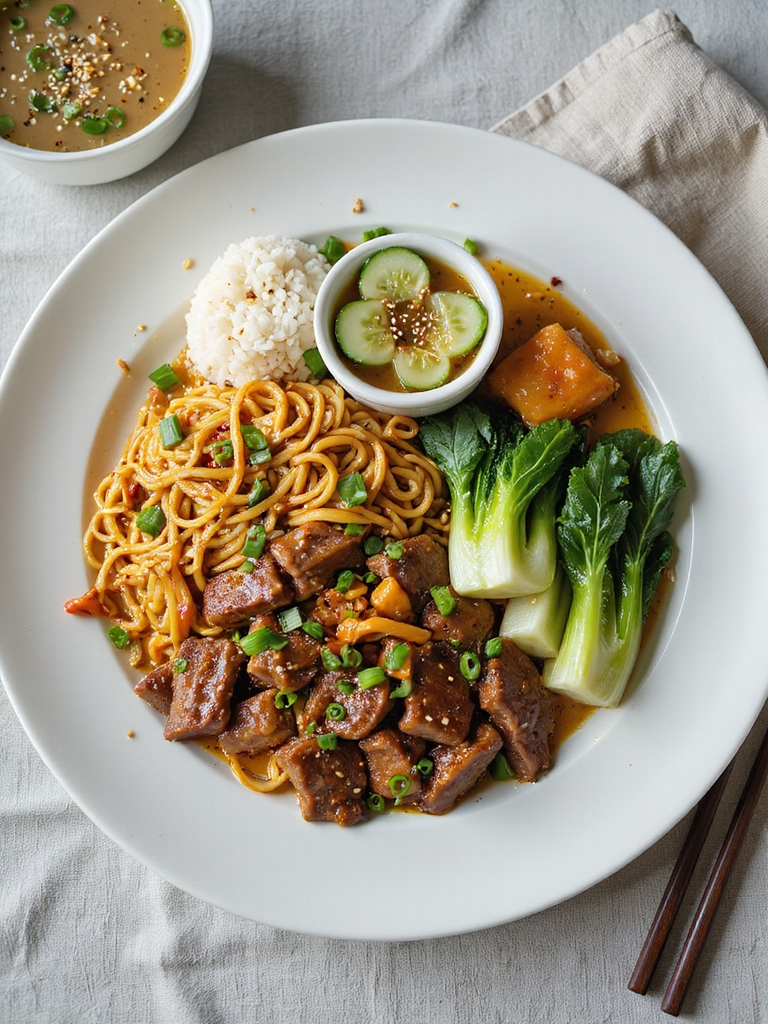
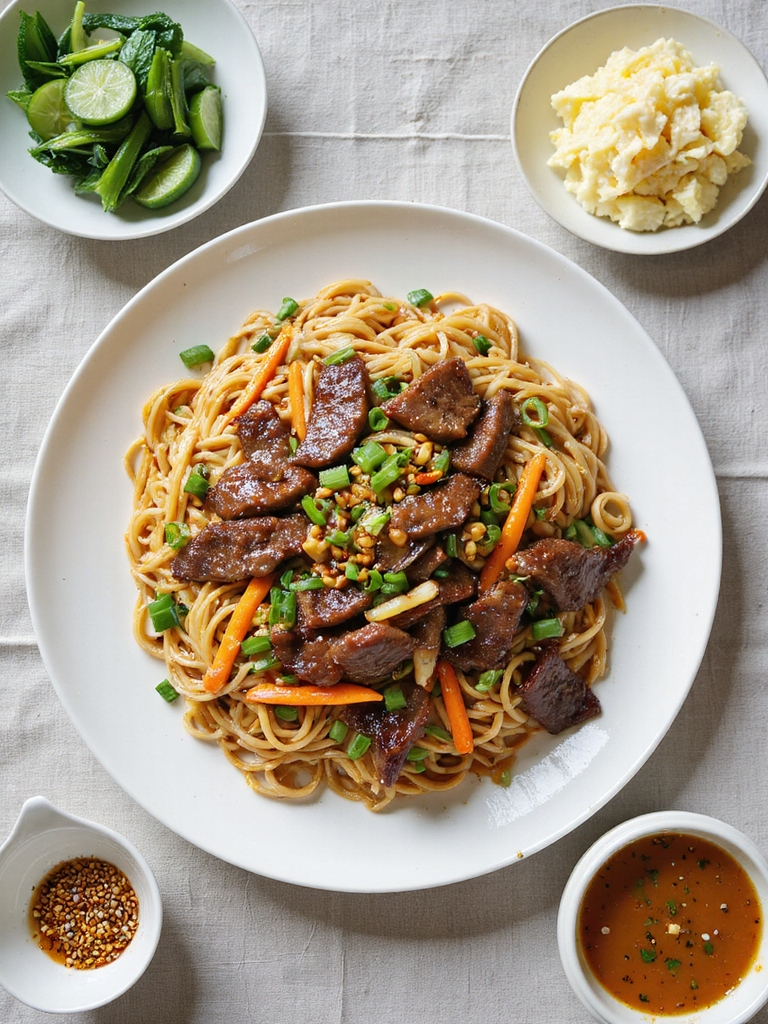
Build a balanced, takeout-style spread around beef lo mein by pairing crisp-fresh vegetables, a light soup, and a bright, palate-cleansing side. This menu hits crunch, comfort, and freshness: Garlicky Baby Bok Choy, Quick Cucumber-Sesame Salad, and Simple Egg Drop Soup. Everything cooks fast and finishes right as your lo mein lands on the table.
- 1 lb baby bok choy, halved lengthwise
- 2 tsp neutral oil
- 2 cloves garlic, thinly sliced
- 1/8 tsp salt
- 1 tsp sesame oil
- 1 English cucumber, thinly sliced
- 2 tsp rice vinegar
- 1 tsp soy sauce
- 1 tsp sugar
- 1 tsp toasted sesame seeds
- 3 cups low-sodium chicken stock
- 1 large egg, beaten
- 1/2 tsp cornstarch mixed with 1 tbsp water
- White pepper to taste
- Scallions, thinly sliced (for all three sides)
Heat a skillet over medium-high, add neutral oil, sear bok choy cut-side down 2 minutes, flip, add garlic and salt, cook 1 minute, then toss off heat with sesame oil and scallions; chill cucumber 5 minutes, then toss with rice vinegar, soy, sugar, sesame seeds, and scallions; bring stock to a simmer, whisk in cornstarch slurry, drizzle in beaten egg while stirring to form ribbons, season with white pepper and scallions. Plate bok choy alongside beef lo mein, heap cucumber salad for crunch, and ladle soup into small bowls. Serve immediately so the lo mein stays springy and the bok choy retains snap.
Dress the cucumber just before serving to keep it crisp and avoid watery salad; if you like heat, add a dab of chili crisp to the bok choy or a few drops of chili oil to the soup. For timing, cook the soup first and keep it at a bare simmer, sear the bok choy next, then toss the cucumber last while the lo mein finishes. Sear the beef quickly over high heat for best texture and flavor, especially in a stir-fry.