When I want sticky, fall-off-the-bone beef ribs, I start with meaty plate ribs, a bold salt-and-pepper rub, and a slow cook that barely needs babysitting. I keep tools simple, flavors big, and timing efficient.
The secret is steady heat, a clean trim, and a thin, glossy glaze that I layer and set fast. If you’ve got a few hours and want maximum comfort with minimal fuss, here’s how I make them irresistible…
Choosing the Right Cut of Beef Ribs
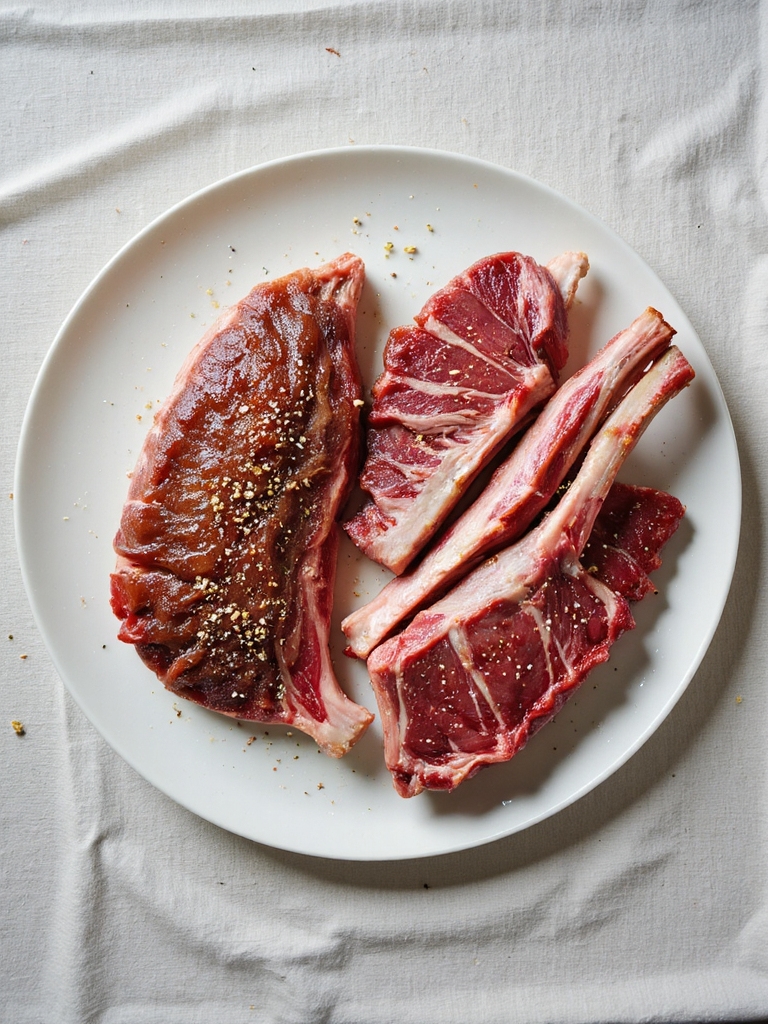
When choosing the right cut of beef ribs, decide first how you want to cook and eat them: meaty, bone-in short ribs for braising; plate ribs (dinosaur ribs) for low-and-slow smoking; back ribs for quicker grilling with less meat but great bone flavor. This recipe focuses on smoked plate ribs, delivering bark, juiciness, and deep beefiness with simple seasoning.
- 1 full rack beef plate ribs (3–4 bones, about 6–8 lb)
- 2 tablespoons kosher salt
- 2 tablespoons coarse black pepper
- 1 tablespoon garlic powder
- 1 teaspoon smoked paprika
- 1 teaspoon mustard powder
- 1/2 cup beef tallow or neutral oil
- 1 cup beef broth (for spritzing)
- 2 tablespoons apple cider vinegar (for spritzing)
- Optional: butcher paper
Prepare smoker to 265°F with clean-burning oak or post oak; trim hard fat and silver skin from ribs, leaving a 1/4-inch fat cap. Mix salt, pepper, garlic powder, paprika, and mustard powder; rub ribs lightly with tallow, season all sides generously, and rest at room temp 20–30 minutes. Smoke bone-side down until bark sets and internal temp is 170–175°F (about 4–5 hours), spritzing broth-vinegar every 45–60 minutes; wrap in butcher paper if bark is set, continue to 202–208°F and probe tender (1–2 hours), rest 45–60 minutes, then slice between bones and serve.
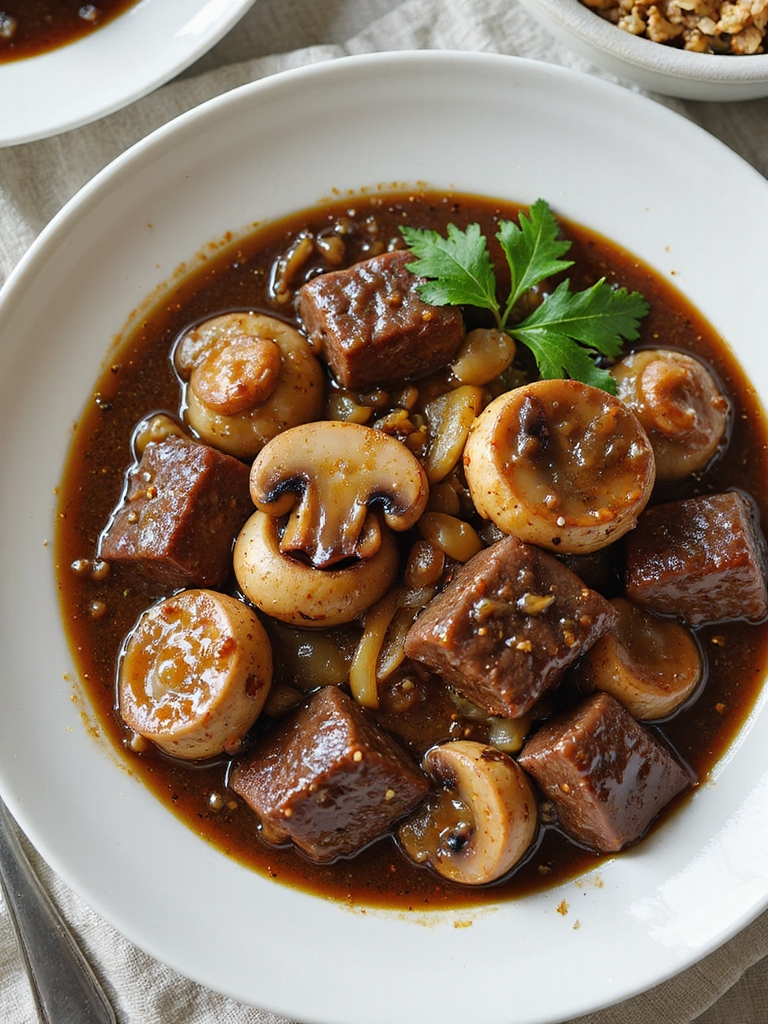
Buy plate ribs with at least 1.5 inches of meat and intact bones; avoid racks with shiners (exposed bone) indicating over-trimming. For braises, choose English-cut short ribs with good marbling; for quicker cooks, back ribs do well over indirect heat to 200–205°F while sauced near the end. Smoking or braising cubed beef can offer complementary textures and flavors when served alongside ribs, and learning proper techniques for cubed beef will expand your recipe options.
Essential Tools and Pantry Staples
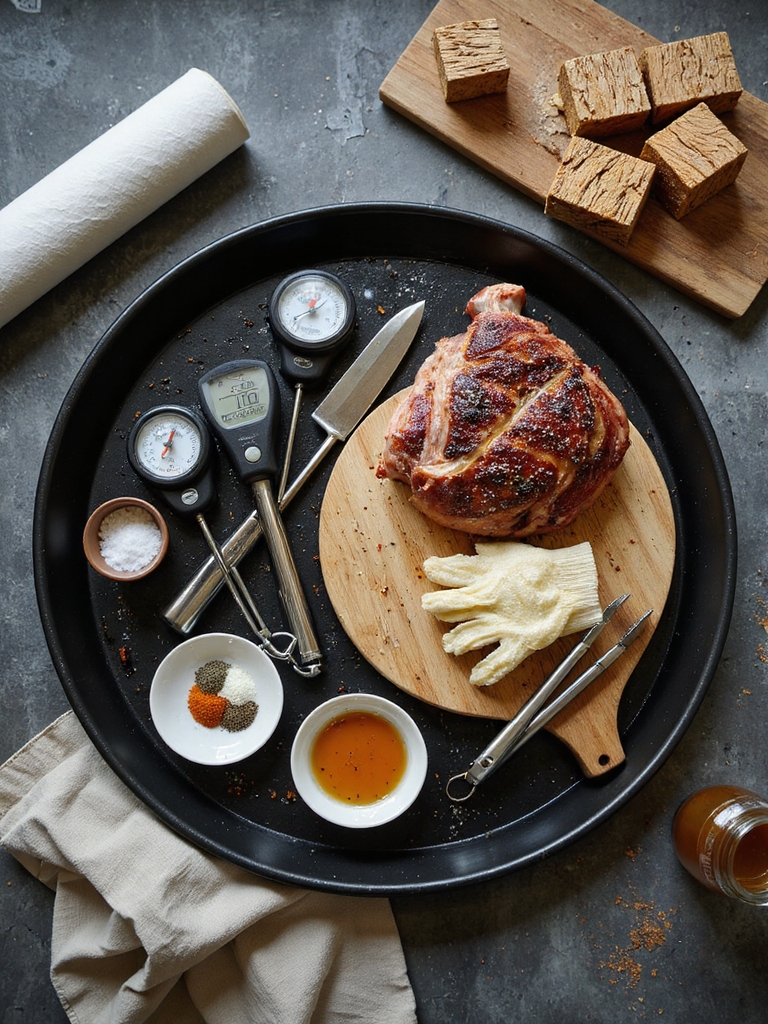
A well-equipped pit makes smoking beef plate ribs repeatable and stress-free: accurate temps, clean smoke, and simple seasonings let the beef shine. Stock a few reliable tools (for fire control, probing, and wrapping) and pantry staples (for rubs, spritzes, and moisture) so you can pivot between unwrapped bark monsters and wrapped, ultra-juicy ribs with confidence.
- Instant-read thermometer (fast-response)
- Leave-in dual-probe thermometer
- Offset, pellet, or kamado smoker with good airflow
- Hardwood: oak or post oak chunks/splits
- Butcher paper or heavy-duty foil
- Spray bottle
- Sharp boning/trimming knife
- Heat-resistant gloves and tongs
- Cutting board with groove
- Kosher salt
- Coarse black pepper
- Garlic powder
- Smoked paprika
- Mustard powder
- Beef tallow or neutral oil
- Beef broth
- Apple cider vinegar
Light the smoker and stabilize at 265°F with clean-burning oak; while it heats, trim hard fat and silver skin with a sharp knife, then mix 2 parts kosher salt to 2 parts coarse black pepper with pinches of garlic powder, smoked paprika, and mustard powder. Rub ribs lightly with tallow, season all sides, insert a leave-in probe near the center, and place bone-side down; spritz every 45–60 minutes with a 1:1 beef broth and apple cider vinegar mix once the surface looks dry. When bark is set and internal hits ~170–175°F, wrap in butcher paper if desired and continue until 202–208°F and probe-tender; rest wrapped in a warm cooler or on a rack for 45–60 minutes, then slice between bones on a grooved board.
Keep your fire clean: thin blue smoke beats billowy white; stale, smoldering smoke tastes bitter, so open vents and use seasoned wood. Calibrate thermometers periodically and trust probe feel over numbers at the finish—when it slides in like warm butter across the rack, you’re done. A reliable leave-in dual-probe thermometer will help you monitor both the meat and smoker temp without opening the lid.
Building Flavor With Marinades
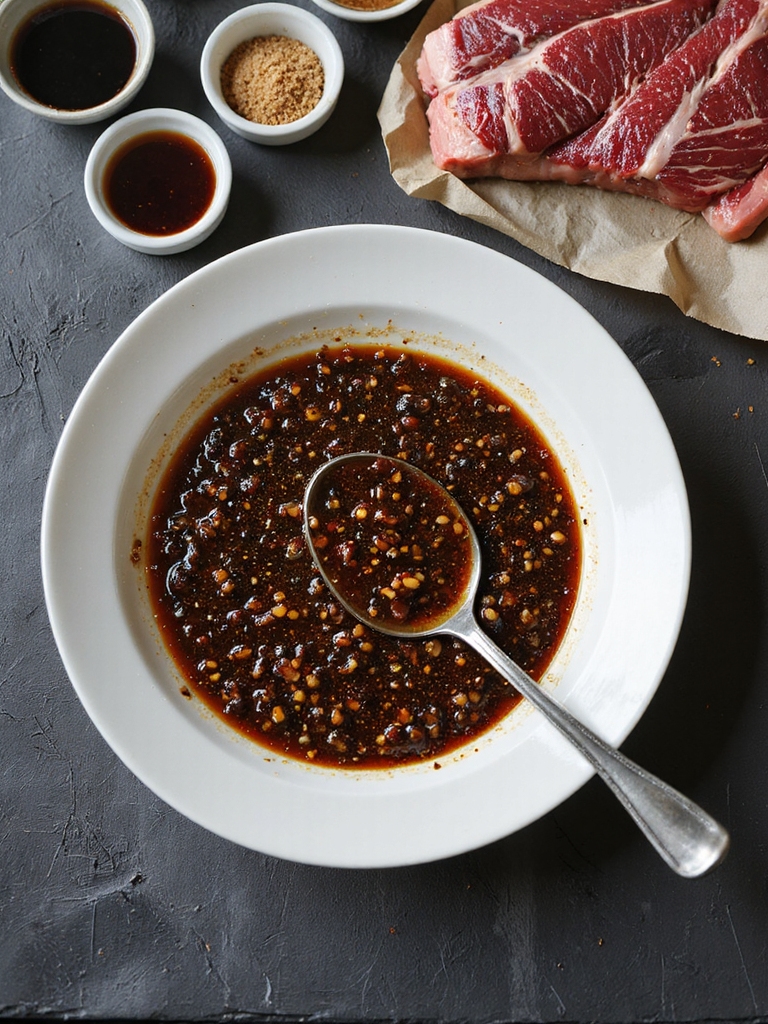
Marinades add depth and savory complexity to beef ribs without masking their rich beefiness; think umami-forward bases, acid to brighten, and a touch of sweetness to encourage browning while smoke does the rest. This marinade leans on soy, Worcestershire, aromatics, and beef tallow for cling, with a restrained acid so the meat fibers relax without turning mushy, and it doubles as a mop to layer flavor during the cook.
- 1 rack beef plate ribs (3–4 bones, 4–6 lb)
- 1/3 cup soy sauce
- 2 tablespoons Worcestershire sauce
- 2 tablespoons beef tallow or neutral oil
- 2 tablespoons apple cider vinegar
- 2 tablespoons beef broth
- 1 tablespoon Dijon mustard
- 1 tablespoon brown sugar
- 4 cloves garlic, minced
- 1 teaspoon freshly cracked black pepper
- 1 teaspoon smoked paprika
- 1/2 teaspoon onion powder
Trim hard fat and silver skin, then whisk marinade ingredients until emulsified; reserve 1/3 cup for basting and place ribs in a large bag or pan with remaining marinade, coating thoroughly and marinating 2–6 hours refrigerated, turning once. Remove ribs, pat surface lightly (still tacky), insert a leave-in probe, and smoke bone-side down at 265°F over clean-burning oak; baste with reserved marinade every 60–90 minutes once the surface dries and bark begins to set. When internal temp reaches 170–175°F and bark is mahogany, wrap in butcher paper if desired and continue to 202–208°F until probe-tender; rest 45–60 minutes, then slice between bones and drizzle any resting juices over slices.
Keep acid under control: more than 2–3 tablespoons vinegar or citrus per cup of marinade can over-tenderize during long soaks; aim for 2–6 hours max for plate ribs. If you plan to use the marinade as a mop, always reserve a clean portion before touching raw meat, and thin with a splash of warm broth so it brushes on without washing off bark. Adding beef tips during service can enhance richness and provide additional savory beef texture for guests.
Crafting Bold Dry Rubs
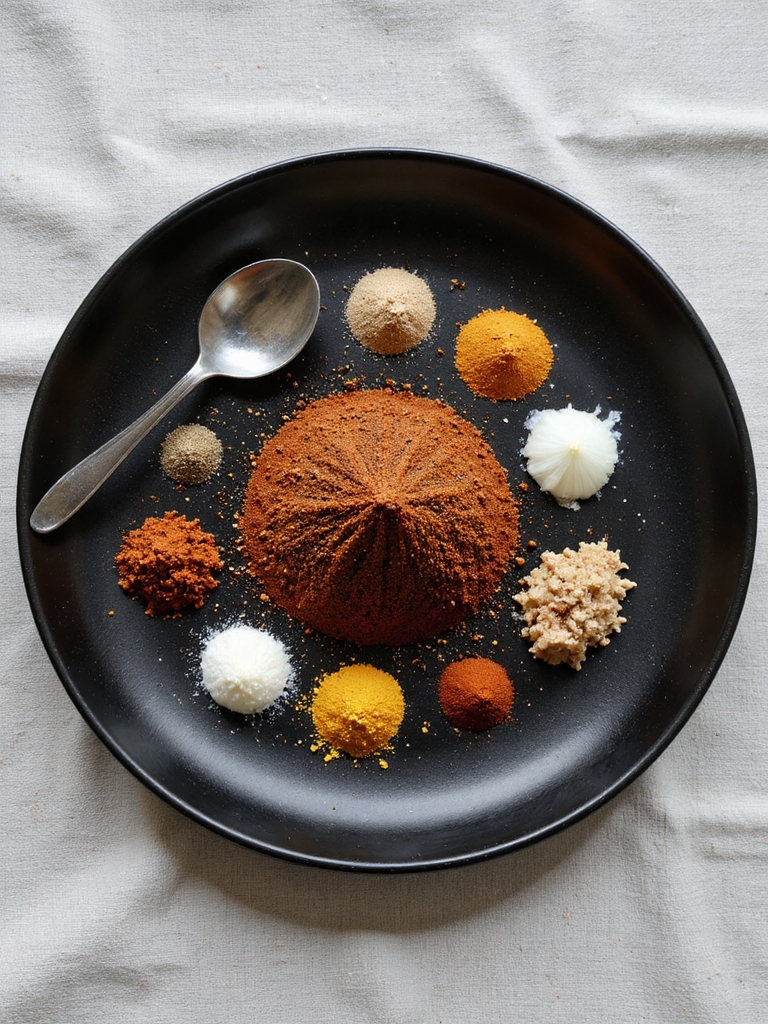
A bold dry rub should amplify the beef’s natural savoriness with layers of salt, umami, pepper heat, and fragrant aromatics while staying bark-friendly. Balance coarse textures for crust with a touch of sugar for caramelization without turning candy-sweet, and deploy coffee, coriander, and ancho for depth that reads smoky even off the smoker. Mix thoroughly, apply generously, and let it hydrate on the meat so the rub becomes a paste that bonds during the cook.
- 1 rack beef plate ribs (3–4 bones, 4–6 lb)
- 2 tablespoons kosher salt
- 2 tablespoons coarse black pepper
- 1 tablespoon ancho chili powder
- 1 tablespoon smoked paprika
- 2 teaspoons ground coriander
- 2 teaspoons garlic powder
- 2 teaspoons onion powder
- 1 teaspoon mustard powder
- 1 teaspoon instant espresso or finely ground coffee
- 1 teaspoon brown sugar
- 1/2 teaspoon cayenne (optional)
Pat ribs dry and lightly shave hard fat and silver skin; mix all rub ingredients until uniform, breaking up clumps. Lightly mist ribs with water or a thin film of neutral oil, then coat every surface with a heavy, even layer of rub, pressing to adhere; rest 20–30 minutes until the rub looks damp and tacky. Cook by your chosen method (smoker at 250–275°F or grill/oven with indirect heat) until the bark is set and ribs are probe-tender at 202–208°F, rest 45–60 minutes, then slice between bones.
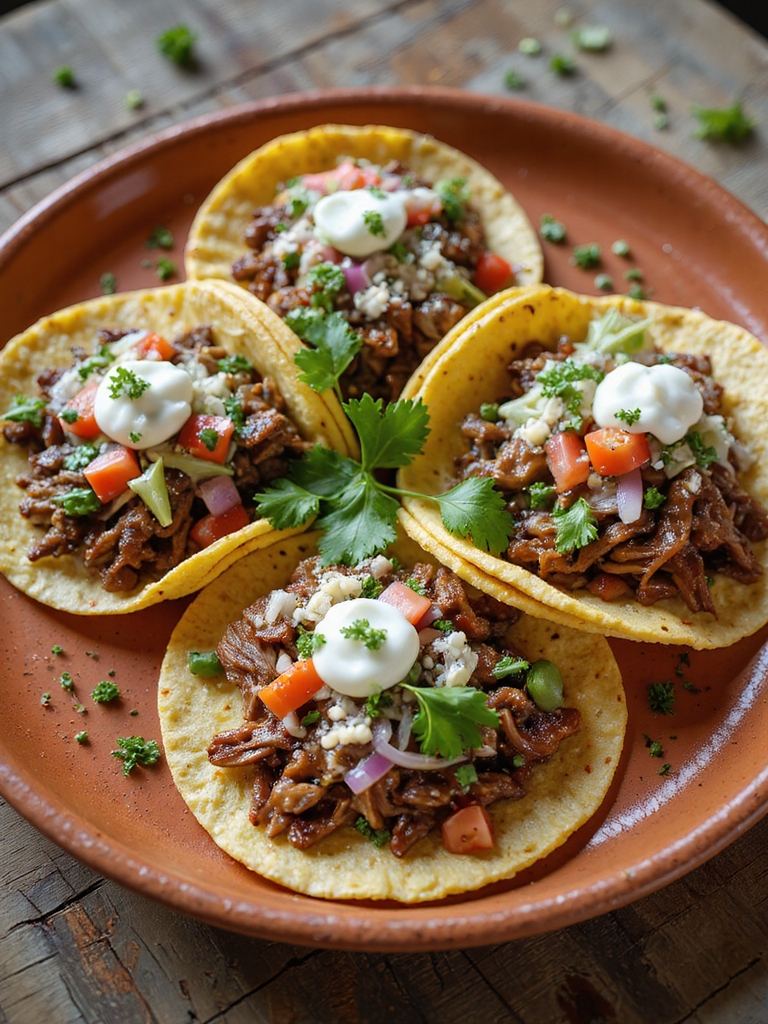
Use coarse salt and pepper to build texture, and keep sugar modest to protect bark from scorching during long cooks. For a salt-conscious version, reduce salt to 1 tablespoon and add 1 teaspoon MSG to maintain savoriness; scale cayenne to heat preference and refresh the rub with a pinch more pepper just before cooking if it sat more than a week. Consider serving the shredded beef tacos alongside these ribs for a complementary shredded beef option that showcases similar seasoning profiles.
Low-and-Slow Oven Method
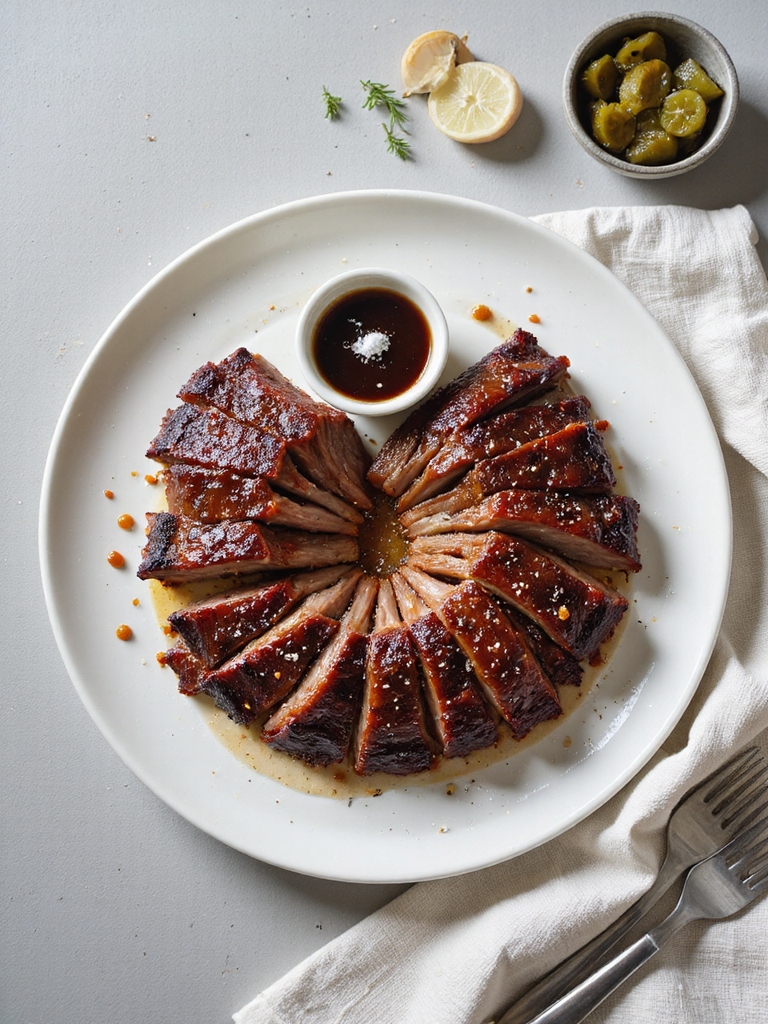
Transform richly rubbed beef plate ribs into melting, barky perfection right in the oven by mimicking a smoker’s gentle heat and steady airflow. We’ll set an even low temperature, manage moisture to keep bark from going leathery, and finish hot to lock in color and texture. A wire rack over a sheet pan prevents stewing, a small water pan stabilizes humidity, and patience delivers that probe-tender finish without fuss.
- 1 rack beef plate ribs (3–4 bones, 4–6 lb)
- Bold dry rub (from previous subtopic), about 6–8 tablespoons
- 1 tablespoon neutral oil or water spray
- 1/2 cup low-sodium beef broth or water (for pan)
- 1 tablespoon apple cider vinegar (optional, for pan)
- Butcher paper or foil (optional)
- Finishing salt (optional)
Heat oven to 275°F with rack in lower-middle; line a rimmed sheet pan with foil, set a wire rack inside, and place a small oven-safe pan with broth and vinegar on the lower rack to add gentle humidity. Prepare ribs as per dry rub method: trim, mist with oil or water, coat heavily with rub, rest 20–30 minutes until tacky, then set ribs bone-side down on the rack. Roast 3.5–5.5 hours until bark is set and internal is 195–198°F, then continue to 202–208°F until probe-tender; optionally wrap in butcher paper around 170–180°F if the bark is where you want it and the surface is drying. For a final crust, vent or unwrap and elevate oven to 300–325°F for 10–15 minutes; rest wrapped 45–60 minutes in a warm spot, slice between bones, and finish with a light sprinkle of salt if needed.
Keep airflow: the wire rack and a little humidity prevent steaming while stopping the bark from hardening into jerky; refresh water if it fully evaporates. If your oven runs hot or has strong top heat, tent loosely with foil during the mid-cook to shield bark, then remove for the last 20 minutes to re-crisp. Slow, moist heat also works wonderfully for other cuts like roast beef, which benefits from low-and-slow cooking to break down connective tissue and develop flavor.
Backyard Smoker Technique
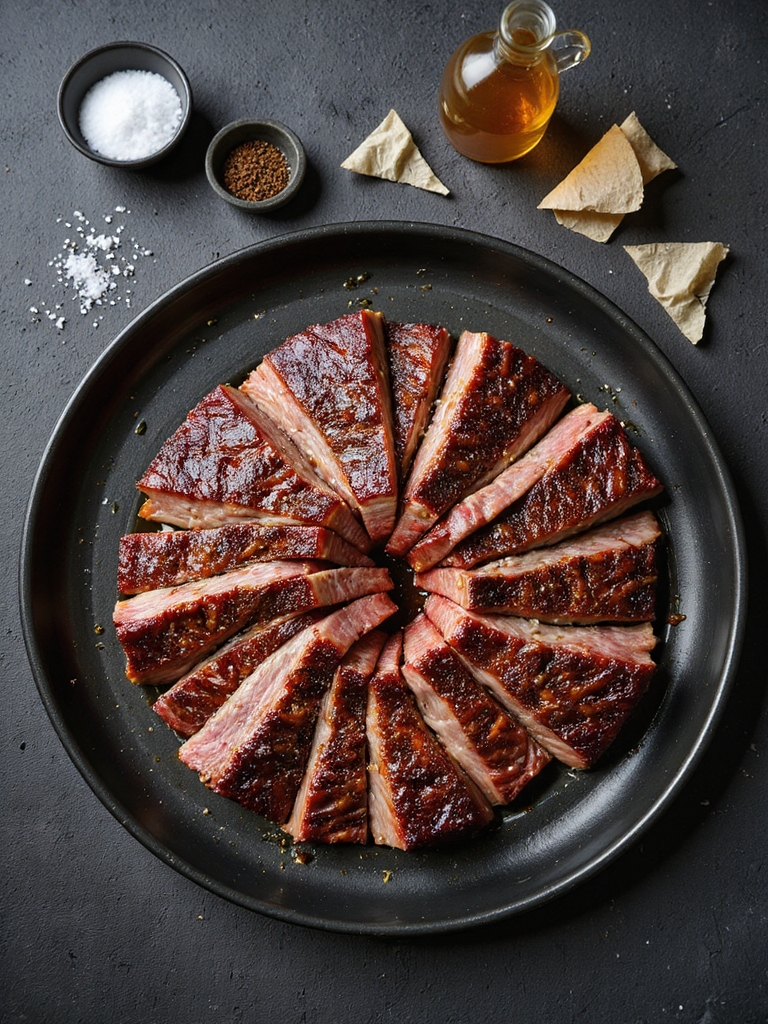
Harness clean, steady smoke to transform beef plate ribs into a deep mahogany bark with buttery, wagyu-like tenderness. We’ll run a classic 275°F pit with a water pan for stable humidity, use a bold rub, and feed thin blue smoke from oak or post oak, adding a gentle wrap only if the bark is set and the surface risks drying. Patience to probe-tender is the goal; a short hot finish sets the crust, then a warm rest locks in juices for showpiece slices.
- 1 rack beef plate ribs (3–4 bones, 4–6 lb)
- 6–8 tablespoons bold dry rub
- 1 tablespoon neutral oil or water spray
- Coarse finishing salt (optional)
- Oak or post oak chunks/splits (pecan acceptable)
- Water for smoker pan
- Butcher paper (preferred) or heavy-duty foil (optional)
- Apple cider vinegar in a spray bottle (optional)
Set smoker to 275°F with clean-burning thin blue smoke and a full water pan; trim ribs, mist with oil or water, coat heavily with rub, and rest 20–30 minutes until tacky. Smoke bone-side down, meat toward heat, maintaining 265–285°F, spritzing dry spots after the bark dulls and hits 150–165°F; when bark is set and internal reads ~170–180°F, wrap in unwaxed butcher paper if drying or color is perfect, otherwise ride unwrapped. Continue to 202–208°F until a probe slides in like warm butter across the meat, vent or unwrap and bump pit to 300°F for 10–15 minutes to set bark, then rest wrapped 45–60 minutes in a warm spot before slicing between bones and finishing with a pinch of salt.
Use clean smoke: pale blue is flavor, white billow is bitter—adjust airflow and fuel until the fire “sounds” lively and smells sweet. Wind, cold, and rain sap heat; preheat longer, keep the water pan 2/3 full, and avoid sweet glazes until the next subtopic’s grill finish to protect the bark. For a richer, more consistent result, consider using Savory Beef Tips techniques from slow-cooked beef recipes to guide your timing and tenderness expectations.
Grill Finish for Sticky Glaze
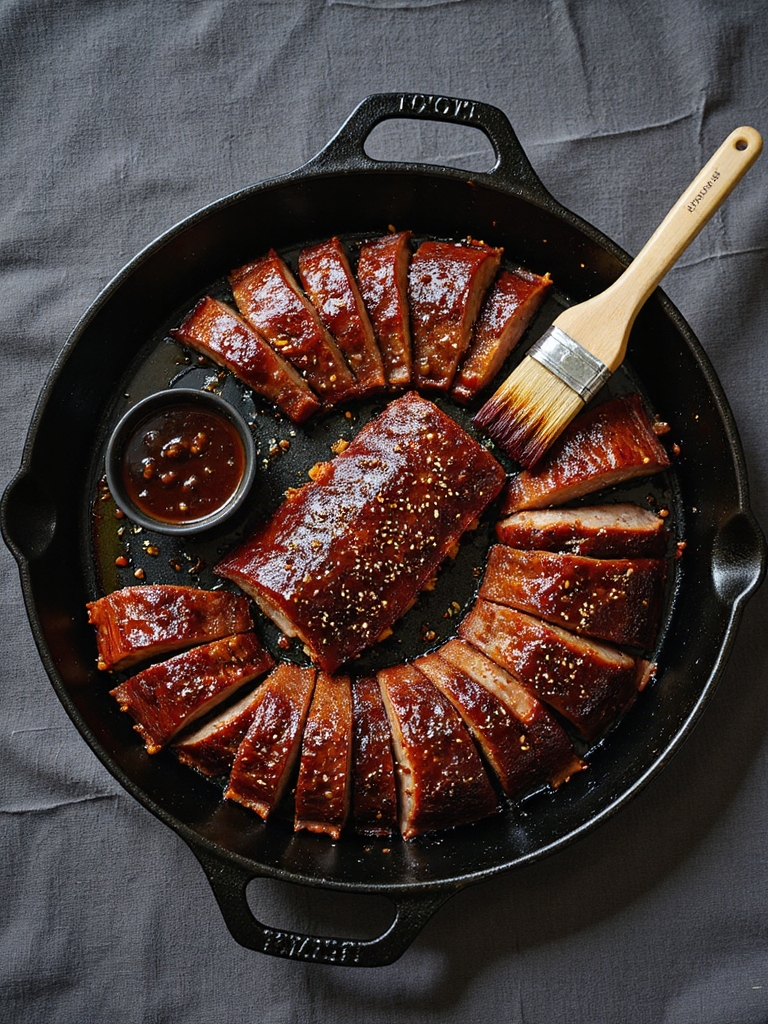
Finish your smoked beef plate ribs with a glossy, sticky glaze over live fire to amplify bark, balance richness, and add sweet-heat char. You’ll brush on a reduced glaze, kiss the ribs over medium-high direct heat to caramelize sugars without scorching, and build layers with quick flips, resting just long enough for the glaze to set to a lacquer. Think of it as a controlled “sear and lacquer” that preserves tenderness while delivering competition-level shine.
- 1 rack smoked beef plate ribs, cooked to probe-tender and rested
- 1/2 cup BBQ sauce (thick, not too sweet)
- 2 tablespoons honey or maple syrup
- 1 tablespoon apple cider vinegar
- 1 tablespoon unsalted butter
- 1 teaspoon hot sauce or chili paste (optional)
- 1 teaspoon soy sauce or Worcestershire
- Neutral oil for grates
Preheat grill to medium-high (425–450°F) with a clean, oiled grate; in a small pan combine BBQ sauce, honey, vinegar, butter, hot sauce, and soy, bring to a simmer 2–3 minutes until glossy and slightly thickened. Brush a thin coat on the ribs and sear meat-side down 45–60 seconds, flip, glaze again, and repeat in short bursts, moving hot spots to prevent burning, building 3–4 thin layers until tacky and lacquered. Pull when the glaze is bubbling and set, rest 5–10 minutes loosely tented, then slice between bones and brush a final whisper of warm glaze.
Keep the glaze viscosity like warm syrup—too thin runs off, too thick burns; if flames jump, shift to indirect for 1–2 minutes to set, then finish with a brief direct kiss. For extra shine and balance, whisk in a teaspoon of beef tallow or butter right before brushing and finish with a light sprinkle of flaky salt or toasted sesame. For a tender result similar to slow-cooked cuts, consider using beef tips cooking methods as a guide to achieve ideal texture.
Sauces and Glazes That Shine
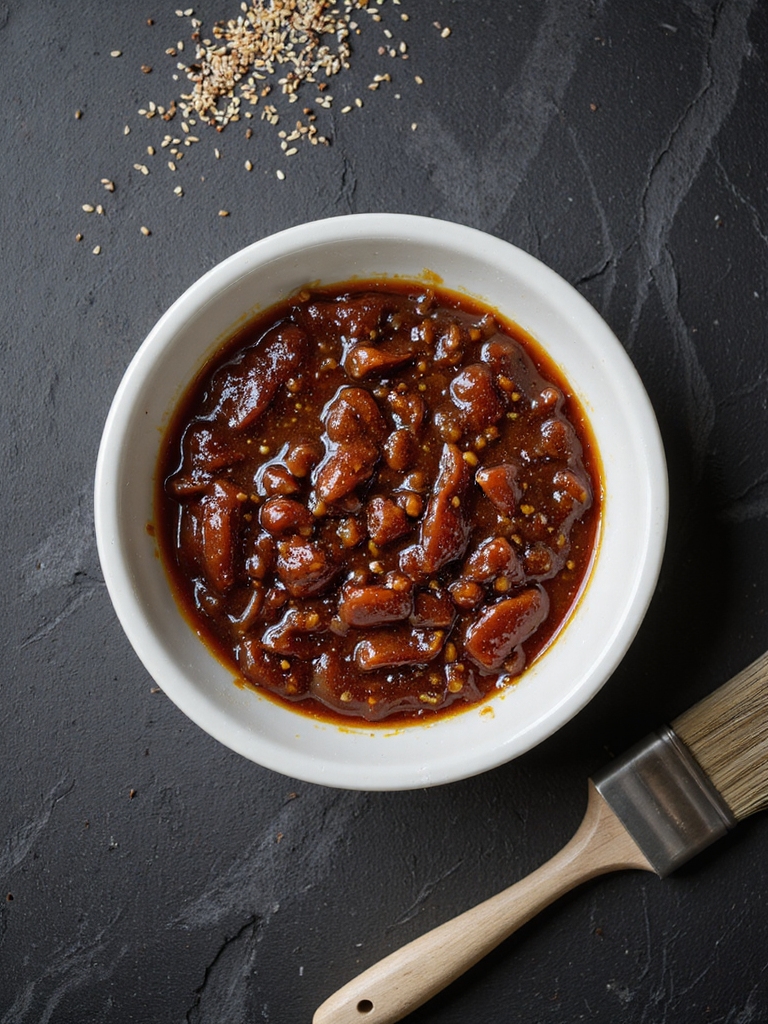
A great sauce or glaze for beef ribs should balance richness, sweetness, acidity, and umami while staying glossy enough to cling and lacquer over heat. Below are three versatile options—a Classic Shiny BBQ Glaze, a Peppery Espresso Mop-Glaze, and a Sesame-Goju “Korean-ish” Lacquer—each designed to brush beautifully, set fast, and amplify bark without overpowering beef.
- Classic Shiny BBQ Glaze: 1/2 cup thick BBQ sauce
- 2 tbsp honey or maple syrup
- 1 tbsp apple cider vinegar
- 1 tsp soy sauce or Worcestershire
- 1 tbsp unsalted butter or 2 tsp beef tallow
- 1 tsp hot sauce or chili paste (optional)
- Peppery Espresso Mop-Glaze: 1/3 cup strong brewed coffee or espresso
- 1/4 cup beef broth
- 2 tbsp molasses or dark brown sugar
- 1 tbsp balsamic vinegar
- 1 tsp Dijon mustard
- 1 tsp cracked black pepper, 1/2 tsp kosher salt
- 1 tbsp butter
- Sesame-Goju Lacquer: 1/4 cup gochujang
- 2 tbsp soy sauce
- 2 tbsp rice vinegar
- 2 tbsp honey
- 1 tsp toasted sesame oil
- 1 tbsp unsalted butter
- 1 tsp grated garlic, 1 tsp grated ginger
In a small saucepan over medium heat, simmer chosen glaze ingredients 2–4 minutes until glossy; whisk in butter/tallow off heat to finish and keep viscosity like warm maple syrup so it clings without running. Brush a thin layer on warm, smoked beef ribs, then set over medium-high direct heat 30–60 seconds per side, flipping and brushing in quick passes to build 2–4 thin coats without scorching. Pull when bubbling and tacky, rest 5–10 minutes to set, then slice and finish with a light final brush; sprinkle sesame seeds or cracked pepper to match the glaze.
Reduce further for stickier shine; thin with a splash of water, broth, or vinegar if it tightens too much on the fire. Aim for 215–230°F surface temp on the ribs when glazing—too hot and sugars burn; too cool and the glaze won’t set. For best results, start with well-rested, properly smoked beef ribs to maximize moisture and fall-off-the-bone tenderness.
Resting, Slicing, and Serving
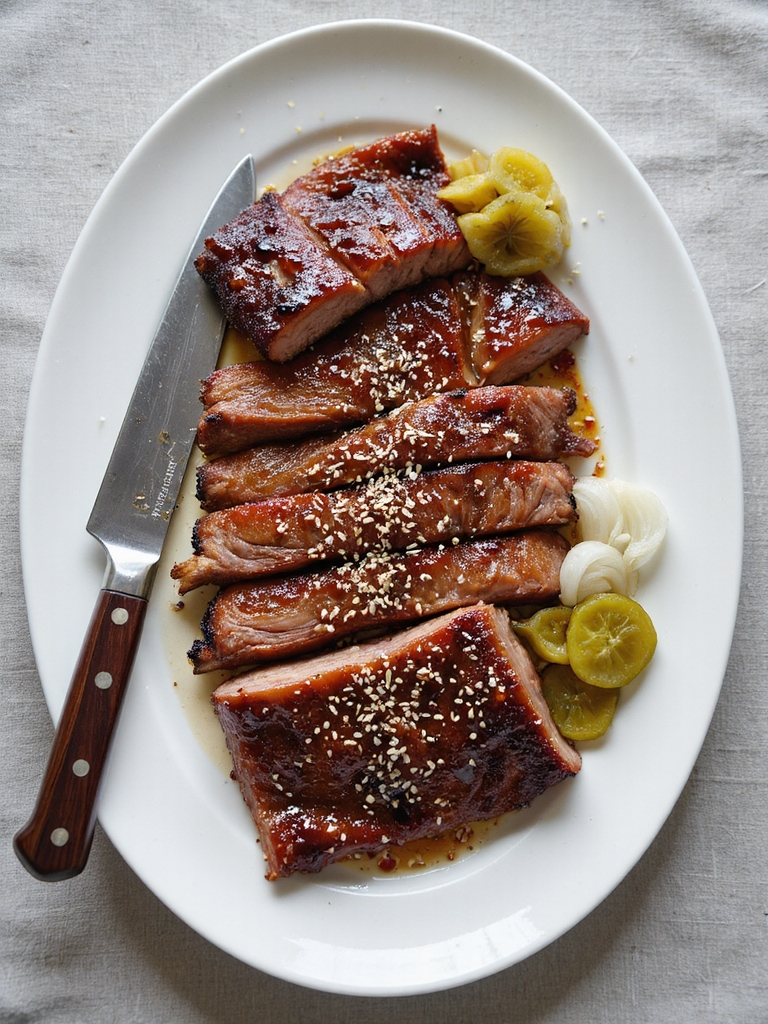
Resting, slicing, and serving are where your hard work pays off: this is about preserving juiciness, keeping bark intact, and presenting beef ribs so every bite has meat, fat, and lacquered crust. Plan a gentle, timed rest, a clean slice, and purposeful finishing touches that highlight the glaze you chose and the smoke you built.
- Smoked beef rib rack, glazed and finished
- Butcher paper or foil
- Clean cutting board (juice groove preferred)
- Long slicing knife (carving or slicing)
- Finishing salt (flake or kosher)
- Warm glaze (reserved), optional
- Cracked pepper or sesame seeds, optional
- Pickles or quick-pickled onions, optional
- Warmed serving platter
Transfer ribs from the grill to a board, vent loosely with butcher paper or foil, and rest 20–30 minutes until internal temp eases to 145–155°F and juices redistribute; avoid sealing tight so bark stays crisp. For single bones, rotate the rack bone-side up to see the seams, then slice between bones with long, single strokes; for shared slabs, slice parallel along the bone to your desired thickness. Move slices to a warmed platter, brush a thin veil of reserved warm glaze, finish with a pinch of flake salt and matching garnish (pepper or sesame), and serve with bright, crunchy pickles to cut richness.
If serving later than 30 minutes, hold wrapped in butcher paper in a 150–165°F oven or insulated cooler for up to 2 hours, then briefly re-lacquer over medium heat to revive shine. Use a hot, wiped-dry knife between cuts to keep bark crisp and slices clean. Braised short ribs can be prepared beforehand and reheated gently to match the same fall-off-the-bone tenderness as smoked ribs, making them an excellent make-ahead option for busy service braised short ribs.
Sides and Pairings to Complete the Meal
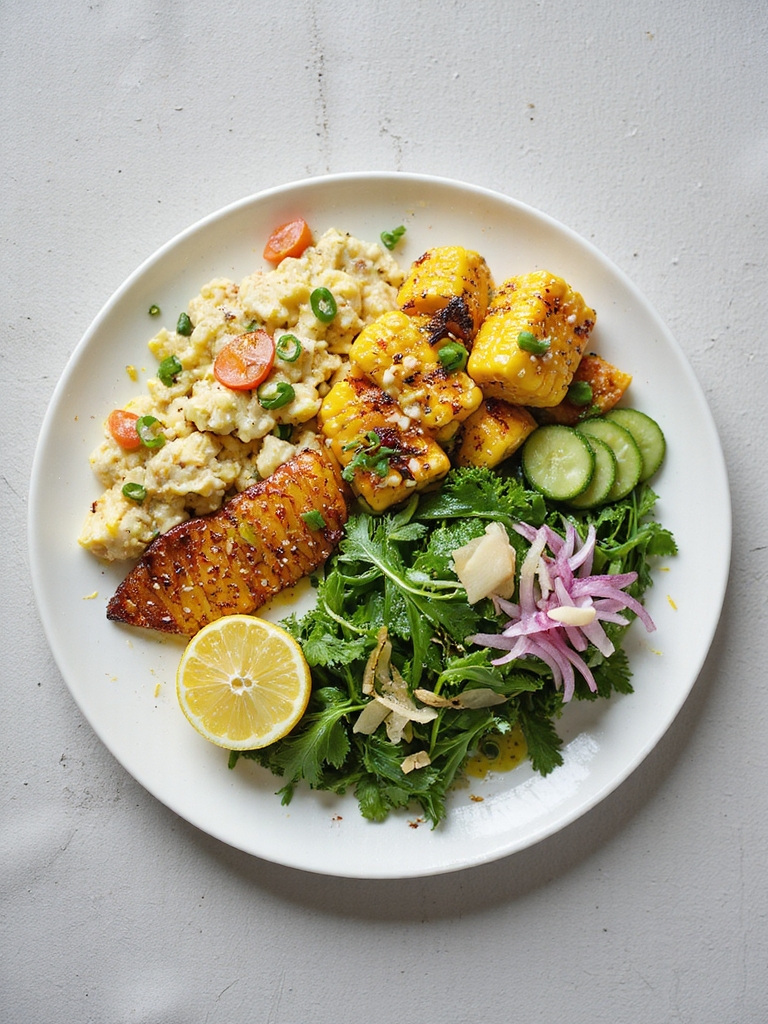
Round out your beef ribs with a spread that balances smoke and richness: charred scallion potato salad with lemon-mustard vinaigrette, blistered chile-lime corn, a quick-pickled cucumber-onion crunch, and a peppery arugula salad with shaved parmesan. These sides are grill-friendly, bright, and built to cut through lacquered bark while echoing the ribs’ spice and smoke so every plate feels complete without stealing the spotlight.
- Baby gold potatoes, 2 lb
- Scallions, 2 bunches
- Dijon mustard, 2 tbsp
- Lemon (zest and juice), 2
- Extra-virgin olive oil, 1/2 cup
- Honey, 1 tbsp
- Kosher salt
- Black pepper
- Fresh arugula, 5 oz
- Parmesan, shaved, 1/2 cup
- Sweet corn, 4 ears
- Lime, 1
- Chili powder, 1 tsp
- Mayonnaise, 2 tbsp (optional)
- English cucumber, 1
- Red onion, 1/2 small
- Rice vinegar, 1/3 cup
- Sugar, 1 tbsp
- Crushed red pepper, 1/2 tsp
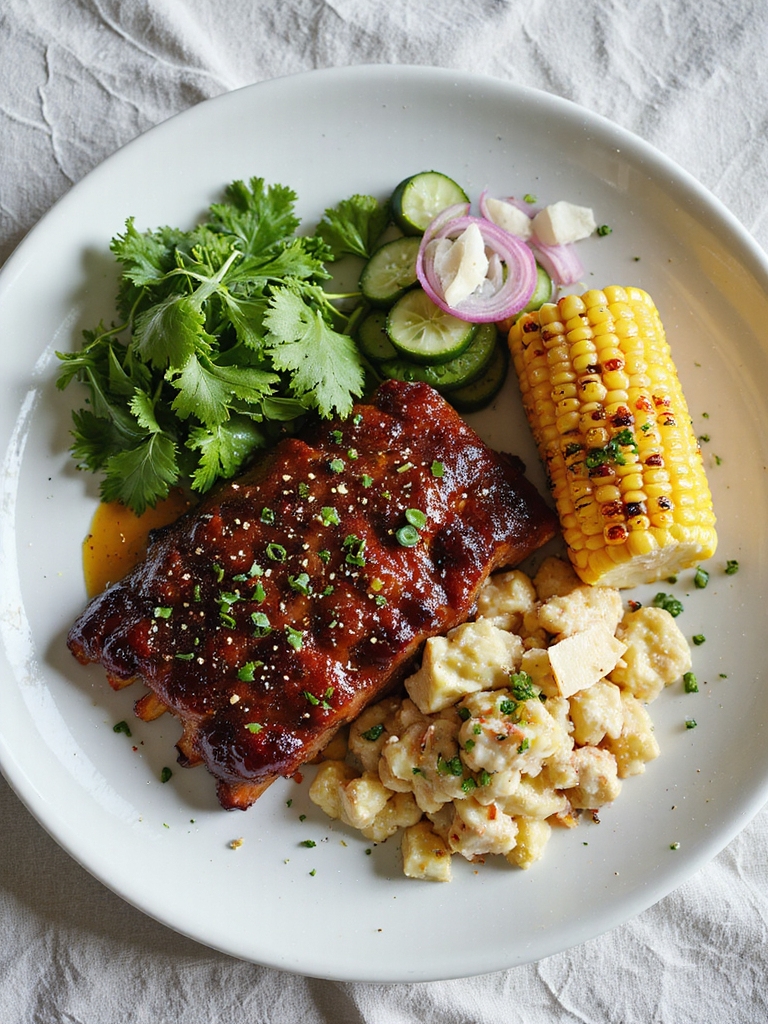
Simmer potatoes in salted water until just tender; grill-dry on hot grates, and char scallions alongside, then chop and toss both with a vinaigrette of lemon zest/juice, Dijon, honey, olive oil, salt, and pepper. Grill corn until blistered; toss with chili powder, a squeeze of lime, a pinch of salt, and a touch of mayo if desired; toss arugula with olive oil, lemon, pepper, and top with shaved parmesan. Thinly slice cucumber and red onion; toss with rice vinegar, sugar, salt, and chili flakes; chill 10 minutes; plate ribs with potato salad, corn, arugula, and a side of quick pickles.
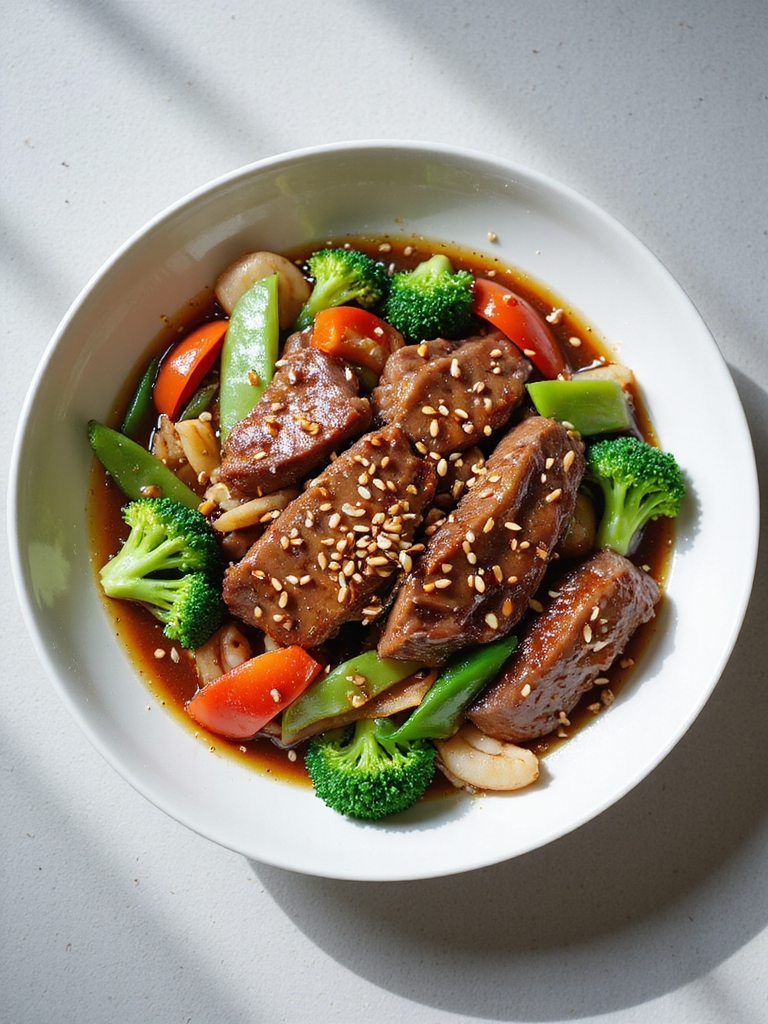
Use citrus, vinegar, and crunchy textures to reset the palate between bites of rich rib. Keep sides warm but not steamy so rib bark stays crisp, and salt each side separately to avoid under-seasoning the overall plate. For an easy weeknight alternative, try a slow-simmered beef-and-broccoli option as a complementary main or second course with Crockpot Beef and Broccoli.