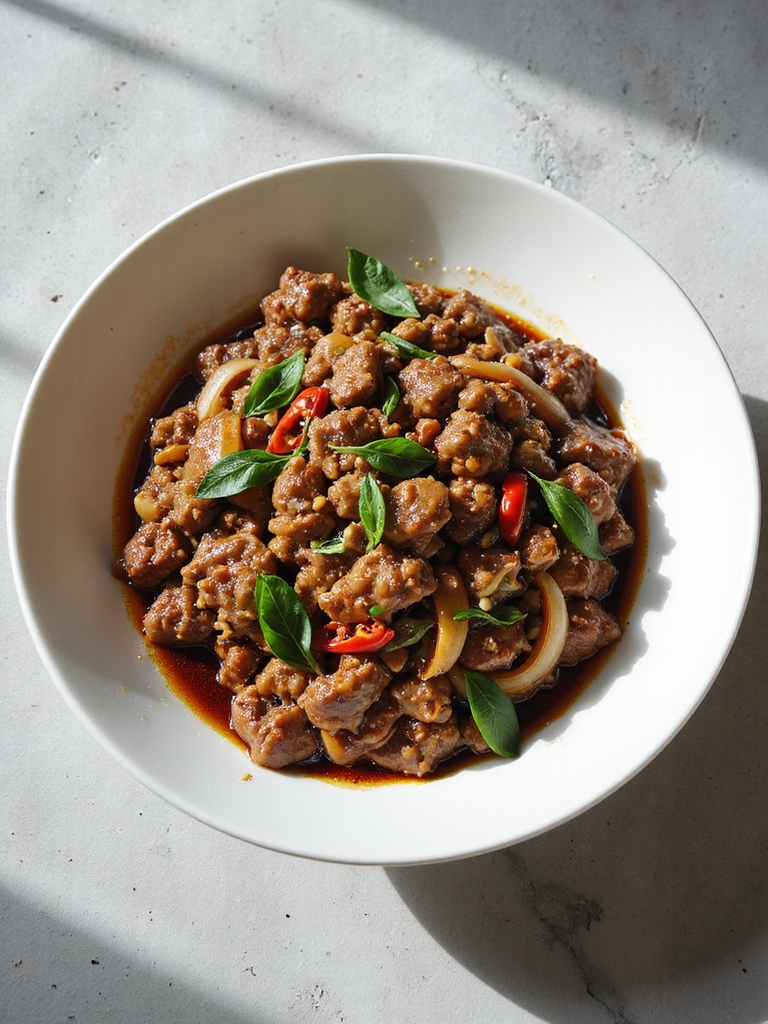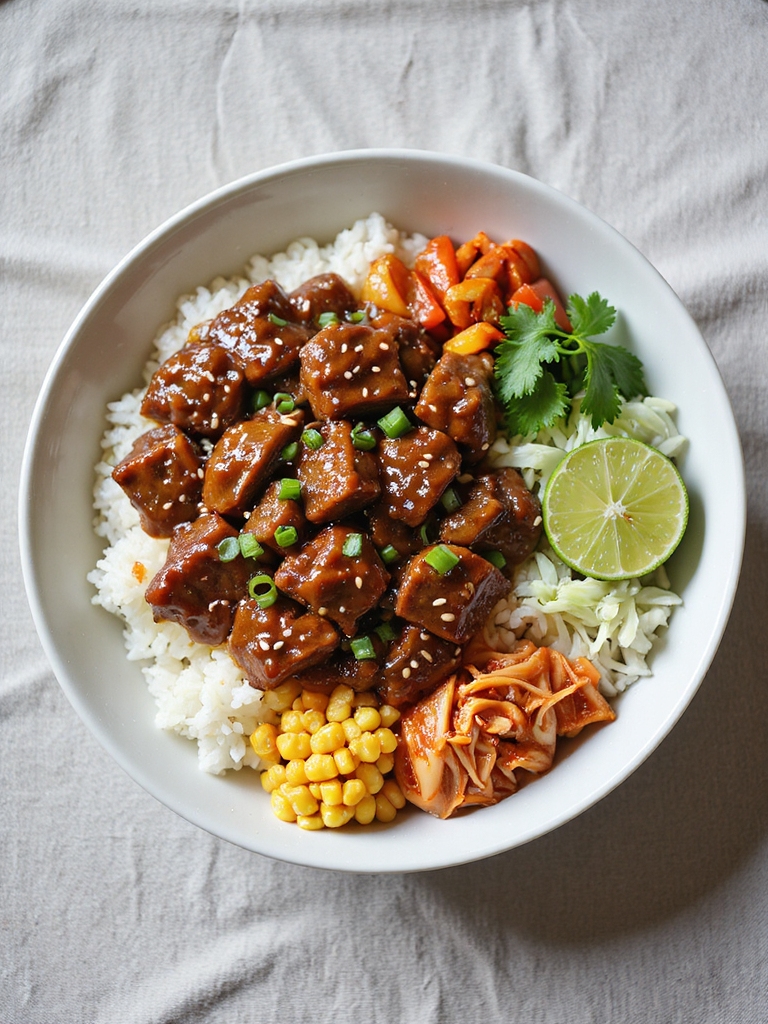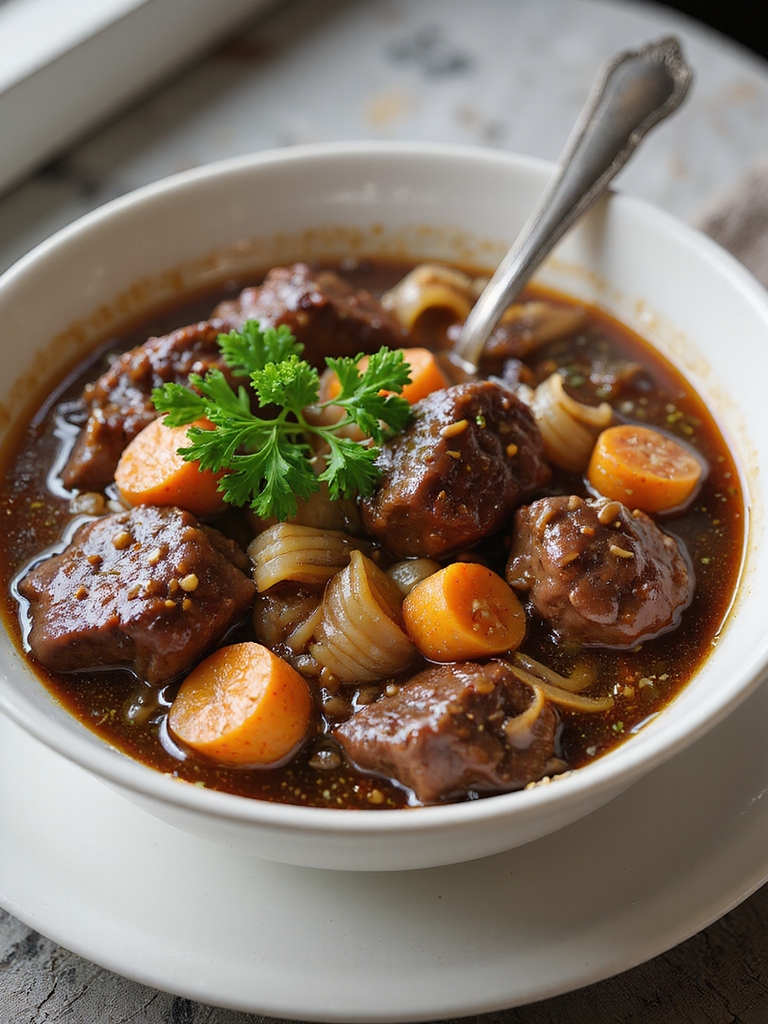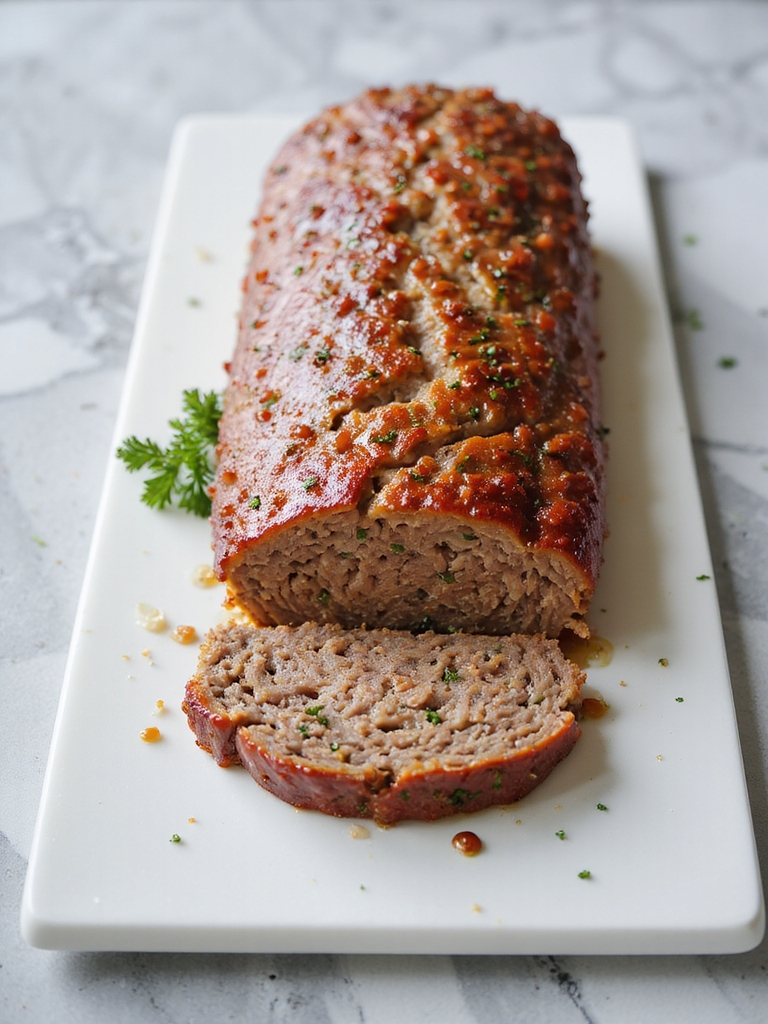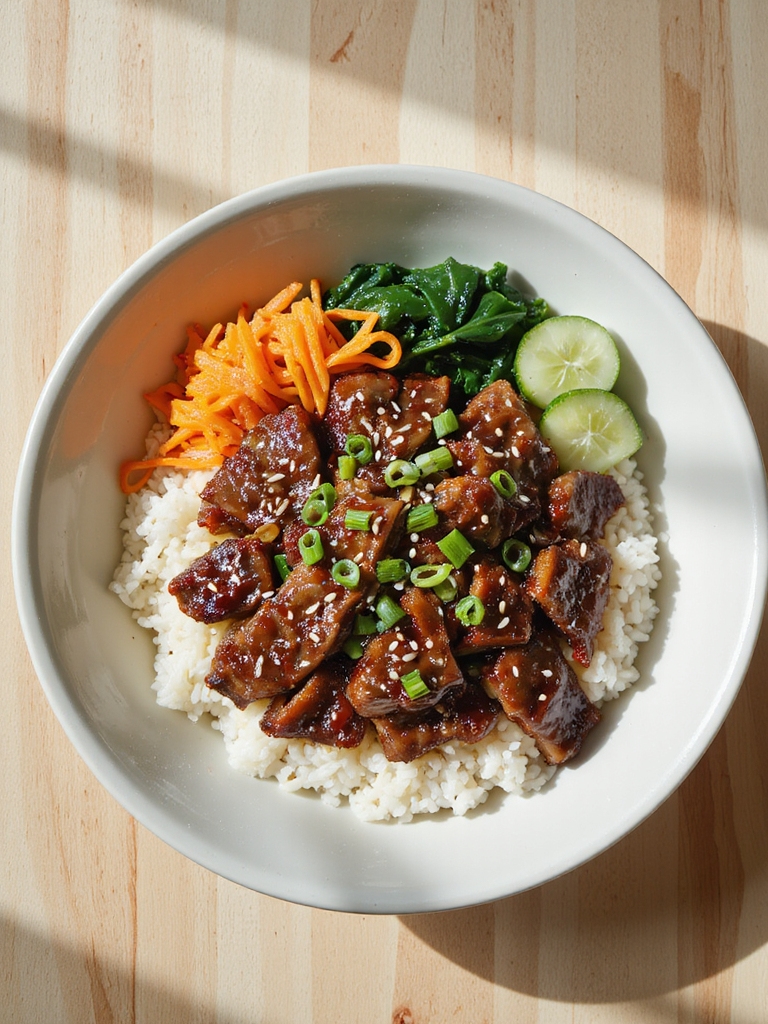
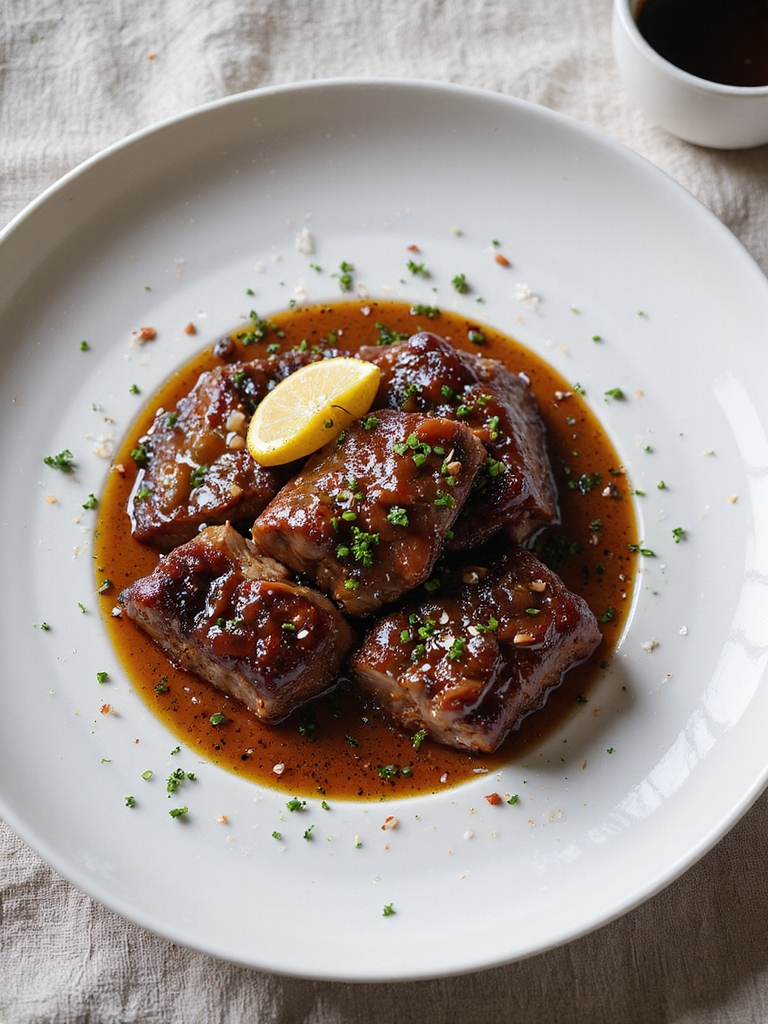
When I crave comfort, I reach for beef short ribs and let time do the heavy lifting. I sear until the kitchen smells nutty, scrape up the fond, then tuck the ribs into a pool of wine or soy-balsamic with onions, carrots, and thyme.
Low and slow turns them spoon-tender, and a quick glaze makes the sauce glossy. I’ve learned a few tricks—English vs. flanken cuts, tools that save hours, and a finish that surprises.
Choosing the Best Cut: English vs. Flanken-Style Short Ribs
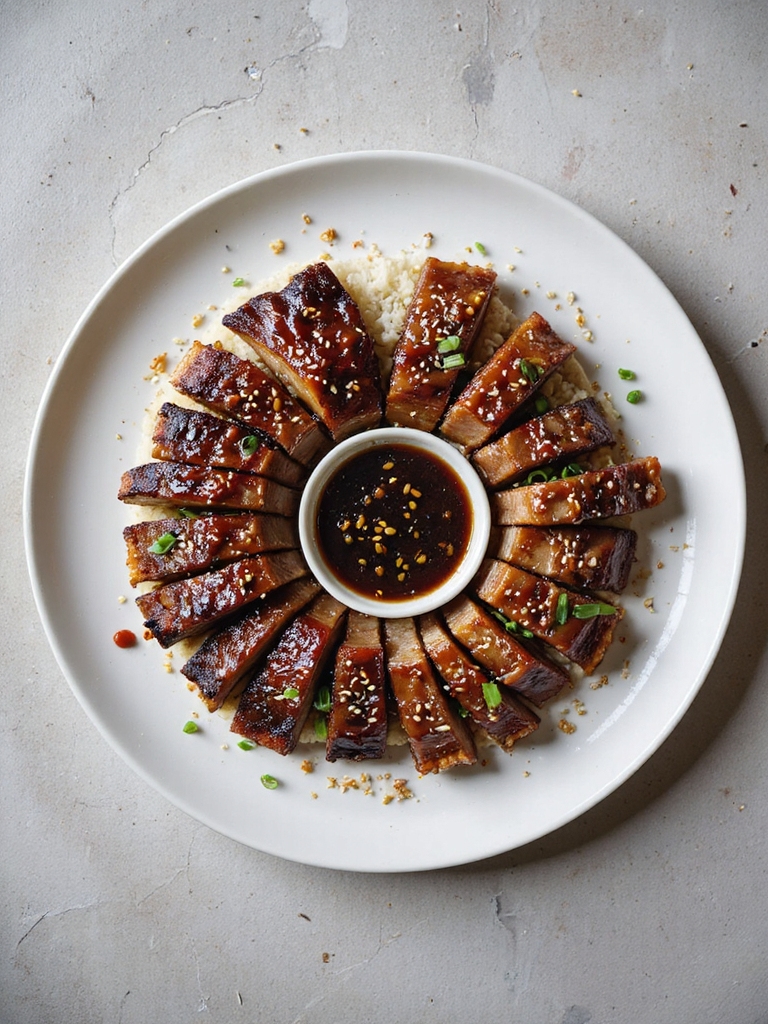
When choosing between English-cut (thick, meaty ribs cut between the bones) and flanken-style (thin cross-cut with several bone pieces per slice), you can cook a single, flexible recipe that adapts beautifully to both: braise English-cut low and slow for fall-apart richness, or quick-braise/grill flanken for deep flavor and a faster finish. This recipe offers a soy-balsamic braise base that caramelizes under high heat at the end; choose your cut and follow the corresponding timing cues below.
- 3–4 lb beef short ribs (English-cut or flanken-style)
- 2 tsp kosher salt
- 1 tsp black pepper
- 2 tbsp neutral oil
- 1 large onion, sliced
- 4 garlic cloves, smashed
- 1 tbsp tomato paste
- 1 cup beef broth
- 1/3 cup soy sauce
- 1/4 cup balsamic vinegar
- 2 tbsp brown sugar or honey
- 1 tsp smoked paprika
- 1 bay leaf
- Optional: 1 tsp grated ginger, 1 tsp chili flakes
- Chopped scallions and sesame seeds, for serving
Heat oven to 325°F. Pat ribs dry; season with salt and pepper. Brown ribs in oil in a Dutch oven (English: 3–4 min per side; Flanken: 1–2 min per side); remove. Sauté onion and garlic, stir in tomato paste, paprika, and optional ginger/chili; deglaze with broth, soy, balsamic, and sugar; add bay leaf; return ribs. For English-cut: cover and braise 2.5–3 hours until fork-tender; for flanken: cover and braise 60–90 minutes until tender. Uncover, increase heat to 425°F for 10–15 minutes to reduce and glaze, turning once. Rest 10 minutes; garnish and serve with mashed potatoes or rice.
Tips: English-cut shines in long braises with collagen melting into a silky sauce, while flanken-style benefits from shorter braises or a quick grill finish after a 45-minute simmer for chew and char. Trim hard surface fat, keep liquid halfway up the ribs (not fully submerged), and adjust salt after reduction; if sauce is loose, simmer on stovetop, and if too salty, add a splash of water and a knob of butter. A rich pan sauce can be finished with a small pat of cold butter to add shine and body to the glaze.
Essential Tools: Dutch Oven, Slow Cooker, and Pressure Cooker
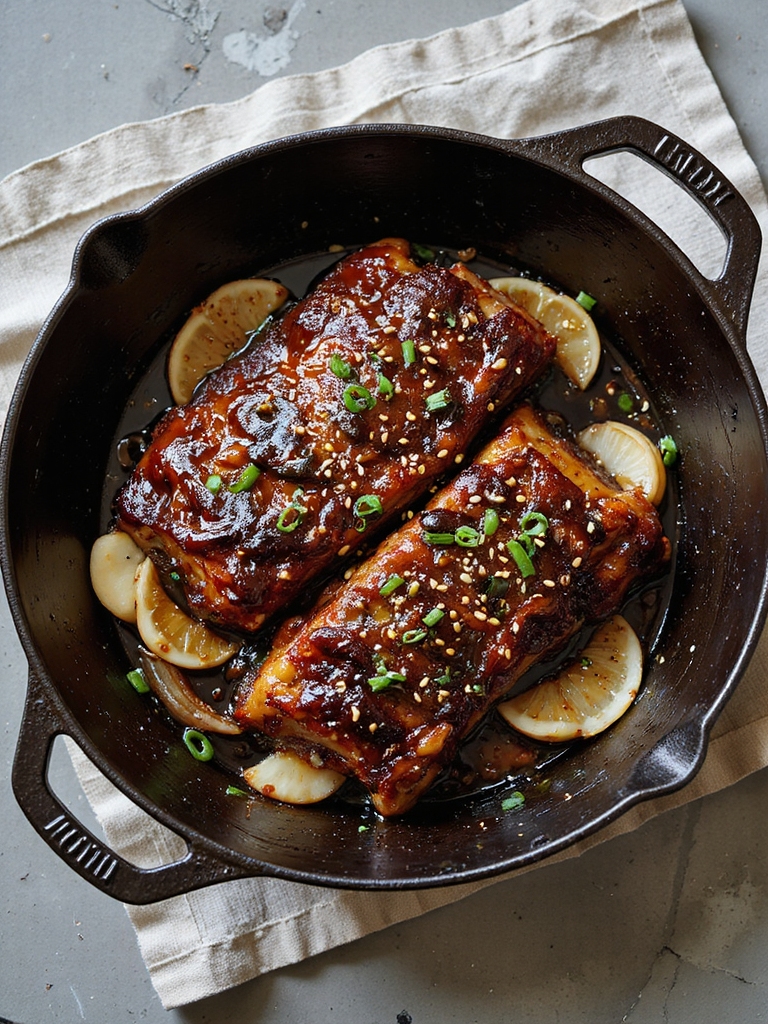
Whether you’re braising low and slow, set-it-and-forget-it, or speed-braising, this soy-balsamic short rib recipe adapts seamlessly to a Dutch oven, slow cooker, or pressure cooker. You’ll still brown the ribs for fond-driven depth, then tailor the liquid volume and timing to your tool: Dutch oven for classic, lush braise and oven-finished glaze; slow cooker for hands-off tenderness with a stovetop reduction; pressure cooker for weeknight-fast, fall-apart ribs with a quick broil to lacquer the sauce.
- 3–4 lb beef short ribs (English-cut or flanken-style)
- 2 tsp kosher salt
- 1 tsp black pepper
- 2 tbsp neutral oil
- 1 large onion, sliced
- 4 garlic cloves, smashed
- 1 tbsp tomato paste
- 1 cup beef broth (Dutch oven); 3/4 cup (pressure cooker); 1/2 cup (slow cooker)
- 1/3 cup soy sauce
- 1/4 cup balsamic vinegar
- 2 tbsp brown sugar or honey
- 1 tsp smoked paprika
- 1 bay leaf
- Optional: 1 tsp grated ginger, 1 tsp chili flakes
- Scallions and sesame seeds, for serving
Pat ribs dry; season. Dutch oven: brown in oil, remove; sauté onion/garlic, add tomato paste, paprika, optional ginger/chili; add broth, soy, balsamic, sugar, bay; return ribs, liquid halfway up. Cook covered at 325°F: English 2.5–3 hrs, flanken 60–90 min; uncover and roast 425°F 10–15 min, turning once. Slow cooker: sear in skillet, transfer to cooker with onion mix, add reduced liquid, cook Low 7–8 hrs (English) or 4–5 hrs (flanken); pour juices to skillet, simmer to glaze, broil ribs 3–5 min, toss in reduction. Pressure cooker: sear on sauté, build sauce with reduced broth, cook High Pressure 45–55 min (English) or 20–25 min (flanken), natural release 10 min; reduce sauce on sauté, broil 3–5 min to lacquer.
Skim fat before reducing for a shiny glaze, and keep liquids modest to avoid a thin sauce; aim for liquid halfway up in Dutch oven, minimal in slow cooker, and just enough to reach pressure in a pressure cooker. If too salty after reduction, balance with a splash of water and knob of butter; serve over mashed potatoes or rice and finish with scallions and sesame. Slow cookers are ideal for truly hands-off, tender results when making Beef Crockpot Recipes.
Building Flavor: The Art of a Deep, Golden Sear
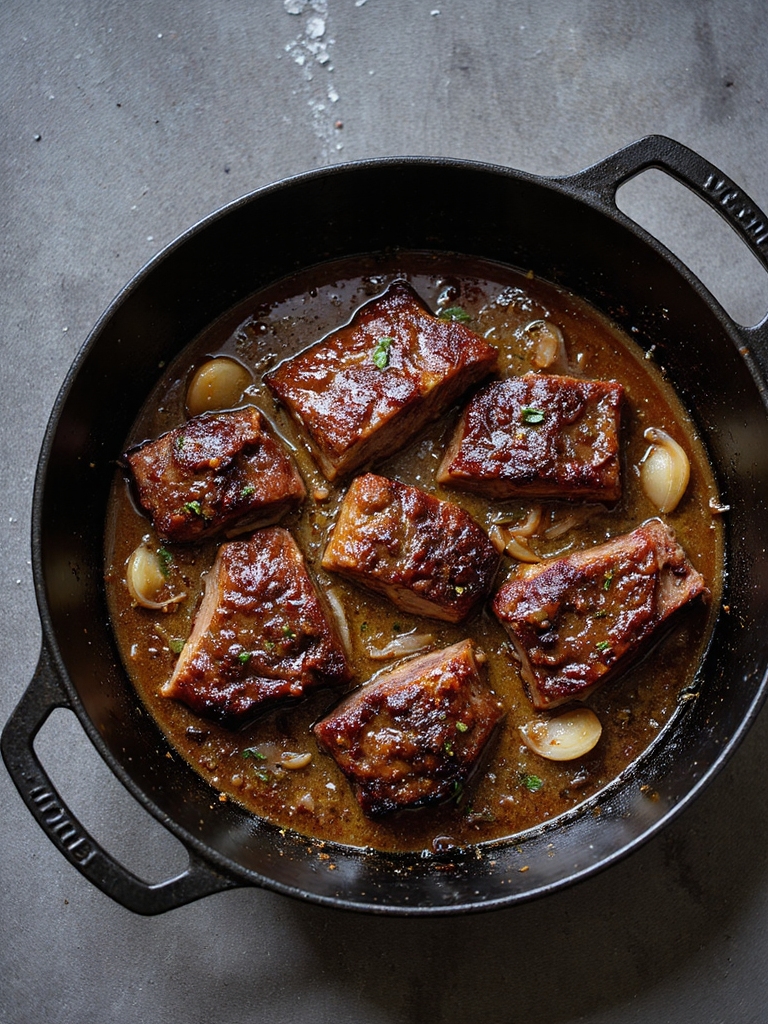
A deep, golden sear is the backbone of rich, restaurant-level short ribs: it concentrates beefy flavor, builds a caramelized crust that won’t wash away in braising liquid, and lays down fond—the browned bits that dissolve into a glossy, umami-packed sauce. Start with dry, well-seasoned ribs and a preheated heavy pan; work in batches so the meat browns, not steams, and control heat so the fat renders and sugars darken without burning. The payoff is a sauce with layered depth and ribs that taste as good as they look.
- 3–4 lb beef short ribs (English-cut or flanken-style)
- 2 tsp kosher salt
- 1 tsp black pepper
- 2 tbsp neutral oil (high smoke point)
- 1 large onion, sliced
- 4 garlic cloves, smashed
- 1 tbsp tomato paste
- 1 cup beef broth (see tool notes from prior section)
- 1/3 cup soy sauce
- 1/4 cup balsamic vinegar
- 2 tbsp brown sugar or honey
- 1 tsp smoked paprika
- 1 bay leaf
- Optional: 1 tsp grated ginger, 1 tsp chili flakes
- Scallions and sesame seeds, for serving
Pat ribs very dry and season; heat oil in a heavy Dutch oven over medium-high until shimmering, then brown ribs in batches 3–5 minutes per side until deeply mahogany, adjusting heat to avoid scorching and leaving space between pieces; set ribs aside and pour off excess fat, keeping about 2 tablespoons plus all fond. Add onion and garlic, cook until golden, stir in tomato paste, paprika, and optional ginger/chili, then deglaze with broth, soy, and balsamic, scraping up fond; return ribs with bay and sugar/honey, liquid about halfway up, then braise until tender per your chosen method, reduce juices to a syrupy glaze, and finish under a hot broiler to lacquer; garnish with scallions and sesame.
Searing success hinges on dryness, high heat, and patience: don’t move the ribs until they release naturally and show even browning, and keep the pan hot between batches by giving it a brief reheat. If fond turns too dark, splash in a little broth to stop the cooking, scrape clean, and continue so your sauce stays complex, not bitter. A well-seared crust also helps lock in juices and enhances the savory profile when paired with beef and broccoli sides.
Aromatics and Herbs: Foundations for Savory Braises
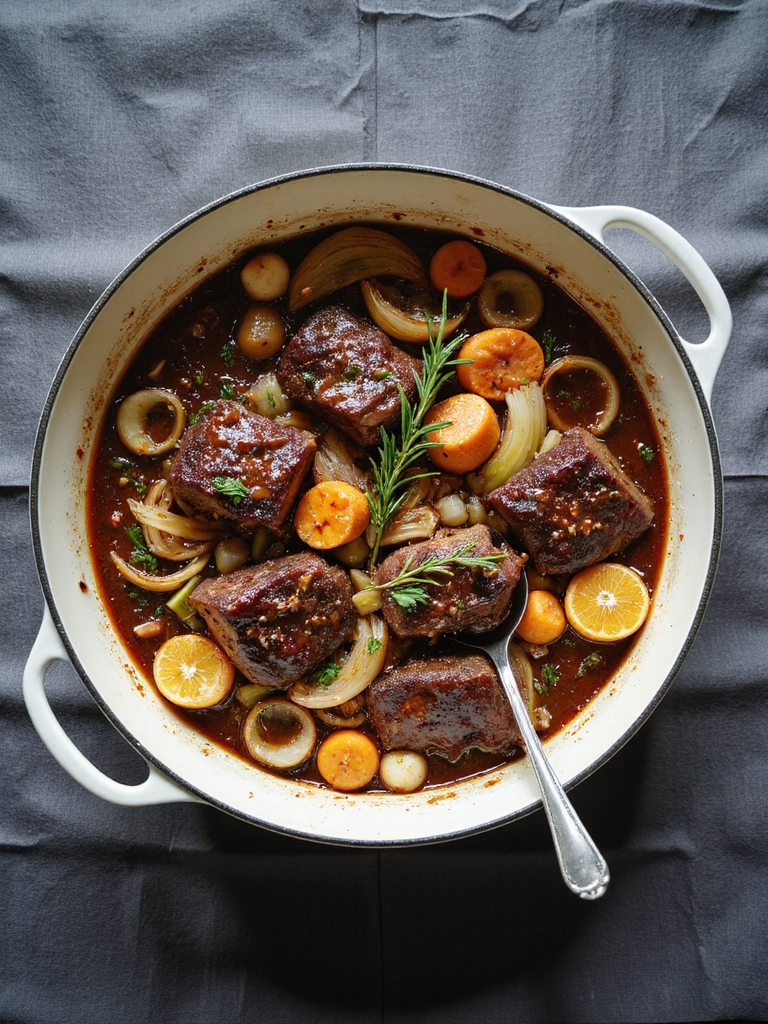
Nothing perfumes short ribs like a smart mix of aromatics and herbs: they build the savory backbone that lingers in every bite and in the braising juices you’ll spoon over at the end. This version leans on a classic trio of onion, carrot, and celery, deepened with garlic, leek, and tomato paste, then brightened by thyme, rosemary, bay, and a whisper of orange peel for lift; the result is a fragrant, balanced braise that feels both rustic and refined.
- 3–4 lb beef short ribs
- 2 tsp kosher salt
- 1 tsp black pepper
- 2 tbsp neutral oil
- 1 large onion, sliced
- 1 leek, white and light green parts, sliced
- 2 carrots, chopped
- 2 celery ribs, chopped
- 6 garlic cloves, smashed
- 1 tbsp tomato paste
- 2 tsp fresh thyme leaves (or 1 tsp dried)
- 1 tsp finely chopped rosemary
- 2 bay leaves
- 2 strips orange zest (optional)
- 1 tsp smoked paprika
- 1 1/2 cups beef broth
- 1 tbsp soy sauce
- 1 tsp Worcestershire sauce
- 1 tbsp balsamic vinegar
Pat ribs dry and season; heat oil in a heavy Dutch oven over medium-high and brown ribs on all sides until mahogany, working in batches, then remove and pour off all but 2 tbsp fat. Add onion, leek, carrot, and celery with a pinch of salt; cook until softened and golden, stir in garlic, tomato paste, paprika, thyme, rosemary, and bay, then deglaze with broth, soy, Worcestershire, and balsamic, scraping up fond; return ribs with orange zest, liquid halfway up, cover, and braise at 325°F until fork-tender, 2 1/2–3 hours. Transfer ribs, simmer sauce to reduce to a glossy consistency, adjust salt and acid, nestle ribs back to glaze, and serve with spooned aromatics.
Bundle woody herbs and zest with kitchen twine for easy removal and a clear, clean sauce; if leeks seem gritty, slice and soak in cold water, swish, and drain well before cooking. Skim surface fat during reduction for a brighter, more aromatic finish, or chill overnight and lift the solid cap before reheating to concentrate flavors. Beef tips offer a versatile, flavorful cut that can be adapted to many braising styles Beef Tips.
Liquids That Shine: Red Wine, Broth, Beer, and Beyond
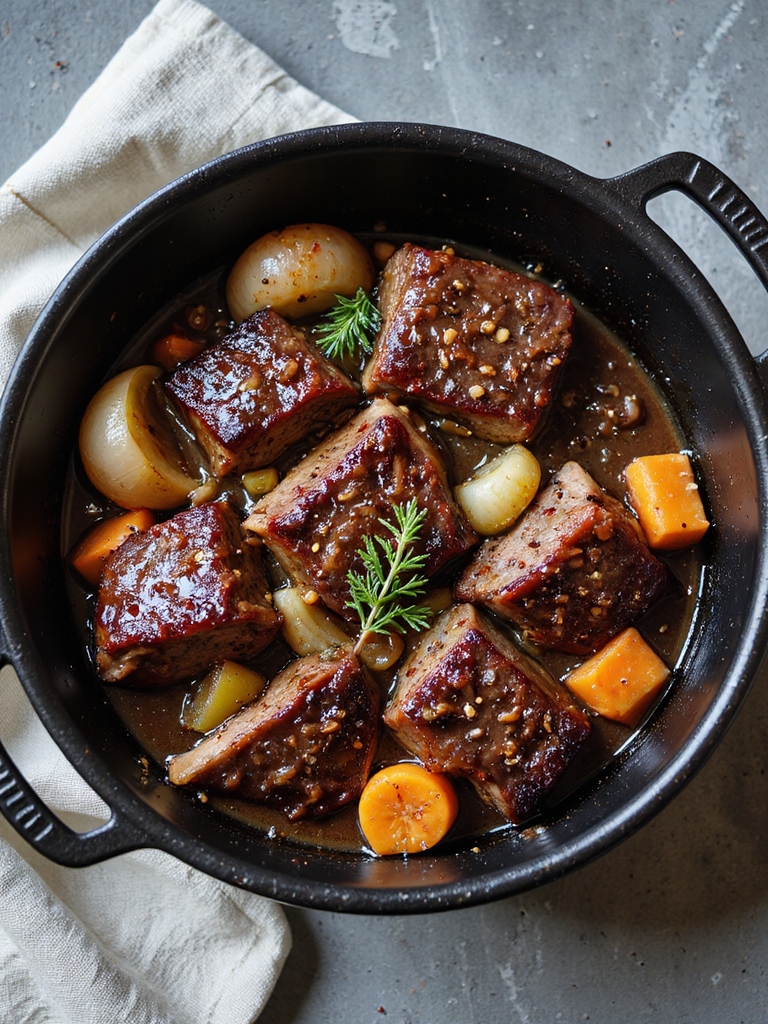
Short ribs love a flavorful bath, and the braising liquid you choose steers the entire dish: red wine brings depth and fruit, beef broth adds clean savoriness, stout or brown ale gives roasted malt and subtle sweetness, and umami boosters like soy, fish sauce, or miso make everything taste rounder; blend them thoughtfully and you’ll get a sauce that’s glossy, layered, and unforgettable.
- 3–4 lb beef short ribs
- 2 tsp kosher salt
- 1 tsp black pepper
- 2 tbsp neutral oil
- 1 large onion, sliced
- 2 carrots, chopped
- 2 celery ribs, chopped
- 4 garlic cloves, smashed
- 1 tbsp tomato paste
- 1 cup dry red wine (or 1 cup stout/brown ale)
- 1 1/2 cups beef broth
- 1 tbsp soy sauce
- 1 tsp fish sauce (optional)
- 1 tsp Worcestershire sauce
- 1 tsp brown sugar or maple syrup (optional)
- 1 bay leaf
- 2 thyme sprigs
Pat ribs dry, season, and brown in oil in a Dutch oven; remove, then soften onion, carrot, and celery with a pinch of salt, add garlic and tomato paste, and cook until brick red. Pour in wine or beer to deglaze, reduce by half, add broth, soy, fish sauce, Worcestershire, sugar, bay, and thyme; return ribs, liquid rising halfway, cover and braise at 325°F until fork-tender, 2 1/2–3 hours, then reduce uncovered to a glossy sauce, season, and serve.
Match liquids to mood: red wine for classic richness, stout for roasty depth, lager for lightness, broth-forward for purity—blend 2–3 for balance; keep liquid halfway up the ribs, skim fat as you reduce, and if the sauce tastes flat, adjust with a splash of acid (vinegar) or a pinch of salt to make it sing. Slow cooking in a covered Dutch oven helps render connective tissue for fall-apart tenderness.
Low-and-Slow Timing: How to Know When Ribs Are Done
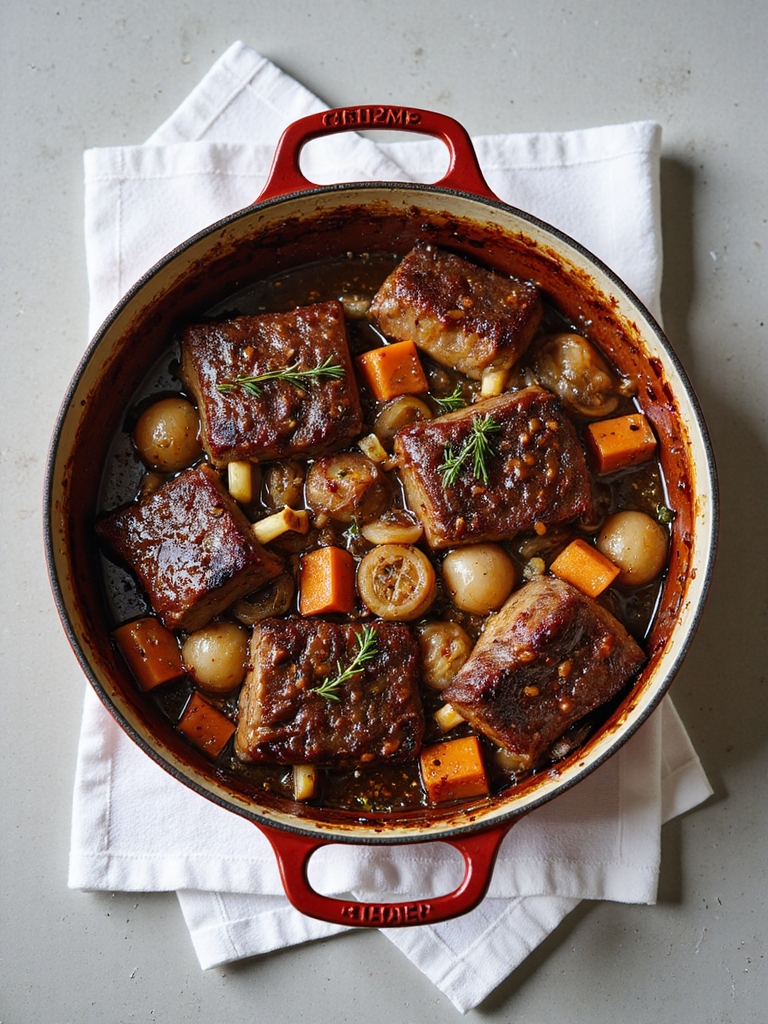
Knowing when short ribs are perfectly done is all about texture and gentle resistance: cooked low and slow, the connective tissue melts to silky collagen, the meat slumps on the bone, and a fork twists in with little effort yet the rib still holds together long enough to plate. Aim for a lazy simmer, not a boil, and trust the cues—probe tenderness over clock time, keep liquid halfway up the ribs, and let resting and reduction finish the job.
- 3–4 lb beef short ribs
- 2 tsp kosher salt
- 1 tsp black pepper
- 2 tbsp neutral oil
- 1 large onion, sliced
- 2 carrots, chopped
- 2 celery ribs, chopped
- 4 garlic cloves, smashed
- 1 tbsp tomato paste
- 1 cup dry red wine or stout
- 1 1/2 cups beef broth
- 1 tbsp soy sauce
- 1 tsp fish sauce (optional)
- 1 bay leaf
- 2 thyme sprigs
Season ribs and brown deeply in oil; sweat onion, carrot, and celery with salt, add garlic and tomato paste, cook until brick red, then deglaze with wine and reduce by half; add broth, soy, fish sauce, bay, and thyme, return ribs with liquid halfway up, cover, and braise at 300–325°F at a gentle simmer. Start checking at 2 hours; they’re done when a fork twists with minimal resistance and the meat just clings to the bone (often 2 1/2–3 1/2 hours); uncover to reduce to a glossy sauce, skim fat, rest 15 minutes, and season to taste.
Maintain a low simmer (195–205°F) to prevent toughness, rotate ribs if tops dry out, and add splashes of hot broth if liquid dips below halfway; if meat shreds when moved, it’s slightly over, so chill briefly to firm for serving, and brighten the sauce with a teaspoon of vinegar if flavors seem muted. For a heartier, soul-warming finish, consider serving with creamy mashed potatoes or buttered egg noodles to soak up the sauce and complement the hearty beef stew flavors.
Classic Red Wine-Braised Short Ribs
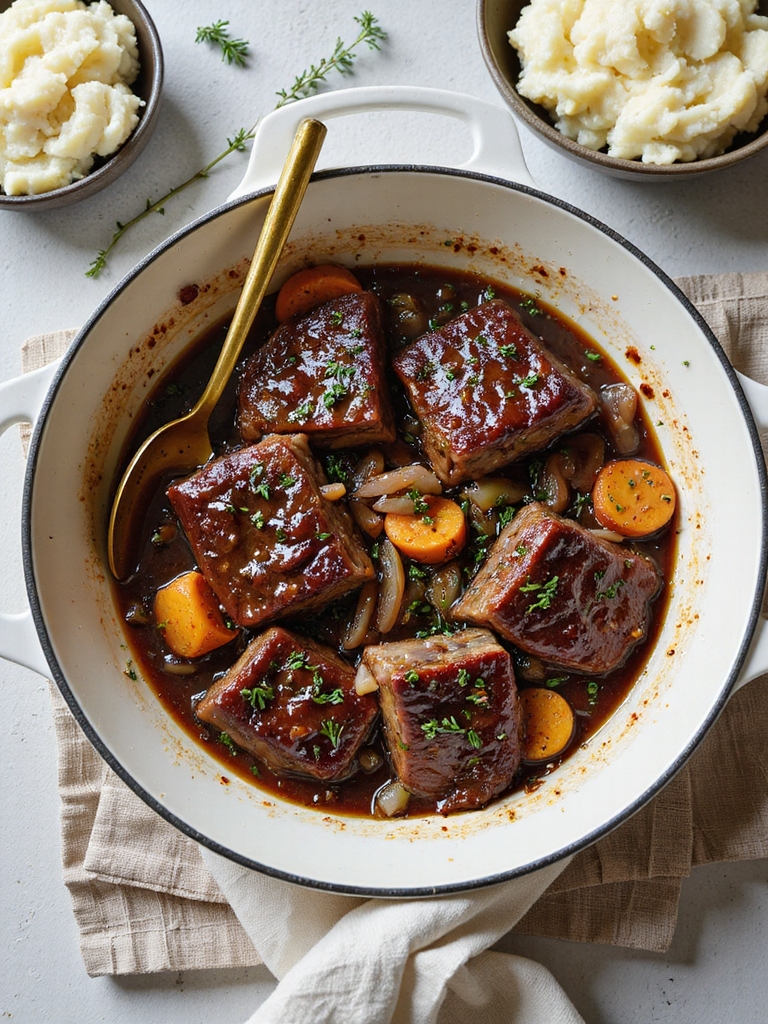
Deeply savory and restaurant-elegant yet weeknight-forgiving, classic red wine–braised short ribs turn tough, marbled cuts into spoon-tender clouds nestled in a glossy sauce. Browning builds a foundation, aromatics and tomato paste add backbone, and a good pour of dry red wine reduces to a concentrated base that mingles with beef stock for a lush, silky gravy—perfect over mashed potatoes, polenta, or buttered noodles.
- 3–4 lb bone-in beef short ribs
- 2 tsp kosher salt
- 1 tsp freshly ground black pepper
- 2 tbsp neutral oil
- 1 large onion, sliced
- 2 carrots, chopped
- 2 celery ribs, chopped
- 4 garlic cloves, smashed
- 1 tbsp tomato paste
- 1 cup dry red wine
- 1 1/2 cups beef broth
- 1 tbsp soy sauce
- 1 tsp fish sauce (optional)
- 1 bay leaf
- 2 thyme sprigs
- 1 tsp red wine vinegar (to finish)
- Chopped parsley (to garnish)
Season ribs with salt and pepper. Heat oil in a heavy Dutch oven over medium-high; brown ribs deeply on all sides and set aside. Add onion, carrot, and celery with a pinch of salt; cook until softened, stir in garlic and tomato paste, cook until brick red, deglaze with red wine and reduce by half, then add broth, soy, fish sauce, bay, and thyme; return ribs, liquid halfway up, cover and braise at 300–325°F at a gentle simmer until fork-tender, 2 1/2–3 1/2 hours. Transfer ribs, simmer sauce uncovered to glossy thickness, skim fat, splash in vinegar, season to taste, return ribs to warm through, and serve with parsley over mashed potatoes, polenta, or noodles.
Keep the braise at a lazy simmer (not a boil) and rotate ribs if tops dry; add hot stock if liquid drops below halfway. If sauce tastes flat, reduce a bit further and finish with a touch of vinegar or a knob of cold butter for shine. Braising is an ideal technique for turning tough, collagen-rich cuts into tender meals, as the slow, moist heat converts connective tissue into gelatin and enriches the sauce with rich texture.
Korean-Style Galbi Jjim (Braised Short Ribs)
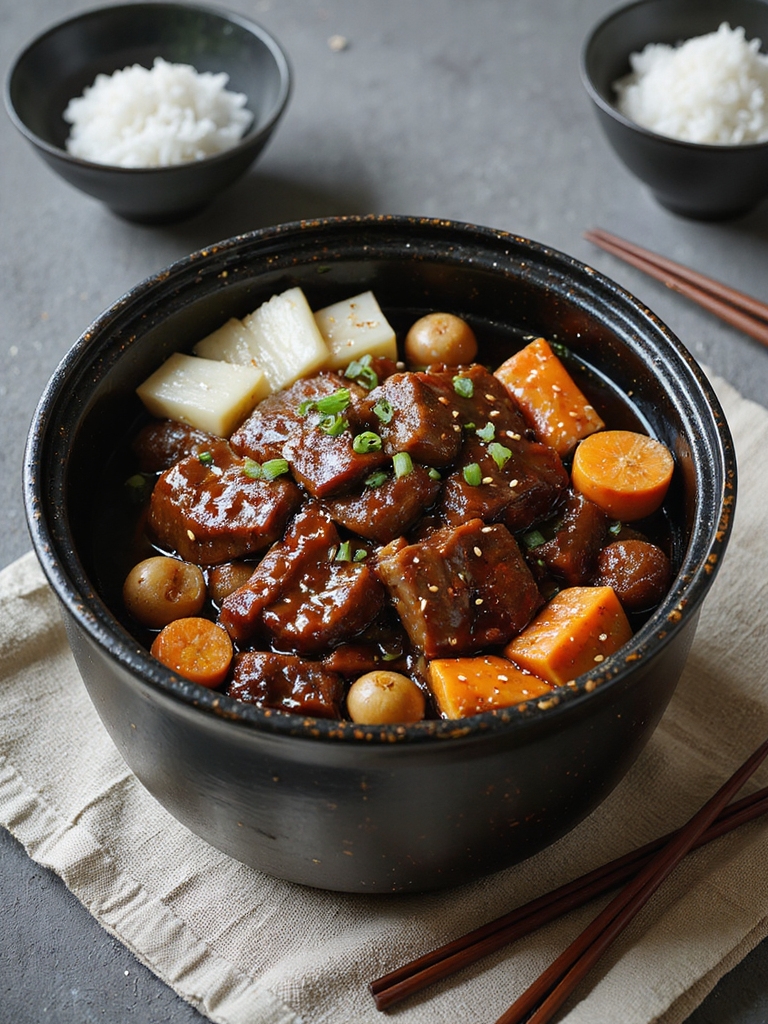
Rich, fragrant, and gently sweet-salty, Korean-style galbi jjim turns beef short ribs into lacquered, fall-off-the-bone morsels nestled with tender daikon, carrots, and chestnuts. A soy, pear, and garlic marinade doubles as the braising liquid, building deep umami with hints of sesame and ginger while the slow simmer yields a glossy, sticky sauce that clings to every bite—perfect over steamed rice with plenty of scallions.
- 3–4 lb bone-in beef short ribs, cut into 2–3 inch pieces
- 1 Asian pear (or Bosc pear), peeled and grated
- 1 small onion, grated
- 6 garlic cloves, minced
- 1 inch ginger, minced
- 1/2 cup soy sauce
- 3 tbsp brown sugar
- 2 tbsp mirin (or rice wine)
- 1 tbsp sesame oil
- 1/2 tsp black pepper
- 2 cups water or beef broth
- 1 small Korean radish (mu) or daikon, large chunks
- 2 carrots, large chunks
- 1 cup chestnuts (roasted/peeled) or canned, drained
- 4–5 dried jujubes (optional)
- 4 scallions, 2-inch pieces (plus more thinly sliced for garnish)
- 1 tbsp toasted sesame seeds
Soak short ribs in cold water 20–30 minutes to draw out excess blood, drain, then blanch in boiling water 5 minutes; rinse and set aside. In a Dutch oven, combine pear, onion, garlic, ginger, soy, brown sugar, mirin, sesame oil, black pepper, and water; add ribs and bring to a gentle simmer, cover and cook 45 minutes, skimming foam. Add radish, carrots, chestnuts, jujubes, and scallion pieces; continue to simmer uncovered 30–40 minutes, rotating ribs and reducing until sauce is glossy and coats a spoon, then adjust seasoning, garnish with sliced scallions and sesame seeds, and serve with rice.
For deeper color and shine, remove ribs when tender and rapidly reduce the sauce, then reunite to glaze; a small knob of butter or extra sesame oil at the end adds luxurious body. Make ahead and chill to easily lift solidified fat; reheat gently with a splash of water, and add rice cakes (tteok) in the last 5 minutes for a cozy variation. A short final rest allows the flavors to meld and the meat to relax, improving tenderness and juiciness.
Smoky Chipotle and Tomato Braised Short Ribs
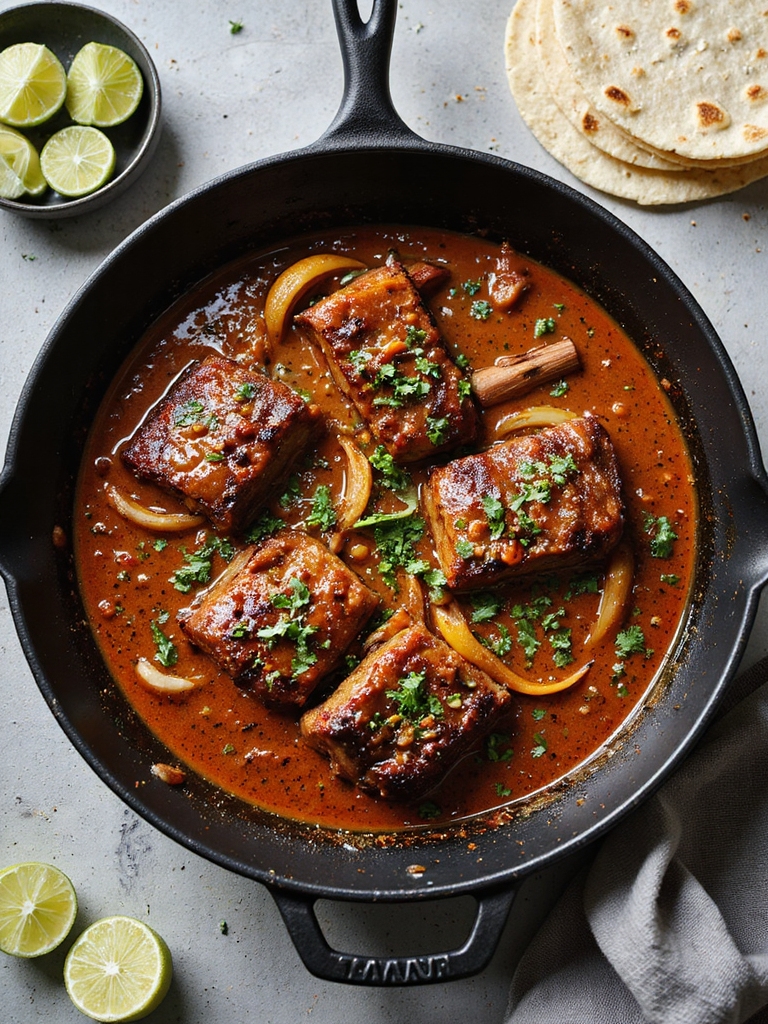
Deeply savory with a gentle heat, these smoky chipotle and tomato braised short ribs melt into a brick-red sauce that’s equal parts earthy, tangy, and aromatic. Fire-roasted tomatoes and adobo-kissed chipotles build a backbone of smoke, while cumin, coriander, and a splash of coffee deepen the braise. Long, low cooking coaxes the beef into spoon-tender slabs that lacquer in their own juices—perfect piled over creamy polenta, mashed potatoes, or warm tortillas with a squeeze of lime and fresh herbs.
- 3–4 lb bone-in beef short ribs, 2–3 inch pieces
- Kosher salt and black pepper
- 2 tbsp neutral oil
- 1 large onion, thinly sliced
- 4 garlic cloves, minced
- 1 tbsp tomato paste
- 1 tsp ground cumin
- 1 tsp ground coriander
- 1/2 tsp smoked paprika
- 1–2 chipotles in adobo, minced, plus 1–2 tsp adobo sauce
- 1 (14.5 oz) can fire-roasted crushed tomatoes
- 1 cup low-sodium beef broth
- 1/2 cup strong brewed coffee (or stout beer)
- 1 tbsp apple cider vinegar
- 1 bay leaf
- 1–2 sprigs fresh oregano (or 1 tsp dried)
- 1 cinnamon stick (optional)
- Zest of 1 lime, plus lime wedges for serving
- Chopped cilantro for serving
Season ribs generously with salt and pepper. Heat oil in a Dutch oven over medium-high, brown ribs deeply on all sides in batches, then set aside; lower heat, add onion with a pinch of salt and cook until golden, stir in garlic, tomato paste, cumin, coriander, and smoked paprika for 1 minute. Add chipotles and adobo, tomatoes, broth, coffee, vinegar, bay, oregano, and cinnamon; return ribs (liquid halfway up), bring to a simmer, cover and braise at 325°F for 2–2½ hours until fork-tender, then uncover and simmer 15–20 minutes to thicken, adjust salt, stir in lime zest, and serve with cilantro and lime.
Make ahead for easier fat removal and an even silkier sauce; reheat gently with a splash of broth and glaze the ribs by reducing the sauce to a spoon-coating consistency. For extra depth, add a square of dark chocolate or a knob of butter at the end, and balance richness with pickled red onions or a crisp slaw. These ribs also adapt beautifully to a slow cooker for set-it-and-forget-it dinners with Crockpot Roast Beef results.
Make-Ahead, Skimmed, and Glossy: Finishing Sauces and Serving Tips
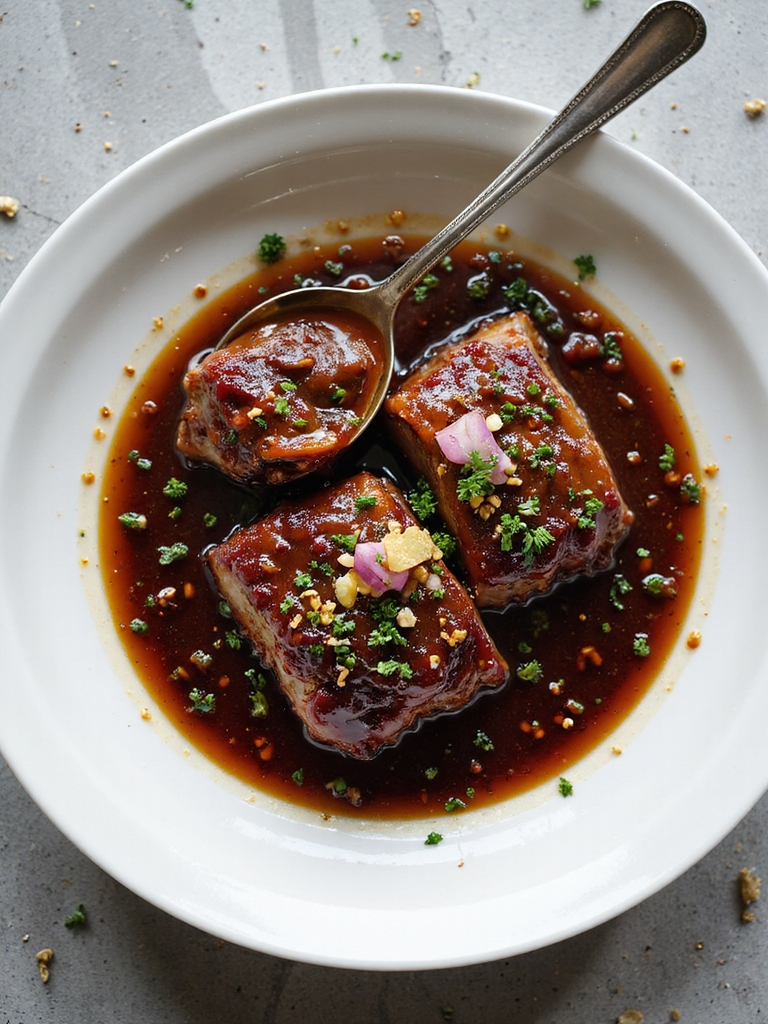
Turn yesterday’s braise into today’s showstopper by chilling to firm the fat, skimming for clarity, and reducing the cooking liquid into a glossy, spoon-coating glaze that clings to every rib. This make-ahead approach concentrates flavor, improves texture, and gives you control: finish with bright acids, fresh herbs, and a touch of richness for a sauce that’s balanced, shiny, and restaurant-slick.
- Chilled braised short ribs with reserved braising liquid
- Low-sodium beef broth or water
- Apple cider vinegar or sherry vinegar
- Unsalted butter (optional)
- Dark chocolate, 70% (optional)
- Fresh herbs (parsley, cilantro, chives)
- Lemon or lime
- Flaky salt and black pepper
Transfer chilled ribs to a plate; lift off and discard the solid fat from the surface of the braising liquid, then pour the liquid into a wide saucepan and bring to a lively simmer. Reduce, stirring occasionally, until it thickens and turns glossy, thinning with broth if needed; whisk in a small knob of butter or a square of dark chocolate off heat, season with salt, pepper, and a splash of vinegar or citrus, then return warmed ribs to glaze and serve with fresh herbs.
Chill the pot overnight for the cleanest skim and most stable reduction; reheat ribs gently in a low oven or covered pan to avoid shredding. Balance richness with quick-pickled onions or a crisp salad, and finish the sauce just before serving so it stays shiny rather than dulling from over-reduction. For crock pot convenience and deeply developed flavor, you can braise the ribs low and slow in a Crock Pot before finishing them on the stovetop.