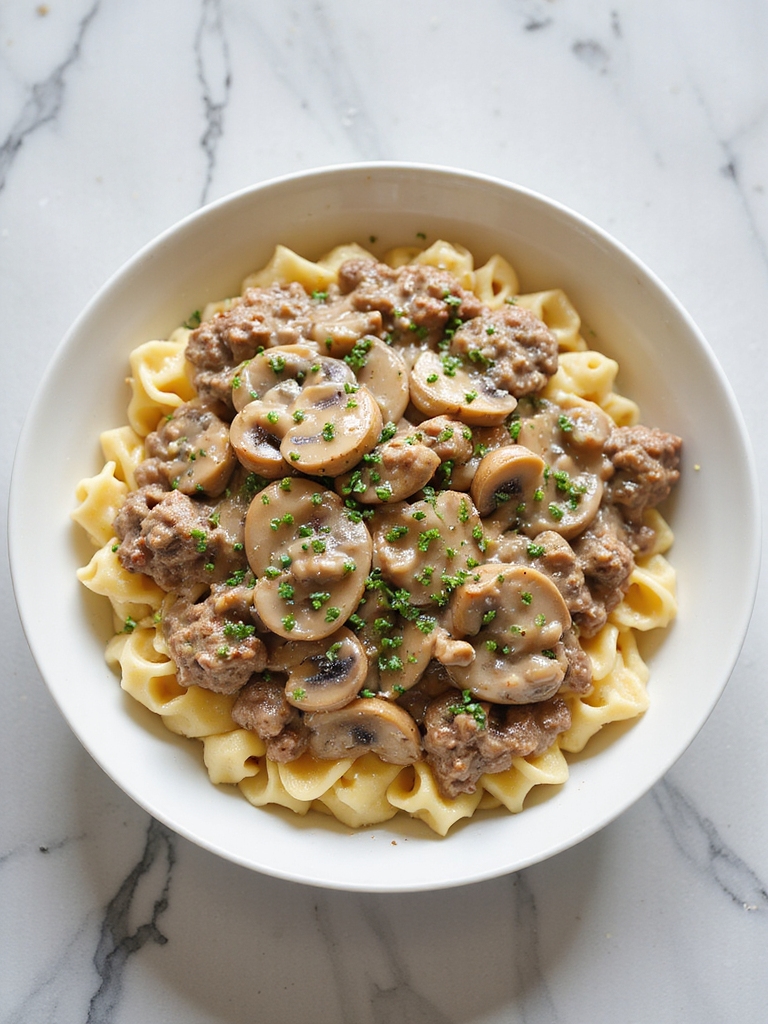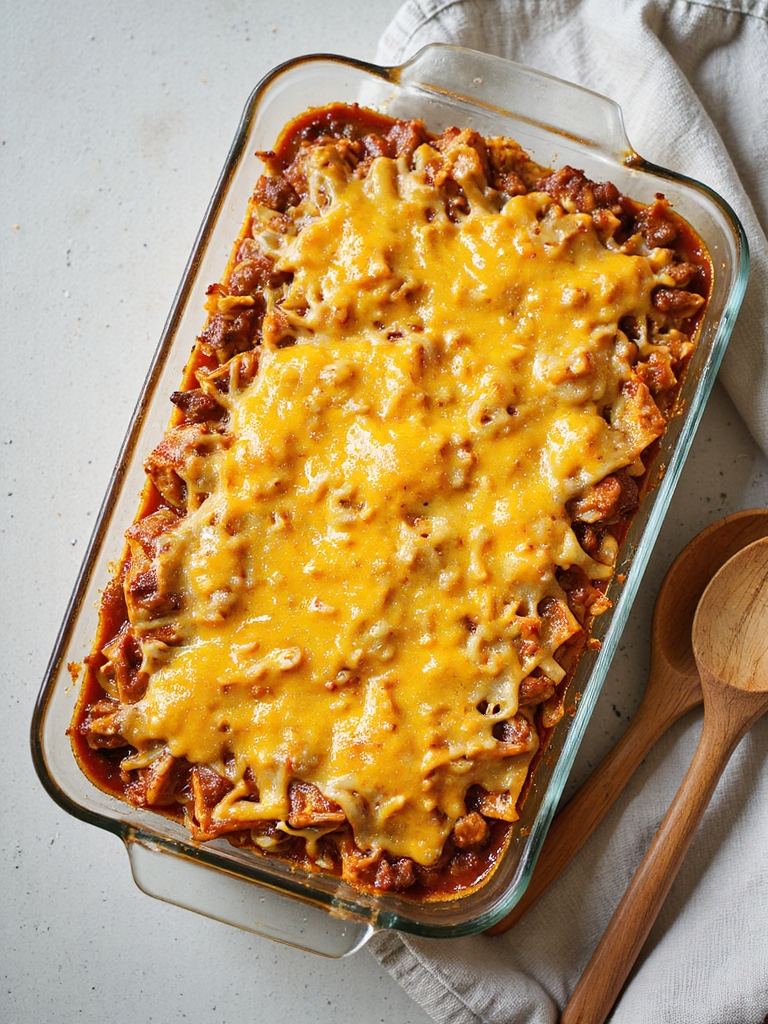
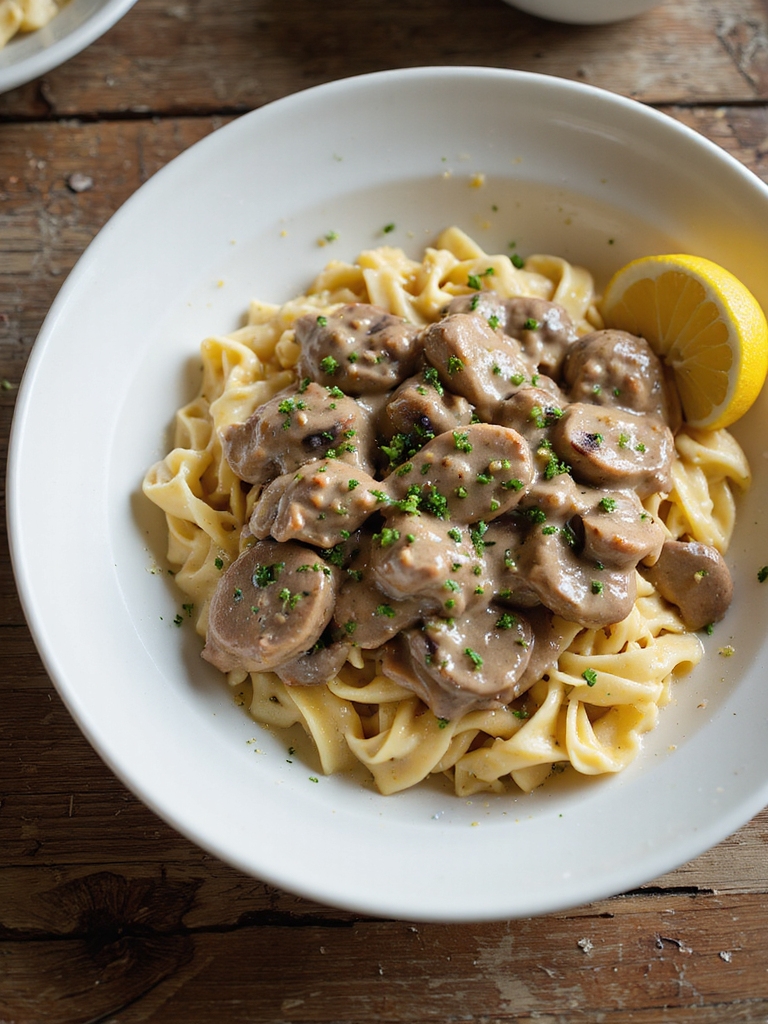
I’ve been making beef stroganoff for years, the kind that’s creamy, reliable, and always welcome at the table. I like tender strips of beef, browned mushrooms, and a sauce that’s just tangy enough from Dijon and sour cream.
It’s simple but comforting, the sort of dish that sparks memories and still feels a little special. If you want a fail-safe method and a few tricks I swear by, stick with me.
Ingredients You’ll Need
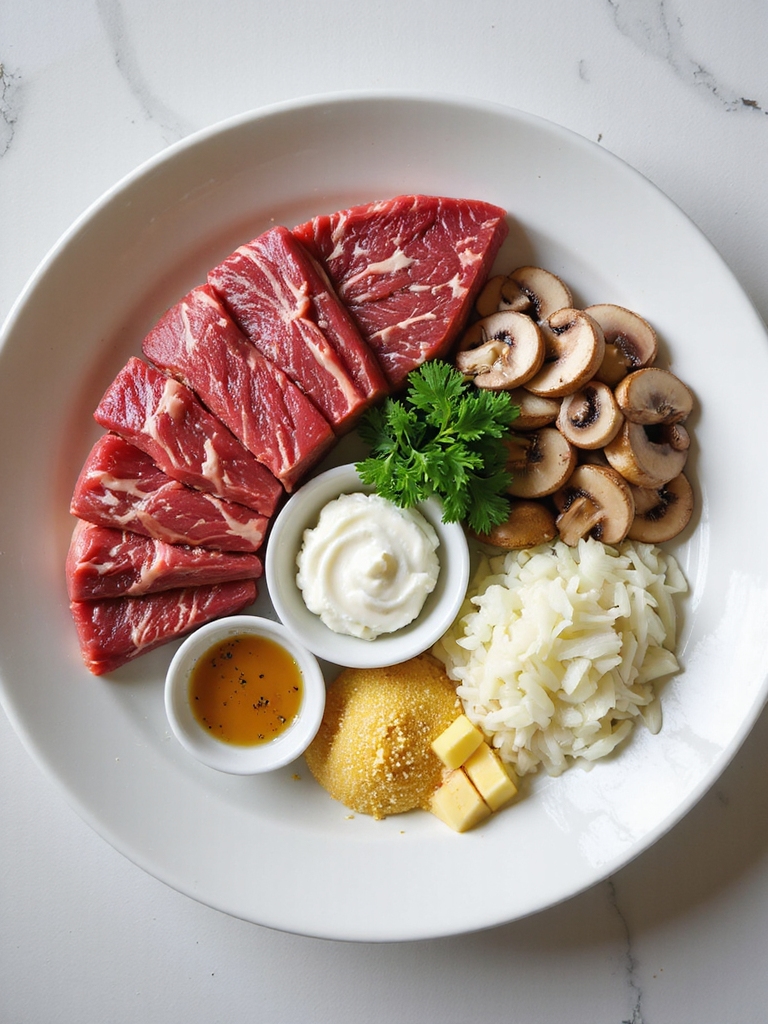
Beef Stroganoff is a classic Russian-inspired dish of tender strips of beef and mushrooms in a creamy, tangy sauce, typically served over egg noodles or rice; this version emphasizes simple ingredients and straightforward technique so you can assemble a rich, comforting meal in under an hour.
- 1 lb (450 g) beef sirloin or tenderloin, thinly sliced against the grain
- 8 oz (225 g) cremini or button mushrooms, sliced
- 1 medium yellow onion, thinly sliced
- 2 cloves garlic, minced
- 2 tbsp butter
- 1 tbsp olive oil
- 1 cup beef broth or stock
- 1 tbsp Dijon mustard
- 1 tbsp Worcestershire sauce
- 1 cup sour cream (full fat preferred)
- 1 tbsp all-purpose flour (optional, for thickening)
- Salt and freshly ground black pepper, to taste
- Fresh parsley, chopped, for garnish
- Cooked egg noodles, rice, or mashed potatoes, for serving
Heat the butter and oil in a large skillet over medium-high heat, season beef with salt and pepper and sear in batches until browned but not fully cooked, then remove and set aside; add onion and mushrooms to the pan and sauté until softened and lightly caramelized, stir in garlic and flour if using and cook 30 seconds, deglaze with beef broth, stir in Dijon and Worcestershire, return beef with any juices, reduce heat to low and simmer briefly until beef is just cooked through, then remove from heat and stir in sour cream until the sauce is smooth and heated through (do not boil) before adjusting seasoning and serving over noodles with parsley.
Let meat come to room temperature briefly before cooking and slice thinly against the grain for tenderness, brown in hot pan without crowding to develop flavor, add sour cream off the heat to prevent curdling, and reserve some cooking juices to loosen the sauce if it becomes too thick. A quick sear in a hot pan helps lock in juices and enhances flavor with a satisfying browned crust.
Choosing the Best Cut of Beef
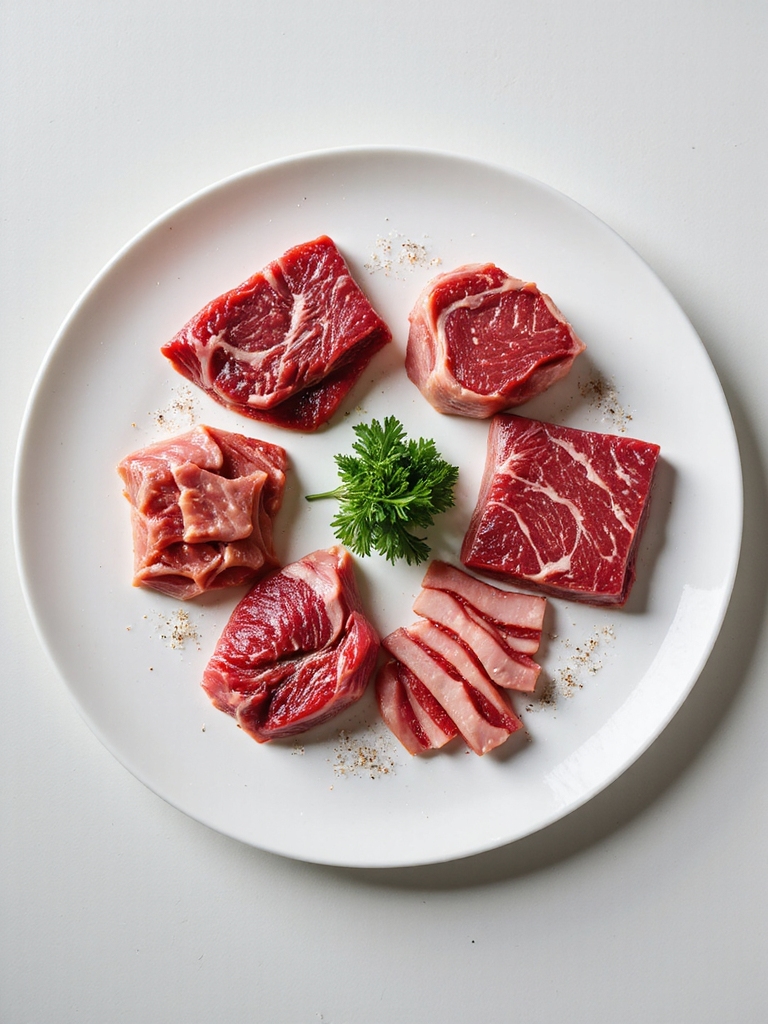
Choose a beef cut that balances tenderness, flavor, and cost for stroganoff: tenderloin (filet mignon) is the most tender but expensive, sirloin or top sirloin gives great flavor and tenderness for a reasonable price, ribeye adds richness from marbling but may be fattier, flank or skirt can work if sliced very thinly against the grain and briefly cooked, while chuck is flavorful but best when very thinly sliced and not overcooked; for best results pick beef labeled “slicing” or “stir-fry” and trim excess fat, then chill briefly to make slicing easier.
- 1 lb (450 g) beef sirloin or tenderloin, thinly sliced against the grain
- Salt and freshly ground black pepper
- 1 tbsp olive oil
- 2 tbsp butter
- Optional: 1 tbsp Worcestershire sauce (for marinating)
- Optional: 1 tsp Dijon mustard (for marinating)
- Plastic wrap or parchment for easier slicing
- Sharp chef’s knife or slicing knife
- Cutting board chilled on a towel
Bring the beef to a very brief room temperature (15–20 minutes) if frozen, then trim silver skin and excess fat and place in the freezer for 15–20 minutes to firm slightly for precise thin slicing against the grain; cut into uniform 1/4-inch (6 mm) strips and, if desired, toss with a little salt, pepper and Worcestershire or mustard to season and tenderize, and keep refrigerated until ready to sear to maintain color and food safety.
Tip: Work quickly with chilled meat and a very hot pan to sear in batches without crowding so strips brown but remain tender, and always slice against the grain for the most tender bites.
For searing, use a very hot pan and cook in batches to avoid crowding, as searing in batches yields the best browning and texture.
Preparing the Beef and Vegetables
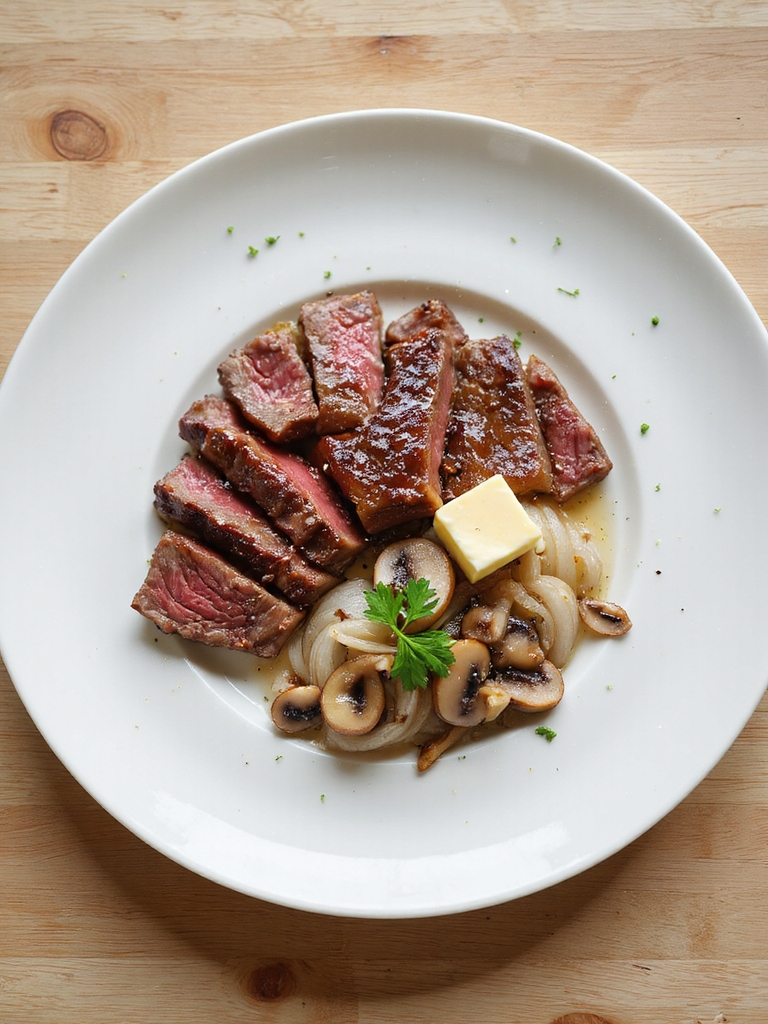
Prepare the beef and vegetables for stroganoff by trimming and thinly slicing the chilled beef against the grain, seasoning lightly, and prepping aromatics and vegetables so everything is ready to cook quickly; this step guarantees even cooking and maximum tenderness while the mushrooms (next) and sauce are handled separately.
- 1 lb (450 g) thinly sliced beef (sirloin or tenderloin)
- Salt and freshly ground black pepper
- 1 tbsp olive oil
- 2 tbsp butter
- 1 medium onion, thinly sliced
- 2 cloves garlic, minced
- 8 oz (225 g) cremini or button mushrooms, sliced
- Optional: 1 tbsp Worcestershire sauce
- Optional: 1 tsp Dijon mustard
- Fresh parsley, chopped (for garnish)
Heat a large skillet over high heat until very hot, add 1 tbsp oil and sear the beef strips in a single layer in batches for 20–30 seconds per side until just browned, transfer to a plate and keep warm.
Reduce heat to medium, add 1 tbsp butter, sauté the onions until softened and translucent, stir in garlic for 30 seconds, then return beef to the pan along with any resting juices, add Worcestershire and mustard if using, adjust seasoning and finish with remaining butter toss to coat.
Tip: Work quickly with a hot pan and in batches to avoid crowding, slice against the grain and rest seared beef briefly off heat to keep it tender.
For a slow-cooker option, you can transfer the seared beef and sautéed vegetables to a crockpot and cook on low for several hours to develop deep, savory flavor.
Cooking the Mushrooms to Perfection
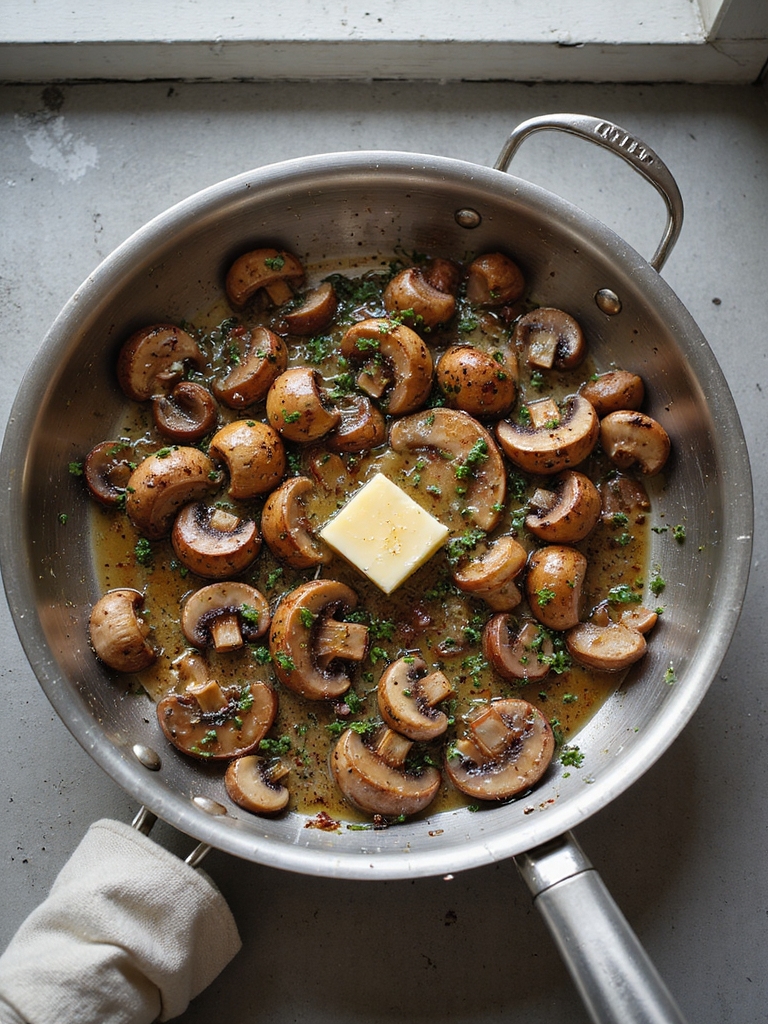
Cooking the mushrooms properly brings out their deep, savory flavor and prevents sogginess in your stroganoff; use high heat, a roomy pan, minimal stirring, and salt only after they start to brown so they release moisture then caramelize, creating a concentrated mushroom base that will complement the beef and the creamy sauce to follow.
- 8 oz (225 g) cremini or button mushrooms, sliced
- 1 tbsp olive oil
- 1 tbsp butter
- Salt and freshly ground black pepper
- 1 tsp fresh thyme leaves or 1/2 tsp dried thyme (optional)
- 1 tbsp dry white wine or a splash of sherry (optional)
- 1 small shallot, finely chopped (optional)
- 1 tbsp chopped fresh parsley (for finishing)
Heat a large skillet over medium-high to high heat until hot, add the oil and let it shimmer before adding the mushrooms in a single layer (work in batches if needed) so they sear rather than steam; resist stirring for the first 2–3 minutes to allow browning, then toss and continue cooking until deep golden.
Add butter, shallot and thyme if using, splash wine to deglaze and cook off alcohol, season with salt and pepper to taste and finish with parsley.
Tip: Make certain mushrooms are dry (pat with paper towel), don’t overcrowd the pan, and salt late to promote browning rather than steaming.
Beef Tips and Gravy provide a rich savory base that pairs exceptionally well with the concentrated mushroom flavor.
Building the Creamy Sauce
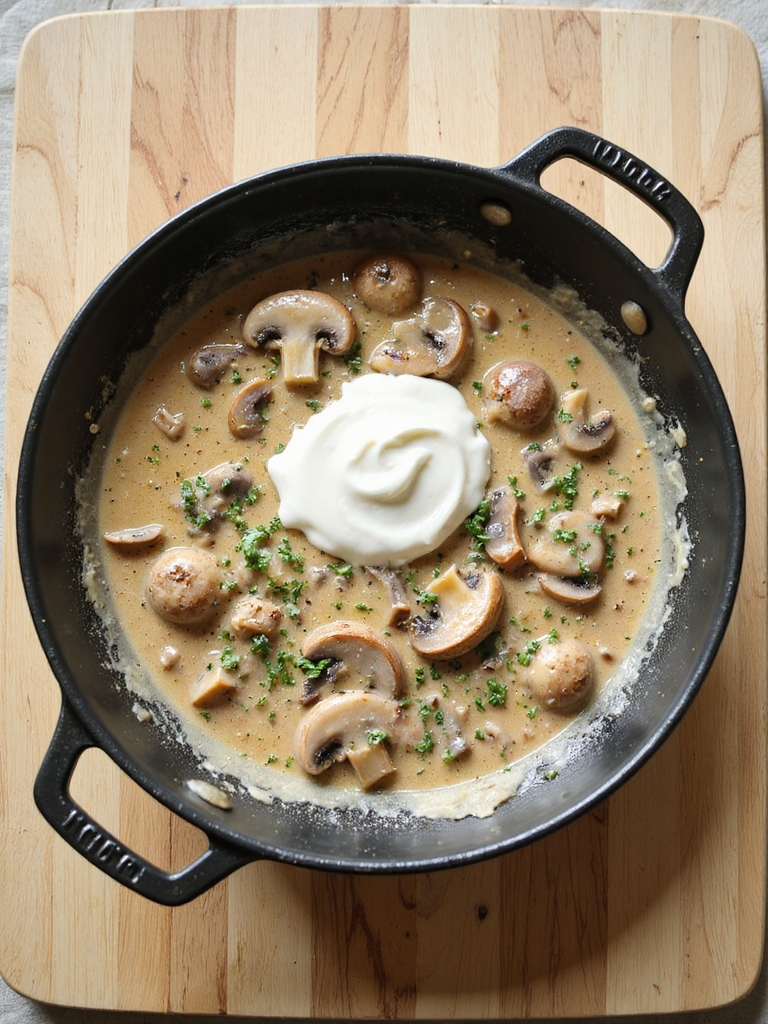
A rich, velvety sauce is the heart of beef stroganoff — build it by deglazing the pan, layering in savory aromatics, simmering with broth and a touch of mustard, then finishing with sour cream (or crème fraîche) off the heat so it stays silky; this step should be done after the beef is seared and mushrooms are browned, and before combining everything for a final warm-together meld.
- 1 tbsp butter
- 1 tbsp olive oil
- 1 small shallot, finely chopped (or 1/4 cup onion)
- 1 garlic clove, minced
- 1 tbsp all-purpose flour
- 1 cup beef broth (low-sodium)
- 1/2 cup dry white wine or additional broth
- 1 tsp Dijon mustard
- 1/2 cup sour cream or crème fraîche
- Salt and freshly ground black pepper
- 1 tbsp Worcestershire sauce (optional)
- Fresh parsley, chopped (for finishing)
Return the hot skillet with a little fat, add shallot and garlic and cook briefly until translucent, sprinkle in flour and cook 30–60 seconds to toast, then deglaze with wine scraping up browned bits and add beef broth and mustard, simmer until slightly reduced and glossy before removing from heat and stirring in sour cream and Worcestershire, adjust seasoning; keep the sauce warm but not boiling to prevent curdling and proceed to combine with the rested beef and mushrooms in the next step.
Tip: Temper the sour cream by whisking in a few spoonfuls of hot sauce before adding it to the pan and always finish off-heat to avoid splitting; keep sauce warm gently and taste for salt, acid and mustard balance before combining. A quick sear on the beef ensures browned bits that deepen the sauce’s flavor.
Combining Beef and Sauce
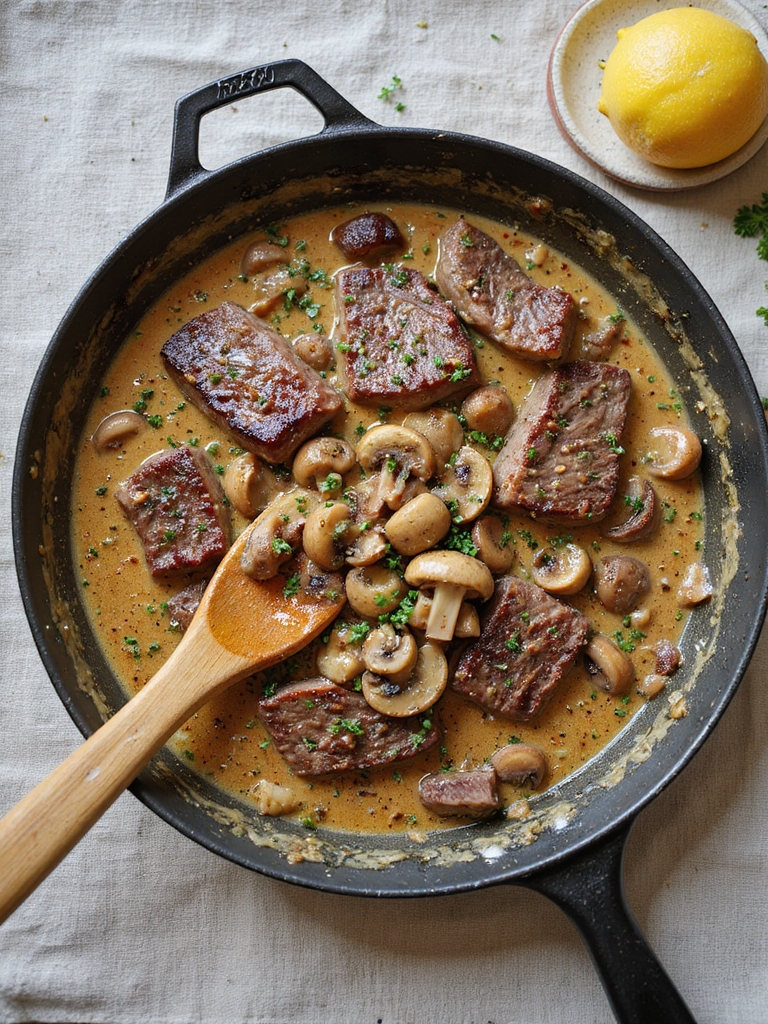
Once the sauce is silky and the beef and mushrooms have rested, it’s time to bring everything together gently so the meat stays tender and the sauce clings to each bite — this step is about warmth and timing, not heat, so combine quickly, taste, and finish with fresh herbs and a squeeze of acid if needed to brighten.
- Seared beef slices (from previous step)
- Browned mushrooms (from previous step)
- Warm creamy sauce (from previous step)
- 1–2 tbsp reserved pan juices or butter
- Fresh parsley, chopped
- Lemon juice or white wine vinegar (optional, for brightness)
Return the skillet (off heat or on the lowest setting) and add 1–2 tbsp reserved pan juices or butter, toss in the beef and mushrooms, pour the warm sauce over and fold gently to coat—heat only until everything is warmed through (do not boil) and adjust seasoning with salt, pepper, mustard or a splash of acidity, then remove from heat and rest 1–2 minutes before serving.
Tip: Work quickly and gently—overheating will toughen the beef and curdle the sauce—finish with chopped parsley and a tiny squeeze of lemon or a pinch of mustard for brightness. Beef stroganoff made with ground beef can deliver deep flavor and quicker prep when you brown it thoroughly and drain excess fat for best texture.
Serving Suggestions and Sides
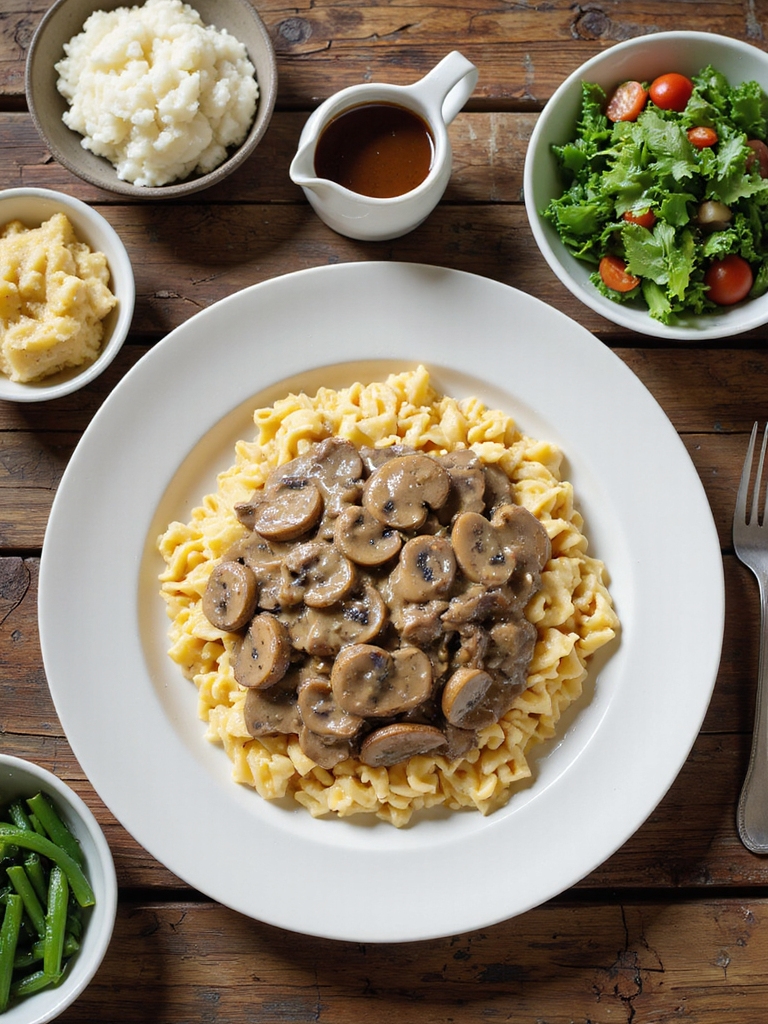
Serve Beef Stroganoff over a bed of buttered egg noodles, creamy mashed potatoes, or fluffy rice, with bright steamed green beans, sautéed spinach, or a crisp green salad on the side to balance the richness; finish plates with extra chopped parsley, a sprinkle of paprika if desired, and provide warmed gravy on the table for guests who want more.
- Egg noodles or cooked rice
- Mashed potatoes (optional)
- Steamed green beans or sautéed spinach
- Crisp green salad (mixed greens, vinaigrette)
- Extra chopped parsley
- Paprika (optional)
- Lemon wedges (optional)
- Warmed gravy or reserved sauce
Plate the hot noodles, rice, or mashed potatoes, mound the rested beef and mushrooms with sauce on top, garnish with chopped parsley and a light dusting of paprika, and serve alongside greens and lemon wedges so each diner can add brightness as desired; keep the sauce warm in the skillet on very low heat or a double boiler and offer extra gravy in a warmed pitcher.
Tip: Keep sides ready and hot, rest the stroganoff briefly to let flavors settle, and serve immediately to preserve sauce texture and beef tenderness. A simple ground beef base makes this version quicker and ideal for weeknight meals.
Make-Ahead and Storage Tips
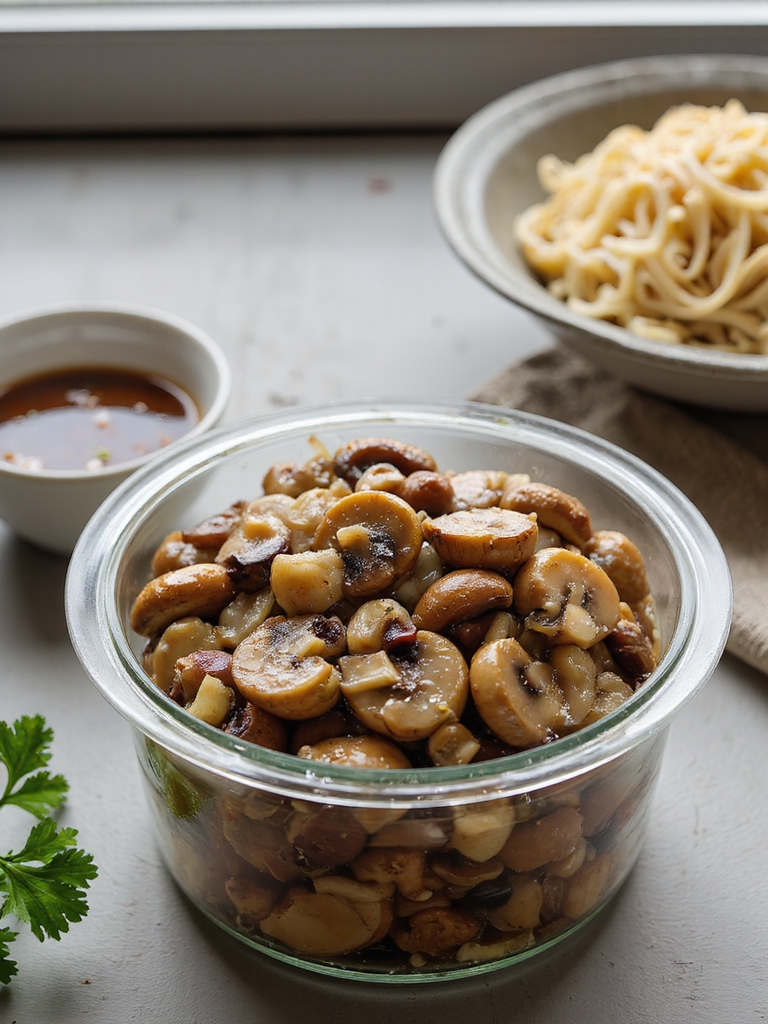
Make-Ahead and Storage Tips for Beef Stroganoff: This section explains how to prepare parts of the dish ahead, how to store completed stroganoff safely, and the best ways to reheat so the beef stays tender and the sauce stays silky; you can sauté mushrooms and onions a day ahead, cook and cool the beef separately, and keep components chilled in airtight containers for up to 3 days or frozen for up to 3 months, with simple reheating steps to preserve texture.
- Cooked beef slices (cooled)
- Sautéed onions and mushrooms (cooled)
- Sauce (beef stock, sour cream, mustard blended, cooled)
- Cooked noodles, rice, or mashed potatoes (cooled)
- Fresh parsley (for garnish)
- Lemon wedges (optional)
- Salt and pepper
When ready to serve, gently reheat the sauce in a skillet over low heat until just warm then add the cooked beef and heat through for 2–3 minutes without boiling, stir in sour cream off-heat to prevent separation and combine with hot noodles or potatoes before serving.
Extra tips: Cool components quickly before refrigerating, label containers with dates, thaw frozen portions overnight in the fridge, and reheat gently—avoid boiling—to keep the sauce emulsified and the beef tender. Slow cooking helps ensure tender beef and easy make-ahead planning.
Common Mistakes and How to Avoid Them
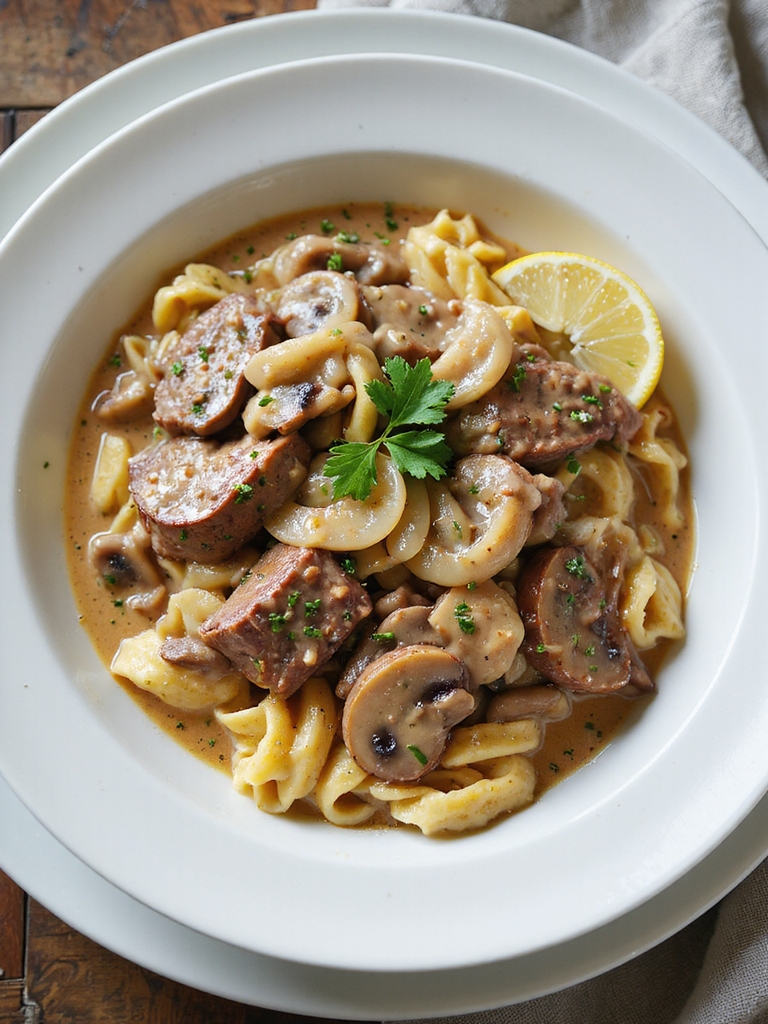
Common mistakes with Beef Stroganoff often come from overcooking the beef, boiling the sauce (which causes sour cream to split), crowding the pan with mushrooms, or skimping on seasoning; this recipe focuses on avoiding those errors by using quick-sear techniques, gentle heat when combining sour cream, and staging ingredients so everything is hot and ready to finish together.
- 1 lb beef (sirloin or tenderloin), thinly sliced against the grain
- 2 tbsp oil (vegetable or canola) plus 2 tbsp butter
- 8 oz cremini or button mushrooms, sliced
- 1 medium onion, thinly sliced
- 2 cloves garlic, minced
- 1 cup beef stock
- 1 tbsp Dijon mustard
- 3/4 cup sour cream, room temperature
- 1 tbsp Worcestershire sauce (optional)
- 1 tbsp flour (or cornstarch for gluten-free)
- Salt and freshly ground black pepper
- 8 oz egg noodles or preferred starch, cooked
- Fresh parsley, chopped, for garnish
- Lemon wedge (optional)
Season the beef with salt and pepper and dust lightly with flour; heat oil in a large skillet over high heat until shimmering, sear beef in batches 30–60 seconds per side until just browned (keep slightly rare), remove and tent to rest; reduce heat to medium, add butter, sauté onions until translucent, add mushrooms and cook without crowding until browned, stir in garlic briefly, deglaze with beef stock and Worcestershire, simmer 2–3 minutes, return beef with accumulated juices, remove from heat and stir in Dijon and sour cream until combined (do not boil), adjust seasoning and serve immediately over noodles with parsley.
Tip: Work in batches to avoid overcrowding the pan, keep sour cream at room temperature and finish off-heat to prevent splitting, and slice beef thinly against the grain to make certain tenderness. A quick-sear on high heat is important to seal in juices and preserve the beef’s tenderness.
Variations and Dietary Substitutions
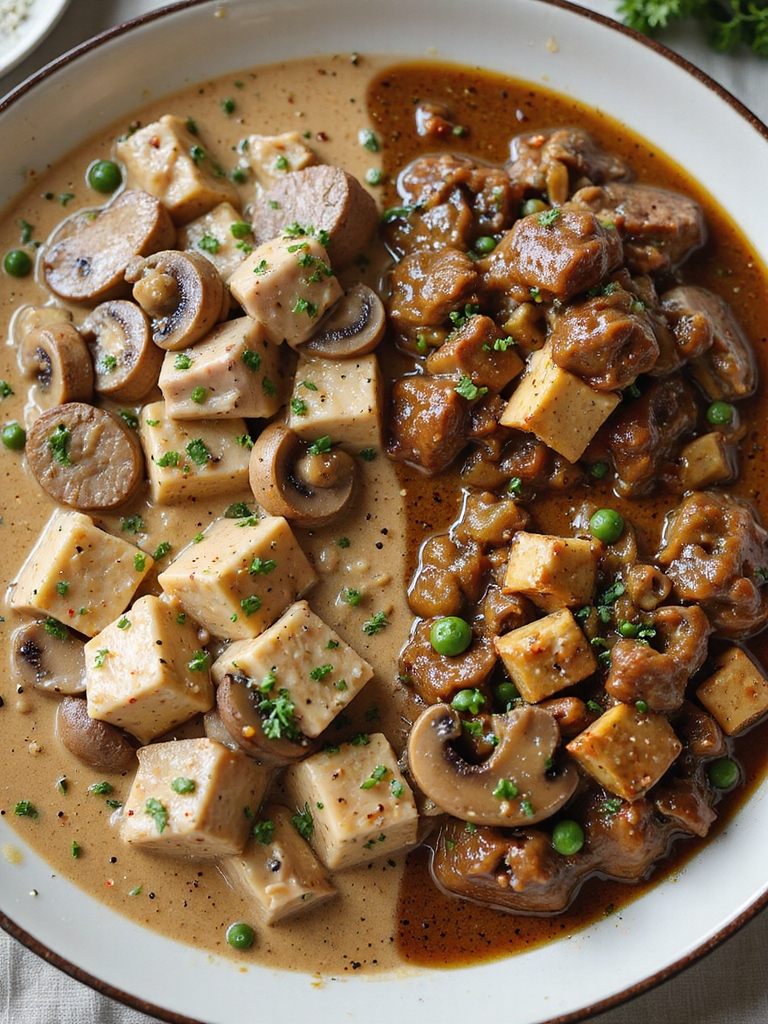
This variation of Beef Stroganoff offers flexible swaps for dietary needs—use turkey, chicken, or mushrooms for a lighter protein, replace sour cream with Greek yogurt or coconut cream for lactose-free options, swap flour for cornstarch to make the sauce gluten-free, and offer vegetarian or vegan versions by using seitan, tofu, or a medley of roasted mushrooms with vegetable stock and plant-based sour cream; seasoning and technique remain the same to preserve the dish’s creamy, savory character.
- 1 lb beef (sirloin or tenderloin), thinly sliced against the grain (or 1 lb sliced mushrooms/tofu/seitan for vegetarian)
- 2 tbsp oil (vegetable or canola) plus 2 tbsp butter or vegan butter
- 8 oz cremini or button mushrooms, sliced (optional if using mushroom-only version)
- 1 medium onion, thinly sliced
- 2 cloves garlic, minced
- 1 cup beef stock or vegetable stock
- 1 tbsp Dijon mustard
- 3/4 cup sour cream, room temperature (or Greek yogurt, coconut cream, or plant-based sour cream)
- 1 tbsp Worcestershire sauce (use vegan Worcestershire or soy sauce for vegan)
- 1 tbsp flour or 1 tbsp cornstarch for gluten-free
- Salt and freshly ground black pepper
- 8 oz egg noodles or gluten-free noodles, cooked (or mashed potatoes/rice)
- Fresh parsley, chopped, for garnish
- Lemon wedge (optional)
Season the protein with salt and pepper and dust lightly with flour or cornstarch; heat oil in a large skillet over high heat, sear protein in batches (for mushrooms or tofu, cook until golden) then remove and tent to rest while you reduce heat to medium and add butter, sauté onions until translucent, add mushrooms if using and cook without crowding until browned, stir in garlic briefly, deglaze with stock and Worcestershire/soy, simmer 2–3 minutes, return protein with juices, remove from heat and stir in Dijon and your chosen creamy substitute until combined (do not boil), adjust seasoning and serve immediately over your starch with parsley.
Tip: Keep dairy substitutes at room temperature, finish the sauce off the heat to prevent splitting, and always work in batches to avoid overcrowding so proteins brown rather than steam.
This recipe is a great example of how versatile ground or sliced proteins can be in creating comforting classics with simple swaps and easy ground beef techniques.