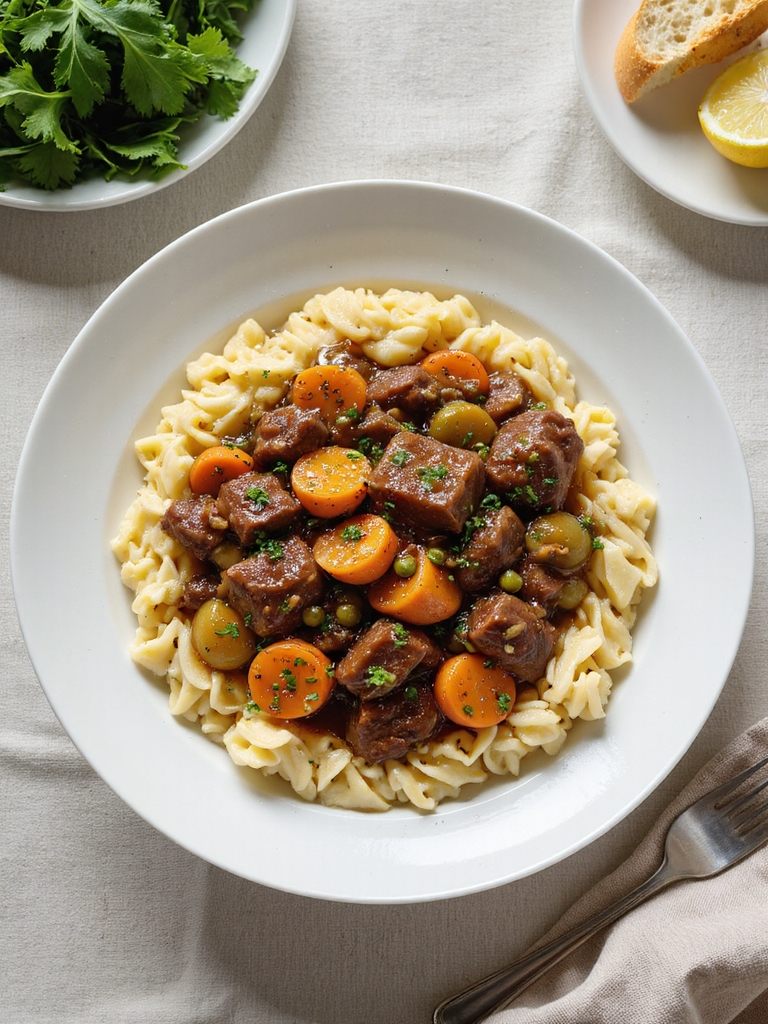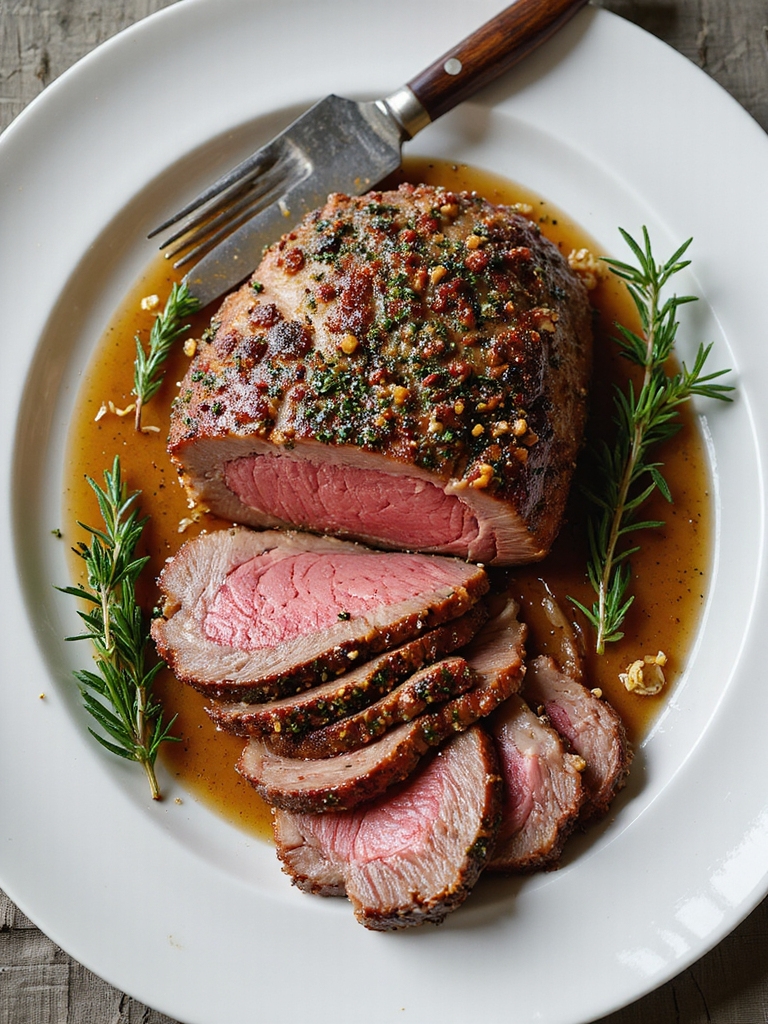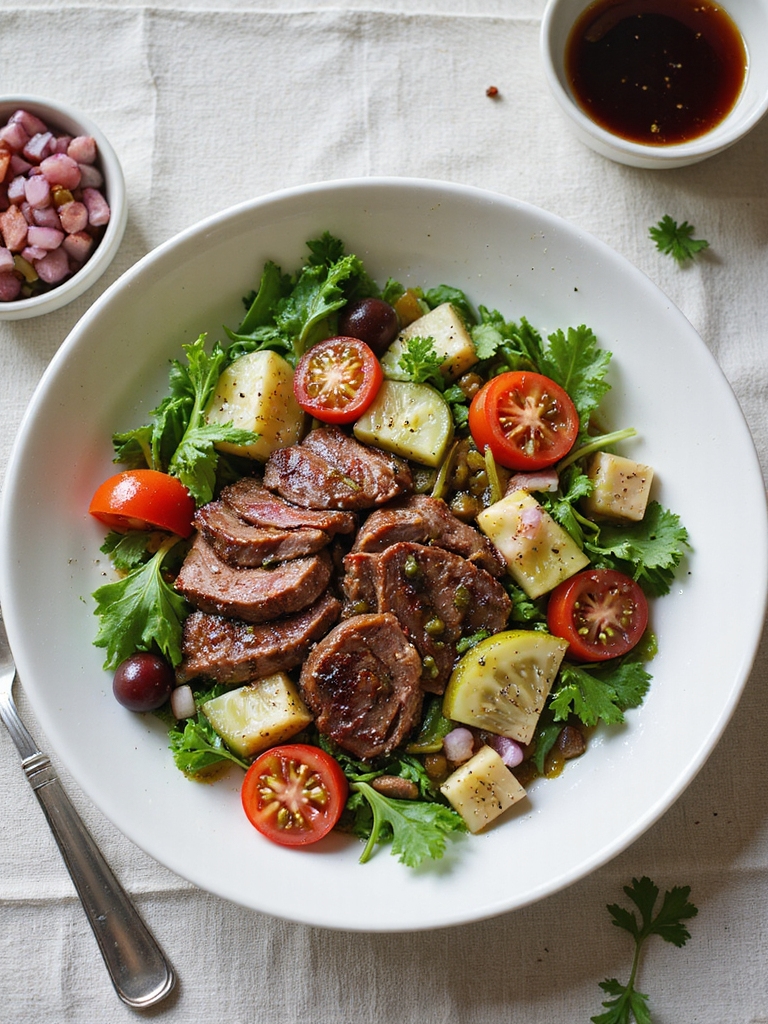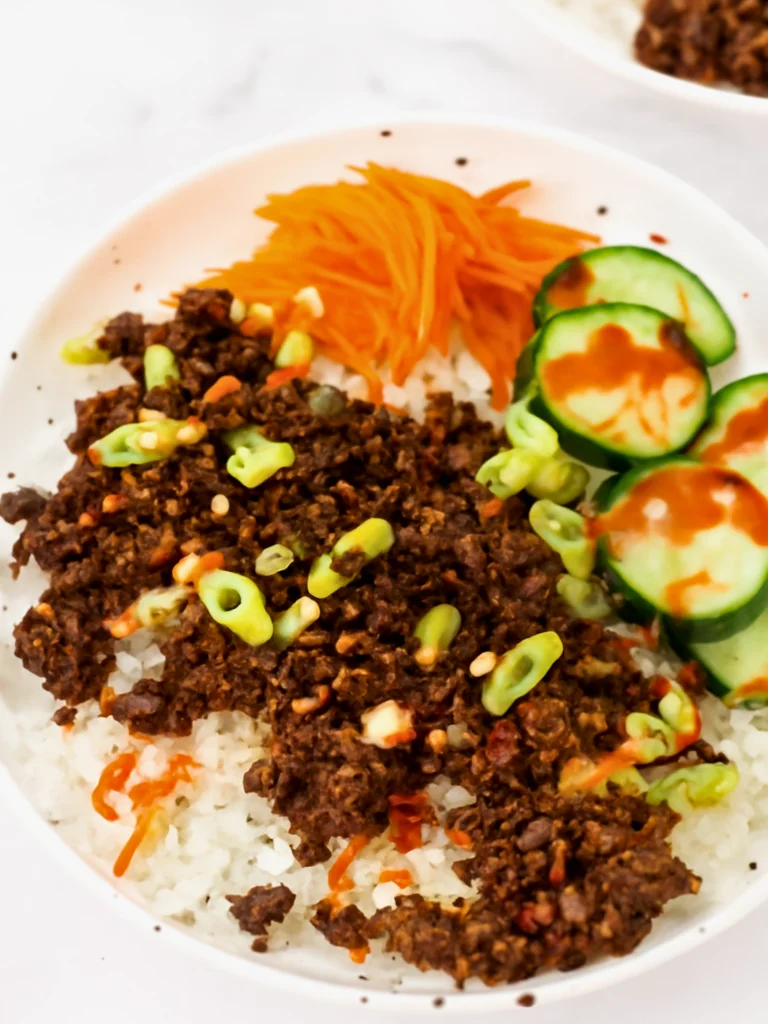
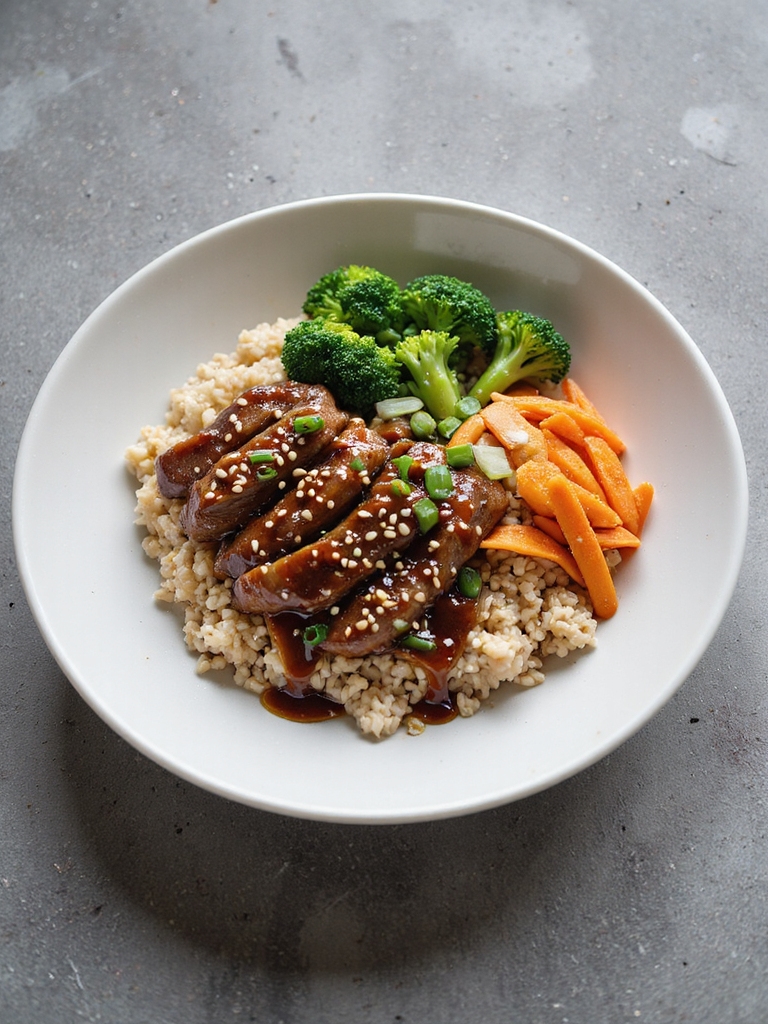
When I want sweet-savory comfort fast, I make beef teriyaki that fits any kitchen setup—skillet, sheet pan, or grill. I slice partially frozen sirloin thin, don’t crowd the pan, and balance soy with sugar or honey.
A quick cornstarch glaze gives that glossy finish. I toss in broccoli or snap peas, finish with green onions and sesame, and serve over rice. If you want a no-marinade shortcut or make-ahead bowls, here’s how I do it…
Classic Skillet Beef Teriyaki
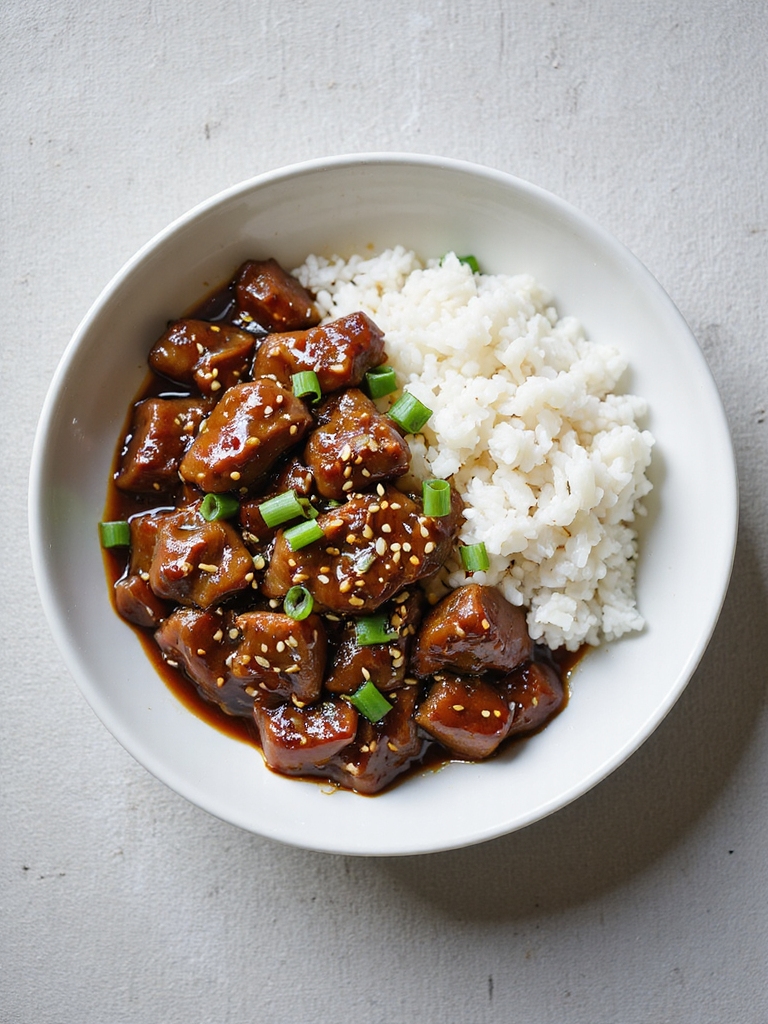
Satisfy your takeout craving at home with this quick, flavorful Classic Skillet Beef Teriyaki: tender strips of beef seared hot, glazed in a glossy sweet-salty sauce, and finished with a touch of sesame and scallion for weeknight-friendly comfort.
- 1 lb flank or sirloin steak, thinly sliced against the grain
- 2 tablespoons cornstarch
- 2 tablespoons neutral oil
- 1/3 cup low-sodium soy sauce
- 3 tablespoons mirin
- 2 tablespoons brown sugar
- 1 tablespoon rice vinegar
- 2 teaspoons toasted sesame oil
- 2 cloves garlic, minced
- 1 teaspoon fresh ginger, grated
- 1/2 cup water
- 1 tablespoon cornstarch (for slurry)
- 2 green onions, sliced
- 1 teaspoon toasted sesame seeds
Pat beef dry, toss with 2 tablespoons cornstarch to lightly coat. Whisk soy sauce, mirin, brown sugar, rice vinegar, sesame oil, garlic, ginger, and water; set aside, and mix 1 tablespoon cornstarch with 1 tablespoon water for a slurry. Heat oil in a large skillet over medium-high until shimmering, sear beef in a single layer 1–2 minutes per side until just browned; do in batches to avoid steaming. Return beef to pan, pour in sauce, simmer 1 minute, stir in slurry and cook until glossy and thickened 30–60 seconds; finish with green onions and sesame seeds, serve over rice.
Slice beef very thinly (partially freeze 20–30 minutes) for tenderness and quick searing, and keep the pan hot to achieve browning without overcooking. Balance sweetness and salt to taste, and add a splash of water if sauce reduces too much; steamed broccoli or snap peas make easy stir-in veggies. Mongolian beef shares roots with other Asian stir-fries and often features a similar bold flavor profile.
Quick Marinade vs. No-Marinade Methods
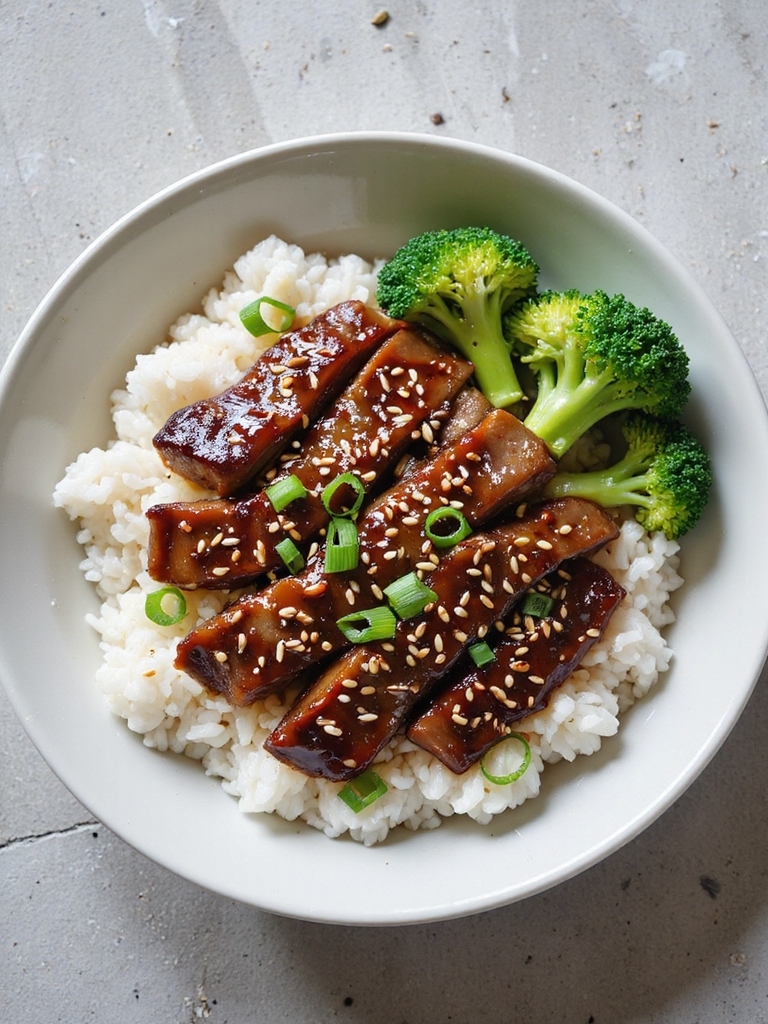
Harness teriyaki flavor two ways: a speedy 15-minute marinade that infuses the beef before a hot sear, or a no-marinade cornstarch-dusted method that relies on rapid browning and a pan-built sauce. Both deliver glossy, sweet-salty beef; the marinated version skews deeper and more aromatic, while the no-marinade version is crisp-edged with ultra-fast prep—perfect for weeknights and flexible for veggies or spice.
- 1 lb flank or sirloin steak, thinly sliced against the grain
- 2 tablespoons cornstarch (for no-marinade method)
- 2 tablespoons neutral oil
- 1/3 cup low-sodium soy sauce
- 3 tablespoons mirin
- 2 tablespoons brown sugar
- 1 tablespoon rice vinegar
- 2 teaspoons toasted sesame oil
- 2 cloves garlic, minced
- 1 teaspoon fresh ginger, grated
- 1/2 cup water
- 1 tablespoon cornstarch (for slurry)
- 2 green onions, sliced
- 1 teaspoon toasted sesame seeds
For Quick Marinade: Whisk soy, mirin, brown sugar, vinegar, sesame oil, garlic, ginger; set aside 1/3 cup for finishing, then toss beef with remaining and marinate 15–20 minutes while you cook rice; pat beef lightly, sear in hot oil 1–2 minutes per side in batches, add reserved sauce plus water, simmer 1 minute, stir in slurry (1 tbsp cornstarch + 1 tbsp water) to thicken, finish with scallions and sesame. For No-Marinade: Pat beef dry, toss with 2 tbsp cornstarch; sear in hot oil 1–2 minutes per side in batches; whisk soy, mirin, brown sugar, vinegar, sesame oil, garlic, ginger, water, add to pan, simmer 1 minute, add slurry to gloss, return beef to coat, finish with scallions and sesame. Serve either over rice; add steamed broccoli or snap peas if you like.
Partially freeze beef 20–30 minutes for ultra-thin slices and even doneness; keep the pan smoking-hot and avoid crowding to prevent steaming. Adjust sweetness/salt by tweaking brown sugar and soy; if sauce over-reduces, splash in water, and if you want spice, add a pinch of red pepper flakes to the sauce. A classic pairing for this dish is Beef and Broccoli, which complements the teriyaki flavors with a savory, vegetable-forward balance.
One-Pan Sheet Tray Teriyaki Dinner
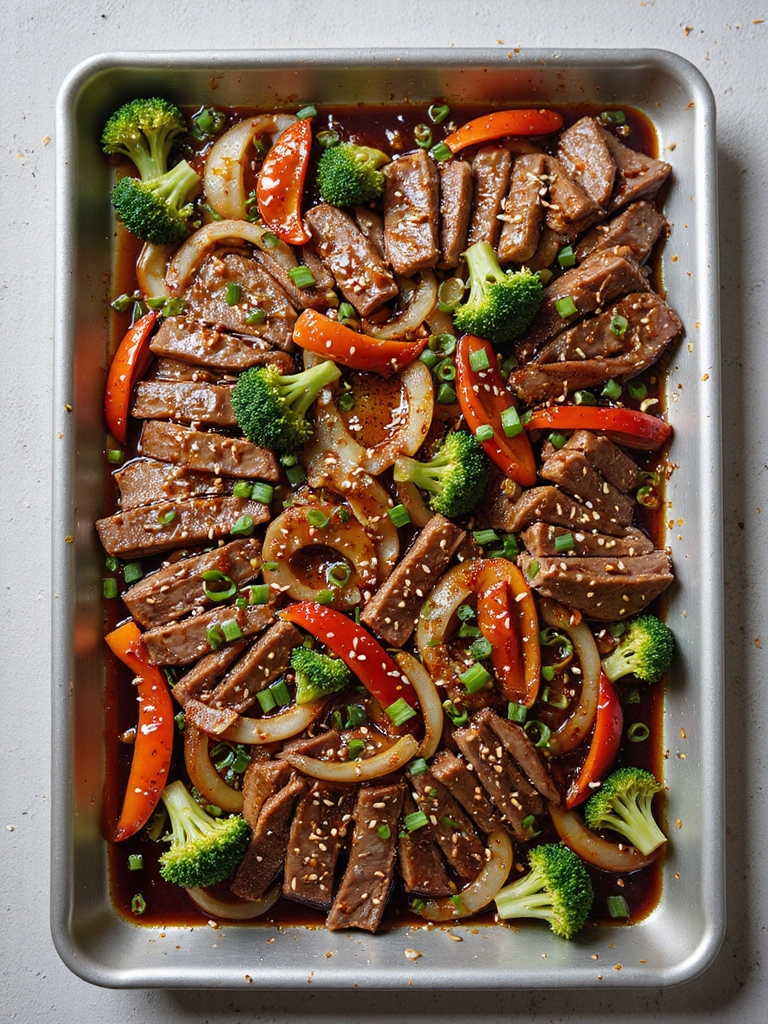
Make weeknights effortless with a one-pan sheet tray teriyaki dinner that roasts beef and vegetables together for caramelized edges and a glossy, sweet-salty finish. Thin-sliced steak shares the tray with hearty veggies while the sauce reduces in the oven for maximum flavor and minimal cleanup, yielding tender meat, crisp-tender vegetables, and sticky teriyaki that clings to every bite.
- 1 lb flank or sirloin steak, thinly sliced against the grain
- 2 cups broccoli florets
- 1 red bell pepper, sliced
- 1 small red onion, sliced
- 1 tablespoon neutral oil
- 1/3 cup low-sodium soy sauce
- 3 tablespoons mirin
- 2 tablespoons brown sugar
- 1 tablespoon rice vinegar
- 2 teaspoons toasted sesame oil
- 2 cloves garlic, minced
- 1 teaspoon fresh ginger, grated
- 1/3 cup water
- 1 tablespoon cornstarch
- 2 green onions, sliced
- 1 teaspoon toasted sesame seeds
- Cooked rice, for serving
Heat oven to 450°F and place a rimmed sheet pan inside to preheat; whisk soy, mirin, brown sugar, vinegar, sesame oil, garlic, ginger, and water, then toss 2 tablespoons of the sauce with steak and oil and toss remaining sauce with the vegetables. Carefully spread vegetables on the hot pan and roast 8 minutes, then pull the pan, scatter steak in an even layer around/over veggies, and roast 5–7 minutes more until steak is just cooked and edges caramelize. Stir cornstarch into 1 tablespoon water, pour onto the hot pan, toss everything to coat and thicken 1–2 minutes on the pan’s residual heat, then finish with green onions and sesame and serve over rice.
Partially freeze steak 20–30 minutes for ultra-thin slicing and even cooking; use denser vegetables (broccoli, carrots, snap peas) that can handle high heat without over-softening. If you like more sauce, double the teriyaki mixture and simmer half in a small saucepan on the stovetop while the tray roasts, then drizzle at the end. For a quicker alternative that keeps the same flavor profile, try a stovetop beef and broccoli stir fry with a similar sauce and quick sear to finish.
Grilled Steak Teriyaki With Charred Edges
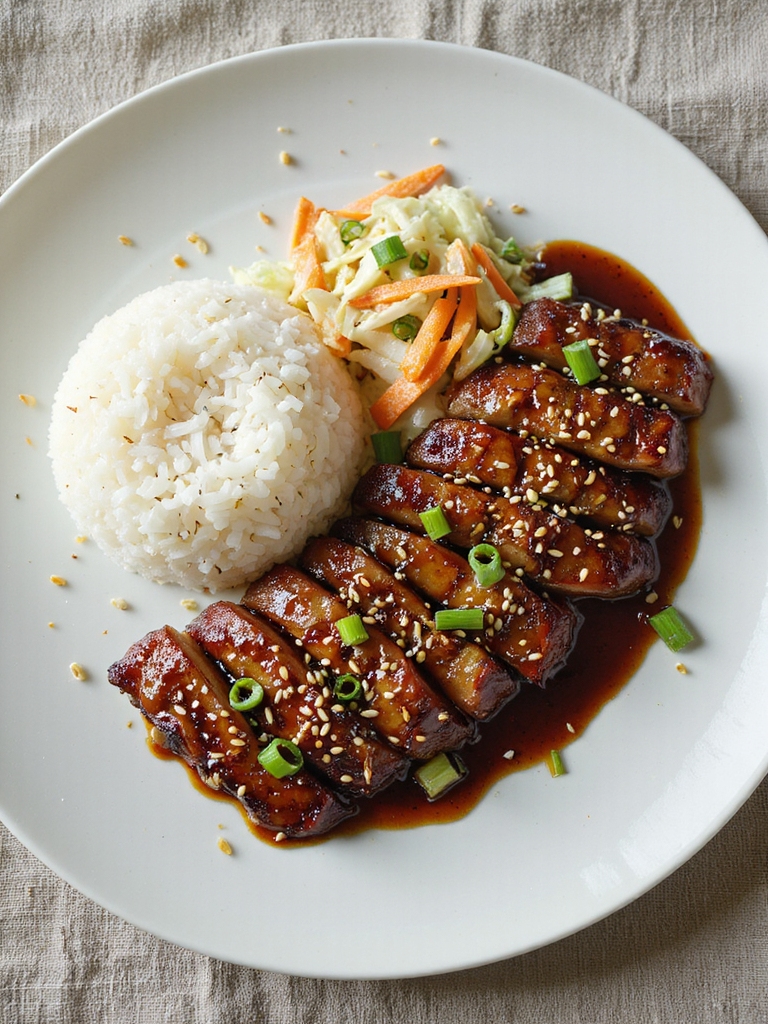
Fire up the grill for steakhouse sizzle and Japanese-inspired gloss: a quick soy-mirin-garlic marinade soaks into well-marbled steak, then high heat creates smoky char while basting layers on a lacquered teriyaki finish. Rested slices get showered with scallions and sesame, perfect over rice or a crisp slaw to catch every sticky-salty drip.
- 1.25–1.5 lb flank, skirt, or sirloin steak
- 1/3 cup low-sodium soy sauce
- 3 tablespoons mirin
- 1 tablespoon sake or water
- 2 tablespoons brown sugar
- 1 tablespoon rice vinegar
- 2 teaspoons toasted sesame oil
- 2 cloves garlic, minced
- 1 teaspoon fresh ginger, grated
- 1 teaspoon cornstarch
- 1 tablespoon water (for slurry)
- 2 green onions, thinly sliced
- 1 teaspoon toasted sesame seeds
- Neutral oil, for grates
Whisk soy, mirin, sake, brown sugar, vinegar, sesame oil, garlic, and ginger; reserve 1/3 cup in a small saucepan and pour the rest over steak in a bag, marinate 30–90 minutes chilled. Preheat grill to medium-high (450–500°F), clean and oil grates; pat steak dry, grill 3–5 minutes per side (flank/sirloin) or 2–3 minutes per side (skirt), brushing twice with a tablespoon or two of the reserved sauce for charred edges. Rest steak 5–10 minutes; meanwhile simmer the reserved sauce, whisk in cornstarch slurry, boil 30–60 seconds to thicken, slice steak against the grain, drizzle with glaze, and finish with scallions and sesame.
For deeper char without burning, keep one cooler zone to move the steak if flare-ups occur, and brush with sauce only in the last minute per side. Partially freeze steak 20 minutes for clean slicing after cooking, and if using a sweeter charcoal smoke, reduce brown sugar slightly to prevent scorching. Try serving with beef tenderloin recipes for a contrast in texture and flavor tenderloin cooking.
Slow Cooker and Instant Pot Options
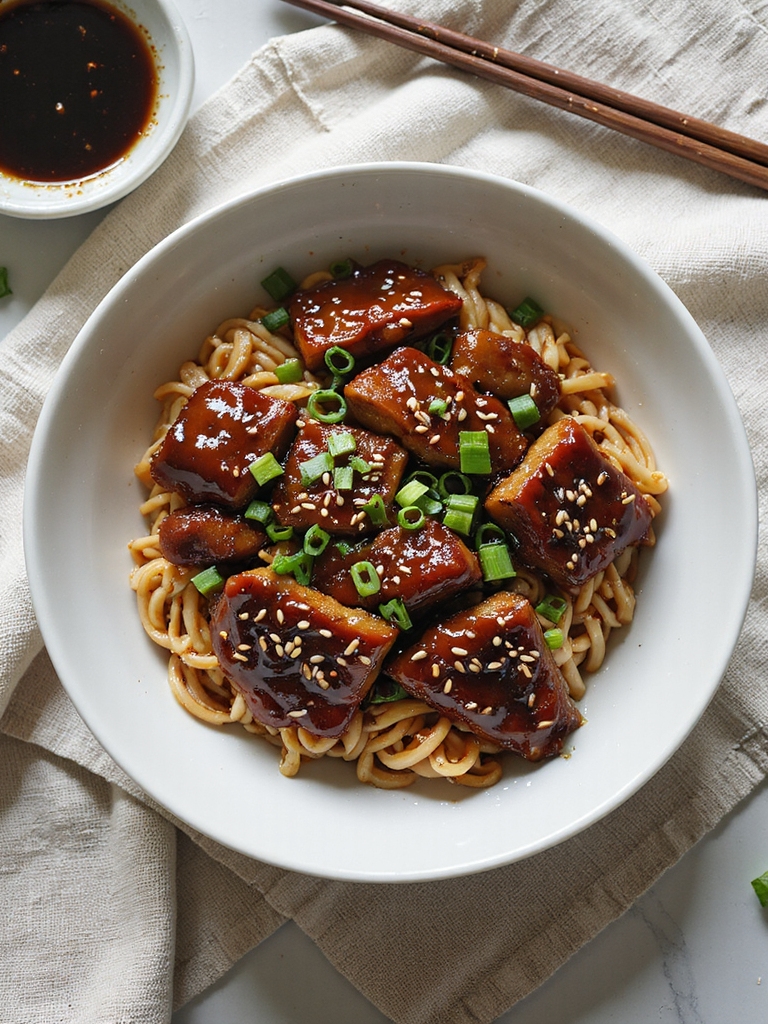
Set-and-forget teriyaki turns out plush, saucy steak with minimal effort in the slow cooker or Instant Pot; a quick sauté blooms garlic and ginger, then a soy-mirin-sake mixture infuses the meat while gentle heat keeps it juicy, and a cornstarch slurry finishes the glaze glossy for spooning over rice or noodles.
- 1.5–2 lb chuck, blade, or boneless short rib, cut into 2-inch pieces
- 1/3 cup low-sodium soy sauce
- 3 tablespoons mirin
- 2 tablespoons sake or water
- 2 tablespoons brown sugar
- 1 tablespoon rice vinegar
- 2 teaspoons toasted sesame oil
- 3 cloves garlic, minced
- 1 tablespoon fresh ginger, grated
- 1/2 cup beef broth or water
- 1.5 tablespoons cornstarch
- 2 tablespoons water (for slurry)
- 2 green onions, thinly sliced
- 1 teaspoon toasted sesame seeds
- Neutral oil
For slow cooker: season beef with salt and pepper, sear in a skillet with a film of oil until browned, then add to cooker; sauté garlic and ginger briefly, deglaze with broth, then stir in soy, mirin, sake, sugar, vinegar, sesame oil, and pour over beef, cook 6–7 hours low or 3–4 hours high until tender, remove beef, simmer juices in a saucepan and whisk in cornstarch slurry until glossy, return beef to coat, garnish with scallions and sesame. For Instant Pot: brown beef on Sauté in a little oil, add garlic and ginger for 30 seconds, stir in soy, mirin, sake, sugar, vinegar, sesame oil, and broth, scrape up browned bits, pressure cook 35 minutes high with quick release after 10 minutes natural, transfer beef, reduce sauce on Sauté, whisk in slurry to thicken, toss beef back in and finish with scallions and sesame. Serve over steamed rice, noodles, or crisp cabbage slaw to catch the sauce.
Cut meat into even pieces to cook uniformly and avoid over-reducing sweet sauce under pressure; if the sauce seems salty, add a splash of water and a knob of butter to round it out. For extra gloss and body, stir in a teaspoon of honey after thickening, and if you prefer slices, use a whole 1.5–2 lb chuck roast, cook as directed, then chill slightly to slice and rewarm in the sauce. Use a chuck roast for the richest, most tender results when slow-cooked, as chuck is well-marbled and breaks down into succulent strands.
Lean Cuts and Budget-Friendly Swaps
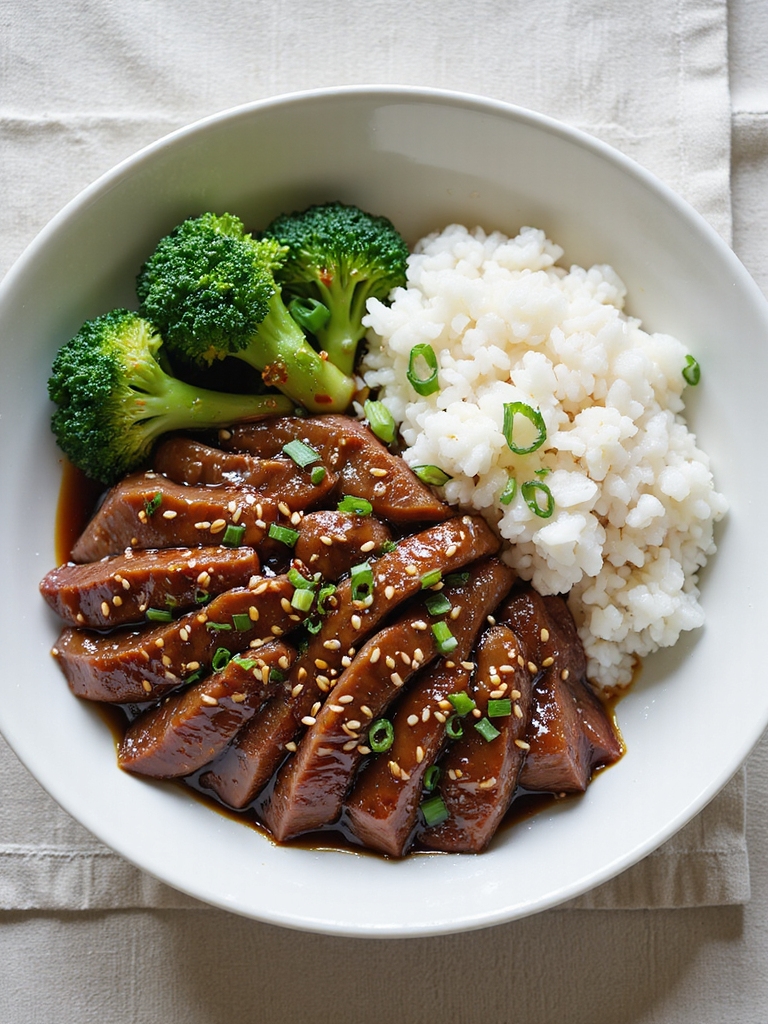
Stretch teriyaki flavor with lean, quick-cooking cuts and smart pantry swaps: thinly sliced sirloin, eye of round, or flank stay tender with a brief marinade, while ground beef or chicken turns saucy and satisfying on a budget; a balanced soy-mirin-sugar base gets brightness from rice vinegar, and cornstarch guarantees a glossy cling without excess oil.
- 1 lb lean sirloin, flank, eye of round, or 90% lean ground beef
- 1/4 cup low-sodium soy sauce
- 2 tablespoons mirin or 1 tablespoon honey + 1 tablespoon water
- 1 tablespoon brown sugar
- 1 tablespoon rice vinegar
- 1 teaspoon toasted sesame oil
- 2 cloves garlic, minced
- 2 teaspoons grated fresh ginger
- 1/3 cup water
- 1 tablespoon cornstarch
- 2 teaspoons neutral oil
- 2 green onions, thinly sliced
- 1 teaspoon toasted sesame seeds
- Optional: pinch red pepper flakes
Slice beef thinly across the grain (skip if using ground). Whisk soy, mirin (or honey mix), brown sugar, vinegar, sesame oil, garlic, ginger, and red pepper flakes if using; reserve 2 tablespoons and stir cornstarch into the remaining liquid with the 1/3 cup water. Toss beef with the reserved 2 tablespoons marinade for 10–20 minutes while you heat a large skillet over medium-high with neutral oil, then sear beef in a single layer 1–2 minutes per side (cook ground beef, breaking up, until just browned). Pour in the cornstarch mixture, scrape up browned bits, simmer 1–2 minutes until glossy and thick, adjust with a splash of water if needed, then finish with green onions and sesame; serve over rice or steamed veggies.
Freeze meat 15 minutes for easier thin slicing and avoid crowding the pan to prevent steaming; swap in chicken breast or firm tofu for similar timing. If using very lean round, add a teaspoon of butter at the end for richness, and to cut salt, use half soy and half water, then finish with a drizzle of honey for balance. For slow-cooker adaptations, brown ground beef first then combine with sauce and cook on low for 3–4 hours to meld flavors and tenderize ground beef.
Veggie-Loaded Teriyaki Stir-Fry
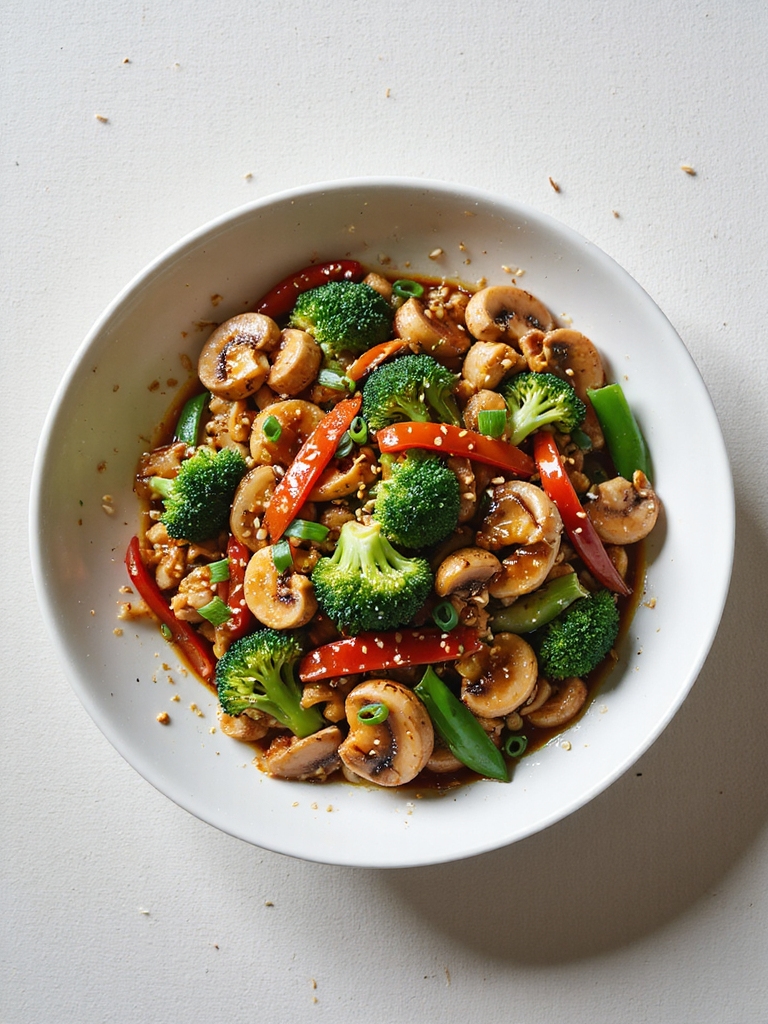
A colorful, weeknight teriyaki that piles on crisp-tender vegetables with just enough saucy cling to coat everything, this stir-fry uses a quick soy-mirin-honey base brightened with rice vinegar and ginger; it’s flexible for whatever produce you have—broccoli, peppers, mushrooms, snap peas—and comes together in one skillet while rice steams on the side.
- 2 tablespoons low-sodium soy sauce
- 1 tablespoon mirin (or 2 teaspoons honey + 1 teaspoon water)
- 1 teaspoon brown sugar
- 1 teaspoon rice vinegar
- 1/2 teaspoon toasted sesame oil
- 1 large garlic clove, minced
- 1 teaspoon grated fresh ginger
- 1/3 cup water
- 2 teaspoons cornstarch
- 2 teaspoons neutral oil
- 2 cups broccoli florets
- 1 red bell pepper, sliced
- 1 cup sugar snap peas
- 1 cup sliced mushrooms
- 2 green onions, thinly sliced
- 1 teaspoon toasted sesame seeds
- Optional: pinch red pepper flakes
Whisk soy sauce, mirin (or honey mix), brown sugar, rice vinegar, sesame oil, garlic, and ginger; reserve 1 tablespoon, then stir cornstarch into the water and whisk into the remaining sauce. Heat oil in a large skillet over medium-high, add broccoli and peppers, cook 2 minutes, then add mushrooms and snap peas; stir-fry until crisp-tender, 2–3 minutes more. Pour in the sauce, toss to coat and thicken 1–2 minutes, adjust with a splash of water if needed, finish with reserved tablespoon for shine, green onions, sesame seeds, and red pepper flakes if using; serve immediately.
Cut sturdier veg larger and tender veg thinner so everything finishes together; blanch broccoli 45 seconds if extra-crisp is desired. For protein, add thin tofu or cooked chicken with the sauce step, and avoid crowding the pan to prevent steaming and preserve sear. This recipe is a great example of how Asian beef dishes can be adapted to a veggie-forward weeknight meal.
Sweetness Control: Sugar, Honey, or Mirin
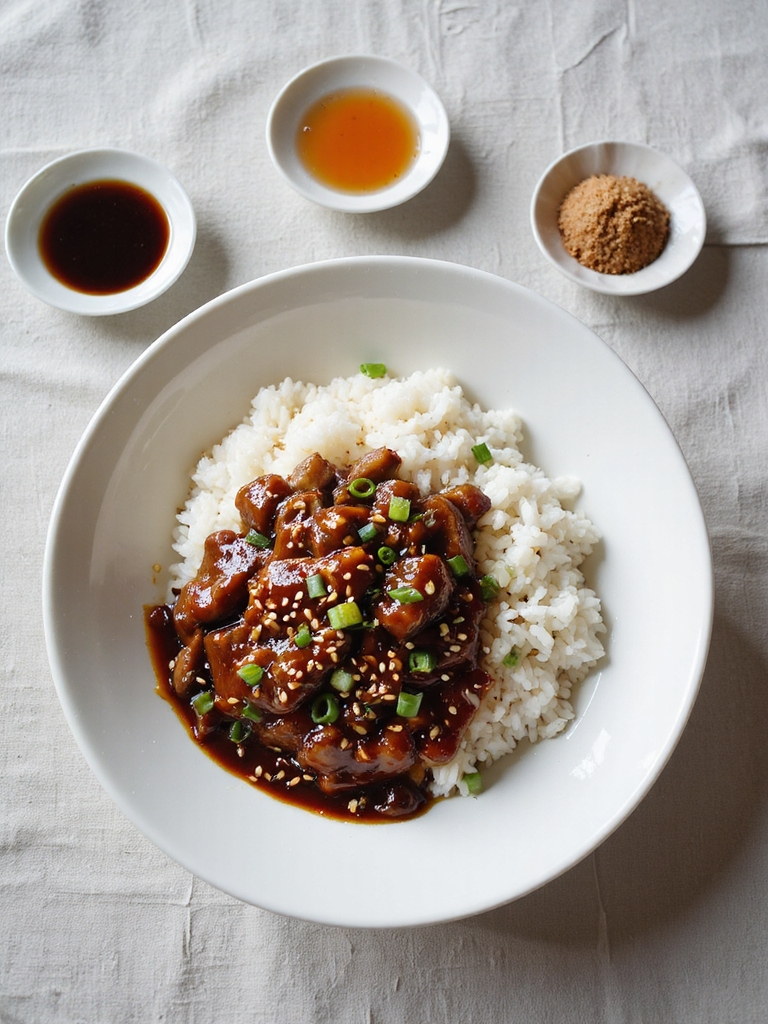
Dial in teriyaki’s sweetness by choosing your sweetener and intensity: classic mirin brings gentle fruitiness and umami, honey adds floral depth and body, while granulated or brown sugar offers clean, predictable sweetness and gloss; this base lets you tailor sauce to beef cuts from quick-seared strips to tender simmered slices, finishing with a balanced glaze that never overwhelms the savory.
- 1 lb flank or sirloin steak, thinly sliced against the grain
- 1 tablespoon neutral oil
- 1/3 cup low-sodium soy sauce
- Choose ONE: 3 tablespoons mirin OR 2 tablespoons honey OR 2 tablespoons brown sugar
- 1–2 teaspoons additional sweetener to taste (optional)
- 1 tablespoon rice vinegar
- 1 teaspoon grated fresh ginger
- 1 large garlic clove, minced
- 1/3 cup water
- 2 teaspoons cornstarch
- 1/2 teaspoon toasted sesame oil
- Cooked rice, for serving
- Sliced scallions and toasted sesame seeds, for garnish
Whisk soy sauce, chosen sweetener, rice vinegar, ginger, garlic, water, cornstarch, and sesame oil until smooth; taste the raw sauce and adjust sweetness in 1/2-teaspoon increments, remembering it will taste slightly less sweet once reduced. Heat oil in a skillet over high, quickly sear beef in a single layer 1–2 minutes until just browned; remove to a plate. Return pan to medium-high, pour in sauce and simmer, stirring, until glossy and thick, 1–2 minutes; add beef back, toss to coat, and finish with a splash of water if too thick; serve over rice with scallions and sesame. Mirin yields a rounder, more savory-sweet glaze; honey thickens faster and can brown quickly, while brown sugar gives deeper molasses notes—reduce added sweetener when using mirin or dark brown sugar. Salt perception rises as sauce reduces, so re-taste at the end before adjusting sweetness, and slice beef thinly for tenderness and even coating. For a heartier dinner, serve this teriyaki-tossed beef over pasta instead of rice to echo the comforting texture of ground beef pasta.
Gluten-Free and Low-Sodium Adaptations
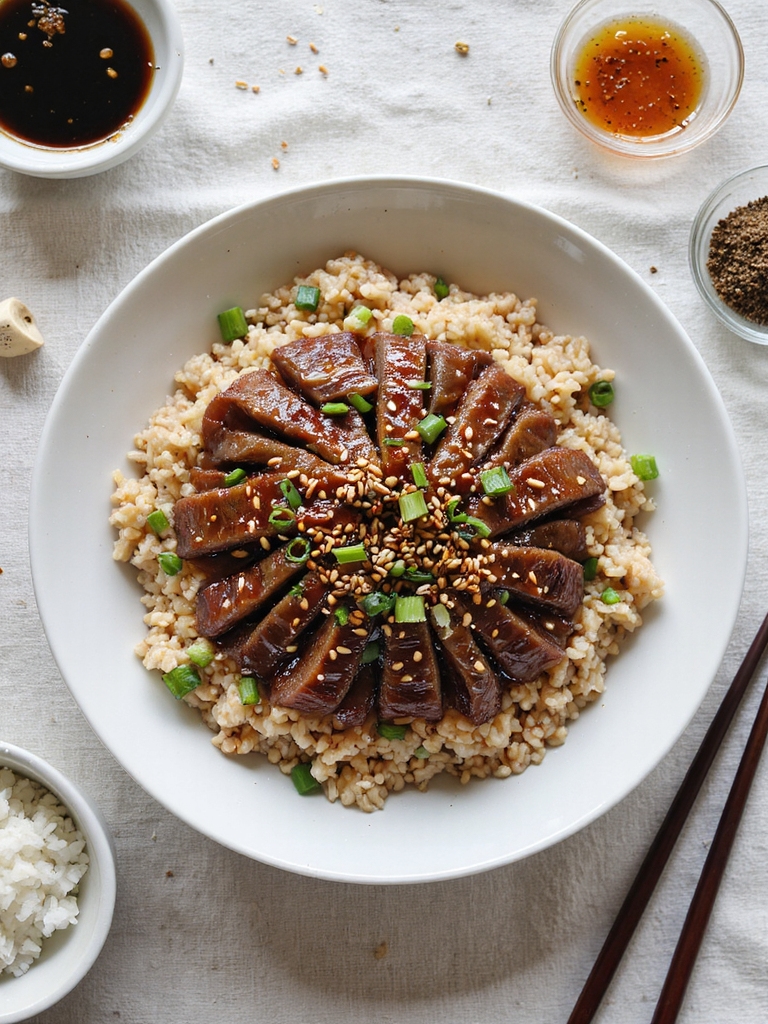
This version keeps teriyaki’s glossy, savory-sweet appeal while staying gluten-free and mindful of sodium by using certified gluten-free tamari or coconut aminos, adding umami with mushrooms and kombu instead of salt, and brightening with rice vinegar and citrus so the sauce tastes full without relying on sodium; thin-sliced beef sears quickly for tenderness, and the sauce thickens cleanly with cornstarch or arrowroot.
- 1 lb flank or sirloin steak, thinly sliced against the grain
- 1 tablespoon avocado or other neutral oil
- 1/3 cup reduced-sodium gluten-free tamari or 1/2 cup coconut aminos (for lowest sodium)
- 2 tablespoons mirin or 1–2 tablespoons honey (to taste)
- 2–3 tablespoons unsalted low-sodium beef broth or water
- 1 tablespoon rice vinegar (unseasoned, gluten-free)
- 1 teaspoon grated fresh ginger
- 1 large garlic clove, minced
- 1 teaspoon finely chopped dried shiitake or 1/4 teaspoon mushroom powder (optional umami boost)
- 1 strip kombu (1×2 inches), optional, for steeping then remove
- 2 teaspoons cornstarch or 1 1/2 teaspoons arrowroot
- 1/2 teaspoon toasted sesame oil
- Orange or lemon zest, a pinch (optional)
- Cooked brown rice or cauliflower rice, for serving
- Sliced scallions and toasted sesame seeds (gluten-free), for garnish
Whisk tamari or coconut aminos, mirin or honey, broth/water, rice vinegar, ginger, garlic, mushroom powder, zest if using, cornstarch/arrowroot, and sesame oil until smooth; if using kombu, warm the liquid portion, steep kombu 10 minutes, discard, then whisk in the rest. Heat oil in a large skillet over high and sear beef in one layer 60–90 seconds until just browned; transfer to a plate. Return pan to medium-high, pour in sauce, simmer and stir until glossy and thick 1–2 minutes, add beef back to coat, splash in water if too thick, then serve over rice with scallions and sesame.
For the lowest sodium, choose coconut aminos and skip added salt; if using reduced-sodium tamari, dilute with 1–2 tablespoons water and rely on vinegar and citrus for brightness before adding more soy. Arrowroot thickens at lower heat—avoid boiling hard to prevent thinning; taste the finished sauce after reduction since perceived saltiness concentrates. Kelp like kombu is used in many Northeast Asian cuisines to add umami and mineral depth, and a small strip can make a big difference in flavor when steeped briefly (kombu umami).
Meal Prep Bowls and Leftover Ideas
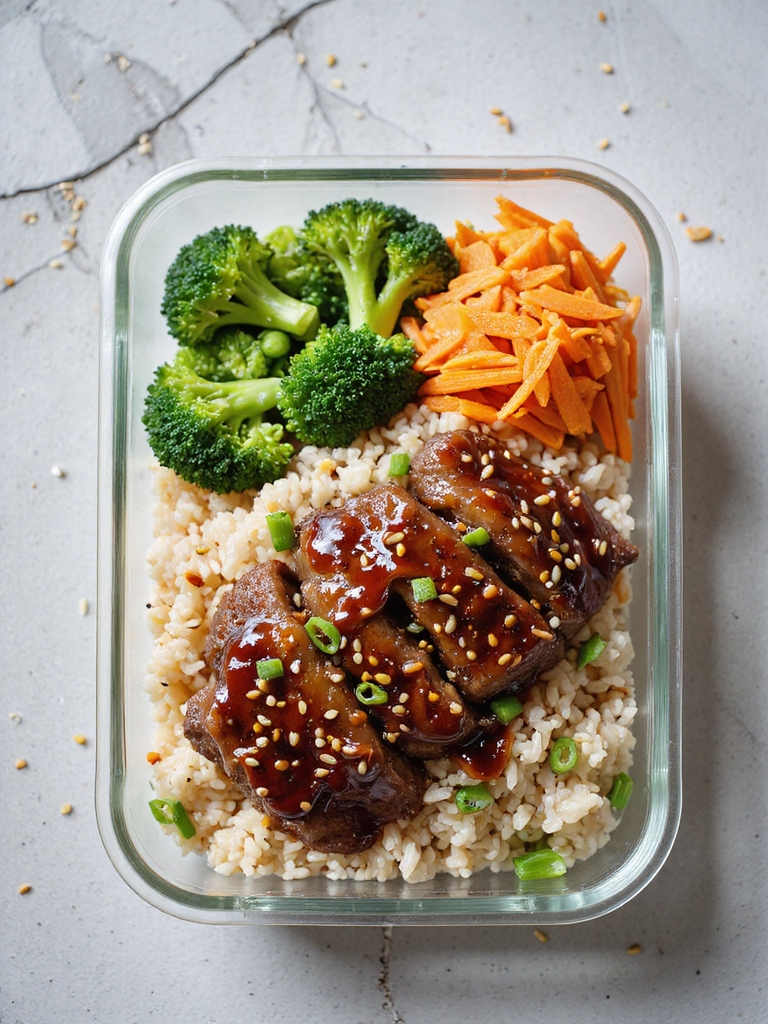
Build hearty, make-ahead beef teriyaki bowls that keep their glossy sauce and tender slices all week: sear thin-cut beef fast, glaze with a balanced sweet-savory sauce, then portion with sturdy veggies and grains that reheat well; use the leftovers creatively in fried rice, lettuce wraps, or noodle stir-fries for low-effort second acts.
- 1 lb flank or sirloin steak, thinly sliced against the grain
- 1 tablespoon avocado or neutral oil
- 1/3 cup low-sodium soy sauce or tamari
- 2 tablespoons mirin or 1–2 tablespoons honey
- 1/4 cup water or low-sodium beef broth
- 1 tablespoon rice vinegar
- 1 teaspoon grated fresh ginger
- 1 large garlic clove, minced
- 2 teaspoons cornstarch
- 1/2 teaspoon toasted sesame oil
- 3 cups cooked brown rice or quinoa
- 2 cups steamed broccoli or green beans
- 1 cup shredded carrots or edamame
- Sliced scallions and toasted sesame seeds
Whisk soy, mirin/honey, water/broth, vinegar, ginger, garlic, cornstarch, and sesame oil until smooth; heat a large skillet over high, add oil, and sear beef in a single layer 60–90 seconds until just browned, then remove to a plate. Return pan to medium-high, pour in sauce, simmer and stir until glossy and thick 1–2 minutes, then add beef and any juices to coat; adjust thickness with a splash of water. Divide rice, veggies, and beef among 4 meal-prep containers, sprinkle with scallions and sesame, and cool uncovered 15 minutes before sealing; refrigerate up to 4 days.
Reheat bowls covered in the microwave with a splash of water 60–90 seconds, tossing halfway; for variety, turn leftovers into teriyaki fried rice, soba or udon stir-fry, or tuck into lettuce cups with cucumber. For packed lunches, store sauce and beef together but keep raw crunchy veg separate; add a quick drizzle of citrus or extra vinegar after reheating to brighten. Try making a larger batch in a slow cooker for hands-off cooking and even more tender beef, especially when using cuts like chuck roast or Crockpot Beef and Broccoli.