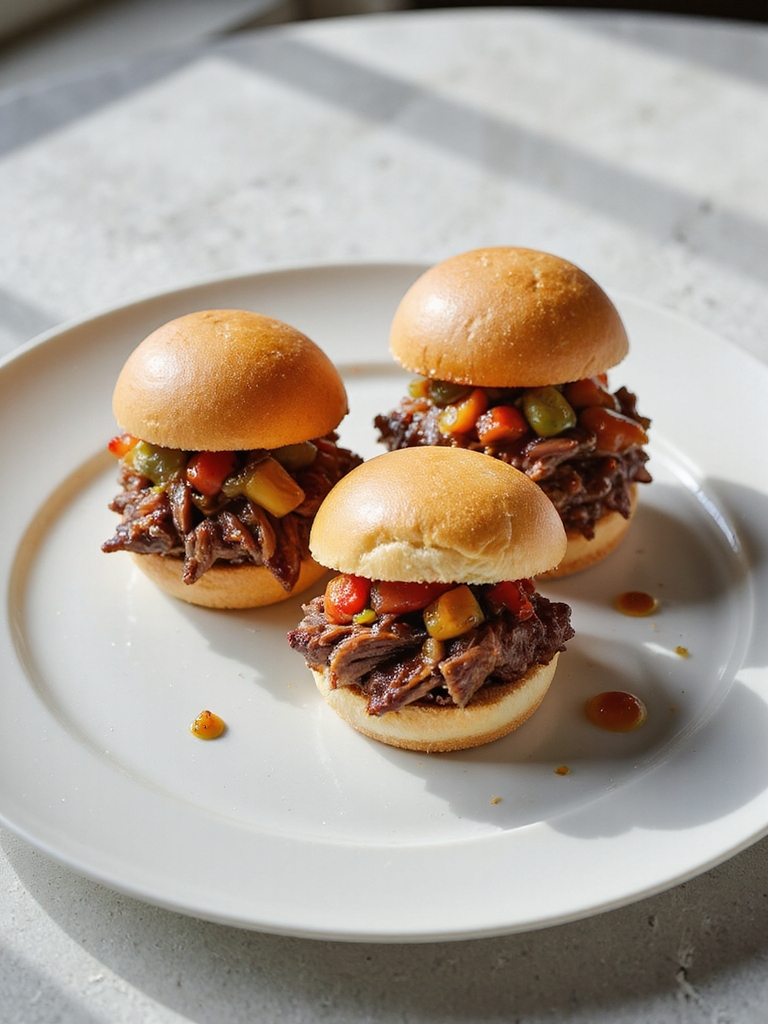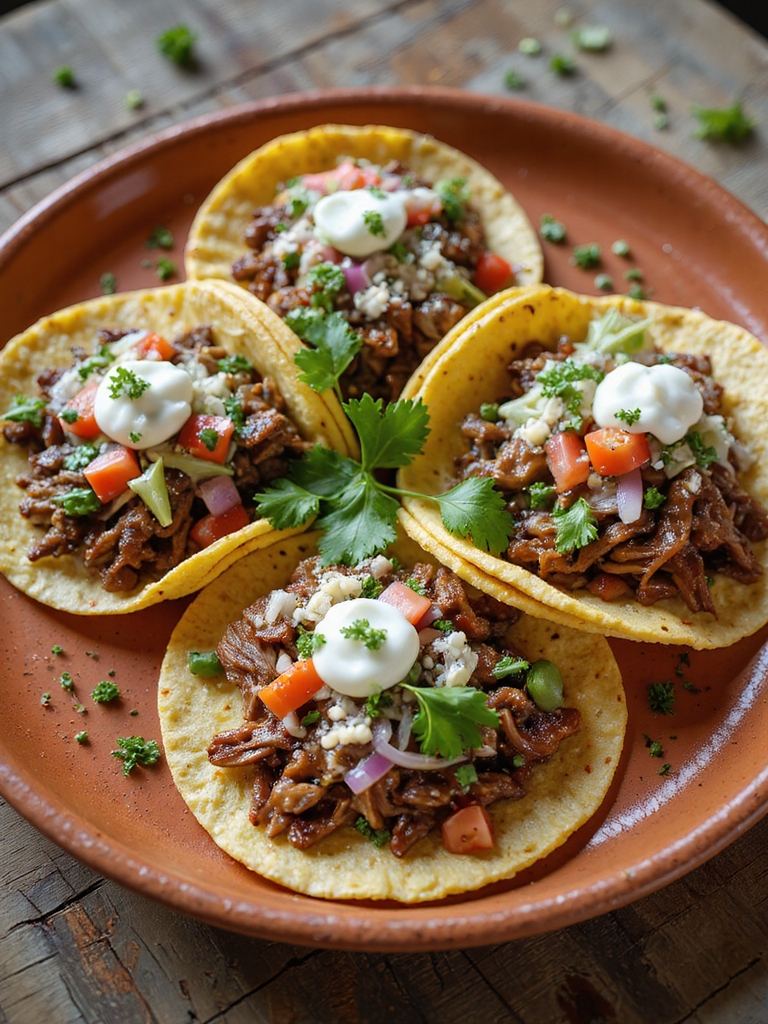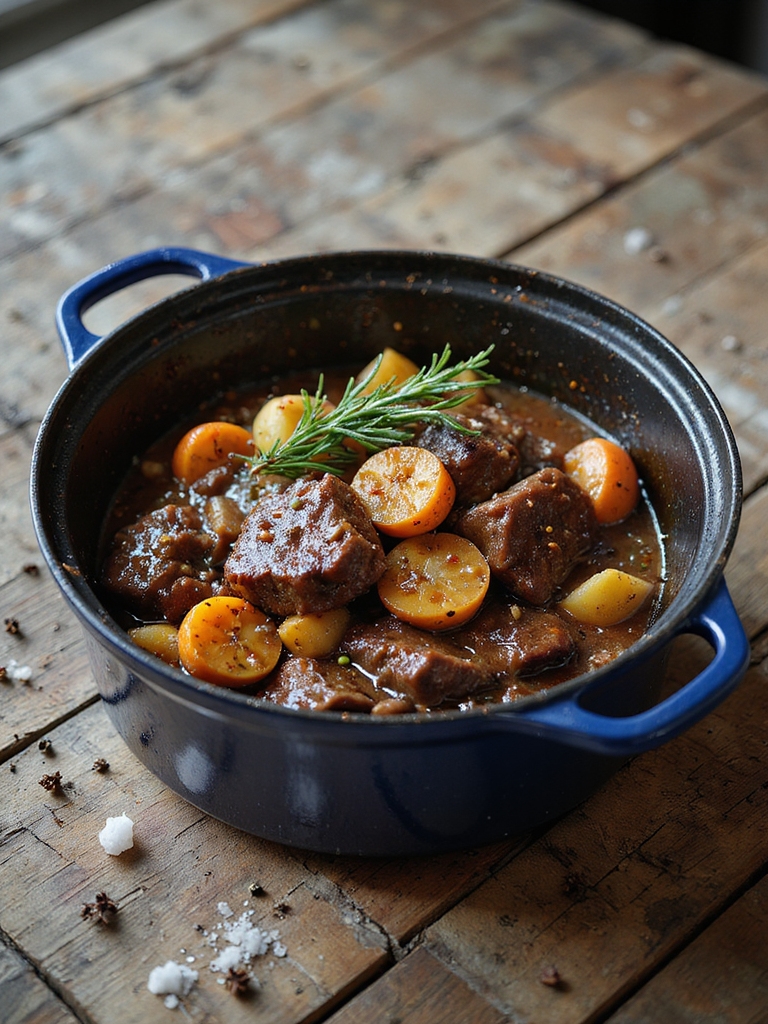
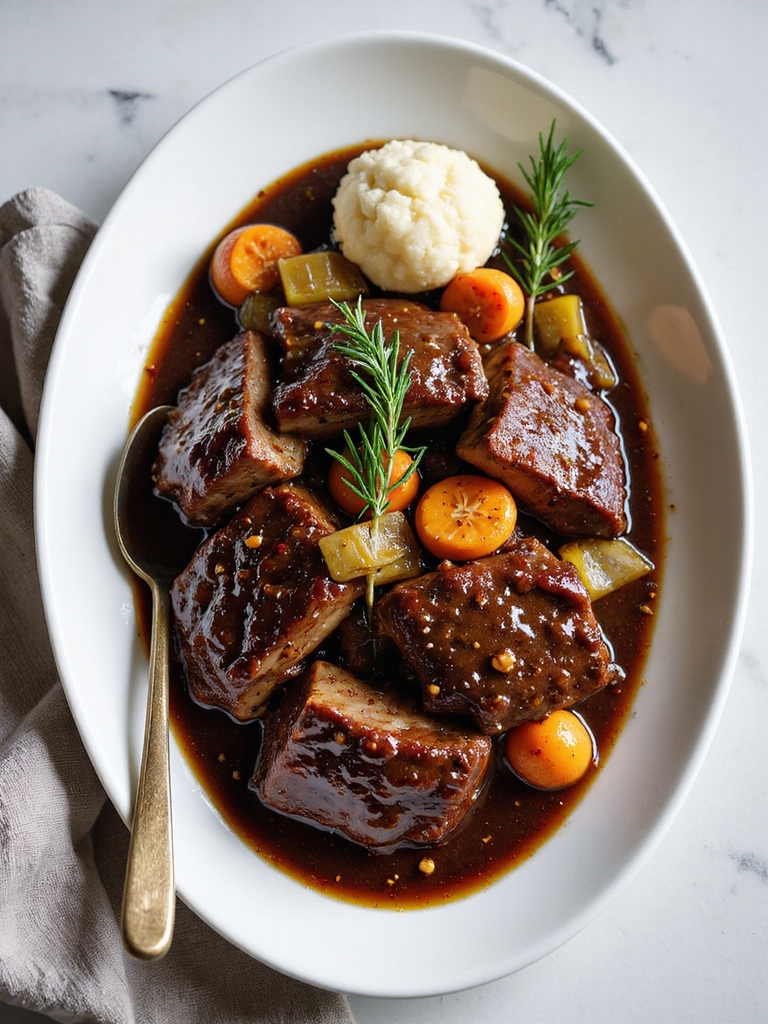
I love slow braises that turn cheap cuts into something luxurious, and beef short ribs are my go‑to for that deep, comforting flavor. I’ll walk you through picking the best ribs, the must-have tools, and why browning first matters, plus a classic red‑wine braise and a soy‑ginger twist.
Stick with me and you’ll get tips on finishing the sauce and serving it over something silky — and a few make‑ahead tricks you’ll actually use.
Selecting the Best Short Ribs and Budget-Friendly Cuts
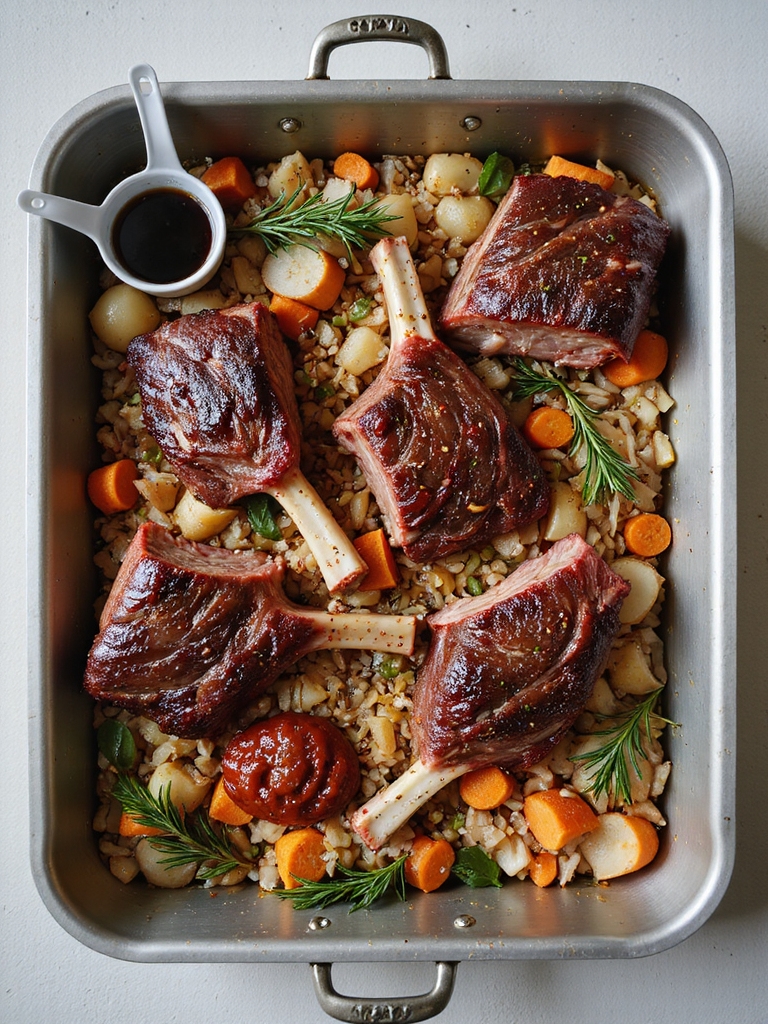
Selecting the best short ribs and choosing budget-friendly cuts will make or break your braised beef short ribs; opt for well-marbled bone-in English-cut short ribs for rich flavor and consistent results, but if budget is tight consider flanken-cut ribs or chuck short ribs which still offer good collagen for braising—trim excess silver skin but leave some fat for flavor, and look for sales or ask the butcher to cut thicker pieces to maximize meat per price.
- 3 lb bone-in English-cut beef short ribs (or 3 lb budget-friendly chuck short ribs)
- Salt and freshly ground black pepper
- 2 tbsp vegetable oil
- 1 large onion, roughly chopped
- 2 carrots, sliced
- 2 celery stalks, sliced
- 4 cloves garlic, smashed
- 2 tbsp tomato paste
- 1 cup red wine (optional) or beef broth
- 3 cups beef broth
- 2 sprigs fresh rosemary or 1 tsp dried
- 2 sprigs fresh thyme or 1 tsp dried
- 2 bay leaves
Sear the seasoned short ribs in oil in a heavy ovenproof pot until deeply browned on all sides, remove and sauté onion, carrot, celery and garlic until softened, stir in tomato paste and deglaze with wine or a splash of broth, return ribs to the pot, add broth and herbs to partially cover, bring to a simmer, cover and braise in a 325°F (160°C) oven for 2.5–3 hours until meat is tender and falling from the bone, skim fat and reduce sauce on the stovetop if needed before serving.
Extra tip: For best value and flavor, buy whole racks to cut yourself or ask the butcher for end pieces, trim minimally to preserve fat, and refrigerate overnight after cooling to remove excess fat easily before reheating and serving.
Beef short ribs are prized for their rich marbling and connective tissue that breaks down into gelatin during long cooking, producing a deeply flavorful, silky sauce—especially when using bone-in cuts.
Essential Tools and Equipment for Perfect Braising
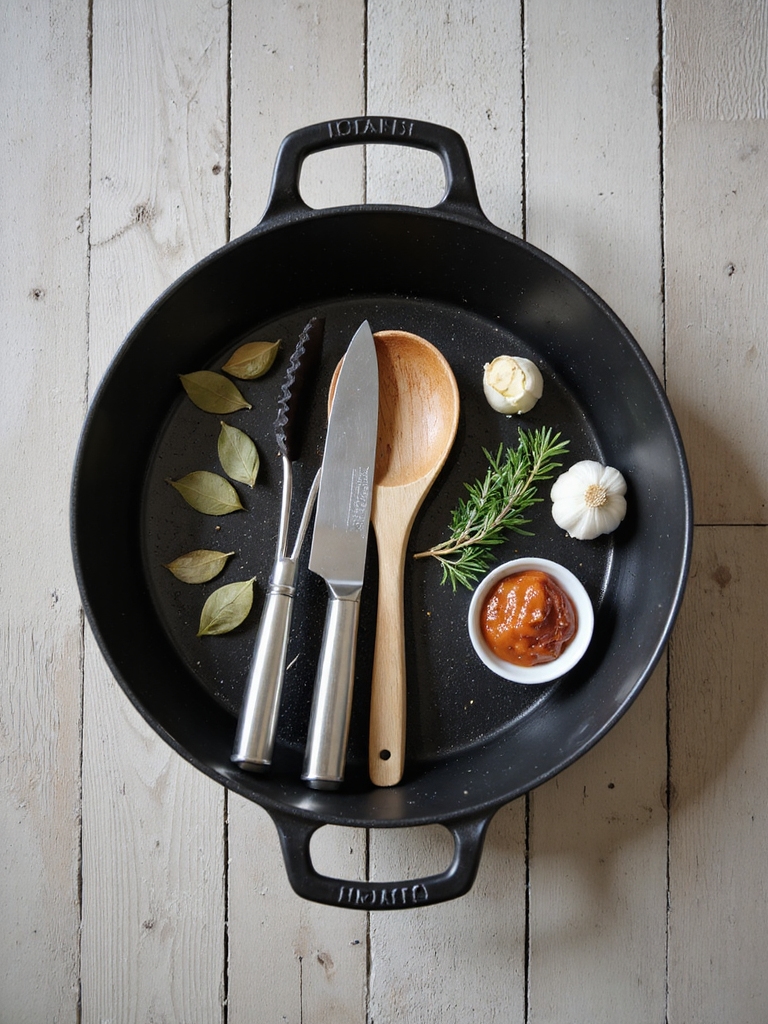
Perfect braising starts with the right tools: a heavy Dutch oven or ovenproof braiser, a sturdy pair of tongs, a chef’s knife, a wooden spoon, a fine mesh strainer, an instant-read thermometer, oven mitts, a cutting board, and quality storage containers—these make searing, deglazing, slow cooking and finishing the sauce reliable and safe so your short ribs come out tender with a glossy, flavorful jus.
- 3 lb bone-in short ribs (English or chuck short ribs)
- Salt and freshly ground black pepper
- 2 tbsp vegetable oil
- 1 large onion, roughly chopped
- 2 carrots, sliced
- 2 celery stalks, sliced
- 4 cloves garlic, smashed
- 2 tbsp tomato paste
- 1 cup red wine or beef broth
- 3 cups beef broth
- 2 sprigs fresh rosemary or 1 tsp dried
- 2 sprigs fresh thyme or 1 tsp dried
- 2 bay leaves
Preheat oven to 325°F (160°C); season ribs with salt and pepper and heat oil in a heavy Dutch oven over medium-high heat until shimmering, sear ribs in batches until deeply browned on all sides then remove and set aside while you sauté onion, carrot and celery until softened, stir in garlic and tomato paste and cook briefly before deglazing with wine (or a splash of broth) scraping up browned bits, return ribs to the pot, add broth and herbs to partially cover, bring to a simmer, cover and transfer to the oven to braise for 2½–3 hours until meat is fork-tender, skim fat after chilling or reduce sauce on the stovetop to concentrate flavors before serving.
Tip: Use a heavy, tight-fitting lid Dutch oven for even heat and moisture retention, let the braise cool and refrigerate overnight to remove excess fat easily and reheat gently to preserve texture and flavor.
Crock Pot versions can produce similarly tender results when cooked low and slow, but browning first in a pan enhances deep flavor.
The Science of Browning: Why Sear First
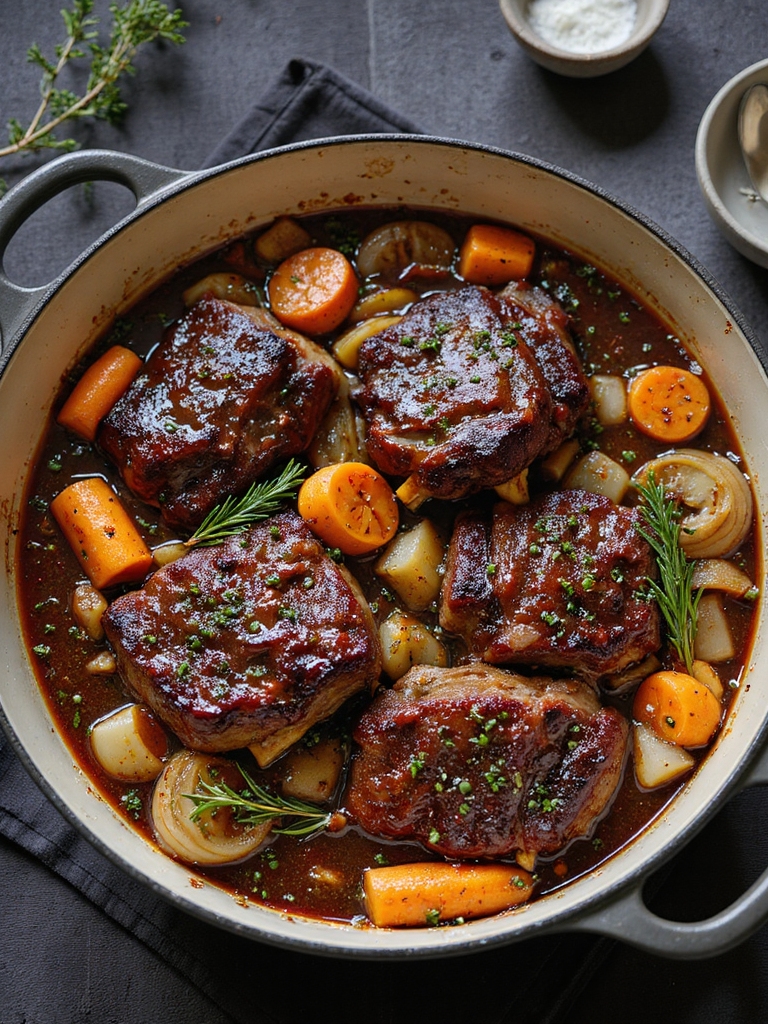
Searing short ribs before braising builds deep flavor through the Maillard reaction — complex savory compounds form when proteins and sugars brown at high heat, creating a richly flavored crust and fond that deglazes into a more concentrated sauce; searing also helps retain juices and improves texture, so take the time to pat the meat dry, season well, and brown in batches over high heat for a deliciously glossy, savory braise.
- 3 lb bone-in short ribs
- Kosher salt and freshly ground black pepper
- 2 tbsp vegetable oil
- 1 large onion, chopped
- 2 carrots, sliced
- 2 celery stalks, sliced
- 4 cloves garlic, smashed
- 2 tbsp tomato paste
- 1 cup dry red wine
- 3 cups beef broth
- 2 sprigs fresh rosemary
- 2 sprigs fresh thyme
- 2 bay leaves
Heat oven to 325°F (160°C).
Pat ribs dry and season generously; heat oil in a heavy Dutch oven over medium-high until shimmering, sear ribs in batches without crowding until deeply browned on all sides, remove and sauté mirepoix until softened, stir in garlic and tomato paste and cook 1 minute, deglaze with wine scraping up browned bits, return ribs, add broth and herbs to partially cover, bring to a simmer, cover and transfer to oven to braise 2½–3 hours until fork-tender, skim fat after cooling or reduce sauce on stovetop to finish.
Tip: For best browning, dry the meat thoroughly, avoid overcrowding the pan, and use high heat so each piece gets a well-developed crust before deglazing. A slow-cooked stew also benefits from well-browned meat to deepen overall flavor and yield a tender result with fall-apart tenderness.
Classic Red Wine Braise With Aromatic Mirepoix
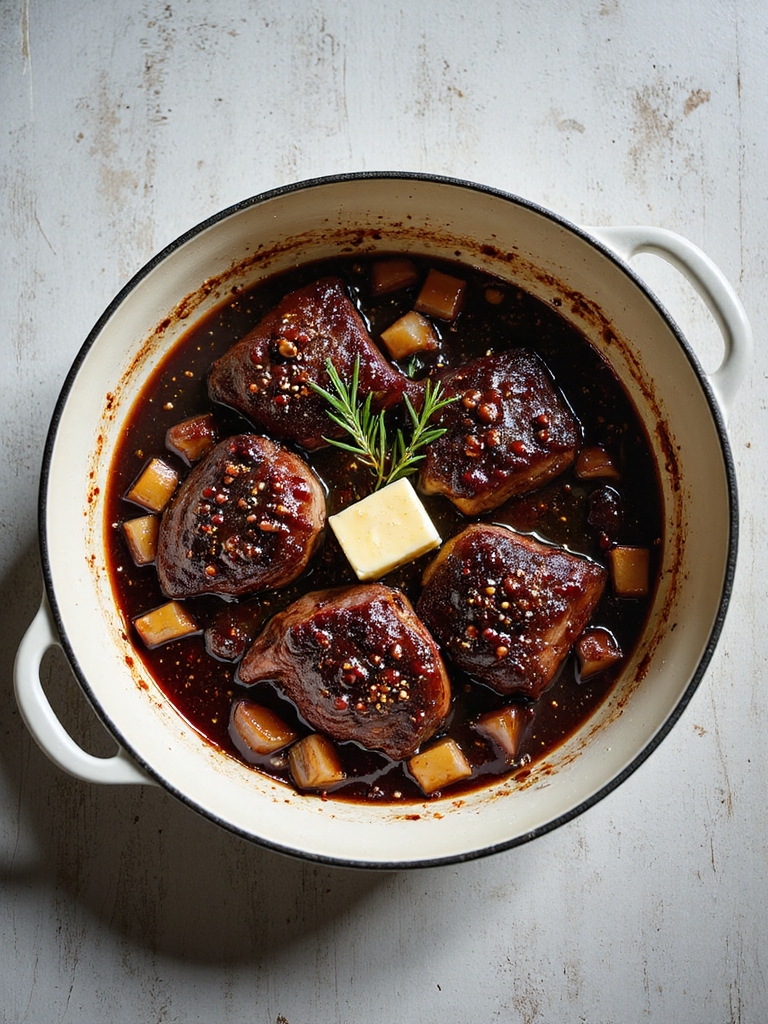
This classic red wine braise elevates beef short ribs with a rich, aromatic mirepoix, aromatic herbs, and a long, slow braise that yields fall-off-the-bone meat and a glossy, deeply flavored sauce — perfect for serving over mashed potatoes, polenta, or buttered noodles.
- 3 lb bone-in beef short ribs
- Kosher salt and freshly ground black pepper
- 2 tbsp vegetable oil
- 1 large onion, finely chopped
- 2 carrots, diced
- 2 celery stalks, diced
- 4 cloves garlic, minced
- 2 tbsp tomato paste
- 1 cup full-bodied dry red wine (Cabernet or Merlot)
- 3 cups beef stock
- 2 sprigs fresh rosemary
- 2 sprigs fresh thyme
- 2 bay leaves
- 1 tbsp Worcestershire sauce (optional)
- 2 tbsp unsalted butter (for finishing)
Heat oven to 325°F (160°C); pat ribs very dry, season generously with salt and pepper, heat oil in a heavy Dutch oven over medium-high and brown ribs in batches until deeply caramelized, remove and set aside, add onion, carrot, and celery and cook until softened and starting to brown, stir in garlic and tomato paste and cook 1 minute, pour in wine to deglaze scraping up fond and reduce by half, return ribs with any juices, add beef stock, herbs, and Worcestershire, bring to a gentle simmer, cover and braise in oven 2½–3 hours until meat is tender and falling from bone, remove ribs to a tray, skim fat from surface, strain or reduce braising liquid on stovetop to concentrate, whisk in butter to finish sauce and adjust seasoning before serving.
Tip: For best results, dry and season the ribs well, don’t overcrowd the pan when searing, and let the braise rest briefly so you can skim fat and reduce the sauce to a glossy finish.
For a hands-off alternative that yields similarly tender results, try cooking beef tips in a slow cooker following Crockpot Beef Tips methods.
Soy-Ginger Braised Short Ribs With Scallions
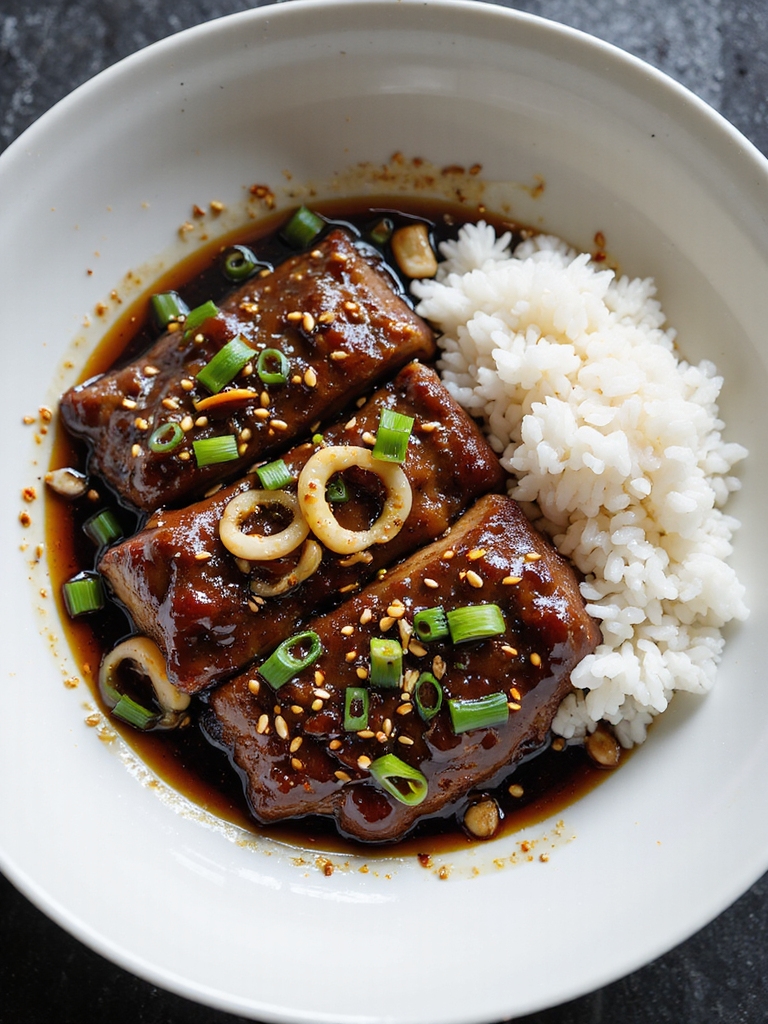
This soy-ginger braided short ribs recipe marries savory soy, bright ginger, and sweet mirin to create tender, fall-off-the-bone beef with a glossy, slightly sticky braising sauce studded with scallions for freshness; it’s excellent served over steamed rice, buttery mashed potatoes, or soft noodles and is designed for a slow oven braise or low simmer until the meat yields easily from the bone.
- 3 lb bone-in beef short ribs
- Kosher salt and freshly ground black pepper
- 2 tbsp vegetable oil
- 1 large shallot or small onion, finely chopped
- 4 cloves garlic, smashed
- 2 inches fresh ginger, peeled and thinly sliced
- 1/2 cup low-sodium soy sauce
- 1/4 cup mirin (or dry sherry)
- 2 tbsp rice vinegar
- 2 tbsp brown sugar or honey
- 2 cups beef stock
- 2 star anise (optional) or 1 cinnamon stick
- 3 scallions, white and green parts separated and sliced
- 1 tbsp toasted sesame oil
- 1 tbsp cornstarch mixed with 2 tbsp cold water (optional, for thickening)
Heat oven to 325°F (160°C); pat ribs dry and season with salt and pepper, heat oil in a heavy Dutch oven over medium-high and brown ribs well on all sides in batches, remove ribs and sauté shallot until soft, add garlic and ginger and cook 1 minute, stir in soy, mirin, rice vinegar, brown sugar, beef stock and star anise, return ribs with any juices, bring to a gentle simmer, cover and braise in oven 2½–3 hours until very tender, skim fat and remove ribs, reduce braising liquid on stovetop if needed, whisk in sesame oil and the cornstarch slurry to thicken briefly if desired, stir in white parts of scallions and adjust seasoning, serve ribs topped with green scallion slices.
Tip: For best texture and flavor, brown ribs well and cook low and slow, taste the sauce near the end to balance salt/sweet with a splash of vinegar or soy, and remove excess fat before finishing so the glaze is glossy not greasy.
Oven braising is a reliable method for achieving deep, even cooking and is commonly used for cuts like brisket and short ribs, especially when finishing in a heavy Dutch oven.
Coffee and Cocoa Rubbed Short Ribs for Depth
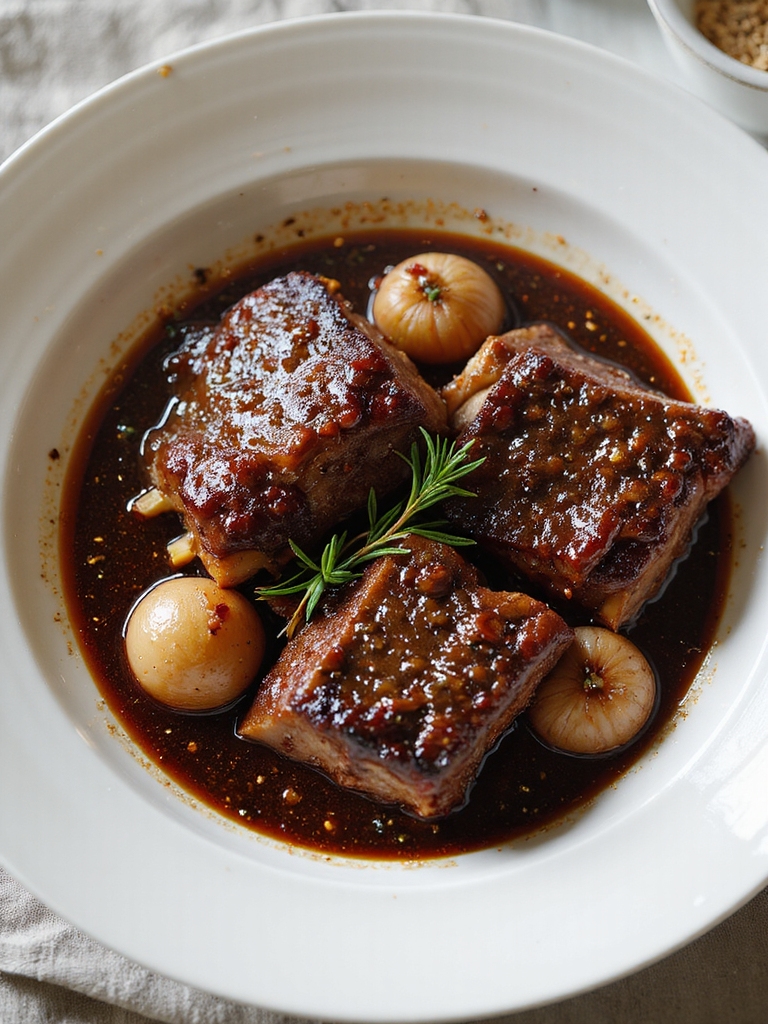
This coffee-and-cocoa rubbed short ribs recipe layers bold, bittersweet flavors into a deeply savory crust that short ribs and slow braising reward with meltingly tender meat and a glossy, complex sauce; it’s built to braise low and slow after a fragrant spice rub and pairs beautifully with mashed potatoes, creamy polenta, or buttered egg noodles.
- 3 lb bone-in beef short ribs
- Kosher salt and freshly ground black pepper
- 2 tbsp finely ground coffee (espresso or dark roast)
- 2 tbsp unsweetened cocoa powder
- 1 tbsp smoked paprika
- 1 tsp ground cumin
- 1 tsp ground coriander
- 1/2 tsp cayenne (optional)
- 2 tbsp brown sugar
- 2 tbsp vegetable oil
- 1 large onion, sliced
- 4 cloves garlic, smashed
- 2 cups beef stock
- 1 cup robust red wine (cabernet or malbec) or extra beef stock
- 2 tbsp tomato paste
- 2 sprigs fresh rosemary or 1 tsp dried
- 2 sprigs fresh thyme or 1 tsp dried
- 1 bay leaf
- 1 tbsp Worcestershire sauce or soy sauce
- 1 tbsp unsalted butter (optional, for finishing)
Pat ribs dry and season lightly with salt and pepper, combine coffee, cocoa, smoked paprika, cumin, coriander, cayenne and brown sugar and rub evenly over all sides of the ribs.
Heat oil in a heavy Dutch oven over medium-high and brown ribs well in batches, remove and sauté onion until soft, add garlic and tomato paste and cook 1 minute, deglaze with red wine scraping up fond, add beef stock, Worcestershire, rosemary, thyme and bay leaf, return ribs with any juices, bring to a gentle simmer, cover and transfer to a 325°F (160°C) oven for 2½–3 hours until fall-apart tender.
Skim fat, remove ribs and strain or reduce braising liquid on the stovetop to the desired consistency, finish sauce with butter if using and adjust seasoning.
Tip: Use a coarser ground coffee for texture and brown the ribs thoroughly for Maillard flavor; remove excess fat after braising to keep the cocoa-espresso glaze vivid and finish with a splash of acid (vinegar or lemon) if the sauce needs brightness.
Braising is a classic cooking technique that combines moist and dry heat to tenderize tough cuts like short ribs.
Braising Liquids, Herbs, and Spice Pairings
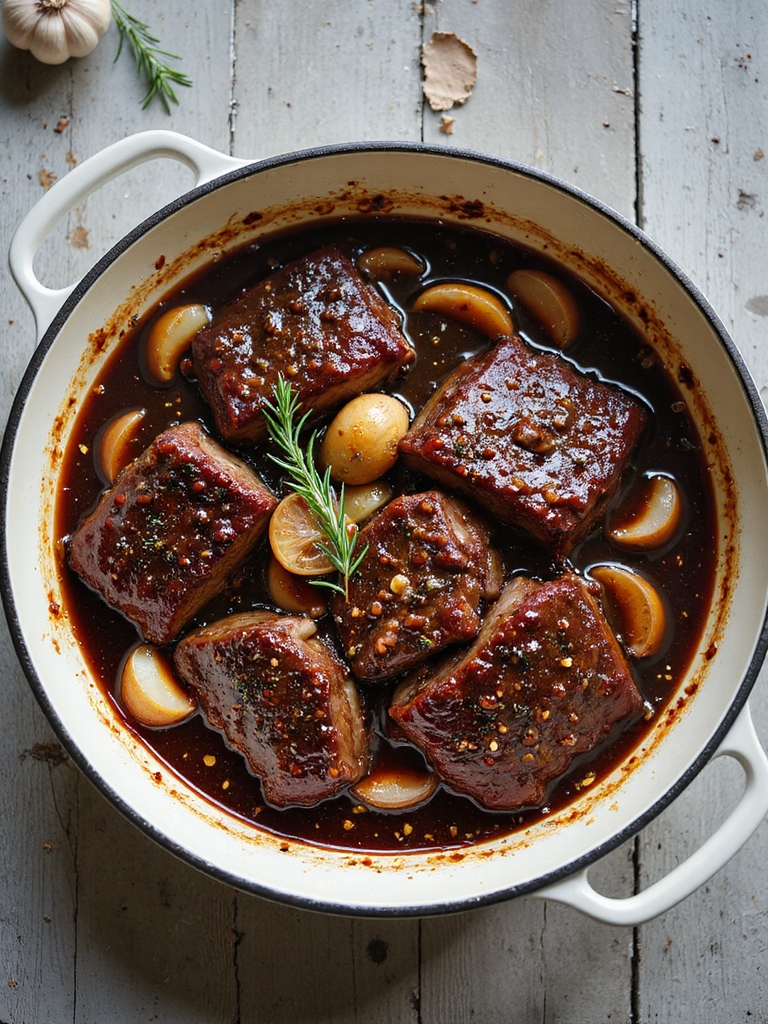
Building on the coffee-and-cocoa rubbed short ribs foundation, this recipe focuses on choosing and balancing braising liquids, herbs, and spice pairings to create a glossy, layered sauce that complements the bitter cocoa and coffee notes—mix richer stocks, an acidic element, aromatics, and fresh herbs to brighten and cut through the fat while allowing long, slow cooking to extract gelatin and meld flavors.
- 3 lb bone-in beef short ribs
- Kosher salt and freshly ground black pepper
- 2 tbsp finely ground coffee
- 2 tbsp unsweetened cocoa powder
- 1 tbsp smoked paprika
- 1 tsp ground cumin
- 1 tsp ground coriander
- 2 tbsp brown sugar
- 2 tbsp vegetable oil
- 1 large onion, sliced
- 4 cloves garlic, smashed
- 1 cup robust red wine (cabernet or malbec)
- 2 cups beef stock (preferably low-sodium, rich)
- 1 cup veal or mushroom stock (or extra beef stock if unavailable)
- 2 tbsp tomato paste
- 2 tbsp balsamic vinegar or 2 tsp sherry vinegar (acid)
- 2 sprigs fresh rosemary
- 3 sprigs fresh thyme
- 1 bay leaf
- 1 tbsp Worcestershire or soy sauce
- 1 tbsp unsalted butter (optional, for finishing)
Pat ribs dry and season with salt and pepper, mix coffee, cocoa, smoked paprika, cumin, coriander and brown sugar and rub all over; heat oil in a Dutch oven over medium-high and brown ribs well in batches, remove and sauté onion until soft then add garlic and tomato paste and cook 1 minute, deglaze with red wine scraping up the fond and reduce by half, add both stocks, balsamic, Worcestershire, rosemary, thyme and bay leaf and return ribs with any juices, bring to a gentle simmer, cover and transfer to a 325°F (160°C) oven for 2½–3 hours until fall-apart tender, skim excess fat, remove ribs and strain or reduce the braising liquid on the stovetop to concentrate flavors and finish with butter if desired, taste and add a splash of vinegar or salt to brighten before serving.
Tip: Use a mix of beef plus a lighter stock (veal or mushroom) and a small acidic element (balsamic/sherry vinegar or wine) to balance the coffee-cocoa bitterness and skim fat after braising for a cleaner, glossy sauce. A rich beef gravy can be made separately and spooned over the ribs for extra depth and shine, see Savory Homemade Beef Gravy for guidance.
Low-and-Slow Oven vs. Pressure Cooker Methods
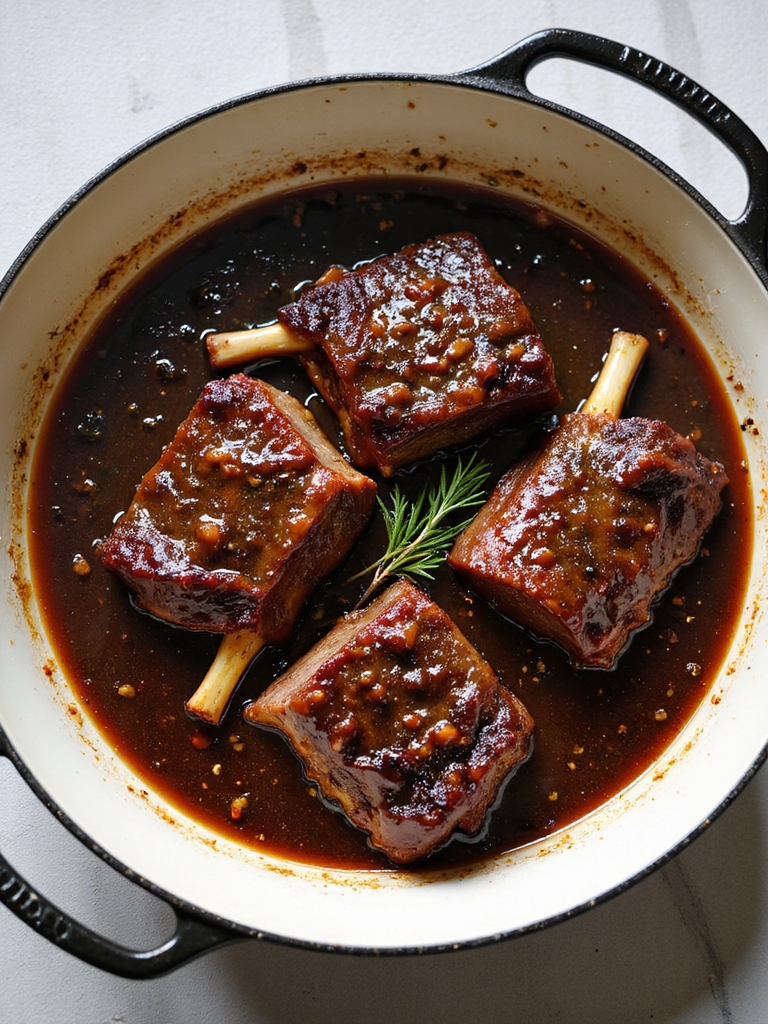
This recipe presents both a low-and-slow oven method and a pressure-cooker shortcut for the coffee-and-cocoa rubbed braised beef short ribs, explaining when to choose each: the oven method (325°F/160°C, 2½–3 hours) yields the deepest, most concentrated flavor and glossy sauce from gentle reduction, while the pressure cooker (high pressure, 45–60 minutes) gives tender results much faster but needs a careful finish on the stovetop to reduce and clarify the braising liquid so the coffee and cocoa notes aren’t overly dominant.
- 3 lb bone-in beef short ribs
- Kosher salt and freshly ground black pepper
- 2 tbsp finely ground coffee
- 2 tbsp unsweetened cocoa powder
- 1 tbsp smoked paprika
- 1 tsp ground cumin
- 1 tsp ground coriander
- 2 tbsp brown sugar
- 2 tbsp vegetable oil
- 1 large onion, sliced
- 4 cloves garlic, smashed
- 1 cup robust red wine (cabernet or malbec)
- 2 cups beef stock (low-sodium, rich)
- 1 cup veal or mushroom stock
- 2 tbsp tomato paste
- 2 tbsp balsamic vinegar or 2 tsp sherry vinegar
- 2 sprigs fresh rosemary
- 3 sprigs fresh thyme
- 1 bay leaf
- 1 tbsp Worcestershire or soy sauce
- 1 tbsp unsalted butter (optional, for finishing)
Pat ribs dry, season with salt and pepper, rub with the coffee–cocoa–paprika–cumin–coriander–brown sugar mix, heat oil and brown ribs in batches then remove; sauté onion until soft, add garlic and tomato paste and cook 1 minute, deglaze with wine and reduce by half, add both stocks, vinegar, Worcestershire and herbs and either (oven) return ribs to the pot, bring to a gentle simmer, cover and transfer to a 325°F (160°C) oven for 2½–3 hours until fall-apart tender, or (pressure cooker) transfer everything into the pressure cooker, seal and cook at high pressure for 45–60 minutes then allow natural release for 15 minutes, in both cases remove ribs, skim fat, strain the braising liquid and reduce on the stovetop to a glossy sauce, finish with butter and an extra splash of vinegar to brighten before serving.
When using the oven method you’ll get better fond and a thicker, more complex sauce with less reduction time needed at the end, while the pressure cooker is best when short on time but always plan to strain and reduce the liquid off-heat to concentrate and clarify flavors and to taste for final acid and salt adjustments. The slow cooker method is an excellent alternative for unattended cooking that yields similarly tender results when cooked low and slow for 8–10 hours on low, and works particularly well with bone-in short ribs.
Tips for Straining, Reducing, and Finishing the Sauce
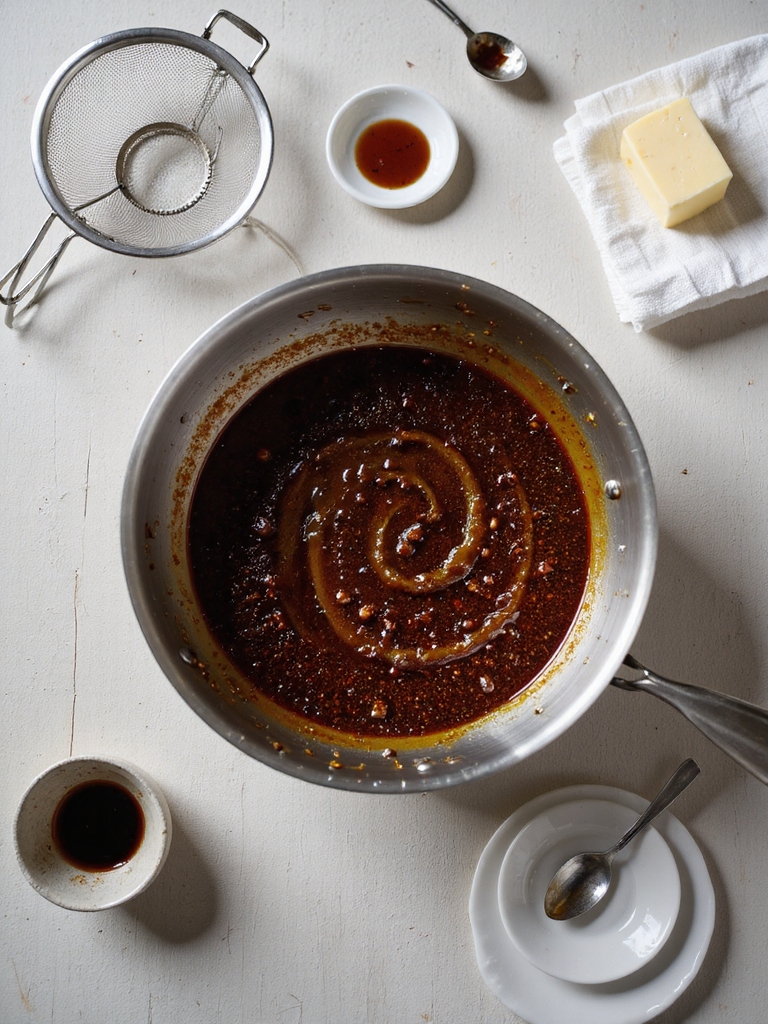
This section walks you through turning the braising liquid from richly flavored cooking juice into a glossy, balanced sauce: you’ll skim and separate fat, strain to remove solids, reduce gently to concentrate and thicken, then finish with butter and a bright acid to lift the coffee-cocoa notes so the sauce complements — not overpowers — the short ribs.
- Strainer (fine-mesh)
- Fat separator or large measuring cup
- Cheesecloth (optional)
- Cold bowl
- Skimming spoon
- 2 tbsp unsalted butter
- 1–2 tsp balsamic or sherry vinegar (to taste)
- Kosher salt and freshly ground black pepper
- Extra beef stock or water (if needed to adjust consistency)
- Small saucepan or wide sauté pan
- Measuring spoons
After removing ribs, skim and discard as much surface fat as possible or use a fat separator, then strain the liquid through a fine-mesh strainer lined with cheesecloth into a wide saucepan to catch all solids and any gritty bits and bring to a gentle simmer over medium-low heat to reduce until slightly thickened and glossy (about 10–20 minutes depending on volume), taste and adjust seasoning with salt and a splash of vinegar to brighten, whisk in butter off the heat for sheen and mouthfeel and, if sauce becomes too intense, loosen with a little warm stock or water until it coats the back of a spoon.
Tip: Strain immediately while hot for best clarity, reduce in a wide pan to speed concentration and watch closely near the end to avoid over-reducing or burning; finish with cold butter and a bright acid incrementally, tasting as you go.
Beef stew meat can be an excellent alternative for quicker, weeknight versions of braised short ribs when you want tender, flavorful beef without the long braising time, especially when using stew cuts that respond well to slow cooking.
Serving Suggestions, Starches, and Make-Ahead Strategies
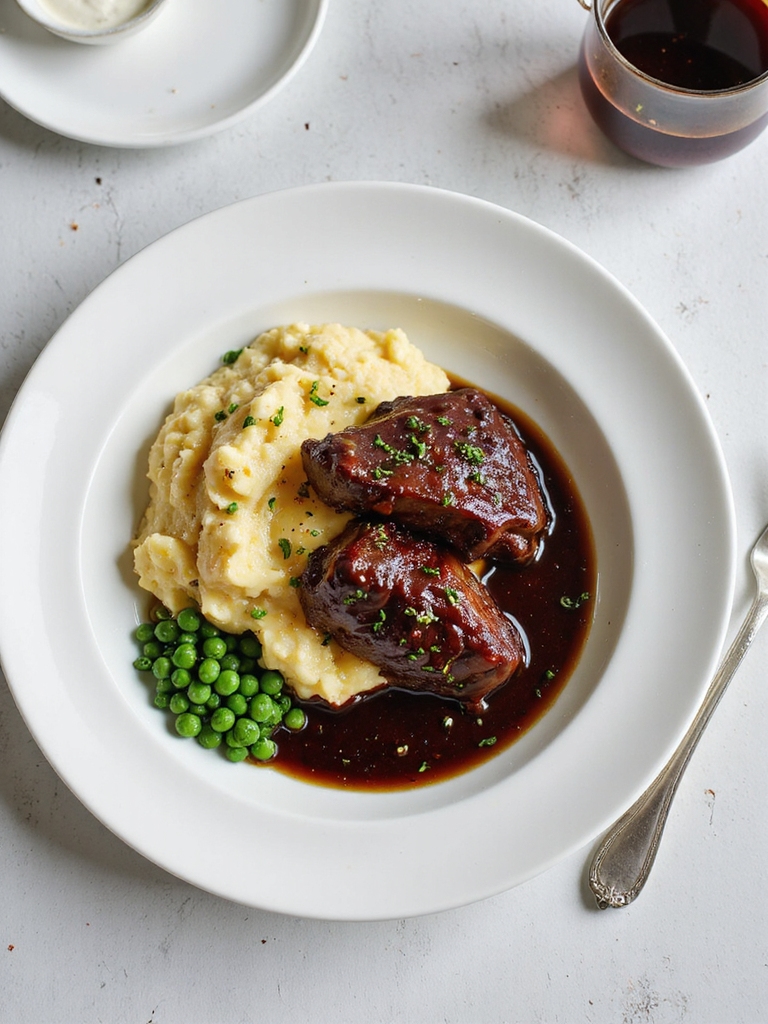
Braised beef short ribs are luxurious and deeply savory, and served with the right starches and a few smart make-ahead moves they become a stress-free centerpiece: pair the ribs and glossy sauce with mashed potatoes, creamy polenta, buttered egg noodles, or a root-vegetable purée to soak up every drop; add roasted or braised vegetables for color and texture, and use cooling and reheating strategies to intensify flavor if making ahead.
- 4–6 bone-in beef short ribs (about 3–4 lb)
- Kosher salt and freshly ground black pepper
- 2 tbsp neutral oil
- 1 large onion, diced
- 2 carrots, diced
- 2 celery stalks, diced
- 4 garlic cloves, smashed
- 2 tbsp tomato paste
- 1 cup red wine
- 4 cups beef stock
- 2 sprigs fresh rosemary
- 2 sprigs fresh thyme
- 2 bay leaves
- 2 tbsp unsalted butter
- 1–2 tsp balsamic vinegar (to finish)
- Starch for serving: mashed potatoes, polenta, or egg noodles
- Optional: roasted root vegetables or braised greens
Season short ribs generously with salt and pepper and brown in oil in a heavy ovenproof pot over medium-high heat, remove and sauté onion, carrot, celery until softened, add garlic and tomato paste then deglaze with wine, return ribs to pot, add stock and herbs, bring to a simmer, cover and braise in a 325°F (160°C) oven for 2.5–3 hours until very tender, remove ribs, strain and reduce braising liquid to a glossy sauce, finish with butter and a splash of vinegar, and serve ribs spooned over your chosen starch with sauce and vegetables.
Tip: Cool braised ribs in their braising liquid and refrigerate overnight to let flavors meld and fat set for easy degreasing, reheat gently in the oven or on the stove and rewarm and whisk the strained sauce before serving to restore gloss and flavor.
Braising at a low temperature breaks down collagen into gelatin, creating a silky mouthfeel and deeply savory sauce when the ribs are properly cooked and rested, a key principle of stovetop beef stew.