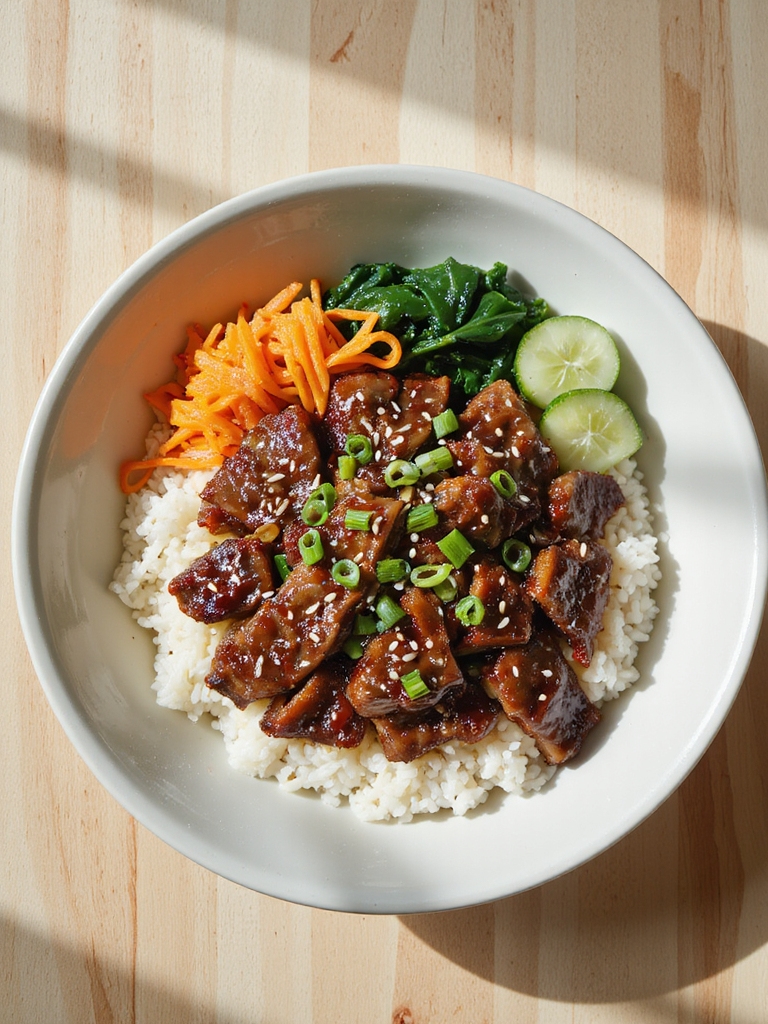
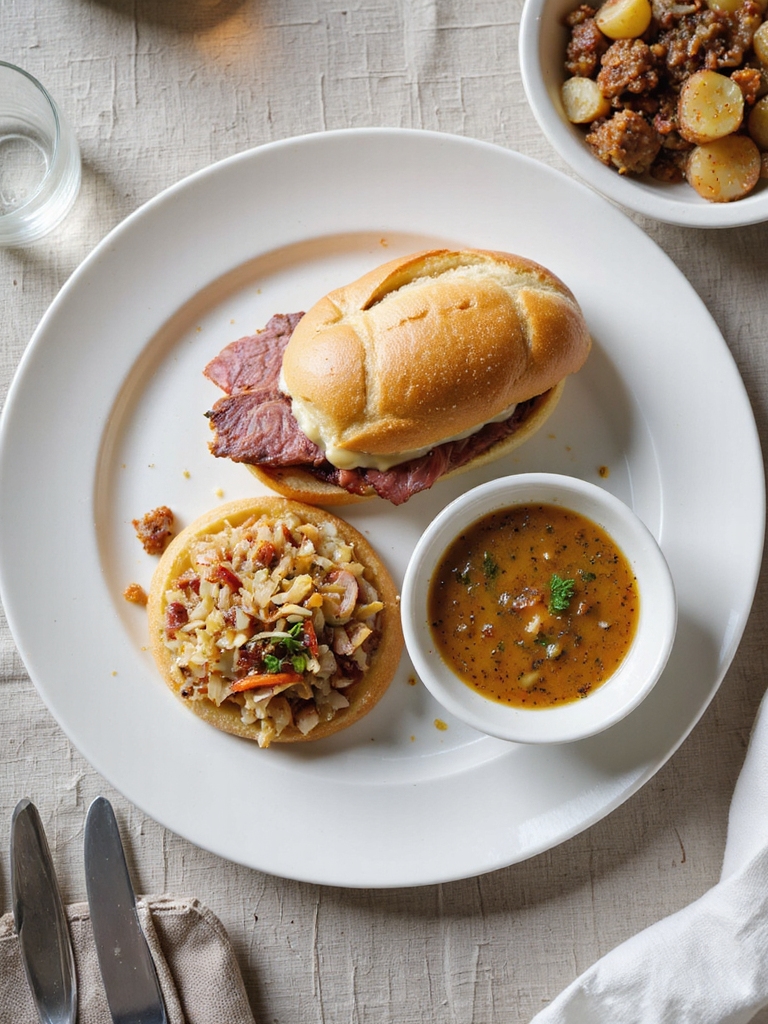
When I make corned beef and cabbage, I want comfort and a little ceremony—tender slices, buttery cabbage, and vegetables that taste like they’ve soaked up a holiday. I’ve tried it all: classic stovetop, slow cooker, a Guinness braise, even a quick sheet-pan trick.
Little tweaks—mustard‑maple glaze, peppery crust, a splash of cider vinegar—make it shine. Rest it well, slice against the grain, save the juices. Here’s how I choose which method—and why it matters.
Classic Boiled Corned Beef With Cabbage and Root Vegetables
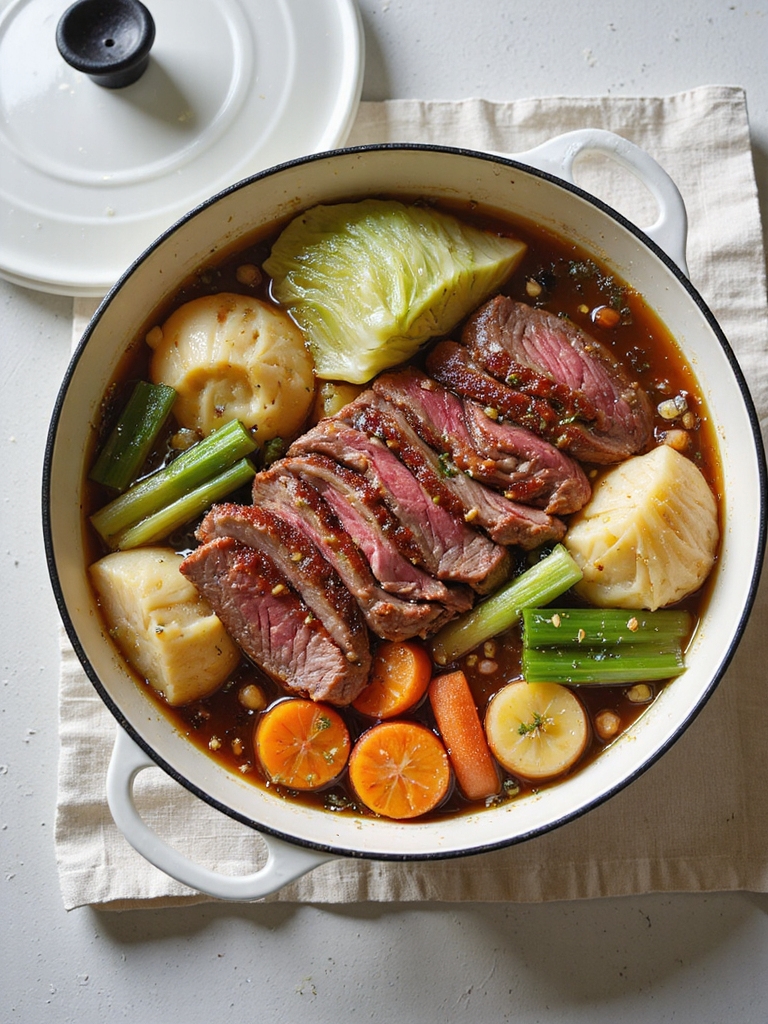
Nothing says comfort like a pot of classic boiled corned beef simmered gently with sweet cabbage and hearty root vegetables, yielding tender slices, silky broth, and a complete meal in one pot.
- 3 to 4 lb corned beef brisket with spice packet
- 1 large onion, quartered
- 4 cloves garlic, smashed
- 2 bay leaves
- 10 peppercorns (or included spice packet)
- 6 small carrots, peeled and cut into chunks
- 4 celery stalks, cut into chunks
- 1 lb small red potatoes, halved
- 1 small rutabaga or 2 parsnips, peeled and chunked
- 1 small head green cabbage, cut into wedges
- 1 tsp mustard seeds (optional)
- Fresh parsley, chopped (for serving)
- Dijon or whole-grain mustard (for serving)
Rinse the brisket and place in a large pot, add onion, garlic, bay leaves, peppercorns/spice packet, and enough cold water to cover by 1 to 2 inches; bring to a boil, then reduce to a gentle simmer, cover partially, and cook 2 to 2½ hours until a fork slides in with little resistance, skimming foam as needed. Add potatoes, carrots, celery, and rutabaga/parsnips; simmer 20 minutes, add cabbage wedges; simmer 15 to 20 minutes more until vegetables are tender, rest brisket 10 minutes, slice against the grain, and serve with vegetables, ladles of broth, parsley, and mustard.
Keep the simmer very gentle (180–190°F) to prevent toughening and excessive shrinkage, and taste the broth before salting since corned beef is already seasoned; leftovers reheat beautifully in the cooking liquid, and the broth makes an excellent base for next-day soup. Slow cooker variations can produce equally tender results when cooked low and slow for 8–10 hours with the spice packet tucked in with the brisket.
Slow Cooker Corned Beef for Set-and-Forget Comfort
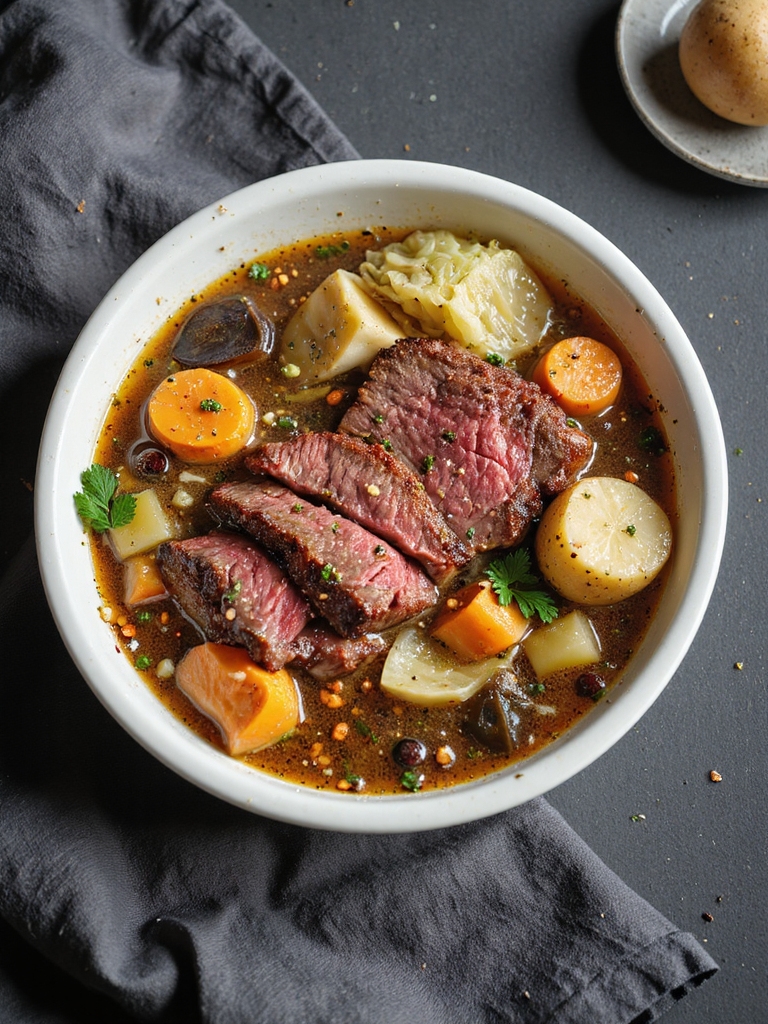
When you want a hands-off, cozy dinner that perfumes the house all day, the slow cooker delivers deeply tender corned beef with sweet cabbage and buttery root vegetables in a savory broth—perfect for weeknights or lazy weekends.
- 3 to 4 lb corned beef brisket with spice packet
- 1 large onion, quartered
- 4 cloves garlic, smashed
- 2 bay leaves
- 10 peppercorns (or spice packet)
- 1 lb small red potatoes, halved
- 4 carrots, peeled and cut into chunks
- 3 celery stalks, cut into chunks
- 1 small rutabaga or 2 parsnips, peeled and chunked
- 1 small head green cabbage, cut into wedges
- 1 teaspoon mustard seeds (optional)
- 1 cup low-sodium beef broth or water (plus more as needed)
- Fresh parsley, chopped (for serving)
- Dijon or whole-grain mustard (for serving)
Scatter onion, garlic, potatoes, carrots, celery, and rutabaga/parsnips in a 6- to 7-quart slow cooker; place corned beef (fat-side up) on top, sprinkle spice packet and mustard seeds, and pour in broth/water to come about halfway up the meat. Cook on Low 8 to 10 hours (or High 4½ to 6 hours) until a fork slides in with little resistance, add cabbage for the last 1½ to 2 hours on Low (45 to 60 minutes on High), then rest brisket 10 minutes, slice against the grain, and serve with vegetables, ladles of broth, parsley, and mustard.
Keep liquid at least one-third up the meat to avoid dry spots and don’t add salt until tasting the broth; for cleaner slices, chill the cooked brisket 20 to 30 minutes before slicing and rewarm in broth, and use leftover cooking liquid for next-day soup or to reheat. This recipe is a great way to enjoy classic Corned Beef any time of year.
Dutch Oven Method for Tender, Sliceable Brisket
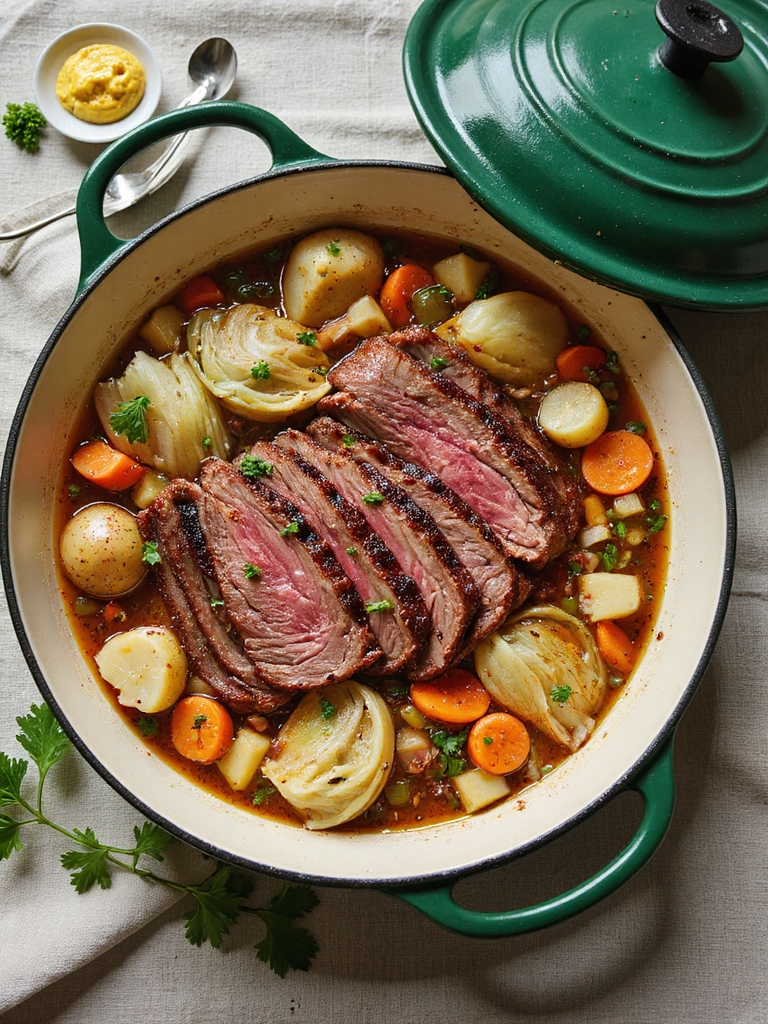
A Dutch oven gives you steady, moist heat for corned beef that’s tender yet sliceable, with vegetables that keep their shape and a broth that’s rich but clean. Browning the brisket and briefly toasting the spices deepens flavor before a gentle oven braise; adding cabbage later keeps it vibrant, and a short rest makes for neat slices.
- 3 to 4 lb corned beef brisket with spice packet
- 1 tablespoon neutral oil
- 1 large onion, quartered
- 4 cloves garlic, smashed
- 2 bay leaves
- 10 peppercorns (or spice packet)
- 1 teaspoon mustard seeds (optional)
- 1 lb small red potatoes, halved
- 4 carrots, peeled and cut into chunks
- 3 celery stalks, cut into chunks
- 1 small rutabaga or 2 parsnips, peeled and chunked
- 1 small head green cabbage, cut into wedges
- 3 to 4 cups low-sodium beef broth or water
- Fresh parsley, chopped (for serving)
- Dijon or whole-grain mustard (for serving)
Heat oven to 300°F; pat brisket dry and heat oil in a 6- to 7-quart Dutch oven over medium-high, sear brisket 3 to 4 minutes per side, transfer out, then add onion and garlic to pot to lightly brown 2 minutes; stir in bay leaves, peppercorns, mustard seeds, and nestle in potatoes, carrots, celery, and rutabaga/parsnips, placing brisket fat-side up on top. Pour in enough broth/water to come 1/3 to 1/2 up the meat, bring to a simmer, cover, and transfer to oven; braise 2 to 2½ hours until a fork meets some resistance, tuck in cabbage wedges, re-cover, and cook 45 to 60 minutes more until brisket is tender but sliceable, then rest 10 to 15 minutes, slice against the grain, and serve with vegetables, ladles of broth, parsley, and mustard.
Keep liquid at least one-third up the meat to prevent dry spots and avoid salting until you taste the finished broth; for tidy slices, chill the cooked brisket 20 minutes before slicing and rewarm in broth, and skim excess fat or reduce the strained braising liquid for a richer jus. A Dutch oven also works well for other classic roasts like Roast Beef, offering similar moist-heat benefits and depth of flavor.
Guinness-Braised Corned Beef With Caramelized Cabbage
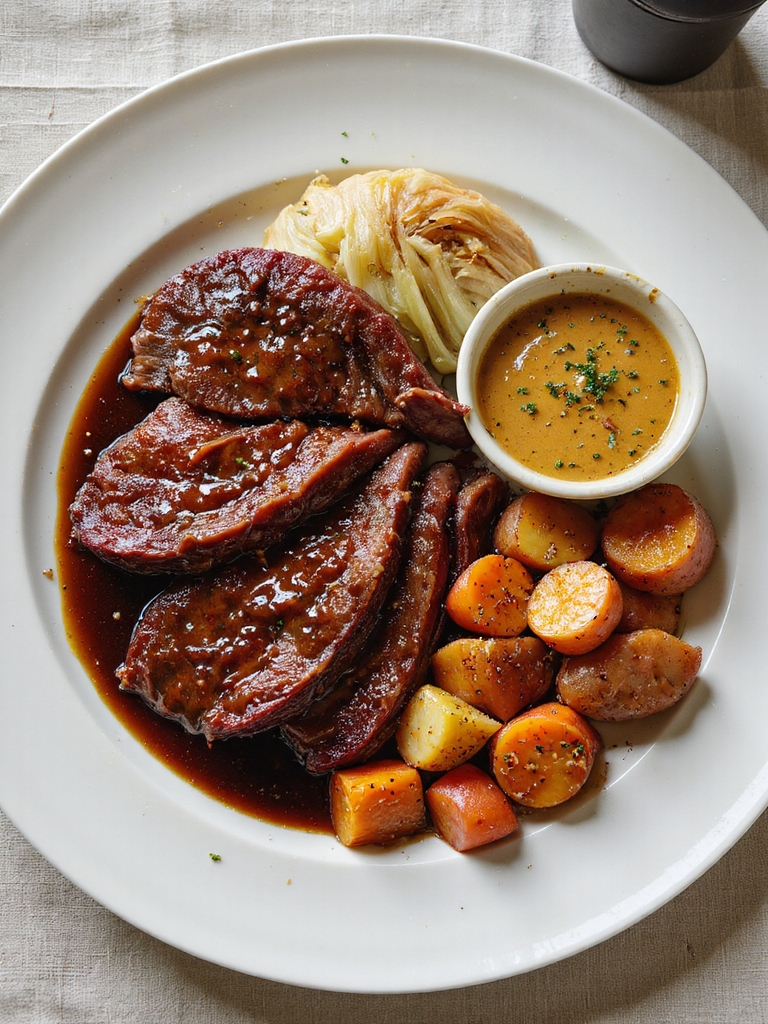
Deep, malty stout coaxes sweetness from corned beef while a skillet-finish turns cabbage into caramelized ribbons, giving you rich jus, tender meat, and burnished veg without heaviness; a quick spice bloom, a low-and-slow braise, and a glaze of reduced Guinness make it special-occasion worthy with weeknight-manageable steps.
- 3 to 4 lb corned beef brisket with spice packet
- 1 tablespoon neutral oil
- 2 tablespoons unsalted butter
- 2 large onions, sliced
- 4 cloves garlic, smashed
- 2 bay leaves
- 10 whole peppercorns
- 1 teaspoon mustard seeds
- 1 bottle (11–12 oz) Guinness or other dry stout
- 2 to 3 cups low-sodium beef broth or water
- 1 lb small red potatoes, halved
- 4 carrots, peeled and cut into chunks
- 1 small head green cabbage, cored and cut into 8 wedges
- 1 tablespoon brown sugar
- 1 tablespoon apple cider vinegar
- Fresh parsley, chopped
- Dijon or whole-grain mustard
Heat oven to 300°F; pat brisket dry, season lightly, and sear in oil in a 6–7 qt Dutch oven 3–4 minutes per side, then remove; add butter and onions, cook until golden edges, stir in garlic, bay, peppercorns, mustard seeds, and pour in Guinness to deglaze, simmer 2 minutes, add broth to come 1/3–1/2 up the meat, nestle potatoes and carrots, set brisket fat-side up on top, cover, and braise 2–2½ hours until a fork meets some resistance. Transfer brisket to a board; set vegetables aside; reduce braising liquid on the stovetop to lightly syrupy; meanwhile, in a large skillet sear cabbage wedges cut-side down in a film of oil until deeply browned, flip, sprinkle with brown sugar and vinegar, add a ladle of reduced jus to glaze, and cook until tender; slice brisket against the grain, return slices to jus to warm, and serve with vegetables, glazed cabbage, parsley, mustard, and extra jus.
If the stout tastes bitter before reducing, balance with a pinch more brown sugar or a splash of vinegar at the end; for neat slices, chill brisket 15–20 minutes before cutting and rewarm in the reduced jus, and skim fat or strain the liquid for a cleaner sauce without losing body. For an even more hands-off option, the same approach works well in a slow cooker when searing is followed by transferring ingredients to a crockpot for the long braise, which helps develop the low-and-slow tenderness.
Sheet-Pan Corned Beef and Veggies for Weeknight Ease
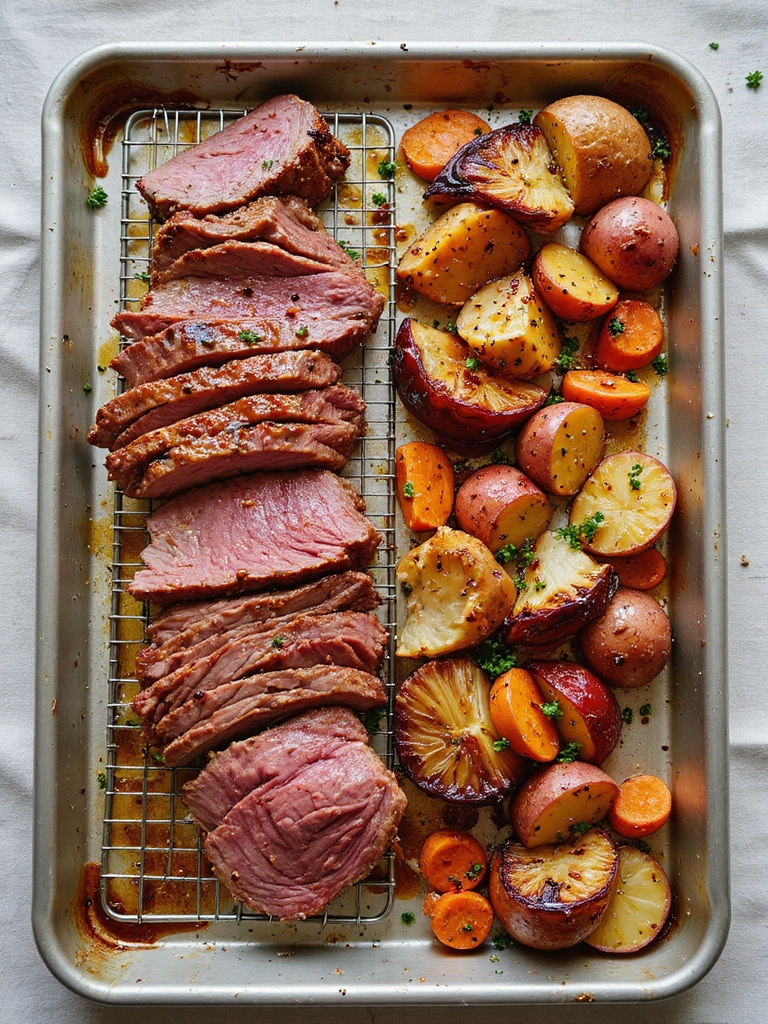
All the corned beef dinner flavors with minimal fuss: this sheet-pan approach skips the pot, roasting brisket, potatoes, carrots, and cabbage together so everything gets roasty edges and tender centers. A quick spice bloom and a mustard-maple glaze keep the meat juicy and the vegetables caramelized, while finishing with a splash of vinegar and herbs brightens the whole pan.
- 3 to 4 lb flat-cut corned beef brisket, rinsed and patted dry
- 1 tbsp neutral oil
- 2 tsp whole mustard seeds
- 1 tsp whole black peppercorns, lightly crushed
- 1 tsp coriander seeds, lightly crushed
- 1 lb small red potatoes, halved
- 4 carrots, peeled and cut into 1-inch chunks
- 1 small head green cabbage, cut into 8 wedges
- 2 tbsp Dijon or whole-grain mustard
- 1 tbsp maple syrup or brown sugar
- 1 tbsp apple cider vinegar
- 2 tbsp melted butter or olive oil
- Fresh parsley, chopped
Heat oven to 400°F with a rack in the upper third; line a rimmed sheet with foil and set a wire rack over half the pan, placing the brisket fat-side up on the rack. Toss potatoes, carrots, and cabbage with melted butter/oil, mustard seeds, peppercorns, coriander, salt, and pepper on the open half; roast 45 minutes, then whisk mustard with maple and brush over brisket, flip vegetables, and roast 20–30 minutes more until brisket is 190–200°F and vegetables are tender and browned. Rest brisket 10 minutes, slice against the grain, toss vegetables with vinegar, scatter parsley, and serve with pan juices and extra mustard.
If your brisket is thick, tent it loosely with foil during the first 45 minutes to prevent over-browning while it climbs in temp; for crisper veg, spread onto a second sheet to avoid crowding and rotate sheets halfway through. Save leftover slices for sandwiches and reheat gently with a splash of water or broth to keep them supple. This sheet-pan method pairs especially well with hearty sides like cabbage-and-ground beef dishes for a satisfying family meal, and you can learn more about cabbage and ground beef to expand your menu.
Pressure Cooker Corned Beef in a Fraction of the Time
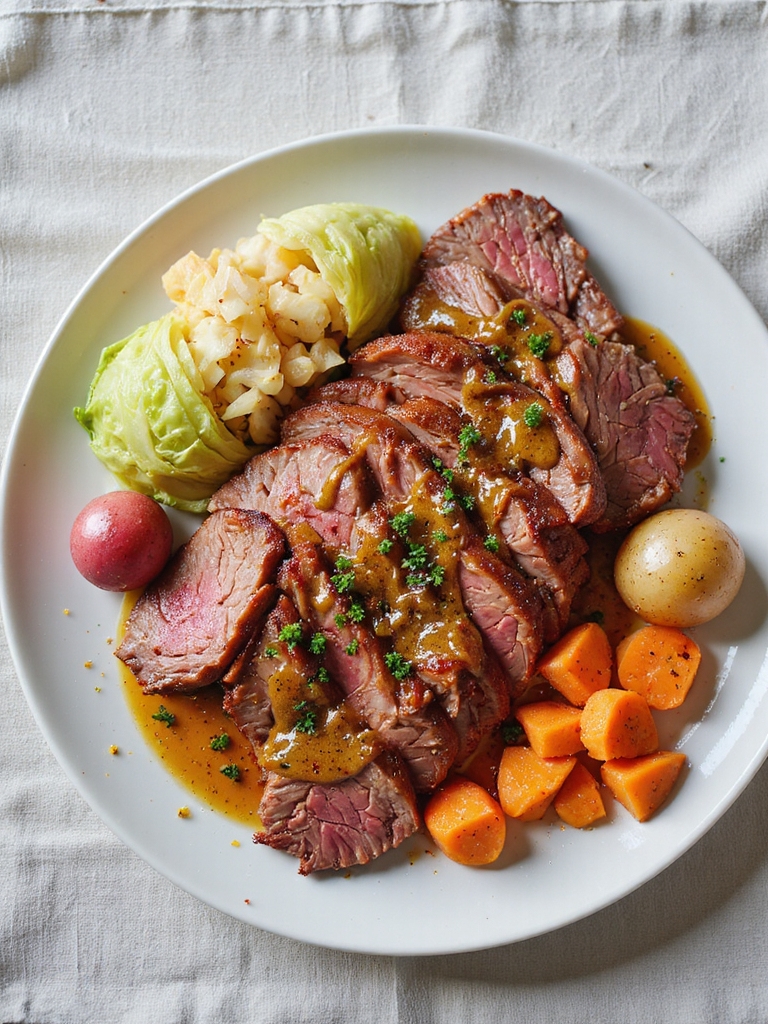
Pressure cookers turn corned beef night from an all-day simmer into a weeknight win: the sealed environment drives flavor deep into the brisket while keeping it succulent, and the vegetables get perfectly tender in a quick second stint. A quick spice bloom, a touch of mustard and sweetness, and a bright finish of vinegar and herbs give you the classic pub-plate vibe without babysitting a pot.
- 3 to 4 lb flat-cut corned beef brisket, rinsed and patted dry
- 1 tbsp neutral oil
- 2 tsp whole mustard seeds
- 1 tsp black peppercorns, lightly crushed
- 1 tsp coriander seeds, lightly crushed
- 1 bay leaf
- 4 garlic cloves, smashed
- 1 medium onion, quartered
- 1 lb small red potatoes, halved
- 4 carrots, peeled and cut into 1-inch chunks
- 1 small head green cabbage, cut into 8 wedges
- 1 cup low-sodium beef broth or water
- 2 tbsp Dijon or whole-grain mustard
- 1 tbsp maple syrup or brown sugar
- 1 tbsp apple cider vinegar
- Fresh parsley, chopped
Select sauté on the pressure cooker, add oil, and toast mustard seeds, peppercorns, and coriander until fragrant, 30–60 seconds; add onion and garlic for 1 minute, then pour in broth, stir in bay leaf, set brisket fat-side up, and lock the lid. Cook at high pressure for 75–85 minutes (thicker end toward 85), natural release 15 minutes, quick-release the rest; transfer brisket to a plate, tent, add potatoes, carrots, and cabbage to the liquid, re-seal, and cook 3–4 minutes at high, quick-release, whisk mustard with maple, brush sliced brisket, splash vinegar over veg, and serve with parsley and juices.
If your brisket isn’t tender after the first cook, return to high pressure for 10–15 minutes more; for crisper cabbage, steam it separately or broil vegetables for 2–3 minutes after pressure cooking. Leftovers reheat best with a splash of cooking liquid, and the broth makes a great base for next-day soup. Many home cooks also adapt this method for Italian beef by using similar low-and-slow techniques in a crockpot or pressure cooker to achieve tender, shreddable meat.
Spice Rubs and Pickling Blends That Elevate the Brisket
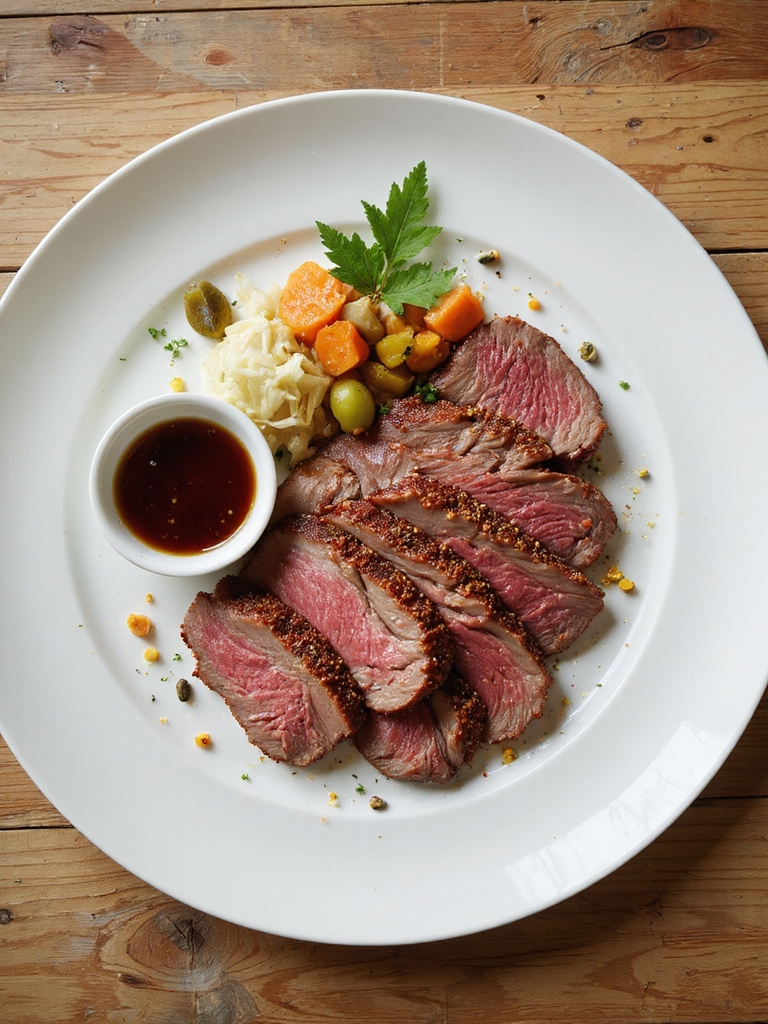
Bold, aromatic spice rubs and bracing pickling blends can transform corned beef brisket from standard to standout, layering heat, citrus, and floral notes that permeate the meat and its cooking liquor. This recipe gives you two pathways—dry rub for a crusted, roasty finish and a quick pickling blend for classic deli-style perfume—so you can tailor strength and character to your preferred cooking method, from oven-braise to pressure cooker.
- 3–4 lb flat-cut corned beef brisket, rinsed and patted dry
- 2 tbsp whole coriander seeds
- 1 tbsp mustard seeds (yellow or mixed)
- 2 tsp black peppercorns
- 1 tsp pink peppercorns (optional)
- 1 tsp fennel seeds
- 1 tsp caraway seeds
- 1 tsp crushed red pepper flakes
- 6 allspice berries
- 4 whole cloves
- 2 bay leaves
- 1 tsp ground ginger
- 1 tsp smoked paprika
- 1 tsp brown sugar
- 1 tbsp kosher salt (omit if brisket is very salty)
- 4 garlic cloves, smashed
- 4 strips orange zest (optional)
- 1 cup apple cider vinegar
- 1 cup water
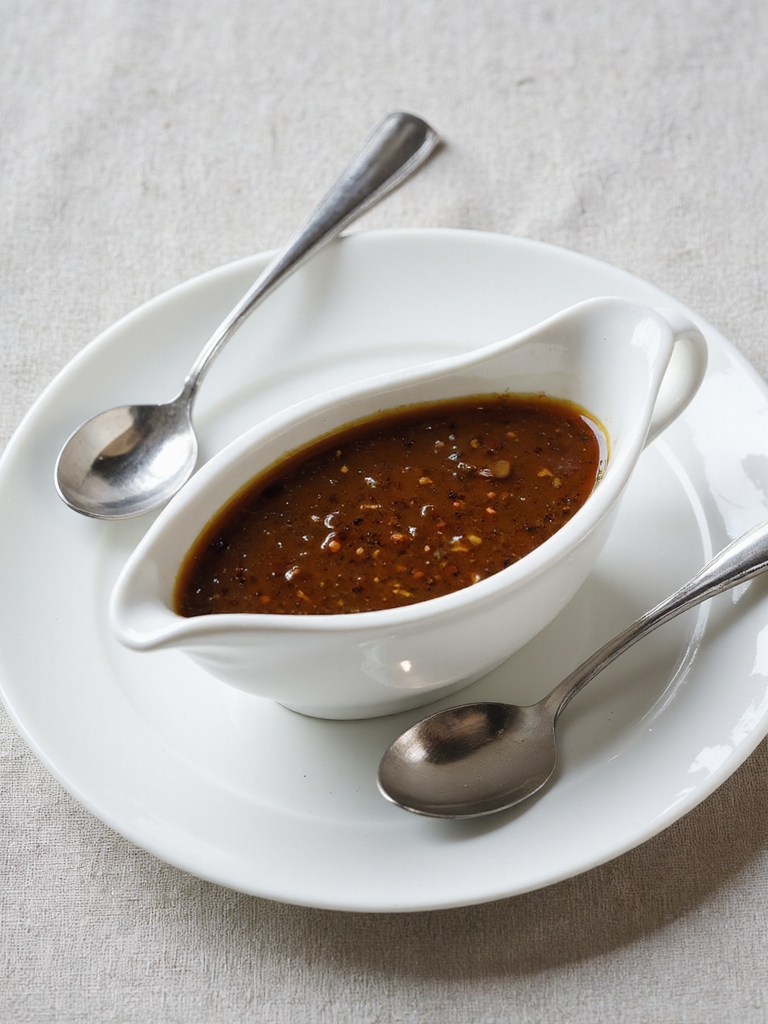
Toast coriander, mustard, black and pink peppercorns, fennel, caraway, red pepper, allspice, and cloves in a dry pan over medium heat until fragrant, 1–2 minutes; cool, then roughly crush with bay leaves and mix with ginger, paprika, brown sugar, and salt. For a dry rub, pat half the blend onto the brisket (reserve the rest for cooking liquid), sear if desired, then braise or pressure-cook with garlic, orange zest, and water until tender; for a pickling blend, simmer vinegar, water, garlic, orange zest, and 2 tbsp of the spice mix for 5 minutes, cool, pour over brisket, chill 8–24 hours, then cook with the liquid until fork-tender. Strain cooking liquid and skim fat for serving; for a peppery crust, brush sliced brisket with a little mustard and press in reserved crushed spices before a quick broil, and always taste for salt after cooking since corned beefs vary widely in brine, adjusting with a splash of vinegar or a pinch of sugar to balance. For a rich finish, stir in a splash of beef gravy or pan juices to the strained cooking liquid to serve alongside the sliced meat, enhancing savory depth.
Side Dishes That Shine: Buttery Cabbage, Potatoes, and Carrots
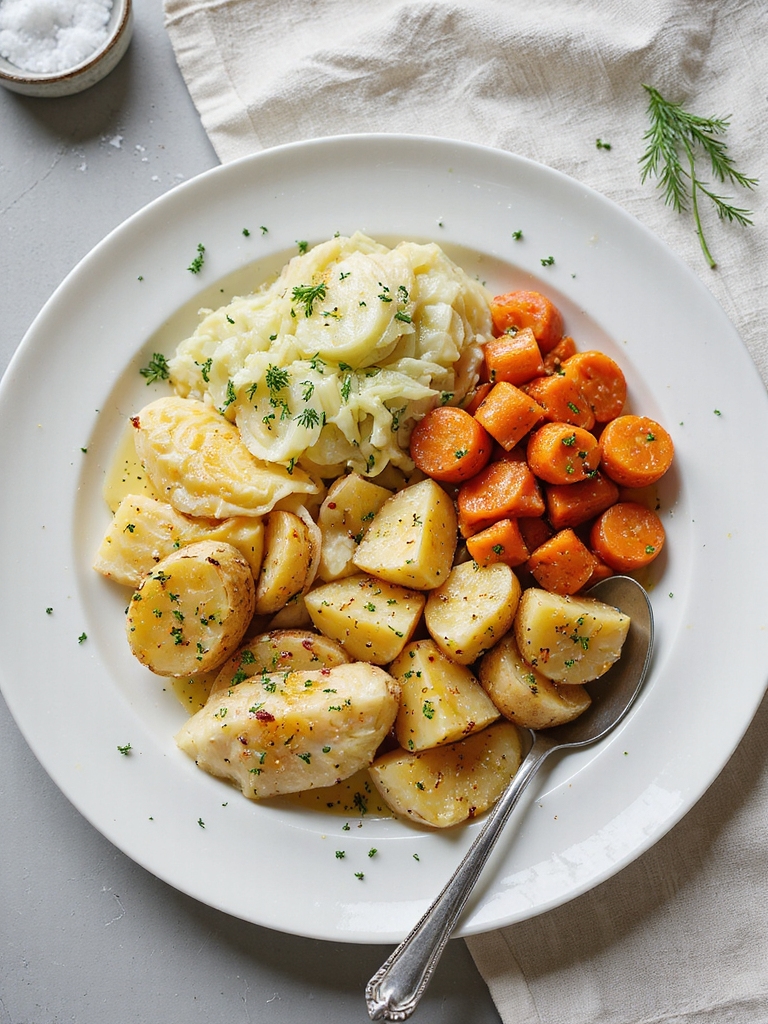
A trio of classic sides—silky buttered cabbage, creamy baby potatoes, and tender glazed carrots—brings balance and comfort to corned beef, soaking up spiced cooking juices while adding sweetness, richness, and freshness; cook them simply but season boldly, finishing with herbs and a bright splash of vinegar to keep the plate lively.
- 1 small head green cabbage, cored and cut into 8 wedges
- 1.5 lb baby gold potatoes, scrubbed
- 1 lb carrots, peeled and cut into 2-inch sticks
- 6 tbsp unsalted butter, divided
- 1/2 cup corned beef cooking liquid or low-sodium stock
- 2 tbsp chopped fresh parsley
- 1 tbsp chopped fresh dill (optional)
- 2 tsp apple cider vinegar or lemon juice
- Kosher salt
- Freshly ground black pepper
Simmer potatoes in salted water until just tender, 12–15 minutes; in a separate pan, sauté carrots in 2 tbsp butter with a pinch of salt, add 1/4 cup cooking liquid, cover and steam until crisp-tender, 6–8 minutes, then uncover to glaze; transfer carrots to a warm bowl, swirl in 1 tbsp butter and half the herbs. In the same skillet, melt 3 tbsp butter, add cabbage wedges cut-side down with remaining 1/4 cup cooking liquid, season, cover and steam until tender with light browning, 8–10 minutes, turning once; drain potatoes, toss with salt, pepper, a knob of butter, and remaining herbs, then splash vinegar over all three sides to brighten before serving.
Use more cooking liquid for a richer, saltier result and plain stock if your corned beef is very salty; taste at each step and balance with vinegar or a pinch of sugar for carrots. For extra flavor, add a garlic clove to the potatoes as they boil and finish cabbage with cracked pepper and a dusting of mustard powder. Slow cooker methods can also yield deeply flavorful corned beef and vegetables when cooked on low for 8–10 hours with extended gentle heat.
Make-Ahead, Resting, and Slicing Tips for Perfect Texture
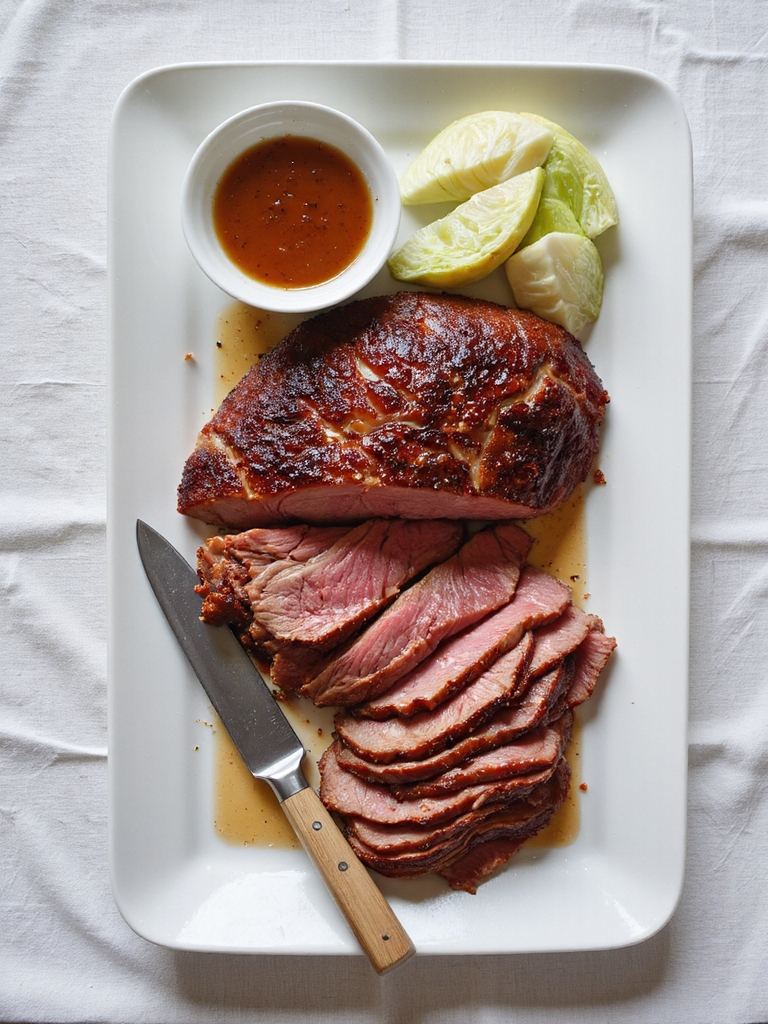
Resting corned beef is the quiet secret to succulent slices: cook gently until fork-tender, then let it cool in some of its cooking liquid to rehydrate fibers, rest on a rack to stop steaming, and slice thinly across the grain for tenderness; make-ahead works beautifully because a chilled brisket firms up for cleaner slicing and reheats without drying when warmed back in its juices.
- 1 fully cooked corned beef brisket with cooking liquid reserved
- 1 cup low-sodium beef stock (as needed)
- Foil and a wire rack
- Sharp slicing knife
When the brisket reaches tenderness, transfer it to a wire rack set over a sheet pan, tent loosely with foil, and rest 20–30 minutes to allow juices to redistribute; strain and skim the cooking liquid, reserving at least 2 cups. For make-ahead, cool the beef in 1 cup strained liquid, cover, and refrigerate up to 3 days; to serve, warm slices gently in a skillet with a splash of stock and reserved liquid until heated through, then slice thinly against the grain at a 30-degree angle for maximum tenderness.
Refrigerate whole for the cleanest cuts, slicing only what you’ll serve; if overly salty, reheat in low-sodium stock to dilute, and if dry, brush slices with warmed cooking liquid or butter. Save the gelatin-rich jus for reheating sides and for next-day hash—it’s liquid gold that keeps everything plush and flavorful. A slow cooker or crock pot can be used to achieve the same tender results when cooked low and slow for several hours, producing consistently moist roast beef perfect for slicing.
Leftover Magic: Hash, Reubens, and Cozy Soups
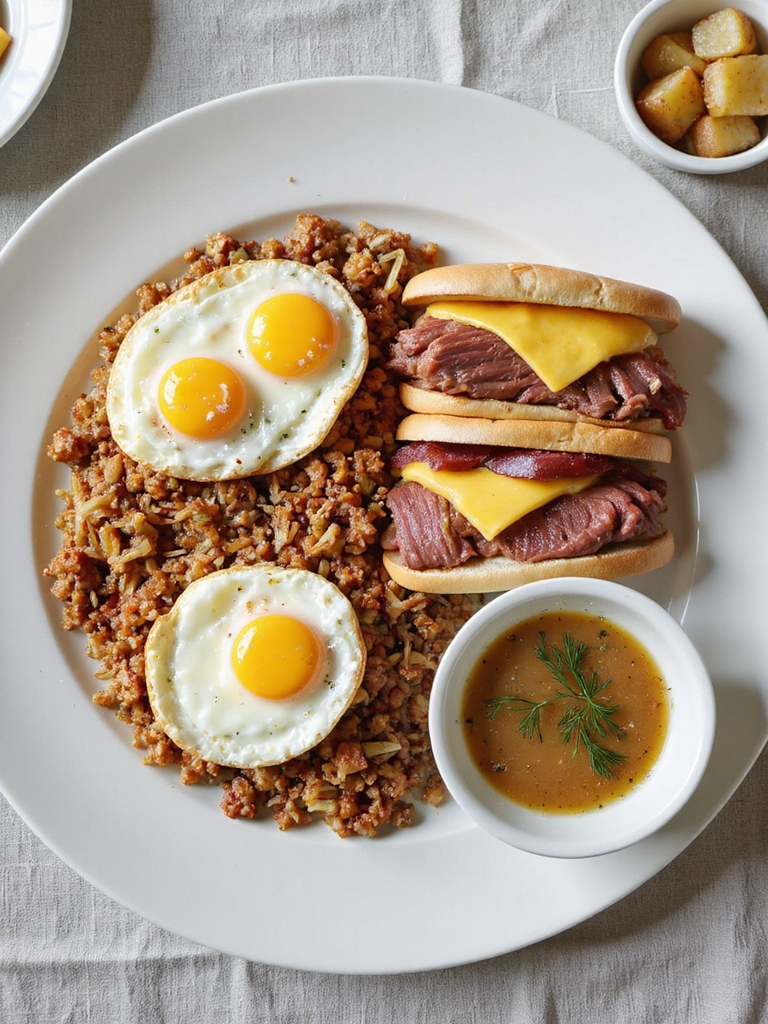
Turn yesterday’s corned beef into three comfort classics: a crispy-skillet hash for brunch, melty Reubens for lunch, and a brothy cabbage-and-potato soup for supper—each one built on the savory, gelatin-rich cooking liquid you saved. Choose one or make all three to transform leftovers into a mini feast.
- 2 cups cooked corned beef, diced
- 2 cups cooked potatoes, diced (or thawed hash browns)
- 1 small onion, diced
- 1 bell pepper, diced (optional)
- 2 tablespoons butter or oil
- 2 eggs (optional, for serving)
- 8 slices rye bread
- 8 slices Swiss cheese
- 1 cup sauerkraut, drained
- 1/2 cup Russian or Thousand Island dressing
- 1 tablespoon softened butter (for bread)
- 1 tablespoon caraway seeds (optional)
- 1 tablespoon flour
- 6 cups low-sodium beef stock or reserved cooking liquid
- 2 cups chopped cabbage
- 1 large carrot, diced
- 1 celery stalk, diced
- 1 bay leaf and 1 teaspoon black pepper
Heat a large skillet over medium-high with butter, add potatoes, onion, and pepper; press into an even layer, season, and cook undisturbed until deeply browned, fold in corned beef, crisp, and top with eggs if desired. For Reubens, butter rye, layer dressing, cheese, corned beef, sauerkraut, and caraway if using; griddle on medium-low, pressing until bread is golden and cheese melts.
For soup, melt butter in a pot, stir in flour 1 minute, whisk in stock, add cabbage, carrot, celery, bay, pepper, and a handful of diced corned beef; simmer 15 minutes until tender, adjust salt with reserved liquid, and ladle hot. Serve hash with eggs, Reubens halved and warm, and soup sprinkled with chopped dill or scallions.
Use chilled corned beef for cleaner slicing and better hash browning; rewarm gently in a splash of cooking liquid to keep it plush. If the beef is very salty, rinse briefly or balance with extra potatoes and sauerkraut; crisp hash by resisting stirring, melt Reubens low and slow, and brighten soup with a squeeze of lemon. Adding leftover roast beef to recipes can expand meal options and reduce waste, and making a quick leftover roast beef dish is an easy way to stretch your dinner.