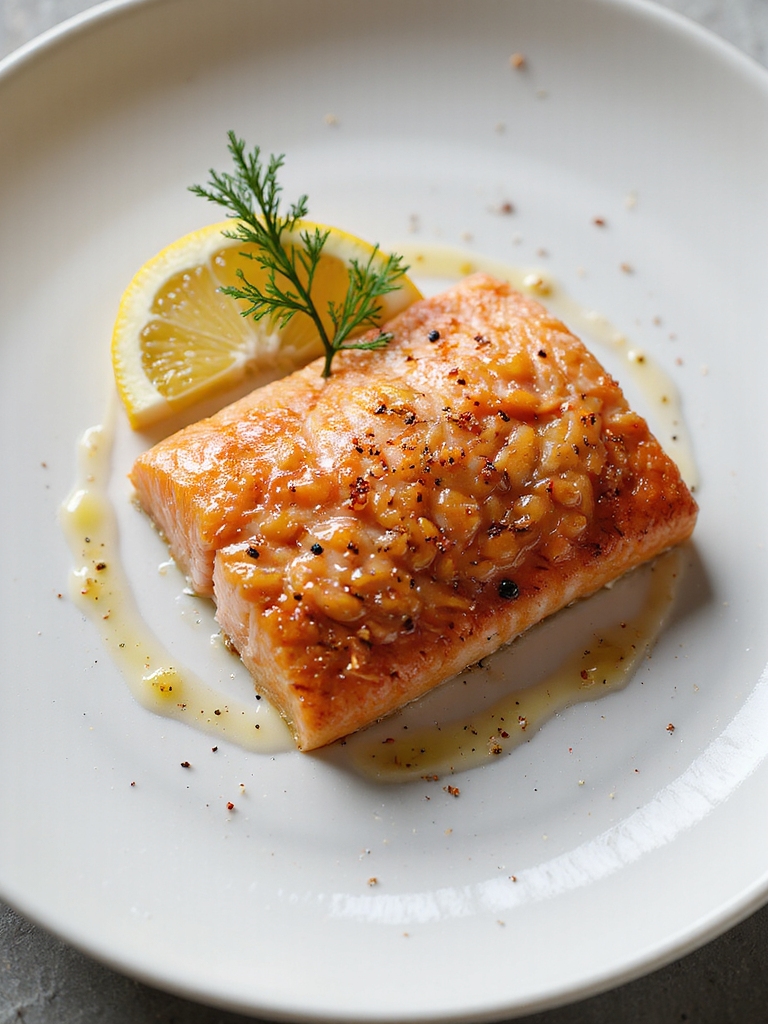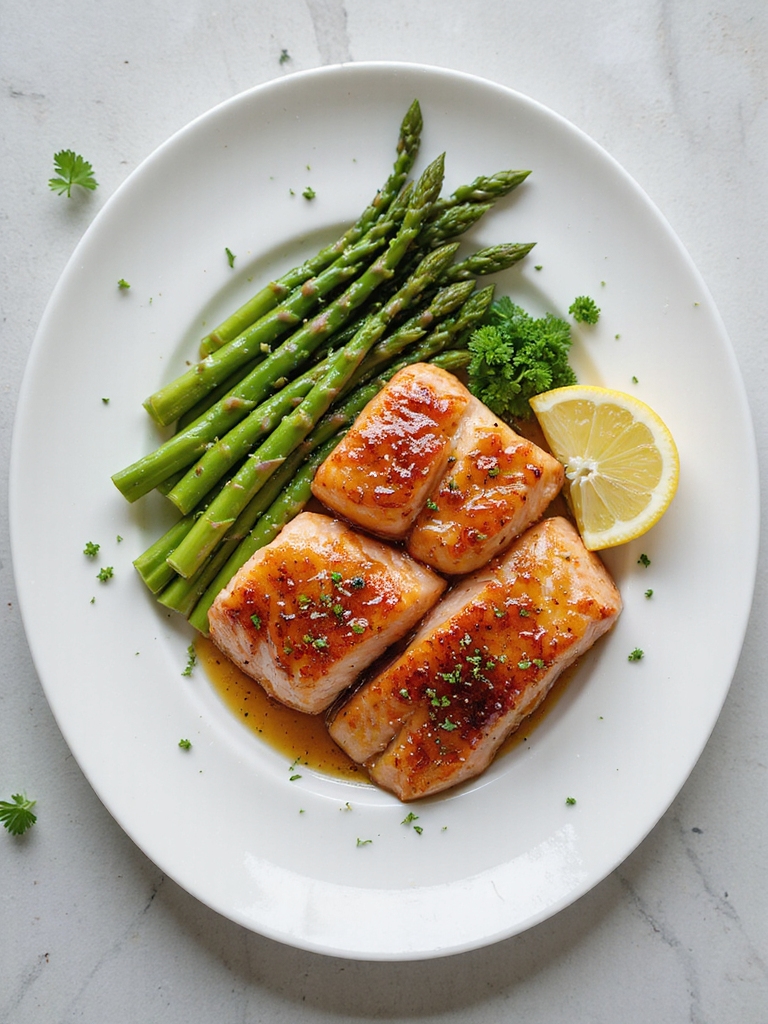
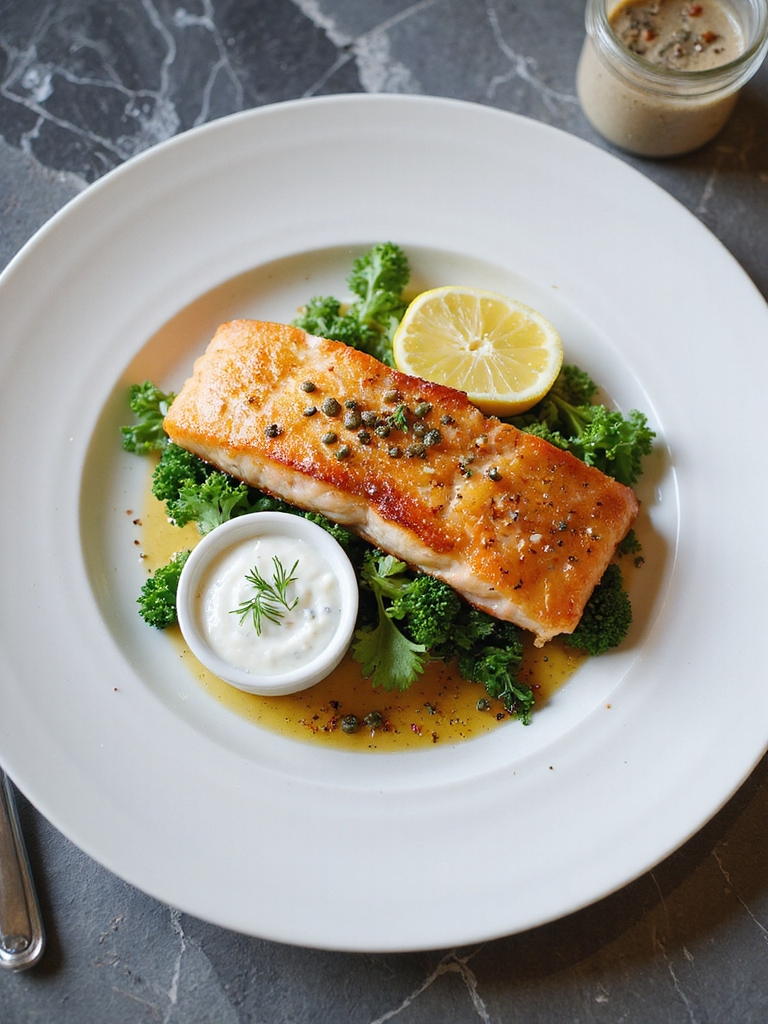
I love that sizzle when salmon hits a hot pan — it promises a crackly, golden skin and a flaky, juicy inside. I’ll walk you through picking the right cut, drying and seasoning like a pro, and searing or finishing so every bite sings.
You’ll get three go-to recipes and quick sauces, plus tips for sides and leftovers that actually taste great — but first, let’s nail the secret that makes the crust irresistible.
Choosing the Right Cut and Freshness Tips for Salmon
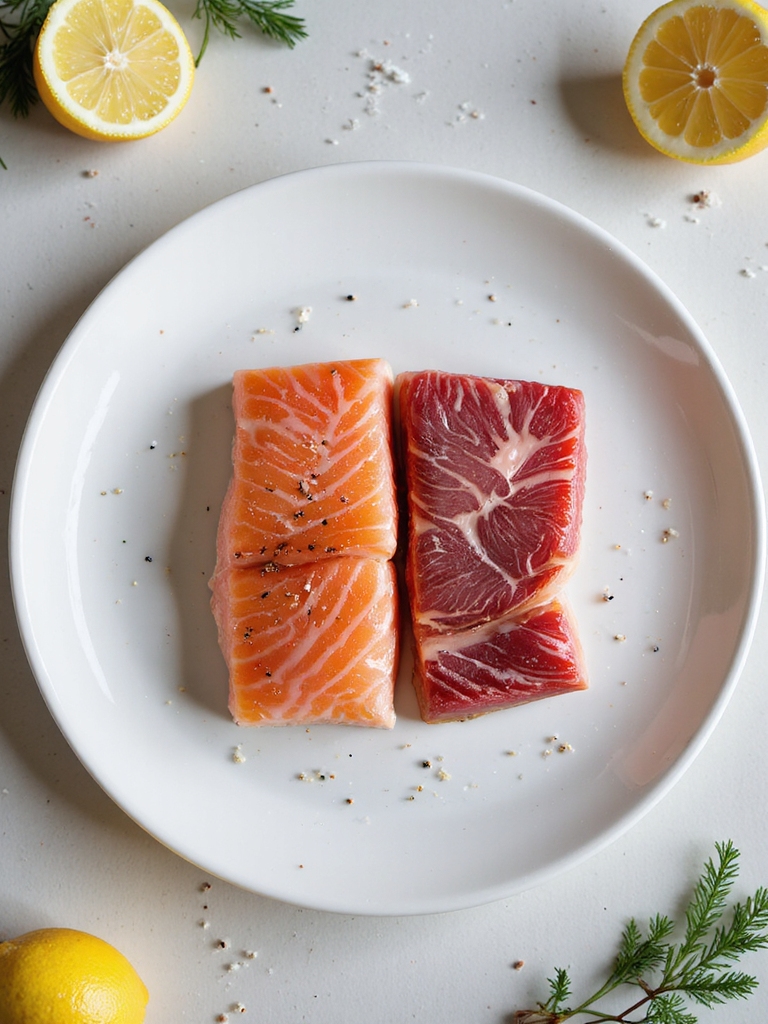
Choosing the Right Cut and Freshness Tips for Salmon: this recipe focuses on selecting the best cut and ensuring freshness before frying, while keeping the cooking simple so the salmon’s flavor shines; use a skin-on fillet for crispness or a center-cut steak for even cooking, verify firmness and a clean sea smell, and pat dry to remove surface moisture for better searing.
- 1 lb skin-on salmon fillet or center-cut steak
- Salt
- Freshly ground black pepper
- 1 tbsp olive oil or neutral oil (canola, grapeseed)
- 1 tbsp butter (optional)
- 1 lemon, halved
- Fresh herbs (dill, parsley, or thyme), optional
Heat a heavy skillet over medium-high heat until hot, season the salmon generously with salt and pepper and pat dry, add oil to the skillet and place salmon skin-side down, press gently for 10 seconds to prevent curling and cook 4–5 minutes until skin is crisp, flip and cook 1–3 minutes more for medium doneness, add butter and baste for the last 30 seconds if desired and finish with a squeeze of lemon.
Extra tips: always buy salmon with clear eyes and firm flesh if whole, for fillets look for bright color and avoid fish with a strong fishy odor, keep it chilled until cooking and use within two days or freeze for longer storage. It also helps to preheat your pan thoroughly to achieve a perfectly crisp skin.
Essential Tools and Pan Selection for Perfect Sear
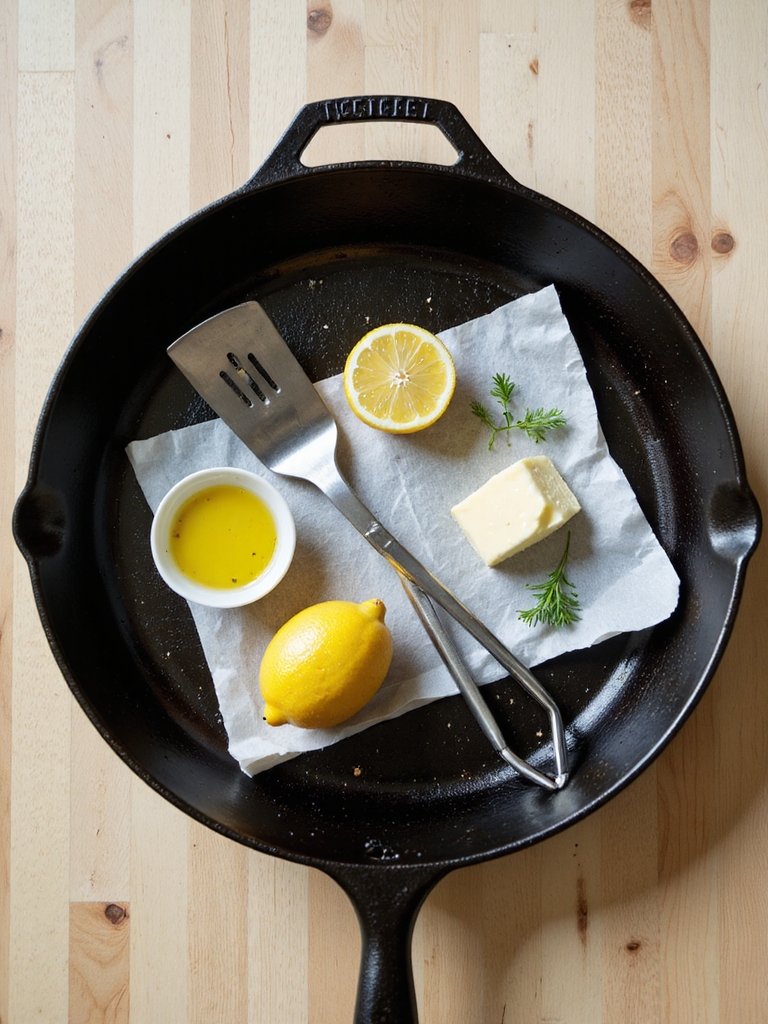
Choosing the right pan and tools makes a huge difference when searing salmon; use a heavy-bottomed stainless steel or cast-iron skillet for even heat and a great crust, a thin metal spatula for easy flips, tongs to handle the fish, a splatter screen if you want less mess, and an instant-read thermometer for precise doneness—preheat the pan well and have all tools and ingredients within reach to sear confidently.
- 1 lb skin-on salmon fillet or center-cut steak
- Salt
- Freshly ground black pepper
- 1 tbsp olive oil or neutral oil (canola, grapeseed)
- 1 tbsp butter (optional)
- 1 lemon, halved
- Fresh herbs (dill, parsley, or thyme), optional
- Heavy-bottomed skillet (cast iron or stainless steel)
- Thin metal spatula
- Tongs
- Splatter screen (optional)
- Instant-read thermometer
Heat the skillet over medium-high until very hot (a drop of water should sizzle and evaporate), add oil and swirl to coat, pat the seasoned salmon dry and place skin-side down, press gently for 10 seconds to prevent curling, cook 4–5 minutes until skin is crisp and browned, flip with the spatula and cook 1–3 minutes more until 120–125°F (medium) or your preferred doneness, optionally add butter and baste for the last 30 seconds and finish with lemon and herbs.
Tip: Preheat the pan thoroughly, keep the fish dry, and avoid overcrowding the skillet so you get an immediate sear and easy release from the pan. Also, for consistent results you can finish thicker fillets in the oven after searing to reach the ideal internal temperature of 120–125°F.
Preparing Salmon: Drying, Seasoning, and Resting
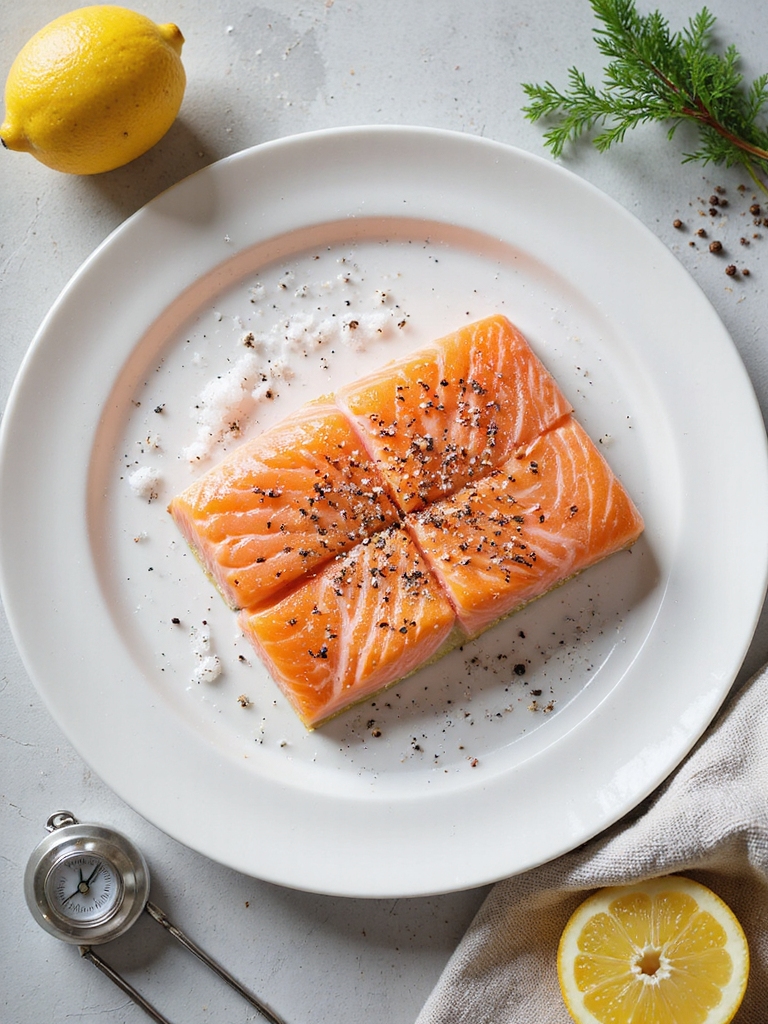
Preparing salmon properly before it hits the hot pan makes the difference between a flabby, steamed fillet and a crisp, flavorful sear; this recipe focuses on drying, seasoning, and a brief resting period so the skin crisps evenly and the flesh cooks through with perfect texture while remaining moist.
- 1 lb skin-on salmon fillet or center-cut steak
- Salt
- Freshly ground black pepper
- 1 tbsp olive oil or neutral oil (canola, grapeseed)
- 1 tbsp butter (optional)
- 1 lemon, halved
- Fresh herbs (dill, parsley, or thyme), optional
- Paper towels
- Instant-read thermometer
Pat the salmon very dry with paper towels, season both sides generously with salt and a little pepper, and let it rest skin-side up on a rack or plate for 10–15 minutes at room temperature to draw out surface moisture and let the seasoning penetrate; preheat your heavy skillet over medium-high heat until hot, add oil, place the fillet skin-side down pressing gently to avoid curling, cook 4–5 minutes until the skin is crisp and releases easily, flip and cook 1–3 minutes to desired doneness (120–125°F for medium), optionally add butter and baste for the last 30 seconds, then finish with a squeeze of lemon and herbs.
Tip: Make sure the fish surface is very dry, don’t overcrowd the pan, and resist flipping more than once so you preserve the sear and prevent sticking. A final touch of garlic butter can elevate the flavor and add richness to the finished salmon, try adding garlic butter in the last 30 seconds of cooking.
Classic Pan-Fried Salmon With Lemon-Butter Sauce
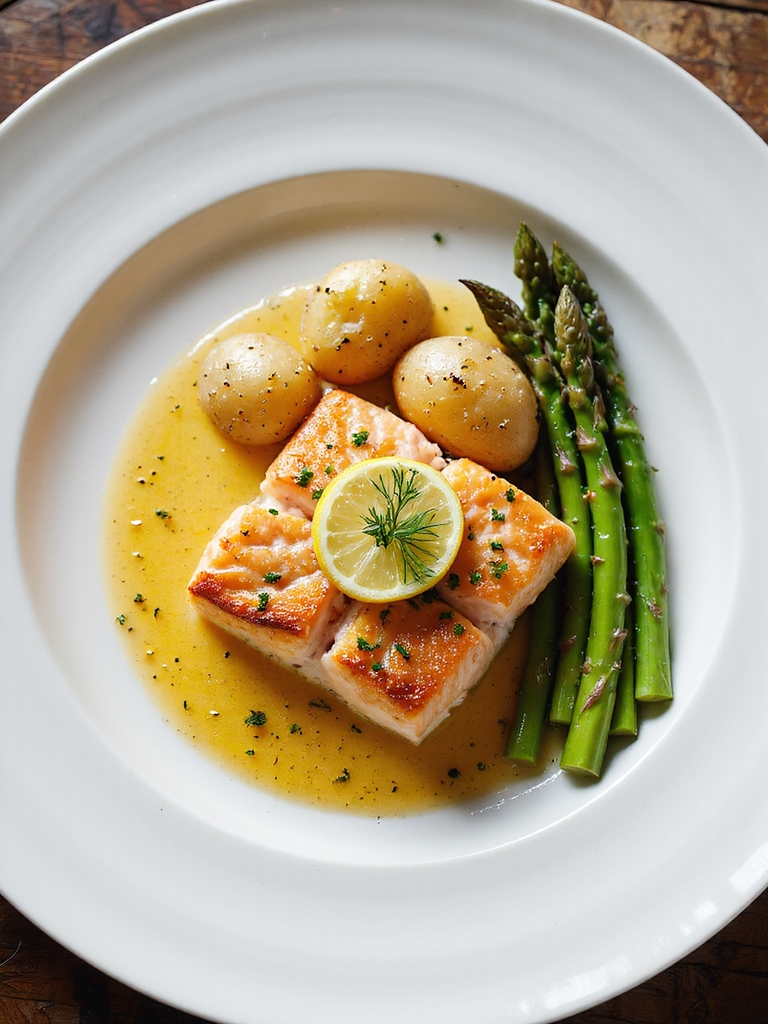
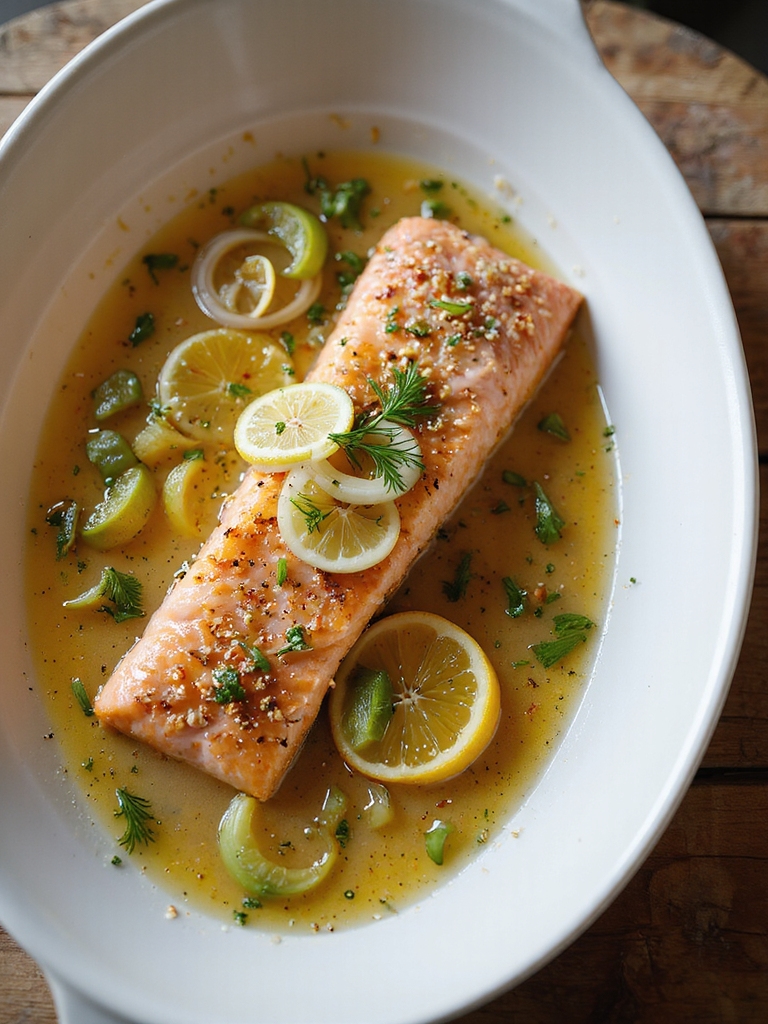
This classic pan-fried salmon with lemon-butter sauce takes the crisp-skin technique from the previous section and finishes the fillet with a bright, silky sauce that complements the fish without overpowering it; it’s quick, elegant, and perfect for weeknights or guests when served with simple sides like steamed vegetables or buttery potatoes.
- 1 lb skin-on salmon fillet, portioned into 2–4 pieces
- Salt
- Freshly ground black pepper
- 1–2 tbsp olive oil or neutral oil
- 2 tbsp unsalted butter
- 1 small shallot, finely minced (optional)
- 1 garlic clove, minced (optional)
- 1 lemon (zest + 2 tbsp juice)
- 1 tbsp chopped fresh parsley or dill
- 1 tbsp white wine or chicken/vegetable broth (optional)
- Lemon wedges, for serving
Pat salmon dry and season both sides with salt and pepper; heat a heavy skillet over medium-high, add oil until shimmering, place salmon skin-side down and press gently to prevent curling, cook 4–5 minutes until skin is crisp and the fillet releases easily, flip and cook 1–2 minutes to 120–125°F for medium; remove salmon to a warm plate.
Reduce heat to medium-low, add butter to the pan and melt, sauté shallot/garlic briefly if using, deglaze with wine or broth, add lemon juice and zest, swirl to emulsify into a glossy sauce, spoon sauce over salmon and finish with chopped herbs and lemon wedges.
Tip: Make certain the skin is very dry and the pan is hot so the skin crisps and releases, resist flipping more than once, and keep sauce bright by adding lemon at the end and tasting for salt before serving.
For an easy alternative, you can also prepare salmon using the oven-baked method for a hands-off approach that keeps the fish moist and tender.
Crispy Panko-Crusted Salmon With Herb Mayo
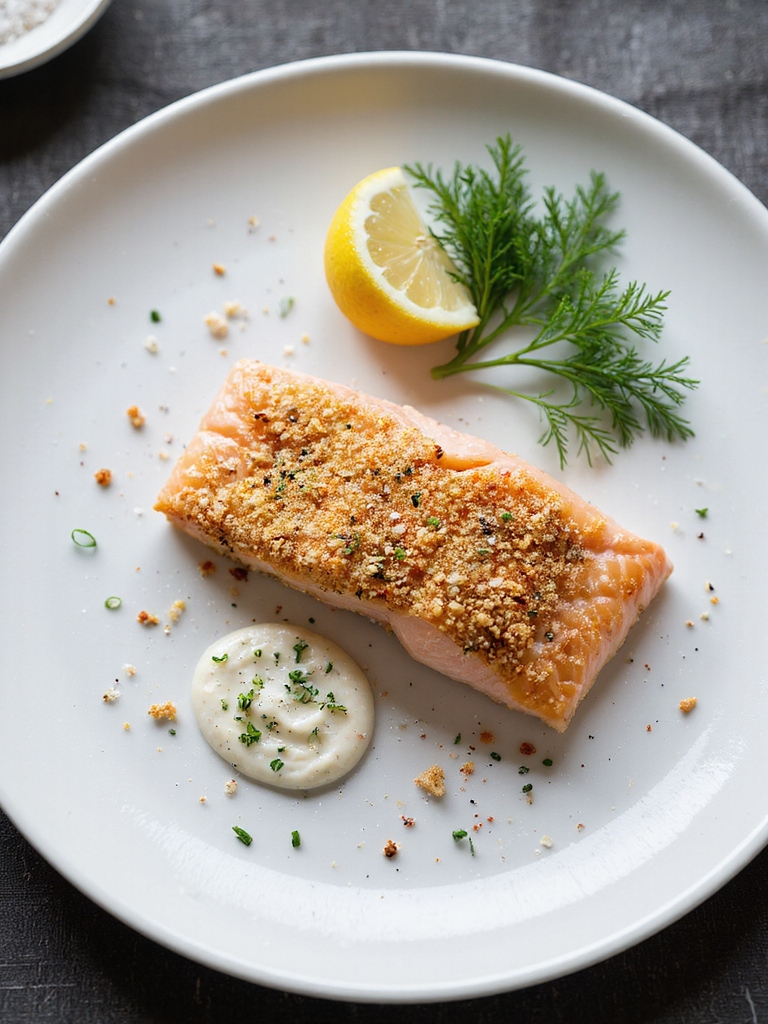
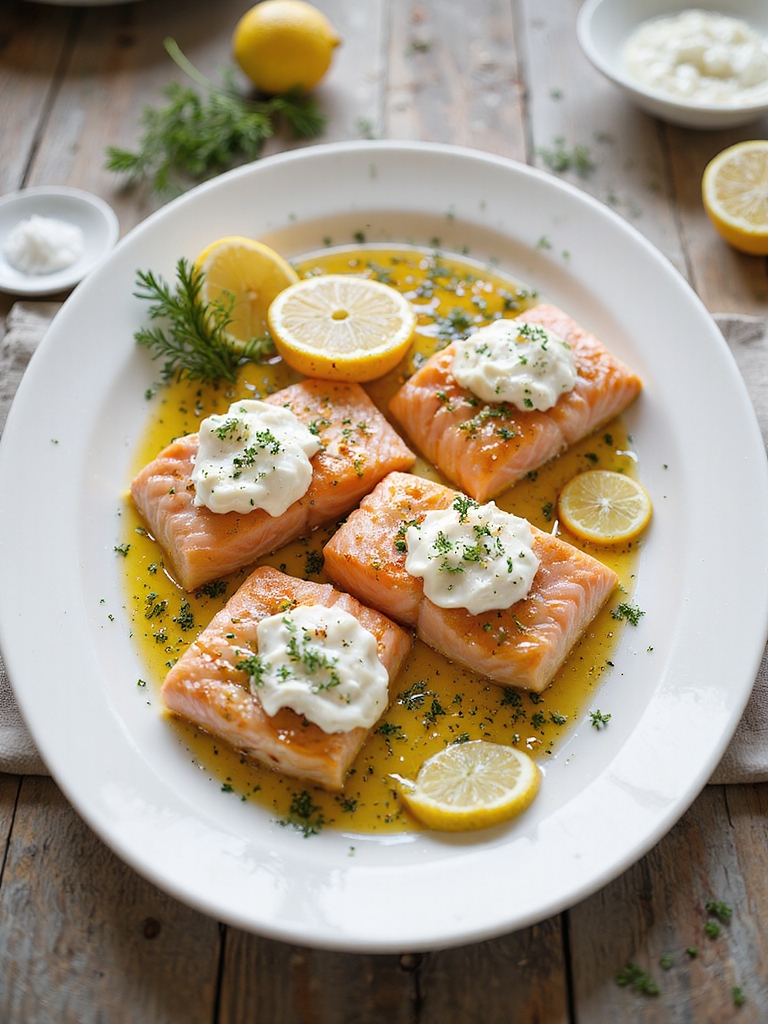
Crispy panko-crusted salmon with herb mayo is a crunchy, flavorful weeknight main that pairs a golden breadcrumb crust with a bright, herby mayonnaise for contrast; it’s quick to assemble, bakes or pan-frys beautifully, and works with simple sides like a green salad or roasted potatoes.
- 1 lb salmon fillets (skin-on or skinless), cut into portions
- Salt
- Freshly ground black pepper
- 1/2 cup panko breadcrumbs
- 2 tbsp grated Parmesan (optional)
- 1 tsp lemon zest
- 1 tbsp chopped fresh parsley
- 1 tbsp chopped fresh dill or chives
- 1/4 cup mayonnaise
- 1 tsp Dijon mustard
- 1 tbsp lemon juice
- 1–2 tbsp olive oil or melted butter (for coating panko)
- 1 egg or 2 tbsp mayonnaise (for adhesion if pan-frying)
- Cooking spray or additional oil for pan
Pat salmon dry and season lightly with salt and pepper.
Mix panko, Parmesan, lemon zest, and parsley with olive oil or melted butter until evenly moistened.
Brush fillet tops with egg wash or a thin layer of mayonnaise, press panko mixture onto the tops to form a crust.
To pan-fry heat a skillet over medium with a little oil and cook crust-side down until golden (about 4–5 minutes) then finish in the oven at 400°F for 5–7 minutes to desired doneness.
To bake place on a parchment-lined sheet, spray crust lightly and bake at 400°F for 10–12 minutes until crust is crisp and salmon reaches 120–125°F.
Whisk mayo, Dijon, lemon juice and dill for the herb mayo and serve immediately.
Tip: For the crispiest crust make sure the panko is well-coated with oil, press firmly to adhere, start crust-side down in a hot pan or give it a blast in a hot oven at the end, and keep an instant-read thermometer handy to avoid overcooking.
For an easy frozen-to-crispy shortcut, you can use an air fryer to cook frozen salmon directly and achieve a golden crust by finishing with panko (see air fryer tips).
Zesty Citrus and Spice Rub for Bright Flavor
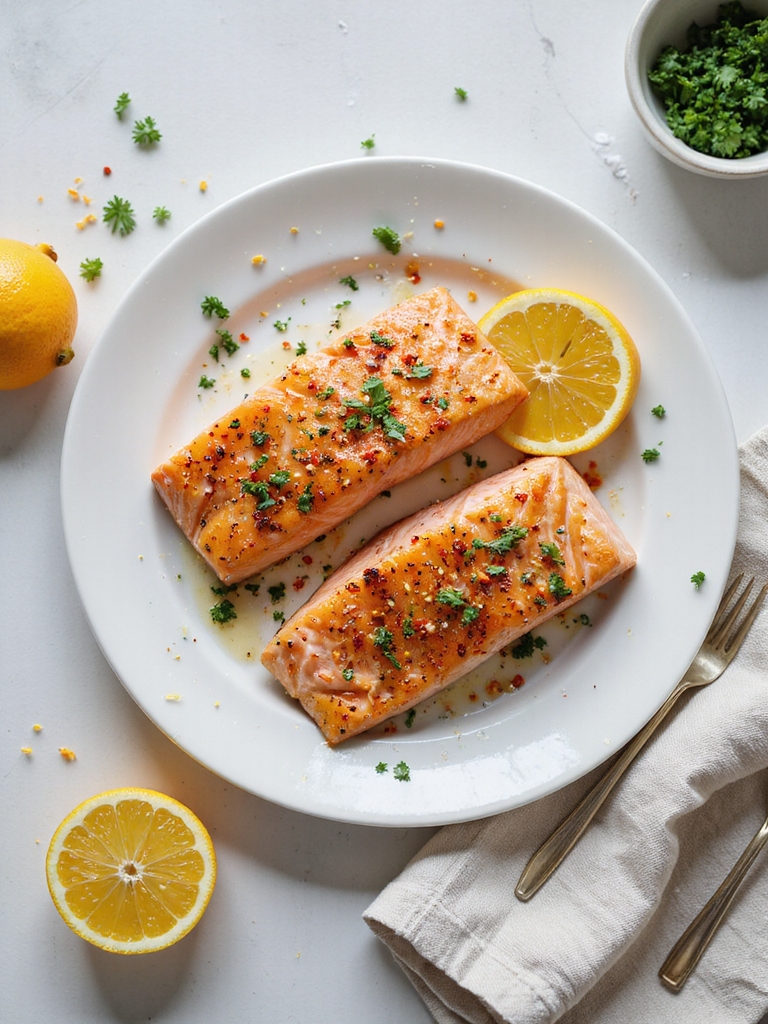
Bright, tangy, and lightly spicy, this Zesty Citrus and Spice Rub salmon brings a burst of sunshine to the plate by marrying citrus zest and juice with warm spices and a touch of heat; it’s perfect for grilling, pan-searing, or broiling and finishes quickly so the fish stays moist and flavorful.
- 1 lb salmon fillets (skin-on or skinless), portions
- 1 tbsp orange zest
- 1 tbsp lemon zest
- 2 tsp orange juice
- 1 tsp lemon juice
- 1 tsp smoked paprika
- 1/2 tsp ground cumin
- 1/4 tsp ground coriander
- 1/4–1/2 tsp cayenne pepper (adjust to taste)
- 1 tsp brown sugar or honey
- 1 tbsp olive oil
- 1/2 tsp kosher salt
- 1/4 tsp freshly ground black pepper
- 1 tbsp chopped cilantro or parsley (for finishing)
- Lemon or orange wedges to serve
Pat salmon dry and season both sides lightly with salt and pepper, mix the zests, juices, spices, brown sugar, and olive oil to form a paste and spread evenly over the top of the fillets, let sit 10–15 minutes at room temperature (or up to 1 hour refrigerated) to meld flavors.
To cook, heat a skillet over medium-high with a little oil and place salmon skin-side down if applicable, cook undisturbed 3–5 minutes until crisp, flip and cook another 2–4 minutes until internal temp reaches 120–125°F for medium-rare, or grill skin-side down over medium heat 4–6 minutes then flip for 1–3 minutes, or broil 6–8 inches from heat for 6–10 minutes depending on thickness.
Finish with chopped herbs and a squeeze of citrus.
Tip: If you want extra caramelized edges, add a light dusting of brown sugar and give the rub a minute in a hot, dry skillet before applying to intensify the flavors and watch closely when broiling so the sugars don’t burn.
This recipe pairs exceptionally well with a glaze like Honey Garlic for a sweet-savory finish.
Asian-Inspired Soy-Ginger Glazed Salmon
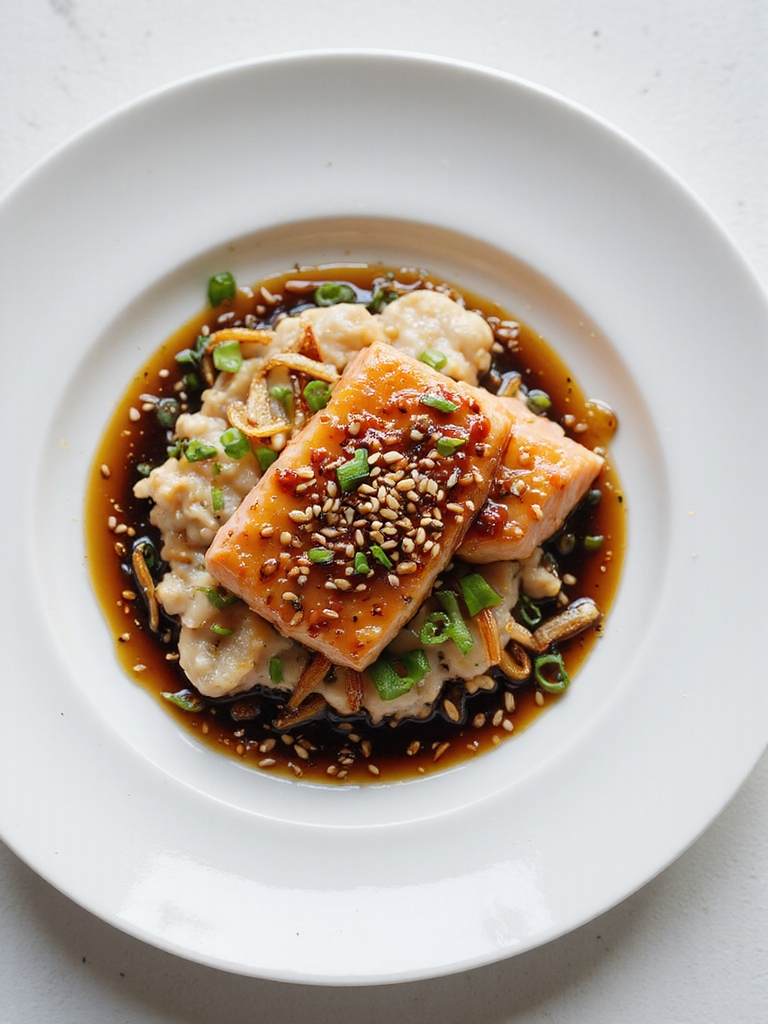
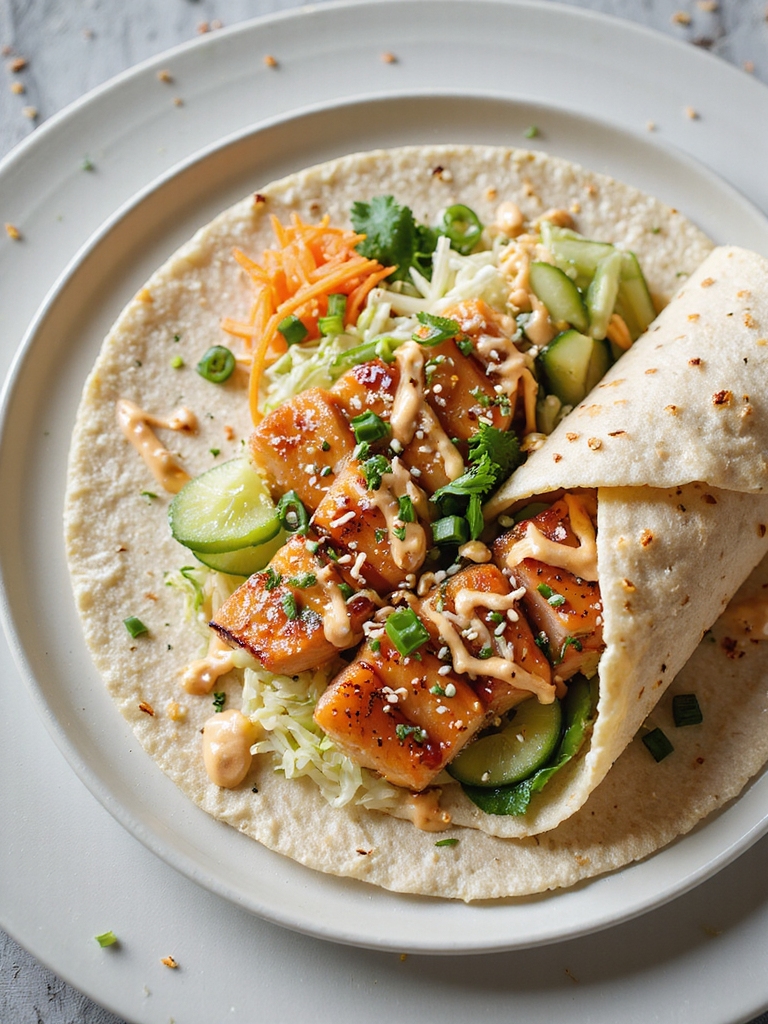
This Asian-Inspired Soy-Ginger Glazed Salmon is a quick, savory-sweet dish that balances umami soy, bright ginger, a touch of honey, and sesame notes; it’s excellent pan-seared or broiled and finishes with scallions and toasted sesame for contrast.
- 1 lb salmon fillets, skin-on or skinless, portions
- 2 tbsp low-sodium soy sauce
- 1 tbsp mirin (or dry sherry)
- 1 tbsp honey or brown sugar
- 1 tbsp freshly grated ginger
- 2 garlic cloves, minced
- 1 tsp toasted sesame oil
- 1 tbsp vegetable oil (for cooking)
- 1/2 tsp rice vinegar or lime juice
- 1/4 tsp red pepper flakes (optional)
- 1 tbsp thinly sliced scallions
- 1 tsp toasted sesame seeds
- Salt and black pepper to taste
Pat salmon dry and season lightly with salt and pepper; whisk soy sauce, mirin, honey, ginger, garlic, sesame oil, and rice vinegar to make the glaze, brush it over the tops of the fillets and let sit 10–15 minutes while heating a nonstick or well-seasoned skillet over medium-high with vegetable oil.
Place salmon skin-side down if applicable and sear undisturbed 3–5 minutes until the skin is crisp, spoon glaze over the tops, flip and cook 1–3 minutes more until internal temperature reaches 120–125°F for a slightly pink center (or longer to your doneness), remove from heat, spoon any remaining glaze warmed in the pan over the fillets, garnish with scallions and sesame seeds, and serve immediately.
Tip: For extra depth, simmer the glaze 2–3 minutes to thicken before brushing and watch closely when broiling or reducing the glaze because the sugars can burn quickly.
Grilling can also be used as an alternative cooking method to achieve a smoky finish and a crispy skin when desired.
Garlic-Butter Basting Technique for Maximum Juiciness
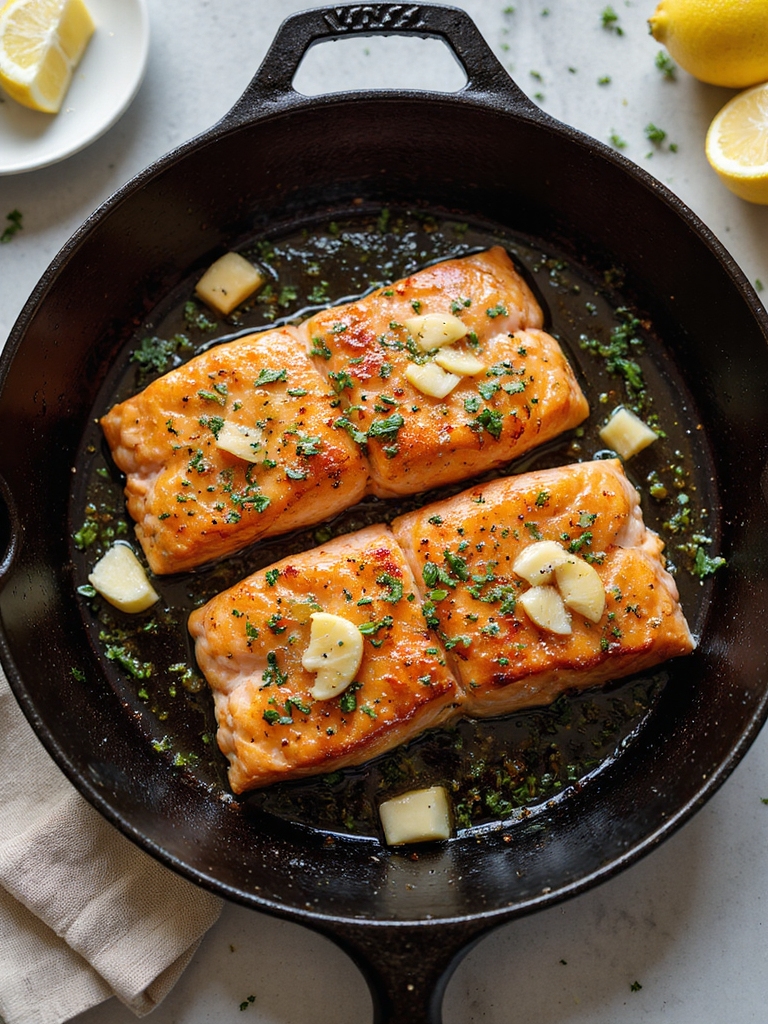
This garlic-butter basting method yields deeply flavored, moist fried salmon with a crisp exterior and a glossy, herb-scented finish — perfect for a quick weeknight main or an elegant dinner; it uses hot oil to sear, then a garlicky butter-pan sauce spooned continuously over the fillets to keep them juicy and finish cooking evenly while infusing them with rich, savory flavor.
- 1 lb salmon fillets (2–4 portions), skin-on or skinless
- Salt and freshly ground black pepper
- 1–2 tbsp vegetable oil or light olive oil (for searing)
- 3 tbsp unsalted butter
- 3 garlic cloves, smashed or thinly sliced
- 1 tbsp fresh lemon juice
- 1 tbsp chopped fresh parsley (or dill/thyme)
- Zest of 1 lemon (optional)
- 1 tbsp white wine or water (optional, for deglazing)
Pat salmon dry and season skin and flesh lightly with salt and pepper, heat oil in a large skillet over medium-high until shimmering and sear salmon skin-side down undisturbed 3–5 minutes until crisp then flip and reduce heat to medium-low, add butter and garlic to the pan and as the butter melts tilt the pan and use a spoon to baste the salmon repeatedly for 1–3 minutes until the internal temp reaches 120–130°F (or to desired doneness), finish with lemon juice and herbs, spoon the garlicky butter over the fillets, remove to a rested plate and pour any pan juices over the fish before serving.
Tip: Use only moderate heat while basting so the butter doesn’t brown too quickly, keep garlic from burning by stirring it into the butter as you baste, and rest the salmon 2–3 minutes off heat to let carryover cooking finish without drying it out. This skillet technique is inspired by classic Salmon Skillet Recipes that emphasize high-heat searing for a crisp exterior.
Quick Side Dishes and Sauces to Pair With Fried Salmon
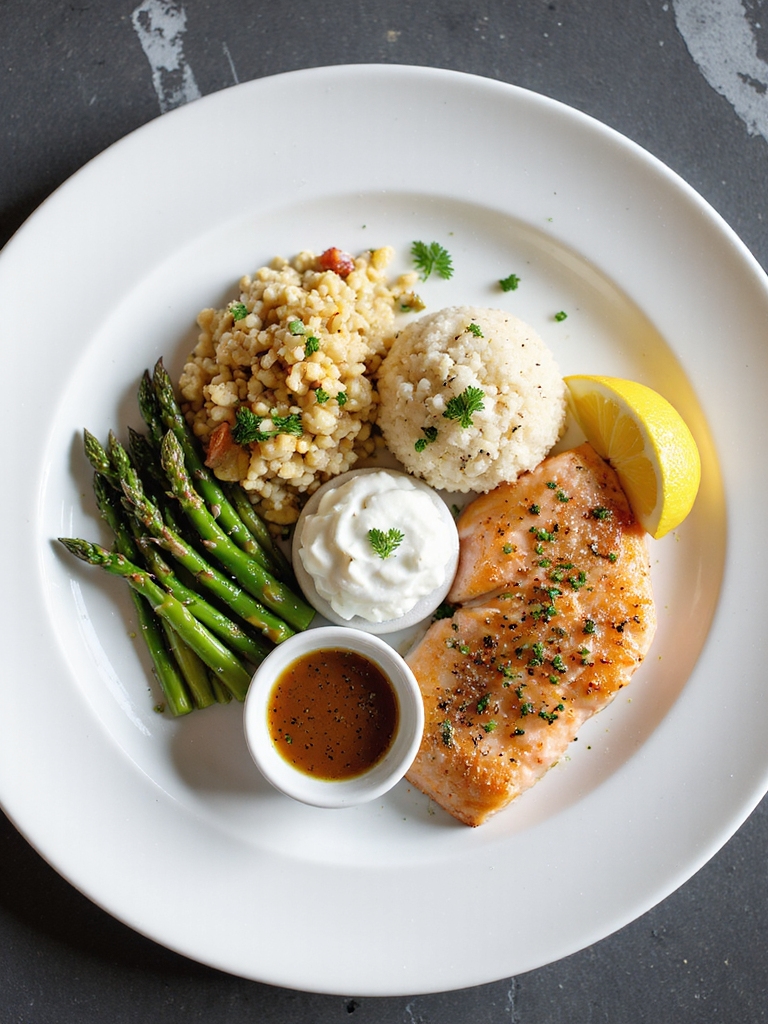
A quick set of vibrant, easy sides and two simple sauces—lemon-garlic asparagus, herby couscous, a tangy dill-yogurt sauce and a warm brown-butter caper sauce—that pair beautifully with garlic-basted fried salmon to round out a dinner in under 25 minutes.
- 1 bunch asparagus, trimmed
- 1 tbsp olive oil
- Salt and pepper
- 1 cup quick-cook couscous
- 1 1/4 cups low-sodium chicken or vegetable broth, or water
- 1 tbsp butter
- 2 tbsp chopped parsley (divided)
- 1/2 lemon (zest and juice separated)
- 1/2 cup plain Greek yogurt
- 1 tbsp chopped dill (or 1 tsp dried)
- 1 garlic clove, minced
- 2 tbsp capers, drained
- 2 tbsp unsalted butter (for caper sauce)
- Optional: red pepper flakes
Heat a medium skillet over medium-high, toss asparagus with olive oil, salt and pepper and sauté undisturbed 2–3 minutes until bright and starting to char, then add lemon zest, a squeeze of lemon juice and half the parsley and keep warm; meanwhile, bring broth to a boil, stir in couscous and 1 tbsp butter, cover off heat 5 minutes then fluff with a fork and stir in remaining parsley and a little lemon juice;
for sauces, whisk yogurt with dill, minced garlic, salt and pepper and a splash of lemon juice, and in a small pan melt 2 tbsp butter over medium until foaming and nutty, stir in capers and remove from heat.
Tip: Cook asparagus until just tender-crisp to match the salmon’s texture and keep sauces simple and bright—add capers to brown-butter off heat to avoid overbrowning and mix yogurt sauce just before serving so it stays fresh.
Salmon and asparagus make a classic, nutrient-rich pairing that highlights the natural flavors of both ingredients.
Storage, Reheating, and Leftover Ideas for Fried Salmon
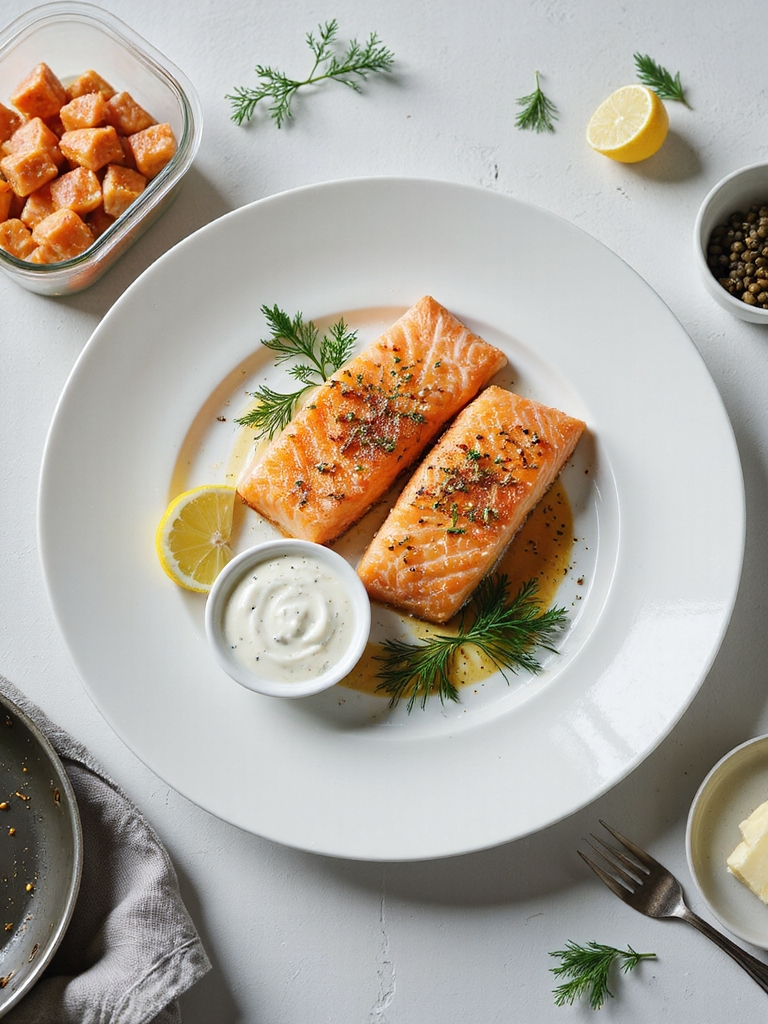
Leftover fried salmon is easy to store, reheat, and repurpose into fresh meals while keeping texture and flavor—cool the fish quickly, refrigerate within two hours in an airtight container for up to 3 days (or freeze for up to 1 month wrapped tightly), and use gentle reheating methods or incorporate into salads, sandwiches, fried rice, or pasta so the fish stays moist and flavorful.
- Cooked fried salmon fillets (cooled)
- Olive oil or butter for reheating
- Lemon wedges
- Plain Greek yogurt or mayo
- Fresh dill or parsley
- Capers (optional)
- Cooked rice, couscous, or pasta (for bowls)
- Mixed salad greens or buns (for sandwiches)
- Eggs (for fried rice or hash)
- Salt and pepper
To reheat gently, preheat a skillet over low to medium-low with a little oil or butter and warm the salmon 2–4 minutes per side until just heated through (cover briefly if very thick) or flake cold salmon into salads or sandwiches and toss with a quick dill-yogurt dressing or caper-brown-butter warmed separately, and when freezing wrap tightly and thaw overnight in the fridge before gently reheating to avoid drying.
Tip: When using leftovers, flake the salmon and add at the end of cooking to salads, pasta, fried rice or omelettes to preserve tenderness and use sauces (yogurt-dill or caper-butter) to restore moisture and brightness.
Frozen salmon can be cooked directly from frozen with proper methods; see tips for cooking frozen salmon and avoid refreezing after thawing.