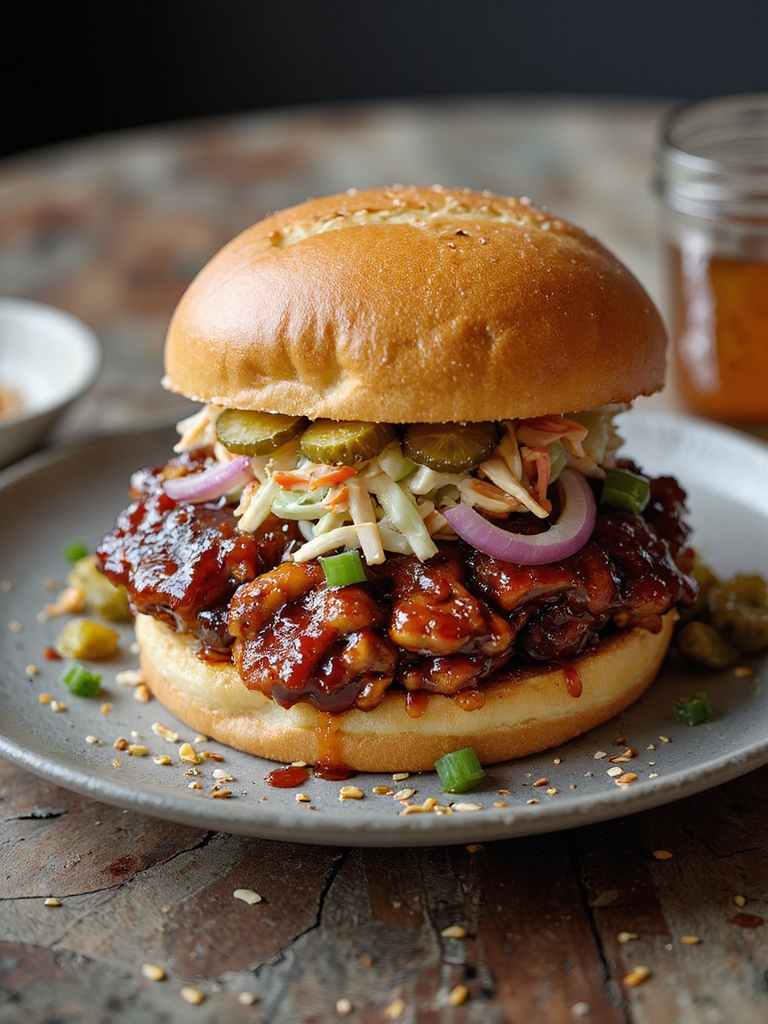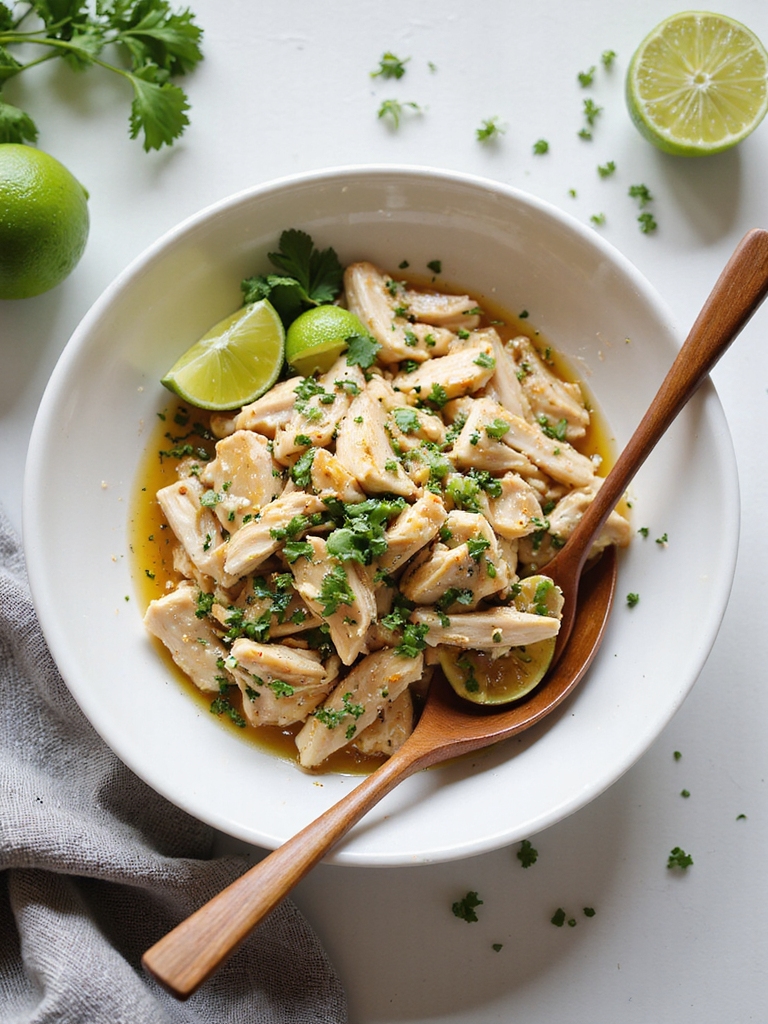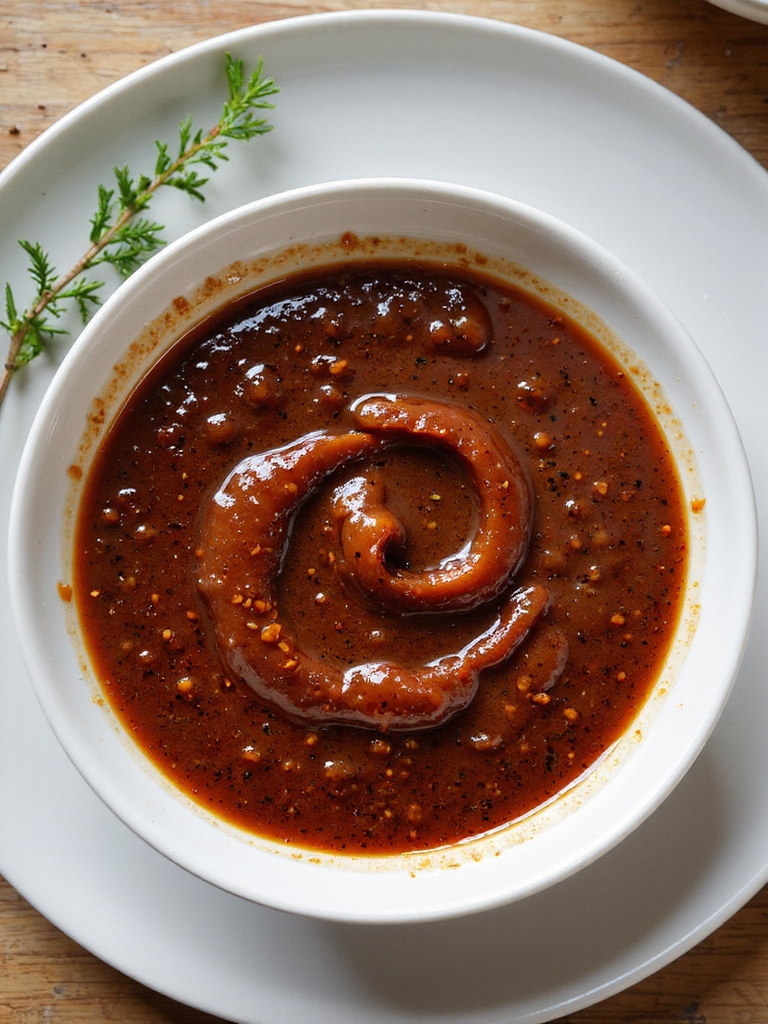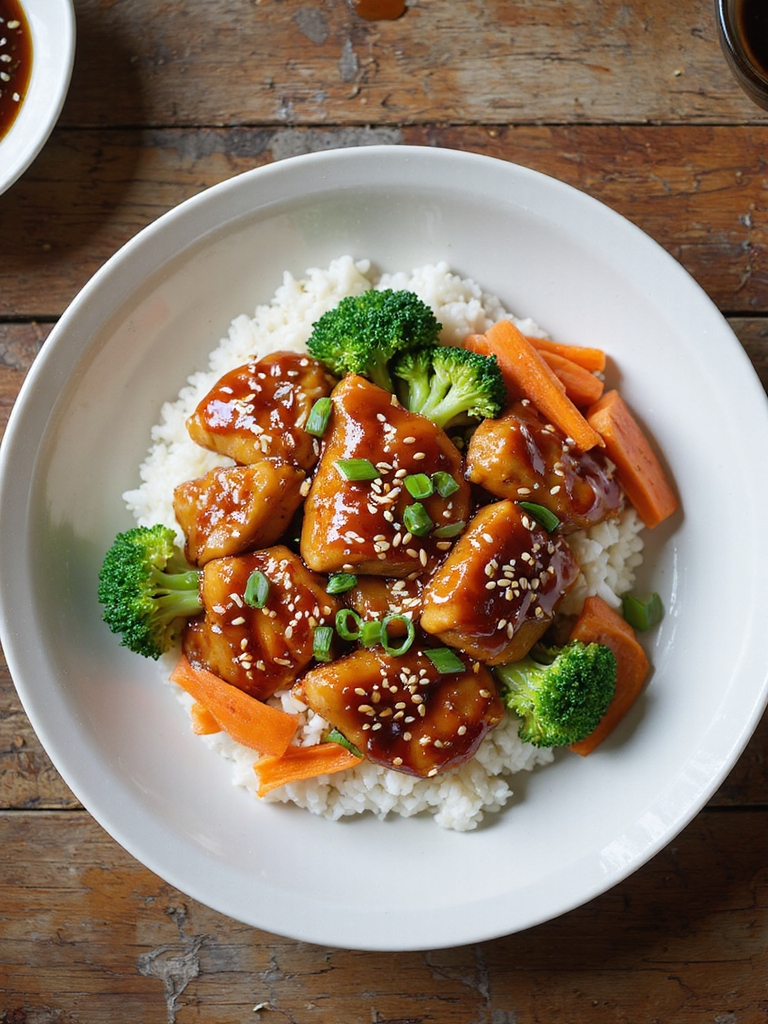
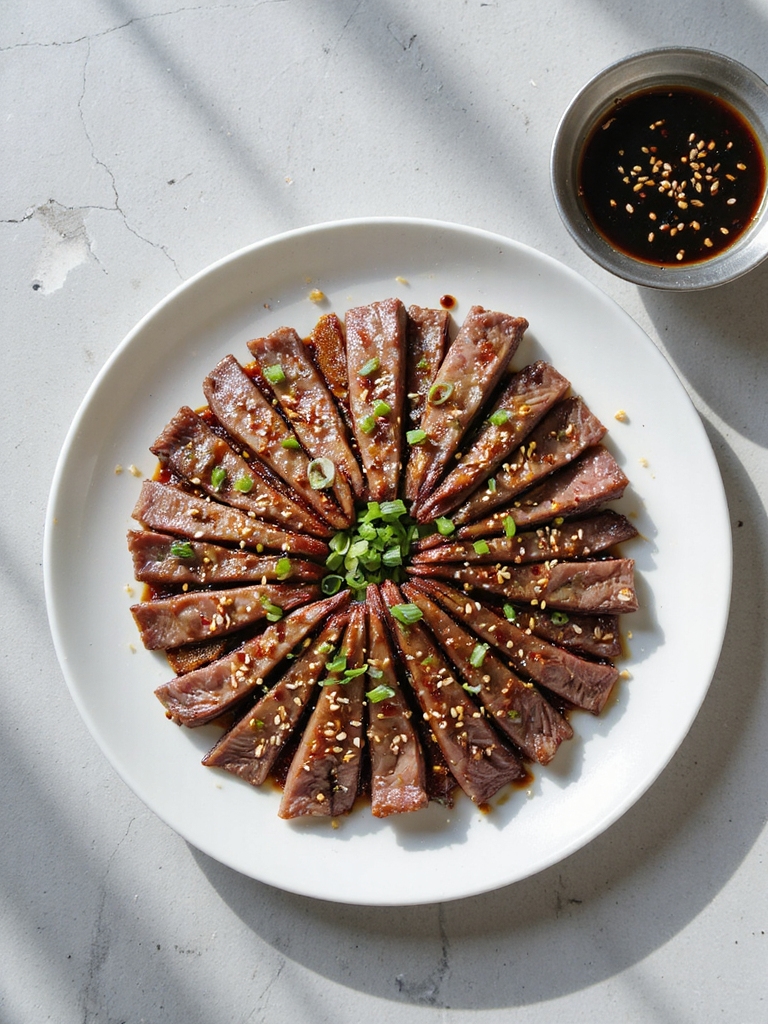
As someone who’s fallen head over heels for the vibrant world of Korean BBQ, I can’t help but share the magic of these sweet and spicy creations. If it’s the tender bulgogi marinated in a perfect blend of soy sauce, garlic, and brown sugar, or the fiery goodness of spicy pork belly with gochujang, each bite is an adventure.
Ready to transform your next meal into an unforgettable feast? Let’s fire up the grill!
The Essentials of Korean BBQ
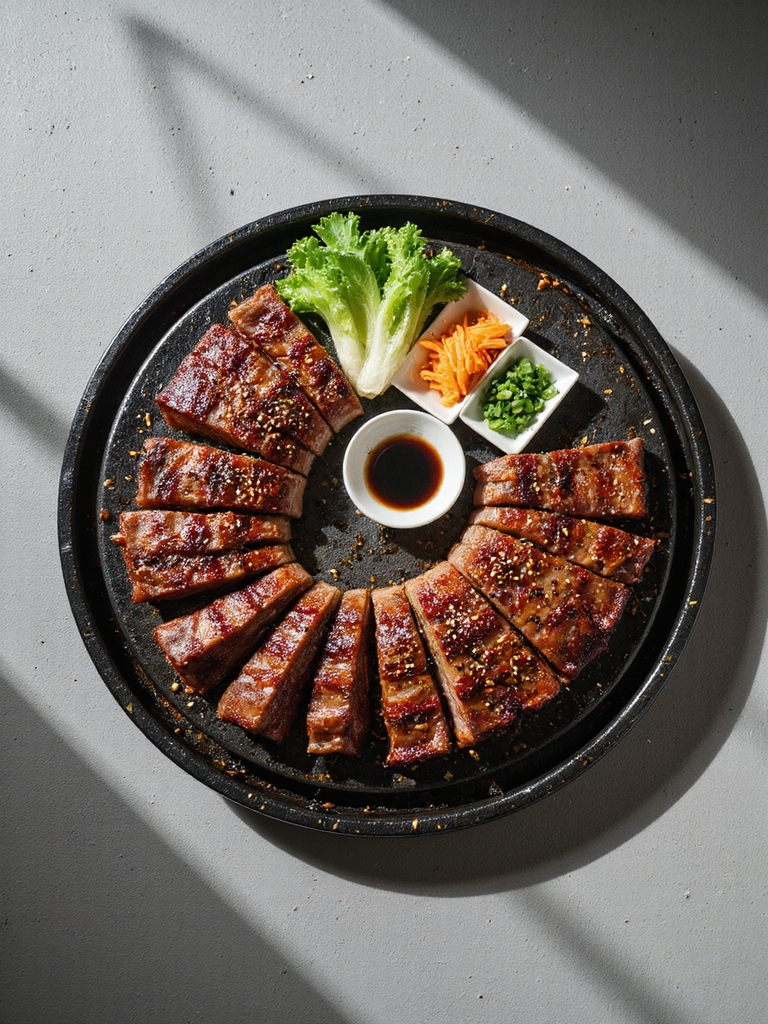
Korean BBQ, or “Gogi-gui,” is a beloved culinary tradition where a variety of meats, particularly marinated beef and pork, are grilled over an open flame and served with diverse side dishes. To create an authentic Korean BBQ experience at home, it’s vital to focus on the essentials: flavorful marinades, high-quality cuts of meat, and fresh vegetable accompaniments. Here’s a recipe to get you started with marinated beef, a staple in any Korean BBQ spread.
Ingredients:
- 2 pounds beef short ribs or ribeye steak
- 1/2 cup soy sauce
- 1/4 cup sesame oil
- 1/4 cup sugar
- 4 cloves garlic, minced
- 1 tablespoon ginger, grated
- 1 tablespoon sesame seeds
- 1 bunch green onions, chopped
- 1 tablespoon rice wine
- Pepper to taste
To prepare your Korean BBQ, combine soy sauce, sesame oil, sugar, garlic, ginger, sesame seeds, green onions, rice wine, and pepper in a large bowl, creating a flavorful marinade. Submerge the beef in the marinade, ensuring each piece is thoroughly coated, and let it sit for at least four hours or overnight in the refrigerator. When ready to cook, heat a grill to medium-high and grill the beef until it’s caramelized and cooked to your liking, turning occasionally for even cooking.
To enhance the Korean BBQ experience, use a charcoal grill if possible, as it adds a smoky flavor that’s quintessential to the dish. Serve the cooked meat with traditional side dishes like kimchi, lettuce leaves, and dipping sauces for an authentic dining experience.
Choosing the Right Cuts of Meat
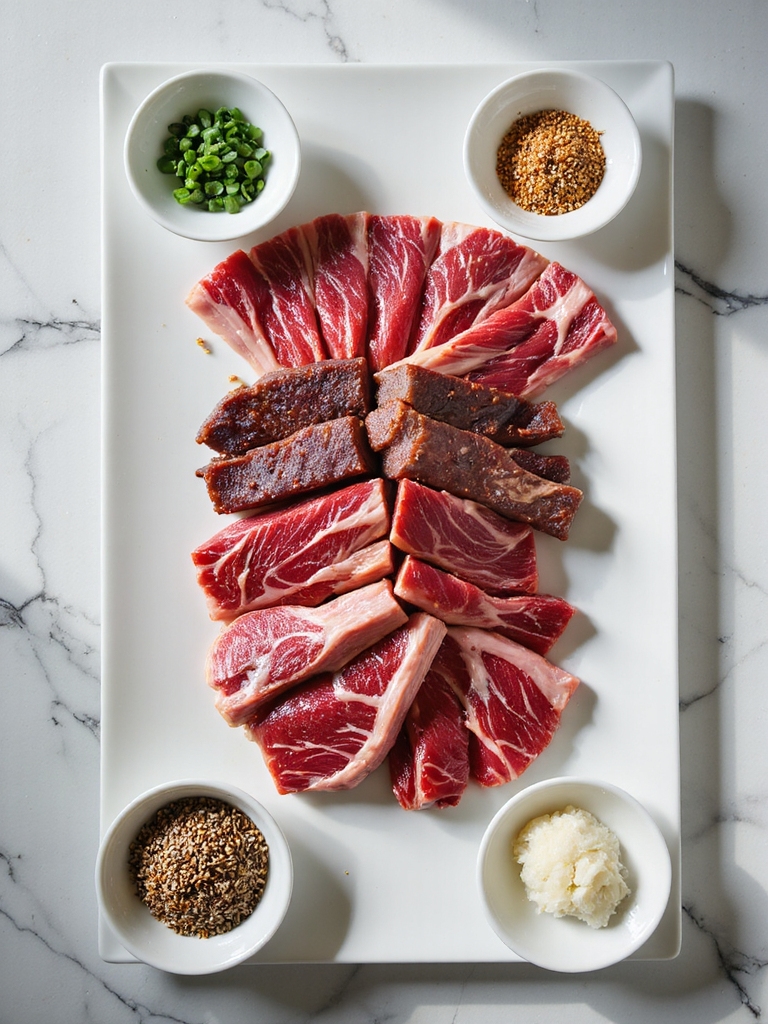
When selecting the right cuts of meat for Korean BBQ, consider the texture and flavor profile you wish to achieve. Cuts like brisket, short ribs, and ribeye offer a balance of tender meat and marbling, making them ideal for grilling. These cuts absorb marinades well, ensuring a rich taste after being cooked over an open flame.
Ingredients:
- 2 pounds beef brisket or short ribs
- 1/2 cup soy sauce
- 1/4 cup sesame oil
- 1/4 cup brown sugar
- 4 cloves garlic, minced
- 1 tablespoon ginger, grated
- 1 tablespoon sesame seeds
- 1 tablespoon rice wine
- Pepper to taste
Begin by whisking together soy sauce, sesame oil, brown sugar, garlic, ginger, sesame seeds, rice wine, and pepper until the sugar is dissolved. Place the brisket in a shallow dish and pour the marinade over, ensuring each piece is covered. Let it marinate in the refrigerator for at least four hours. Preheat the grill to medium-high and grill the meat, turning occasionally, until the desired doneness.
For the best results, choose well-marbled cuts, as they render down and provide flavor and moisture. Slice against the grain after cooking to enhance tenderness, and pair with fresh vegetables and pickles for a balanced experience.
Crafting the Perfect Bulgogi Marinade
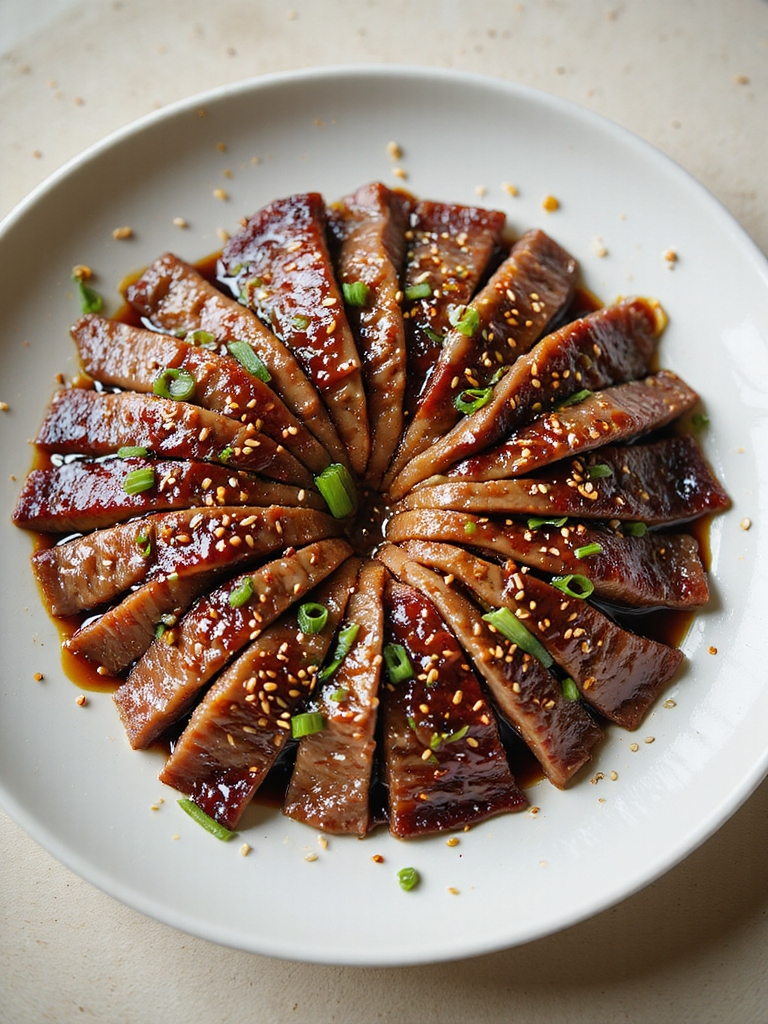
Bulgogi, a classic Korean dish, features thin slices of marinated beef that are tender, juicy, and packed with flavor. The marinade enhances the meat with a balance of sweet, savory, and umami notes, guaranteeing every bite bursts with delight. To prepare, combine all the ingredients, coat the meat thoroughly, and let it rest to absorb all the delicious flavors. Once grilled to perfection, Bulgogi can be served with steamed rice, lettuce wraps, or kimchi for a satisfying meal.
- 1 pound beef ribeye or sirloin, thinly sliced
- 1/2 cup soy sauce
- 1/4 cup sugar
- 2 tablespoons sesame oil
- 3 cloves garlic, minced
- 1 small onion, finely chopped
- 1 tablespoon sesame seeds
- 2 green onions, chopped
- 1/2 teaspoon black pepper
Mix soy sauce, sugar, sesame oil, garlic, onion, sesame seeds, green onions, and black pepper until well combined. Submerge the beef in the mixture, making certain each piece is coated. Marinate for at least 2 hours. Heat a grill or skillet over medium-high heat and cook the beef in batches until caramelized and slightly charred, about 2-3 minutes per side.
If possible, use an open flame grill to add a smoky flavor which enhances the overall taste. Thinly slicing the meat before marinating helps it absorb the flavors quickly, and cooking in small batches ensures even caramelization.
Spicy Pork Belly With Gochujang
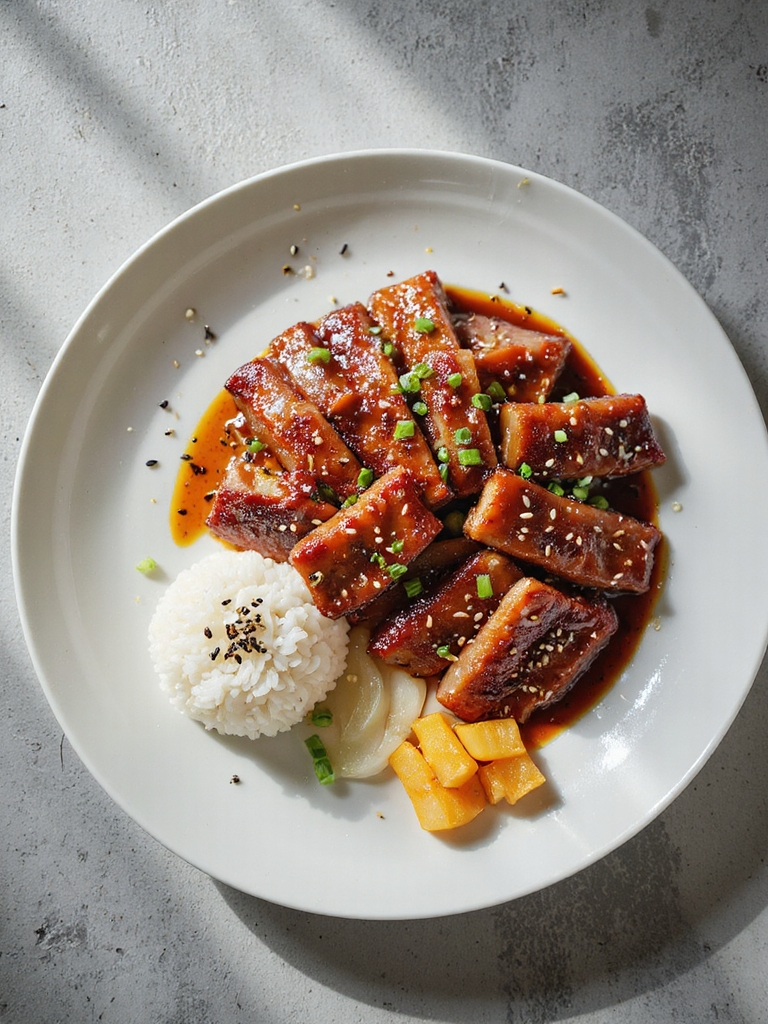
Spicy Pork Belly with Gochujang is a mouth-watering Korean BBQ dish that’s all about bold, fiery flavors. The rich, fatty texture of pork belly pairs beautifully with the heat of gochujang, a fermented Korean chili paste that adds depth to the marinade. This dish offers a perfect balance of spice and sweetness, making it an irresistible meal when grilled to perfection. Serve it with steamed rice and a side of pickled vegetables for the full Korean BBQ experience.
- 1 pound pork belly, thinly sliced
- 3 tablespoons gochujang
- 2 tablespoons soy sauce
- 1 tablespoon sugar
- 1 tablespoon sesame oil
- 2 cloves garlic, minced
- 1 teaspoon ginger, grated
- 1 tablespoon rice wine
- 1 tablespoon sesame seeds
- 2 green onions, chopped
Combine gochujang, soy sauce, sugar, sesame oil, garlic, ginger, rice wine, sesame seeds, and green onions in a bowl. Mix well and add the pork belly, ensuring each piece is coated in the spicy marinade. Let it marinate for at least 2 hours before grilling the pork slices on a medium-high heat grill until they are caramelized and slightly crispy, approximately 2-3 minutes on each side.
For an authentic smoky flavor, use a charcoal grill if possible. Keep a spray bottle of water close by to control any flare-ups due to the rendered fat, ensuring the pork belly doesn’t burn.
Grilled Chicken With Sweet Soy Sauce
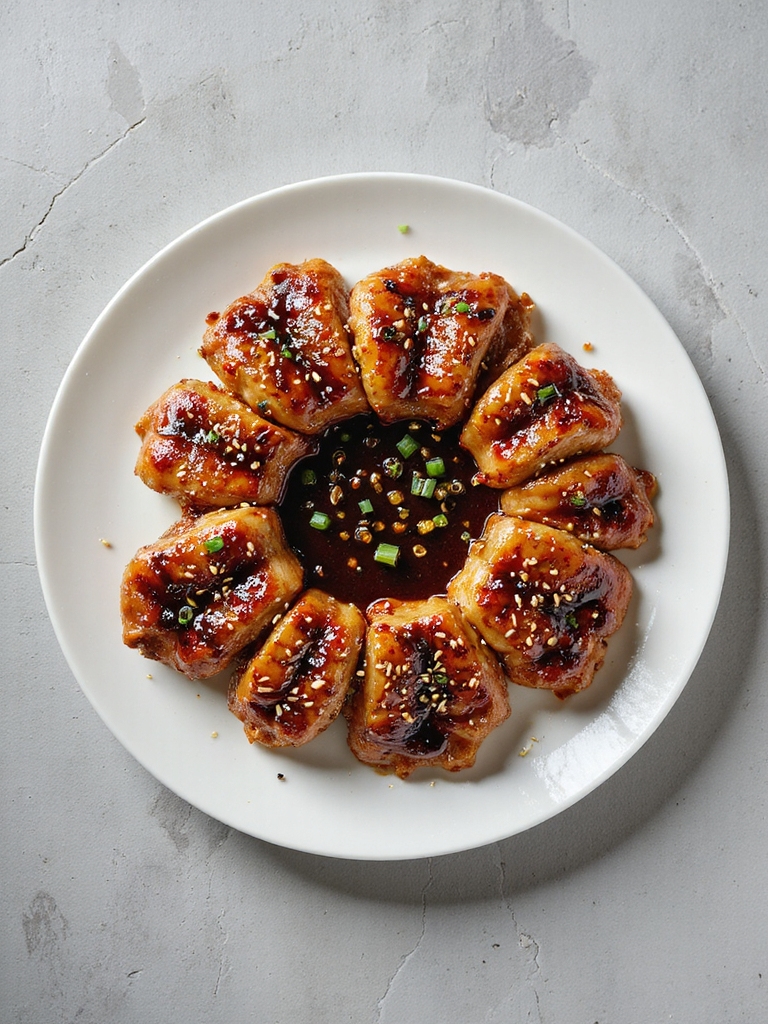
Grilled Chicken With Sweet Soy Sauce is a delicious Korean BBQ dish that marries the savory notes of soy sauce with a hint of sweetness, perfectly complementing the tender and juicy texture of grilled chicken. This dish is easy to prepare and offers a harmonious blend of flavors that make it a crowd favorite at any gathering. Serve it with a side of freshly grilled vegetables or a crisp salad for a revitalizing balance.
- 1 pound chicken thighs, boneless and skinless
- 3 tablespoons soy sauce
- 2 tablespoons brown sugar
- 1 tablespoon sesame oil
- 2 cloves garlic, minced
- 1 teaspoon ginger, grated
- 1 tablespoon rice vinegar
- 1 tablespoon sesame seeds
Combine soy sauce, brown sugar, sesame oil, garlic, ginger, rice vinegar, and sesame seeds in a bowl and whisk well. Add chicken thighs to the marinade, cover, and chill for at least 1 hour. Grill on medium heat until cooked through and slightly charred, about 5-6 minutes per side.
Ensure the chicken is fully marinated by occasionally turning it in the marinade. Rotate the chicken on the grill for even cooking and to avoid burning, making sure not to pierce the meat, which can release the juices needed for maximum flavor. Perfect BBQ Chicken is all about achieving that ideal char and moisture balance.
Korean-Style Short Ribs (Galbi)
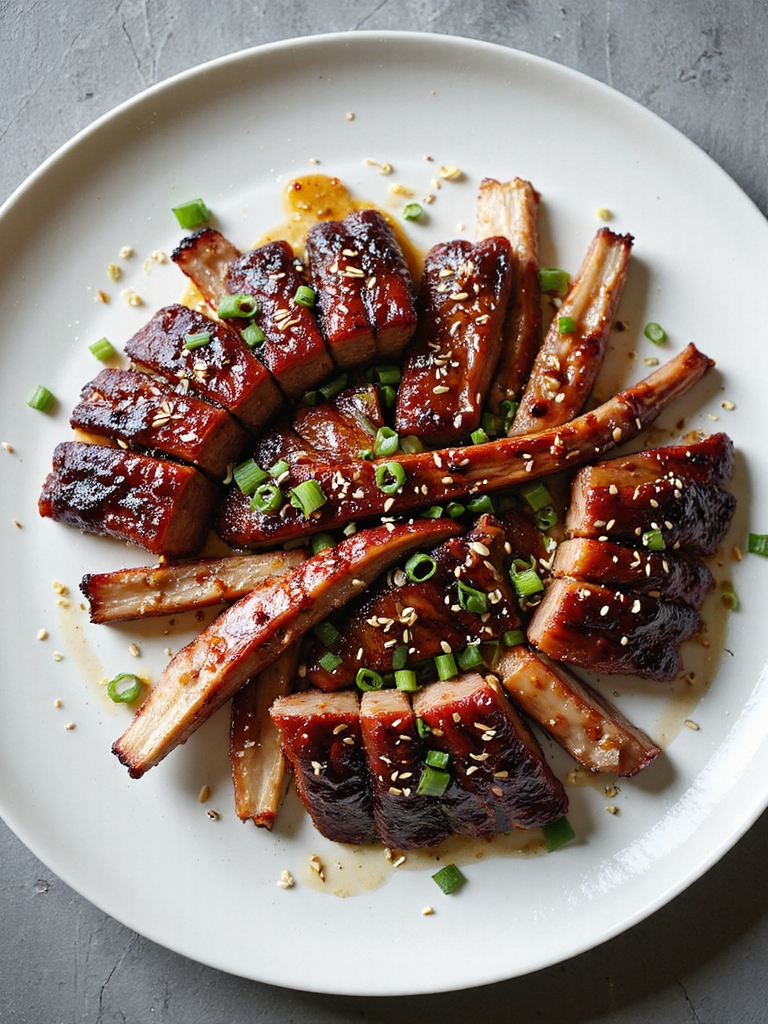
Korean-Style Short Ribs, also known as Galbi, are a staple of Korean BBQ, celebrated for their rich, savory flavors and melt-in-your-mouth tenderness. This dish features beef short ribs marinated in a flavorful blend of soy sauce, garlic, and other seasonings, which enhances their natural umami taste. Perfectly grilled and slightly caramelized, Galbi makes for an impressive and delicious addition to any barbecue spread.
- 2 pounds beef short ribs, flanken style
- 1/2 cup soy sauce
- 1/4 cup brown sugar
- 2 tablespoons sesame oil
- 3 cloves garlic, minced
- 1 teaspoon ginger, grated
- 2 tablespoons rice vinegar
- 1/4 cup chopped scallions
- 2 tablespoons sesame seeds
- 1 teaspoon black pepper
Combine soy sauce, brown sugar, sesame oil, garlic, ginger, rice vinegar, scallions, sesame seeds, and black pepper in a bowl and mix well. Add the short ribs to the marinade, ensuring they are fully coated, and let them marinate in the refrigerator for at least 2 hours. Grill the ribs on medium-high heat until caramelized and cooked to your desired level, roughly 3-4 minutes per side.
For best results, select flanken-style short ribs, which are thinly cut across the bone for quicker cooking and better absorption of the marinade. Be sure to preheat the grill and oil it lightly to prevent sticking, ensuring the ribs can be easily turned for even grilling.
Vegetarian Alternatives for the Grill
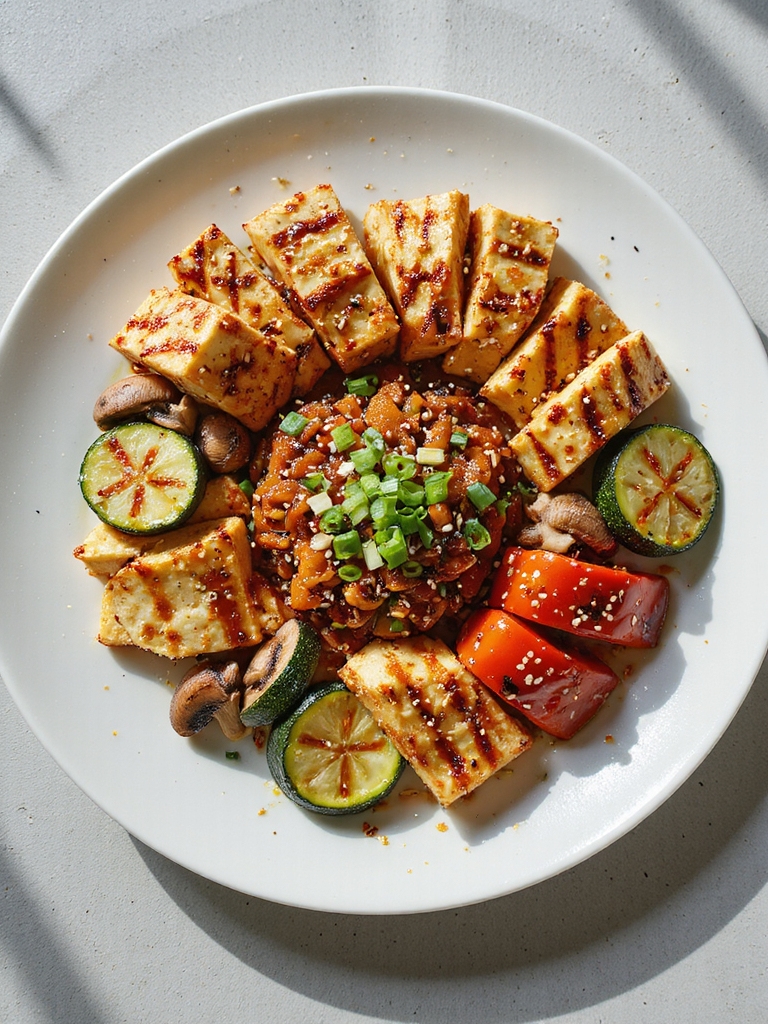
Grilling is not just for meats; vegetables and plant-based options can shine just as brightly on the grill, offering a smoky, delicious twist to typical vegetarian cuisine. A vibrant and satisfying addition to your BBQ spread can include grilled vegetables and plant-based proteins, such as tofu or tempeh, bathed in a Korean-style marinade. These vegetarian alternatives absorb flavors beautifully and achieve a delightful char when grilled, making them a fantastic choice for everyone at the grill. Additionally, incorporating seasonal vegetables adds freshness and enhances the overall flavor profile of your BBQ dishes.
- 1 block firm tofu, pressed and sliced
- 2 zucchinis, sliced into thick rounds
- 1 red bell pepper, sliced
- 1 cup mushrooms, halved
- 1/4 cup soy sauce
- 2 tablespoons sesame oil
- 2 cloves garlic, minced
- 1 tablespoon rice vinegar
- 1 tablespoon gochujang (Korean chili paste)
- 1 tablespoon brown sugar
- 1 teaspoon grated ginger
Mix soy sauce, sesame oil, garlic, rice vinegar, gochujang, brown sugar, and ginger in a bowl to create the marinade. Coat tofu, zucchini, bell peppers, and mushrooms thoroughly and let marinate in the refrigerator for at least 30 minutes. Preheat the grill to medium-high heat, arrange marinated veggies and tofu on the grill, and cook for 5 to 6 minutes on each side until charred and cooked through.
For best results, verify your tofu is well-pressed to remove excess moisture, allowing it to absorb flavors better. Lightly oil the grill before cooking to prevent sticking and turn the vegetables and tofu frequently for even grilling.
Homemade Kimchi: A Flavorful Sidekick
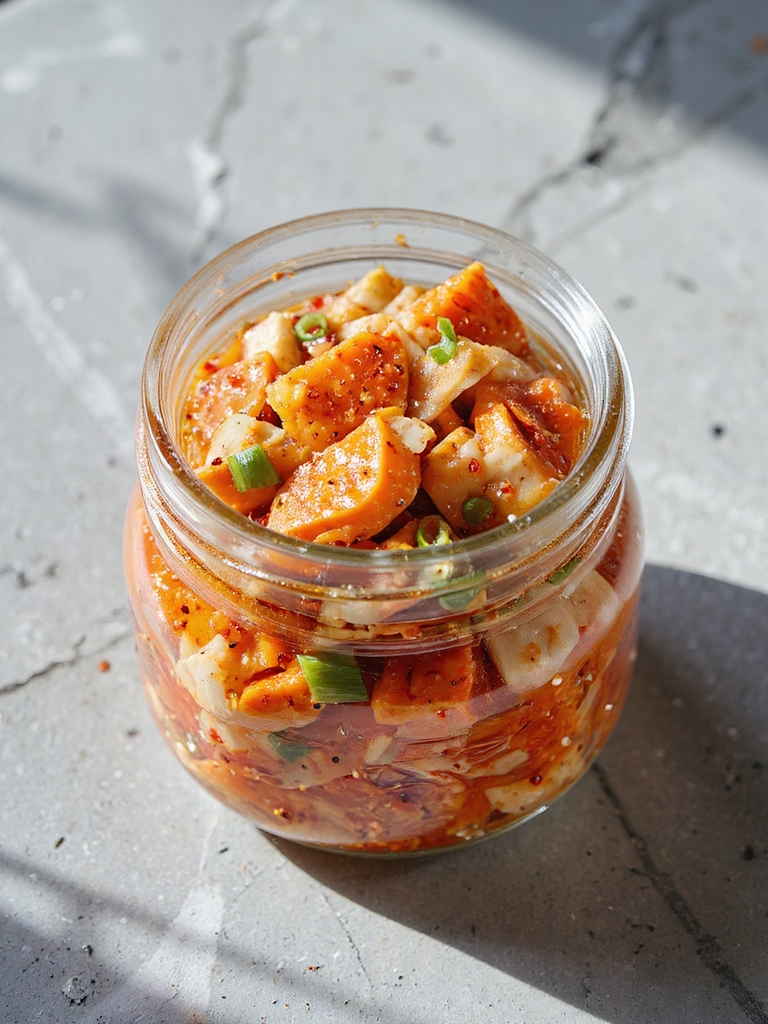
Kimchi, a staple in Korean cuisine, is a tangy, spicy, and fermented vegetable dish that adds depth and flavor to any meal. Homemade kimchi is a delightful sidekick to Korean BBQ, providing a rejuvenating balance to the savory grilled dishes. Made traditionally with napa cabbage, it can also include other veggies like radishes or carrots for added texture. Its development of complex flavors during fermentation makes it an exciting side dish to prepare. Simple and delicious homemade BBQ sauce can also elevate the flavors of your Korean BBQ experience, pairing beautifully with the tangy taste of kimchi.
- 1 medium napa cabbage
- 1/4 cup sea salt
- 2 tablespoons glutinous rice flour
- 2 tablespoons sugar
- 1/4 cup fish sauce
- 5 cloves garlic, minced
- 1 tablespoon grated ginger
- 1/4 cup Korean red pepper powder (gochugaru)
- 5 green onions, chopped
- 1 medium carrot, julienned
- 1 small daikon radish, julienned
Cut the napa cabbage into quarters and salt the leaves generously, letting it sit for 2 hours. Rinse the cabbage thoroughly and drain. In a separate bowl, mix the rice flour paste, sugar, fish sauce, garlic, ginger, gochugaru, green onions, carrot, and radish. Coat the cabbage with this mixture, ensuring each leaf is covered. Pack the mixture tightly into jars, leaving some space at the top for expansion. Let it ferment at room temperature for 1-5 days, then refrigerate.
Extra tips: For a milder kimchi, reduce the amount of gochugaru, or for a vegan option, replace fish sauce with soy sauce. Taste as you ferment, and adjust the duration based on your preferred level of sourness.
Savory Korean Pancakes (Pajeon)
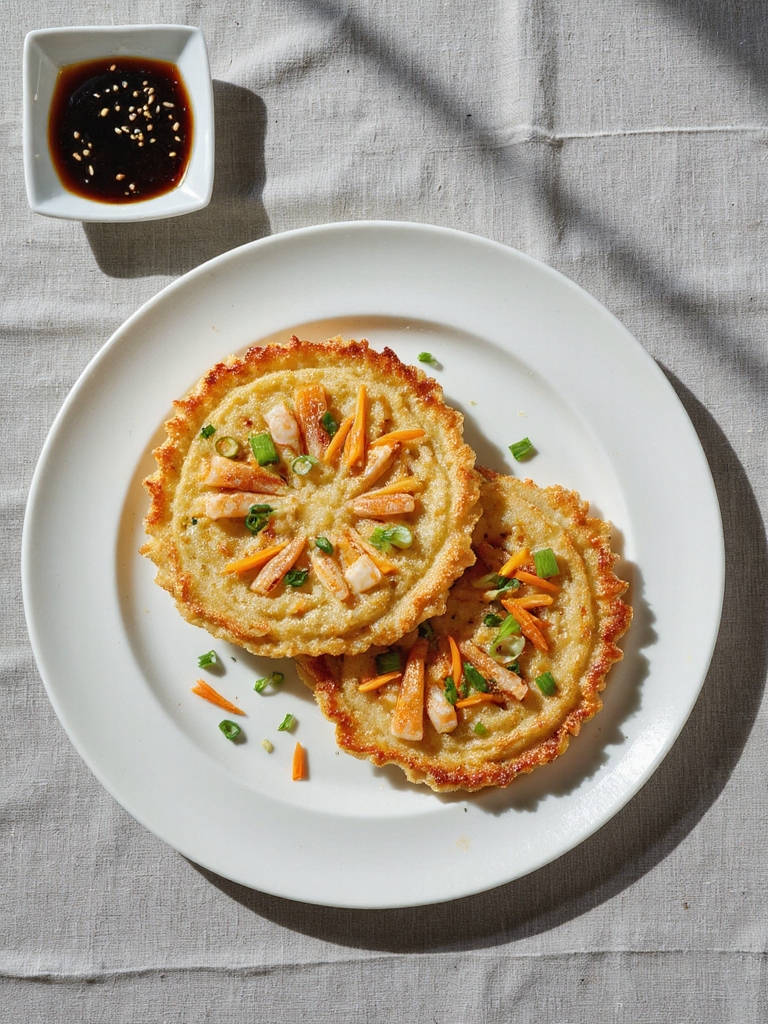
Korean pancakes, known as Pajeon, are savory treats perfect for any occasion. Typically made with a combination of flour, eggs, green onions, and a variety of other ingredients, these pancakes are crispy on the outside and soft on the inside. Pajeon serves as a great appetizer or side dish to complement any Korean BBQ meal. The flexibility of ingredients allows you to personalize the pancake with seafood, meats, or just keep it simple and vegetarian.
- 1 cup all-purpose flour
- 1 cup cold water
- 1 egg
- 1/2 teaspoon salt
- 1 bunch of green onions, cut into 3-inch lengths
- 1/4 cup julienned carrots
- Optional: 1/2 cup seafood mix (shrimp, squid, etc.)
- Vegetable oil for frying
In a mixing bowl, whisk together flour, cold water, egg, and salt until smooth. Stir in the green onions, carrots, and optional seafood mix. Heat a generous amount of vegetable oil in a non-stick skillet over medium-high heat. Pour half of the batter into the skillet, spreading evenly. Cook until the edges turn crispy and golden brown, about 3-4 minutes per side. Repeat with the remaining batter.
Extra tips: For extra crispiness, use ice-cold water in the batter and guarantee the oil is hot before adding the batter. Serve with a soy sauce dipping sauce enhanced with a touch of sesame oil and vinegar.
Spicy Cucumber Salad (Oi Muchim)
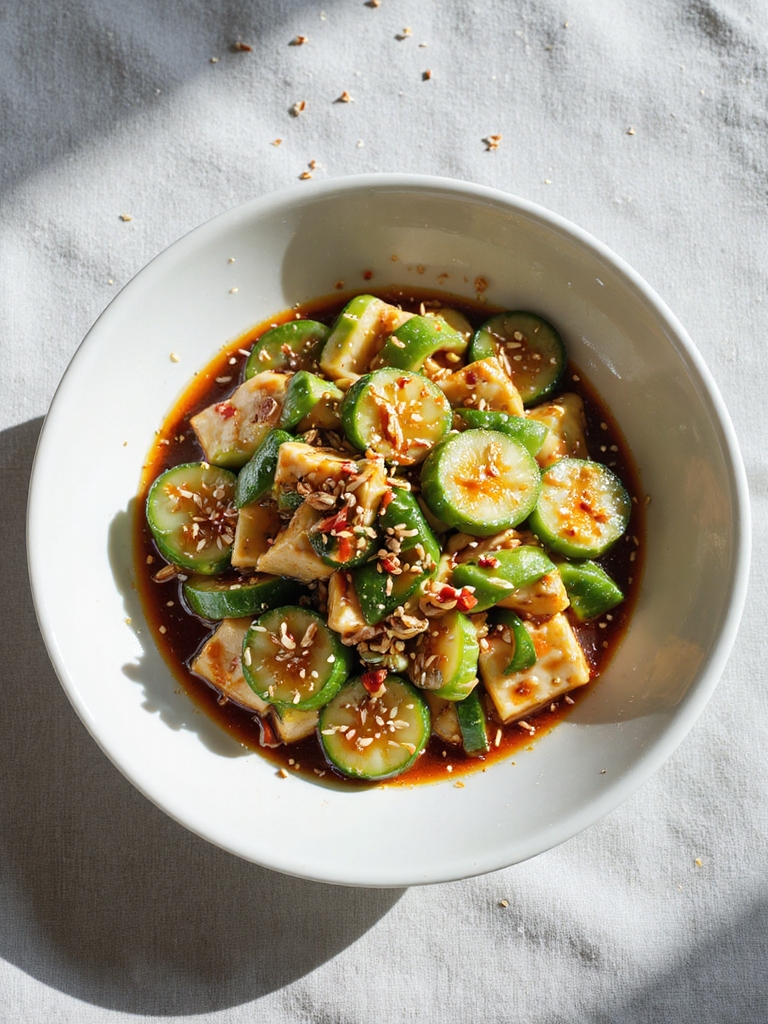
Spicy Cucumber Salad, known as Oi Muchim, is a revitalizing Korean side dish that perfectly balances the heat of Korean BBQ. This dish is light and crunchy, with a delightful mix of spicy and tangy flavors from the mix of seasonings. It’s an ideal companion to any heavy meal as it cleanses the palate and enhances the flavors of the other dishes. Oi Muchim’s simple preparation and vibrant taste make it a popular choice in Korean cuisine.
- 2 cucumbers, thinly sliced
- 1 teaspoon salt
- 1 tablespoon Korean red pepper flakes (gochugaru)
- 1 tablespoon rice vinegar
- 1 tablespoon soy sauce
- 1 teaspoon sugar
- 2 cloves garlic, minced
- 1 teaspoon sesame oil
- 1 teaspoon sesame seeds
Start by mixing sliced cucumbers with salt in a bowl, allowing them to sit for 10 minutes before rinsing and draining to remove moisture. Combine the cucumbers with red pepper flakes, rice vinegar, soy sauce, sugar, minced garlic, sesame oil, and sesame seeds. Mix until cucumbers are evenly coated with the sauce, adjusting the seasoning if necessary, and serve immediately or chilled.
To prevent watery salad, thoroughly rinse and drain the salted cucumbers before mixing them with the sauce. For an added crunch, you can introduce thinly sliced onions or carrots into the salad for an extra layer of texture and flavor.
Perfectly Pickled Radish
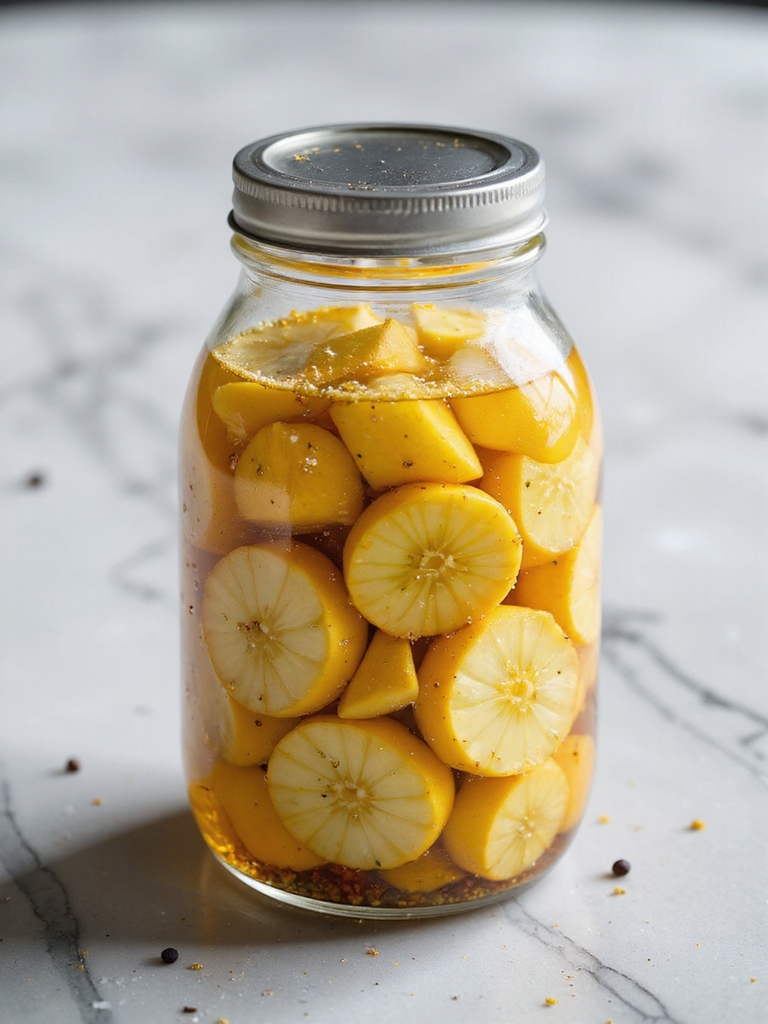
Perfectly pickled radish is a staple in Korean cuisine, often served as a revitalizing side dish that complements the rich flavors of Korean BBQ. Known for its balance of sweet and tangy notes, the vibrant yellow color of pickled radish adds an aesthetically pleasing touch to any meal spread. Its crisp texture and palate-cleansing properties make it a perfect accompaniment to grilled meats, providing a delightful contrast in texture and flavor.
- 1 large daikon radish
- 1 cup water
- 1 cup white vinegar
- 1 cup sugar
- 1 tablespoon salt
- 1 teaspoon turmeric powder (for color)
Start by peeling and slicing the daikon radish into quarter-inch thick pieces. In a saucepan, combine water, vinegar, sugar, salt, and turmeric, bringing the mixture to a boil. Once heated, remove from heat and pour over the radish slices in a jar, making sure they’re fully submerged, then seal the jar and refrigerate for at least 24 hours before serving for best flavor absorption.
For ideal texture, make sure the radish slices are evenly cut to prevent uneven pickling. Adjust the sugar level to suit your taste, and remember that the turmeric doesn’t just add color but also enhances the flavor profile of the pickled radish, making it a versatile addition to your meal.
Setting Up Your Korean BBQ Grill at Home
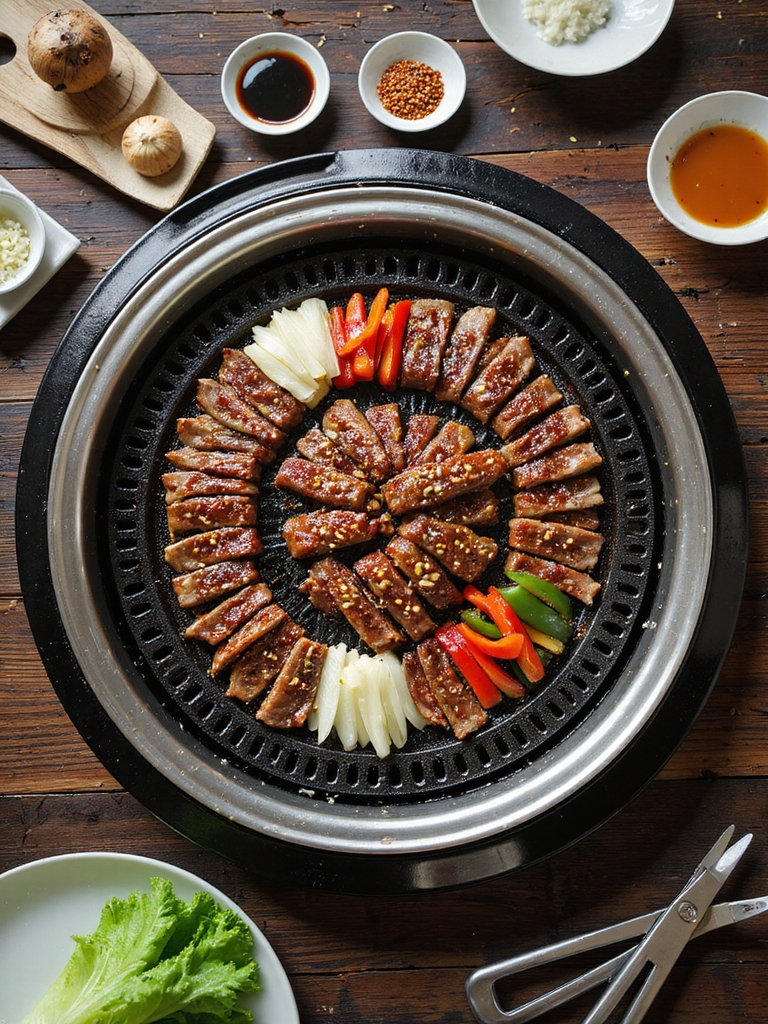
Setting up your Korean BBQ grill at home can be an exciting and rewarding experience, allowing you to enjoy delicious grilled meats and vegetables in the comfort of your backyard or kitchen. The key to setting up a perfect Korean BBQ experience lies in selecting the right grill, preparing your ingredients ahead of time, and ensuring you have the necessary tools for grilling. A portable charcoal grill or electric tabletop grill is ideal for achieving that authentic smoky flavor and grilling variety of meats such as bulgogi, galbi, or samgyeopsal.
- Charcoal or electric tabletop grill
- Assorted meats like bulgogi, galbi, or samgyeopsal
- Assorted vegetables (e.g., mushrooms, peppers, onions)
- Korean BBQ sauce or marinades
- Tongs and grilling utensils
Begin by pre-heating your grill and arranging it in a well-ventilated area. Once heated, place marinated meats and vegetables on the grill, allowing them to cook evenly by flipping periodically. Serve with fresh lettuce leaves, dipping sauces, and side dishes such as kimchi or pickled radish for a complete meal experience.
Ensure you keep an eye on the heat levels to avoid overcooking your meats, checking for grill marks as an indicator of readiness. Consider serving grilled dishes immediately for the freshest flavor and best texture, as this enhances the entire Korean BBQ experience.
Tips for the Ideal Grilling Experience
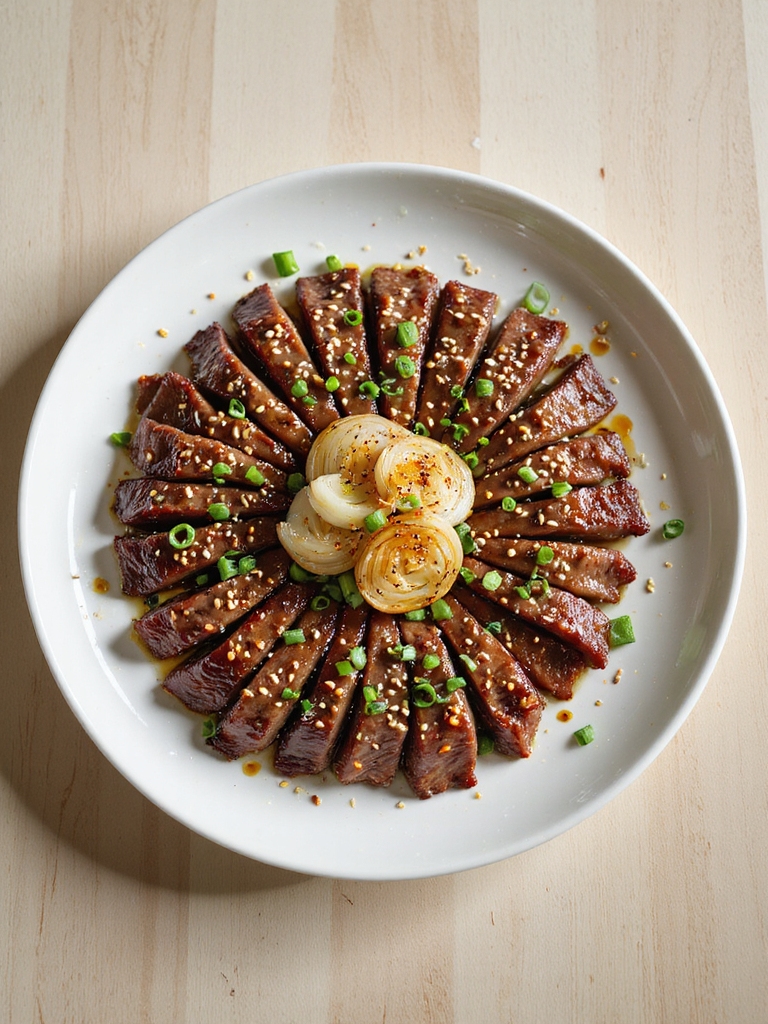
For an ideal Korean BBQ grilling experience, focus on creating a perfectly marinated dish that highlights the authentic flavors of Korean cuisine. One popular choice is bulgogi, a sweet and savory beef dish that can be grilled to perfection on your home setup. Balancing the flavors with the right combination of spices, soy sauce, and sugar is essential for achieving the signature taste that pairs beautifully with freshly grilled vegetables and Asian-inspired side dishes.
- 1 pound beef sirloin, thinly sliced
- 1/4 cup soy sauce
- 2 tablespoons sugar
- 1 tablespoon sesame oil
- 2 cloves garlic, minced
- 1/2 teaspoon freshly ground black pepper
- 1 medium onion, sliced
- 2 green onions, chopped
- 1 tablespoon toasted sesame seeds
Mix soy sauce, sugar, sesame oil, garlic, and black pepper in a bowl to prepare the marinade. Add beef, onion, and green onions, ensuring even coating and marinate for at least an hour. Preheat the grill, place marinated beef on it, and cook until juicy and tender, ensuring each side is evenly browned.
For a stellar grilling experience, make sure the grill is smokin’ hot before placing the meat, as quick searing locks in flavors. Additionally, using homemade BBQ sauce can enhance the richness of the meal, transforming your dish into an unforgettable feast. Keep an eye on the grill and adjust heat as needed to prevent the meat from becoming tough, savoring each bite with desired accompaniments.
Pairing Korean BBQ With Side Dishes and Drinks
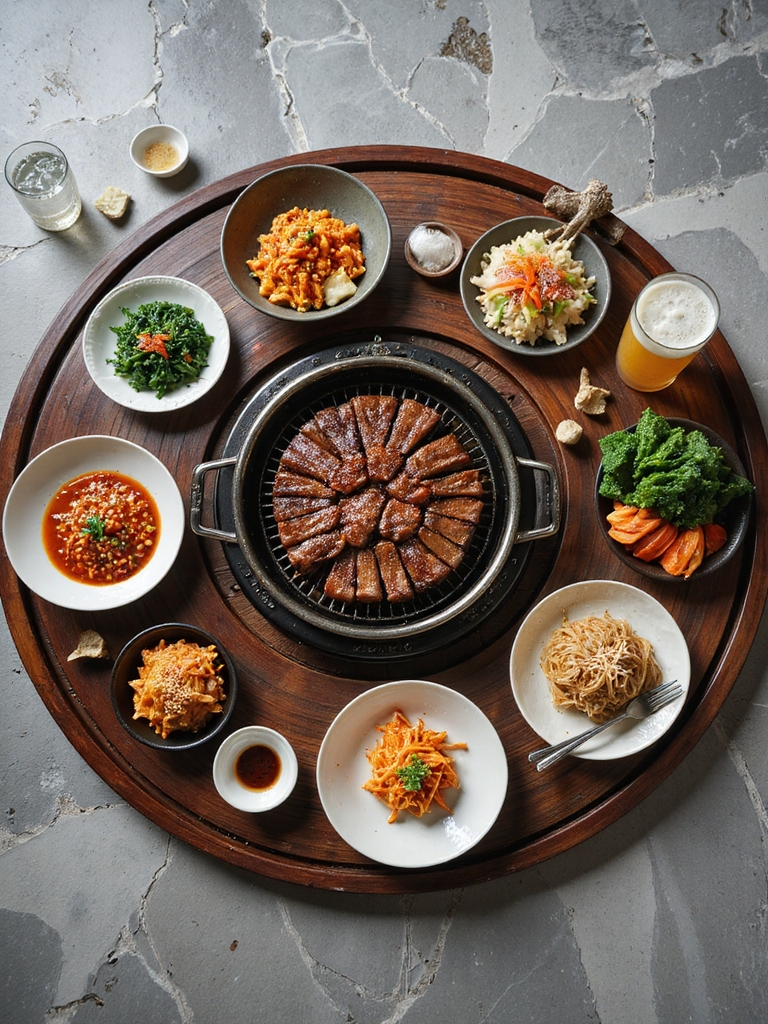
Enhance your Korean BBQ experience by expertly pairing your grilled meat with complementary side dishes and invigorating drinks. Consider serving kimchi, seasoned spinach (sigeumchi namul), and japchae (glass noodles with vegetables) alongside your main course to add texture and vibrant flavors to your meal. For drinks, traditional Korean soju or a light lager perfectly cuts through the richness of the BBQ, offering a balanced and satisfying culinary experience.
Ingredients:
- Kimchi
- Sigeumchi namul (seasoned spinach)
- Japchae
- Soju or light lager
To prepare your side dishes, start by ensuring all vegetables are fresh and prepped according to the recipes; refrigerate kimchi for a tangy finish. When ready to serve, bring all dishes together at the table, allowing guests to customize their plates. Select drinks that complement the smoky flavors of the BBQ, serving them cold for maximum invigoration.
Remember to space out heavier dishes with lighter options to avoid overpowering the palate and keep all elements balanced. Keep drinks chilled to enhance their crisp, invigorating characteristics against the savory BBQ.
Making Your Meal Truly Memorable
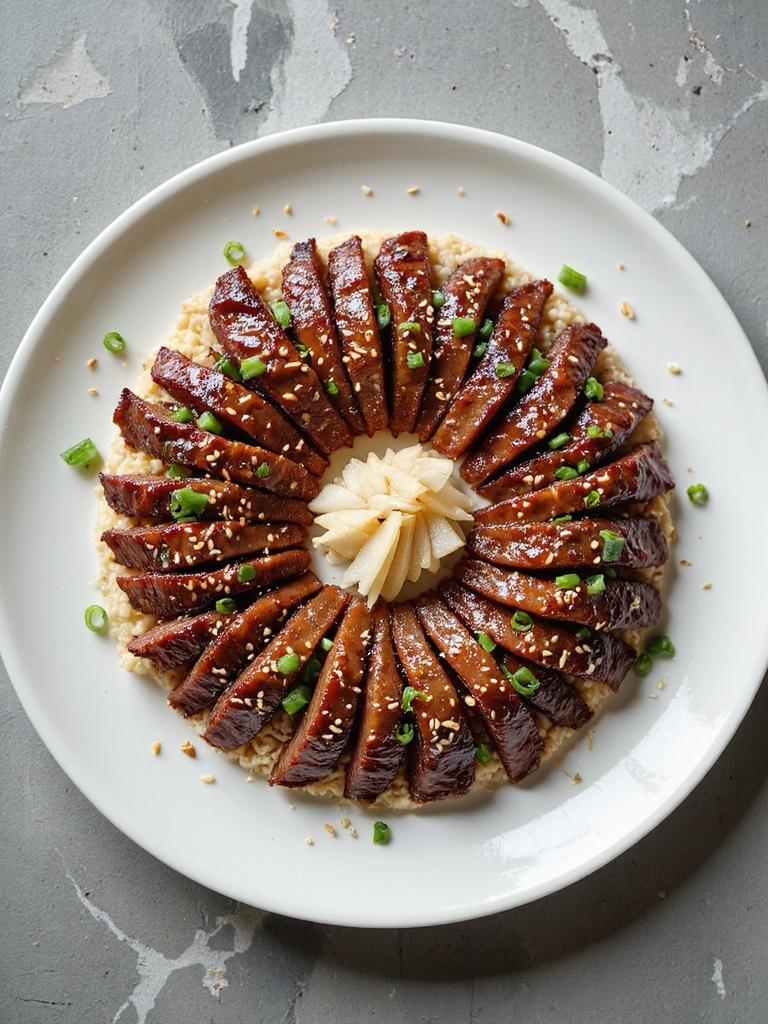
To make your Korean BBQ meal truly memorable, consider adding a unique dish that combines the smoky flavors of the grill with a tangy, sweet marinade that will excite your taste buds. A delightful addition to your meal could be bulgogi-marinated beef, thinly sliced and grilled to perfection. This dish is not only savored for its fantastic aroma and taste but also for its quickly marinating nature, making it a convenient yet sophisticated choice for any BBQ gathering.
Ingredients:
- Thinly sliced beef (ribeye or sirloin)
- Soy sauce
- Sugar
- Sesame oil
- Garlic
- Ginger
- Green onions
- Sesame seeds
- Asian pear (optional for tenderizing)
- Black pepper
Mix soy sauce, sugar, sesame oil, minced garlic, grated ginger, and thinly sliced green onions to prepare a flavorful marinade. Coat the beef thoroughly, letting it marinate for at least one hour (or overnight for enhanced flavors) in the fridge. When ready to cook, grill the beef on a preheated BBQ setup for a few minutes on each side until caramelized on the outside and juicy inside, and then garnish with sesame seeds.
To achieve the best results, periodically baste the beef with extra marinade while grilling for added flavor. Also, remember that using an Asian pear in your marinade can add a distinct sweetness and help tenderize the meat further, elevating the overall taste and texture.