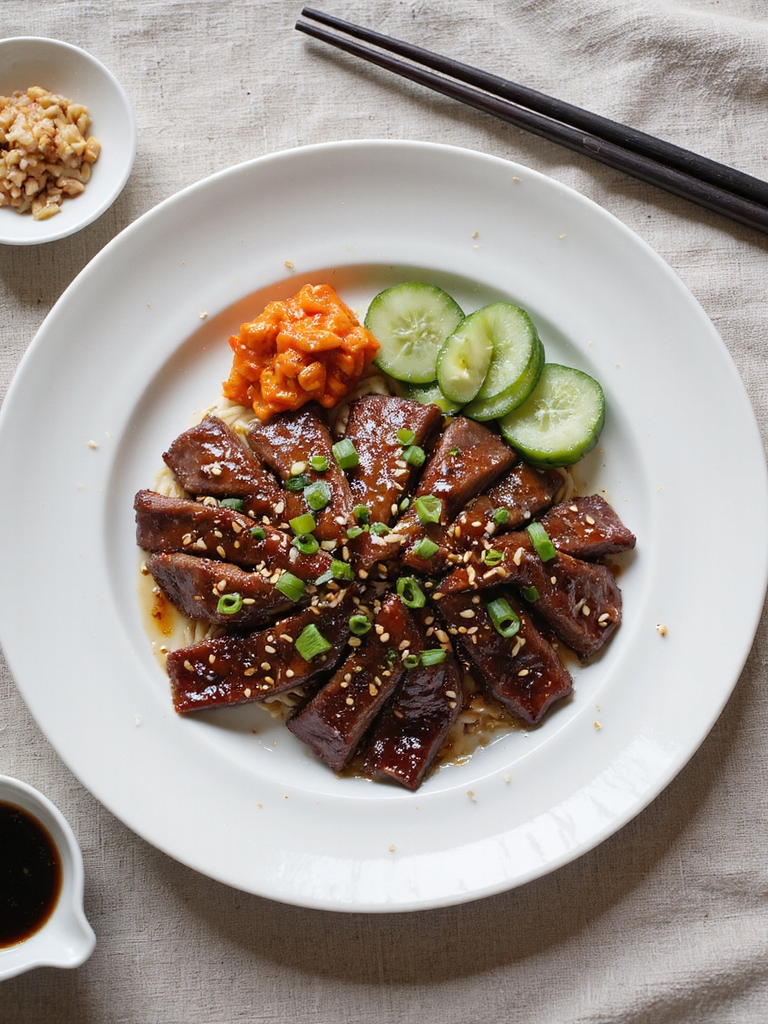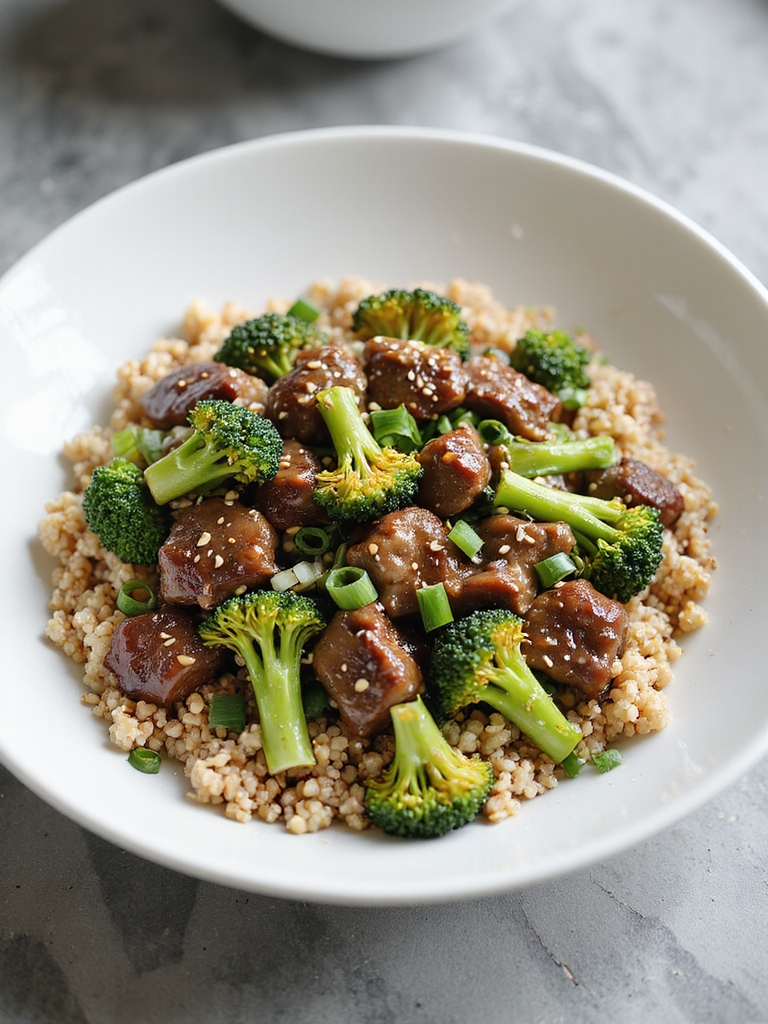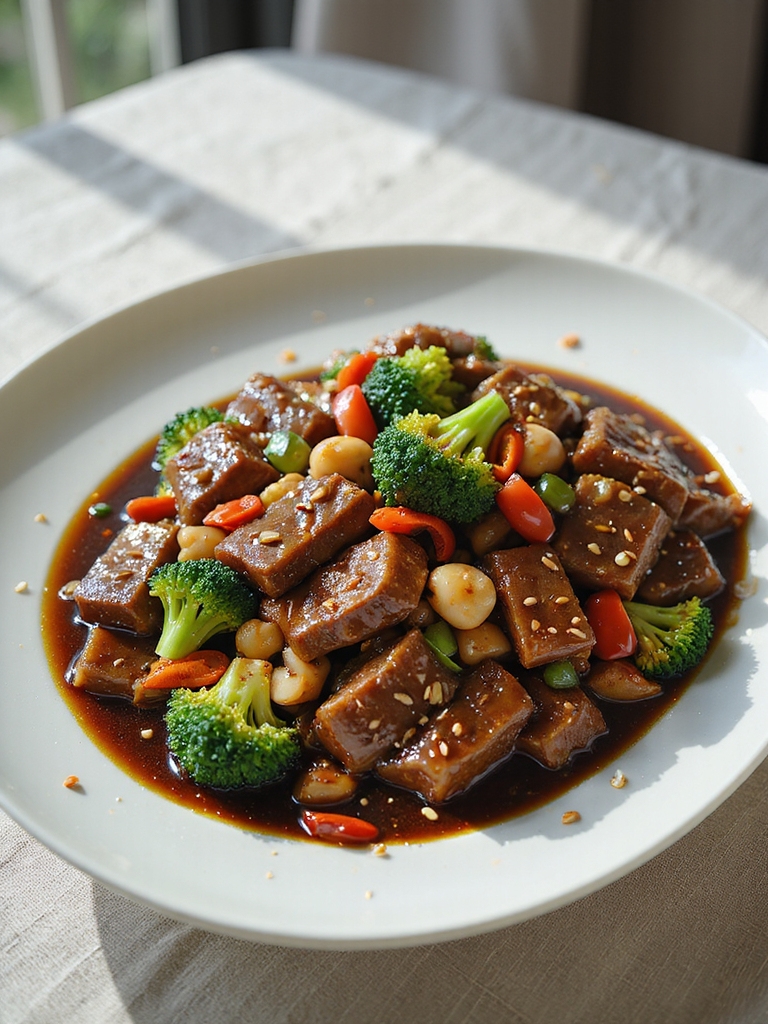
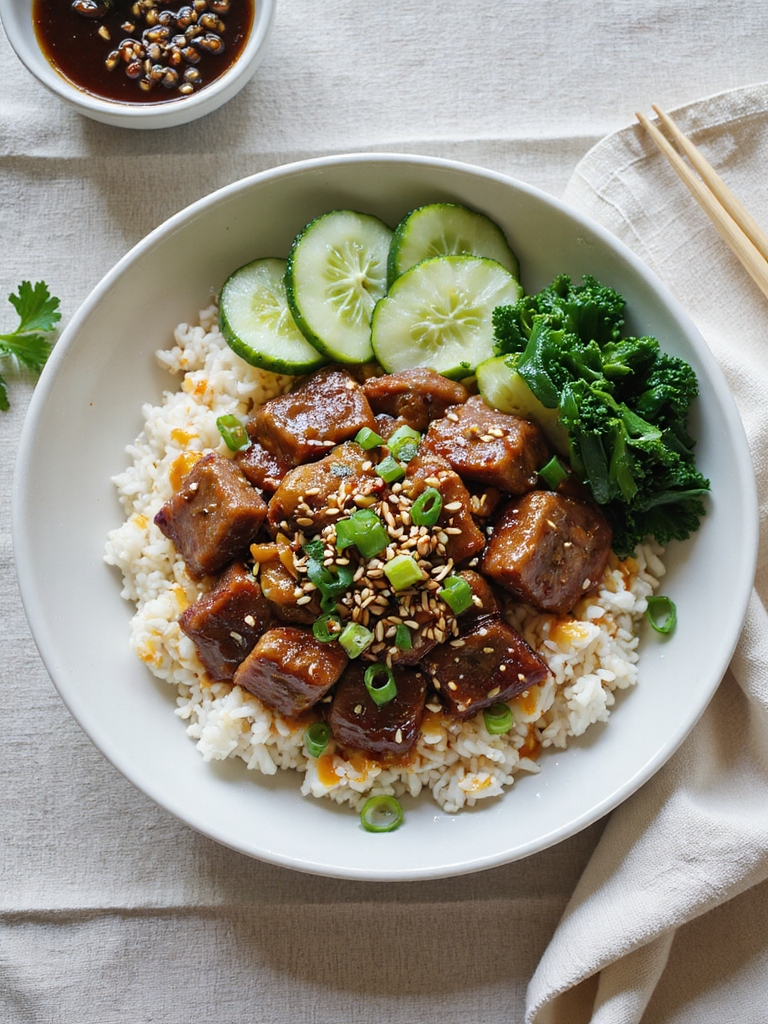
When I crave takeout, I make Mongolian beef instead—thin flank steak, quick cornstarch coat, and a ripping-hot pan for those crisp edges. The sauce is my secret: garlic-ginger, soy, brown sugar, a splash of rice vinegar, and just enough sesame oil to smell like a good night out.
I’ll show you how to slice for tenderness, velvet in minutes, and finish with scallions so they stay snappy. Want it sweeter, spicier, or lighter? Here’s how I do it.
Why This Mongolian Beef Beats Takeout
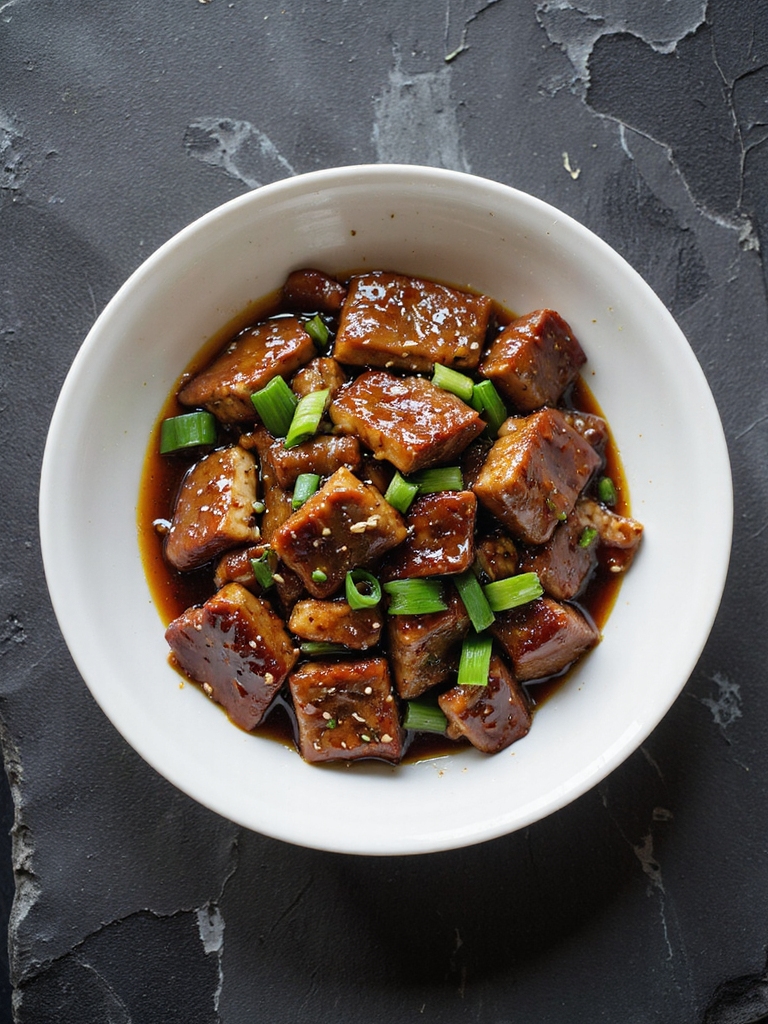
Skip the soggy, too-sweet takeout—this Mongolian beef brings crisper edges, deeper caramelization, and a balanced sauce you can control. Thin-sliced flank steak is lightly tossed in cornstarch for velveted tenderness, seared hot for charred bites, then swept through a glossy garlic-ginger soy glaze that clings without drowning. It’s faster than delivery, greener with plenty of scallions, and perfectly sweet-salty with just the right hint of heat.
- 1 lb flank steak, thinly sliced against the grain
- 3 tablespoons cornstarch
- 2 tablespoons neutral oil, divided
- 4 cloves garlic, minced
- 1 tablespoon fresh ginger, minced
- 1/2 cup low-sodium soy sauce
- 1/3 cup brown sugar, packed
- 1/3 cup water
- 1 teaspoon rice vinegar
- 1 teaspoon toasted sesame oil
- 1/4–1/2 teaspoon red pepper flakes (optional)
- 5–6 scallions, cut into 1.5-inch pieces
- Steamed rice, for serving
Pat steak dry, toss with cornstarch to lightly coat; whisk soy sauce, brown sugar, water, rice vinegar, sesame oil, and red pepper flakes. Heat 1 tablespoon oil in a large skillet over high; sear steak in two batches until crisp-browned, 2–3 minutes per side, adding remaining oil as needed; transfer to a plate. Lower heat to medium, add garlic and ginger for 20 seconds, pour in sauce and simmer until glossy and slightly thickened, 1–2 minutes; return beef with any juices, add scallions, toss 30–60 seconds until just tender; serve over rice.
Slice steak partially frozen for paper-thin cuts, and don’t overcrowd the pan to keep the sear. Balance sweetness by reducing sugar or splashing more vinegar; for extra gloss, add 1–2 teaspoons cornstarch slurry to the simmering sauce if needed. This method borrows techniques from classic beef preparations like Beef Bulgogi to achieve tender, flavorful slices and beautiful caramelization.
Essential Ingredients and Best Cuts of Beef
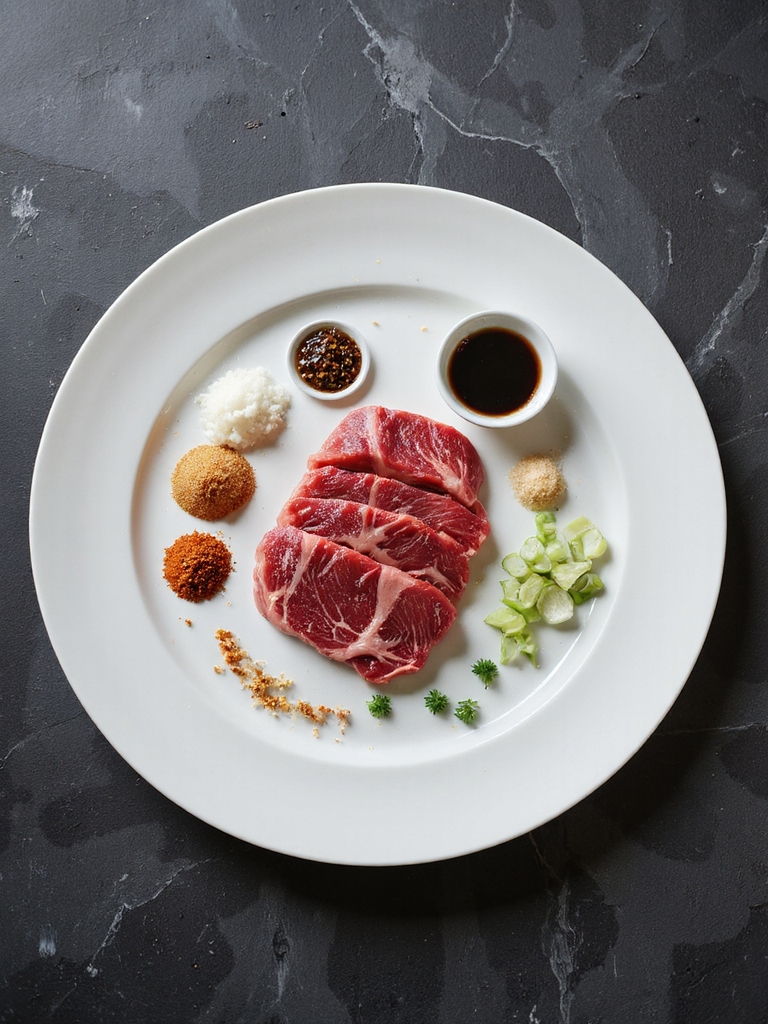
Building Mongolian beef starts with the right cut and a smartly balanced pantry. Flank steak is classic for its deep beefy flavor and long, tender fibers when sliced thinly against the grain; skirt steak, flat iron, or sirloin tip are excellent alternates, while ribeye delivers luxury richness. Low-sodium soy sauce keeps salt in check, brown sugar brings molasses depth, and rice vinegar plus toasted sesame oil add lift and nuttiness. Fresh garlic and ginger are non-negotiable aromatics, scallions bring crunch and freshness, cornstarch guarantees velvety sear and light thickening, and neutral oil lets the beef’s flavor shine.
- 1 lb flank steak (or skirt, flat iron, sirloin tip), well-trimmed
- 3 tablespoons cornstarch
- 1/2 cup low-sodium soy sauce
- 1/3 cup brown sugar
- 1/3 cup water
- 1 teaspoon rice vinegar
- 1 teaspoon toasted sesame oil
- 4 cloves garlic, minced
- 1 tablespoon fresh ginger, minced
- 1/4–1/2 teaspoon red pepper flakes
- 5–6 scallions, 1.5-inch pieces
- 2 tablespoons neutral oil
- Steamed rice
Freeze steak 20–30 minutes, slice very thinly against the grain, pat dry, and toss with cornstarch; whisk soy sauce, brown sugar, water, vinegar, sesame oil, and red pepper flakes. Heat half the oil in a large skillet until shimmering; sear beef in two batches 2–3 minutes per side until crisp edges form, then remove; add remaining oil, sauté garlic and ginger 20 seconds, pour in sauce to bubble glossy, return beef with juices and scallions, toss to coat 30–60 seconds, and serve over rice.
Choose cuts with visible long fibers for tenderness when sliced thin; avoid pre-marinated or enhanced beef, which can steam and taste overly salty. If using richer cuts like ribeye, trim excess hard fat to prevent greasy sauce, and lean cuts benefit from a slightly thicker cornstarch coat for extra velveting. For a quick weeknight version, consider using ground beef browned and drained before finishing with the sauce.
Knife Skills: Slicing for Tender, Velvety Bites
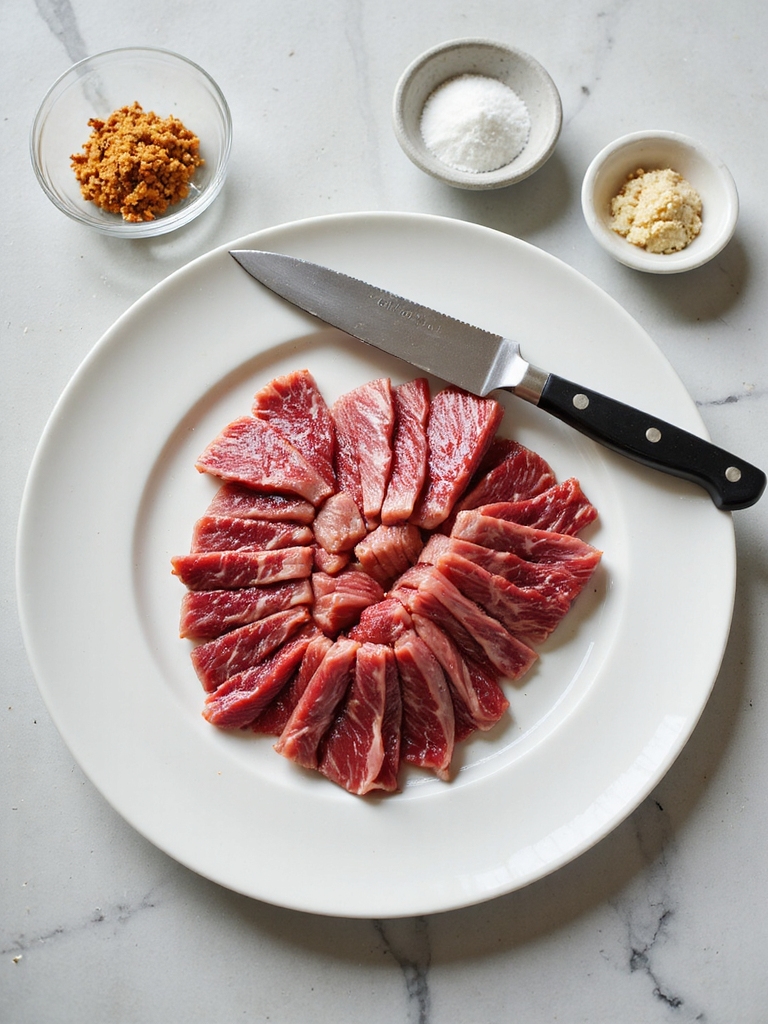
Mastering Mongolian beef starts with the knife: colder meat, clear grain, and ultra-thin slices are what make each bite tender and silky. Partially freezing the steak firms it for control, then slicing sharply at a shallow bias across the grain shortens muscle fibers for tenderness; a light dusting of cornstarch after slicing creates a velvety surface that crisps quickly and soaks up the glossy sauce without turning gummy.
- 1 lb flank steak (or skirt, flat iron, sirloin tip), partially frozen
- 3 tablespoons cornstarch
- 1/2 cup low-sodium soy sauce
- 1/3 cup brown sugar
- 1/3 cup water
- 1 teaspoon rice vinegar
- 1 teaspoon toasted sesame oil
- 4 cloves garlic, minced
- 1 tablespoon fresh ginger, minced
- 1/4–1/2 teaspoon red pepper flakes
- 5–6 scallions, cut 1.5-inch on a bias
- 2 tablespoons neutral oil
- Steamed rice
Freeze steak 20–30 minutes until firm at edges, identify the grain, then slice 1/8-inch thick directly across it on a 30–45° bias; pat dry and toss evenly with cornstarch. Whisk soy sauce, brown sugar, water, vinegar, sesame oil, and red pepper flakes; heat half the oil until shimmering, sear beef in two fast batches 60–90 seconds per side until edges crisp, remove, add remaining oil, flash-sauté garlic and ginger 20 seconds, add sauce to bubble, return beef with scallions, toss 30–60 seconds, serve over rice.
Use a long, sharp chef’s or slicing knife with smooth, single strokes for clean edges; rotate the steak if the grain changes, keep slices uniform for even cooking, and avoid crowding the pan so the cornstarch-set surface sears instead of steaming. If you prefer bite-size pieces, stack 2–3 slices and cut into 1-inch strips across the bias while still cold. This technique also works well with ground beef dishes when adapting recipes that call for sliced steak.
Quick Velveting Method for Juicy Stir-Fry Beef
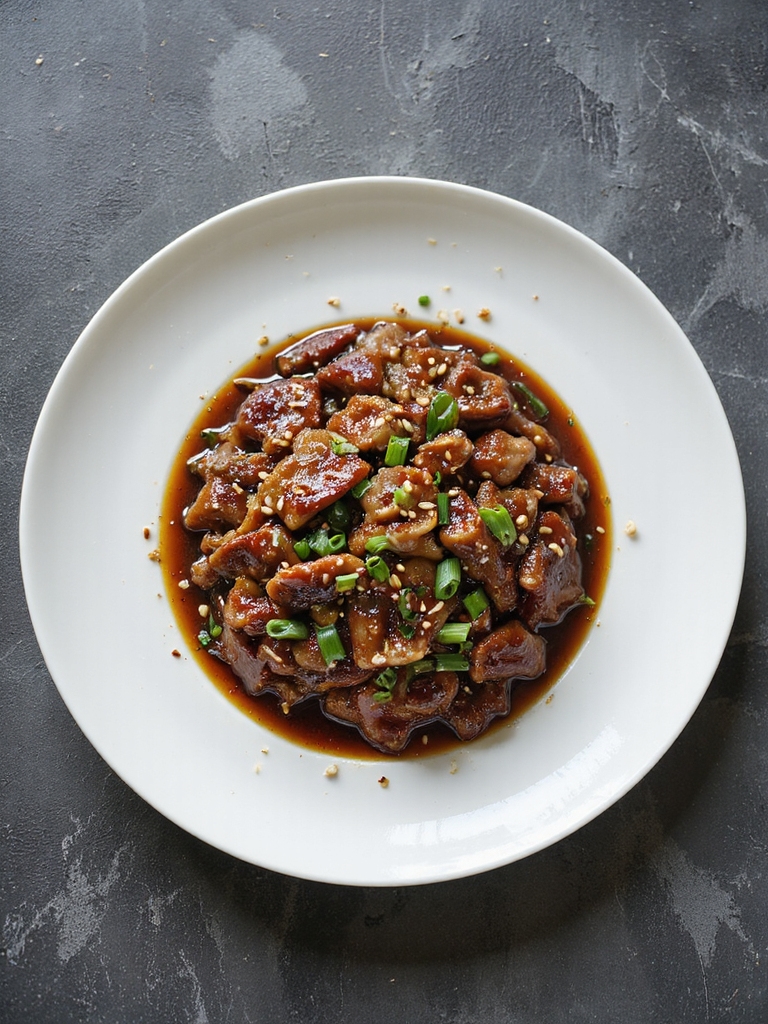
A super-fast velveting step keeps Mongolian beef succulent and silky without deep-frying or egg whites: a brief marinade with baking soda to tenderize, plus cornstarch, soy, and oil to coat, protects the thin slices and promotes a crisp-seared exterior that stays juicy once sauced. Use your pre-sliced, bias-cut beef from the knife-skills step and this shortcut will deliver takeout-level tenderness in under 20 minutes.
- 1 lb thinly sliced flank steak
- 1/2 teaspoon baking soda
- 1 tablespoon soy sauce
- 1 tablespoon Shaoxing wine (or dry sherry)
- 1 teaspoon sugar
- 1 tablespoon cornstarch
- 1 tablespoon neutral oil
- 1/4 teaspoon white pepper
- Pinch of salt
Toss beef with baking soda and 1 teaspoon water; rest 10 minutes, then rinse briefly and pat very dry, mixing in soy sauce, Shaoxing wine, sugar, white pepper, and salt for 5 minutes before sprinkling cornstarch evenly and finally oil to seal. Heat a wok until smoking, add a thin film of oil, and stir-fry beef in two quick batches 60–90 seconds just until edges brown; remove immediately and proceed with aromatics and sauce in the next step.
Don’t overdo baking soda—too much gets spongy; rinse and dry well, keep batches small for searing, and cook to just-done as carryover and saucing will finish. If holding, spread beef in a single layer on a cool tray to stop cooking and keep the velveted crust intact. This quick method is perfect for weeknight dinners and pairs particularly well with ground beef stir fry sides.
Building the Glossy, Caramelized Sauce
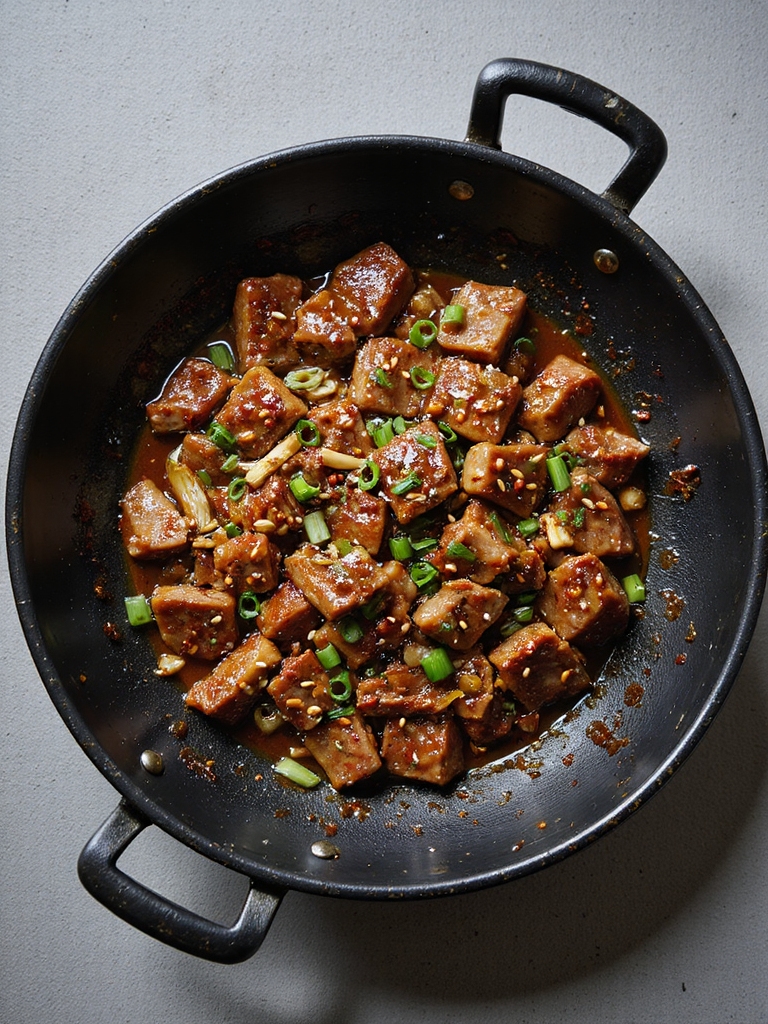
A hallmark of restaurant-style Mongolian beef is a lacquered, clingy sauce that balances deep caramel notes with savory umami and a clean, gingery finish; you’ll build it fast in the hot wok after searing the velveted beef, caramelizing sugar to a mahogany syrup, blooming aromatics, then tightening with a cornstarch slurry so it coats every shard of meat and onion without turning gloopy.
- 2 tablespoons dark brown sugar (or Chinese rock sugar)
- 1/3 cup low-sodium soy sauce
- 2 tablespoons Shaoxing wine (or dry sherry)
- 1/3 cup water or unsalted beef stock
- 1 tablespoon oyster sauce
- 1 teaspoon rice vinegar
- 1 teaspoon toasted sesame oil
- 3 cloves garlic, minced
- 1 tablespoon fresh ginger, finely minced
- 2–3 scallions, cut into 1½-inch pieces
- 1–2 small dried chilies or 1/2 teaspoon red pepper flakes (optional)
- 2 teaspoons cornstarch
- 2 tablespoons water (for slurry)
Return wok to medium-high, add 1 tablespoon oil and the sugar; let it melt and bubble to a deep amber, then quickly stir in garlic, ginger, and chilies to bloom 10–15 seconds. Splash in soy, Shaoxing, water/stock, oyster sauce, and rice vinegar; simmer 30–60 seconds, whisk in cornstarch slurry to a glossy nappe, cut heat, fold in beef and scallions, finish with sesame oil, and toss until everything is lacquered.
Use low-sodium soy to avoid overseasoning and adjust salt at the end; keep the caramel just shy of smoking to prevent bitterness, thin with a tablespoon of water if it thickens on standing, and add scallions off heat so they stay bright while the residual warmth softens their bite. Many Korean and Chinese beef recipes share techniques for velveting and quick-searing to preserve tenderness, so consider studying velveting methods to perfect your texture.
Wok or Skillet: Heat Management and Searing Tips
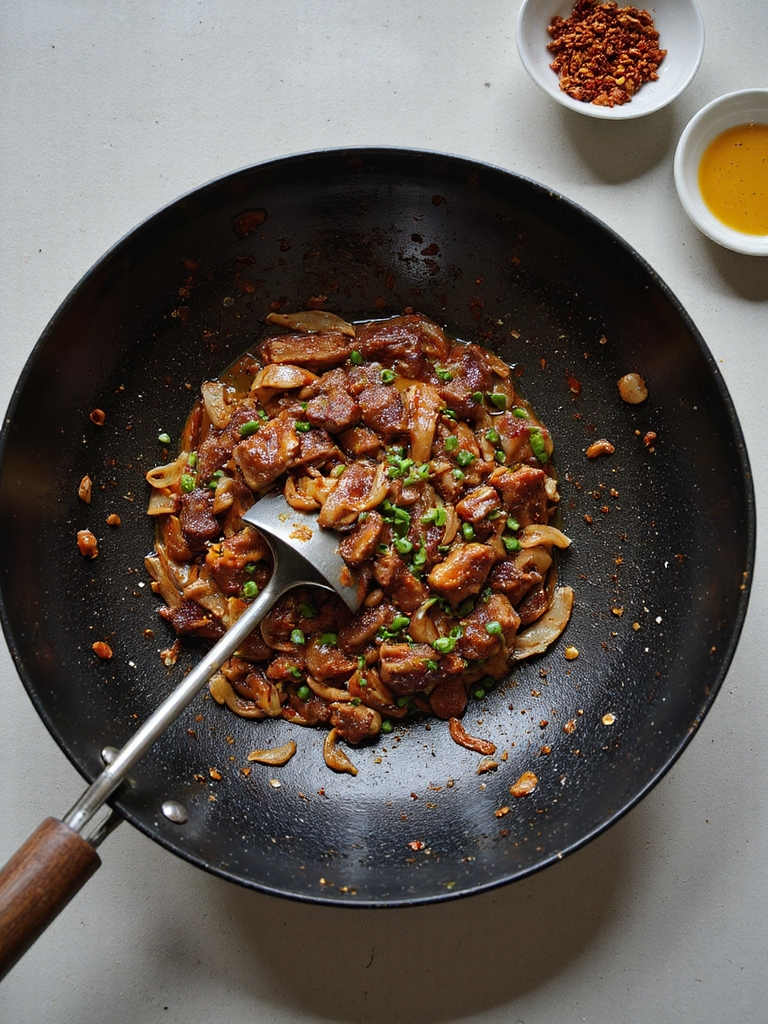
For Mongolian beef with restaurant-level char and tenderness, prioritize heat management: a carbon-steel wok excels for rapid recovery and smoky wok hei, but a heavy 12-inch stainless or cast-iron skillet works if you optimize surface area, preheat thoroughly, and sear in small batches. Keep ingredients bone-dry, use a neutral high-smoke-point oil, and stage everything within arm’s reach so you can move fast; the goal is deep browning without steaming, then swift saucing to preserve crisp edges.
- 1 pound flank or flat iron steak, thinly sliced against the grain
- 1 tablespoon soy sauce
- 1 tablespoon Shaoxing wine
- 1 teaspoon cornstarch
- 1/2 teaspoon baking soda (optional, for extra tenderness)
- 2 tablespoons neutral oil, divided
- Kosher salt and white pepper
- Sauce from previous subtopic (prepared components ready)
- 1 small yellow onion, sliced (optional)
- 2–3 scallions, 1½-inch pieces
- 1–2 small dried chilies or 1/2 teaspoon red pepper flakes (optional)
Pat steak dry, toss with soy, Shaoxing, cornstarch, and baking soda; rest 10 minutes while a dry carbon-steel wok or heavy skillet preheats until a wisp of smoke appears. Swirl in 1 tablespoon oil, add half the beef in a single layer; press 15–20 seconds for contact, then sear 45–60 seconds, flip to just-brown, and remove; repeat with remaining beef, adding onion in the last 30 seconds if using. Pour off excess fat, return pan to medium-high, add remaining oil, build the caramel and sauce as in the previous subtopic, reintroduce beef, toss hard 15–30 seconds for lacquer, add scallions off heat, and serve immediately.
Keep batches small to avoid crowding, preheat longer than you think for cast iron, and dry beef thoroughly to prevent sputter; if your burner is weak, heat the empty pan 3–5 minutes, finish the sauce a touch lighter to avoid over-thickening on electric ranges, and rotate the wok over the hottest burner spot for even searing. Carbon-steel woks are ideal because they heat quickly and develop seasoning that enhances flavor and searing performance.
Timing the Toss: Crisp Scallions and Perfect Finish
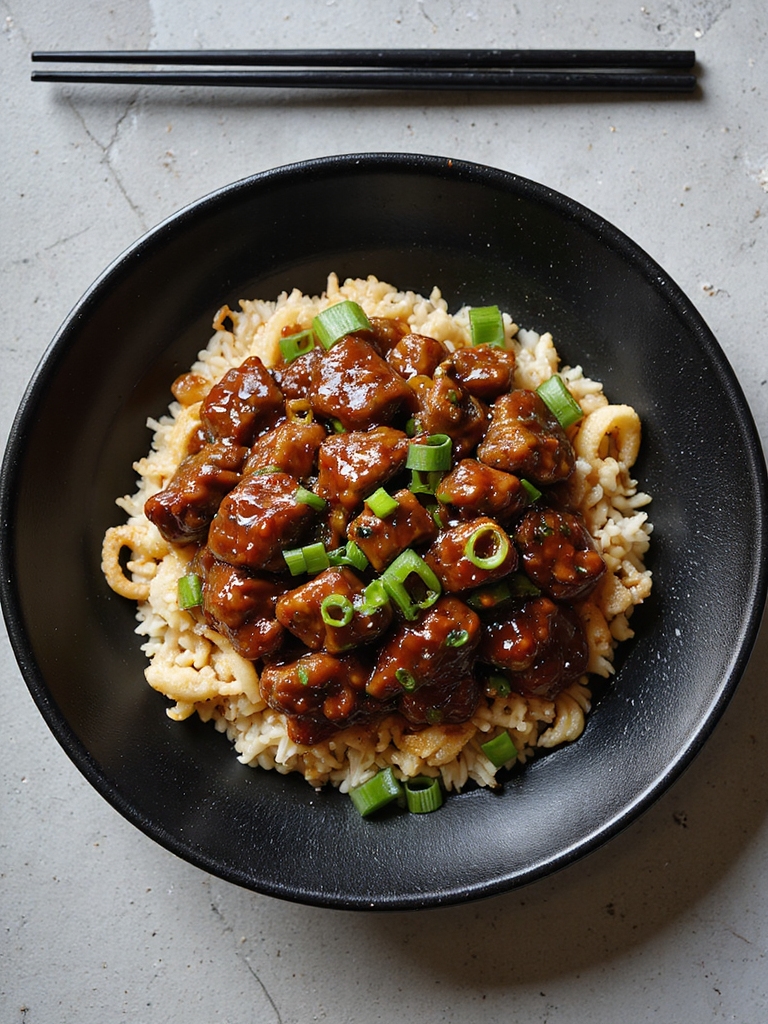
This stage is all about nailing the final 60–90 seconds so the beef stays lacquered and the scallions stay crisp-tender: you’ll finish the sauce to a glossy nappe, reintroduce the seared beef briefly, then toss in scallions off heat so carryover softens only their edges without wilting; aim for quick, vigorous tossing that coats but doesn’t stew, and plate immediately.
- 1 pound seared beef (from previous step), rested
- Prepared sauce components (from previous subtopic), combined
- 2–3 scallions, cut into 1½-inch batons
- 1 teaspoon neutral oil (if pan looks dry)
- 1 small yellow onion, sliced (optional, lightly softened from sear)
- Pinch white pepper
- Kosher salt, to taste
Return the empty wok/skillet to medium-high until a wisp of smoke appears; add oil if dry, then pour in the sauce and reduce 20–40 seconds, stirring, until glossy and thick enough to cling. Add the seared beef (and onion, if using), toss hard 15–30 seconds to lacquer without overcooking, season with white pepper and salt as needed; cut the heat, add scallions, and toss 5–10 seconds in residual heat before immediately transferring to a warm plate to preserve crisp edges and saucy sheen.
Have serving plates ready so you can move fast; if the sauce tightens too much, loosen with a tablespoon of water and re-gloss before adding beef, and if your burner runs cool, preheat longer and keep scallions strictly off heat to maintain their snap. For a classic pairing, serve alongside steamed rice and Savory Beef and Broccoli to complement the rich, caramelized flavors.
Sweetness, Heat, and Aromatics: Easy Customizations
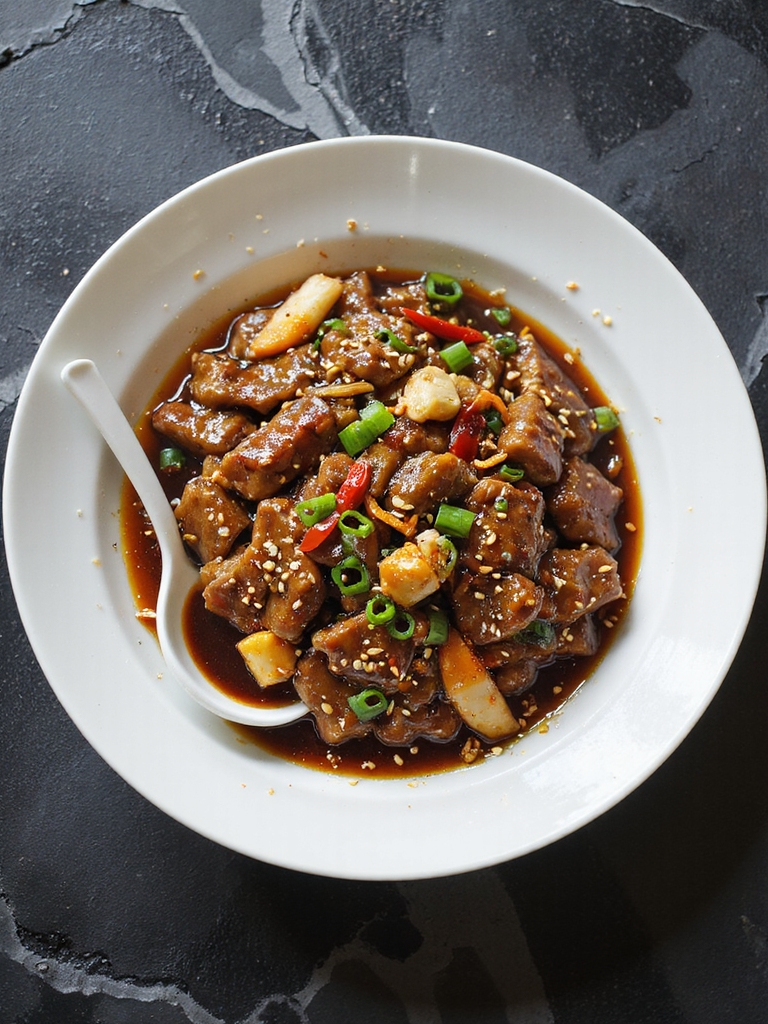
Amp up classic Mongolian beef by tuning sweetness, heat, and aromatics to your taste: think dark brown sugar versus honey or rock sugar for different gloss and caramel notes; fresh chilies, dried chilies, or chili crisp for scalable burn; and layered aromatics like ginger, garlic, scallion whites, five-spice, and citrus zest to shape the finish. Use a small “flavor pot” to bloom spices in oil before adding the base sauce, then dial in balance with acid (rice vinegar), salt (soy), and umami (oyster sauce or fish sauce) so the beef stays lacquered and the scallions stay bright.
- 1 lb seared beef, rested
- Base sauce: 3 tbsp light soy, 1 tbsp dark soy, 3 tbsp brown sugar, 1/2 cup water
- 2–3 scallions, 1½-inch batons
- 1–2 tsp neutral oil
- 3 cloves garlic, minced
- 1 tbsp grated ginger
- Heat options (choose any): 1–2 tsp chili crisp, 4–6 dried chilies, or 1–2 fresh red chilies sliced
- 1–2 tsp rice vinegar
- 1–2 tsp oyster sauce or 1/2 tsp fish sauce (optional umami boost)
- Optional aromatics: 1/2 tsp five-spice, 1 tsp orange zest, 1 tsp toasted sesame oil
- White pepper and kosher salt
Heat wok over medium-high; add oil, then bloom garlic, ginger, chosen chilies, and optional five-spice 15–30 seconds until fragrant. Stir in base sauce, oyster/fish sauce if using, simmer to glossy 20–40 seconds, fine-tune sweetness with sugar or chili crisp, salinity with soy, and brightness with vinegar; return beef, toss hard 15–30 seconds to lacquer, cut heat, add sesame oil and zest if using, then toss in scallions 5–10 seconds and plate immediately. Taste and finish with white pepper and a pinch of salt only if needed.
For gentle heat, use chili crisp; for sharp heat, fresh chilies; for smoky heat, dried chilies—adjust vinegar last to lift sweetness and keep the finish clean. If sauce thickens too far while you balance flavors, whisk in 1–2 tablespoons water to re-gloss before adding the beef so the coating stays shiny, not sticky. This recipe adapts well to a quick Korean-style rice bowl approach using seared beef for a fast, satisfying meal.
Make-Ahead, Reheating, and Leftover Strategies
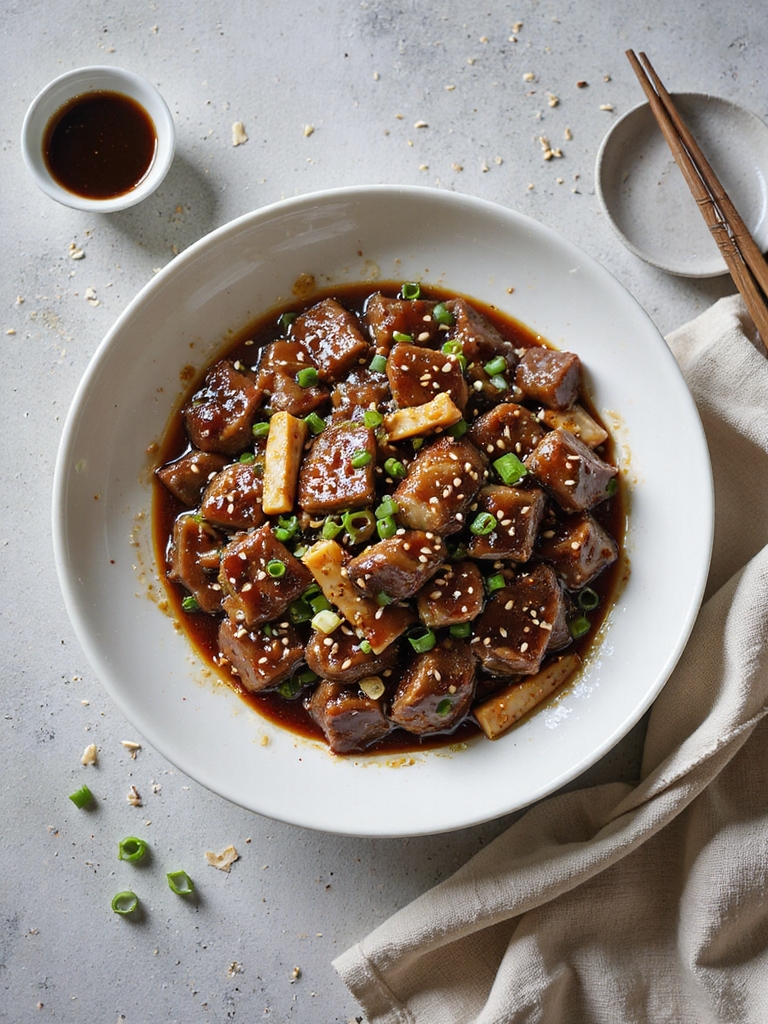
Batch-cook Mongolian beef so weeknights are “heat-and-eat”: sear and rest the beef, build a concentrated sauce separately, and store each component for prime texture; scallions get prepped raw and held for the final toss so they stay vivid. This approach keeps the beef tender, the sauce glossy (not gummy), and the aromatics bright whether you’re chilling for 4 days or freezing for a month.
- 1 lb seared beef, rested and sliced
- Base sauce (concentrate): 3 tbsp light soy, 1 tbsp dark soy, 3 tbsp brown sugar, 1/3 cup water
- 2–3 scallions, 1½-inch batons
- 1–2 tsp neutral oil
- 3 cloves garlic, minced
- 1 tbsp grated ginger
- Heat option: 1–2 tsp chili crisp or 4 dried chilies or 1 fresh red chili
- 1 tsp rice vinegar
- 1 tsp oyster sauce or 1/4 tsp fish sauce (optional)
- 1/2 tsp five-spice (optional), 1 tsp orange zest (optional), 1 tsp toasted sesame oil (optional)
- White pepper and kosher salt
Bloom oil with garlic, ginger, chilies, and optional five-spice 20 seconds; stir in base sauce plus oyster/fish sauce, simmer 20–30 seconds to a syrupy glaze, finish with vinegar, then cool; pack beef, sauce, and raw scallions separately (fridge 4 days, freeze beef and sauce up to 1 month). Reheat: thaw if frozen, warm sauce in a skillet with 1–2 tbsp water until glossy, add beef and toss 45–60 seconds just to heat through and lacquer; cut heat, add sesame oil/zest if using, toss in scallions 5–10 seconds, pepper and salt to taste, serve immediately.
Extra tips: Slice beef slightly thicker (1/4 inch) for reheating resilience, and under-reduce the make-ahead sauce so it won’t over-thicken when rewarmed; if sauce tightens, whisk in water by the tablespoon to re-gloss. Microwave method: heat sauce 60–90 seconds, add beef and vented-cover zap 30–45 seconds, fold in scallions last; for meal-prep bowls, keep rice separate to avoid soaking up the glaze. A little resting time after searing not only preserves juices but also helps achieve consistent slices for tender reheating.
Serving Ideas and Smart Pairings
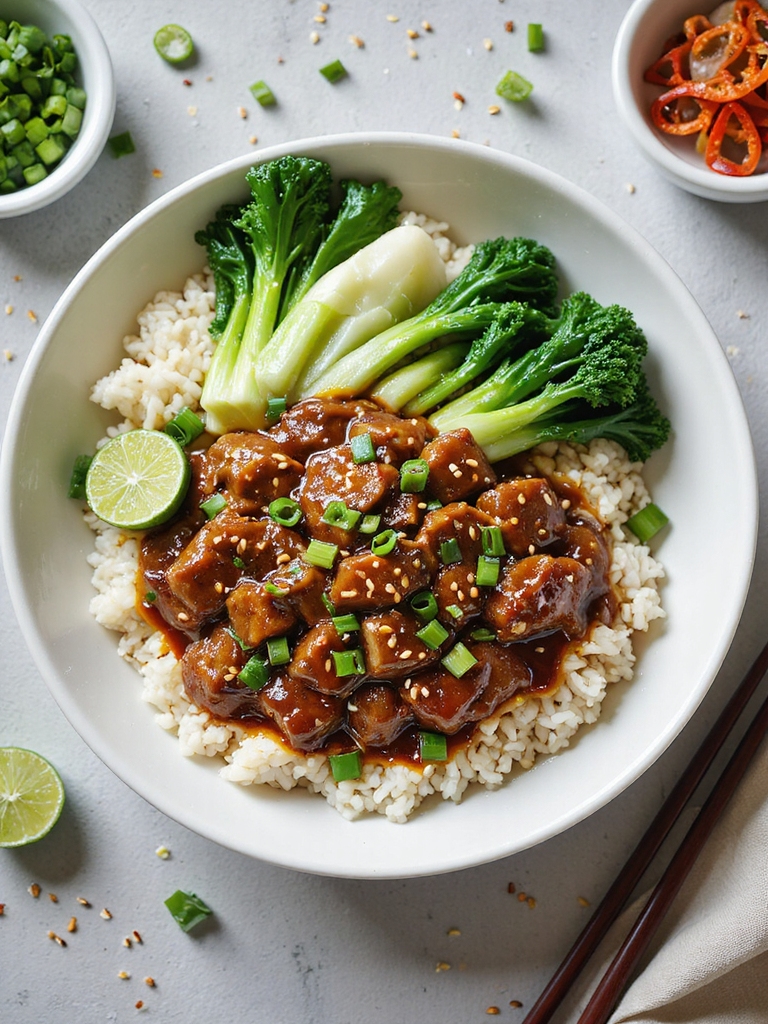
Turn Mongolian beef into a complete, balanced meal by pairing its sweet-salty glaze with contrasting textures, freshness, and light, aromatic sides; think fluffy starch bases that catch the sauce, crisp-tender greens for lift, and crunchy, acidic accents for balance. Mix and match from the ideas below to build weeknight plates, crowd-pleasing platters, or elegant bowls without overshadowing the star beef.
- Steamed jasmine or medium-grain rice
- Chewy udon, lo mein, or rice noodles
- Cauliflower rice or shredded cabbage “rice”
- Stir-fried gai lan, bok choy, or snow peas
- Quick-pickled cucumbers or radishes
- Steamed broccoli with sesame
- Kimchi or napa slaw
- Fresh herbs: cilantro, scallions
- Toasted sesame seeds or crushed roasted peanuts
- Chili crisp or fresh red chilies
- Lime wedges or rice vinegar
- Fried egg or soft-boiled egg (optional)
Cook rice or noodles while you heat a skillet over medium-high; warm your Mongolian beef and glaze just until lacquered, then plate over rice or noodles, or into a bowl over cauliflower rice for a lighter base, adding a side of steamed greens for freshness. Finish with scallions and cilantro, a sprinkle of sesame or peanuts, a dab of chili crisp for heat, and a bright hit of lime or vinegar; add pickled cucumbers or kimchi to cut richness, or crown with a runny egg for extra luxury.
Tips: Keep sides simple so the glaze shines, and use greens with crunch to balance sweetness; if serving family-style, pre-warm platters, keep sauces hot but fluid with a splash of water, and serve acids and heat at the table so everyone can customize. For a speedy, satisfying option, serve the beef over a Savory Ground Beef Bowl to streamline prep and make it weeknight-friendly.