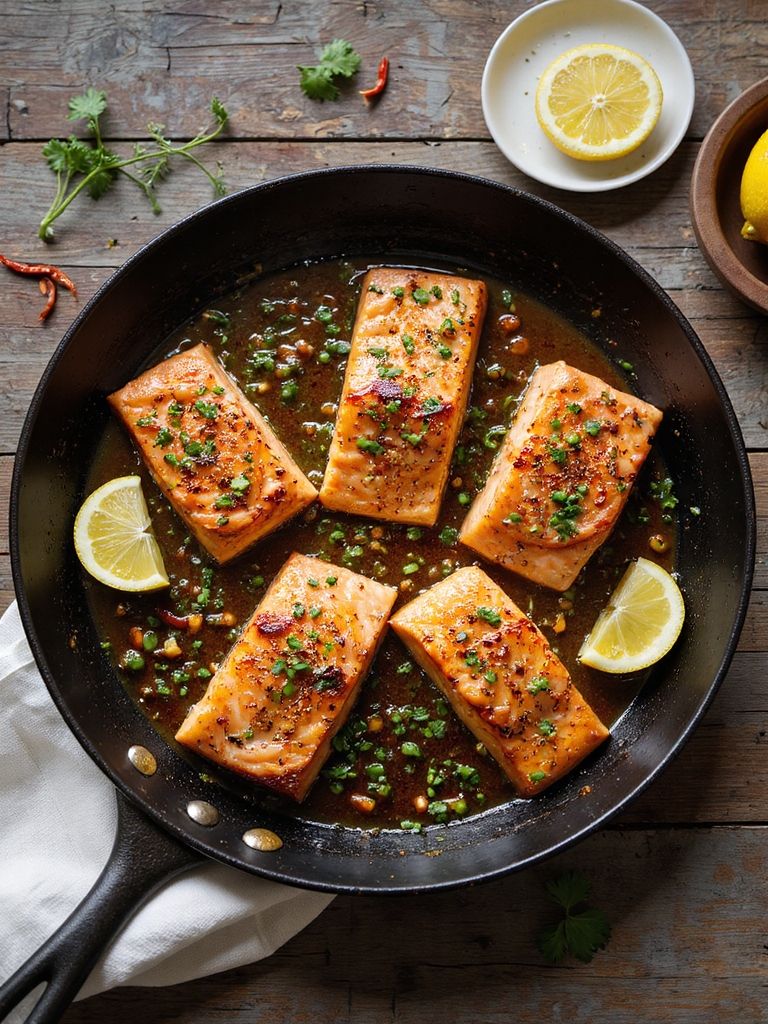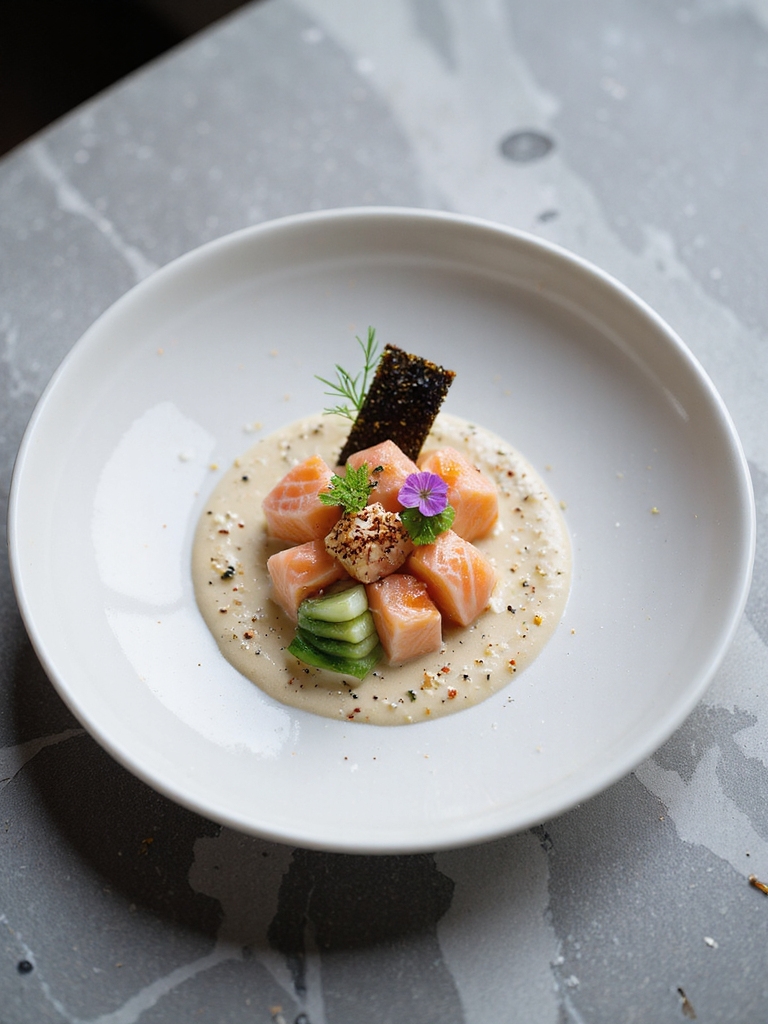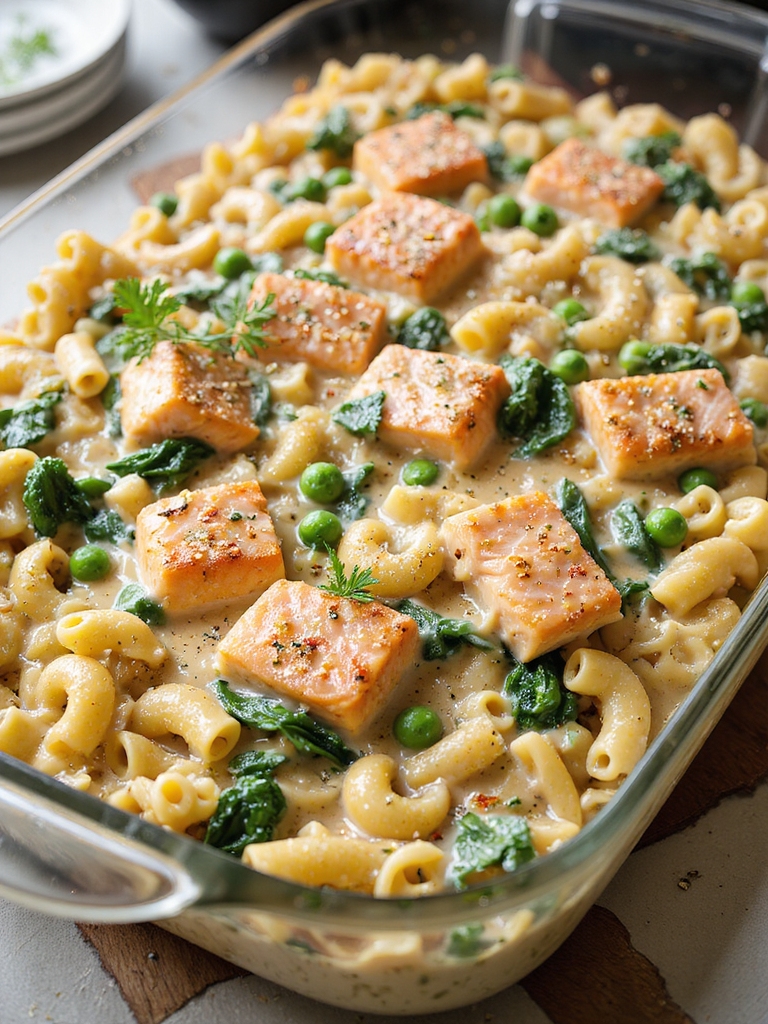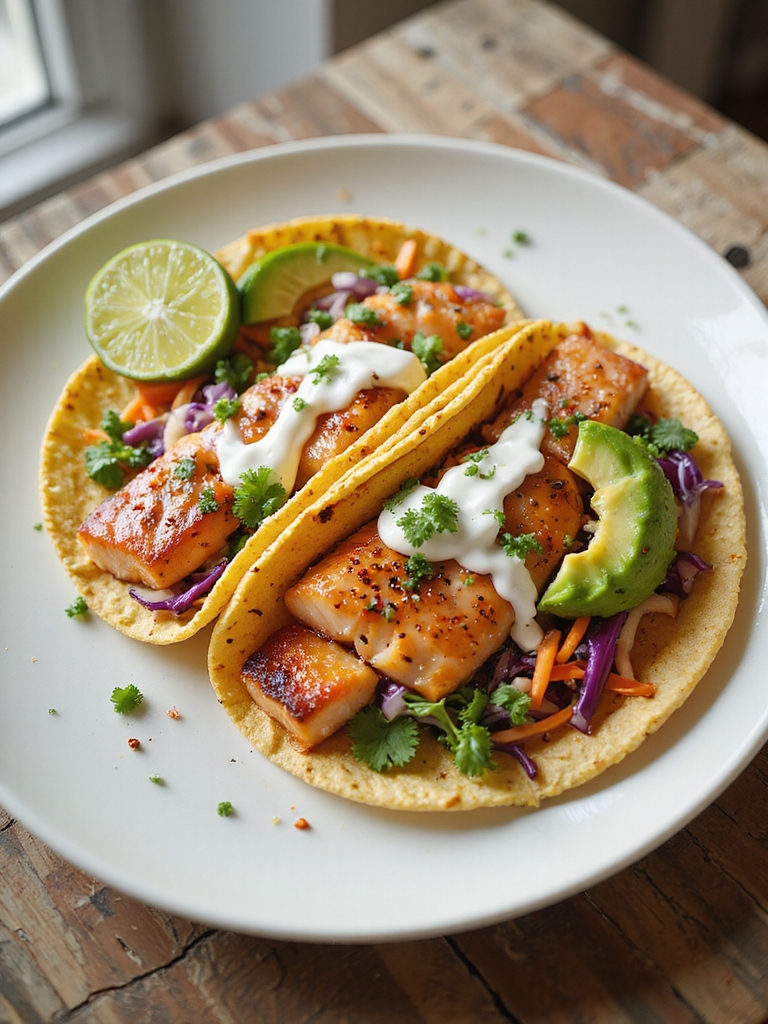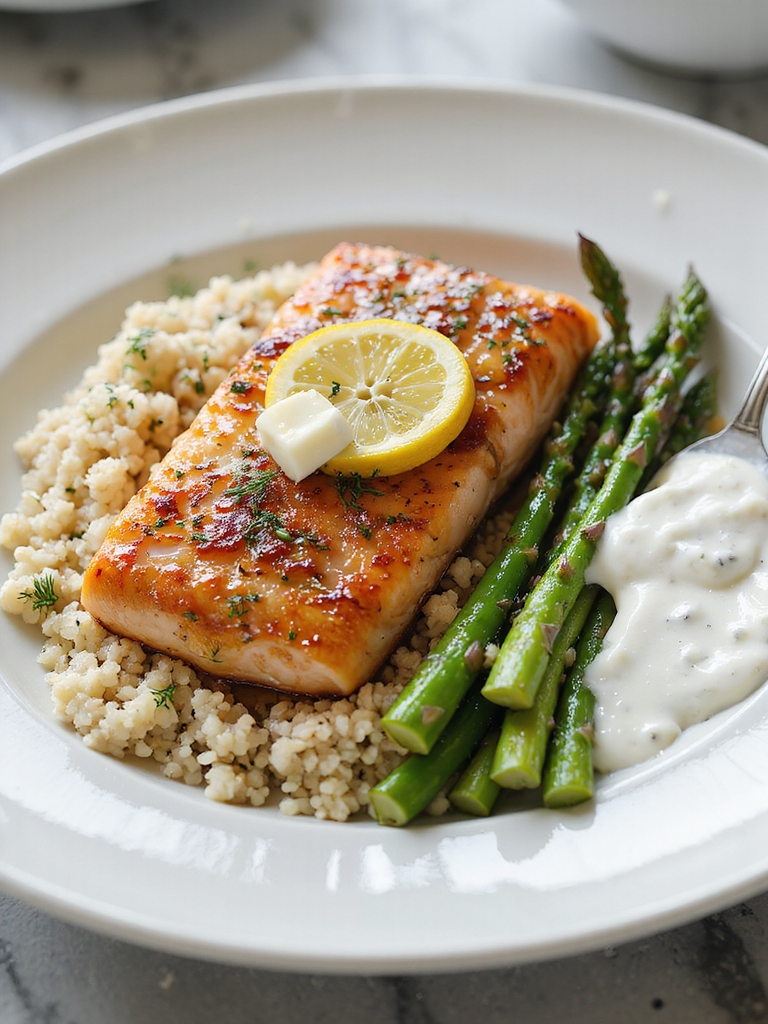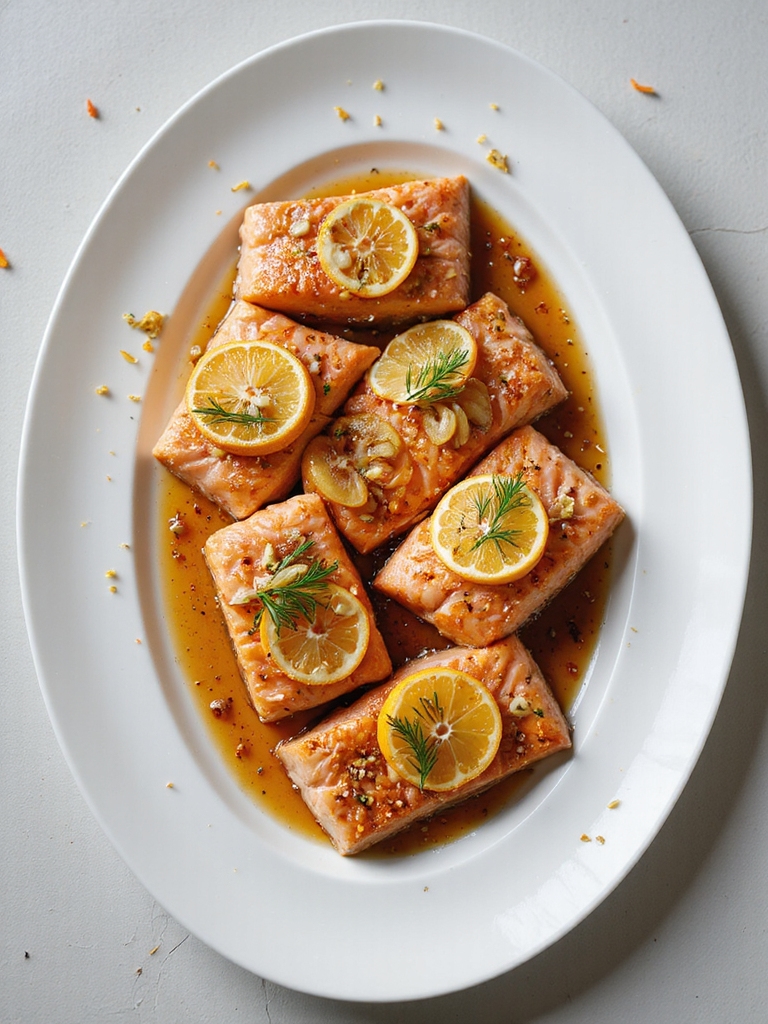
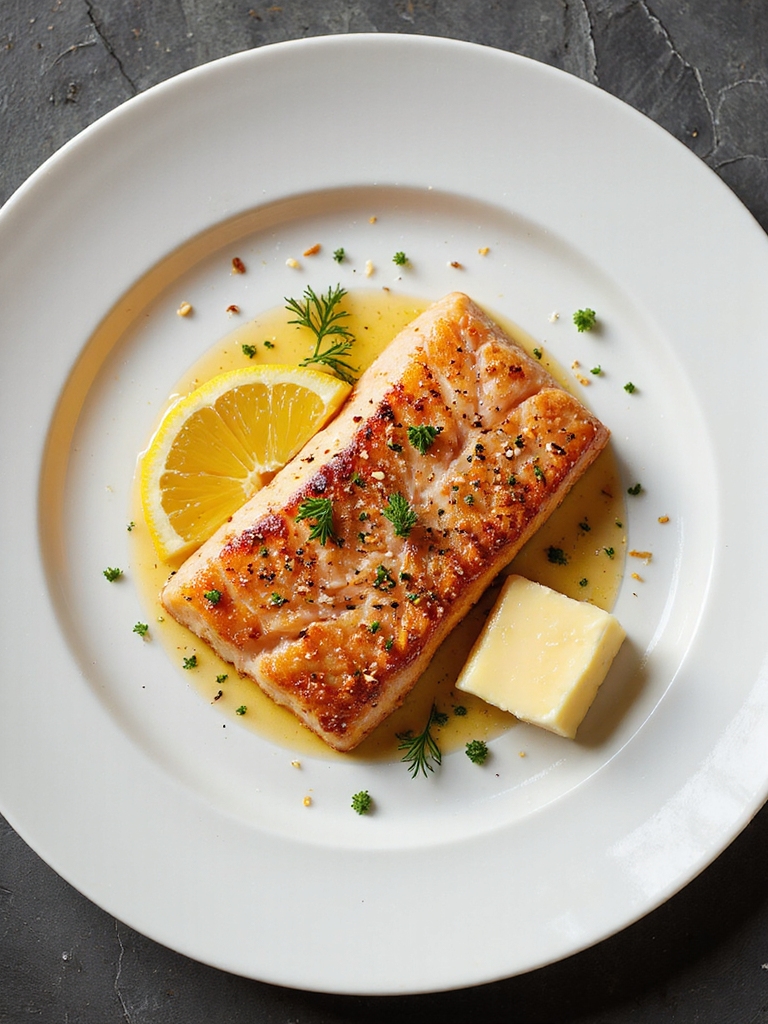
I love pan-frying salmon because it gives me that irresistible crispy skin and tender, flaky interior with almost no fuss. I’ll walk you through picking the right fillets, prepping them for a hot sear, and using simple seasonings plus butter-basting tricks that amp up flavor.
Stick with me and you’ll get reliably golden results every time — plus a few quick sauces and sides that make it dinner-worthy.
Choosing the Best Salmon Fillets
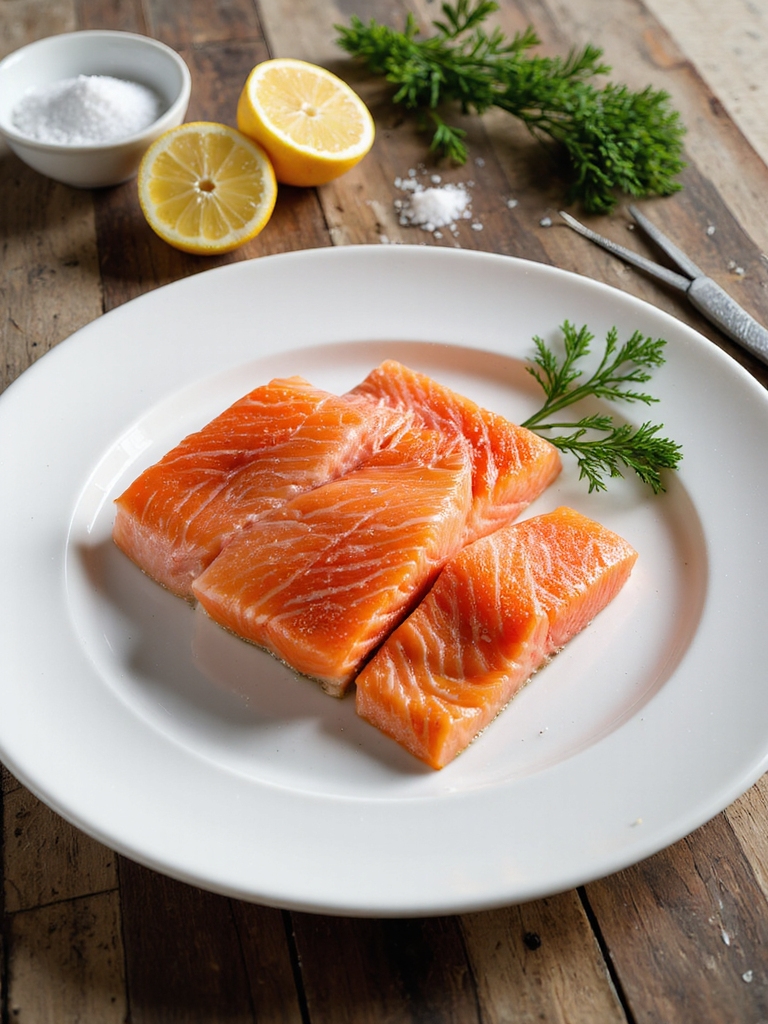
Choosing the right salmon fillets makes a big difference in pan-fried salmon: look for firm, bright-colored flesh with a fresh scent, consistent thickness so it cooks evenly, and, if possible, wild-caught or responsibly farmed options; skin-on fillets help hold the fish together and crisp up beautifully while pin-boned and properly portioned pieces guarantee quick, reliable cooking.
- 2 salmon fillets (6–8 oz each), skin-on, similar thickness
- Salt and freshly ground black pepper
- 1–2 tbsp olive oil or neutral oil with high smoke point
- 1 tbsp unsalted butter (optional)
- 1 lemon, halved
- Fresh herbs (dill, parsley, or thyme), chopped (optional)
- Paper towels for drying
Pat fillets dry, season both sides with salt and pepper, heat oil in a heavy skillet over medium-high until shimmering, place salmon skin-side down and press gently for 10 seconds, cook 4–5 minutes without moving to crisp the skin, flip carefully and cook 1–3 minutes more depending on thickness until the center is opaque and flakes, add butter and lemon in the last 30 seconds and baste, remove and rest for 2 minutes before serving.
For best results, choose fillets of uniform thickness, dry them thoroughly to get a crisp skin, start with a hot pan, and avoid overcooking by using touch or an instant-read thermometer (120–125°F for medium-rare, 130°F for medium). Salmon is versatile and pairs especially well with simple sides and bright finishes like lemon and herbs for a balanced meal, making it great for weeknight dinners or special occasions with crispy skin.
Essential Tools and Pantry Staples
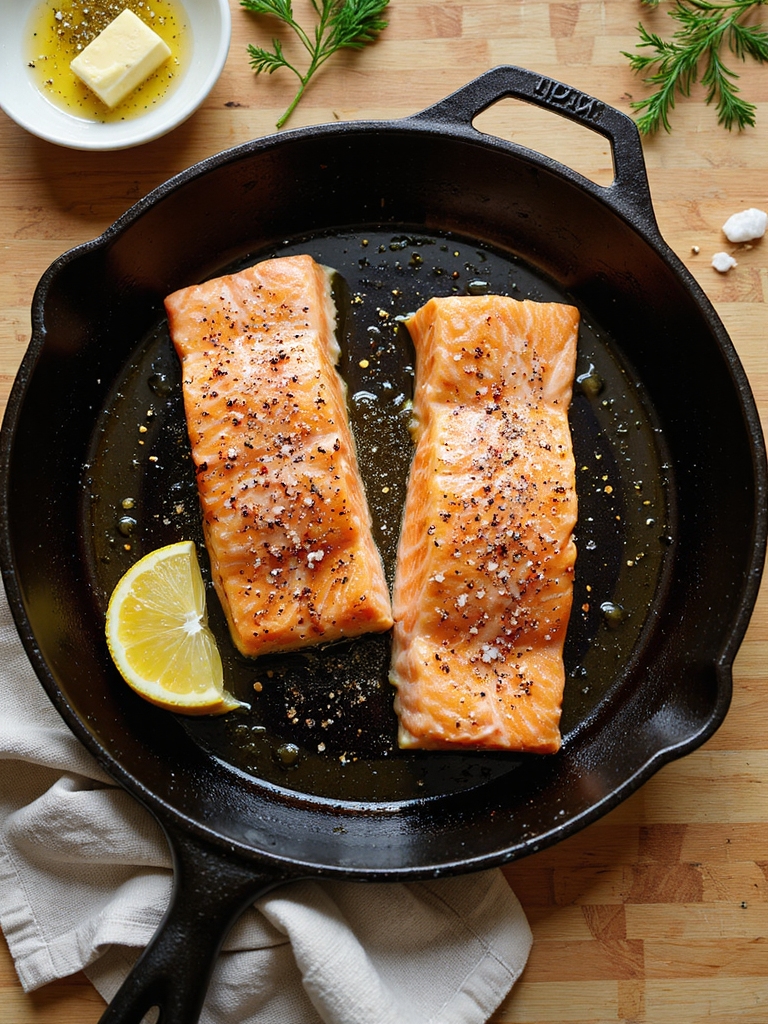
Pan-fried salmon is a quick, flavorful weeknight staple that benefits from a few essential tools and pantry staples to guarantee a perfectly seared, crispy-skinned fillet every time: a heavy skillet (preferably stainless steel or cast iron), a fish spatula or thin flexible turner, instant-read thermometer, paper towels, a good neutral oil with a high smoke point, unsalted butter for finishing, fresh citrus, and simple herbs and seasonings to brighten the fish.
- 2 salmon fillets (6–8 oz each), skin-on and similar thickness
- Salt and freshly ground black pepper
- 1–2 tbsp neutral oil with high smoke point (canola, avocado)
- 1 tbsp unsalted butter (optional)
- 1 lemon, halved
- Fresh herbs (dill, parsley, or thyme), chopped (optional)
- Paper towels
- Instant-read thermometer
- Fish spatula or thin flexible turner
- Heavy skillet (cast iron or stainless steel)
Heat the skillet over medium-high heat until hot but not smoking, pat salmon very dry with paper towels and season both sides; add oil and when it shimmers place fillets skin-side down, press gently for 10 seconds to prevent curling, cook undisturbed 4–6 minutes until skin is deep golden and releases easily, flip carefully with a fish spatula, add butter and lemon, baste for 30–90 seconds until an instant-read thermometer reads 120–130°F for medium-rare to medium, then remove and rest 2 minutes.
Tip: Always dry the skin thoroughly and preheat your pan well — a hot, dry surface and minimal flipping are the keys to crispy skin and evenly cooked salmon.
Oven-baked salmon is an easy alternative when you want hands-off cooking and gentle, even heat for flaky results, often achieved at moderate temperatures for consistent doneness Oven Salmon.
How to Trim and Pat Salmon for Perfect Searing
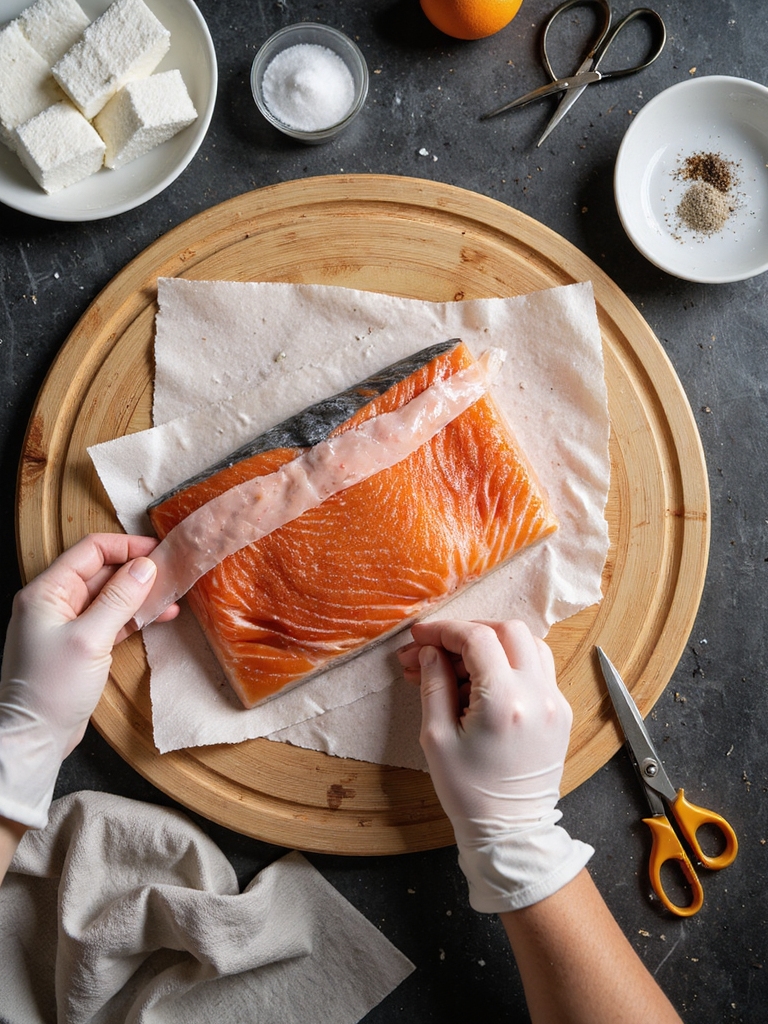
Trimming and patting salmon correctly is the foundation for a perfect sear: remove any ragged edges, excess fat, and the thin translucent membrane along the tail or belly, score thicker fillets lightly to prevent curling, then thoroughly dry the skin and flesh with paper towels to promote Maillard browning and crisp skin.
- 2 salmon fillets (6–8 oz each), skin-on
- Kitchen shears or sharp knife
- Paper towels
- Small bowl with cold water (optional)
- Salt and freshly ground black pepper
- Neutral high-smoke-point oil (canola or avocado)
- Instant-read thermometer
- Fish spatula
Trim any ragged bits or excess fat with kitchen shears and remove any remaining pin bones with tweezers; if the fillet has a thin membrane, slide a knife under a corner and peel it off gently, then rinse briefly in cold water only if very slimy and pat completely dry with paper towels, season both sides lightly with salt and pepper, preheat your skillet until hot, add oil, place salmon skin-side down and press for 10 seconds to prevent curling, cook undisturbed until the skin is deep golden and releases easily, flip and finish to desired doneness.
Tip: Always make certain the salmon is as dry as possible and your pan is fully preheated — moisture and a cool pan are the two main reasons skin won’t crisp.
For a reliably even finish, check doneness with an instant-read thermometer to ensure the internal temperature reaches about 125–130°F for medium-rare (adjust to preference).
Seasoning Techniques for Maximum Flavor
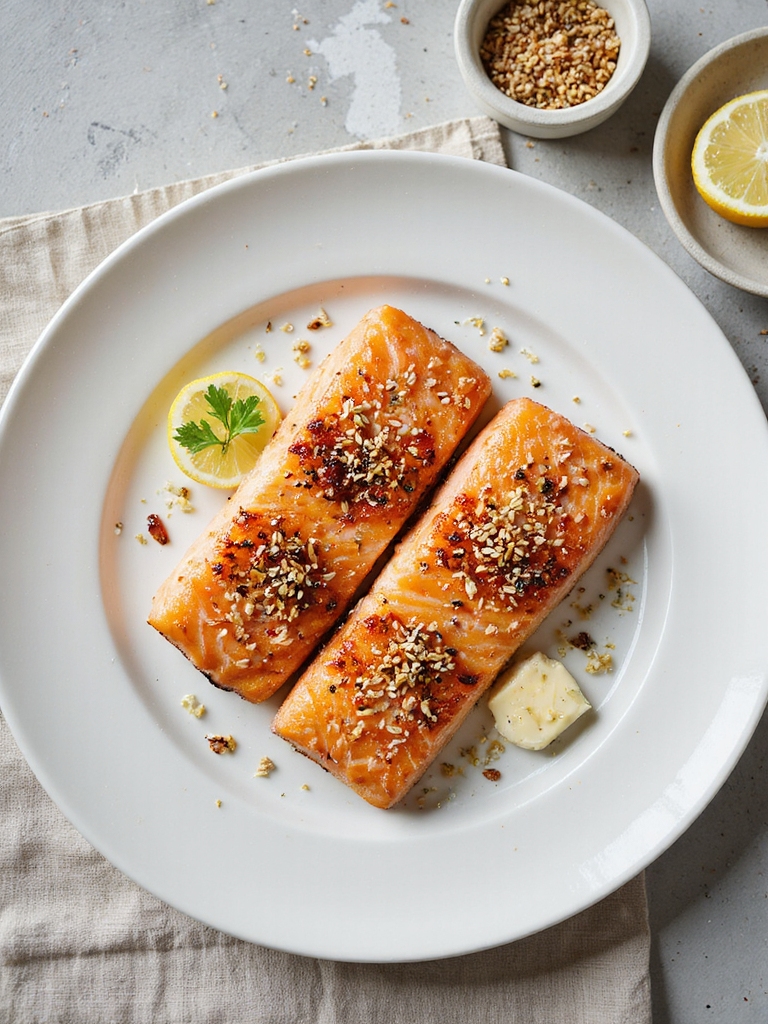
Seasoning salmon correctly transforms a simple pan-seared fillet into a dish bursting with depth and balance; start by layering flavors—salt early to season through, use citrus or vinegar for brightness, herbs and aromatics for fragrance, and a touch of fat and umami (butter, soy, miso, or mustard) to amplify richness—then finish with a sprinkle of texture like toasted seeds or crispy shallots to make each bite interesting.
- 2 salmon fillets (6–8 oz each), skin-on
- 1 tsp kosher salt
- 1/2 tsp freshly ground black pepper
- 1 tsp brown sugar or honey (optional, for caramelization)
- 1/2 tsp smoked paprika or ground cumin
- 1 tbsp olive oil or neutral high-smoke oil
- 1 tsp Dijon mustard or 1 tsp miso paste
- Zest of 1 lemon and 1 tbsp lemon juice
- 1 tbsp chopped fresh dill or parsley
- 1 tsp toasted sesame seeds or crispy fried shallots
Pat fillets dry, season evenly with salt and pepper, rub the brown sugar and smoked paprika (or cumin) on the flesh, mix oil with mustard (or miso), lemon zest and juice, brush lightly over flesh and skin, let sit 10–15 minutes to meld flavors while you preheat a skillet over medium-high heat.
Add oil and place salmon skin-side down, press for 10 seconds, cook undisturbed until skin is crisp and deeply golden then flip and cook briefly skin-off until desired doneness (125–130°F for medium-rare), finish with chopped herbs and sprinkle with sesame seeds or fried shallots before serving.
Tip: Always season ahead by at least 10 minutes and dry the fish thoroughly; acid and herbs brighten but add them at the end to keep their fresh flavors and avoid burning during high-heat searing.
For an extra layer of indulgence, finish the cooked salmon with a spoonful of rich garlic butter melted over the top for immediate gloss and flavor enhancement, inspired by classic Garlic Butter Salmon preparations.
The Right Pan and Heat for a Golden Crust
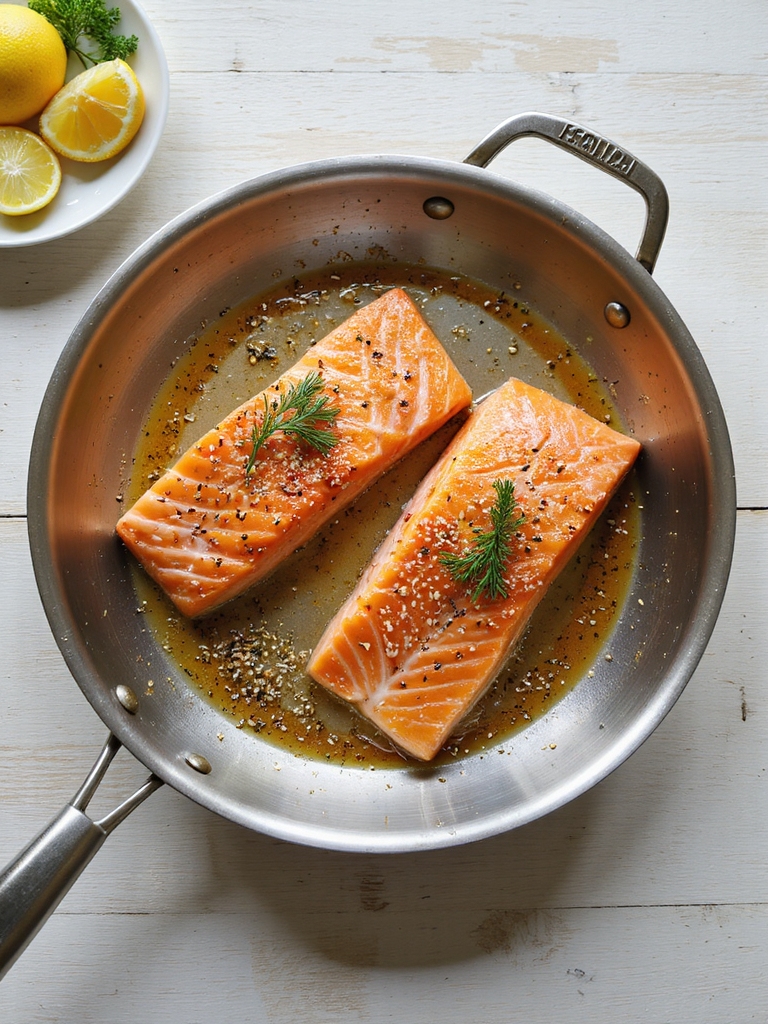
A heavy, well-seasoned skillet and the right heat are the foundation of a perfect golden crust on pan-fried salmon: use a stainless-steel or cast-iron pan for even heat and good searing (nonstick can work but gives less crust), preheat the pan until it’s hot but not smoking, and control heat to render the skin and caramelize the flesh without burning — medium-high initial heat to crisp the skin, then lower slightly to finish through.
- 2 salmon fillets (6–8 oz each), skin-on
- 1 tsp kosher salt
- 1/2 tsp freshly ground black pepper
- 1 tsp brown sugar or honey (optional)
- 1/2 tsp smoked paprika or ground cumin
- 1 tbsp high-smoke oil (grapeseed, avocado, or vegetable)
- 1 tsp Dijon mustard or miso paste
- Zest of 1 lemon and 1 tbsp lemon juice
- 1 tbsp chopped fresh dill or parsley
- 1 tsp toasted sesame seeds or crispy fried shallots
Pat fillets dry and season both sides with salt and pepper, rub brown sugar and smoked paprika on the flesh, mix oil with mustard, lemon zest and juice and brush lightly over the flesh and skin; preheat a heavy skillet over medium-high until hot, add oil and place salmon skin-side down, press for 10 seconds to guarantee contact, cook undisturbed until the skin is crisp and deeply golden (about 4–6 minutes depending on thickness), then reduce heat slightly, flip and cook skin-off briefly until internal temperature reaches 125–130°F for medium-rare or to your preferred doneness, remove from pan, rest for 2 minutes and finish with chopped herbs and sesame seeds or fried shallots.
Tip: Always dry the fish thoroughly and let it sit seasoned for 10–15 minutes before cooking, and if the pan starts to smoke excessively lower the heat—you want a steady sizzle, not burning. Use an air fryer as an alternative for a reliably crispy finish and quicker cooking when you want less hands-on time.
Step-by-Step Pan-Frying Method
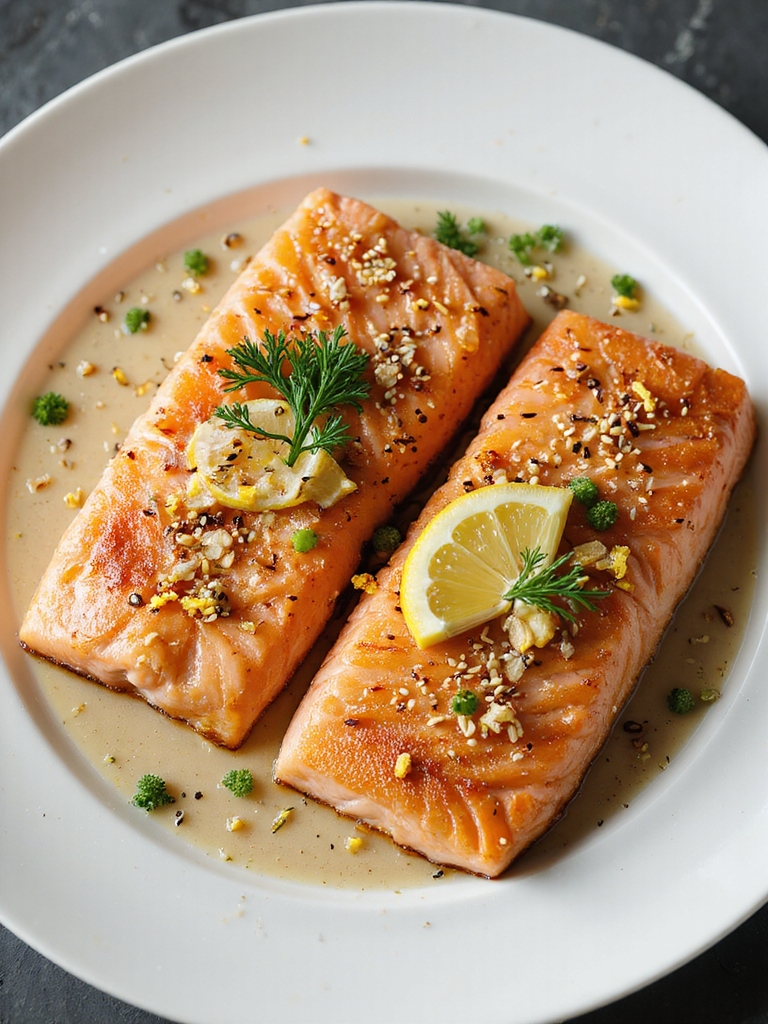
This step-by-step pan-frying method will guide you through turning skin-on salmon fillets into perfectly crisp-skinned, moist-centered portions by using proper seasoning, heat control, and timing so you get a golden crust and even doneness every time.
- 2 salmon fillets (6–8 oz each), skin-on
- 1 tsp kosher salt
- 1/2 tsp freshly ground black pepper
- 1 tsp brown sugar or honey (optional)
- 1/2 tsp smoked paprika or ground cumin
- 1 tbsp high-smoke oil (grapeseed, avocado, or vegetable)
- 1 tsp Dijon mustard or miso paste
- Zest of 1 lemon and 1 tbsp lemon juice
- 1 tbsp chopped fresh dill or parsley
- 1 tsp toasted sesame seeds or crispy fried shallots
Pat the fillets very dry and season both sides with salt and pepper, rub the brown sugar and smoked paprika onto the flesh, preheat a heavy skillet over medium-high until hot, add the oil and place the salmon skin-side down pressing for 10 seconds to assure full contact; cook undisturbed about 4–6 minutes until the skin is deeply golden and releases easily, lower the heat slightly, flip and cook 1–3 minutes more until the internal temperature reads 125–130°F for medium-rare (or to your preferred doneness), remove from pan and rest 2 minutes before finishing with lemon juice, herbs and sesame or shallots.
Tip: Keep the fish dry, use a hot heavy pan for a crisp skin, control the heat to maintain a steady sizzle (not smoke), and rest briefly before serving for juicier results.
For a slightly different flavor profile, you can also try this method with salmon skillet seasonings inspired by other quick stovetop recipes.
Butter, Oil, and Basting Tips
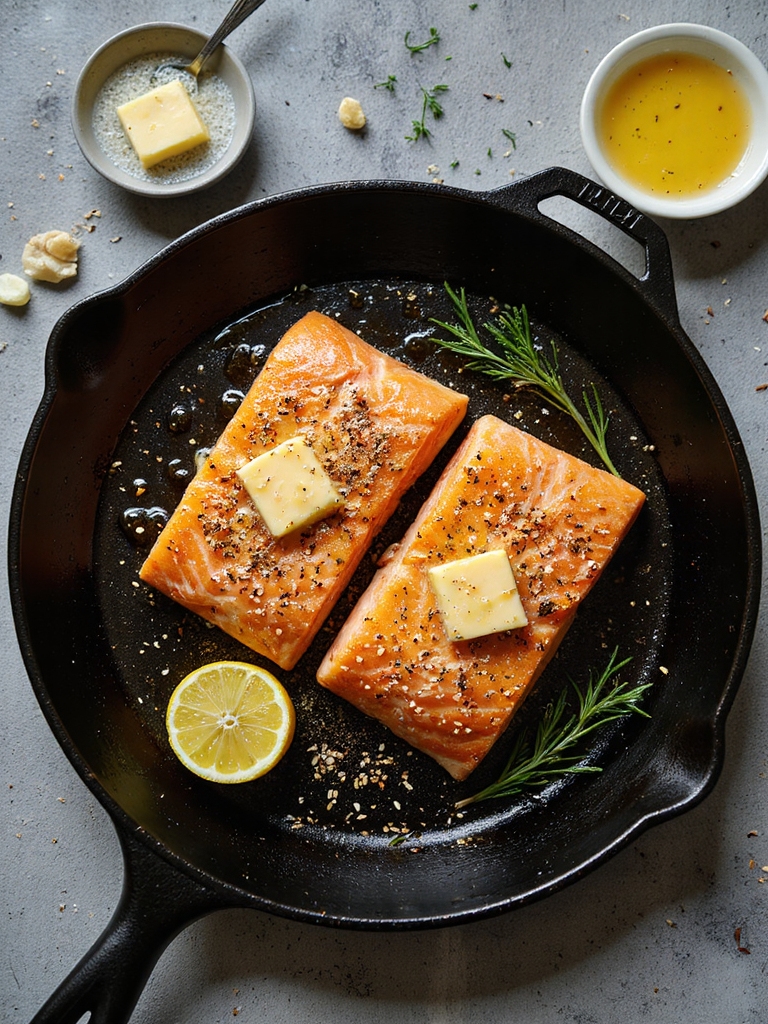
For perfect pan-fried salmon with crisp skin and glossy, buttery flavor, this recipe focuses on the interplay of oil, butter, and a quick basting technique: start with a high-smoke oil to get the skin crisp, add butter near the end to enrich and finish the fish, and baste with spoonfuls of hot, foaming butter mixed with herbs and citrus to keep the flesh moist and add aroma.
- 2 salmon fillets (6–8 oz each), skin-on
- 1 tbsp high-smoke oil (grapeseed, avocado, or vegetable)
- 1 tbsp unsalted butter
- 1 tsp kosher salt
- 1/2 tsp freshly ground black pepper
- 1 clove garlic, crushed
- 1 sprig fresh thyme or 1 tsp chopped dill
- Zest and juice of 1/2 lemon
- 1 tsp Dijon mustard (optional)
- 1 tsp toasted sesame seeds or crispy fried shallots (optional)
Pat the fillets very dry and season both sides with salt and pepper; heat a heavy skillet over medium-high until hot, add the oil and place the salmon skin-side down pressing for 10 seconds to guarantee contact, cook undisturbed 4–6 minutes until the skin is deeply golden and releases easily.
Lower heat, flip, add butter, garlic and thyme, tilt the pan and baste the tops of the fillets continuously with the foaming butter for 1–3 minutes until internal temperature reaches 125–130°F (or to your preferred doneness), remove and rest 2 minutes then finish with lemon juice, zest and mustard if using.
Tip: Keep the pan hot but not smoking, add butter only after flipping to prevent burning, and use continuous spoon basting to transfer flavor and maintain moist, evenly cooked salmon.
This method builds on techniques used for Baked Salmon to ensure even cooking and maximum flavor.
Quick Sauce and Glaze Ideas
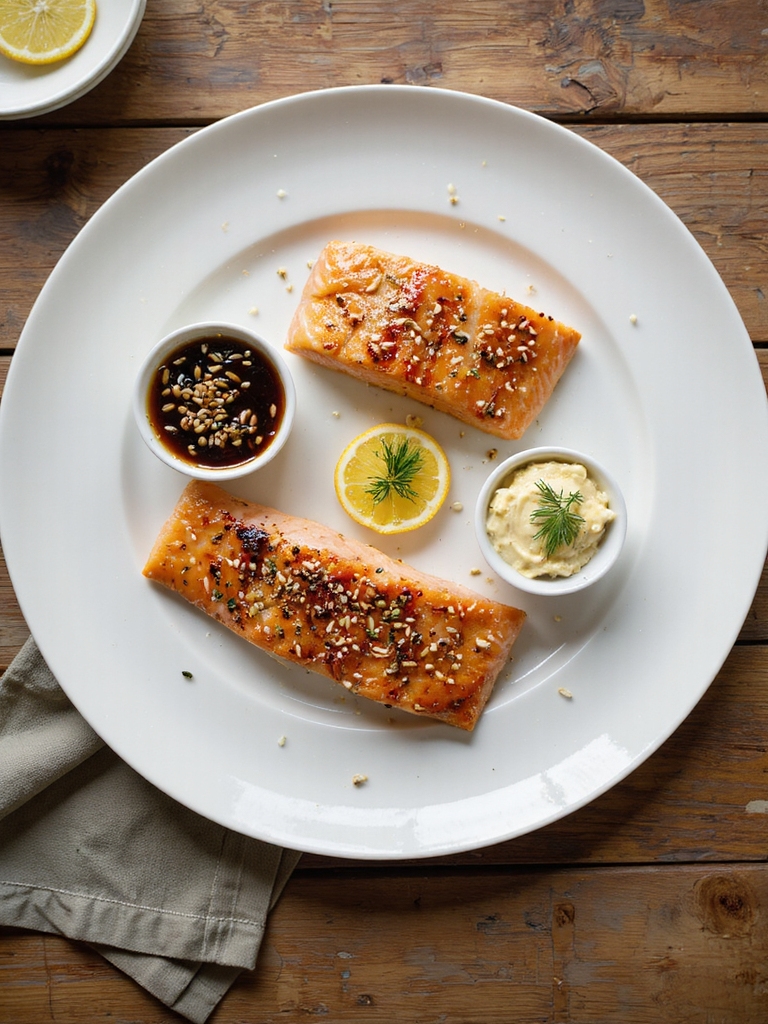
Quick sauces and glazes can transform pan-fried salmon from simple to spectacular in minutes; here are three fast, flavor-packed options — a lemon-butter herb sauce for bright richness, a honey-soy glaze for sticky umami-sweetness, and a creamy dill-mustard sauce for tangy silkiness — each built to finish the fish right after resting so you keep the crisp skin and moist interior.
- Lemon-Butter Herb Sauce: 2 tbsp unsalted butter, 1 tbsp olive oil, 1 clove garlic minced, 1 tbsp chopped parsley, 1 tsp chopped thyme, 1 tbsp lemon juice, 1 tsp lemon zest, salt and pepper to taste
- Honey-Soy Glaze: 2 tbsp low-sodium soy sauce, 1 tbsp honey, 1 tsp rice vinegar, 1 tsp sesame oil, 1/2 tsp grated ginger, pinch red pepper flakes, 1 tsp toasted sesame seeds (optional)
- Creamy Dill-Mustard Sauce: 3 tbsp Greek yogurt or sour cream, 1 tbsp Dijon mustard, 1 tbsp chopped fresh dill, 1 tsp lemon juice, 1 tsp olive oil, salt and pepper to taste
After resting your pan-fried salmon, place the skillet back over medium heat, add a tablespoon of butter or oil, then for the Lemon-Butter Herb Sauce sauté garlic 30 seconds, stir in butter, lemon juice and herbs and spoon over fish; for the Honey-Soy Glaze combine soy, honey, vinegar and ginger in a small saucepan, simmer 1–2 minutes until slightly thickened and brush on the fillets; for the Creamy Dill-Mustard Sauce whisk ingredients together and spoon chilled over warm salmon.
Tip: Taste and adjust acid/salt balance, warm or thicken sauces just before serving, and brush glazes sparingly to keep skin crisp. Lemon salmon is a classic pairing that brightens the dish with citrus flavor contrast.
Easy Side Dishes to Serve With Pan-Fried Salmon
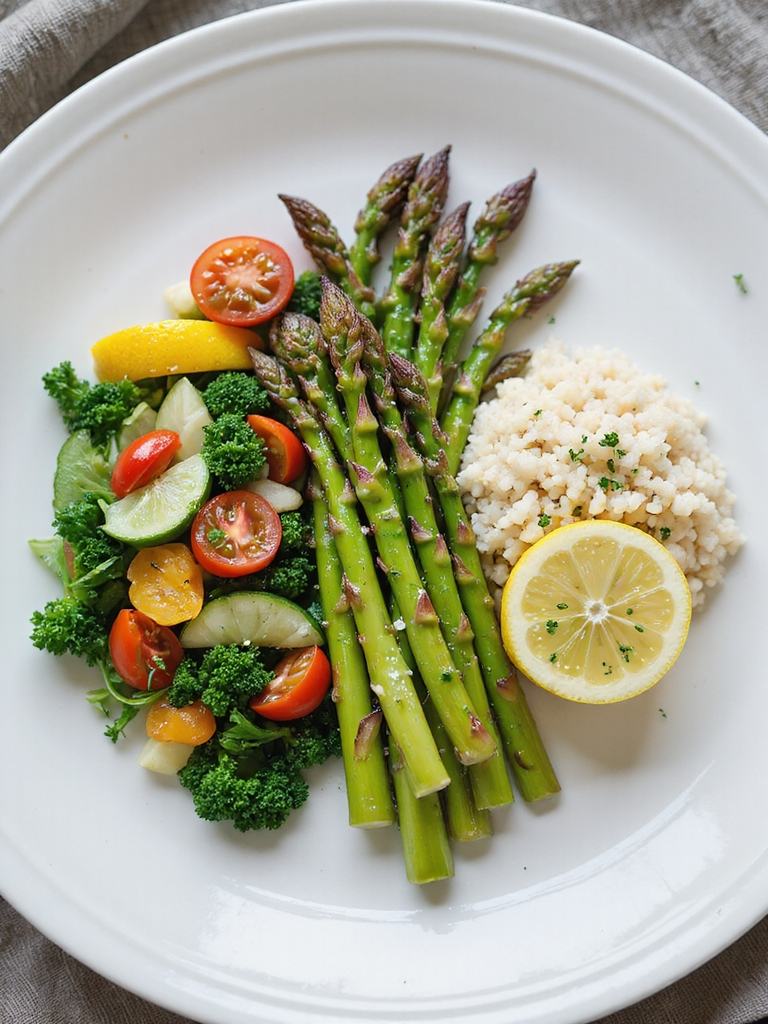
Serve your pan-fried salmon with a trio of easy, quick sides that complement its rich, crispy skin: garlic-roasted asparagus for brightness and crunch, lemon-parsley couscous for light, fluffy starch, and a simple mixed-green salad with a zippy vinaigrette to balance the plate.
- Asparagus: 1 lb trimmed asparagus
- Olive oil: 2 tbsp
- Garlic: 2 cloves minced
- Lemon: 1 (zest and 1 tbsp juice)
- Salt and pepper: to taste
- Couscous: 1 cup (preferably Israeli or regular)
- Vegetable or chicken stock: 1 1/4 cups hot
- Butter or olive oil: 1 tbsp
- Fresh parsley: 2 tbsp chopped
- Mixed salad greens: 4 cups
- Cherry tomatoes: 1 cup halved
- Cucumber: 1/2 sliced
- Red wine vinegar or lemon juice: 1 tbsp
- Extra-virgin olive oil: 3 tbsp
- Dijon mustard: 1 tsp
- Honey or maple syrup: 1 tsp (optional)
Preheat oven to 425°F (220°C) and toss asparagus with 1 tbsp oil, garlic, lemon zest, salt, and pepper then roast on a sheet pan for 10–12 minutes until tender-crisp.
Meanwhile bring stock to a boil, stir in couscous, cover and remove from heat for 5 minutes then fluff with fork and stir in butter, parsley, lemon juice and a pinch of salt.
Whisk dressing ingredients together and toss with greens, tomatoes and cucumber just before serving.
Tip: Roast asparagus at high heat for char without sogginess, fluff couscous with a fork immediately to avoid clumping, and dress the salad last-minute so it stays crisp.
This combination echoes the classic pairing of salmon and asparagus for a well-balanced, flavorful meal.
Make-Ahead and Reheating Tips
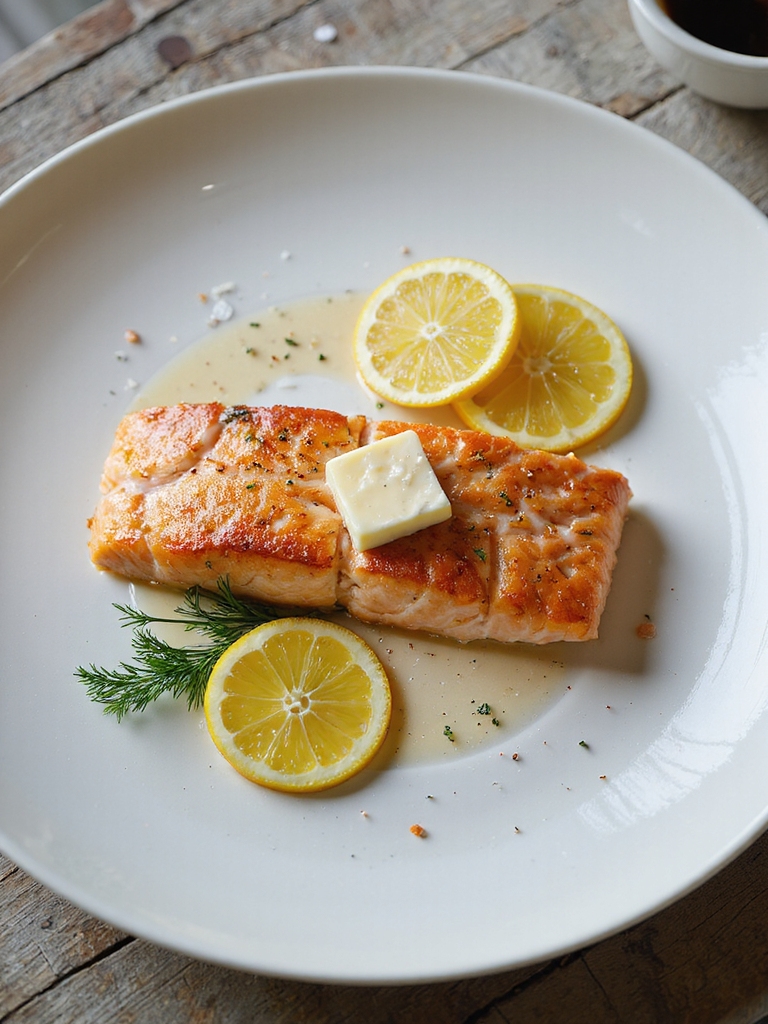
Planning ahead makes weeknight pan-fried salmon simple and delicious: this make-ahead approach covers storing, reheating, and finishing to preserve crispy skin and moist flesh so you can cook large batches or prep components in advance and still serve restaurant-quality fish.
- Salmon fillets (6–8 oz each), skin-on
- Salt and pepper
- Olive oil or neutral oil for frying
- Butter (optional)
- Lemon wedges
- Plastic wrap or airtight containers
- Parchment paper
- Refrigerator space
- Freezer-safe bags or containers (if freezing)
- Thermal-proof skillet or oven-safe pan
- Instant-read thermometer
Sear salmon skin-side down in a hot skillet with oil until deeply golden (about 4–6 minutes depending on thickness), flip briefly to finish (1–2 minutes) until internal temp reaches 120–125°F for medium-rare or 130–135°F for medium, cool on a rack, then store sealed in the fridge up to 2 days or freeze wrapped tightly up to 1 month.
To reheat, warm gently skin-side up in a 275°F oven for 7–10 minutes (or cover and microwave briefly on low power followed by a quick pan sear to revive the skin).
When ready to serve, squeeze fresh lemon, add a pat of butter to the flesh for shine and flavor, and re-crisp skin in a hot skillet for 30–60 seconds if needed.
Sear first and finish in the oven to ensure even doneness and a crisp skin sear-then-roast for reliably tender results.