I love working with raw fish because it teaches you to trust simple ingredients and precise technique, and I want to bring that calm confidence to your kitchen. I’ll show you how to choose the right cuts, keep them safe and silky, and build flavor from citrus, herbs, salts and oils so each bite sings.
There are global approaches worth learning, and a few easy tricks that change everything—but first, let’s talk sourcing.
Choosing and Sourcing Fish for Raw Preparations
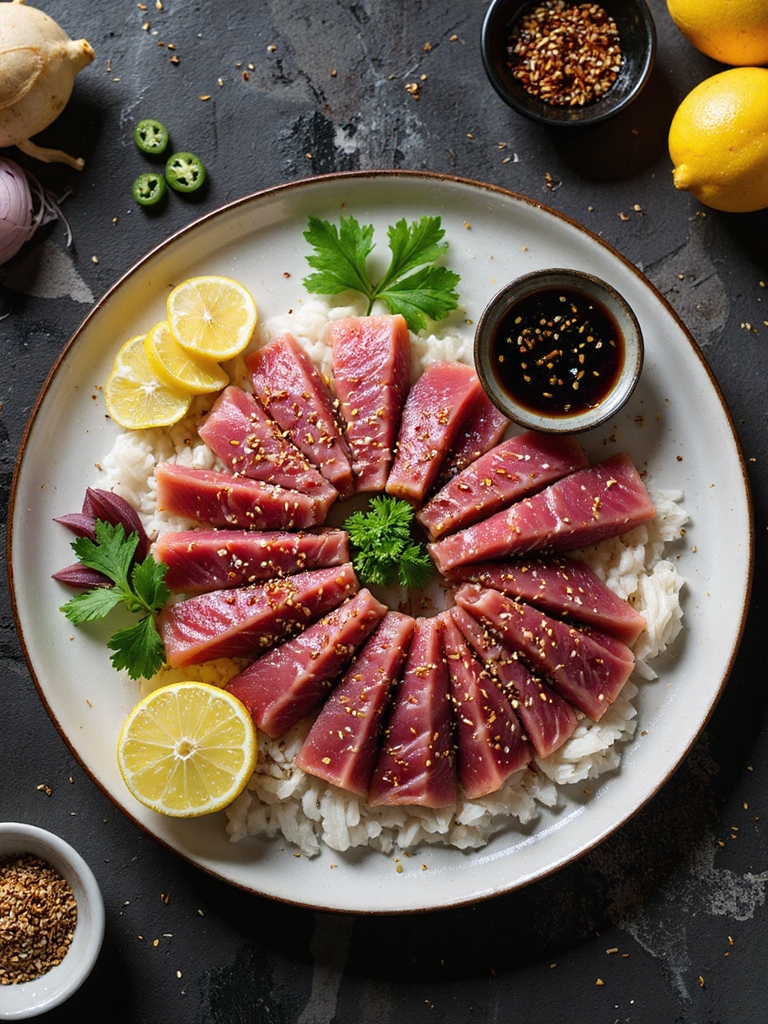
Preparing raw fish safely for dishes like sashimi, ceviche, or poke starts with selecting the freshest, highest-quality fish and sourcing it from reputable suppliers who can confirm that the fish is sushi- or sashimi-grade and has been handled and frozen according to safety guidelines; this recipe focuses on a simple citrus-cured sashimi-style preparation using tuna that highlights pristine flavor and texture while prioritizing food safety.
- 8 oz sashimi-grade ahi tuna (firm, bright, and odorless)
- 2 limes, juiced
- 1/2 lemon, juiced
- 1 tsp sea salt
- 1 tsp sugar
- 1 tbsp soy sauce
- 1 tsp toasted sesame oil
- 1 small shallot, thinly sliced
- 1 small jalapeño, thinly sliced (optional)
- 1 tbsp chopped cilantro
- 1 tsp toasted sesame seeds
Slice the tuna into thin, even 1/4-inch slices and arrange in a shallow glass or ceramic dish, whisk the lime and lemon juices with salt and sugar until dissolved then pour over the tuna ensuring all pieces are contacted, cover and refrigerate for 10–15 minutes if making ceviche-style or skip the cure and simply toss slices with soy, sesame oil, shallot, jalapeño and cilantro for a sashimi dressing; serve immediately with sesame seeds.
Always buy fish labeled sushi- or sashimi-grade from a trusted vendor, keep it consistently cold, and if unsure about raw consumption, freeze the fish at -20°C (-4°F) for 7 days or at -35°C (-31°F) for 15 hours per guidelines to reduce parasite risk. The Art of Savoring Raw Fish Delights recommends learning proper handling and storage techniques to maintain sashimi quality and safety.
Safety and Handling: Freezer, Tools, and Sanitation
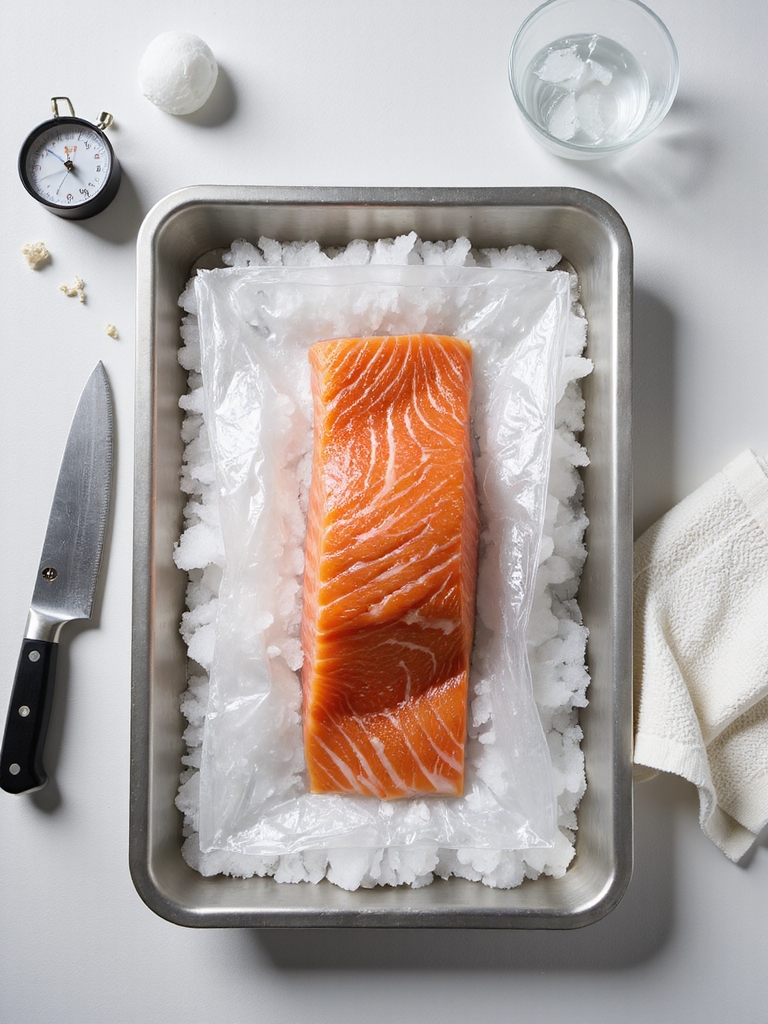
This safety-and-handling guide walks you through proper freezer treatment, the essential tools, and sanitation steps to safely prepare raw fish for sashimi-style or citrus-cured dishes, focusing on minimizing parasite and bacterial risks while preserving texture and flavor.
- Fish labeled sushi- or sashimi-grade (thawed safely if previously frozen)
- Freezer capable of -20°C (-4°F) or a blast freezer for -35°C (-31°F)
- Instant-read thermometer
- Sharp filleting/sashimi knife and cutting board (non-porous)
- Food-grade plastic wrap and shallow glass/ceramic dish
- Clean kitchen towels and disposable gloves
- Sanitizing solution (1 tbsp bleach per 1 gallon water) or food-safe sanitizer
- Ice and insulated cooler for transport
Ensure fish intended for raw service has been frozen to recommended temperatures for the recommended times if necessary and thaw in the refrigerator in sealed packaging with a thermometer checking the temp; sanitize and set up a dedicated, non-porous workstation with cold surfaces, keep fish on ice during prep, slice with a very sharp knife minimizing handling, discard any fish with off-odors or sliminess, and maintain cleaned utensils and hands (use gloves when possible) throughout.
Tip: Always verify supplier freezing documentation for parasite control, keep fish below 4°C (40°F) at all times during prep, and sanitize surfaces and tools immediately after use.
Wild-caught fish can have different parasite risks than farmed fish, so know the source and typical parasite prevalence for the species you buy (parasite prevalence).
Ceviche Classics and Citrus-Forward Variations
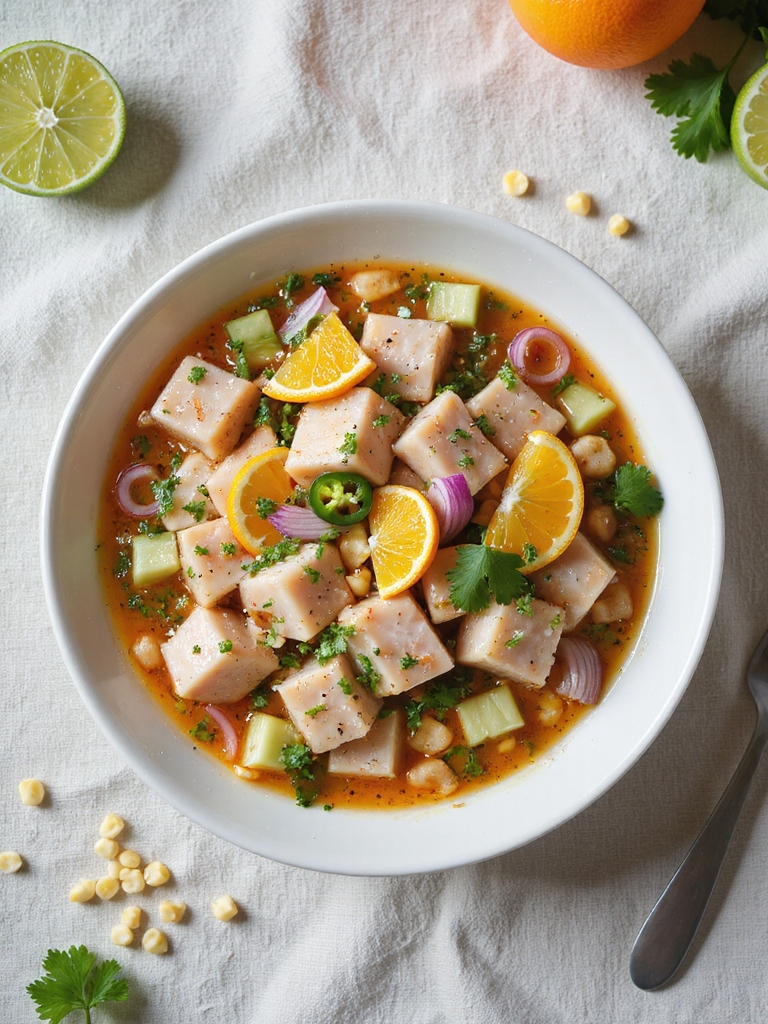
Bright, bright ceviche showcases raw fish “cooked” in citrus with aromatics and heat from chilies — this recipe uses firm white fish and a balance of lime, orange, and salt for a classic Peruvian-inspired ceviche with cilantro, red onion, and corn for texture.
- 1 lb sushi- or sashimi-grade firm white fish (sea bass, flounder, or halibut), skin removed and cut into 1/2-inch cubes
- 2/3 cup fresh lime juice (about 6 limes)
- 1/3 cup fresh orange juice (about 1 orange)
- 1 small red onion, very thinly sliced
- 1 small jalapeño or serrano, seeded and thinly sliced
- 1/2 cup chopped fresh cilantro
- 1 tsp fine sea salt (adjust to taste)
- 1/2 tsp freshly ground black pepper
- 1 tsp grated ginger (optional)
- 1 small cucumber, seeded and diced (optional)
- 1 tablespoon olive oil (optional)
- Lime wedges and toasted corn kernels or tortilla chips for serving
Combine the cubed fish, lime and orange juices, salt, pepper, and ginger in a non-reactive bowl, stir gently to make certain all pieces are submerged, then cover and refrigerate for 15–20 minutes until the fish turns opaque at the edges but still slightly translucent in the center (shorter for very fresh, thin-cut fish).
Drain most of the citrus if you prefer a less “saucy” ceviche, then gently fold in sliced onion, jalapeño, cucumber (if using), cilantro, and olive oil, taste and adjust salt and acidity, and serve immediately chilled with lime wedges and toasted corn or chips.
Tip: Keep fish and all ingredients cold, use only fish from trusted, properly frozen sources for raw preparation, and err on the side of shorter marination for delicate fish to preserve a tender texture.
Delicious and healthy white fish can be a great base for ceviche, and choosing firm white fish helps maintain texture during citrus “cooking.”
Sashimi and Nigiri Basics for Home Cooks
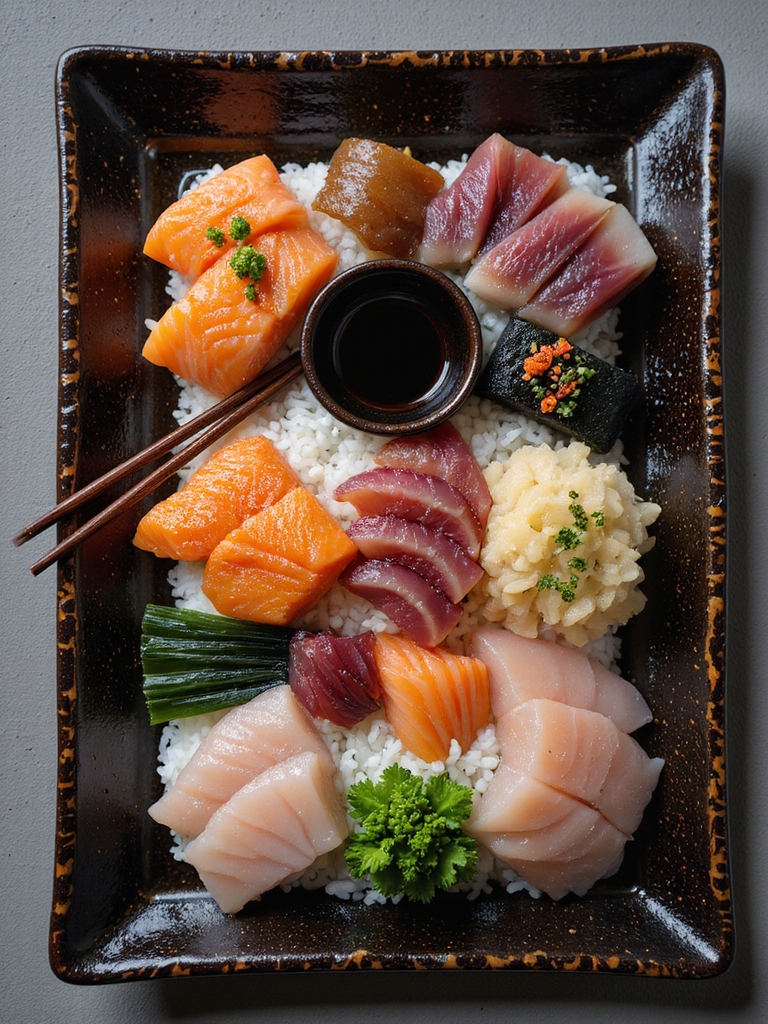
Sashimi and nigiri are foundational Japanese preparations showcasing the pristine flavor and texture of high-quality raw fish; this recipe guides a home cook through selecting sashimi-grade fish, basic knife technique for clean slices, and the simple assembly of nigiri — lightly seasoned rice shaped by hand with a dab of wasabi and a thin slice of fish — so you can present elegant, restaurant-style pieces at home with confidence.
- 8 oz sashimi-grade fish (tuna, salmon, yellowtail, or escolar), skin removed
- 1 cup Japanese short-grain rice (sushi rice)
- 1 1/4 cups water
- 2 tbsp rice vinegar
- 1 tbsp sugar
- 1 tsp fine sea salt
- Wasabi paste (to taste)
- Soy sauce for serving
- Pickled ginger (gari) for palate cleansing
- Optional: toasted sesame seeds or thinly sliced scallion
Cook the rice: rinse rice until water runs clear, combine with water in a rice cooker or pot and cook until tender then let rest covered 10 minutes; while warm, fold in a mixture of rice vinegar, sugar, and salt and fan to cool to body temperature, then keep covered.
Slice fish with a very sharp knife into 1/4-inch (for sashimi) or slightly thicker 1/3-inch angled slices for nigiri; wet your hands, form oblong 2-inch rice mounds, spread a small dab of wasabi on each rice mound and drape a slice of fish over it, gently press to adhere, and plate with pickled ginger and soy sauce.
Tip: Use only trusted sashimi-grade fish that has been properly frozen to recommended temperatures, keep everything cold, use a single long sharp knife with smooth strokes for clean cuts, and practice rice shaping lightly to avoid compacting the grains too firmly.
Salmon is a versatile choice that pairs well with many preparations and is highlighted in our guide to Delicious Ways to Enjoy Salmon Fish in Your Kitchen.
Gravlax, Curing Salts, and Nordic Techniques
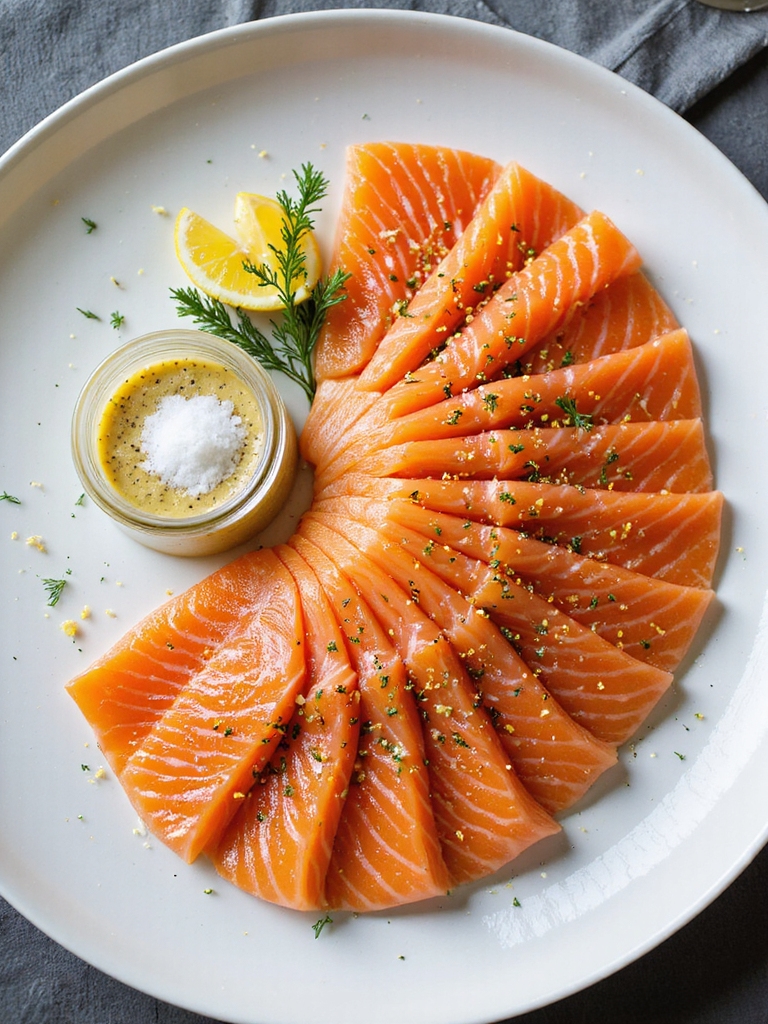
Gravlax is a classic Nordic cured salmon prepared by curing a salmon fillet with a mix of salt, sugar and dill (and optional aquavit or citrus) to draw out moisture and infuse flavor; this recipe shows how to prepare traditional gravlax using curing salts or just salt-sugar for home use, explains how to press and cure the fish safely, and provides serving suggestions with mustard-dill sauce and rye or crispbreads.
- 2 lb (900 g) skin-on salmon fillet, pin bones removed
- 1/4 cup (60 g) coarse sea salt
- 1/4 cup (50 g) granulated sugar
- 2 tsp pink curing salt (Prague Powder #1) optional — use only if you want a cure that prevents botulism and alters color
- Zest of 1 lemon or orange (optional)
- 1/4 cup (packed) fresh dill, chopped
- 2 tbsp aquavit or vodka (optional)
- Freshly ground black pepper
Combine salt, sugar, (optional) curing salt, and citrus zest in a bowl; sprinkle half the mixture over a piece of plastic wrap, place the salmon skin-side down on it, brush with aquavit if using, cover the flesh with the remaining cure, press the chopped dill evenly on top, wrap tightly, place in a baking dish and weigh down with a sturdy pan and 5–6 lbs of weight, refrigerate for 24–48 hours turning once and draining liquid each turn.
After curing, unwrap, rinse under cold water, pat dry, remove dill and excess cure, slice thinly on the bias away from the skin and serve with mustard-dill sauce, rye bread or crispbreads.
Tip: If you used Prague Powder #1 follow quantity and safety instructions precisely; when omitting it stick to very fresh, sashimi-grade salmon, always cure in the coldest part of the fridge, and discard if the fish develops off smells or colors.
Gravlax makes a healthy addition to meals, fitting well into a variety of fish recipes healthy plans thanks to its high-quality protein and omega-3 fats.
Yusheng and Bright Southeast Asian Salads
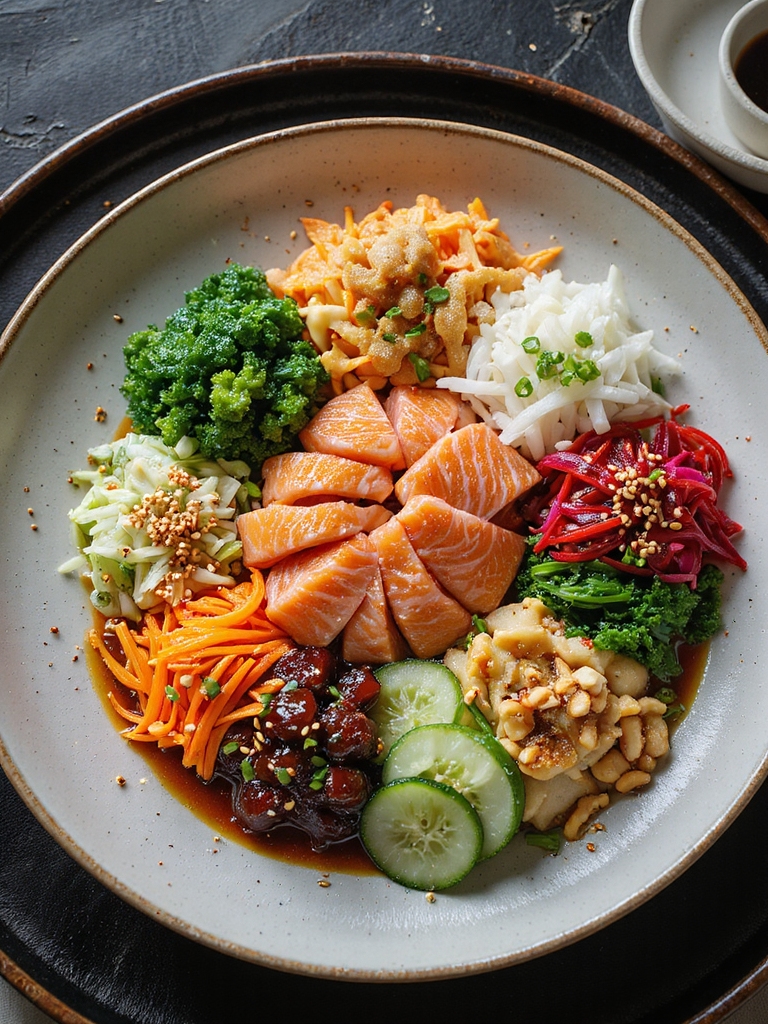
Yusheng (also called Prosperity Toss) is a colorful, celebratory Southeast Asian raw fish salad of thinly sliced sashimi (commonly salmon), shredded vegetables, crunchy crackers and a sweet-tangy dressing; this recipe shows how to assemble a fresh, balanced yusheng for sharing, with an emphasis on bright citrus, plum sauce, toasted sesame, and a variety of textures so the toss (lo hei) is both flavorful and festive.
- 200 g sashimi-grade salmon or tuna, thinly sliced
- 2 cups shredded green and red cabbage (combined)
- 1 cup shredded carrot
- 1/2 cup shredded daikon or jicama
- 1/2 cup thinly sliced cucumber (seeded)
- 2 stalks scallion, finely julienned
- 1/4 cup cilantro leaves
- 1/4 cup pickled ginger, thinly sliced
- 2 tbsp toasted sesame seeds
- 2 tbsp toasted white and black sesame oil (or 1 tbsp each)
- 3 tbsp plum sauce
- 2 tbsp rice vinegar
- 1 tbsp light soy sauce
- 1 tbsp lime juice
- 1 tbsp honey or maltose
- 1/4 tsp five-spice powder (optional)
- 1/4 cup crushed crispy wonton skins or crackers
- 1/4 cup crushed roasted peanuts
Arrange the shredded cabbage, carrot, daikon/jicama, cucumber, scallion and cilantro in a large shallow platter in separate neat piles radiating from the center, fan the thin sashimi slices over the vegetables, whisk together plum sauce, rice vinegar, soy, lime, honey, sesame oil and five-spice to a glossy dressing then pour over the fish and vegetables, sprinkle toasted sesame seeds, crushed crackers and peanuts on top, invite everyone to stand around the platter and toss vigorously with chopsticks while calling out auspicious wishes, then serve immediately so the textures stay crisp and the fish remains chilled.
Tip: Use only sashimi-grade fish kept very cold until plating, dress and toss just before serving to preserve crunch, and adjust sweetness, acidity and salt to taste so the dressing complements but doesn’t overpower the raw fish. A simple tuna fish salad makes a convenient, cooked alternative for those who prefer not to eat raw seafood.
Tartare and Poke: Texture, Seasoning, and Fats
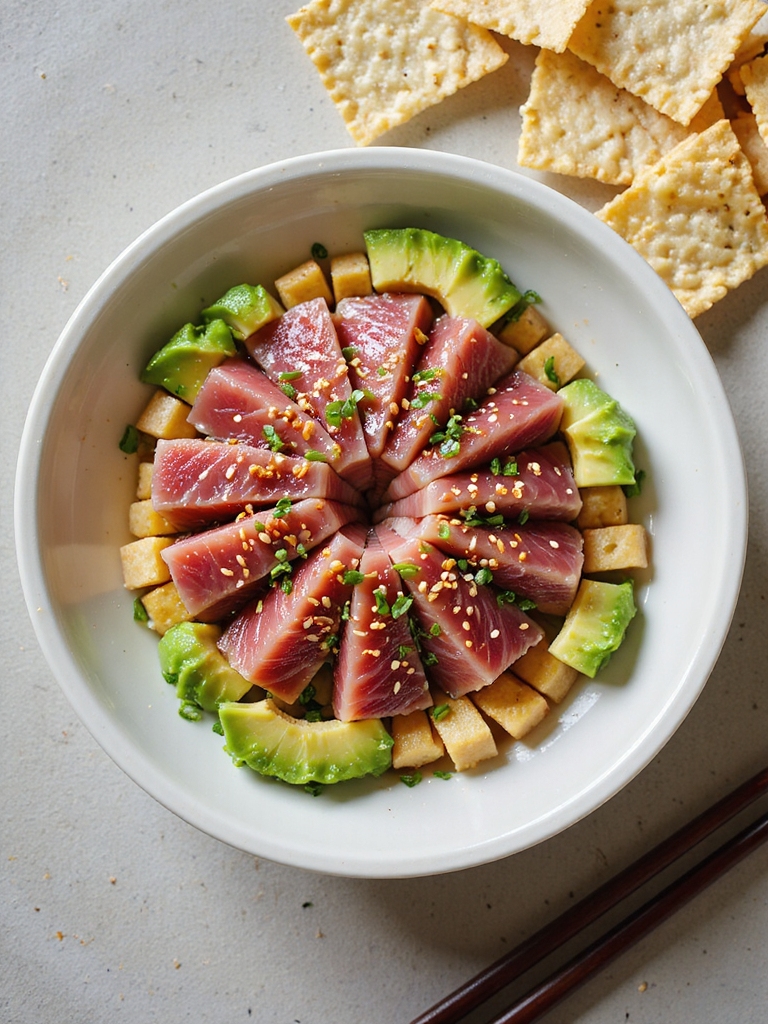
Tuna-Avocado Tartare with Ponzu and Sesame is a simple, textured dish that balances silky raw tuna, creamy avocado, bright acid, and umami-fatty elements; this recipe emphasizes knife work, seasoning layers, and the right fats (sesame oil, avocado, and a touch of olive oil) to bind without weighing down the clean flavors.
- 300 g sashimi-grade tuna, finely diced (about 1/4″ pieces)
- 1 ripe avocado, diced to match tuna
- 2 tbsp ponzu (or 1 tbsp soy + 1 tbsp yuzu/lime juice)
- 1 tsp toasted sesame oil
- 1 tbsp extra-virgin olive oil
- 1 small shallot, very finely minced
- 1 tsp chopped chives
- 1 tsp grated ginger
- 1 tsp finely chopped jalapeño (optional)
- 1 tsp rice vinegar
- 1/2 tsp honey or mirin
- 1/2 tsp toasted sesame seeds
- 1 tbsp finely diced cucumber (optional for crunch)
- flaky sea salt and freshly ground black pepper to taste
- wonton crisps or toasted baguette slices for serving
Gently combine the diced tuna, shallot, chives, ginger, jalapeño (if using) and cucumber in a bowl, whisk together ponzu, rice vinegar, honey, sesame oil and olive oil then toss with the tuna to coat, season lightly with salt and pepper, fold in the avocado last to avoid mashing, then taste and adjust acidity or salt; press into a ring mold or mound on chilled plates, sprinkle sesame seeds and a little extra chive, and serve immediately with crisps.
Tip: Keep fish very cold, dice uniformly for consistent texture, add avocado at the end and adjust fats and acid to balance richness without masking the tuna. A light squeeze of lime or fresh citrus can brighten the overall flavor without overpowering the fish.
Acid, Heat, and Time: How Marinades Change Texture
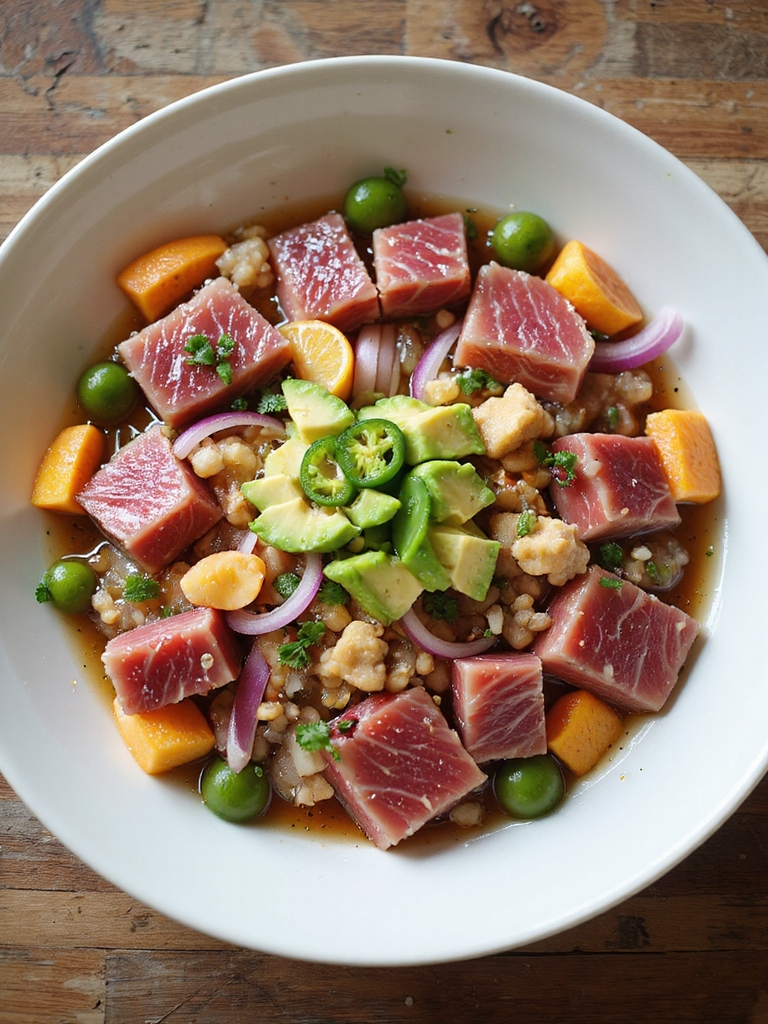
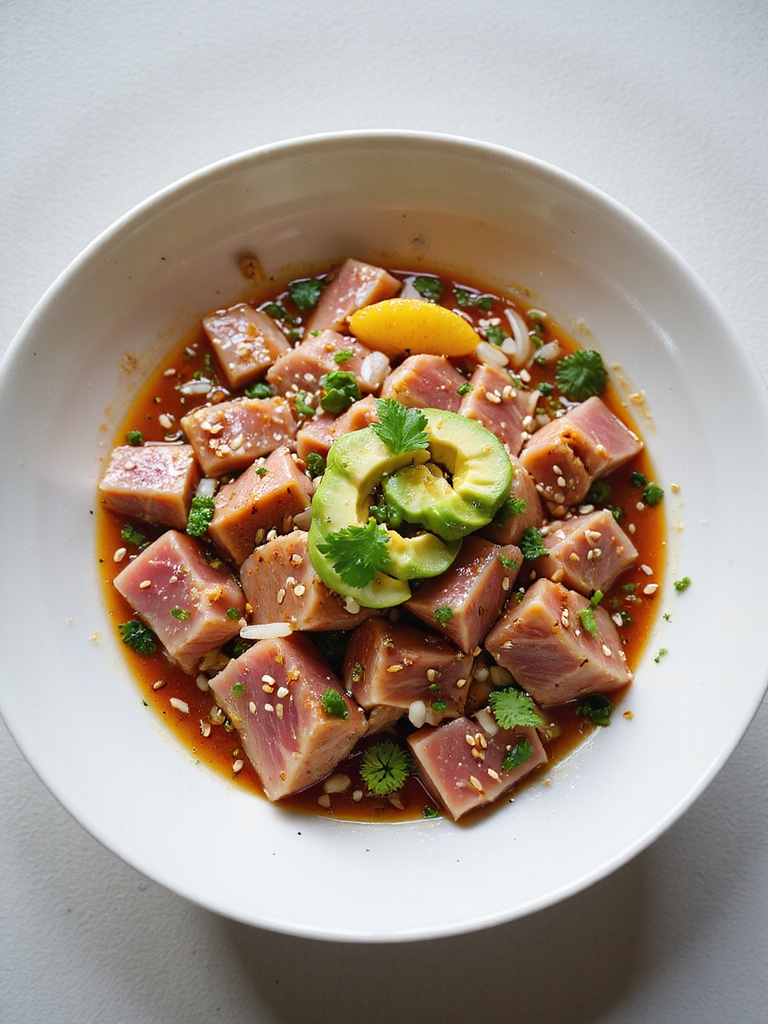
Ceviche-like Tuna with Quick Citrus-Marinate explores how acid, heat (from chili and salt), and time transform raw fish texture: a fast marinade firms and “cooks” tuna at the surface while preserving a silky center, so controlling acid concentration, marination time, and complementary fats keeps the bite lively rather than mushy; this recipe demonstrates short, staged marination with layered acids (citrus + rice vinegar), gentle heat (jalapeño + sesame oil), and a finishing oil to round the flavor.
- 300 g sashimi-grade tuna, cut into 1/2″ cubes
- 3 tbsp fresh lime juice (about 2 limes)
- 1 tbsp fresh orange juice
- 1 tsp rice vinegar
- 1/2 tsp sea salt
- 1 tsp honey or mirin
- 1 small shallot, very thinly sliced
- 1 tsp grated ginger
- 1 small jalapeño, thinly sliced (seeds optional)
- 1 tbsp toasted sesame oil
- 1 tbsp extra-virgin olive oil
- 1 ripe avocado, diced
- 1 tbsp chopped cilantro or chives
- 1 tsp toasted sesame seeds
- thin tortilla chips or crackers for serving
Combine lime juice, orange juice, rice vinegar, salt, and honey in a shallow bowl and stir until salt dissolves, add shallot, ginger and jalapeño and let sit 2 minutes to soften aromatics, add tuna and toss gently to coat, let sit on ice or in refrigerator 3–6 minutes depending on desired firmness (3 min for barely set, up to 6 min for more ‘cooked’ edges), drain most of the marinade leaving a little for flavor, fold in sesame oil and olive oil, fold in avocado and herbs just before serving, season to taste, sprinkle sesame seeds and serve immediately with chips.
Tip: Keep tuna very cold and use the shortest effective marination time to avoid over‑denaturing proteins; stronger citrus or thinner cuts cook faster so adjust time, taste as you go, and always drain excess acid before adding delicate fats like avocado. This dish can be paired with classic Chinese fish sides to bridge flavors between cuisines.
Garnishes, Sauces, and Global Flavor Pairings
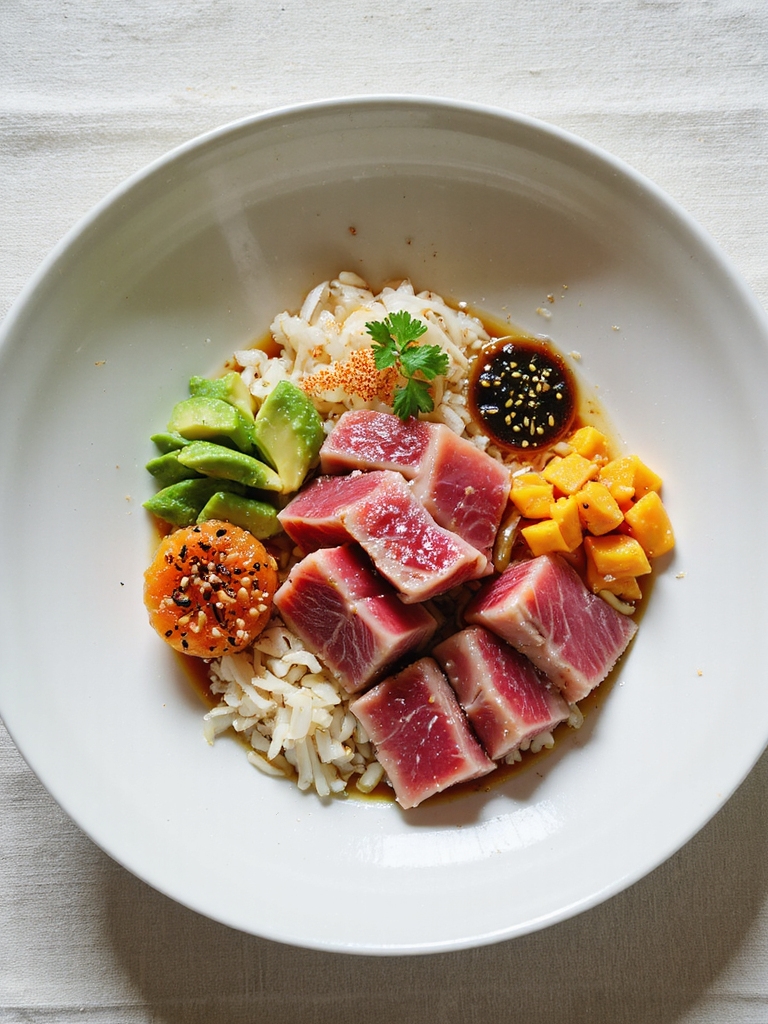
This bright, quick ceviche-style tuna takes the previously outlined citrus-marinated tuna and dresses it with contrasting garnishes and a trio of global sauces so every bite balances acid, fat, heat, and crunch; assemble components ahead and finish at the last minute so the tuna stays silky while the garnishes add texture and regional flair.
- 300 g sashimi-grade tuna, 1/2″ cubes
- 3 tbsp fresh lime juice
- 1 tbsp fresh orange juice
- 1 tsp rice vinegar
- 1/2 tsp sea salt
- 1 tsp honey or mirin
- 1 small shallot, very thinly sliced
- 1 tsp grated ginger
- 1 small jalapeño, thinly sliced
- 1 tbsp toasted sesame oil
- 1 tbsp extra-virgin olive oil
- 1 ripe avocado, diced
- 1 tbsp chopped cilantro or chives
- 1 tsp toasted sesame seeds
- 2 tbsp mango salsa (optional, for sweet contrast)
- 1 tbsp Korean gochujang dressing (optional, for spicy umami)
- 1 tbsp ponzu or soy-citrus dressing (optional, for salty-bright finish)
- thin tortilla chips, crackers, or shiso leaves for serving
Combine lime, orange, rice vinegar, salt and honey in a shallow bowl, stir until salt dissolves, add shallot, ginger and jalapeño and let sit 2 minutes, add tuna and toss to coat then chill 3–6 minutes according to desired doneness, drain most marinade leaving a little for flavor and fold in sesame and olive oils, fold in avocado and cilantro just before plating and arrange with small dollops or streaks of mango salsa, gochujang dressing and ponzu around the plate, sprinkle sesame seeds and serve immediately with chips or shiso leaves.
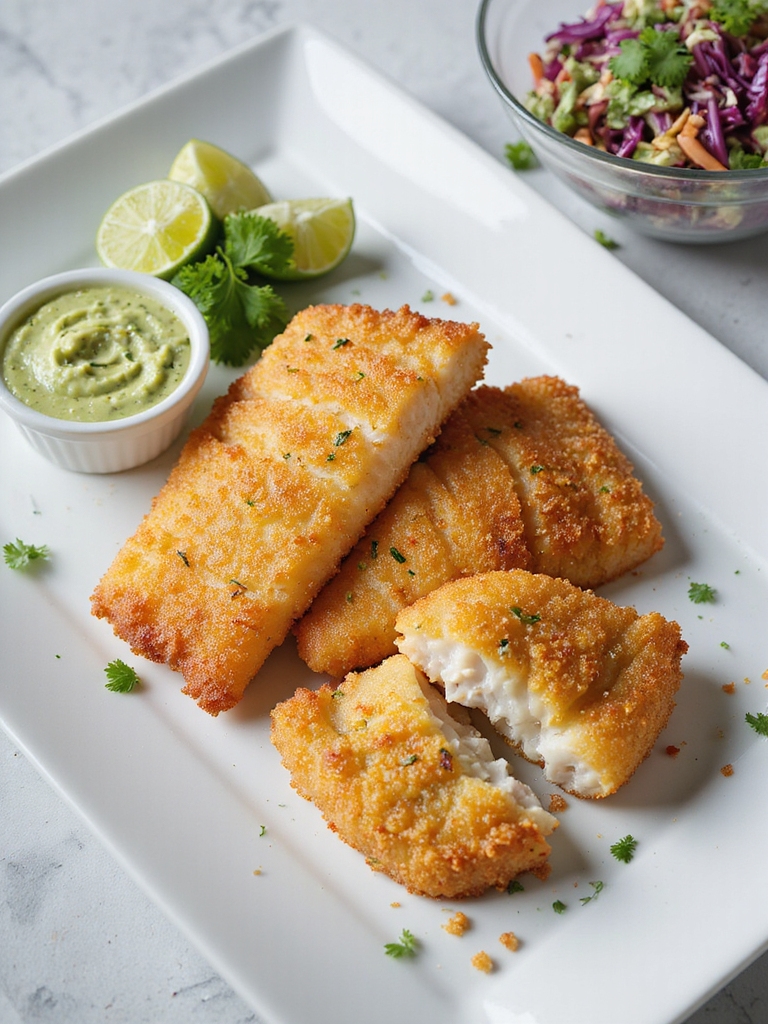
Tip: Keep all components very cold, taste sauces and tuna as you go, use the shortest marination time needed to preserve a silky center, and offer the sauces separately so diners can mix flavors to their preference. This dish pairs especially well with classic fish tacos, which echo the coastal flavors and crunchy textures.
Plating, Serving, and Making Raw Fish Approachable
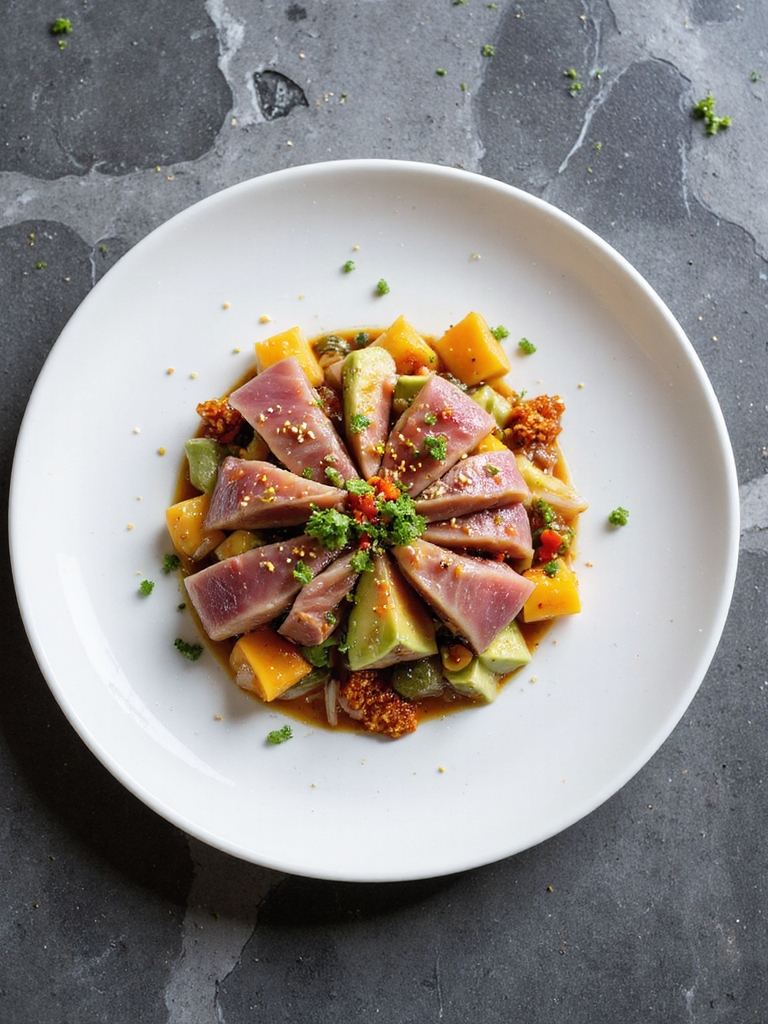
This bright tuna ceviche-style dish is designed to be visually striking and approachable for diners unfamiliar with raw fish: keep the tuna very cold, use short citrus “cooking” for a silky center, and plate with contrasting garnishes and sauces so each bite is a balanced mix of acid, fat, heat, and crunch; the assembly is quick, forgiving, and ideal for serving as a shared starter or elegant canapé spread.
- 300 g sashimi-grade tuna, 1/2″ cubes
- 3 tbsp fresh lime juice
- 1 tbsp fresh orange juice
- 1 tsp rice vinegar
- 1/2 tsp sea salt
- 1 tsp honey or mirin
- 1 small shallot, very thinly sliced
- 1 tsp grated ginger
- 1 small jalapeño, thinly sliced
- 1 tbsp toasted sesame oil
- 1 tbsp extra-virgin olive oil
- 1 ripe avocado, diced
- 1 tbsp chopped cilantro or chives
- 1 tsp toasted sesame seeds
- 2 tbsp mango salsa (optional)
- 1 tbsp gochujang dressing (optional)
- 1 tbsp ponzu or soy-citrus dressing (optional)
- thin tortilla chips, crackers, or shiso leaves for serving
Combine lime, orange, rice vinegar, salt and honey in a shallow bowl and stir until dissolved, add shallot, ginger and jalapeño and let sit 2 minutes before adding tuna and tossing to coat then chill 3–6 minutes depending on desired doneness; drain most marinade leaving a little for flavor, fold in sesame and olive oils, gently fold in avocado and cilantro just before plating, arrange tuna in small mounds or on individual chips/shiso leaves and dot with mango salsa, gochujang and ponzu to taste, sprinkle sesame seeds and serve immediately.
Tip: Keep all components very cold, taste sauces and tuna as you go, use the shortest marination time needed to preserve a silky center, and offer sauces separately so guests can customize each bite.
This recipe is suitable for a variety of occasions and complements other fish recipes like those in “Delicious Fish Recipes for Every Occasion,” which emphasize fresh ingredients and simple techniques for maximum flavor; see sashimi-grade tuna for sourcing guidance.