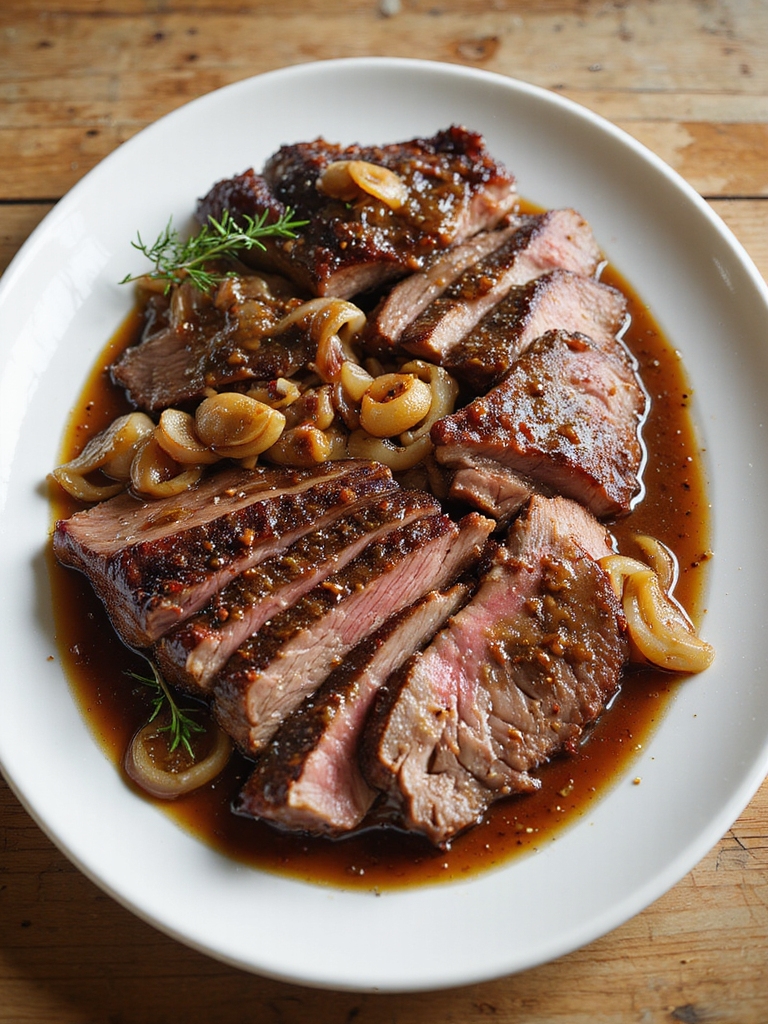
When I crave a cozy Sunday dinner, I reach for roast beef—simple, savory, and surprisingly forgiving. I’ll show you how to pick the right cut, dry-brine for flavor, and choose between low-and-slow or reverse sear for that rosy center.
Expect crisp edges, silky jus, and sides that do more than fill the plate. Got leftovers? I’ve got plans. But first, let’s settle the most important question: which cut wins your table?
Choosing the Best Cut for Juicy Roast Beef
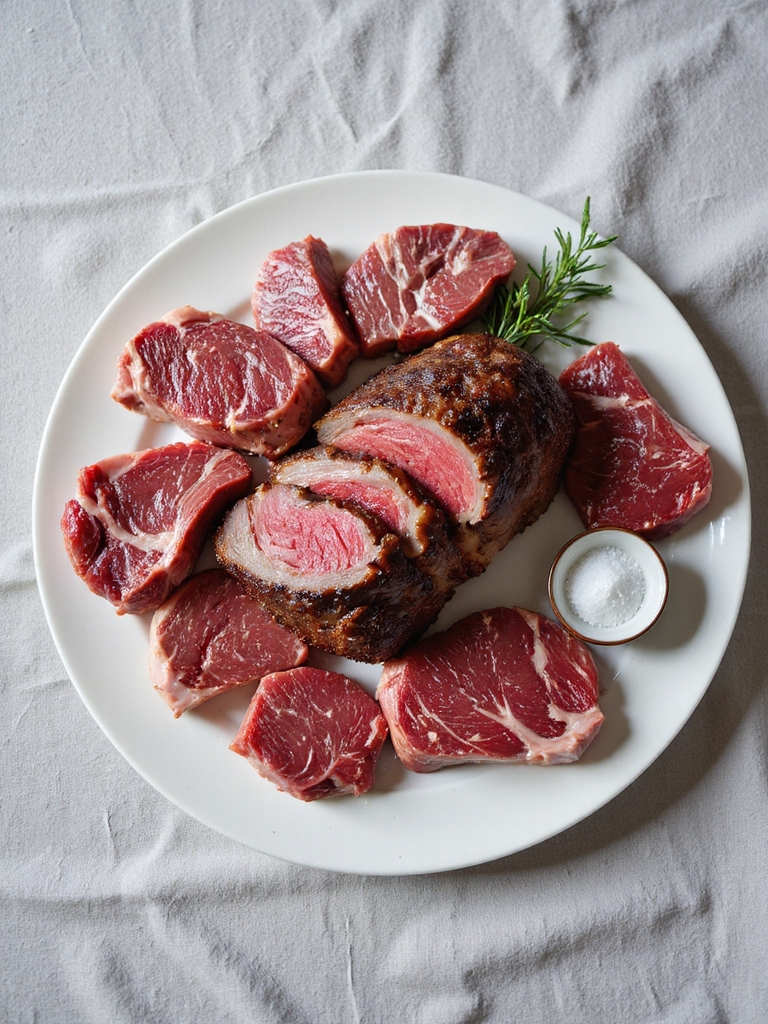
When choosing the best cut for juicy roast beef, opt for well-marbled, roast-friendly muscles that balance tenderness and flavor. Prime rib (standing rib roast) is the showstopper for succulence, ribeye roast offers similar richness boneless, top sirloin roast is leaner but still tender and beefy, and chuck eye or chuck roast yields exceptional juiciness at a value price. Look for uniform marbling, a good fat cap, and dry, bright meat; aim for Choice or Prime grade. Below is a simple method that maximizes juiciness with a reverse-sear style finish.
- 1 whole ribeye roast (boneless) or top sirloin roast, 3–5 lb
- 2–3 tsp kosher salt
- 1–1.5 tsp freshly ground black pepper
- 1 tsp garlic powder
- 1 tsp onion powder
- 1 tsp dried thyme or rosemary, crushed
- 2 tbsp neutral oil or softened butter
- Optional: 1 tsp Dijon mustard
Preheat oven to 250°F/120°C; pat roast dry, tie if irregular, and rub with salt, pepper, garlic powder, onion powder, herbs, and a thin coat of oil or butter (add Dijon if using). Place on a wire rack over a rimmed sheet; roast until the center is 115°F for rare, 125°F for medium-rare, or 135°F for medium, about 1.5–2.5 hours depending on size; rest 20–30 minutes, tented. Heat a skillet or oven to 500°F/260°C; sear all sides 45–60 seconds per side (or blast in hot oven 6–8 minutes) until a deep crust forms; slice across the grain and serve.
Choose ribeye/prime rib for maximum marbling and luxury, top sirloin for leaner slices, or chuck roast for budget-friendly juiciness (cook to 135°F for slicing or braise to 200°F for shredding). Dry-brine the roast with salt 12–48 hours ahead for best moisture retention, use a probe thermometer for accuracy, and save pan drippings for au jus preparation.
Essential Seasonings and Herb Crusts
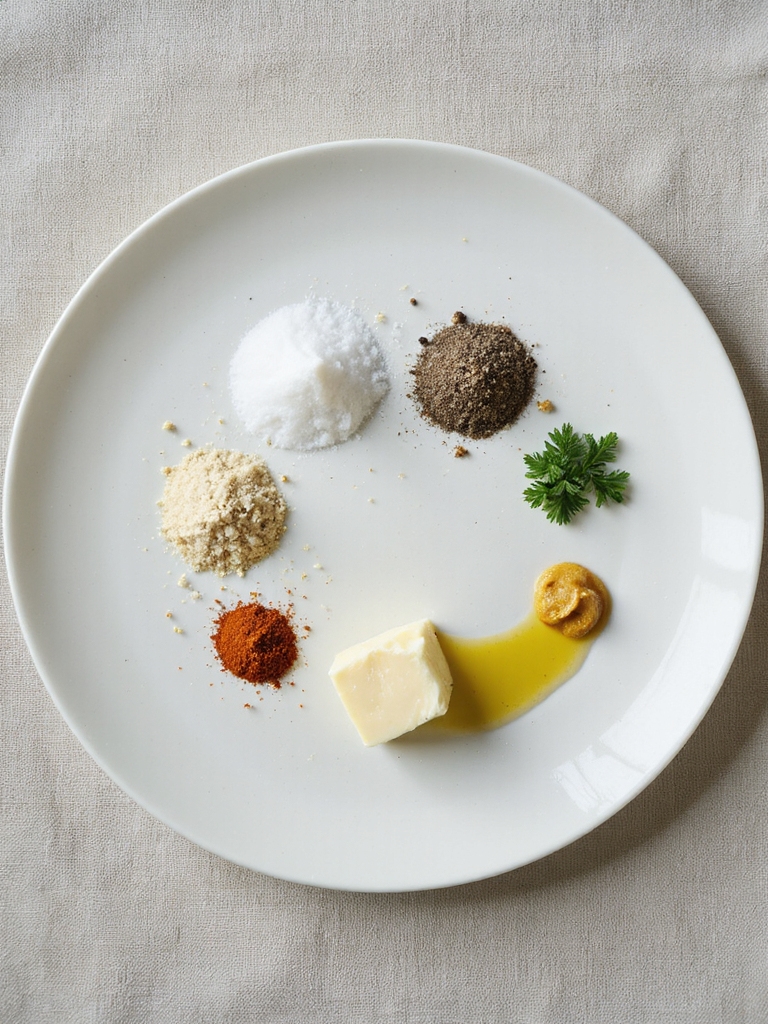
A bold herb-and-spice crust turns roast beef into a deeply savory centerpiece: salt penetrates and seasons the interior, pepper and aromatics build warmth, and a rub of garlic, onion, and mustard binds a fragrant shell of rosemary, thyme, and parsley that crisps as the fat renders. This approach complements ribeye, prime rib, or top sirloin, and works with reverse-sear or traditional roasting, delivering a crackly, aromatic exterior and juicy slices inside.
- 1 whole ribeye or top sirloin roast, 3–5 lb
- 2.5 tsp kosher salt
- 1.5 tsp freshly ground black pepper
- 1 tsp garlic powder
- 1 tsp onion powder
- 1 tsp smoked paprika
- 1 tsp dried thyme, crushed
- 1 tsp dried rosemary, crushed
- 2 tbsp finely chopped fresh parsley (or 2 tsp dried)
- 1 tsp Dijon mustard
- 2 tbsp olive oil or softened butter
- Optional: 1 tsp brown sugar or 1 tsp espresso powder
Pat roast dry; mix salt, pepper, garlic powder, onion powder, paprika, thyme, rosemary, parsley, and optional sugar/espresso; stir Dijon with oil/butter to form a paste, then combine with spices to make a thick rub and coat the roast evenly on all sides, pressing to adhere. Place on a rack over a sheet pan and refrigerate uncovered 12–24 hours to dry-brine and set the crust; bring to room temp 45–60 minutes before cooking. Roast using your preferred method (low-and-slow then sear or traditional hot start), cooking to 115°F rare, 125°F medium-rare, or 135°F medium, rest 20–30 minutes, then slice across the grain, catching crusty bits for serving.
Toast whole spices (peppercorns, coriander) and crush for fresher bite; for a garlic-forward crust without burning, use powder in the rub and finish with melted butter and fresh grated garlic during the final sear. If your roast lacks a fat cap, rub with softened butter to help browning; for a gluten-free crust avoid mustard with wheat-based vinegar and skip sugar if you prefer a pure savory profile.
Italian beef sandwiches often use thinly sliced roast beef served au jus, making them a great use for leftover roast beef.
Oven-Roasting Temperatures and Timings
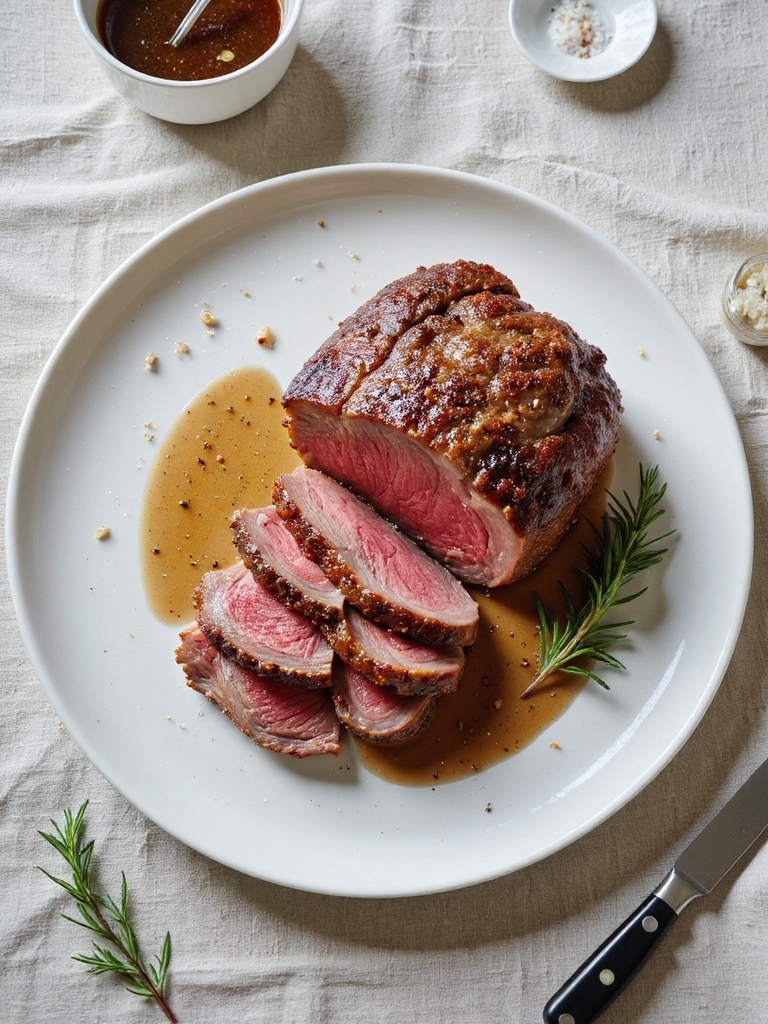
Mastering oven-roasting is about steady heat, accurate internal temperatures, and patient resting: start low for even doneness and a rosy edge-to-edge interior, or start hot for a faster crust—either way, cook to temperature, not time. Use a probe thermometer, position the roast on a rack for airflow, and remember carryover will raise the temp 5–10°F as it rests.
- 1 whole ribeye, prime rib, or top sirloin roast (3–5 lb)
- Prepared herb-and-spice crust (from previous subtopic)
- 1–2 tbsp neutral oil or softened butter
- Kosher salt and black pepper (if not pre-seasoned)
- Optional: beef tallow for searing
For low-and-slow then sear: preheat oven to 250°F (120°C), place the crusted roast on a rack, insert a probe, and roast until internal temp hits 115°F rare, 125°F medium-rare, or 135°F medium; expect roughly 20–30 minutes per pound. Rest 20–30 minutes while you preheat the oven to 500°F (260°C) or a cast-iron to ripping hot, then sear 5–10 minutes in the oven or 60–90 seconds per side in the pan to build crust. For hot-start roasting: preheat to 450°F (230°C), roast 15 minutes to set crust, reduce to 325°F (165°C) and continue until target temps are reached (estimate 15–20 minutes per pound after the hot start), then rest 20–30 minutes before slicing.
Temperatures are guides—use the probe and pull early if your roast is narrow or boneless, as it cooks faster; bone-in and larger diameters take longer. Keep the thermometer in the thickest center, avoid touching bone or fat pockets, and if the crust darkens too quickly, tent loosely with foil and finish to temp. For a richer sear and traditional flavor, consider using beef sirloin or rib cuts and searing with beef tallow to enhance the crust.
Slow-Cooked Roast for Melt-in-Your-Mouth Tenderness
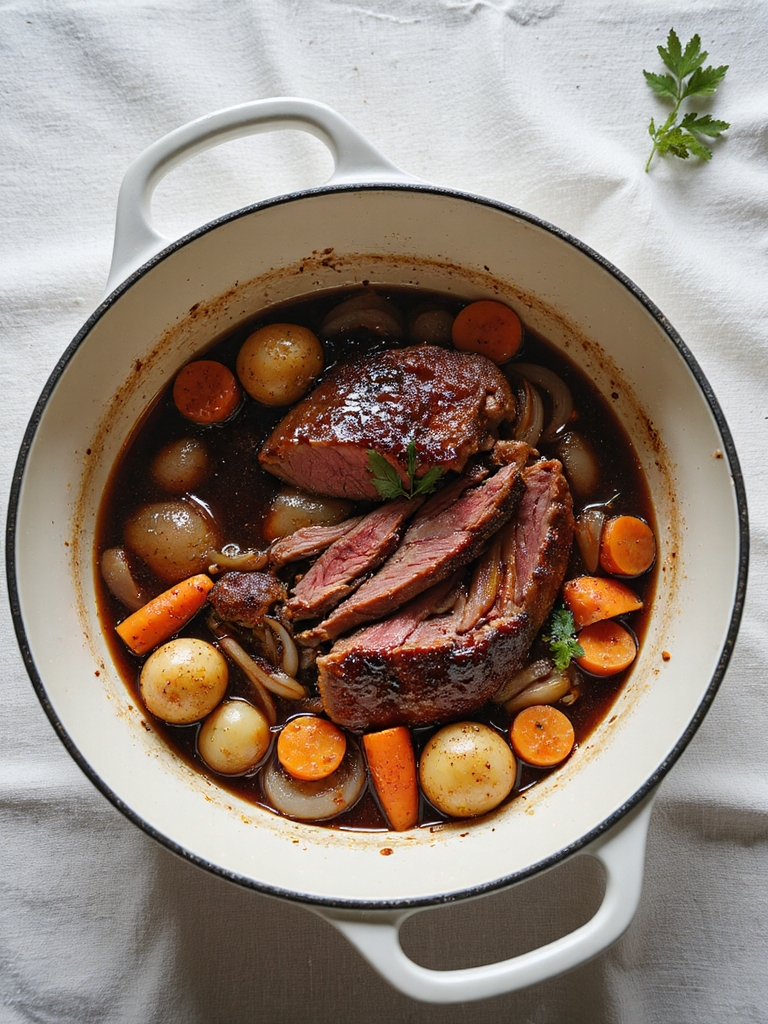
Slow-cooking transforms tougher beef roasts into fork-tender, succulent slices bathed in rich jus; low heat melts collagen into silky gelatin while aromatics build deep flavor. Choose well-marbled cuts like chuck, blade, or brisket, season assertively, and let time do the work—whether in a Dutch oven, slow cooker, or low oven—so every bite is spoon-tender and juicy.
- 3–4 lb beef chuck roast (or blade/brisket)
- 2 tsp kosher salt
- 1 tsp black pepper
- 1 tbsp paprika
- 1 tsp dried thyme
- 1 large onion, sliced
- 4 cloves garlic, smashed
- 2 tbsp tomato paste
- 1 cup beef stock
- 1/2 cup dry red wine (or extra stock)
- 2 tbsp soy sauce or Worcestershire
- 2 tbsp neutral oil
- 2 bay leaves
- 3 carrots, cut into chunks
- 1 lb baby potatoes (optional)
Pat roast dry, season with salt, pepper, paprika, and thyme; sear in hot oil in a heavy pot until deeply browned on all sides, then remove. Add onions and garlic to pot, cook until golden, stir in tomato paste to caramelize, deglaze with wine, then add stock, soy/Worcestershire, and bay leaves; return roast, nestle carrots and potatoes around it, cover tightly. Cook low and slow until fork-tender: oven at 300°F/150°C for 3–4 hours, or slow cooker on Low 8–9 hours (High 4–5); baste once or twice if oven-braising. Rest 15 minutes, skim fat, reduce braising liquid if desired, slice or shred beef against the grain, and serve with vegetables and jus.
Choose a roast with good intramuscular fat; lean roasts can dry out unless heavily sauced. If the liquid reduces too much, add a splash of stock; for a silky sauce, mash a few potatoes into the jus or whisk in a cold butter pat to finish. For reliably tender results, remember that collagen breakdown is what turns tough cuts into melt-in-your-mouth meat.
Reverse Sear Method for Edge-to-Edge Pink
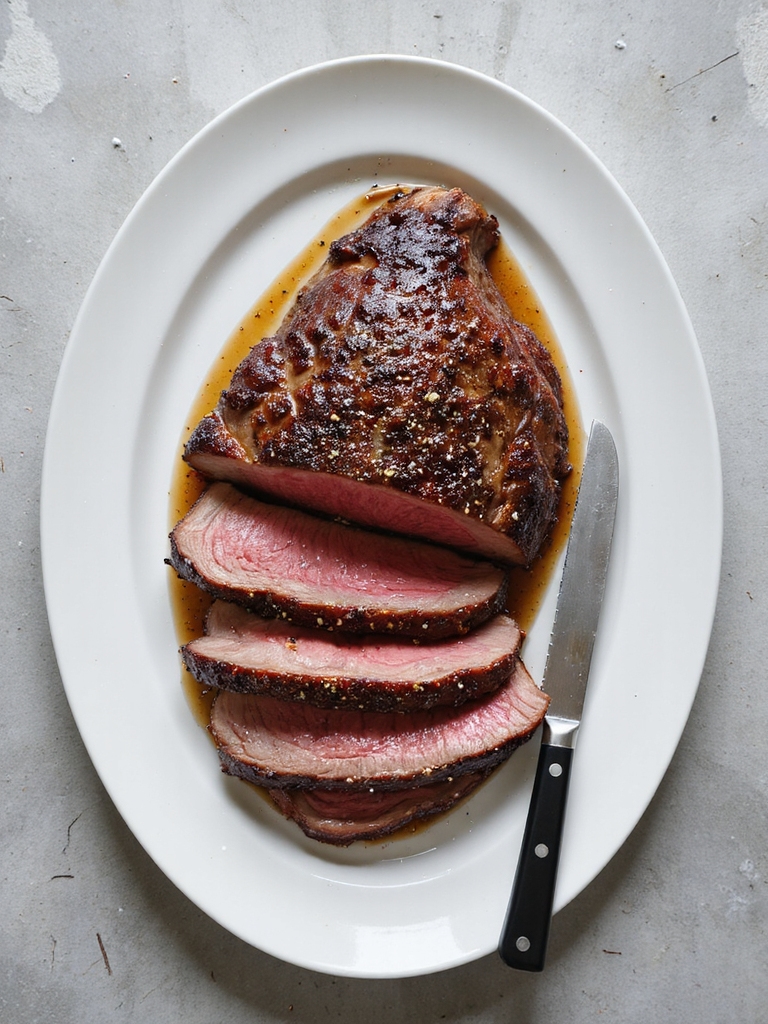
The reverse sear method delivers perfectly even, rosy-pink roast beef with a shattering crust by gently warming the meat first, then blasting it with high heat at the end. Slow, low-temperature roasting keeps juices where they belong and prevents a gray band, while a final sear builds deep Maillard flavor and texture. Choose a moderately marbled roast and season simply; a wire rack and thermometer make this method foolproof.
- 2.5–4 lb top sirloin roast (or strip loin/eye of round)
- 2 tsp kosher salt
- 1 tsp black pepper
- 1 tsp garlic powder
- 1 tsp onion powder
- 1 tsp dried thyme
- 1 tbsp neutral oil or ghee
- Optional: 1 tsp Dijon mustard
Set oven to 225°F/110°C; pat roast dry and season all over with salt, pepper, garlic powder, onion powder, and thyme, then place on a wire rack over a sheet pan and insert a probe thermometer into the center; roast until internal temp is 10–15°F (6–8°C) below target doneness (115–120°F for rare, 125°F for medium-rare), 1.5–2.5 hours depending on size. Rest roast 15–20 minutes; meanwhile preheat a cast-iron pan over high or raise oven to 500°F/260°C; blot roast dry, lightly brush with oil (and thin smear of Dijon if using). Sear 60–90 seconds per side and on the ends in the skillet or return to hot oven for 8–10 minutes until a deep crust forms and internal temp reaches target (125°F rare, 130°F medium-rare, 140°F medium); slice against the grain.
Bring the roast close to room temp for 30–45 minutes before cooking for more even results, and keep the wire rack setup to promote airflow and crisping. If using a lean cut like eye of round, serve with a pan jus or horseradish cream; leftover slices are excellent cold for sandwiches. Many home cooks prefer beef tenderloin for its tenderness and mild flavor, making it a popular choice for special occasions and classic recipes.
Weeknight Roast Beef in Under an Hour
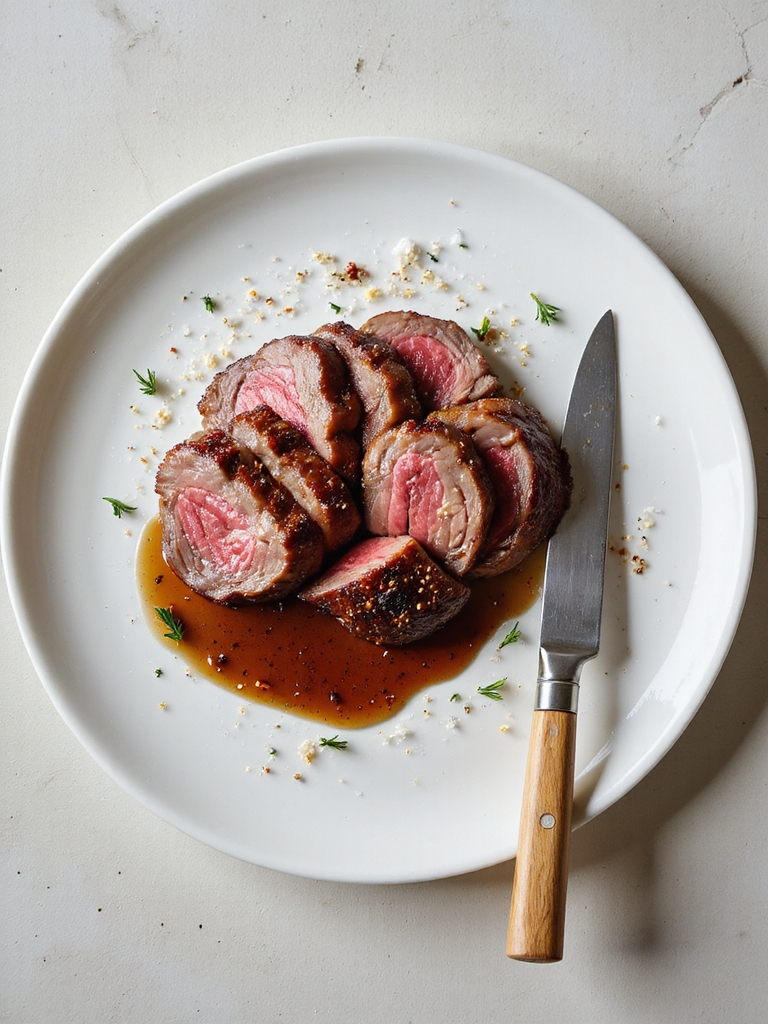
When time is tight, reach for a smaller, quick-cooking roast and use high heat plus a stovetop finish to deliver juicy, flavorful beef on a weeknight. A 1.25–2 lb sirloin tip or top sirloin roast takes beautifully to aggressive seasoning, a fast sear, and a hot-oven roast, while a brief rest keeps it tender and sliceable. Pair with a simple pan jus built from fond, beef stock, and butter for instant sophistication.
- 1.25–2 lb top sirloin or sirloin tip roast
- 2 tsp kosher salt
- 1 tsp black pepper
- 1 tsp garlic powder
- 1 tsp smoked paprika
- 1 tsp dried thyme or Italian seasoning
- 1 tbsp neutral oil or ghee
- 1/2 cup low-sodium beef broth
- 1 tsp Dijon mustard (optional)
- 1 tbsp unsalted butter
Heat oven to 450°F/230°C; pat roast very dry, mix salt, pepper, garlic powder, paprika, and thyme, then season all sides. Heat a large oven-safe skillet over high with oil until just smoking; sear roast 1–2 minutes per side until well browned, then flip fat-side up and transfer to oven. Roast 12–18 minutes to 120–125°F for medium-rare (or 130°F for medium), move roast to a board to rest 10 minutes; meanwhile, deglaze skillet with beef broth, whisk in Dijon and butter to make a quick jus, slice against the grain and spoon jus over.
Choose a roast that’s evenly shaped for faster, more even cooking; if tapered, fold the thin end under and tie. If using eye of round, pull at 118–120°F and slice very thin; leftovers make excellent sandwiches and reheat gently in the jus. For a heartier, slow-roasted option consider a classic brisket oven-baked beef brisket as an alternative when you have more time.
Resting, Slicing, and Serving for Maximum Tenderness
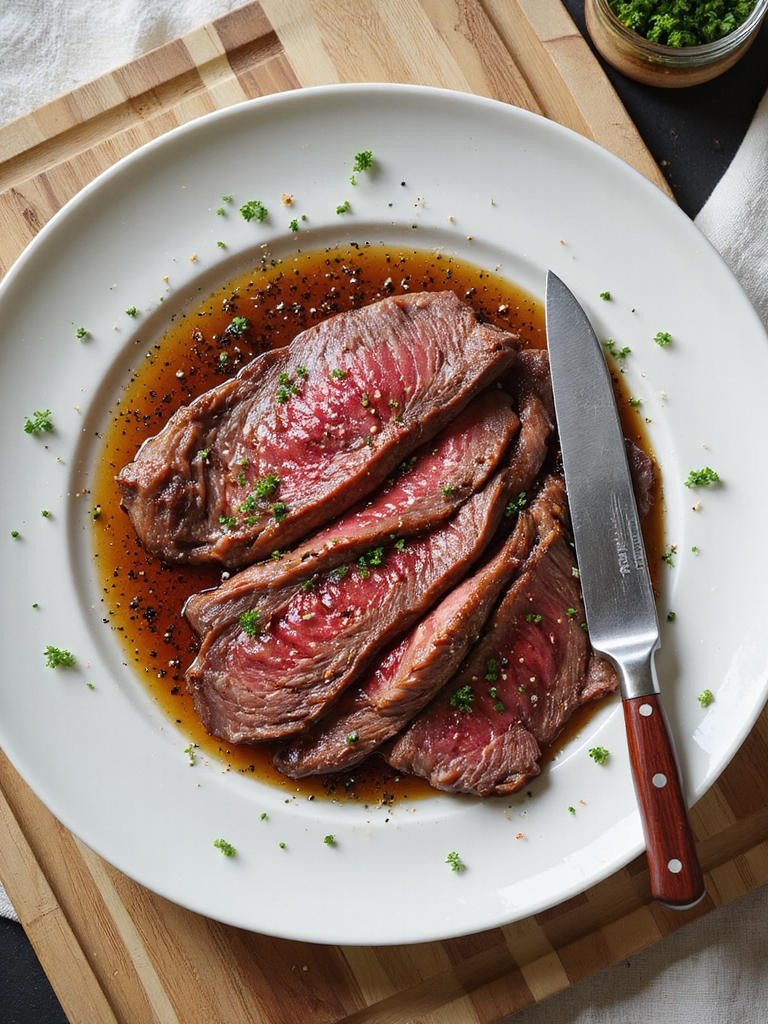
Mastering the pause after roasting guarantees every slice stays juicy and tender; resting lets muscle fibers relax and reabsorb juices, while smart slicing shortens those fibers for a buttery chew. With a sharp knife, a stable board, and a plan for plating and condiments, you’ll turn a simple roast into a showpiece with clean slices, glistening meat, and balanced seasoning in every bite.
- Cooked roast beef (from your preferred recipe)
- Kosher salt
- Freshly ground black pepper
- Unsalted butter (optional)
- Warm beef jus or pan drippings
- Flaky sea salt (optional)
- Fresh herbs, chopped (optional)
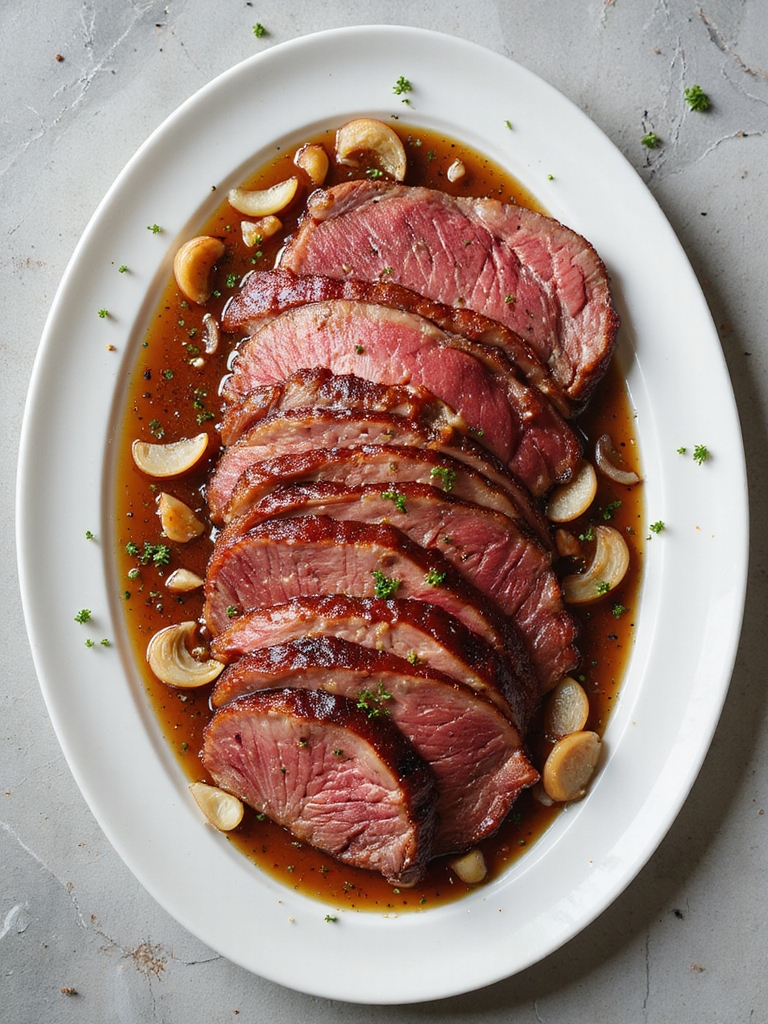
Transfer the roast to a rimmed board and tent loosely with foil, resting 10–20 minutes (small roasts 10–15, larger 20–30) until juices thicken; warm any jus or drippings on the side. Set the roast so you can clearly see the grain, then stabilize it with your non-dominant hand and slice with a long, sharp slicing or chef’s knife at a slight bias across the grain: 1/4-inch for tender cuts, 1/8-inch for leaner cuts like eye of round; trim excess surface fat as desired. Fan slices on a warm platter, brush with a little melted butter or spoon over warm jus, finish with a pinch of flaky salt and pepper, and sprinkle herbs; serve immediately, reserving any pooled juices to spoon over at the table.
Use a grooved board to catch juices and pour them back into the jus; if the knife drags, wipe the blade between passes for cleaner cuts. For sandwiches or meal prep, chill the rested roast until just firm, then slice ultra-thin for maximum tenderness and easy reheating in hot jus. Beef Stroganoff highlights how sliced roast beef pairs beautifully with a creamy sauce and mushrooms classic pairing.
Classic Pan Gravy and Au Jus
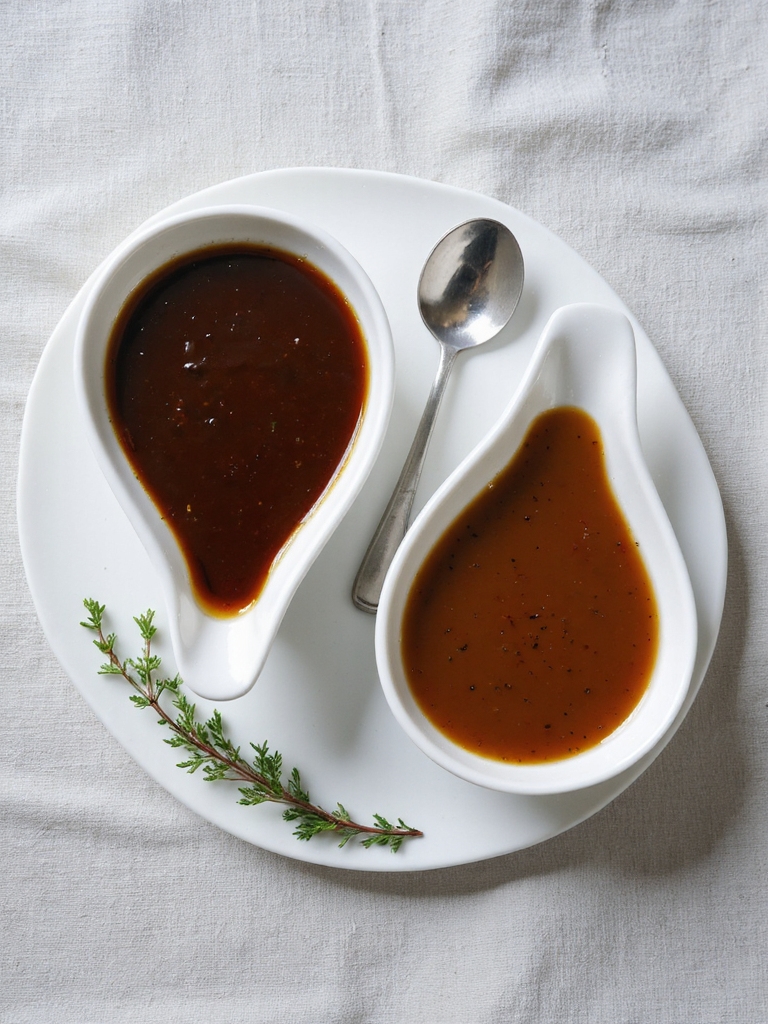
Transform the flavorful drippings from your roast into two timeless sauces: a silky, full-bodied pan gravy and a light, beef-forward au jus. Both start with your roasting pan’s fond and juices; the gravy builds body with a quick roux and stock, while the jus stays clean and pourable, perfect for dipping or spooning over thin slices.
- Pan drippings from roast (fat and juices)
- All-purpose flour
- Low-sodium beef stock or broth
- Dry red wine (optional)
- Worcestershire sauce (optional)
- Kosher salt
- Freshly ground black pepper
- Unsalted butter (optional)
- Fresh thyme or rosemary (optional)
Set roasting pan over medium heat; tilt and spoon off all but 3 tablespoons fat (reserve juices). For gravy, whisk 3 tbsp flour into fat and cook 1–2 minutes, then whisk in 2–3 cups warm beef stock plus reserved juices and a splash of wine; simmer, scraping fond, until glossy and nappe; finish with a knob of butter, salt, pepper, and herbs. For au jus, pour off excess fat, add 2–3 cups stock, reserved juices, and a dash of Worcestershire; simmer 5–8 minutes, scraping up fond, then season lightly. Strain both as desired; keep warm for serving.
If drippings are scant, supplement fat with butter and deglaze with extra stock or wine; if gravy is too thick, whisk in more stock, too thin, simmer or whisk in a cornstarch slurry. Chill drippings to separate fat easily, and always season at the end since reductions concentrate salt. A well-made pan gravy will have a smooth, velvety texture and rich beef flavor that complements roast beef without overpowering it.
Side Dishes That Elevate Your Roast
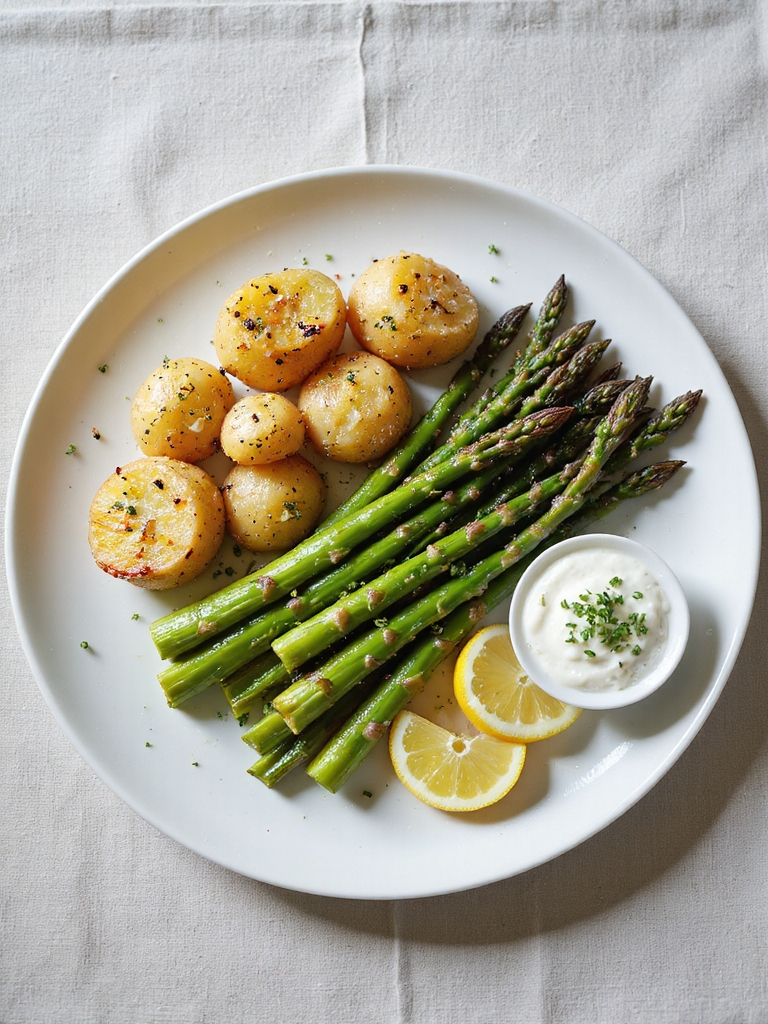
Bring your roast beef to restaurant-level with a trio of sides that balance richness, brightness, and comfort: crispy Parmesan-garlic potatoes, lemony roasted asparagus, and a horseradish-creme fraiche sauce. Each cooks quickly while the roast rests, uses overlapping oven temps, and delivers contrasting textures—crunchy, snappy, and cool-creamy—to make every slice sing.
- Baby gold potatoes, halved
- Olive oil
- Kosher salt
- Freshly ground black pepper
- Garlic cloves, minced
- Fresh parsley, chopped
- Parmesan cheese, finely grated
- Asparagus spears, trimmed
- Lemon, zested and wedged
- Red pepper flakes
- Creme fraiche (or sour cream)
- Prepared horseradish
- Dijon mustard
- Chives, finely sliced
Heat oven to 450°F; toss potatoes with olive oil, salt, pepper, and minced garlic on a sheet pan and roast cut-side down until deeply golden and crisp, 25–30 minutes; toss with parsley and Parmesan. On a second pan, coat asparagus with olive oil, salt, pepper, lemon zest, and a pinch of red pepper flakes; roast 8–12 minutes until just tender, then finish with a squeeze of lemon. Stir creme fraiche with horseradish and Dijon; season with salt and pepper and fold in chives; serve potatoes and asparagus alongside the roast with the cool sauce for dipping.
Cut potatoes uniformly for even browning and preheat the pans for extra-crispy edges; avoid crowding to keep steam at bay. Adjust horseradish to heat preference, and if your roast is resting, use that time to roast the sides and warm plates for serving. A simple beef pasta can also make a great leftover meal when tossed with those same savory components and a light sauce Beef Pasta Recipes.
Leftovers: Sandwiches, Hash, and Creative Uses
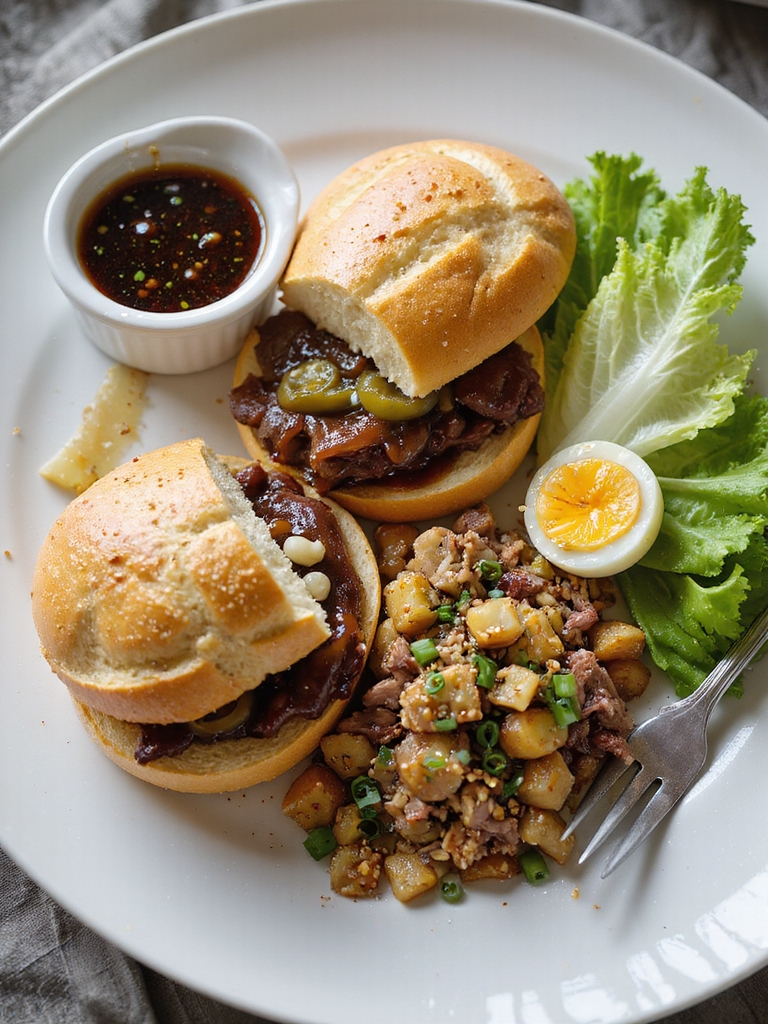
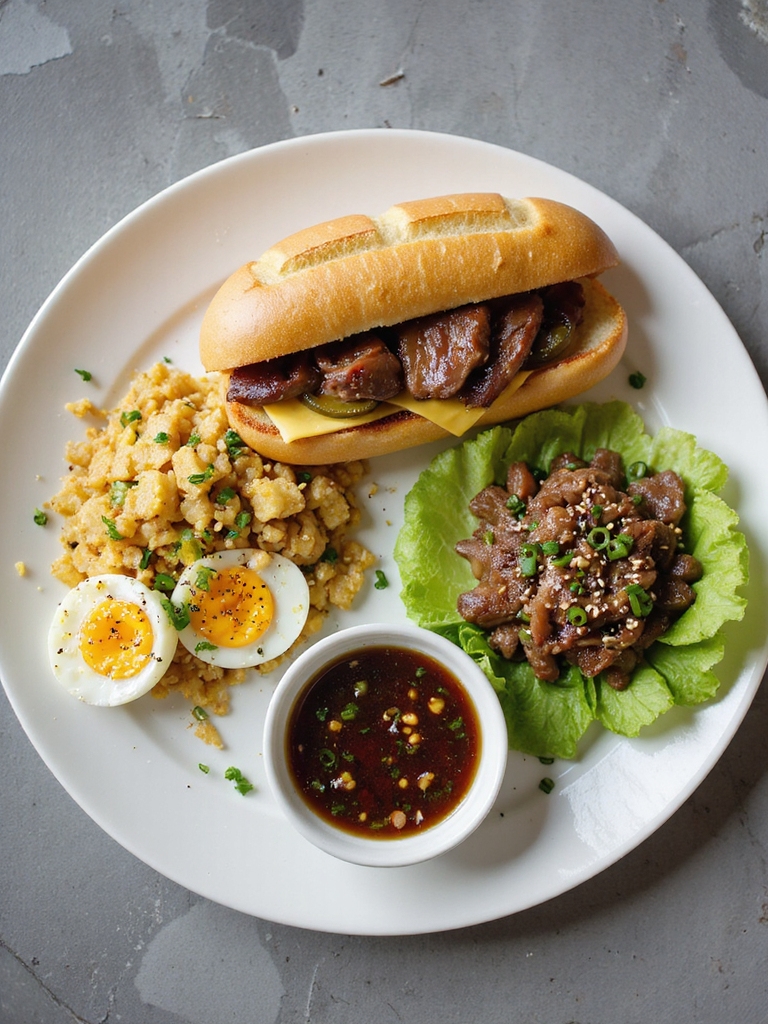
Turn yesterday’s roast beef into a trio of craveable meals: a deli-style warm au jus sandwich, a crispy-skillet hash with jammy eggs, and a quick sesame-ginger lettuce wrap that feels fresh and new. You’ll repurpose pan drippings for a speedy jus, crisp up cubed potatoes with onion for golden hash, and slice beef paper-thin to keep it tender in all three; mix-and-match sauces and breads to suit what’s in your fridge.
- Leftover roast beef, thinly sliced or chopped
- Beef broth or stock
- Pan drippings (optional)
- Yellow onion
- Russet potatoes, peeled and diced
- Olive oil or butter
- Garlic clove
- Worcestershire sauce
- Soy sauce
- Dijon mustard
- Pickles or giardiniera
- Provolone or Swiss cheese
- Crusty rolls or baguette
- Eggs
- Scallions
- Sesame oil
- Rice vinegar
- Fresh herbs (parsley, cilantro)
- Lettuce leaves (for wraps)
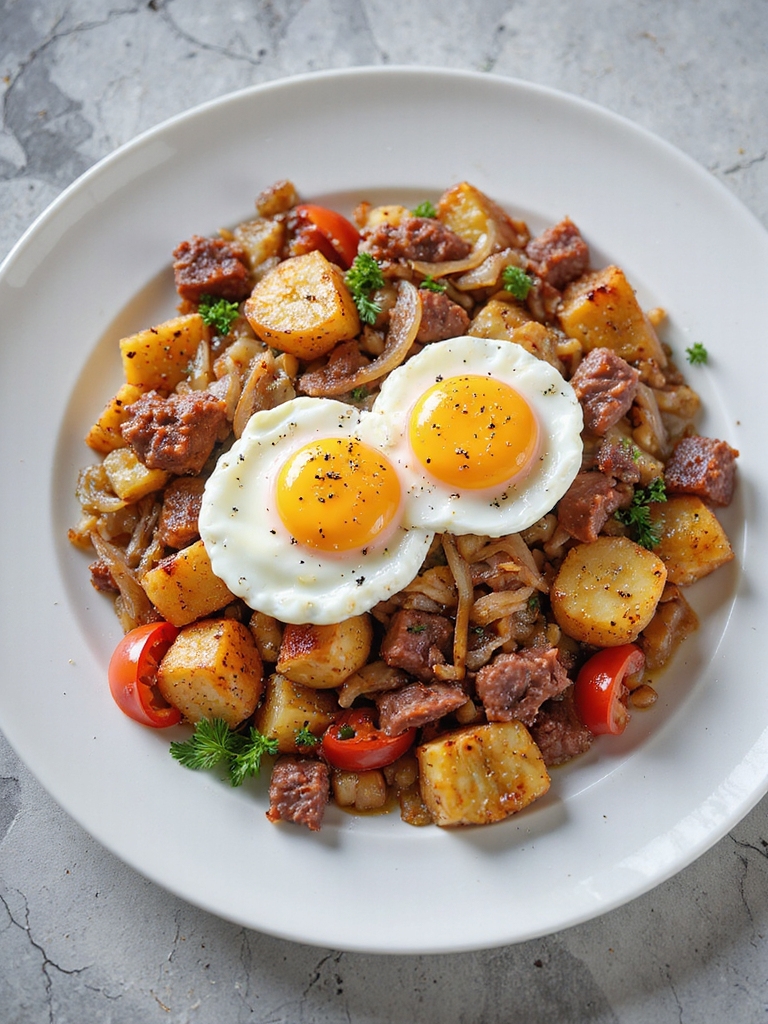
Warm jus: simmer broth with pan drippings, a splash of Worcestershire, and a smashed garlic clove 5–7 minutes; dip sliced beef briefly to heat, pile into toasted rolls with provolone, mustard, and pickles, and serve with hot jus for dipping. Hash: pan-fry potatoes and diced onion in oil until deeply crisp, stir in chopped beef and scallions, season with salt and pepper, splash soy for umami, and top with fried or jammy eggs and parsley. Lettuce wraps: toss thin beef with sesame oil and rice vinegar, tuck into lettuce with herbs, quick pickles, and a drizzle of jus or mustard-soy; serve immediately.
Slice beef cold for clean, ultra-thin pieces, then reheat gently in liquid or steam to prevent toughness. Store leftovers tightly wrapped; revive bread in a hot oven and always crisp potatoes undisturbed until browned before turning for the best hash. Roast beef also makes an excellent filling for a classic beef pot pie when combined with vegetables and a rich gravy, baked under a flaky crust.