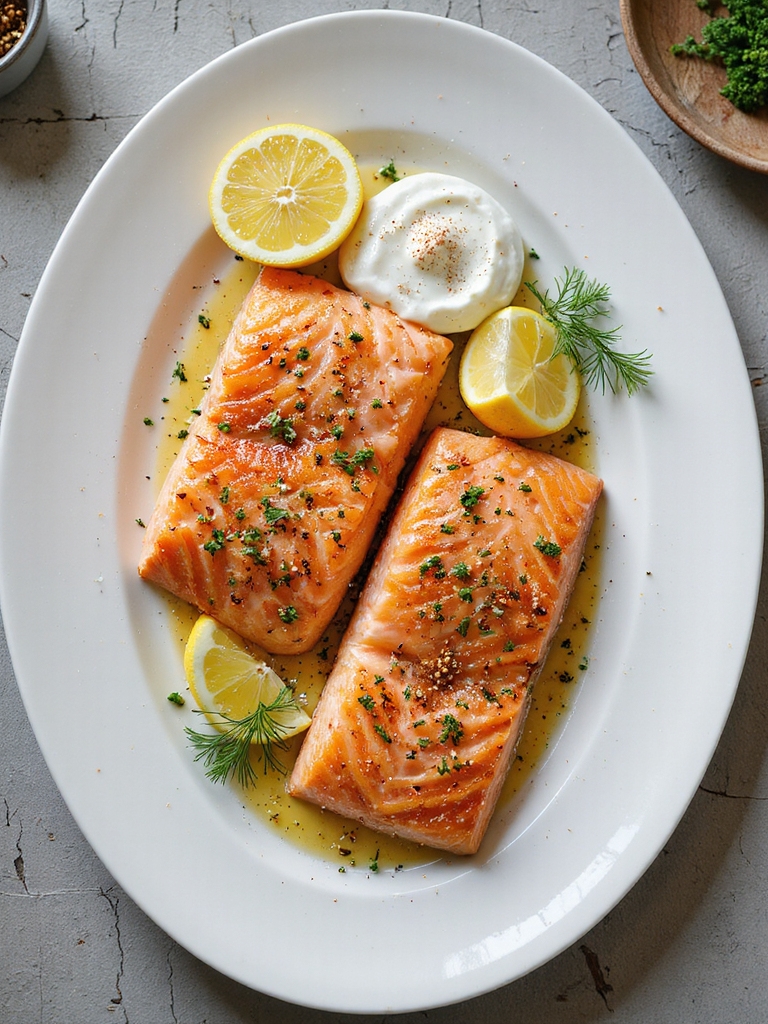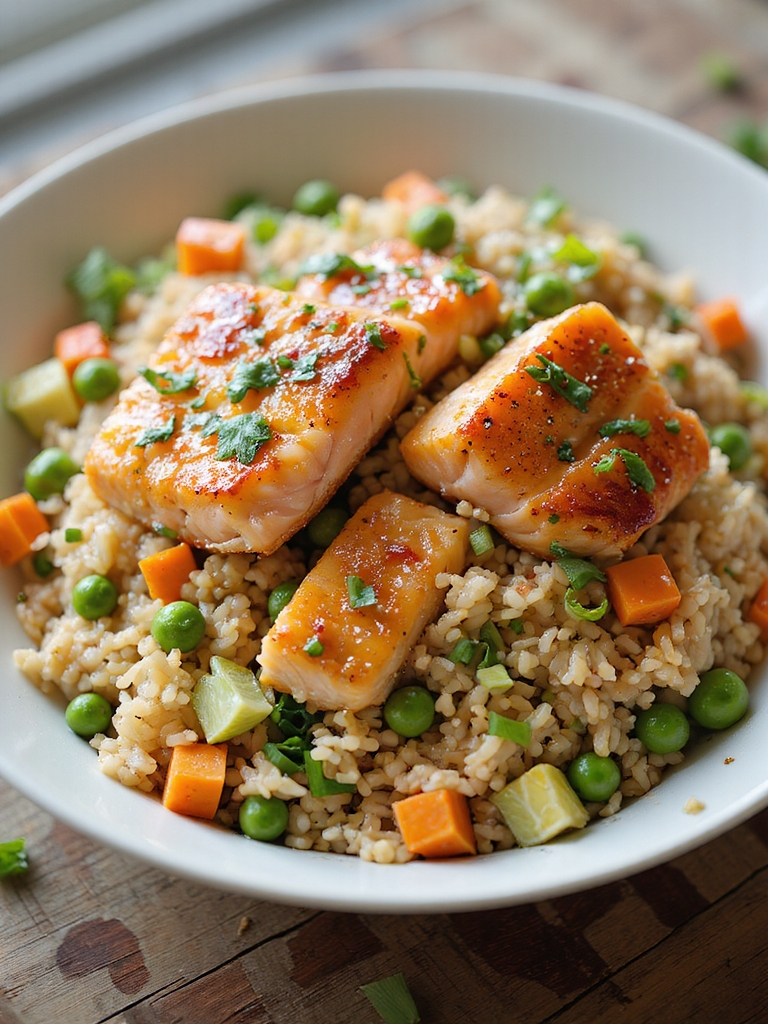
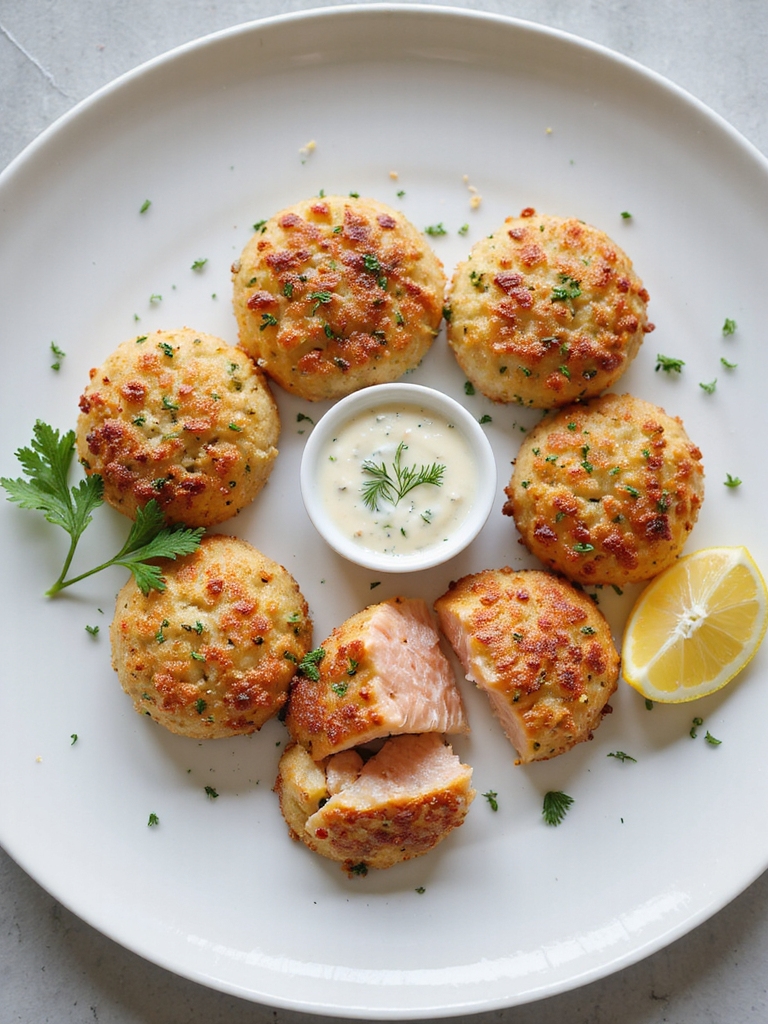
I love the way salmon cakes snap golden and sing with herbs—flaky fish, a creamy binder, and a crisp crust that whispers comfort.
I’ll show you how small tweaks—potato vs. mayo, bright dill or smoky paprika—change everything, and how to get perfect shape and crunch every time. Stick with me and you’ll want to make a batch tonight, with a sauce that turns them into something a little dangerous…
Why Salmon Cakes Work: Key Ingredients and Texture Tips
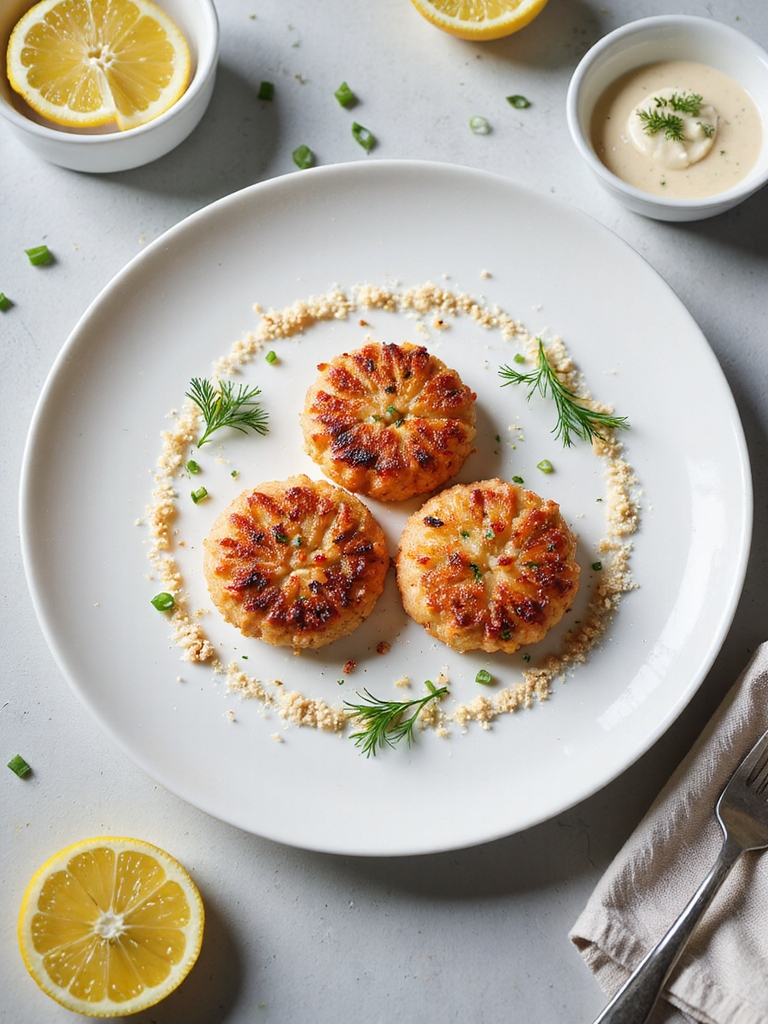
Salmon cakes combine flaked cooked salmon with binders and seasonings to create flavorful patties that hold together and develop a crisp exterior while staying moist inside; the right ratio of binder (egg, mayo, or mashed potato), filler (breadcrumbs or crushed crackers), aromatics (onion, herbs), and a bit of fat for frying makes them reliable and adaptable.
- 12 oz cooked salmon, flaked (canned or fresh)
- 1 large egg, beaten
- 1/3 cup mayonnaise or Greek yogurt
- 3/4 cup fine breadcrumbs or crushed saltines
- 1/4 cup finely chopped green onion or shallot
- 2 tbsp chopped fresh parsley or dill
- 1 tsp Dijon mustard
- 1/2 tsp Old Bay or smoked paprika
- 1/2 tsp salt and 1/4 tsp black pepper
- 2 tbsp lemon juice (divided)
- 3 tbsp vegetable oil or clarified butter for frying
Combine the flaked salmon, beaten egg, mayo, breadcrumbs, green onion, herbs, mustard, spices, salt, pepper, and 1 tablespoon lemon juice in a bowl and mix gently until just combined; form into 6 equal patties, chill 15–20 minutes to firm up, then heat oil in a skillet over medium heat and cook patties 3–4 minutes per side until golden and crisp and internal temperature reaches 145°F.
Serve with remaining lemon juice squeezed over or a quick sauce of mayo plus lemon and a pinch of salt.
For best texture, keep the mixture slightly loose before chilling so the binders can hydrate the crumbs, chill the formed patties to set the coating, use a mix of finer crumbs for cohesion and a bit of coarser crumbs for crunch, and avoid overworking the mixture which makes cakes dense. A simple tip is to use canned salmon when you want a quick pantry-friendly version that still yields great texture and flavor.
Choosing the Best Salmon: Fresh, Canned, or Leftovers
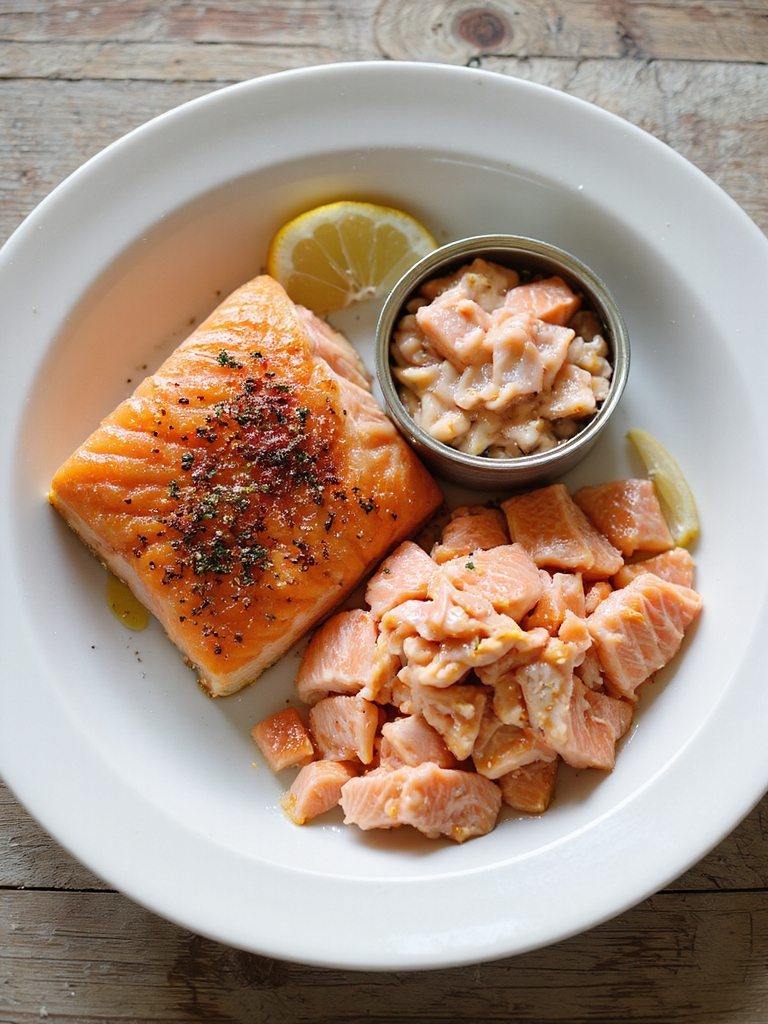
Choosing the best salmon for salmon cakes depends on convenience, flavor, and texture: fresh salmon gives the brightest flavor and firmer flakes, canned salmon (wild sockeye preferred) is convenient and already cooked with skins/bones that can add calcium if you like, and leftover cooked salmon is economical and can benefit from a light re-seasoning; pick fresh or leftover if you want large, meaty flakes and slightly crisped edges, choose canned for speed and a more uniform, moist cake, and adjust moisture and binder amounts accordingly.
- 12 oz cooked salmon (fresh fillet cooked and flaked, or one 14–15 oz can drained and flaked)
- 1 large egg
- 1/3 cup mayonnaise or Greek yogurt
- 3/4 cup fine breadcrumbs or crushed crackers
- 1/4 cup finely chopped green onion or shallot
- 2 tbsp chopped parsley or dill
- 1 tsp Dijon mustard
- 1/2 tsp Old Bay or smoked paprika
- 1/2 tsp salt and 1/4 tsp black pepper
- 2 tbsp lemon juice (divided)
- 3 tbsp vegetable oil or clarified butter for frying
Combine flaked salmon (drain canned well and pick out any large bones if desired), egg, mayo, breadcrumbs, green onion, herbs, mustard, spices, salt, pepper, and 1 tablespoon lemon juice in a bowl and mix gently until just combined; form into 6 patties and chill 15–20 minutes to firm up, then heat oil in a skillet over medium, cook cakes 3–4 minutes per side until golden and internal temperature reaches 145°F, squeezing remaining lemon over or serving with a lemon-mayo sauce.
Tip: If using canned salmon, reduce mayonnaise slightly if mixture seems too wet; if using fresh or leftover salmon, flake coarsely and taste for salt before adding breadcrumbs so you can adjust binder amounts for the right texture.
Fresh salmon often benefits from a quick pan-sear before flaking to develop extra flavor and crisped edges.
Binder Options: Potatoes, Breadcrumbs, Eggs, and Mayo
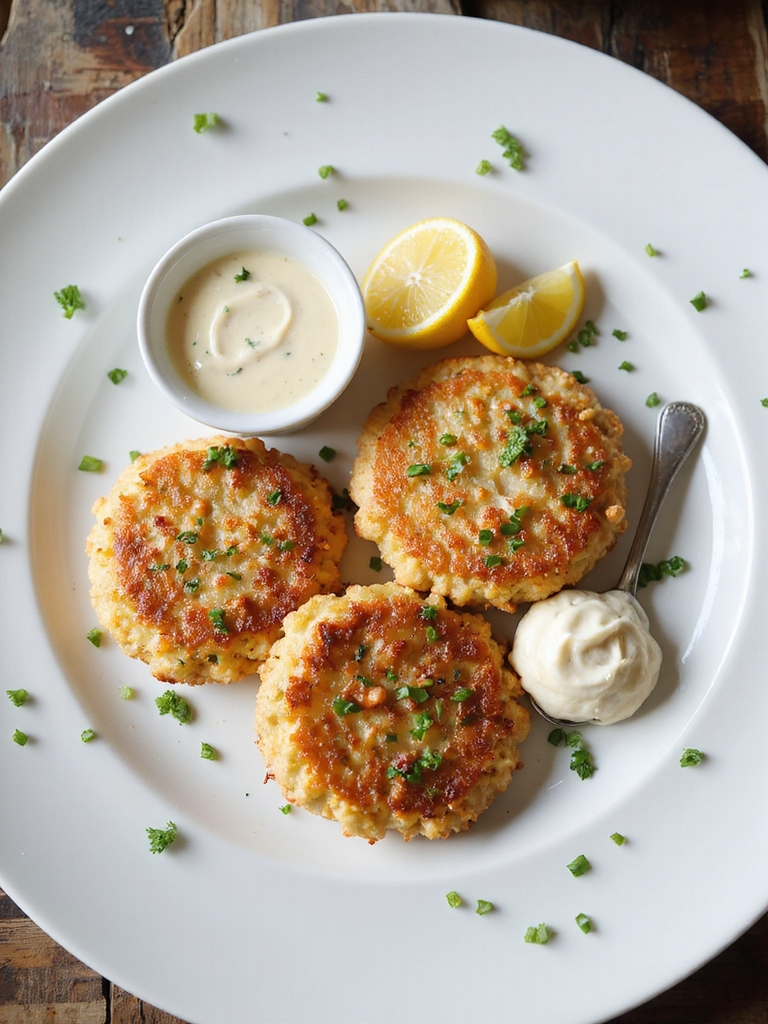
Good binders keep salmon cakes together while adding texture and flavor; this recipe shows three reliable binder options—potato, breadcrumb/egg, and mayo—so you can choose based on pantry, desired crispness, and how moist your salmon is. Use mashed potato for creamy, tender cakes, breadcrumbs plus egg for a classic crisp exterior, or mayo alone for a faster, tightly held, moist cake; adjust proportions slightly depending on whether you use canned, fresh, or leftover salmon.
- 12 oz cooked salmon, flaked
- 1/2 cup mashed potato (or 3/4 cup fine breadcrumbs)
- 1 large egg (omit if using extra mayo)
- 1/4 cup mayonnaise (or 2 tbsp if using mashed potato)
- 1/3 cup fine breadcrumbs (if using egg binder)
- 2 tbsp chopped green onion
- 2 tbsp chopped parsley or dill
- 1 tsp Dijon mustard
- 1/2 tsp Old Bay or smoked paprika
- 1/2 tsp salt and 1/4 tsp black pepper
- 2 tbsp lemon juice, divided
- 3 tbsp vegetable oil or clarified butter for frying
Combine flaked salmon with your chosen binder (mashed potato or breadcrumbs + egg or mayo), add mayo if using, green onion, herbs, mustard, spices, salt, pepper and 1 tablespoon lemon juice; mix gently to a cohesive but not gummy texture, form into 6 patties, chill 15–20 minutes to firm, then heat oil in a skillet over medium and cook 3–4 minutes per side until golden and heated through, squeezing remaining lemon over before serving.
Tip: If mixture feels too wet, add a tablespoon of breadcrumbs at a time to firm it up, and if too dry, stir in a little mayo or a beaten egg for moisture and binding.
These salmon patties are inspired by classic Salmon Patties for a delicious, comforting meal.
Seasoning Ideas: Classic, Herby, and Bold Flavor Profiles
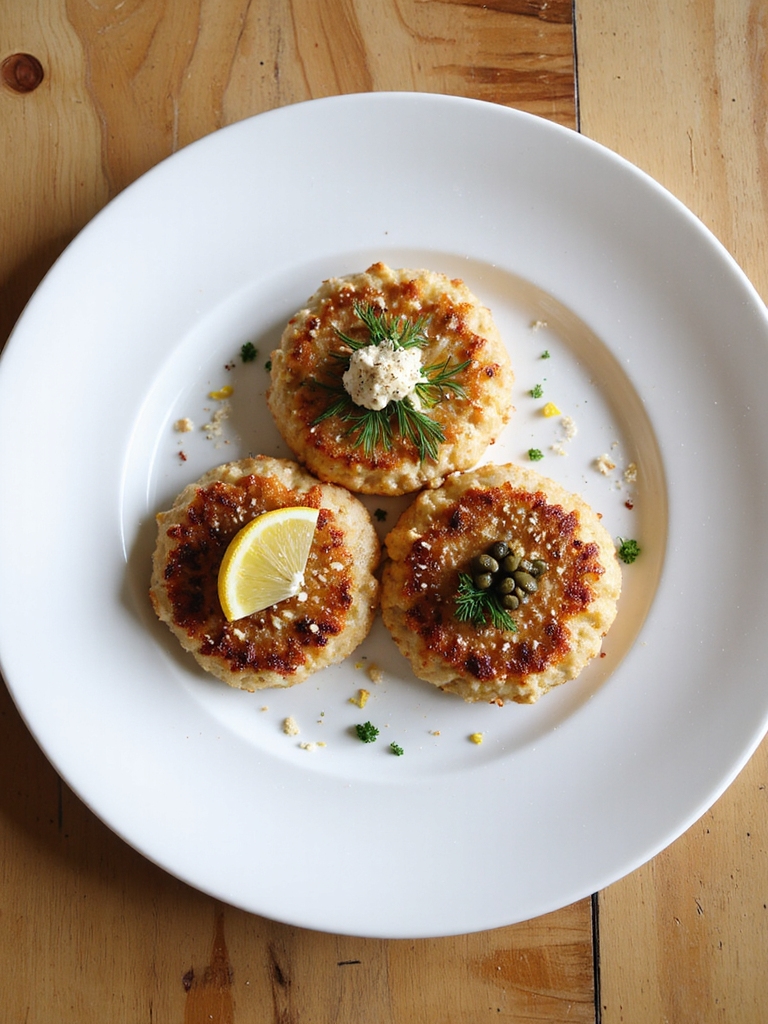
Choose a seasoning profile to match your binder choice and mood — Classic (lemon, Dijon, Old Bay, black pepper), Herby (dill, parsley, chives, lemon zest), or Bold (smoked paprika, cayenne, capers, horseradish) — and mix it into the salmon cake base so each bite is balanced; this recipe gives proportions for three flavor directions so you can make savory, bright, or spicy cakes that crisp up beautifully.
- 12 oz cooked salmon, flaked
- 1/2 cup mashed potato or 3/4 cup fine breadcrumbs
- 1 large egg (omit if using extra mayo)
- 1/4 cup mayonnaise (or 2 tbsp if using mashed potato)
- 1/3 cup fine breadcrumbs (if using egg binder)
- 2 tbsp chopped green onion
- 2 tbsp chopped parsley or dill
- 1 tsp Dijon mustard
- 1/2 tsp Old Bay or smoked paprika
- 1/2 tsp salt and 1/4 tsp black pepper
- 2 tbsp lemon juice, divided
- Optional: 1 tsp capers (bold), 1 tsp horseradish (bold), 1 tsp lemon zest (herby)
- 3 tbsp vegetable oil or clarified butter for frying
Combine flaked salmon with your chosen binder and binders (mashed potato or breadcrumbs+egg or mayo), add mayonnaise if using, chopped onion and herbs, mustard, your chosen seasonings (Classic: 1/2 tsp Old Bay + 1/2 tsp black pepper + 1 tbsp lemon juice; Herby: 2 tbsp parsley/dill + 1 tsp lemon zest + 1 tbsp lemon juice; Bold: 1/2 tsp smoked paprika + 1/8–1/4 tsp cayenne + capers or horseradish to taste), gently mix to cohesion and form into 6 patties, chill 15–20 minutes to firm; heat oil in a skillet over medium, fry 3–4 minutes per side until golden and cooked through, and squeeze remaining lemon over before serving.
Tip: If the mix is too wet, add breadcrumbs a tablespoon at a time; if too dry, stir in a little mayo or a beaten egg, and always chill the formed patties so they hold their shape while frying.
Cooked salmon retains more moisture and flavor than canned salmon, so consider using cooked salmon when possible.
Step-by-Step Pan-Frying Method for Crispy Cakes
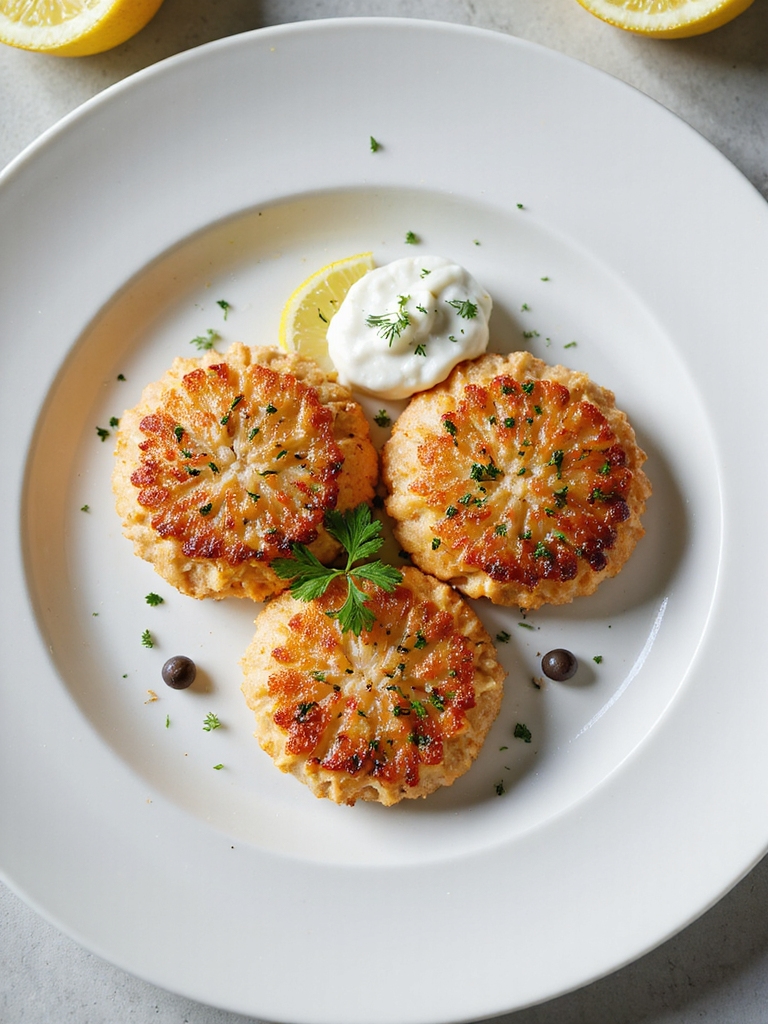
Pan-frying salmon cakes yields a crisp, golden exterior and a tender, flavorful interior when you form chilled patties and cook them over medium heat with the right oil; this method emphasizes a hot pan, gentle handling, and timing so the cakes sear without falling apart and finish cooked through.
- 12 oz cooked salmon, flaked
- 1/2 cup mashed potato or 3/4 cup fine breadcrumbs
- 1 large egg (omit if using extra mayo)
- 1/4 cup mayonnaise (or 2 tbsp if using mashed potato)
- 1/3 cup fine breadcrumbs (if using egg binder)
- 2 tbsp chopped green onion
- 2 tbsp chopped parsley or dill
- 1 tsp Dijon mustard
- 1/2 tsp Old Bay or smoked paprika
- 1/2 tsp salt
- 1/4 tsp black pepper
- 2 tbsp lemon juice, divided
- Optional: 1 tsp capers or 1 tsp horseradish or 1 tsp lemon zest
- 3 tbsp vegetable oil or clarified butter for frying
Gently mix the flaked salmon with your chosen binder (mashed potato or breadcrumbs+egg or mayo), mayo if using, aromatics, mustard, seasonings and 1 tablespoon lemon juice; form into 6 uniform patties, press to compact, then chill 15–20 minutes to firm.
Heat a large skillet over medium (don’t let it get smoking), add 2–3 tbsp oil and when shimmering, place cakes without crowding and cook 3–4 minutes per side, resisting the urge to flip until a golden crust forms, lower heat if browning too fast and finish cooking through (internal ~145°F) before draining on paper towels and squeezing remaining lemon over top.
Tip: Keep patties chilled and handle minimally, use a hot but not smoking pan and enough oil to promote even browning, and adjust binder moisture with extra crumbs or mayo so cakes hold together while frying.
Clarified butter can be a great choice for frying when you want rich flavor and a higher smoke point clarified butter.
Oven-Baking and Air-Frying Techniques for Healthier Cakes
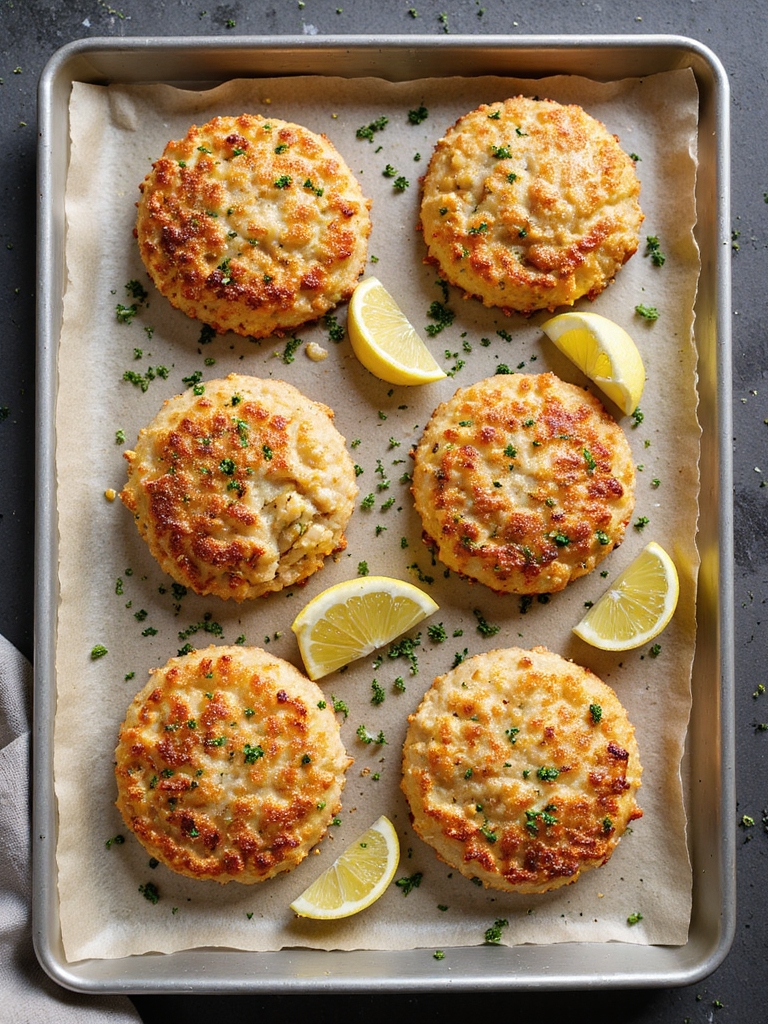
For a lighter take on salmon cakes, oven-bake or air-fry patties made with the same mix of flaked salmon, binder and seasonings to get a golden crust and tender interior without the extra oil; both methods require chilled, compacted patties and a light coating of oil or spray to promote browning—bake on a rimmed sheet or air-fry basket at high heat until set and crisp, flipping once for even color.
- 12 oz cooked salmon, flaked
- 1/2 cup mashed potatoedor 3/4 cup fine breadcrumbs
- 1 large egg (omit if using extra mayo)
- 1/4 cup mayonnaise (or 2 tbsp if using mashed potato)
- 1/3 cup fine breadcrumbs (if using egg binder)
- 2 tbsp chopped green onion
- 2 tbsp chopped parsley or dill
- 1 tsp Dijon mustard
- 1/2 tsp Old Bay or smoked paprika
- 1/2 tsp salt
- 1/4 tsp black pepper
- 2 tbsp lemon juice, divided
- Optional: 1 tsp capers or 1 tsp horseradish or 1 tsp lemon zest
- Cooking oil spray or 1–2 tbsp neutral oil for brushing
Mix flaked salmon with your chosen binder, mayo or egg, aromatics, mustard, seasonings and 1 tablespoon lemon juice, form into 6 patties, press to compact and chill 15–20 minutes; for oven-baking, preheat to 425°F (220°C), place patties on a parchment-lined sheet, brush or spray lightly with oil, bake 12–15 minutes, flip and bake 6–8 minutes more until golden and cooked through (internal ~145°F); for air-frying, preheat to 400°F (200°C), spray basket, arrange patties without crowding, cook 8–10 minutes, flip and cook 4–6 minutes more until crisp and cooked through, squeeze remaining lemon over finished cakes.
Tip: Keep patties well chilled and compact before cooking, use a light oil spray or brush to aid browning, and adjust moistness with extra crumbs or mayo so they hold together during baking or air-frying. A quick way to achieve a crisp exterior is to cook salmon cakes in an air fryer set to 400°F for a few minutes longer if needed to reach the desired crispy texture.
How to Form and Chill Cakes for Perfect Shape and Crust
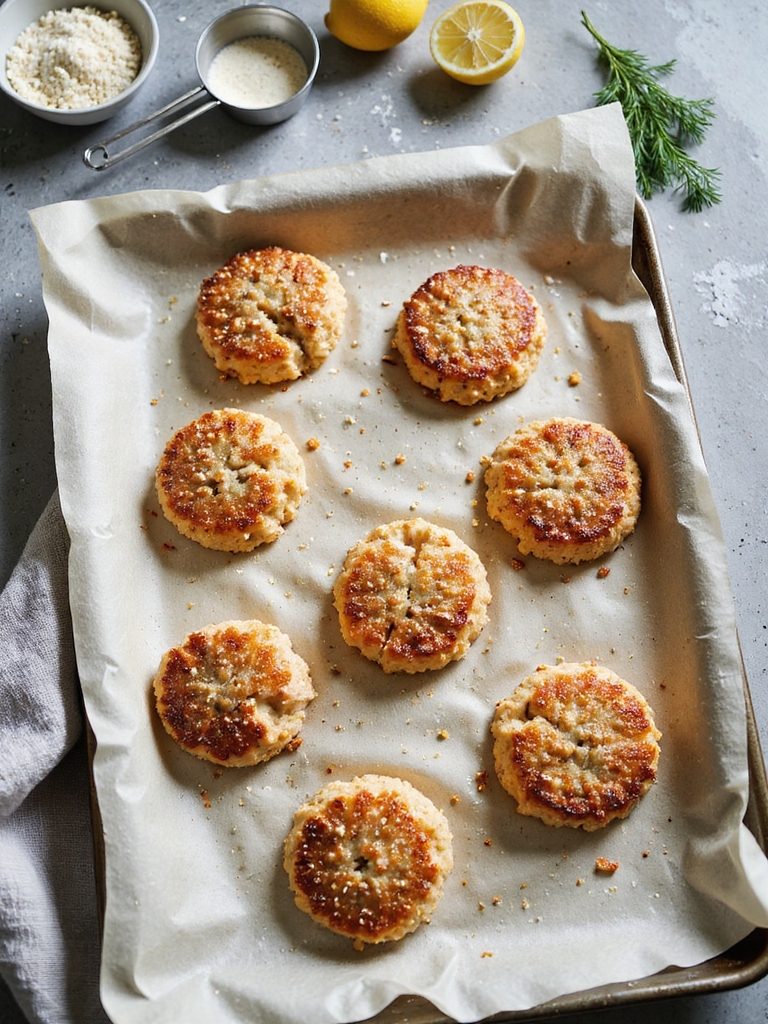
Forming and chilling salmon cakes correctly is the key to getting uniformly shaped patties with a tight crust that holds together during baking or air-frying; this recipe walks you through compacting the mixture, chilling time, and simple techniques to press, release and crisp the cakes for a professional finish.
- 12 oz cooked salmon, flaked
- 1/2 cup mashed potato or 3/4 cup fine breadcrumbs
- 1 large egg (omit if using extra mayo)
- 1/4 cup mayonnaise (or 2 tbsp if using mashed potato)
- 1/3 cup fine breadcrumbs (if using egg binder)
- 2 tbsp chopped green onion
- 2 tbsp chopped parsley or dill
- 1 tsp Dijon mustard
- 1/2 tsp Old Bay or smoked paprika
- 1/2 tsp salt
- 1/4 tsp black pepper
- 2 tbsp lemon juice, divided
- Optional: 1 tsp capers or 1 tsp horseradish or 1 tsp lemon zest
- Cooking oil spray or 1–2 tbsp neutral oil for brushing
Combine the flaked salmon with your chosen binder (mashed potato or breadcrumbs), egg or extra mayo, aromatics, mustard, seasonings and 1 tablespoon lemon juice, mix gently to combine, then portion into six even mounds (use a 1/3-cup measure or a kitchen scale for consistency) and place each mound between two pieces of parchment or plastic wrap; press firmly with the palm of your hand or the bottom of a flat measuring cup to form compact 3/4–1-inch-thick patties, peel the top sheet, transfer the patties to a rimmed tray, cover tightly and chill in the fridge for 15–30 minutes (longer for firmer cakes), then finish by baking at 425°F (220°C) on a parchment-lined sheet brushed with oil for 12–15 minutes, flip and bake 6–8 minutes more, or air-fry at 400°F (200°C) for 8–10 minutes, flip and cook 4–6 minutes more until golden and an instant-read thermometer registers about 145°F.
For best results, keep the mixture slightly firmer than you think (add crumbs a tablespoon at a time if too wet), chill the formed cakes thoroughly so they set and release easily from the wrap, and use a light oil spray or brush before cooking to promote an even, crunchy crust. For a quick weeknight option, try this method in a single skillet for a one-pan dinner with salmon skillet flavor and minimal cleanup.
Sauce and Condiment Pairings to Elevate Every Bite
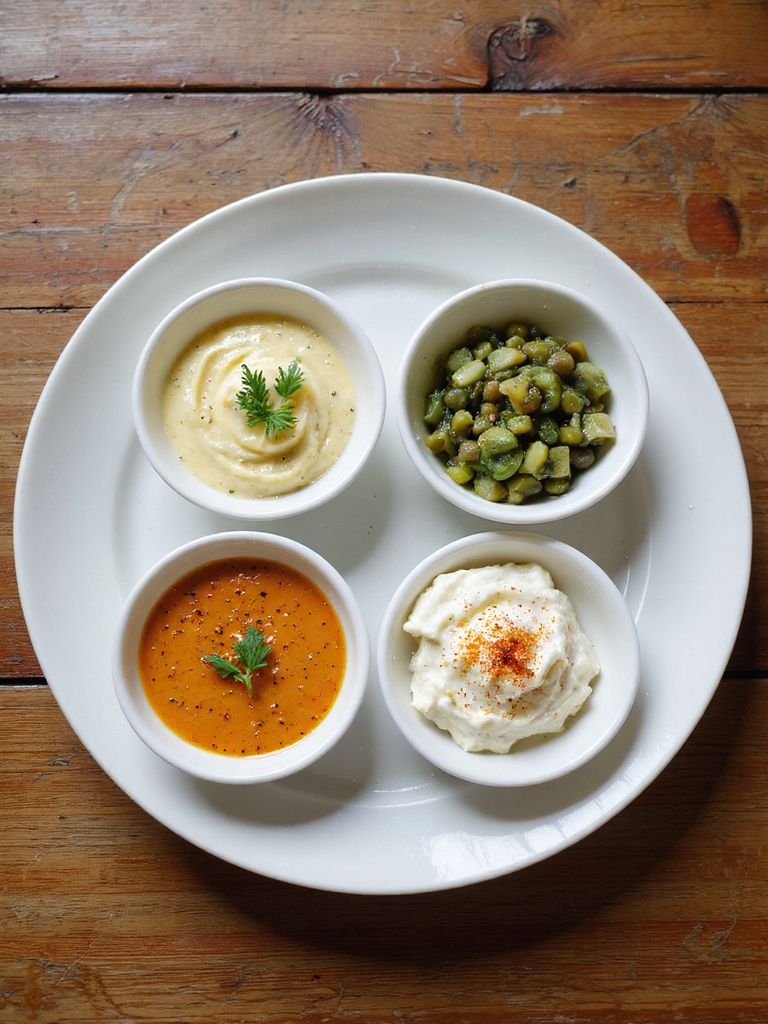
A bright, tangy sauce can lift salmon cakes from hearty to show-stopping; below are three complementary spreads — a lemon-dill mayo for classic richness, a caper-tarragon relish for punchy brine, and a quick yogurt-cucumber tzatziki for cooling contrast — plus a spicy remoulade option for heat lovers, each easy to whisk together and spoon over hot cakes or offer as dipping bowls for sandwiches and salads.
- Lemon-Dill Mayo: 1/2 cup mayonnaise
- Lemon-Dill Mayo: 2 tbsp finely chopped fresh dill
- Lemon-Dill Mayo: 1 tbsp lemon juice
- Lemon-Dill Mayo: 1 tsp Dijon mustard
- Lemon-Dill Mayo: 1/4 tsp lemon zest
- Caper-Tarragon Relish: 1/3 cup chopped capers, rinsed
- Caper-Tarragon Relish: 2 tbsp chopped fresh tarragon (or parsley)
- Caper-Tarragon Relish: 2 tbsp olive oil
- Caper-Tarragon Relish: 1 tbsp white wine vinegar
- Caper-Tarragon Relish: 1 small shallot, minced
- Tzatziki: 1/2 cup plain Greek yogurt
- Tzatziki: 1/4 cup grated cucumber, squeezed dry
- Tzatziki: 1 clove garlic, minced
- Tzatziki: 1 tbsp lemon juice
- Remoulade: 1/3 cup mayonnaise
- Remoulade: 1 tbsp Dijon mustard
- Remoulade: 1 tbsp hot sauce or 1 tsp cayenne
- Remoulade: 1 tbsp chopped cornichons or pickles
- Remoulade: 1 tsp paprika
Combine each sauce’s ingredients in a small bowl and taste for balance, adjusting acidity, salt, or heat: for Lemon-Dill Mayo stir mayo with dill, lemon juice, mustard and zest; for Caper-Tarragon Relish whisk capers, tarragon, oil, vinegar and shallot and let sit 10 minutes; for Tzatziki mix yogurt, grated cucumber, garlic and lemon and chill; for Remoulade fold together mayo, mustard, hot sauce, chopped pickles and paprika until smooth.
Extra tip: Chill sauces at least 15 minutes for flavors to meld, thin with a teaspoon of water or lemon juice if too thick, and keep refrigerated up to 3 days; serve warm salmon cakes with a generous spoonful and a lemon wedge. A quick garlic butter salmon makes a rich, buttery complement when you want a warm, saucy topping.
Serving Ideas: Salads, Sandwiches, and Main-Course Plates
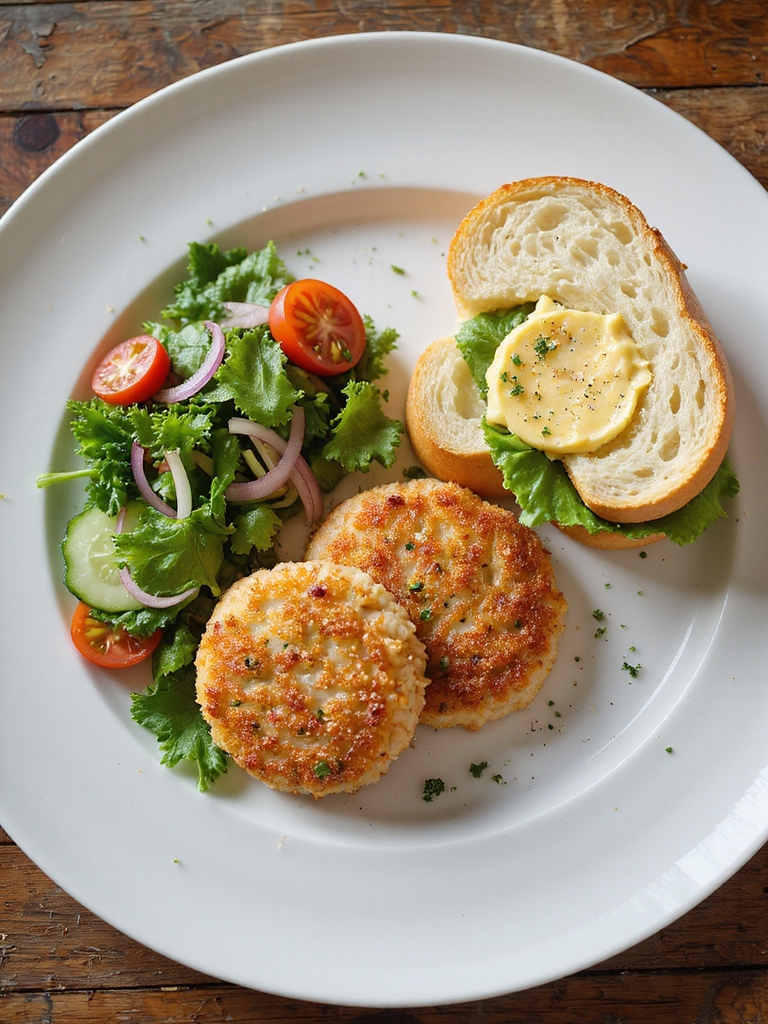
Salmon cakes make a versatile centerpiece whether plated as a main with sides, tucked into a sandwich, or scattered over a crisp salad; this recipe yields golden, pan-fried salmon cakes with a tender interior and enough binder to hold in burgers while remaining moist, plus serving suggestions for salads, sandwiches, and composed plates.
- 1 lb cooked salmon, flaked (about two fillets)
- 1/2 cup panko breadcrumbs (plus extra for coating if desired)
- 1/4 cup finely diced red onion or shallot
- 1/4 cup finely chopped celery or bell pepper
- 2 tbsp chopped fresh parsley or dill
- 1 large egg, beaten
- 2 tbsp mayonnaise or Greek yogurt
- 1 tsp Dijon mustard
- 1 tsp lemon zest
- 1 tbsp lemon juice
- 1/2 tsp Old Bay or smoked paprika
- Salt and pepper to taste
- 2–3 tbsp olive oil or butter for frying
Combine flaked salmon, panko, onion, celery, herbs, egg, mayo, mustard, lemon zest and juice, seasoning, and mix gently until the mixture holds; form into 6 patties, chill 15 minutes, then dredge lightly in extra panko if you want a crisp crust, and cook in a skillet over medium heat with oil 3–4 minutes per side until golden and heated through, or bake at 400°F (200°C) for 12–15 minutes, flipping once.
For salads: serve one halved cake atop mixed greens with lemon-dill mayo and a vinaigrette; for sandwiches: layer a warm patty on a toasted bun with remoulade, lettuce, and pickles; for a main plate: pair two cakes with roasted potatoes and steamed vegetables, finishing each plate with a lemon wedge.
Tip: If the mixture feels too wet add a tablespoon of panko at a time and chill patties before cooking to help them hold, and reserve a few spoonfuls of sauce to serve on the side for moisture and flavor.
A quick Salmon Wrap can make a great on-the-go variation when you fold a warm patty into a tortilla with greens and sauce, especially highlighting the pan-fried texture.
Make-Ahead, Freezing, and Reheating Best Practices
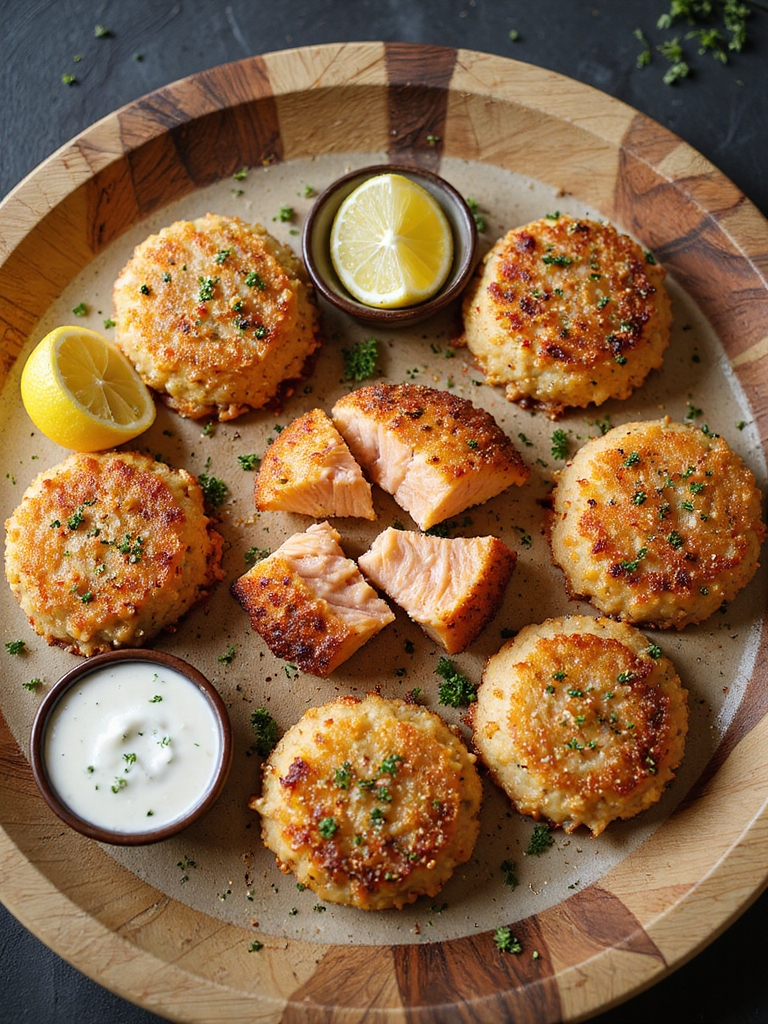
Make-Ahead, Freezing, and Reheating Best Practices: Prepare the salmon cake mixture as directed, form patties, and follow chilling, freezing, and reheating steps below so you can enjoy crisp, flavorful cakes anytime with minimal effort and safe handling.
- 1 lb cooked salmon, flaked (about two fillets)
- 1/2 cup panko breadcrumbs (plus extra for coating if desired)
- 1/4 cup finely diced red onion or shallot
- 1/4 cup finely chopped celery or bell pepper
- 2 tbsp chopped fresh parsley or dill
- 1 large egg, beaten
- 2 tbsp mayonnaise or Greek yogurt
- 1 tsp Dijon mustard
- 1 tsp lemon zest
- 1 tbsp lemon juice
- 1/2 tsp Old Bay or smoked paprika
- Salt and pepper to taste
- 2–3 tbsp olive oil or butter for frying
To make ahead, mix ingredients, form 6 patties, chill 15 minutes, then either refrigerate up to 24 hours or freeze on a parchment-lined tray until solid before transferring to a labeled freezer bag for up to 3 months.
To cook from frozen, bake at 400°F (200°C) for 18–22 minutes flipping once or pan-fry in a lightly oiled skillet over medium-low with a lid for about 6–8 minutes per side until heated through, reducing heat if the crust browns too quickly.
Tip: Thaw frozen patties overnight in the refrigerator for best texture, re-crisp in a hot skillet or oven, and avoid microwaving from frozen which makes them soggy—if mixture is too wet add a tablespoon of panko and chill before shaping.
Frozen salmon can be cooked directly in an air fryer for a quick, evenly-cooked result by using air fryer settings recommended for frozen fish.