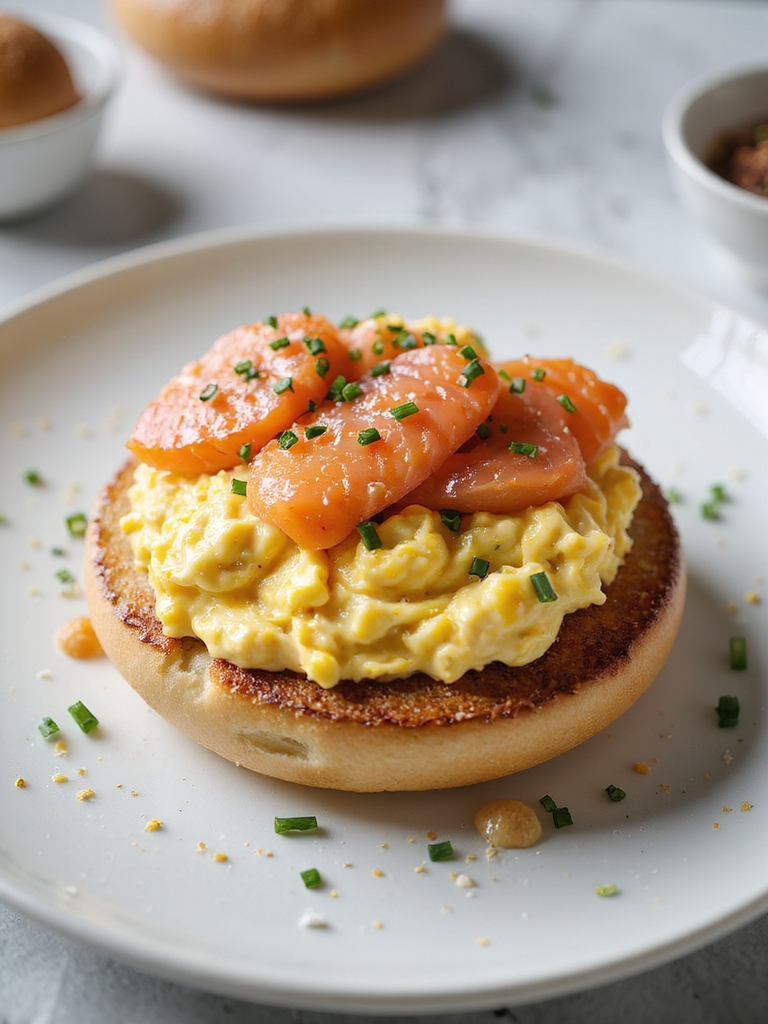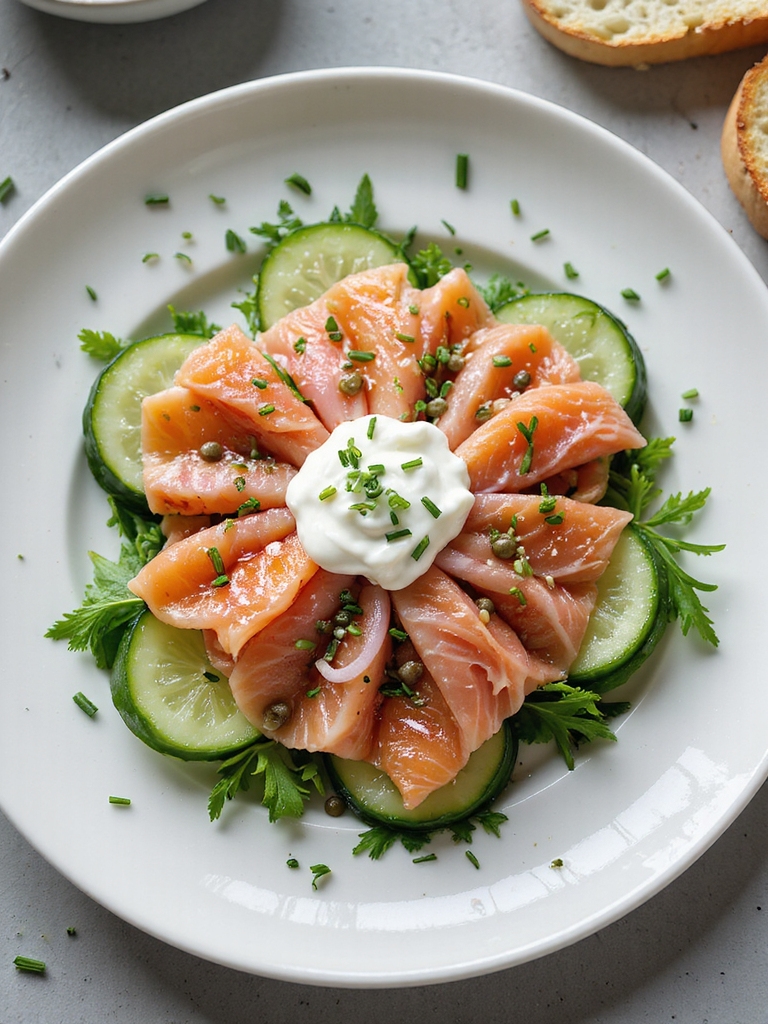
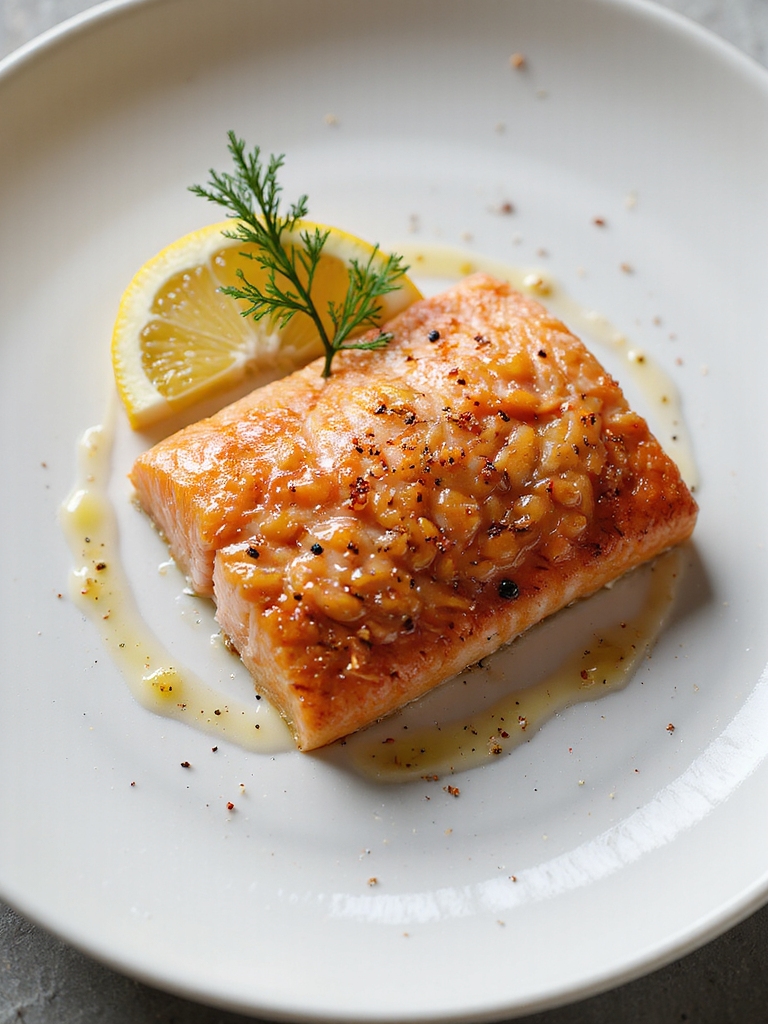
I love turning a simple salmon steak into a showstopper that’s juicy, tender, and perfectly cooked, and I’ll walk you through the tricks that make it happen every time. I’ll help you pick the best steaks, get that crisp skin, and hit the ideal doneness without drying the fish.
There are quick pan, grill, and oven methods plus a couple of sauces I swear by—stick around and you’ll want to try one tonight.
Choosing the Best Salmon Steaks for Flavor and Texture
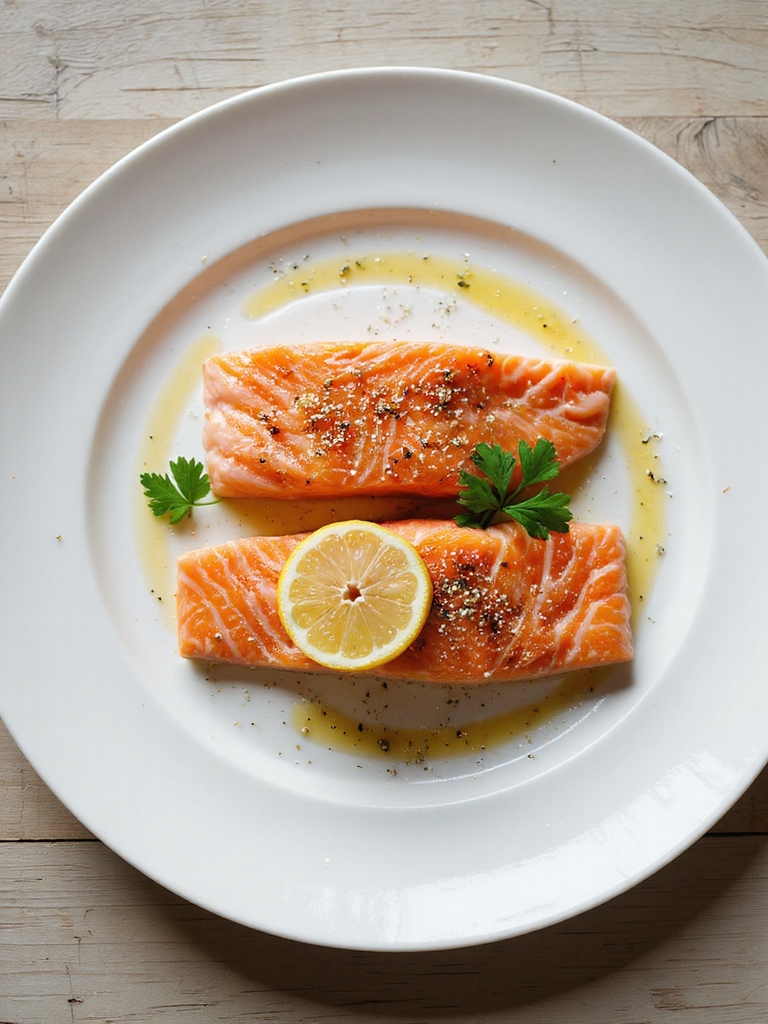
Choosing the Best Salmon Steaks for Flavor and Texture: choose firm, bright-pink steaks about 1 to 1½ inches thick with intact skin and a fresh sea smell; wild-caught salmon (sockeye or coho) offers stronger flavor and firmer texture while farmed Atlantic is milder and more buttery—look for even marbling and no brown edges for the best grilling or pan-searing results.
- 2 salmon steaks (about 6–8 oz each), skin on
- 1 tbsp olive oil
- 1 tsp kosher salt
- ½ tsp freshly ground black pepper
- 1 tbsp lemon juice
- 1 tsp Dijon mustard
- 1 garlic clove, minced
- 1 tbsp chopped fresh parsley
Pat salmon dry and season both sides with salt and pepper, whisk olive oil, lemon juice, Dijon and garlic and brush over steaks, then heat a heavy skillet or grill over medium-high heat and cook skin-side down for 4–5 minutes until crisp, flip and cook 3–4 minutes more for medium doneness (internal temp 125–130°F), or until desired doneness, resting 3 minutes before serving; garnish with parsley.
Let steaks come to room temperature before cooking and avoid overcooking—use a hot pan, cook skin-side first to render fat and get crispy skin, and rest briefly so juices redistribute. For best results, consider the source and seasonality of the fish when selecting steaks to ensure optimal freshness and flavor, especially when choosing wild-caught salmon.
How to Tell When Salmon Steaks Are Perfectly Cooked
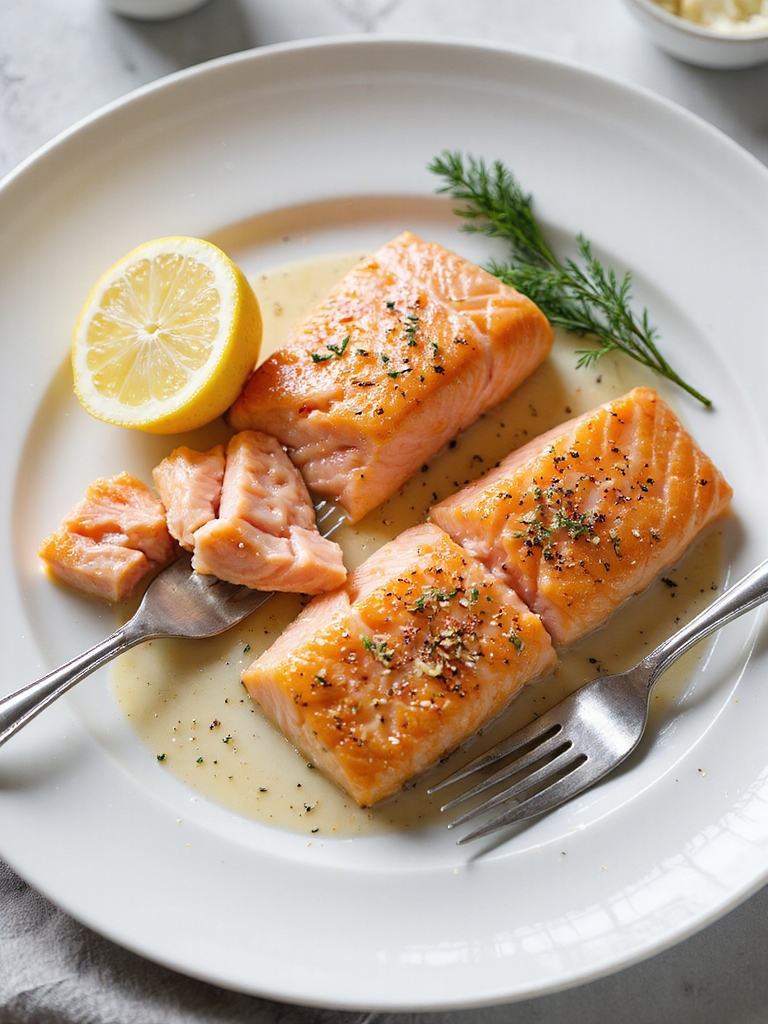
Knowing when salmon steaks are perfectly cooked comes from a mix of visual cues, time/temperature, and a gentle feel: the flesh should be opaque and pale pink with a slight translucence at the center, flake easily with a fork but still feel slightly springy, and reach about 125–130°F (52–54°C) for medium doneness (or 135°F/57°C if you prefer fully cooked); carryover heat will raise the temperature a few degrees during the 3–5 minute rest.
- 2 salmon steaks (6–8 oz each), skin on
- 1 tbsp olive oil
- 1 tsp kosher salt
- ½ tsp freshly ground black pepper
- 1 tbsp lemon juice
- 1 tsp Dijon mustard
- 1 garlic clove, minced
- Instant-read thermometer (optional)
- 1 tbsp butter (optional)
Pat salmon dry and season both sides with salt and pepper, heat a heavy skillet over medium-high until shimmering and add oil, lay salmon skin-side down and press gently for 15 seconds to prevent curling, cook undisturbed 4–5 minutes until skin is crisp and the sides are turning opaque.
Flip and cook 2–4 minutes more until an instant-read thermometer reads 125–130°F (52–54°C) for medium or until the center is slightly translucent and flakes with a fork, remove to a plate and rest 3–5 minutes before serving.
Tip: Use an instant-read thermometer for accuracy, remove from heat just shy of your target temp knowing carryover will finish cooking, and always rest briefly so juices redistribute for moist, tender salmon.
For reliably crisp skin and even cooking, use a heavy skillet preheated skillet and make sure it is shimmering before adding the salmon.
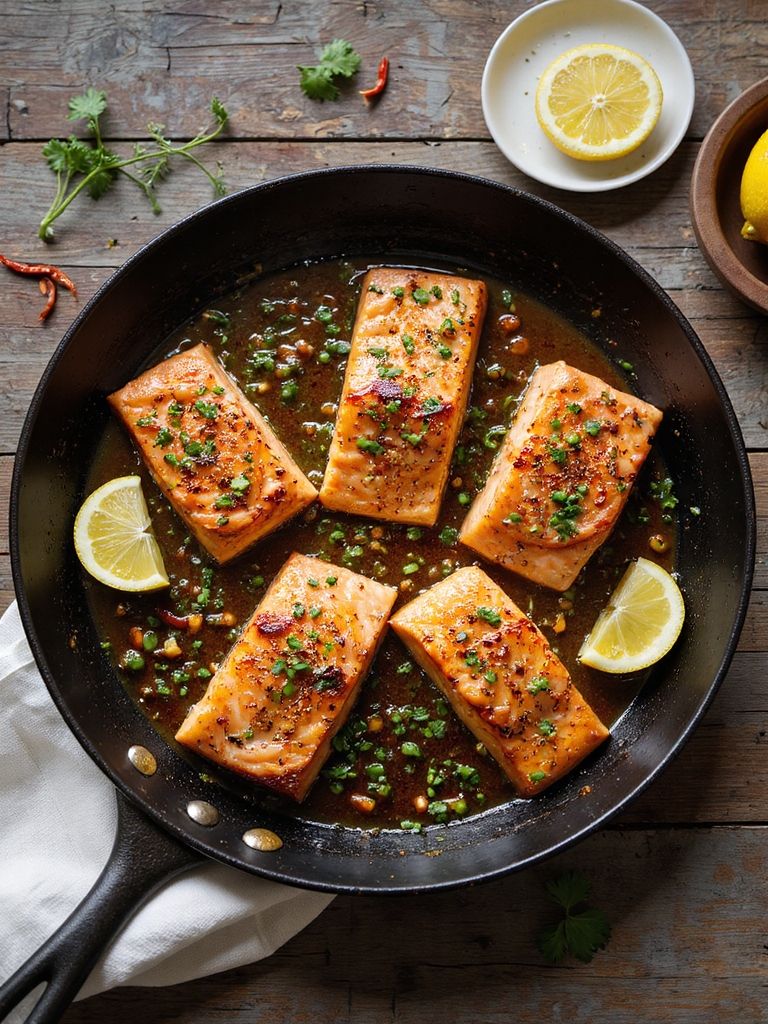
Simple Pan-Searing Technique for Crispy Skin and Tender Flesh
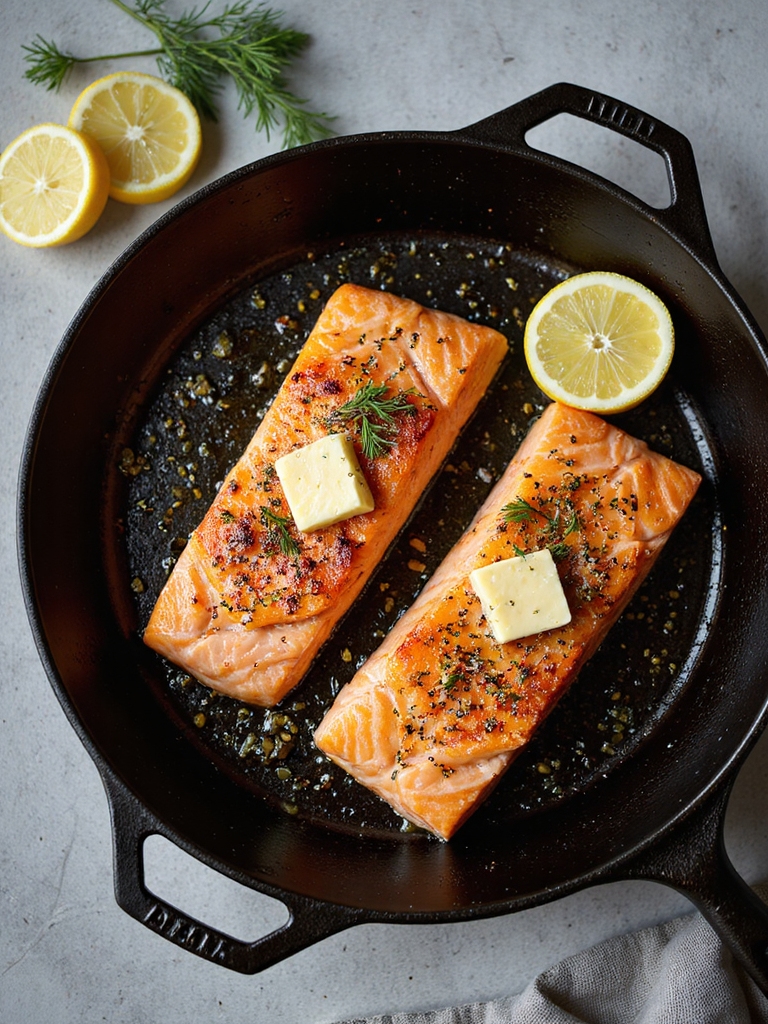
A quick, reliable pan-searing method yields salmon steaks with lusciously crisp skin and tender, just-cooked flesh by using high heat, a dry fish, and minimal handling; this recipe seasons simply, presses the steaks to prevent curling, and finishes with a pat of butter and lemon to balance richness.
- 2 salmon steaks (6–8 oz each), skin on
- 1 tbsp neutral oil (canola, grapeseed, or vegetable)
- 1 tsp kosher salt
- ½ tsp freshly ground black pepper
- 1 tbsp lemon juice
- 1 tsp Dijon mustard
- 1 garlic clove, minced (optional)
- 1 tbsp butter (optional)
- Fresh herbs (dill or parsley), for garnish
Pat the salmon dry and season both sides with salt and pepper; heat a heavy skillet over medium-high until very hot and shimmering, add oil and lay the steaks skin-side down, press gently for 15 seconds to prevent curling and cook undisturbed 4–5 minutes until the skin is deeply golden and the sides are turning opaque.
Flip and cook 2–4 minutes more until the center is slightly translucent and an instant-read thermometer reads about 125–130°F (52–54°C) for medium, remove to a plate, spoon a little butter and lemon over the top if using, and rest 3–5 minutes before serving.
Tip: Make certain the skin is very dry and the pan is hot to get maximum crispness, avoid overcrowding the pan, and remove the fish slightly under your target temp to allow for carryover cooking.
Savoring the Perfect Pan Fried Salmon Delight adds guidance on pan selection and heat control for best results, noting that a heavy skillet like cast iron or stainless steel helps achieve crisp skin and even browning.
Grill-Ready Salmon Steaks: Tips for Even Cooking and Flavor
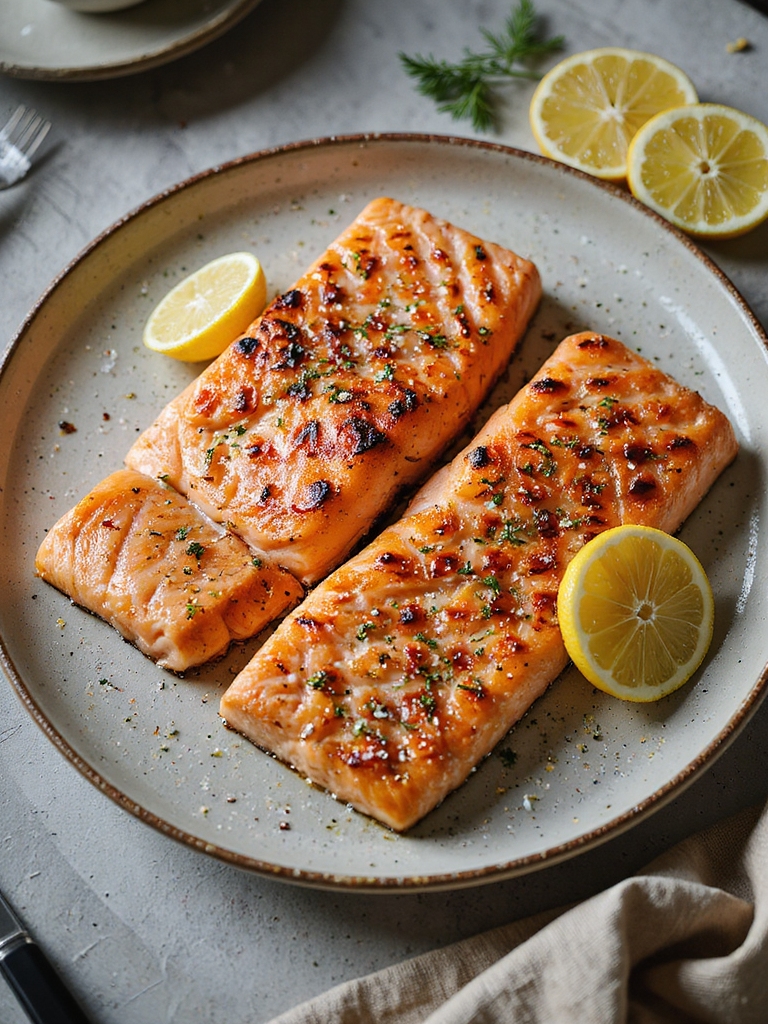
Grilling salmon steaks gives a smoky, charred exterior and tender, flaky flesh when done over medium-high heat with attention to even thickness, proper oiling, and managing flare-ups; this method covers seasoning, prepping the grates or a plank, and timing so you get browned grill marks without drying the center.
- 2 salmon steaks (6–8 oz each), skin on
- 1–2 tbsp olive oil
- 1 tsp kosher salt
- ½ tsp freshly ground black pepper
- 1 tbsp lemon juice
- 1 tsp smoked paprika or chili powder (optional)
- 1 garlic clove, minced (optional)
- 1 tbsp chopped fresh dill or parsley (for serving)
- Lemon wedges, for serving
Preheat grill to medium-high (about 400–450°F/200–230°C) and oil grates well; brush salmon steaks with olive oil and season both sides with salt, pepper, and smoked paprika, then place skin-side down and grill over direct heat 4–6 minutes, rotate 45° halfway through for crosshatch marks if desired, flip once and grill 2–4 minutes more until an instant-read thermometer reads 125–130°F (52–54°C) for medium or flesh flakes easily, or cook on a cedar plank for gentler heat and smoky aroma.
Remove and rest 3–4 minutes before serving with lemon and herbs.
Tip: Keep the lid closed as much as possible to maintain even heat, watch for flare-ups (move fish to cooler zone if flames rise), and avoid overcooking by removing salmon a few degrees below target to allow carryover cooking.
Using a cedar plank can add subtle smoky flavor while helping maintain even heat and preventing sticking to the grates; see grilling plank care for best results.
Baking Salmon Steaks: Moist, Hands-Off Method
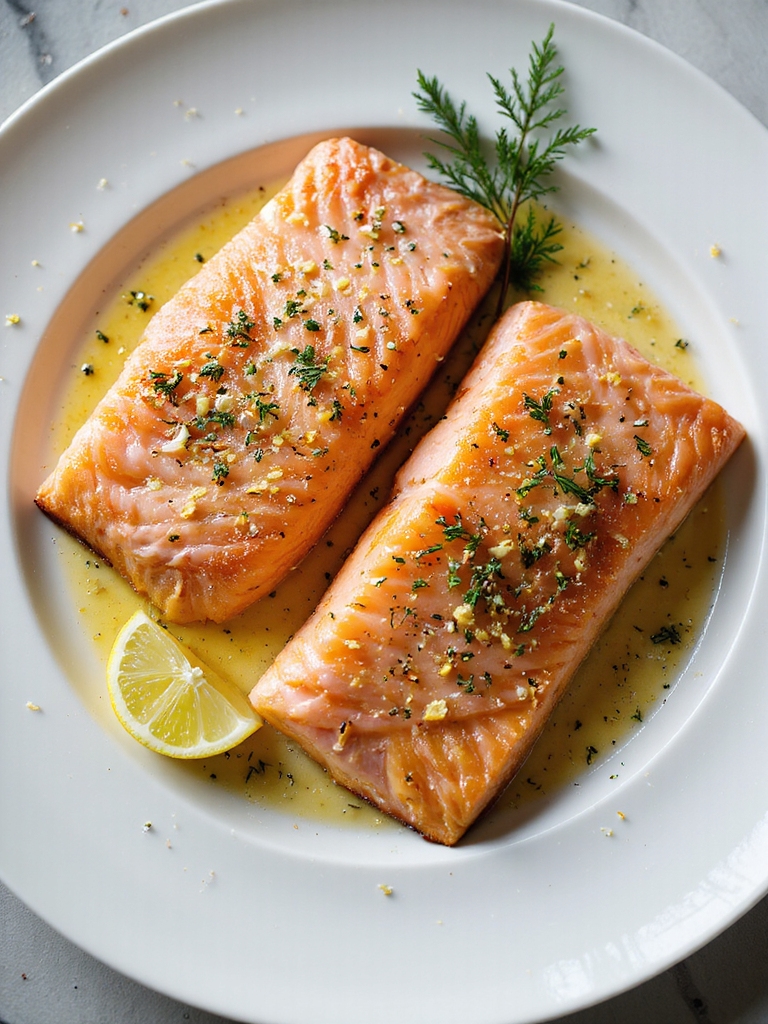
Baked salmon steaks are an easy, hands-off way to get moist, flaky fish with a lightly crisp exterior; this method uses moderate oven heat and a short rest to preserve juiciness while allowing you to customize with herbs, citrus, and a light glaze — perfect for busy weeknights or an elegant meal with minimal fuss.
- 2 salmon steaks (6–8 oz each), skin on
- 1–2 tbsp olive oil
- 1 tsp kosher salt
- ½ tsp freshly ground black pepper
- 1 tbsp lemon juice
- 1 tsp lemon zest
- 1 garlic clove, minced (optional)
- 1 tbsp chopped fresh dill or parsley
- 1 tbsp melted butter or olive oil (for finishing)
- Lemon wedges, for serving
Preheat oven to 400°F (200°C), line a baking sheet with foil or parchment and lightly oil it; pat salmon dry, brush both sides with olive oil, season with salt, pepper, lemon zest and minced garlic, place skin-side down on the sheet, bake in the center of the oven for 10–14 minutes depending on thickness until an instant-read thermometer registers 125–130°F (52–54°C) for medium or the flesh flakes easily.
Remove, brush with melted butter and lemon juice, tent loosely with foil and rest 3–4 minutes before serving with fresh herbs and lemon wedges.
Tip: Use a thermometer and remove salmon a few degrees under target to allow carryover cooking, and avoid overcrowding the pan so heat circulates for even cooking.
This method is inspired by classic Savory Oven-Baked Salmon techniques to ensure consistent results every time.
Citrus-Herb Marinade for Bright, Fresh Salmon Steaks
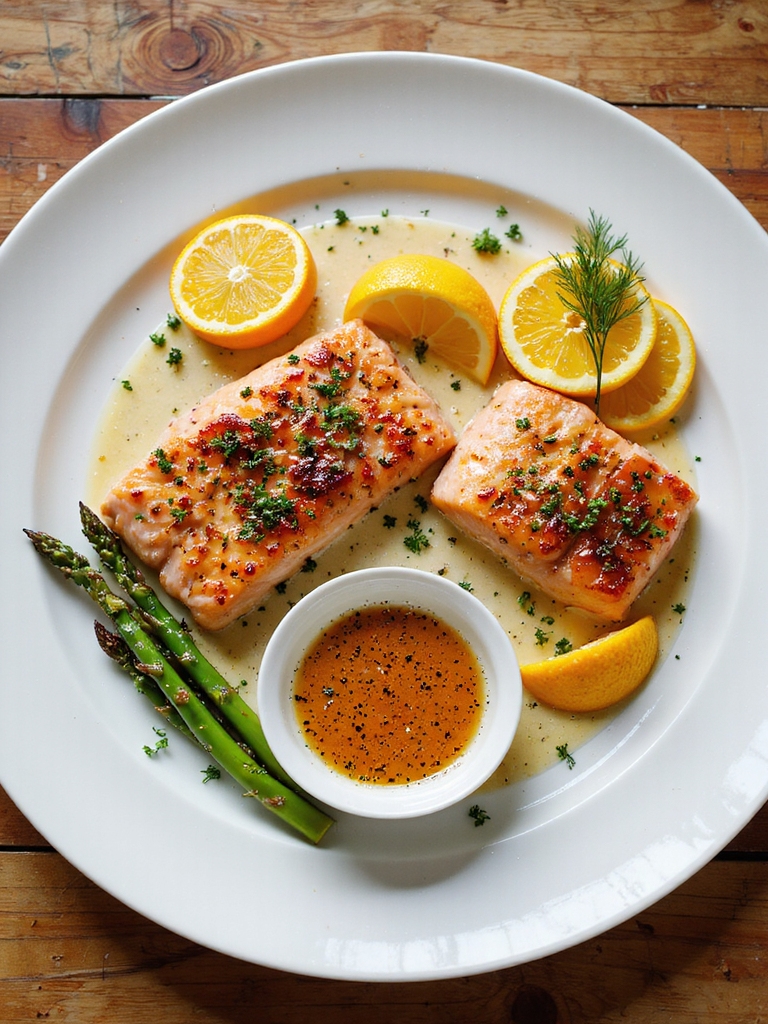
Bright, zesty, and herb-scented, this citrus-herb marinade infuses salmon steaks with lemon and orange brightness balanced by garlic and fresh herbs; marinate briefly for fresh flavor without curing the fish, then grill, broil, or bake to a tender, flaky finish and finish with extra citrus and herbs for a lively presentation.
- 2 salmon steaks (6–8 oz each), skin on
- 2 tbsp extra-virgin olive oil
- 2 tbsp fresh lemon juice
- 1 tbsp fresh orange juice
- 1 tsp lemon zest
- 1 tsp orange zest
- 1 garlic clove, minced
- 1 tbsp honey or maple syrup
- 2 tbsp chopped fresh parsley
- 1 tbsp chopped fresh dill
- 1/2 tsp kosher salt
- 1/4 tsp freshly ground black pepper
- Lemon wedges, for serving
Combine olive oil, lemon and orange juices, zests, minced garlic and honey in a shallow dish, stir in herbs, salt, and pepper, place salmon steaks skin-side down in the marinade and spoon some over the tops, cover and refrigerate 15–30 minutes (no longer than 30 minutes to avoid curing), then remove from fridge, preheat grill to medium-high or oven to 400°F (200°C) and cook skin-side down 10–14 minutes (or until 125–130°F/52–54°C) depending on thickness, basting once with reserved marinade during the first half of cooking and finishing with a squeeze of fresh lemon and a sprinkle of extra herbs before resting 3–4 minutes.
Tip: Pat salmon dry before cooking to promote browning, reserve some marinade before adding raw fish for basting, and always pull salmon a few degrees under target to allow for carryover cooking.
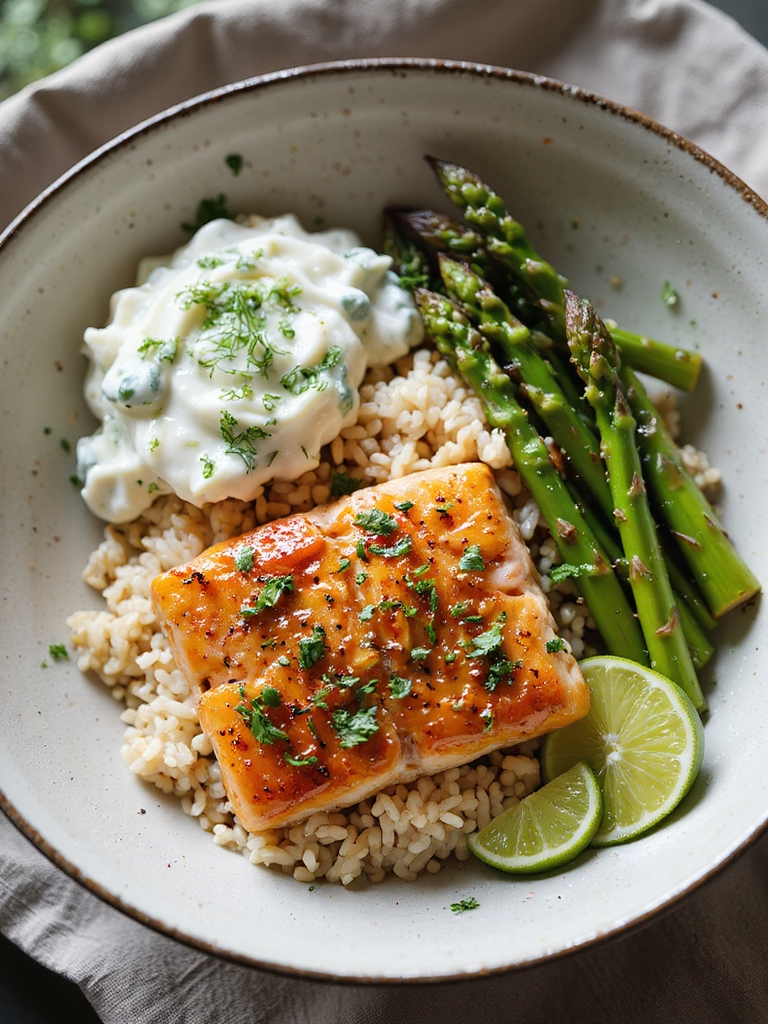
Salmon and asparagus make a classic, complementary pairing that highlights the fish’s richness and the vegetable’s crispness, making for a balanced meal with salmon and asparagus.
Smoky Soy-Ginger Glaze for Bold, Sticky Coating
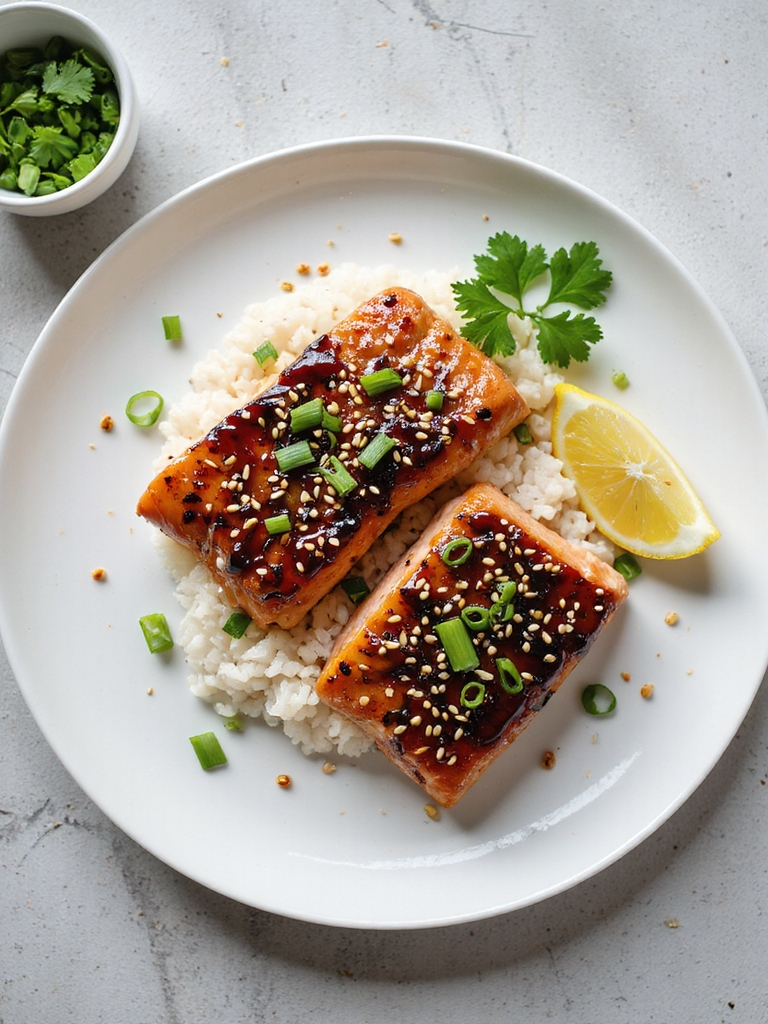
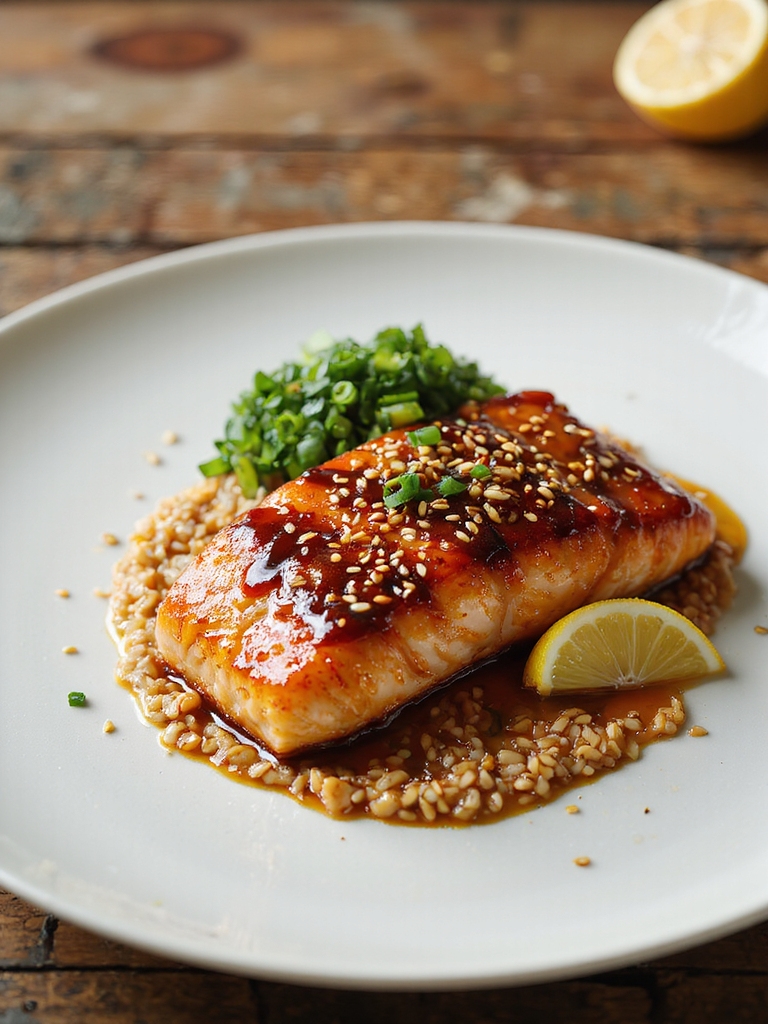
This smoky soy-ginger glazed salmon steak delivers bold umami, a touch of sweetness, and a lacquered, sticky finish — perfect for grilling, broiling, or pan-searing; the glaze combines soy, toasted sesame, ginger, garlic, a hint of honey and rice vinegar, and a touch of smoked paprika or liquid smoke for that campfire note, then reduced to a glossy coating that’s brushed on during the final minutes of cooking to avoid burning while building layers of flavor.
- 2 salmon steaks (6–8 oz each), skin on
- 3 tbsp low-sodium soy sauce
- 1 tbsp dark soy sauce or tamari (optional, for color)
- 1 tbsp honey or brown sugar
- 1 tbsp rice vinegar
- 1 tbsp toasted sesame oil
- 1 tbsp fresh ginger, finely grated
- 2 garlic cloves, minced
- 1/2 tsp smoked paprika or 1/4 tsp liquid smoke
- 1 tsp cornstarch mixed with 1 tbsp water (slurry)
- 1 green onion, thinly sliced
- 1 tsp toasted sesame seeds
- 1/4 tsp freshly ground black pepper
Bring soy sauces, honey, rice vinegar, sesame oil, grated ginger, minced garlic, smoked paprika (or liquid smoke) and black pepper to a gentle simmer in a small saucepan, whisk in the cornstarch slurry and cook 1–2 minutes until glossy and slightly thickened, then remove half the glaze to use for finishing and refrigerate any unused portion.
Preheat a grill or heavy skillet to medium-high and pat salmon dry, oil grates or pan, sear skin-side down 3–5 minutes until crisp, flip and cook 2–4 minutes more (or transfer to a 400°F/200°C oven to finish), brushing reserved glaze onto the tops during the last 1–2 minutes so it caramelizes without burning and cook until internal temperature reaches 125–130°F (52–54°C) for medium; rest 3–4 minutes, then sprinkle with sliced green onion and toasted sesame seeds before serving.
Keep the heat moderate when applying the glaze to avoid burning the sugars; pat the salmon dry for better sear, reserve some glaze before glazing raw fish, and pull the salmon a few degrees under target for carryover cooking. Try serving this with a simple garlic butter sauce for an extra rich finishing touch and to highlight the fish’s natural flavor—garlic butter complements salmon beautifully.
Butter-Baste and Garlic for Rich, Restaurant-Style Salmon
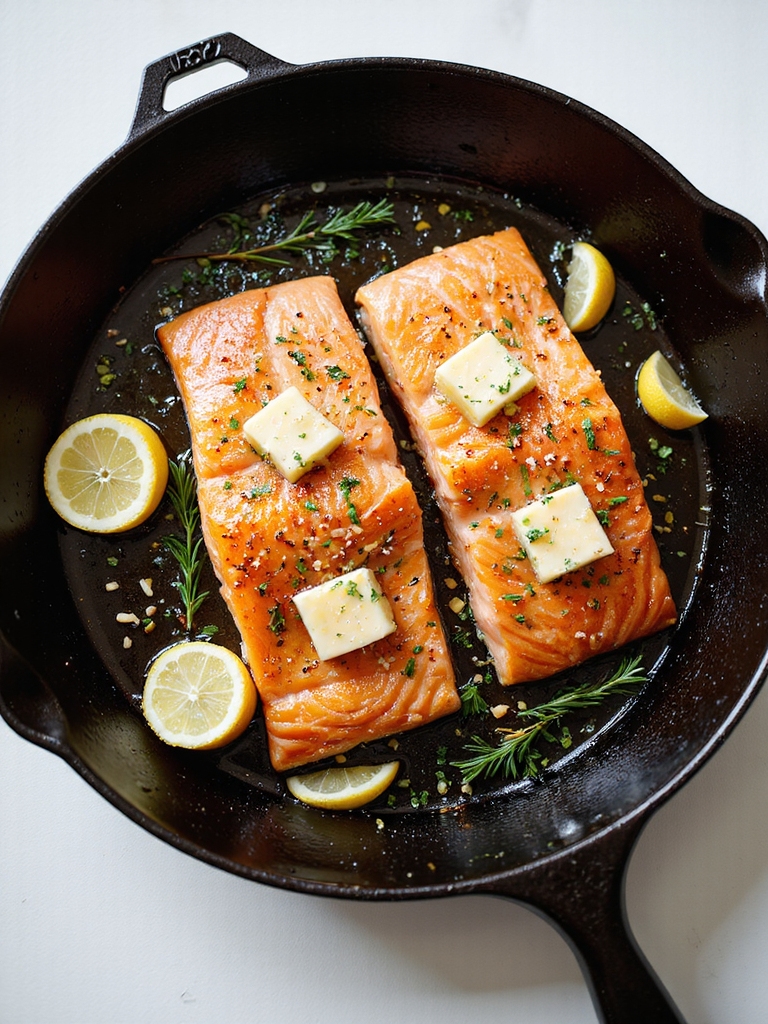
This butter-basted garlic salmon steak recipe produces a rich, restaurant-style finish with a crisped skin, glossy nutty butter, and aromatic garlic and herbs; it’s quick enough for weeknights but elegant for guests, using shallow-pan searing and spooning hot brown butter over the fish to keep it moist and flavor-packed.
- 2 salmon steaks (6–8 oz each), skin on
- 3 tbsp unsalted butter
- 2 garlic cloves, thinly sliced
- 1 tbsp fresh lemon juice
- 1 tsp lemon zest
- 1 tbsp fresh parsley, chopped
- 1 tsp fresh thyme leaves (or 1/2 tsp dried)
- 1 tbsp neutral oil (vegetable or grapeseed)
- Salt and freshly ground black pepper, to taste
- 1 tbsp white wine or chicken broth (optional for deglaze)
Pat salmon dry and season both sides with salt and pepper.
Heat oil in a large skillet over medium-high until shimmering, place salmon skin-side down and press gently for 10–15 seconds to prevent curling, cook 3–5 minutes until skin is crisp, flip and add butter, garlic, thyme and optional wine/broth, tilt pan and spoon the foaming butter over the tops continuously for 1–3 minutes until the fish reaches 125–130°F (52–54°C) for medium, finish with lemon juice and zest, sprinkle parsley and rest 3 minutes before serving.
Tip: Use cold butter cut into pieces so it melts steadily for basting, keep the heat moderate to brown the butter without burning the garlic, and pull the salmon a few degrees under target for perfect carryover cooking.
This method adapts well for whole fillets and pairs especially nicely with oven-baked salmon sides like roasted vegetables or a simple salad.
Quick Sides to Serve With Salmon Steaks
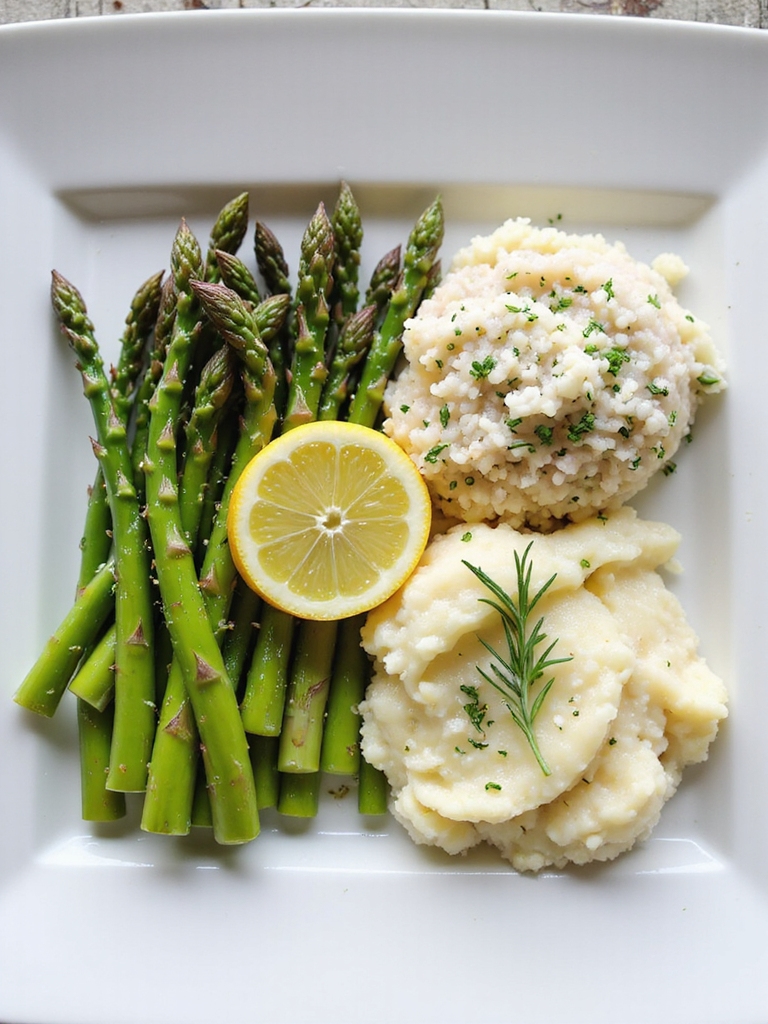
Quick, flavorful sides can turn butter-basted garlic salmon steaks into a complete meal in minutes; here are three fast accompaniments—lemon-garlic asparagus, herbed couscous, and a simple potato-rosemary mash—that balance richness with brightness and can be made mostly while the salmon cooks so dinner comes together without stress.
- Lemon-garlic asparagus: 1 lb asparagus trimmed, 1 tbsp olive oil, 1 garlic clove minced, 1 tsp lemon zest, salt and pepper
- Herbed couscous: 1 cup couscous, 1 1/4 cups vegetable or chicken broth, 1 tbsp butter, 2 tbsp chopped parsley, 1 tbsp chopped chives, salt
- Potato-rosemary mash: 1 lb Yukon Gold potatoes peeled and quartered, 2 tbsp butter, 2 tbsp milk (or cream), 1 tsp fresh rosemary chopped, salt and pepper
For lemon-garlic asparagus: toss asparagus with oil, garlic, salt and pepper and spread on a hot skillet or sheet pan and roast or sauté 6–8 minutes until tender-crisp, finish with lemon zest.
For herbed couscous: bring broth and butter to a boil, stir in couscous, cover off heat for 5 minutes then fluff and fold in parsley, chives and salt.
For potato-rosemary mash: simmer potatoes until tender, drain, mash with butter, milk and rosemary, season and keep warm until serving alongside salmon.
Tip: Stagger timing—start potatoes first, get couscous going while potatoes cook, and cook asparagus last so everything is hot and the salmon can rest briefly before plating.
This oven-baked method yields moist, flaky salmon with a golden exterior when cooked at moderate heat and timed precisely for thickness, making it ideal for weeknight dinners with quick sides like these; see the oven-baked salmon technique for best results.
Storing, Reheating, and Leftover Ideas for Salmon Steaks
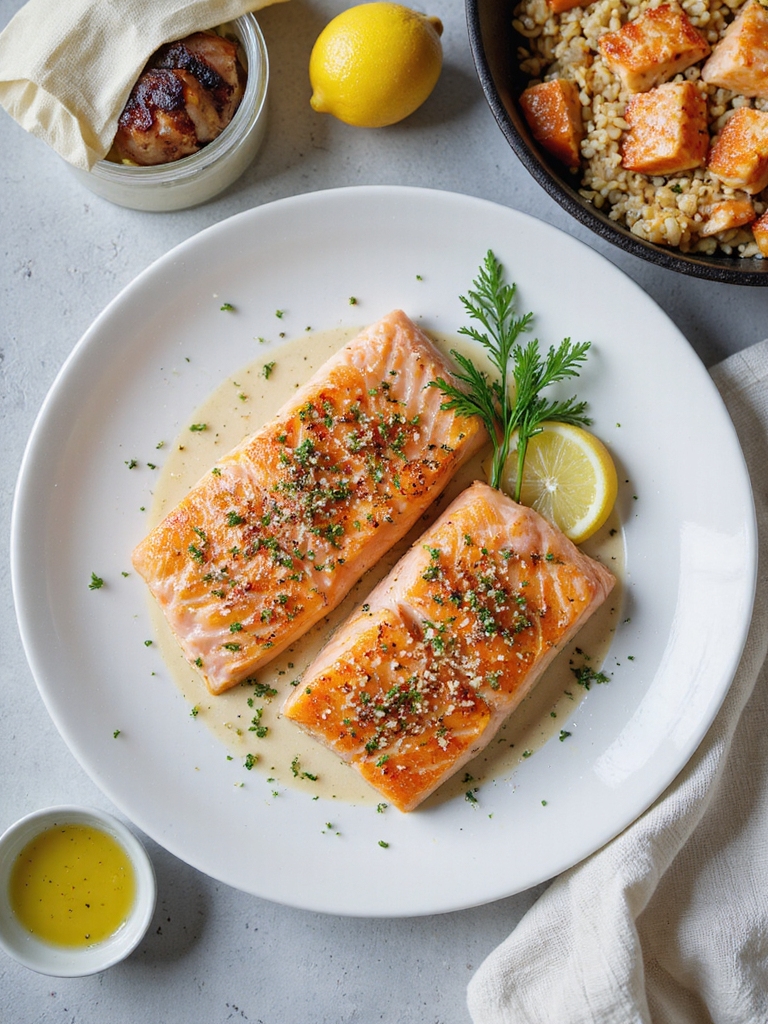
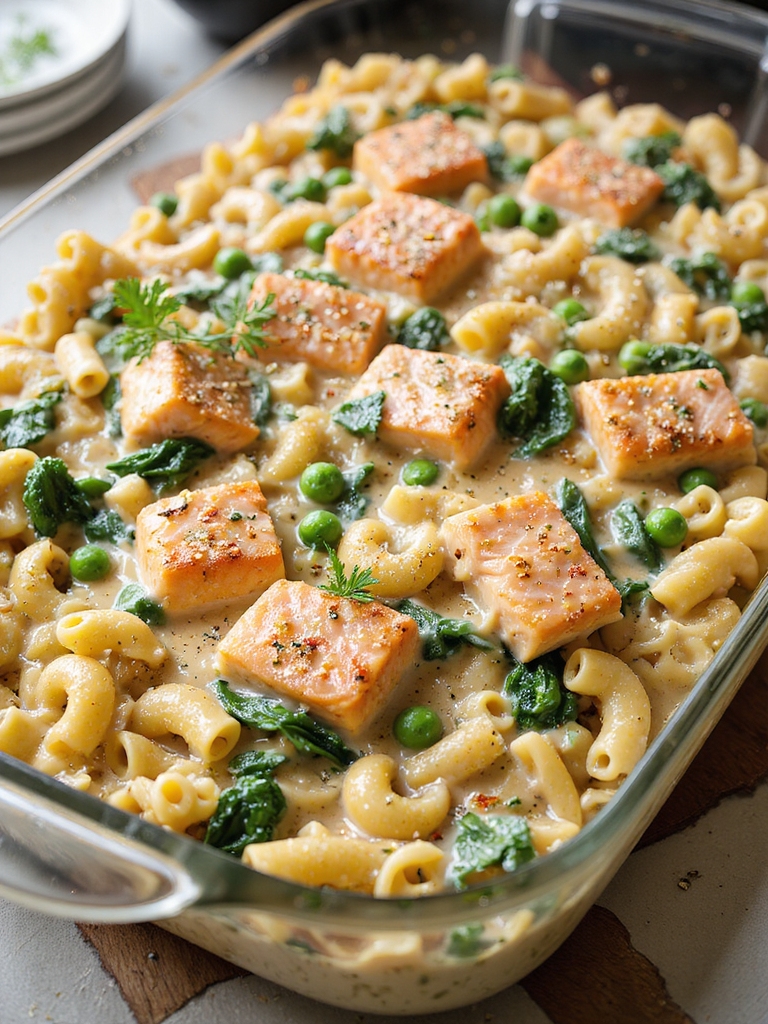
Leftover salmon steaks are versatile and can be stored, reheated, and transformed into new meals with a few simple steps to preserve flavor and texture; this recipe shows how to store properly, reheat safely, and repurpose any remaining salmon into quick meals like salads, tacos, or fried rice so nothing goes to waste.
- Cooked salmon steaks, cooled to room temperature no longer than 2 hours
- Airtight container or heavy-duty resealable bag
- Lemon wedges
- Olive oil
- Salt and pepper
- Optional: mayonnaise, yogurt, chopped dill, capers, hot sauce, tortillas, cooked rice, greens
To store: cool cooked salmon to room temperature no longer than 2 hours, pat dry, wrap tightly in plastic or place in an airtight container with a squeeze of lemon and a drizzle of olive oil, then refrigerate for up to 3 days or freeze for up to 3 months.
To reheat gently, thaw frozen salmon overnight in the fridge, then warm in a 275°F (135°C) oven for 10–15 minutes covered with foil or flake and quickly sauté in a hot skillet for 1–2 minutes until just heated through, or use cold in salads, sandwiches, tacos, or stirred into fried rice.
Tip: Avoid microwaving whole steaks from cold as it dries them out—if using a microwave, cover with a damp paper towel and heat in short 20–30 second bursts checking for doneness to keep moist.
Frozen salmon cooks well from frozen when adjusted properly, so consider cooking directly from the freezer using frozen salmon recipes to save time.