I cook seafood when I want dinner that looks and tastes like I tried, without hours in the kitchen. I focus on hot pans, dry fish, bright acids, and quick finishes so each dish comes together fast and reliably.
I’ll share dishes from seared scallops to coconut curry and simple techniques that keep seafood moist and flavorful — stay with me and you’ll learn the few tricks that make every plate impressive.
Seared Scallops With Lemon-Butter Sauce
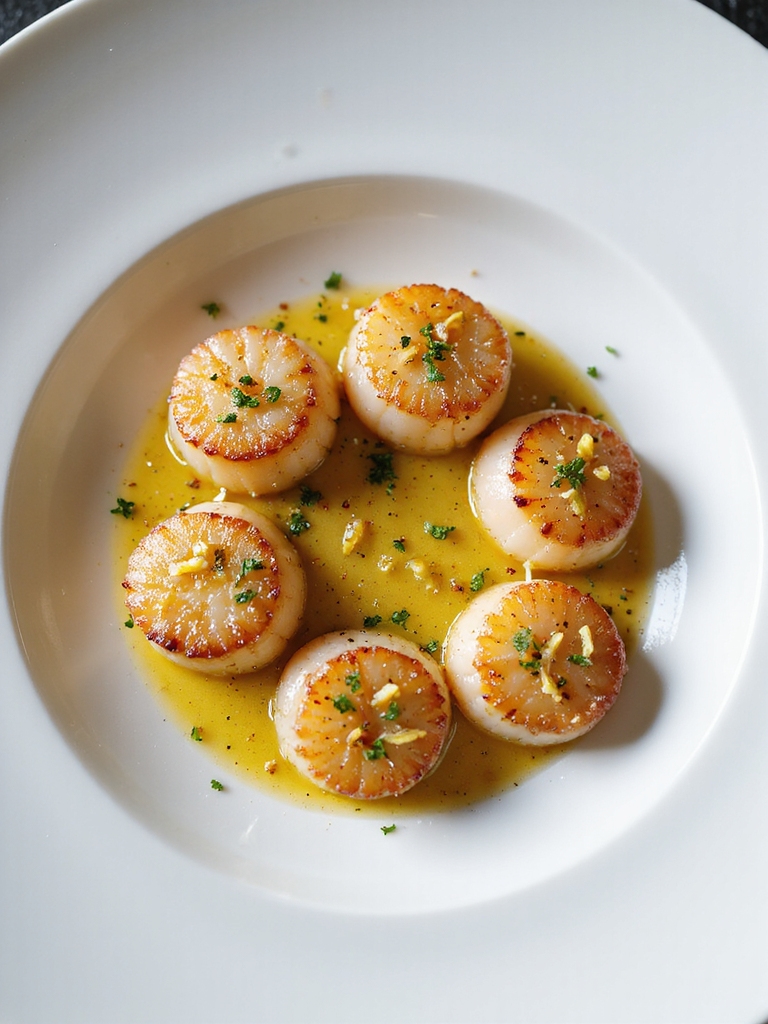
Seared scallops with lemon-butter sauce is an elegant, quick seafood dish that showcases sweet, tender scallops with a bright citrus finish; it’s perfect for a weeknight treat or entertaining because it comes together in minutes yet looks and tastes restaurant-quality.
- 1 lb sea scallops, patted dry
- Kosher salt and freshly ground black pepper
- 2 tbsp olive oil
- 3 tbsp unsalted butter, divided
- 2 cloves garlic, minced
- 2 tbsp fresh lemon juice (about 1 lemon)
- 1 tsp lemon zest
- 2 tbsp dry white wine or chicken broth (optional)
- 1 tbsp chopped fresh parsley
Heat a large skillet over medium-high heat until very hot, season scallops on both sides with salt and pepper and sear in olive oil without crowding the pan for about 1.5–2 minutes per side until golden brown and slightly springy (add more butter toward the end to baste if desired); remove scallops and set aside.
Lower heat to medium, add 1 tbsp butter and garlic, sauté briefly, deglaze with wine or broth if using, stir in lemon juice, zest and remaining butter to make a glossy sauce, return scallops to the pan just to coat and warm through, then finish with parsley and serve immediately.
Tip: Make sure scallops are thoroughly patted dry and the pan is very hot to achieve a proper golden sear and avoid steaming; don’t overcook—scallops should be opaque with a slight give.
This dish pairs beautifully with creamy pasta, making it a natural choice for Creamy Seafood Pasta when you want a richer meal.
Charred Salmon With Herb Gremolata
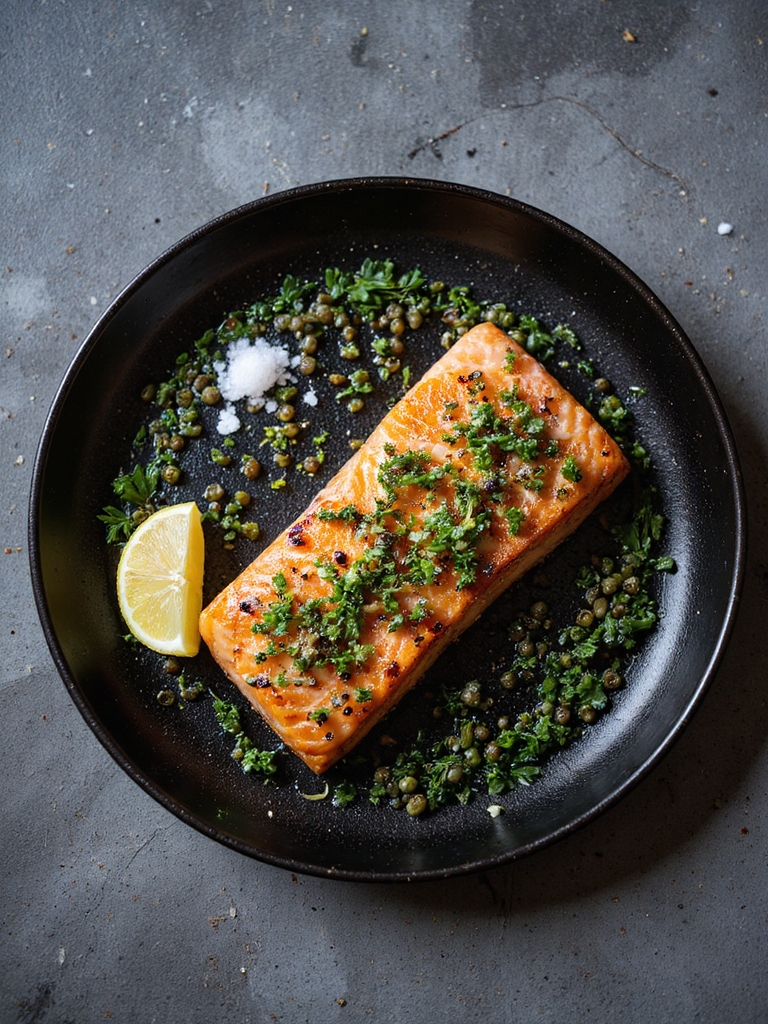
Charred salmon with herb gremolata is a bright, flavorful main that pairs the smoky richness of a hot-seared or broiled salmon fillet with a zesty, herbaceous gremolata made from parsley, lemon, garlic, and capers; it cooks quickly and makes an impressive weeknight or dinner-party centerpiece.
- 4 salmon fillets (6 oz each), skin on or off as preferred
- Kosher salt and freshly ground black pepper
- 2 tbsp olive oil
- 1 lemon (zest and juice)
- 1 cup packed fresh parsley leaves, finely chopped
- 2 cloves garlic, minced
- 1 tbsp capers, rinsed and chopped
- 1 tsp Dijon mustard (optional)
- 1 tbsp extra-virgin olive oil
- Pinch crushed red pepper (optional)
Pat the salmon dry and season both sides with salt and pepper; heat a large cast-iron or heavy skillet over high heat until smoking, add the 2 tbsp olive oil, place salmon skin-side down (or presentation side down) and press briefly to assure even contact, cook without moving 3–5 minutes until deeply browned and crisp, flip and cook 1–3 minutes more for medium doneness (or transfer to a very hot broiler for the finishing sear), remove to rest while you whisk together lemon zest, lemon juice, parsley, garlic, capers, Dijon (if using), extra-virgin olive oil and a pinch of red pepper to make the gremolata, then spoon the gremolata over the salmon and serve immediately.
Tip: Make sure the salmon skin is very dry and the pan is properly preheated to achieve a true char, and taste the gremolata to balance lemon, salt, and garlic so it complements rather than overpowers the fish.
This recipe is one of several delicious seafood dishes to savor and enjoy, including classic preparations and modern twists like grilled prawns and seared scallops with pan sauces featuring fresh herbs and citrus Delicious Seafood Dishes.
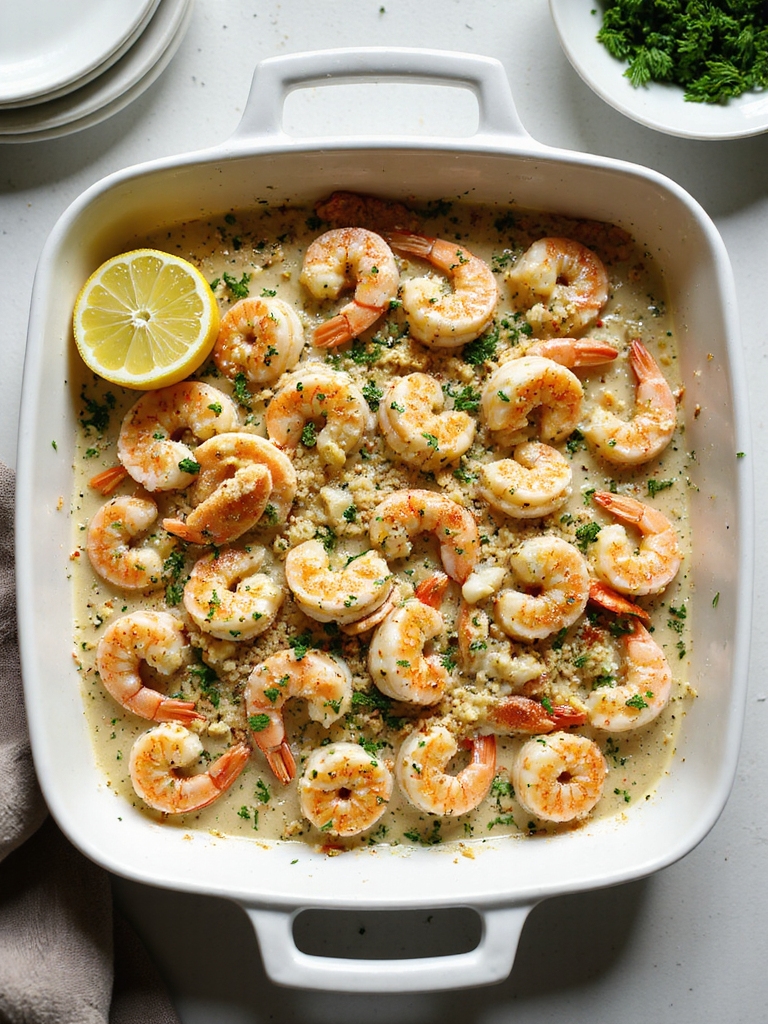
Garlicky Shrimp Pasta With Cherry Tomatoes
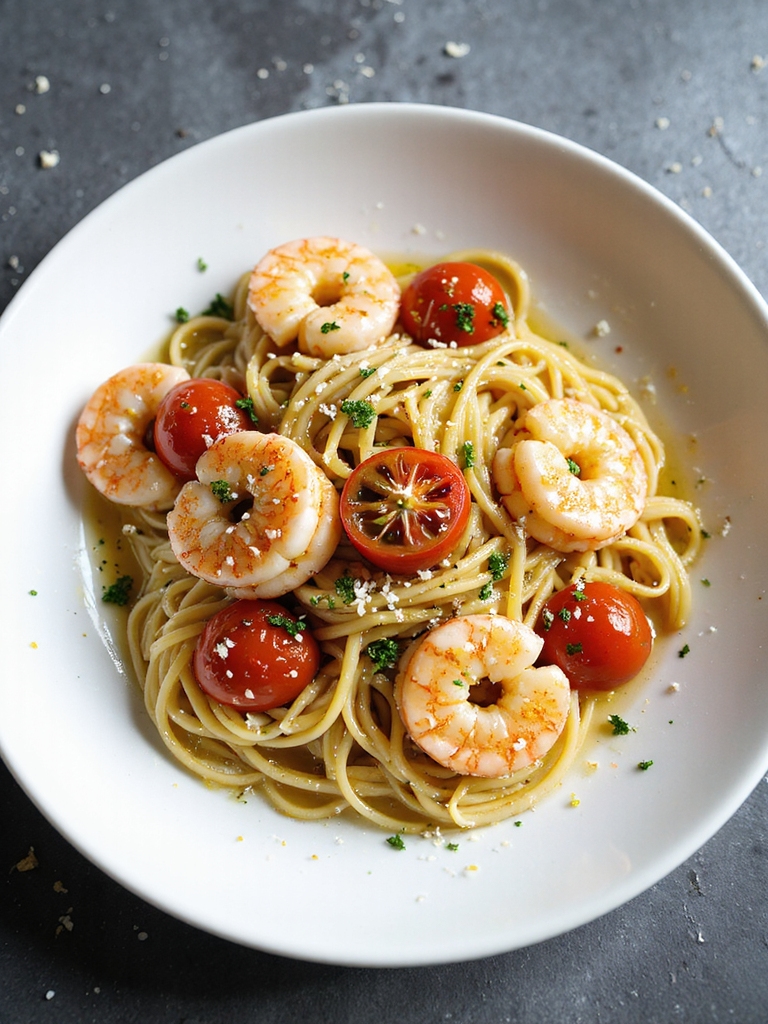
This garlicky shrimp pasta with cherry tomatoes is a quick, bright weeknight meal where plump shrimp are seared with lots of garlic and red pepper flakes, tossed with blistered cherry tomatoes and al dente spaghetti, and finished with lemon, parsley, and a drizzle of olive oil for a simple, satisfying dish that comes together in about 20 minutes.
- 8 oz spaghetti or linguine
- 1 lb large shrimp, peeled and deveined
- Kosher salt and freshly ground black pepper
- 3 tbsp olive oil, divided
- 4 cloves garlic, thinly sliced
- 1/2 tsp crushed red pepper flakes (adjust to taste)
- 12 oz cherry tomatoes, halved
- 1/4 cup dry white wine or reserved pasta water
- Zest and juice of 1 lemon
- 1/4 cup chopped fresh parsley
- 2 tbsp unsalted butter (optional)
- Grated Parmesan or Pecorino for serving (optional)
Bring a large pot of salted water to a boil and cook the pasta until just shy of al dente, reserving 1 cup pasta water.
Meanwhile heat 2 tablespoons olive oil in a large skillet over medium-high, season shrimp with salt and pepper and sear 1–2 minutes per side until just cooked, remove and set aside.
Add remaining oil to the pan, reduce heat to medium, add garlic and red pepper flakes and cook 30–45 seconds until fragrant.
Toss in cherry tomatoes and cook until blistered and softened, deglaze with white wine or 1/4 cup reserved pasta water, return shrimp to the pan with pasta, lemon zest and juice, parsley and butter if using, toss adding more pasta water as needed to create a silky sauce, adjust seasoning and serve with grated cheese.
Tip: Use very fresh or properly thawed shrimp and don’t overcook them—pull them from heat as soon as they turn opaque to keep them tender; also reserve pasta water to finish the sauce to the right consistency.
A great way to boost flavor is to finish the dish with a small drizzle of high-quality extra-virgin olive oil for enhanced richness.
Pan-Roasted Halibut With Caper Brown Butter
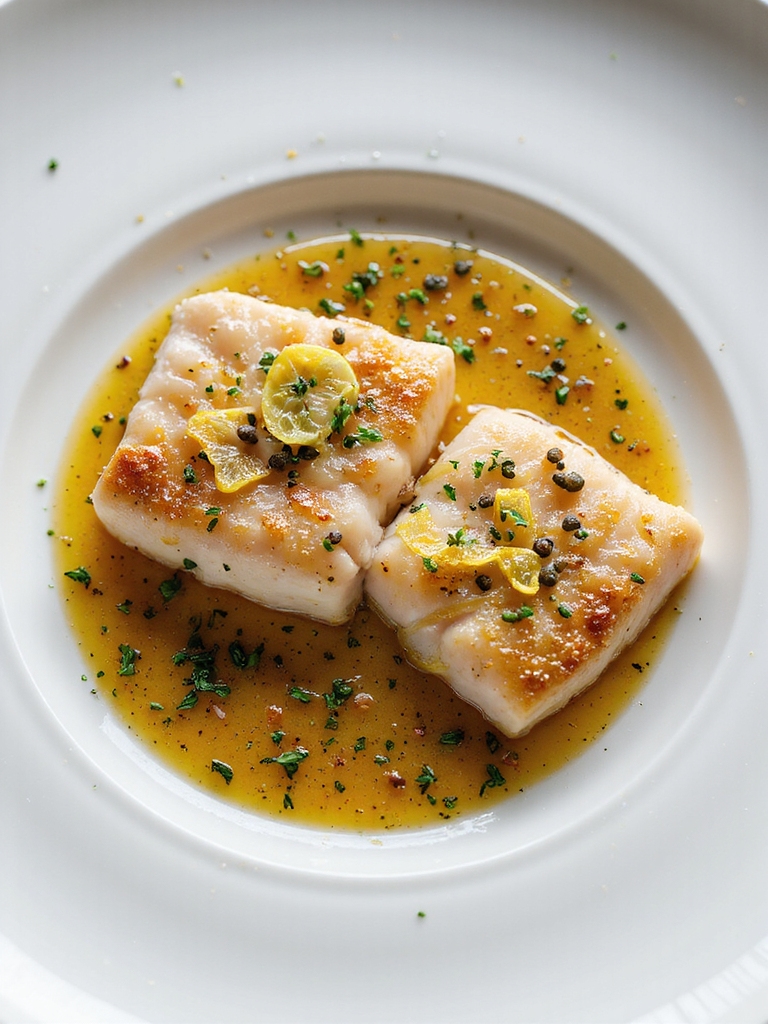
Pan-roasted halibut with caper brown butter is an elegant, quick weeknight or dinner-party main where firm, flaky halibut fillets are seared in a hot skillet for a golden crust then finished in the oven and topped with a nutty browned butter sauce studded with toasted capers and a squeeze of lemon to brighten the rich flavors.
- 1 1/2 lb halibut fillets (about 4 fillets, 6–8 oz each), skin removed or left on per preference
- Kosher salt and freshly ground black pepper
- 2–3 tbsp olive oil or neutral oil
- 4 tbsp unsalted butter
- 2 tbsp capers, rinsed and patted dry
- 1 small shallot, finely minced (optional)
- Zest and juice of 1 lemon
- 2 tbsp chopped fresh parsley
- Lemon wedges for serving
Preheat oven to 400°F (200°C); pat halibut dry, season both sides with salt and pepper, heat an oven-safe skillet over medium-high with oil until shimmering, sear fillets 2–3 minutes per side until golden, transfer skillet to oven and roast 4–6 minutes until just opaque and flake easily, remove fish to a warm plate.
Return skillet to medium heat, add butter and swirl until it foams and the milk solids turn golden brown, stir in minced shallot (if using) and capers to toast briefly, remove from heat and add lemon zest and juice, then spoon caper brown butter over halibut and sprinkle with parsley before serving.
Tip: Use very dry fish for a good sear, watch the butter closely as it can go from browned to burnt in seconds, and time the oven finish so the halibut is just opaque to avoid overcooking.
Halibut’s firm texture makes it one of the best choices for showcasing fresh Fish And Seafood in simple preparations.
Crispy Skin Arctic Char With Sautéed Spinach
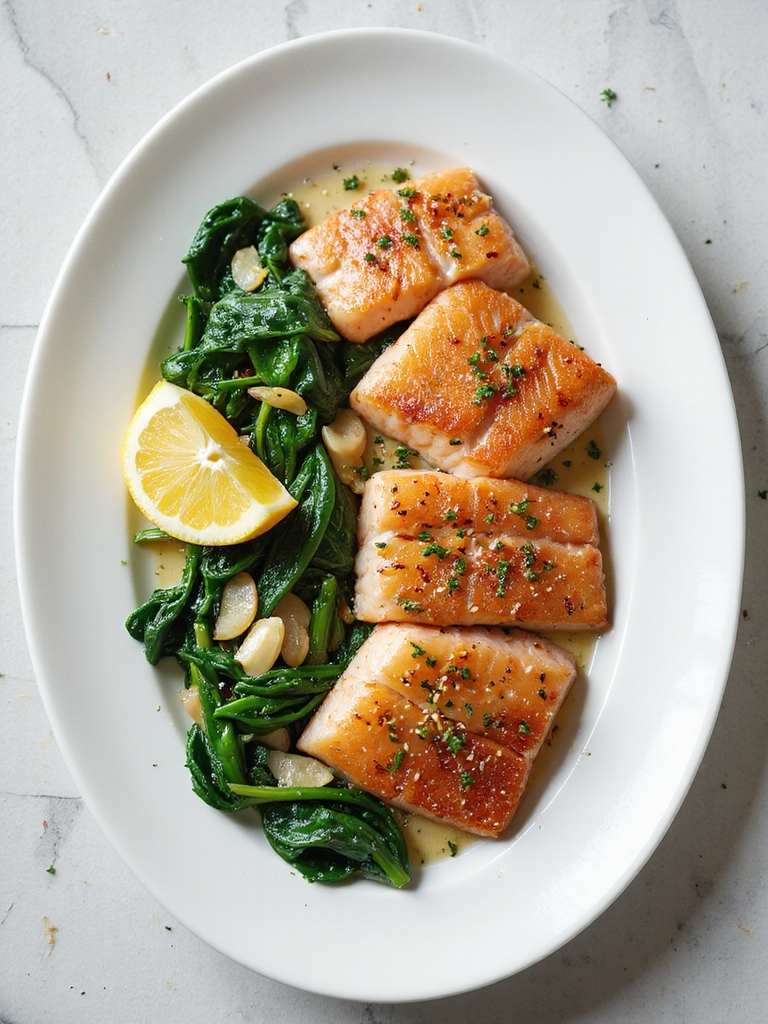
Crispy skin Arctic char with sautéed spinach is a simple, elegant weeknight dish that highlights the fish’s rich, salmon-like flavor and delicate texture; the skin is rendered until lusciously crisp while the flesh stays moist, and a quick garlic-lemon sauté of baby spinach provides a bright, tender green that complements the fish without overpowering it.
- 1 1/2 lb Arctic char fillets (about 3–4 fillets), skin on
- Kosher salt
- Freshly ground black pepper
- 2 tbsp olive oil
- 1 tbsp unsalted butter
- 2 cloves garlic, thinly sliced
- 10–12 oz baby spinach
- Zest and juice of 1 lemon
- Pinch of red pepper flakes (optional)
- 1–2 tbsp chopped fresh parsley
Pat the fish very dry and season skin and flesh with salt and pepper; heat a large nonstick or stainless-steel skillet over medium-high until hot, add oil and place fillets skin-side down pressing gently with a spatula for 20–30 seconds to prevent curling, cook undisturbed 5–7 minutes until skin is deeply golden and crisp and the edges are almost cooked, flip and cook 1–2 minutes more until just opaque in the center, transfer to a warm plate.
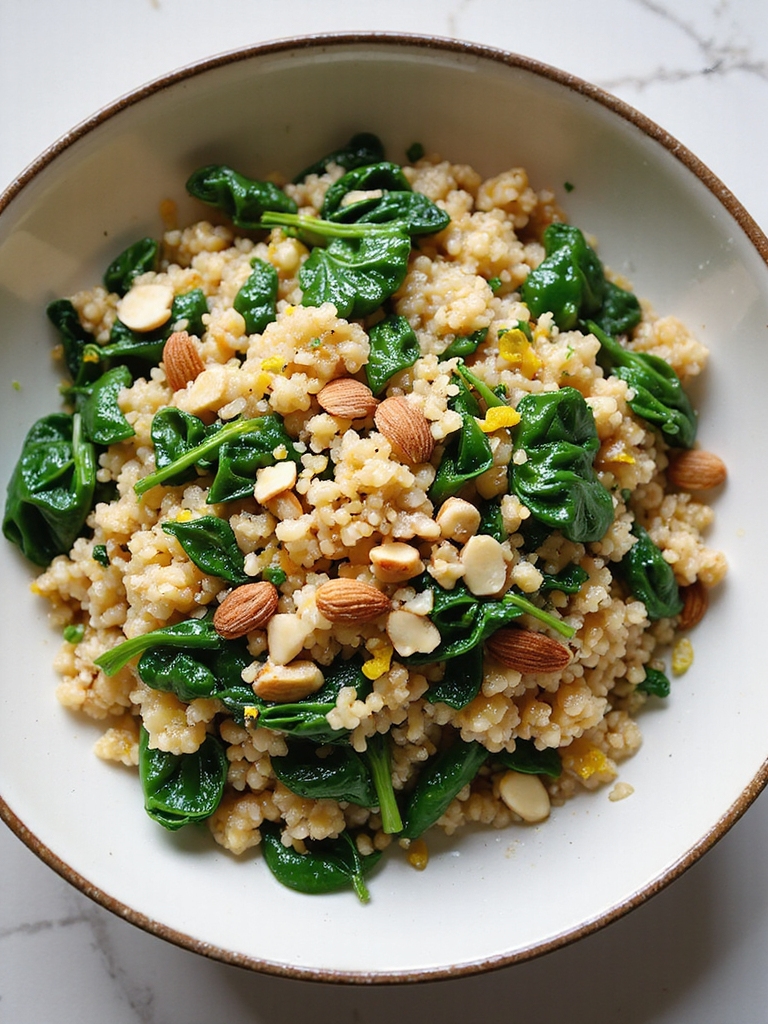
In the same skillet reduce heat to medium, add butter and sliced garlic and cook 30 seconds until fragrant, add spinach and red pepper flakes and toss until wilted, finish with lemon zest and juice and season to taste, then spoon the spinach alongside the crispy-skin char and garnish with parsley.
Tip: Use very dry, room-temperature fillets and a hot pan to achieve the crispiest skin, press the fish briefly when it first hits the pan to keep it flat, and avoid overcooking by removing the fillets when they’re still slightly translucent in the center as carryover will finish them.
Arctic char is a sustainably-minded alternative to other salmon-like fish and pairs especially well with simple preparations that highlight its flavor, such as pan-searing with a lemony sautéed green like baby spinach.
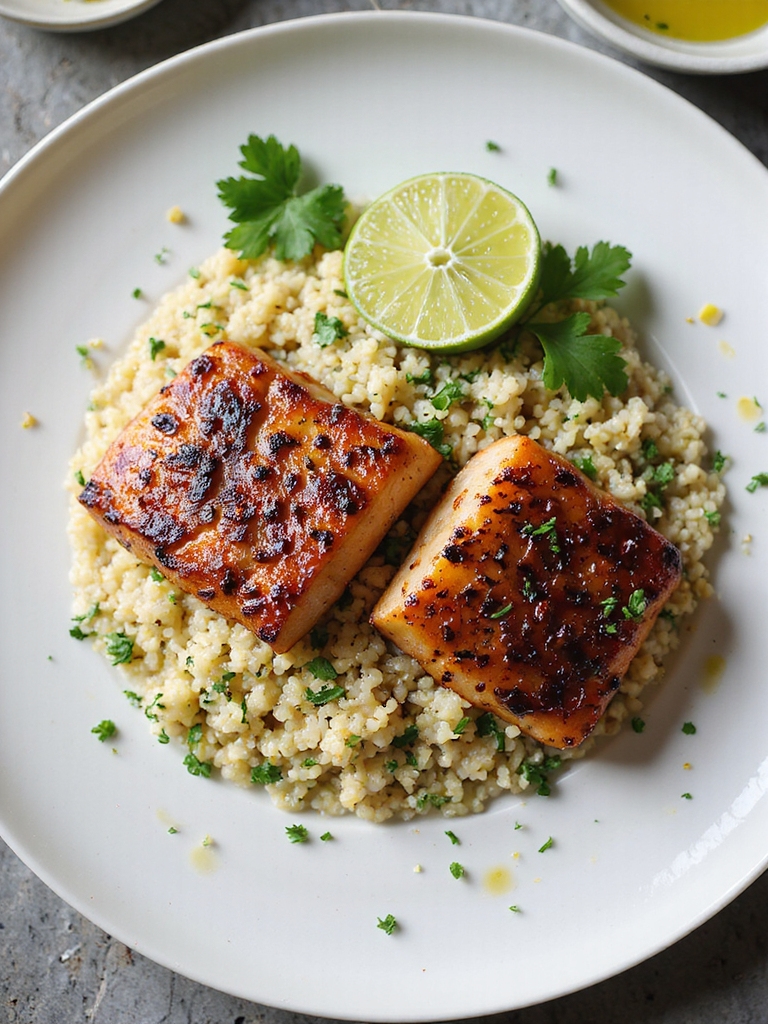
Coconut-Crusted Mahi Mahi With Mango Salsa
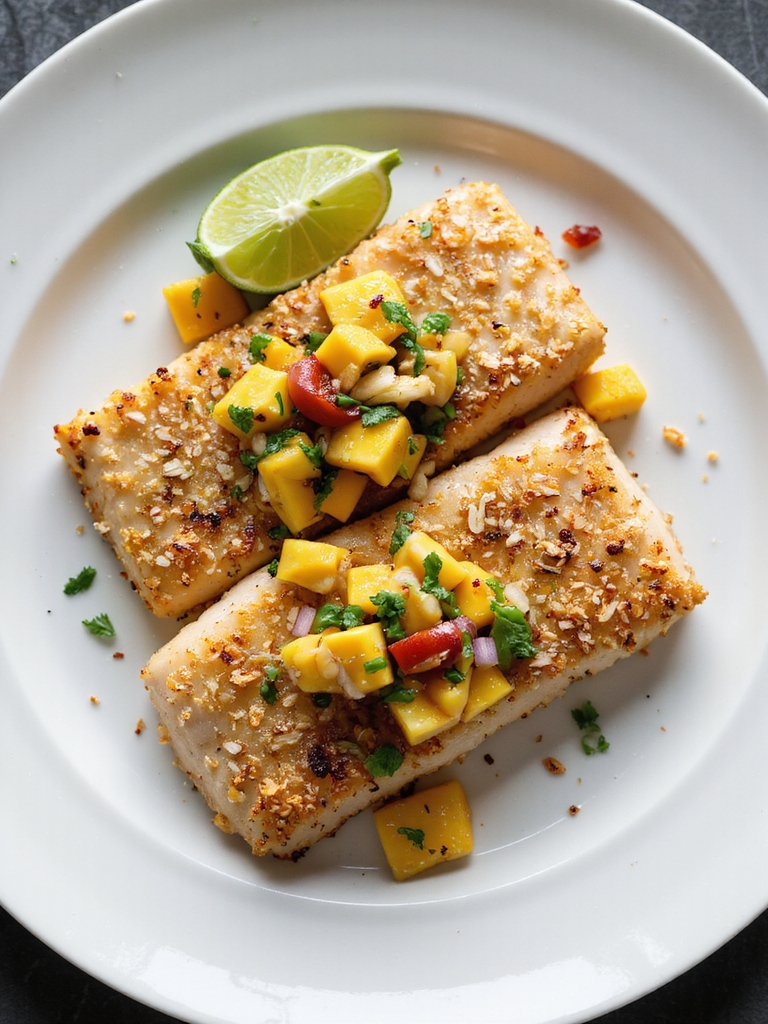
Coconut-crusted mahi mahi with mango salsa is a bright, tropical weeknight or dinner-party dish that pairs flaky, mild white fish with a crunchy coconut coating and a vibrant, slightly sweet-and-tangy mango salsa; the fish is quickly pan-seared or baked until the crust is golden and the flesh flakes easily while the fresh salsa of mango, red onion, lime, cilantro and jalapeño adds cooling contrast and bright acidity.
- 1 1/2 lb mahi mahi fillets (about 4 fillets), skinless or skin removed
- 1 cup shredded sweetened coconut
- 1/2 cup panko breadcrumbs
- 1/4 cup all-purpose flour
- 2 large eggs
- 2 tbsp milk or coconut milk
- 1 tsp kosher salt
- 1/2 tsp freshly ground black pepper
- 2 tbsp neutral oil (vegetable or canola) or coconut oil
- 1 ripe mango, diced
- 1/4 cup red bell pepper, finely diced
- 2 tbsp red onion, finely diced
- 1 small jalapeño, seeded and minced (optional)
- 2 tbsp chopped fresh cilantro
- Juice of 1 lime
- Pinch of salt and a pinch of sugar or honey (to taste)
Pat the fillets dry and season with salt and pepper, set up three shallow bowls with flour, beaten eggs mixed with milk, and the coconut-panko mixture combined; press each fillet into flour, dip into egg, then coat firmly with the coconut-panko, chilling briefly if needed to set the crust, then heat oil in a large skillet over medium heat and cook 3–4 minutes per side until golden and cooked through (or bake at 425°F/220°C on a parchment-lined sheet for 10–12 minutes).
Meanwhile toss mango, bell pepper, red onion, jalapeño, cilantro, lime juice, salt and a touch of sugar to make the salsa and let sit 10 minutes to meld, serve the mahi mahi topped with mango salsa.
Tip: Use slightly sweetened shredded coconut for best color and quick toasting, press the crust firmly and chill briefly before cooking to help it adhere, cook over medium heat to brown without burning the coconut and finish in a hot oven if thickness requires. This recipe is a great example of the kind of easy seafood recipes that bring big flavor with minimal fuss.
Broiled Cod With Parmesan-Panko Crust
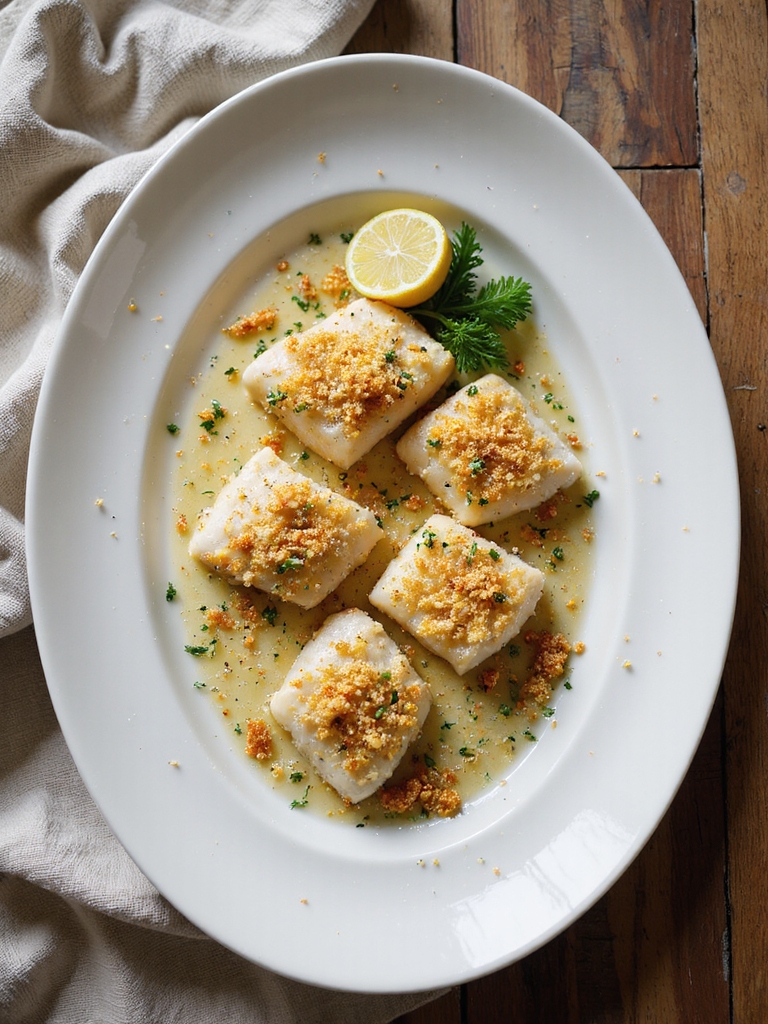
Broiled cod with a Parmesan-panko crust is a quick, elegant weeknight or dinner-party main that delivers tender flaky fish topped with a crisp, golden topping; the cod fillets are lightly seasoned, coated with a mixture of Parmesan, panko, herbs and lemon zest, then broiled briefly until bubbling and brown for a textured contrast that pairs beautifully with a simple salad or roasted vegetables.
- 1 1/2 lb cod fillets (4 portions), skinless
- 3/4 cup panko breadcrumbs
- 1/2 cup freshly grated Parmesan cheese
- 2 tbsp unsalted butter, melted
- 2 tbsp olive oil
- Zest of 1 lemon
- 1 tbsp lemon juice
- 1 tbsp chopped fresh parsley
- 1 tsp Dijon mustard
- 1/2 tsp garlic powder
- 1/2 tsp kosher salt
- 1/4 tsp freshly ground black pepper
- Optional: pinch of red pepper flakes
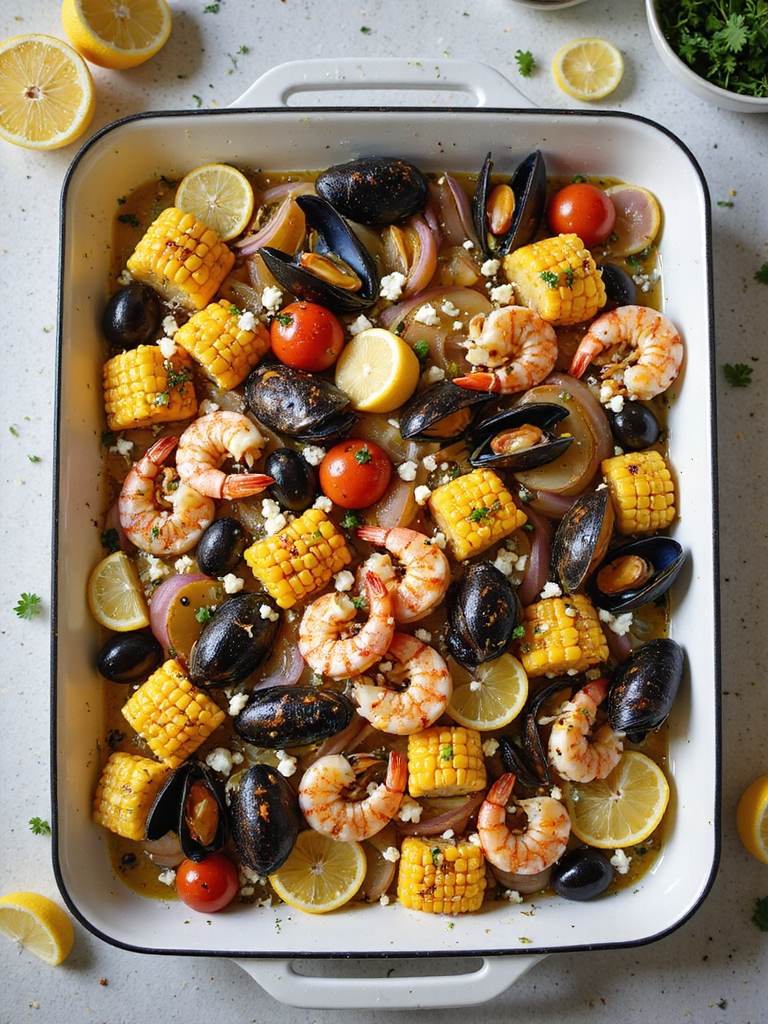
Preheat the broiler and position a rack 6–8 inches from the heat source; pat cod dry, season lightly with salt and pepper, and place on a foil-lined baking sheet brushed with oil, then mix panko, Parmesan, lemon zest, garlic powder, parsley, melted butter, olive oil, Dijon and lemon juice until crumbly and press the mixture evenly onto the top of each fillet, broil 6–8 minutes until the crust is golden and the fish flakes easily (thicker fillets may need an extra 1–2 minutes), remove and let rest 2 minutes before serving. A seafood bake can be an effortless way to feed a crowd and showcase a variety of shellfish and fish in one dish, making it ideal for gatherings and family-style meals with deliciously simple results.
Tip: Watch closely under the broiler as crusts can brown quickly; for even cooking, use similar-thickness fillets and finish thicker pieces under a hot oven (425°F/220°C) for a few minutes if the crust browns before the center is opaque.
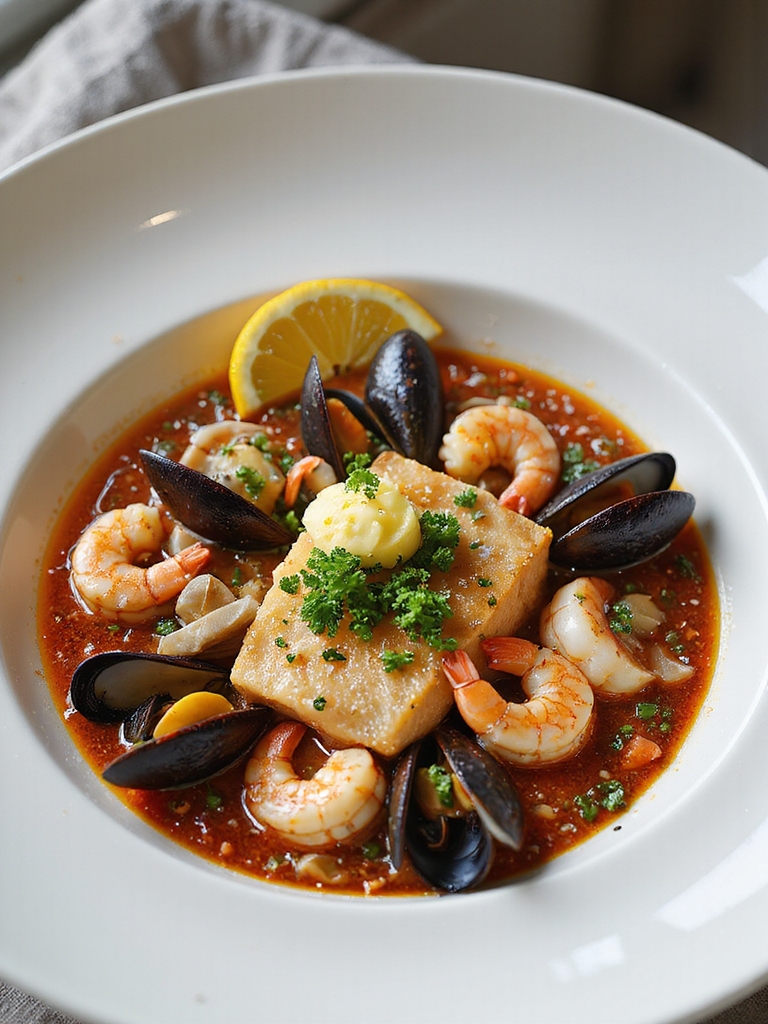
Seafood Paella With Saffron Rice
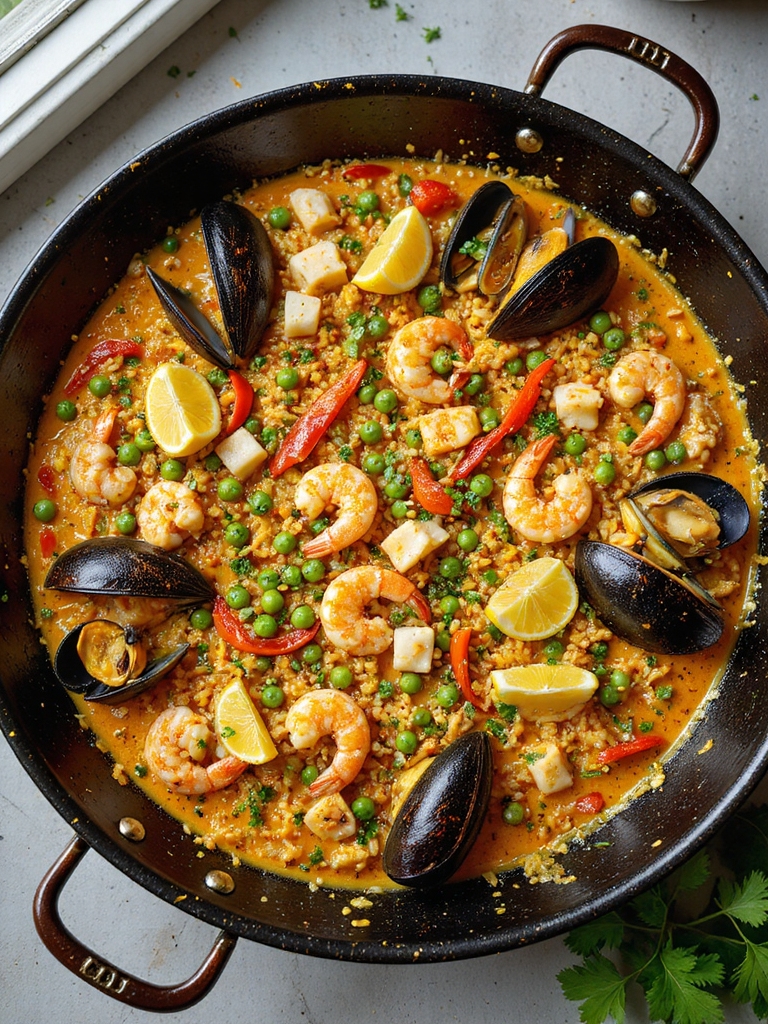
A vibrant seafood paella with saffron rice brings together a fragrant sofrito, toasted short-grain rice steeped with saffron, smoky paprika, and a mix of mussels, clams, shrimp, and firm white fish for a dramatic one-pan dinner; it’s finished with peas, roasted red pepper strips, lemon wedges, and chopped parsley for color and brightness.
- 2 cups bomba or short-grain rice (such as Arborio)
- 1/2 tsp saffron threads, crushed and soaked in 3 tbsp warm stock
- 4 cups seafood stock or low-sodium chicken stock, hot
- 1/2 cup dry white wine
- 1 lb mixed shellfish (mussels and clams), cleaned and debearded
- 1/2 lb large shrimp, peeled and deveined (tails optional)
- 1/2 lb firm white fish (cod, halibut), cut into 1–2″ chunks
- 3 tbsp olive oil
- 1 small onion, finely chopped
- 1 red bell pepper, diced (plus strips for garnish)
- 1 tomato, finely chopped (or 1/2 cup canned crushed tomato)
- 3 cloves garlic, minced
- 1 tsp smoked paprika
- 1/4 tsp cayenne (optional)
- 1 cup frozen peas
- Salt and freshly ground black pepper, to taste
- Lemon wedges and chopped parsley for garnish
Heat the paella pan or a large heavy skillet over medium-high heat and add olive oil, sauté the onion, diced red pepper, and garlic until softened, stir in the chopped tomato, smoked paprika and rice to toast briefly, pour in the white wine and let it reduce slightly then add the hot stock and the saffron with its soaking liquid, season with salt and pepper and simmer without stirring over medium-low heat for about 10 minutes;
nestle the shellfish, shrimp, and fish into the rice, continue to cook until the rice is tender and the liquid is absorbed (another 8–12 minutes), add peas in the last few minutes, cover with a lid or foil for 5 minutes off the heat to finish steaming, uncover and let rest 5 minutes, garnish with roasted pepper strips, parsley and lemon wedges and serve straight from the pan.
Tip: Use hot stock and avoid stirring after adding liquid to develop the socarrat (crispy bottom), add seafood according to cooking times so nothing overcooks and adjust seasoning at the end.
Paella is traditionally cooked in a wide, shallow pan to encourage even cooking and develop the crispy socarrat that many cooks prize.
Thai-Inspired Coconut Shrimp Curry
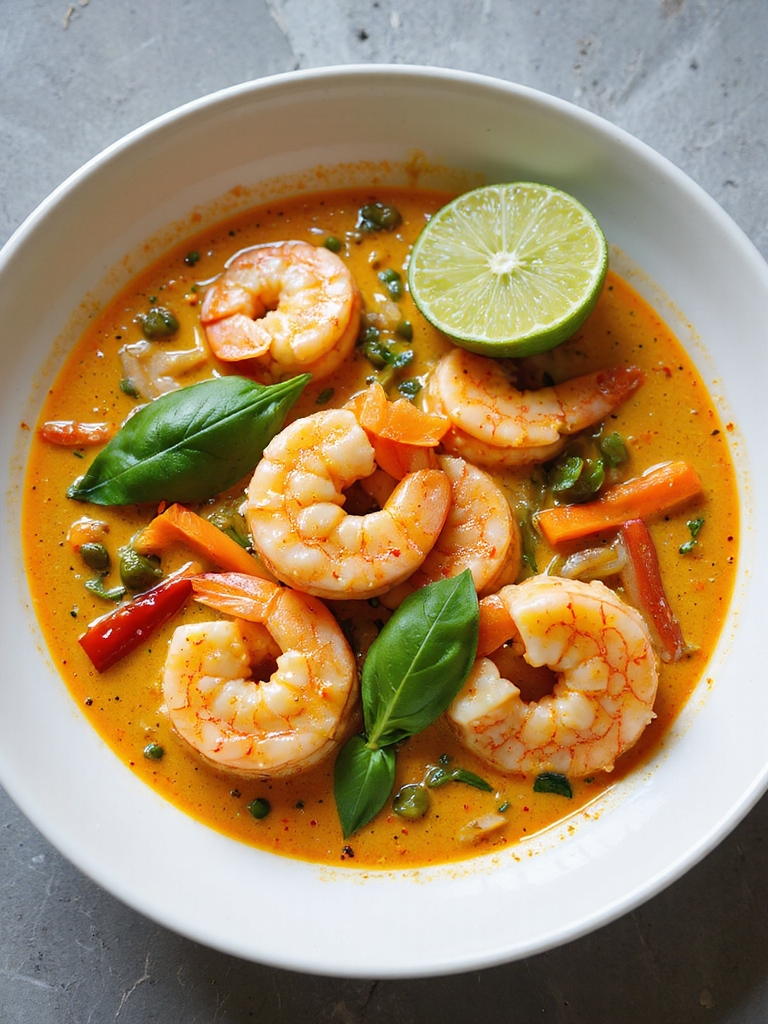
A vibrant Thai-inspired coconut shrimp curry combines tender shrimp simmered in a fragrant coconut milk base infused with red curry paste, lime, fish sauce, and aromatics like lemongrass and ginger; finish with bell peppers, Thai basil, and a squeeze of lime for brightness and serve over jasmine rice or rice noodles for a quick, satisfying weeknight meal.
- 1 lb large shrimp, peeled and deveined
- 1 tbsp vegetable oil or coconut oil
- 2 tbsp red curry paste
- 1 can (14 oz) coconut milk
- 1/2 cup low-sodium chicken or seafood stock
- 1 tbsp fish sauce
- 1 tbsp brown sugar or palm sugar
- 1 tbsp lime juice
- 1 stalk lemongrass, bruised and cut into pieces (or 1 tsp lemongrass paste)
- 1-inch piece fresh ginger, thinly sliced
- 2 cloves garlic, minced
- 1 red bell pepper, thinly sliced
- 1 small carrot, julienned (optional)
- 1/2 cup Thai basil leaves (or cilantro)
- Salt and freshly ground black pepper, to taste
- Cooked jasmine rice or rice noodles, to serve
Heat the oil in a large skillet or wok over medium heat and sauté the lemongrass, ginger, and garlic until fragrant (about 1 minute), stir in the red curry paste and cook 30 seconds to bloom the spices, add the coconut milk, stock, fish sauce, and sugar and bring to a gentle simmer, add the bell pepper and carrot and simmer 3–4 minutes until slightly tender, add the shrimp and cook 2–4 minutes until just opaque, stir in lime juice and basil, adjust seasoning with salt or extra fish sauce, then serve immediately over jasmine rice or noodles.
Tip: Use peeled, deveined shrimp and add them at the end to avoid overcooking; taste and balance the curry with fish sauce, sugar, and lime to achieve the classic sweet-salty-sour Thai flavor. This recipe is a great example of how seafood recipes can elevate your dinner plans and fit into a collection of Delicious Seafood Dishes.
Grilled Lobster Tails With Garlic-Herb Butter
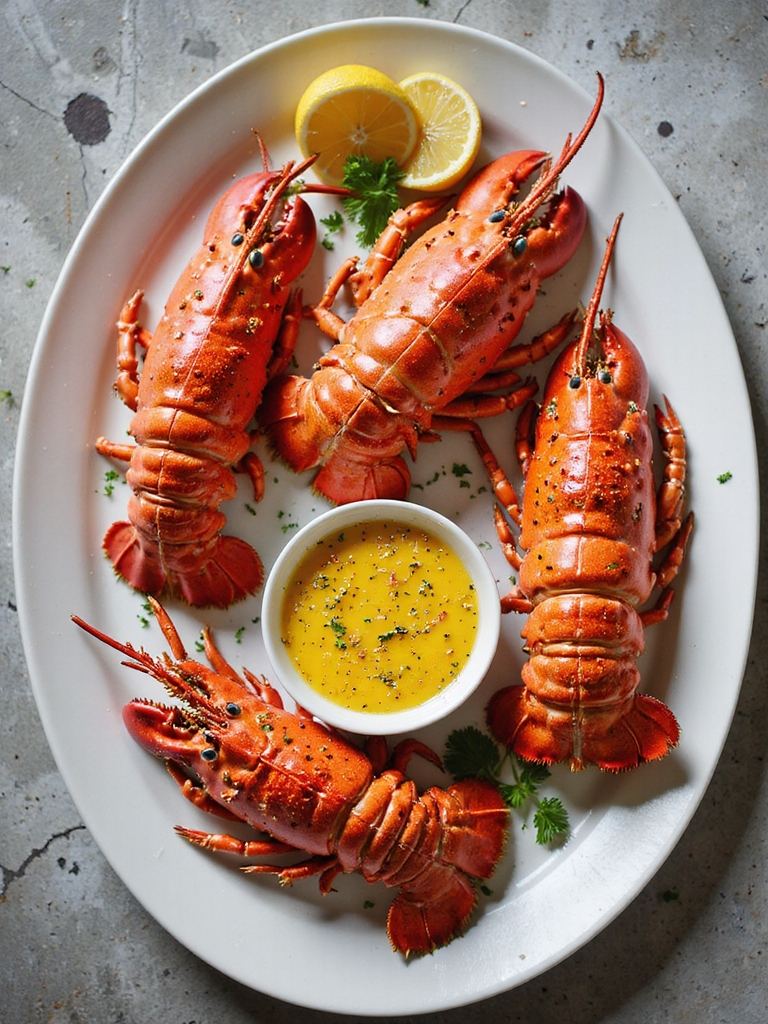
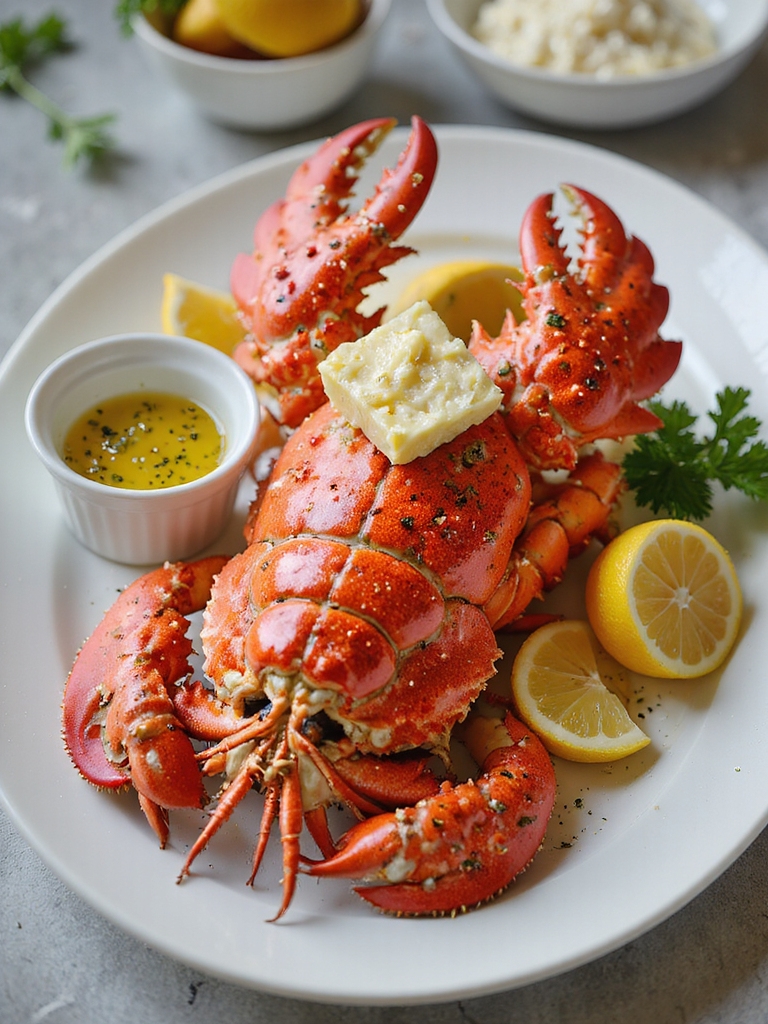
Grilled lobster tails with garlic-herb butter are an elegant but surprisingly simple seafood dinner: split lobster tails, brush with a fragrant butter infused with garlic, lemon, parsley, and a touch of paprika, then grill until the meat is opaque and slightly charred at the edges for a rich, smoky finish; serve with extra melted butter and lemon wedges for dipping alongside a light salad or grilled vegetables.
- 4 lobster tails (6–8 oz each)
- 6 tbsp unsalted butter, softened
- 2 cloves garlic, minced
- 2 tbsp fresh parsley, finely chopped
- 1 tsp lemon zest
- 1 tbsp lemon juice
- 1/4 tsp smoked paprika (or regular paprika)
- Salt and freshly ground black pepper, to taste
- 1 tbsp olive oil
- Lemon wedges, for serving
Preheat your grill to medium-high (about 400°F/200°C), use kitchen shears to cut down the top shell of each lobster tail and pry the meat up to rest on top of the shell (but keep it attached at the base); brush shells with olive oil and season lightly with salt and pepper.
Combine butter, garlic, parsley, lemon zest, lemon juice, paprika, and a pinch of salt, spread most of the garlic-herb butter over the exposed lobster meat, grill flesh-side down for 2–3 minutes to get char marks then flip and grill shell-side down for another 4–6 minutes until meat is opaque and registers 135–140°F, basting once with remaining butter before serving.
Tip: Use live-frozen or fresh lobster tails, don’t overcook—remove from grill at 135–140°F as carryover heat brings them to perfect doneness—and reserve extra melted garlic-herb butter for dipping.
For a complete seafood dinner party, consider pairing your lobster with other simple seafood dishes and sides to create a cohesive menu that highlights Delicious Seafood Ideas and complements the rich flavors of the lobster.