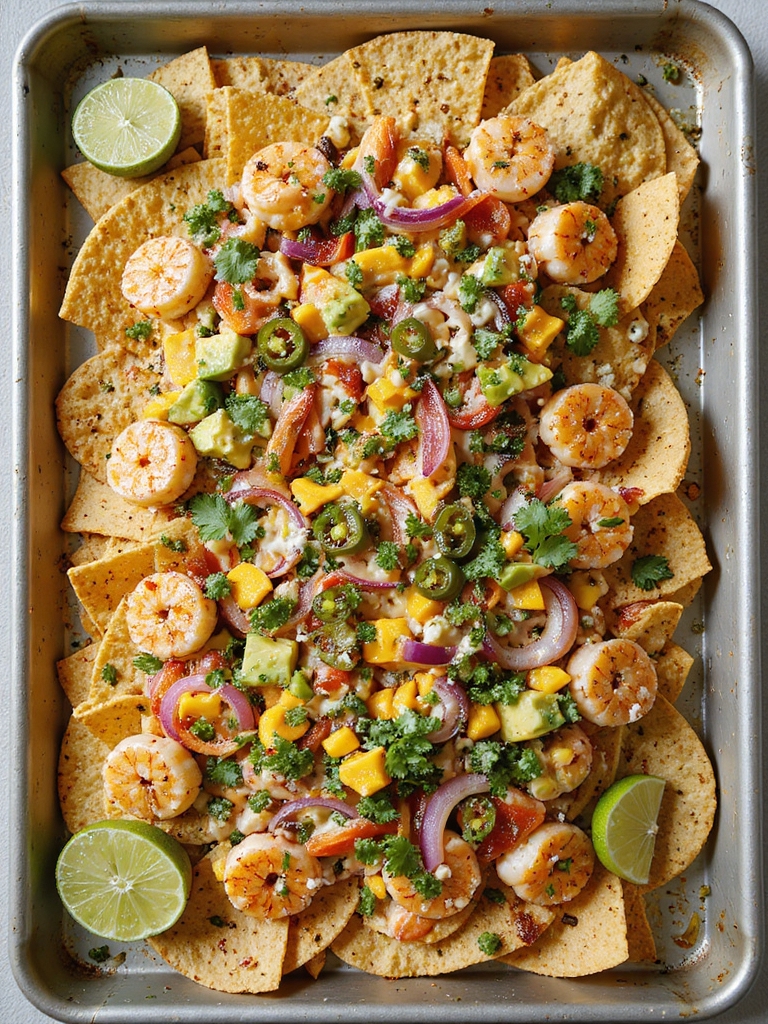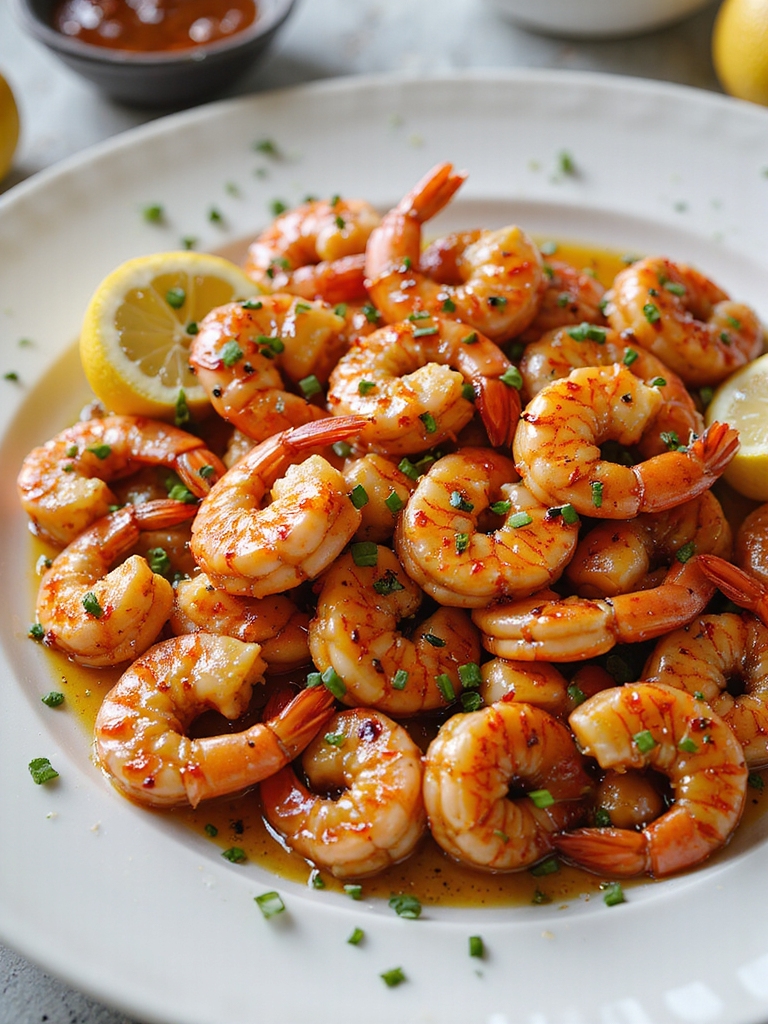
When it comes to seafood dishes that truly steal the spotlight, I can’t help but be enchanted by the delicate flavors and visual allure they offer. Imagine the elegant simplicity of a Scallop Carpaccio or indulge in the creamy decadence of Lobster Thermidor.
Each dish carries not only the taste of the sea but also the charm of its culinary heritage. Are you ready to explore these ocean-inspired masterpieces and discover your new favorite on this fascinating journey?
Scallop Carpaccio: A Delicate Ocean Symphony
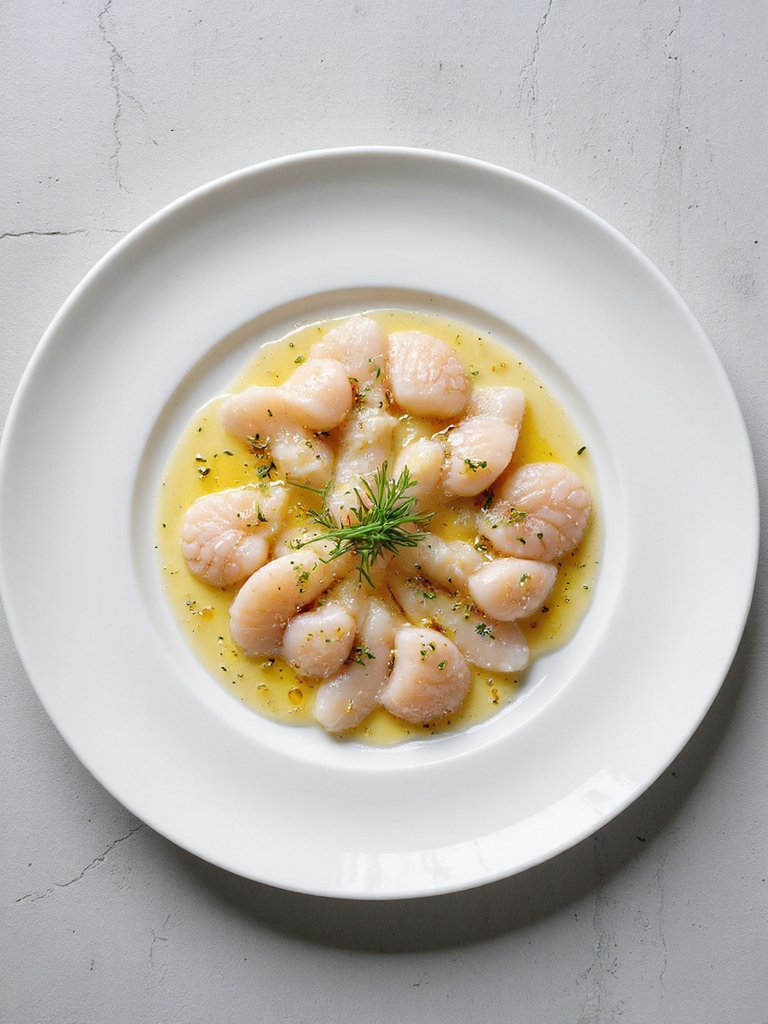
Scallop Carpaccio is a refined dish that highlights the natural flavors of fresh scallops, capturing the essence of the ocean on a plate. This no-cook recipe is perfect for those who appreciate the delicate balance and subtlety in seafood, enhanced by a simple yet flavorful accompaniment of citrus and herbs. It’s a demonstration of the elegance of minimalism in culinary creations, offering a revitalizing and light starter that appeals to both the eyes and the palate. Additionally, seafood is known for being rich in healthy omega-3 fatty acids, contributing to overall health and well-being.
- 8 fresh sea scallops
- 1 lemon, juiced
- 1 lime, juiced
- 2 tablespoons extra-virgin olive oil
- Sea salt to taste
- Freshly ground black pepper to taste
- 2 tablespoons finely chopped fresh chives
- Microgreens for garnish
To prepare the Scallop Carpaccio, start by thinly slicing the scallops into even slices and arrange them on a chilled plate. Drizzle the lemon and lime juice over the scallop slices, guaranteeing they are evenly coated. Top with olive oil, sprinkle sea salt, black pepper, and chives, then garnish with microgreens for a final touch before serving.
For the freshest taste, use scallops sourced from a reliable fishmonger to guarantee quality. Adjust the citrus juice and olive oil proportions based on the scallop volume to prevent overpowering their delicate taste.
Lobster Thermidor: A French Classic Reimagined
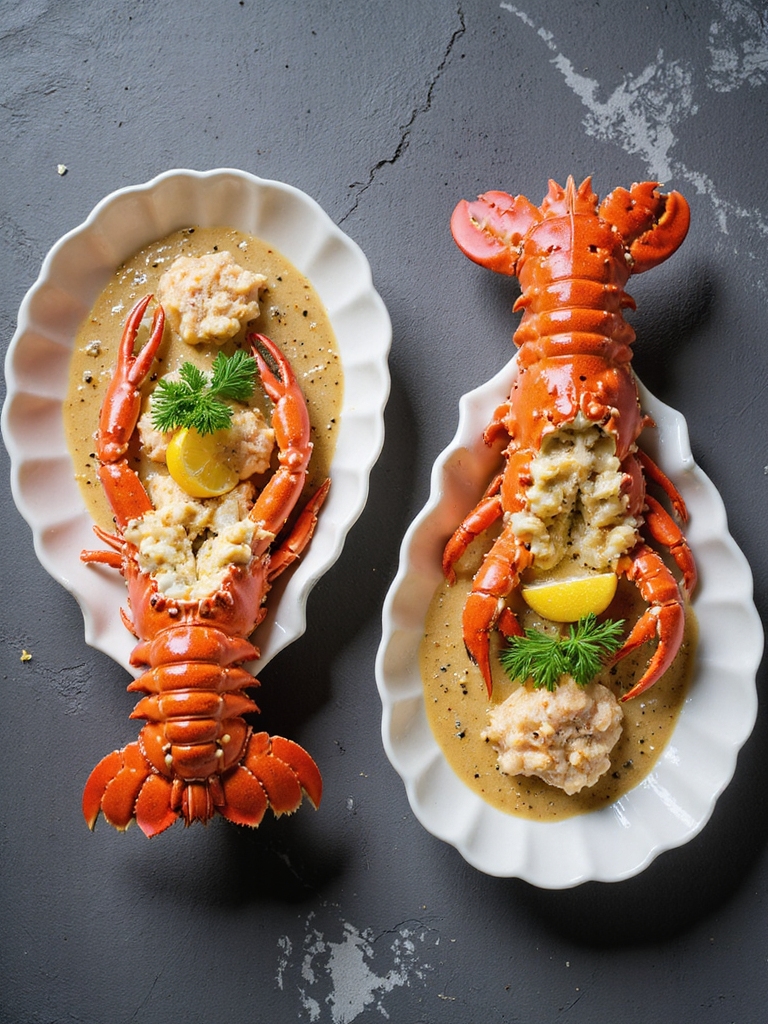
Lobster Thermidor is a luxurious French seafood dish that combines the richness of lobster meat with a creamy mustard and cheese sauce, all baked to a golden perfection in the lobster shell. The reinterpretation of this classic offers a decadent yet approachable experience, perfect for a special occasion or a sophisticated dinner party. The harmonious blend of flavors makes this dish both a feast for the senses and a demonstration of the timelessness of French culinary tradition. Additionally, seafood dish recipes provide a wide range of options to impress your guests.
- 2 whole lobsters
- 1 cup heavy cream
- 1/2 cup Gruyère cheese, grated
- 2 tablespoons Dijon mustard
- 3 tablespoons butter
- 1 shallot, finely chopped
- 1/4 cup white wine
- Salt to taste
- Freshly ground black pepper to taste
- 2 teaspoons lemon juice
Boil the lobsters until cooked, extract the meat, and preserve the shells. In a saucepan, melt butter, sauté shallot, add wine, and reduce. Stir in cream, mustard, cheese, lobster meat, season, and fill shells. Bake until bubbly and browning at the edges.
Use live lobsters for the best flavor and texture, ensuring they’re cooked thoroughly. Avoid overbaking to maintain tenderness by watching closely to achieve a light golden crust.
Peruvian Ceviche: A Citrusy And Refreshing Delight
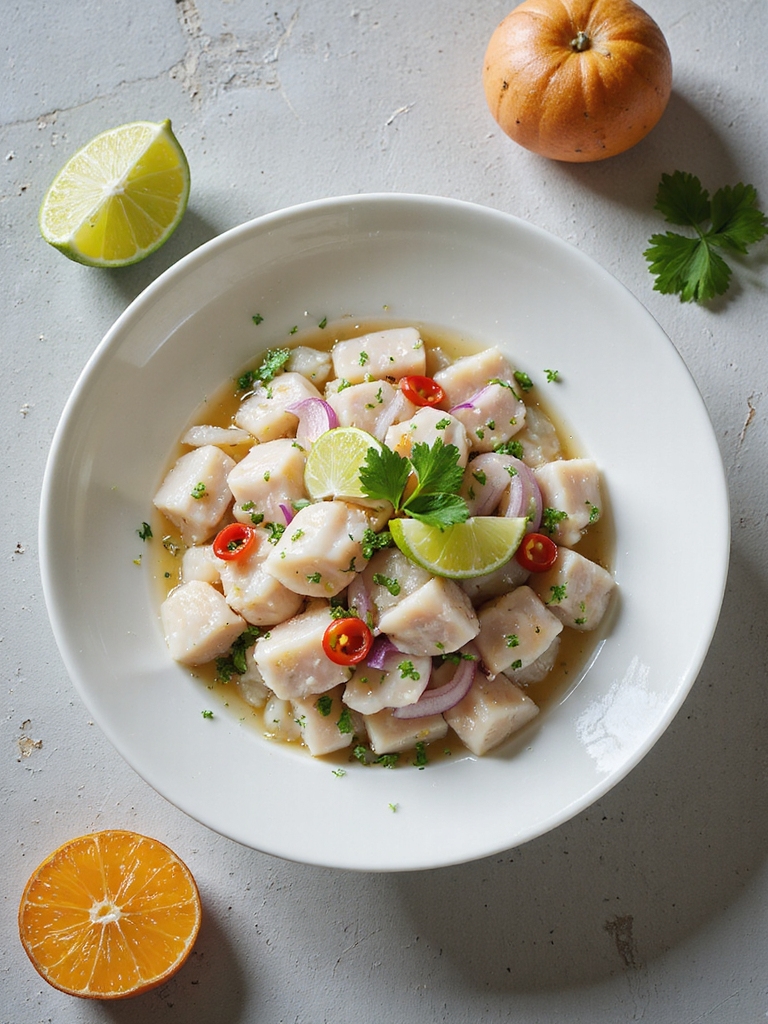
Peruvian Ceviche is a vibrant and rejuvenating seafood dish that features raw fish marinated in freshly squeezed lime juice, which “cooks” the fish with its acidity. This dish is typically served with sliced onions, chopped cilantro, and a hint of chili, creating a zesty and invigorating experience that is perfect for a light lunch or appetizer. The delicate balance of flavors showcases the bright citrus notes that are a hallmark of Peruvian cuisine.
- 1 pound fresh white fish fillets (such as sea bass or tilapia)
- 1 cup freshly squeezed lime juice
- 1 medium red onion, thinly sliced
- 1 fresh chili pepper, seeded and minced
- 1/4 cup fresh cilantro, chopped
- Salt to taste
Cut the fish into small cubes and place in a bowl; pour lime juice over the fish and marinate for 15-20 minutes until opaque. Add onion, chili, cilantro, and salt, mixing well, then serve immediately, accompanied by sweet potato slices or corn for traditional pairing.
Use the freshest fish available for the best flavor; ceviche is best made the same day it’s consumed. Adjust the amount of chili to your heat preference, and if not serving immediately, chill ingredients separately to combine just before dining to maintain ideal freshness.
Grilled Octopus: Mediterranean Elegance On A Plate
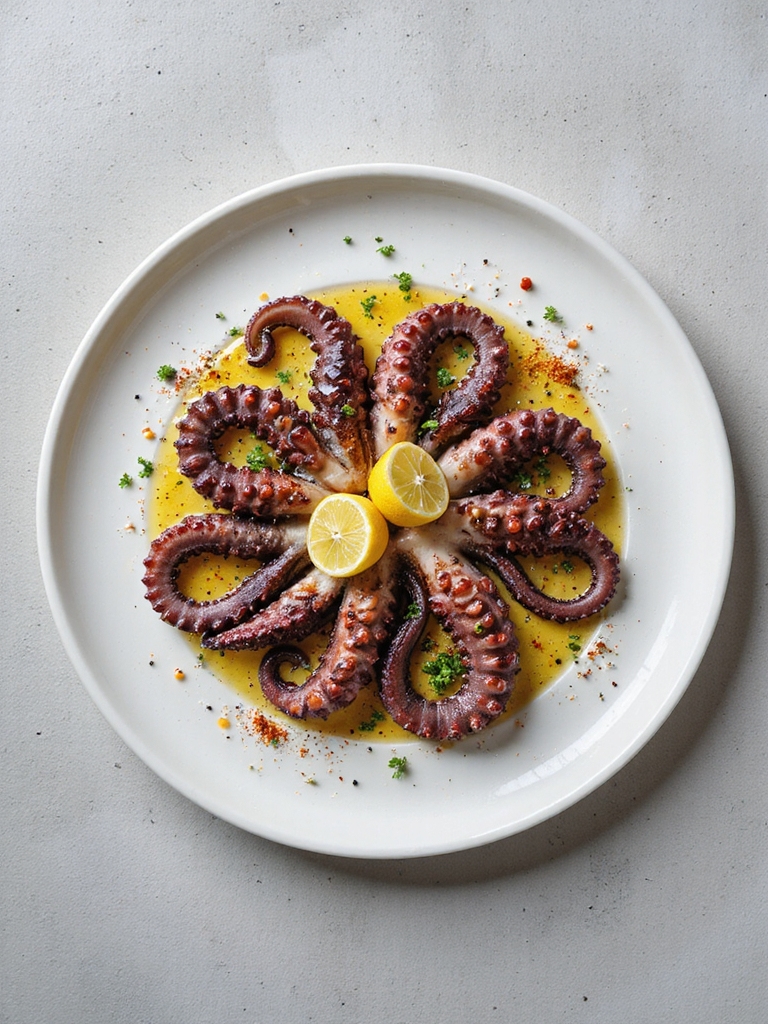
Grilled Octopus is a culinary delight that brings the Mediterranean to your plate with its tender, smoky, and slightly charred flavors. This sophisticated dish is often accompanied by a hint of lemon and olive oil, capturing the essence of coastal dining. To achieve the perfect texture, the octopus is simmered until tender before being finished on the grill, resulting in a beautifully crisp and flavorful exterior. Serve it as an elegant appetizer or a stunning main course that transports diners to the sunny shores of the Mediterranean.
- 2 pounds octopus, cleaned
- 2 lemons
- 3 tablespoons olive oil
- 4 cloves garlic, minced
- 1 teaspoon paprika
- Salt and pepper to taste
Start by boiling the octopus in a large pot of salted water with one lemon sliced in half for 45-60 minutes until tender. Remove and let cool, then cut into pieces, tossing with olive oil, minced garlic, paprika, salt, and pepper. Grill the seasoned octopus on high heat for 3-4 minutes per side until charred and smokey, squeezing fresh lemon juice over before serving.
For the best results, make sure to tenderize the octopus by boiling it thoroughly. Grilling time may vary based on thickness, so monitor closely to prevent overcooking. Opt for a hot grill to achieve a nice char while keeping the interior succulent.
Bouillabaisse: A Hearty And Flavorful French Stew
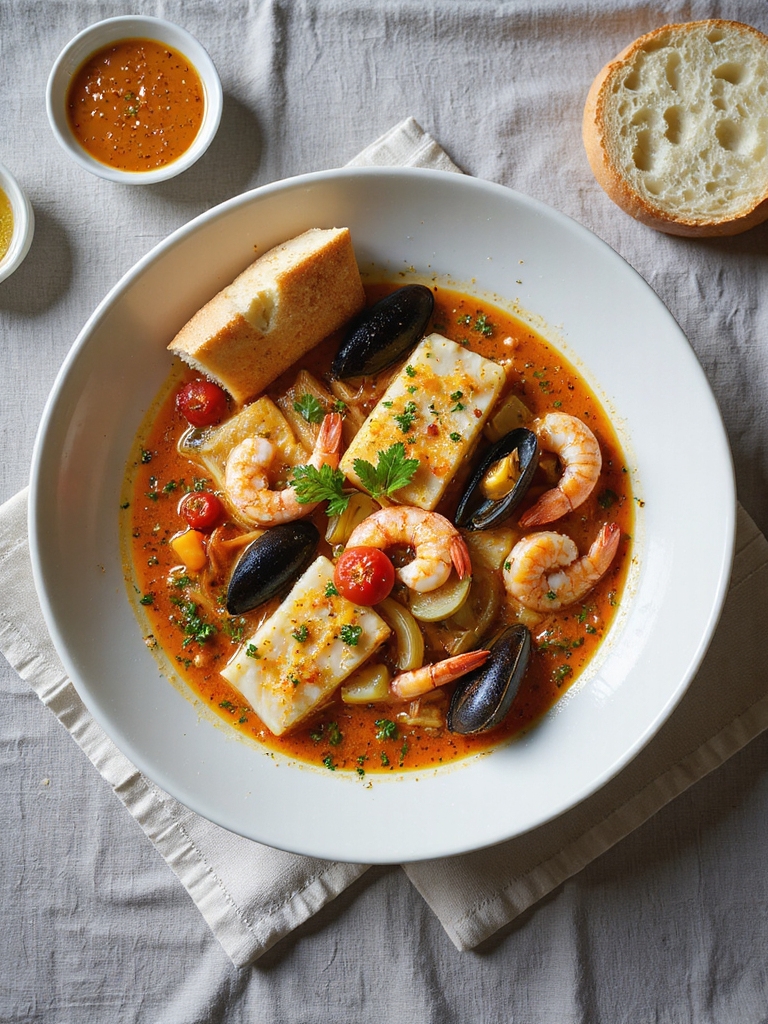
Bouillabaisse is a traditional French seafood stew, renowned for its rich flavors and aromatic broth. Originating from the port city of Marseille, this hearty dish combines a variety of fresh fish and shellfish with Provençal herbs and spices. A bouquet of saffron, garlic, and fennel infuses the base, while plump tomatoes and white wine contribute to a distinctive depth. Typically served with crusty bread and a dollop of rouille, bouillabaisse is both a rustic and elegant presentation that showcases the bounty of the sea. The hearty seafood stew is perfect for cozy nights and gatherings.
- 1 pound white fish fillets (such as cod or snapper)
- 1 pound mussels, cleaned
- 1 pound shrimp, peeled and deveined
- 1/2 cup olive oil
- 1 onion, chopped
- 4 cloves garlic, minced
- 2 tomatoes, chopped
- 2 cups fish stock
- 1 cup white wine
- 1 teaspoon saffron threads
- 1 teaspoon fennel seeds
- Salt and pepper to taste
In a large pot, heat olive oil over medium heat, adding onions and garlic to sauté until translucent. Add tomatoes, saffron, fennel seeds, and white wine, cooking for a few minutes. Pour in fish stock, bring to a simmer, add fish, shrimp, and mussels, and cook until mussels open and fish is opaque, about 5-7 minutes.
To enhance the flavor, use fresh seafood and verify the mussels are tightly closed before cooking. The dish can be adapted with available seafood, and serving it with a homemade rouille creates the authentic French experience.
Sushi And Sashimi: The Art Of Japanese Raw Fish
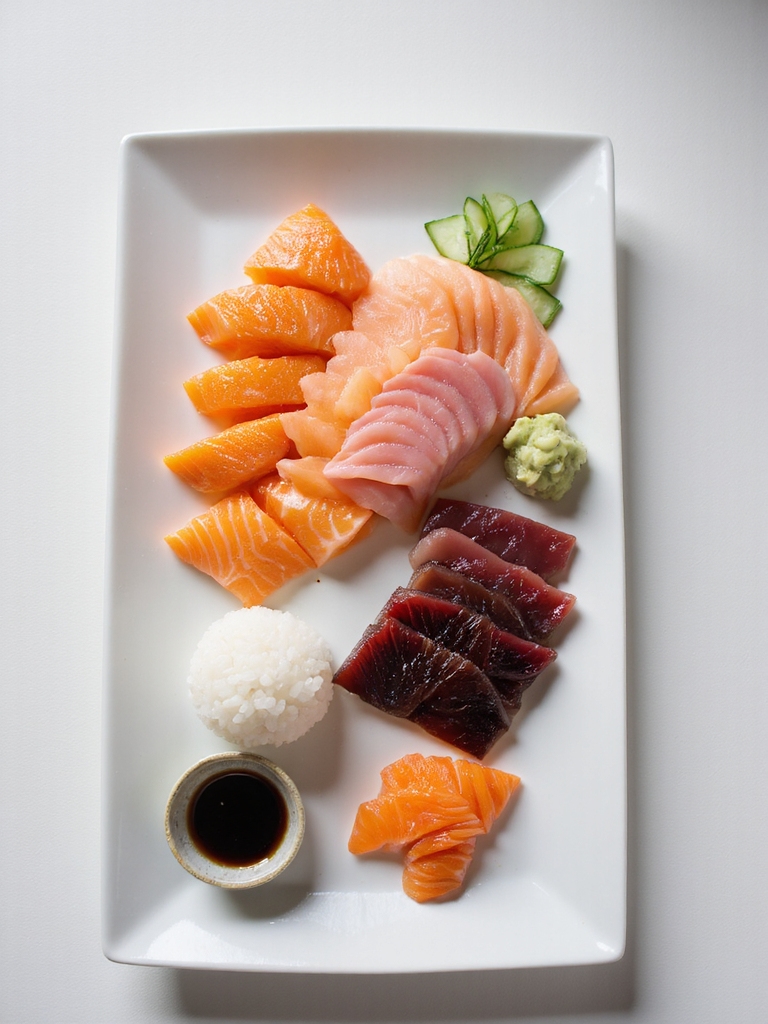
Sushi and sashimi represent the pinnacle of Japanese culinary artistry, focusing on the natural taste and texture of raw fish. Sushi combines vinegared rice with various toppings, including raw fish, vegetables, and seaweed, while sashimi showcases thinly sliced raw fish served without rice. The key to creating exceptional sushi and sashimi lies in selecting high-quality, fresh seafood and balancing flavors with precise knife skills and presentation. Enhancing the experience are traditional accompaniments such as soy sauce, wasabi, and pickled ginger, each adding depth to these elegant dishes that celebrate the purity and freshness of the ingredients. Additionally, it’s important to note that seafood paella is another exquisite dish that highlights the variety and flavors of fresh seafood.
- Sushi rice
- Rice vinegar
- Sugar
- Salt
- Fresh fish (such as tuna or salmon)
- Wasabi
- Soy sauce
- Pickled ginger
To prepare sushi rice, rinse it thoroughly under cold water and cook according to package instructions. Season the cooked rice with a mixture of rice vinegar, sugar, and salt, and let it cool to room temperature. Slice your fresh fish into thin, even pieces and shape the sushi rice into small ovals, placing the fish on top to form nigiri or arranging alongside for sashimi.
Ensure your knife is sharp to maintain clean cuts and respect the fish. Always refrigerate your seafood until use and consume raw fish as soon as possible to assure freshness and flavor conservation.
Crab Cakes: Crispy Shells Filled With Juicy Flavors
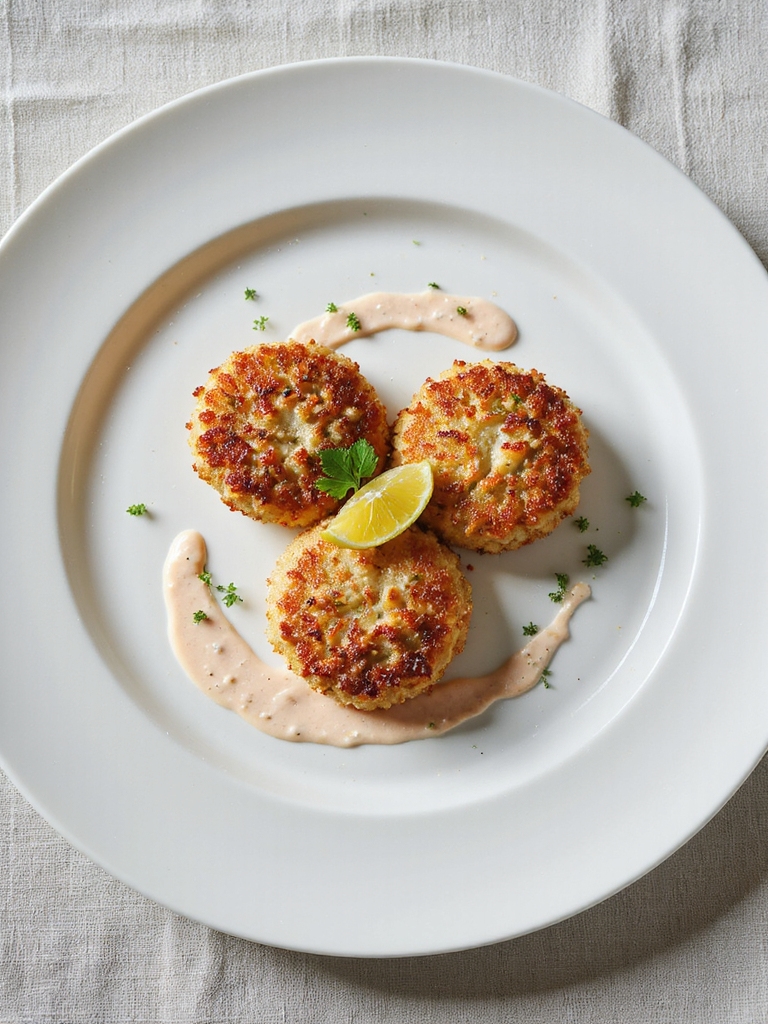
Crab cakes are a delicious seafood dish known for their crispy exterior and juicy, flavorful interior. Ideal for any meal, these cakes blend fresh crab meat with a mix of spices and binders, ensuring a savory taste with every bite. Achieving the perfect balance of flavors involves choosing quality crab meat and adding just enough seasoning to enhance, but not overpower, the natural sweetness of the crab. Pair them with a tangy sauce or a fresh salad for a delightful experience. Additionally, delicious seafood dishes can elevate any dining occasion.
- Fresh crab meat
- Breadcrumbs
- Mayonnaise
- Dijon mustard
- Egg
- Worcestershire sauce
- Lemon juice
- Salt
- Pepper
- Vegetable oil
In a large bowl, mix crab meat with breadcrumbs, mayonnaise, Dijon mustard, egg, Worcestershire sauce, lemon juice, salt, and pepper until well combined. Shape the mixture into patties and chill them for about an hour to help them hold their shape. Heat vegetable oil in a skillet over medium heat, then add the crab cakes and cook until golden brown on each side, about 3-4 minutes.
For the best result, avoid over-mixing to maintain the crab’s texture and use minimal breadcrumbs to keep the cakes light. A quick chill in the refrigerator will firm them up, making them easier to handle during cooking.
Oysters Rockefeller: A Robust Yet Luxurious Starter
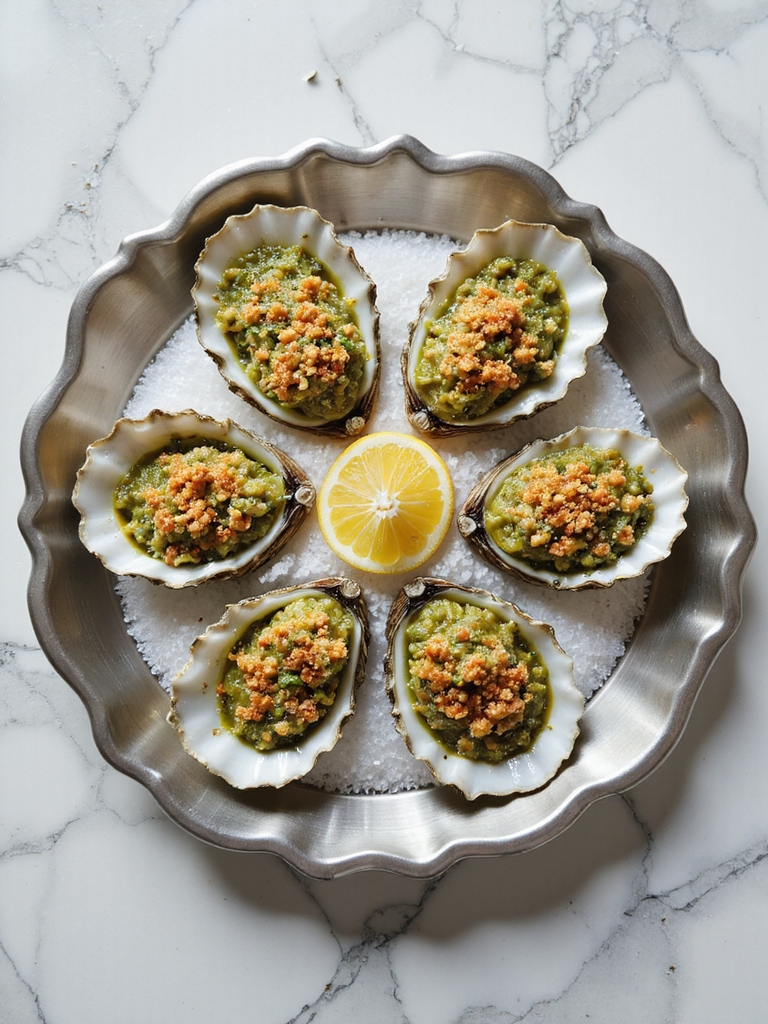
Oysters Rockefeller is a classic seafood appetizer known for its rich flavors and elegant presentation. This dish features oysters topped with a mixture of butter, green herbs, and breadcrumbs, then baked to perfection. Its robust flavor profile is both luxurious and satisfying, making it a perfect starter for special occasions. Traditionally, the topping includes ingredients like spinach, parsley, and other greens, which complement the briny taste of the oysters. In addition to being a delightful starter, this dish pairs wonderfully with delicious seafood sauce that can enhance the overall dining experience.
- Fresh oysters
- Unsalted butter
- Fresh spinach
- Fresh parsley
- Garlic
- Breadcrumbs
- Pernod or anise-flavored liqueur
- Salt
- Pepper
- Lemon wedges
Preheat the oven to 400°F (200°C). Melt butter in a pan, then sauté minced garlic, spinach, and parsley until wilted. Add breadcrumbs, Pernod, salt, and pepper, and cook for another minute. Arrange oysters in their shells on a baking sheet, evenly distribute the mixture over each, and bake for 8-10 minutes until bubbly.
For best results, use fresh oysters that have been properly cleaned. Guarantee a balanced topping to avoid overpowering the oysters and serve them warm with a squeeze of lemon for added brightness.
Fish Tacos: A Fusion Of Mexican Tradition And Freshness
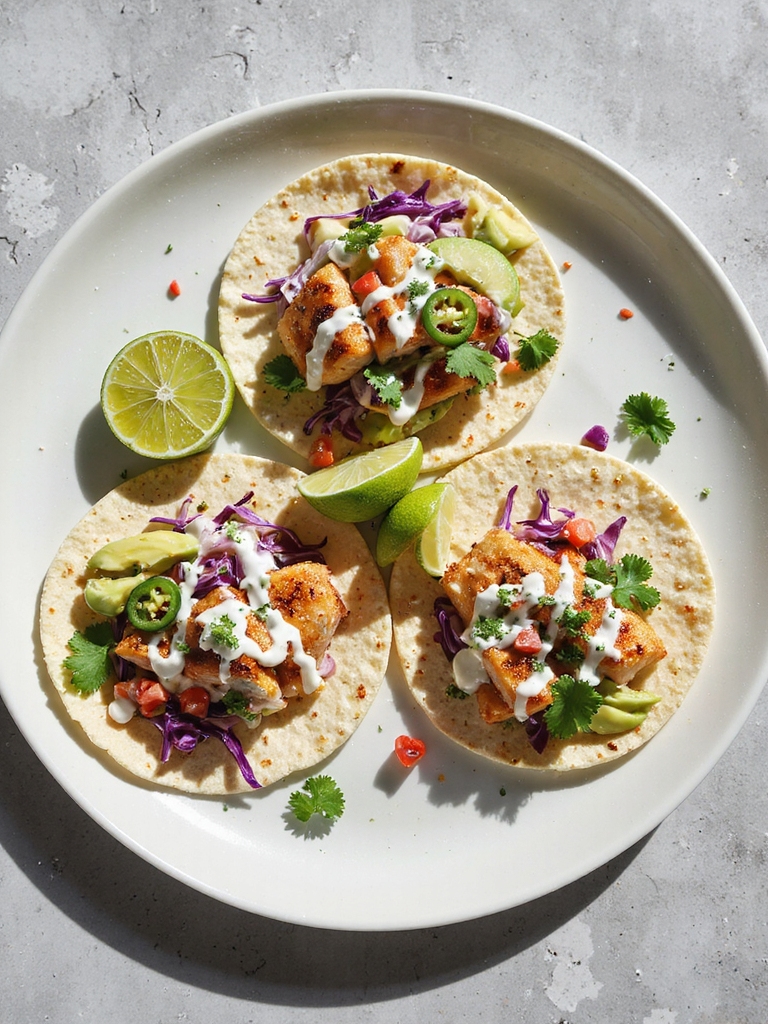
Fish tacos are a delightful blend of vibrant Mexican flavors and the fresh taste of the sea, offering a revitalizing dining experience. Traditionally, soft corn tortillas cradle pieces of seasoned, grilled or battered fish, which are garnished with a mix of fresh vegetables or a tangy slaw, topped with a spicy or citrusy sauce to enhance the flavor. Paired with a squeeze of lime, this dish brings a burst of freshness and zest, perfect for casual gatherings or beachside meals.
- White fish fillets (such as cod or tilapia)
- Corn tortillas
- Olive oil
- Lime
- Cabbage slaw
- Avocado
- Tomato
- Red onion
- Jalapeño
- Cilantro
- Mayonnaise
- Sour cream
- Chili powder
- Garlic powder
- Salt
- Pepper
To prepare, season the fish with chili powder, garlic powder, salt, and pepper, then grill or pan-sear in olive oil until cooked through. Warm the corn tortillas in a separate pan, then fill them with slices of cooked fish, cabbage slaw, diced avocado, tomato, red onion, and jalapeño. Drizzle with a sauce made from mixing mayonnaise, sour cream, lime juice, salt, and pepper, and garnish with cilantro and a lime wedge for serving.
For best results, use fresh fish fillets and avoid overcooking to keep them tender and moist. Confirm tortillas are warmed to bring out their natural flavor and pliability, enhancing the overall taco experience. Including a refreshing seafood salad alongside your fish tacos can elevate the meal and please your guests.
Salmon Gravlax: Scandinavian Simplicity And Flavor
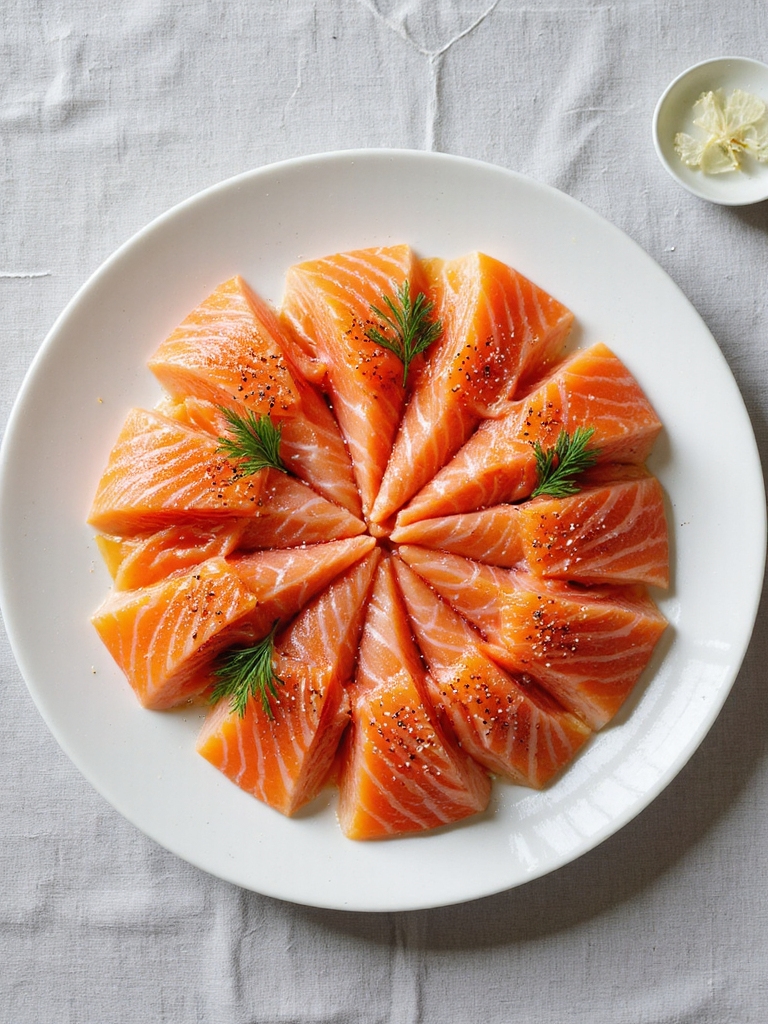
Salmon gravlax is a classic Scandinavian dish that combines the pure taste of salmon with the aromatic notes of dill and subtle earthiness of spices. This cured delicacy is made by marinating fresh salmon in a mixture of salt, sugar, and sometimes additional spices, like pepper or coriander, and then garnished with fresh dill. Gravlax showcases the simplicity of fresh ingredients and time-honored preservation techniques, creating a dish that’s elegant yet wonderfully simple to prepare.
- Salmon fillet, skin-on
- Sea salt
- Granulated sugar
- Fresh dill
- Black peppercorns
Combine sea salt, granulated sugar, and crushed black peppercorns. Generously coat the salmon fillet with this mixture and a layer of fresh dill on both sides. Wrap tightly in plastic wrap and refrigerate, weighing it down with a heavy object, for 2-3 days, turning the salmon every 12 hours.
Ensure to use high-quality, fresh salmon for the best results, and adjust curing time according to your preferred taste and texture. Always slice the gravlax thinly against the grain for the most tender experience.
Paella: A Spanish Celebration Of Seafood And Rice
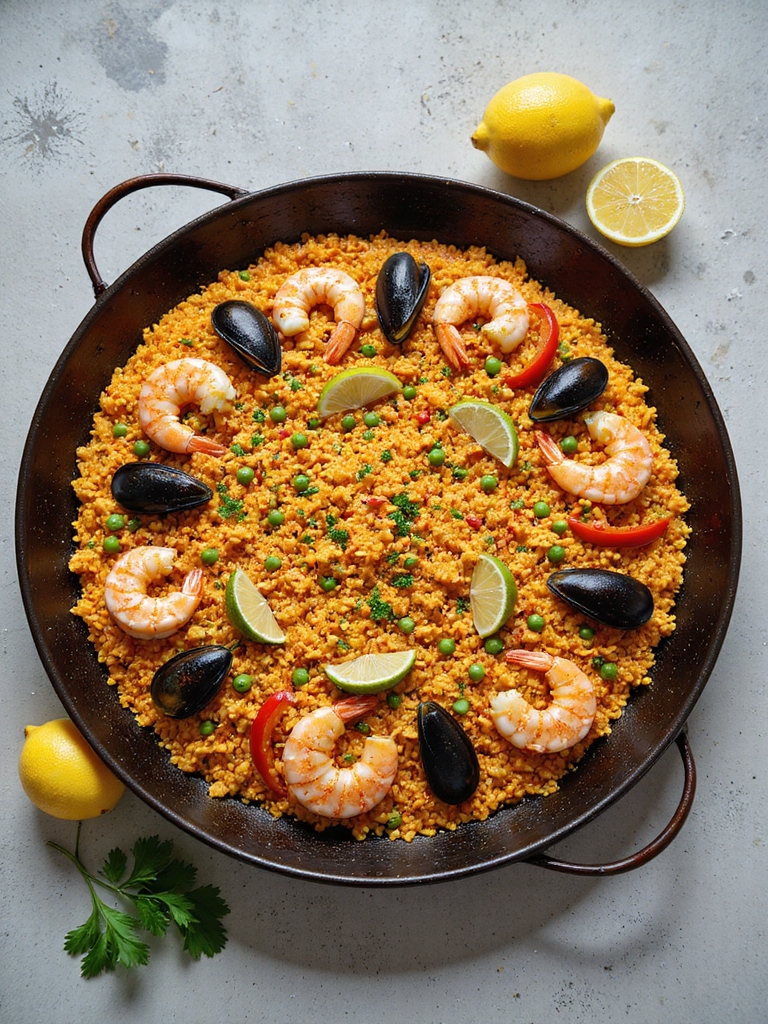
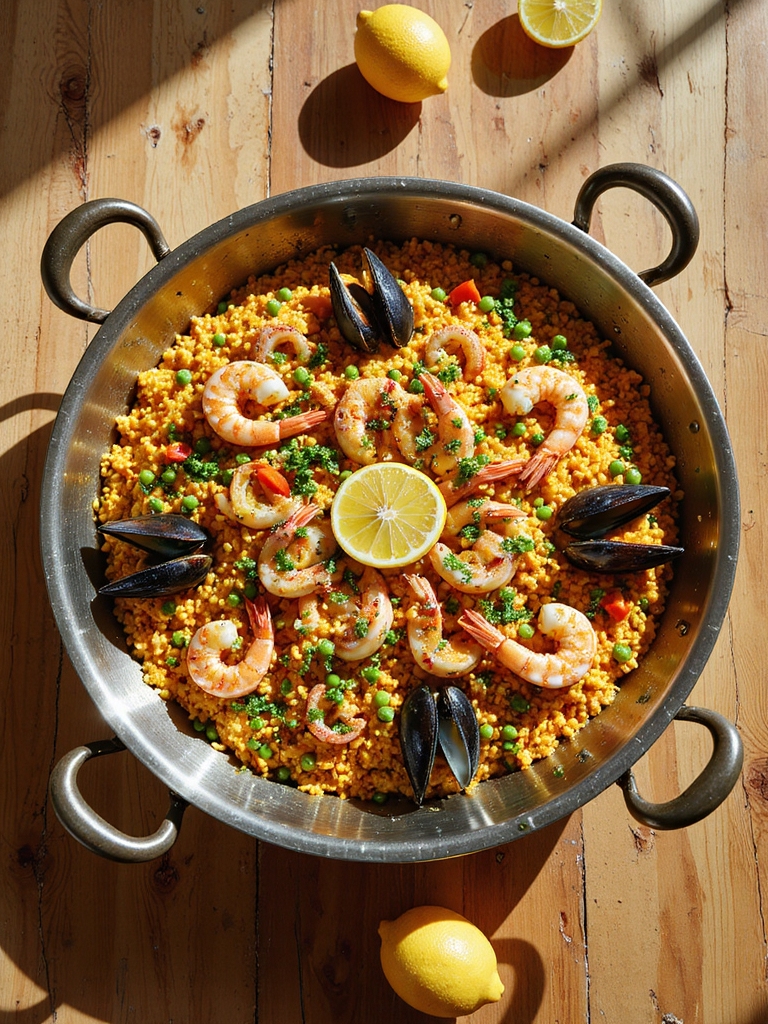
Paella is a quintessential Spanish dish that brings together the goodness of seafood, rice, and saffron for a fragrant and vibrant feast. Originating from Valencia, paella is a versatile dish that can be customized with various ingredients based on regional preferences or availability. This celebratory dish captures the essence of Spanish culinary tradition, typically cooked in a broad, shallow pan called a “paellera.” The marriage of flavors is highlighted by the use of saffron, lending its distinct aroma and color, along with seafood varieties like shrimp, mussels, and clams, making every paella a delightful showcase of sumptuous ingredients from both land and sea. A seafood boil, often associated with traditional coastal flavors, perfectly complements the vibrant experience of enjoying paella.
- Arborio or Bomba rice
- Saffron threads
- Olive oil
- Onion
- Garlic
- Bell pepper
- Tomato
- Shrimp
- Mussels
- Clams
- Chicken stock
- Paprika
- Salt
- Fresh parsley
- Lemon wedges
Begin by warming the olive oil in a paellera over medium heat, adding chopped onion, garlic, and bell pepper to sauté until soft. Stir in rice, tomato, saffron, and paprika, then add chicken stock and simmer until the rice starts to absorb the liquid. Arrange shrimp, mussels, and clams atop the rice, covering until the seafood is cooked, ensuring to garnish with parsley and lemon wedges prior to serving.
To achieve the perfect socarrat, or crispy bottom layer of rice, do not stir the rice after adding the stock. Paella can be personalized by mixing different seafood or adding items like chorizo for an extra dimension of flavor.
Lobster Roll: An American Coastal Favorite
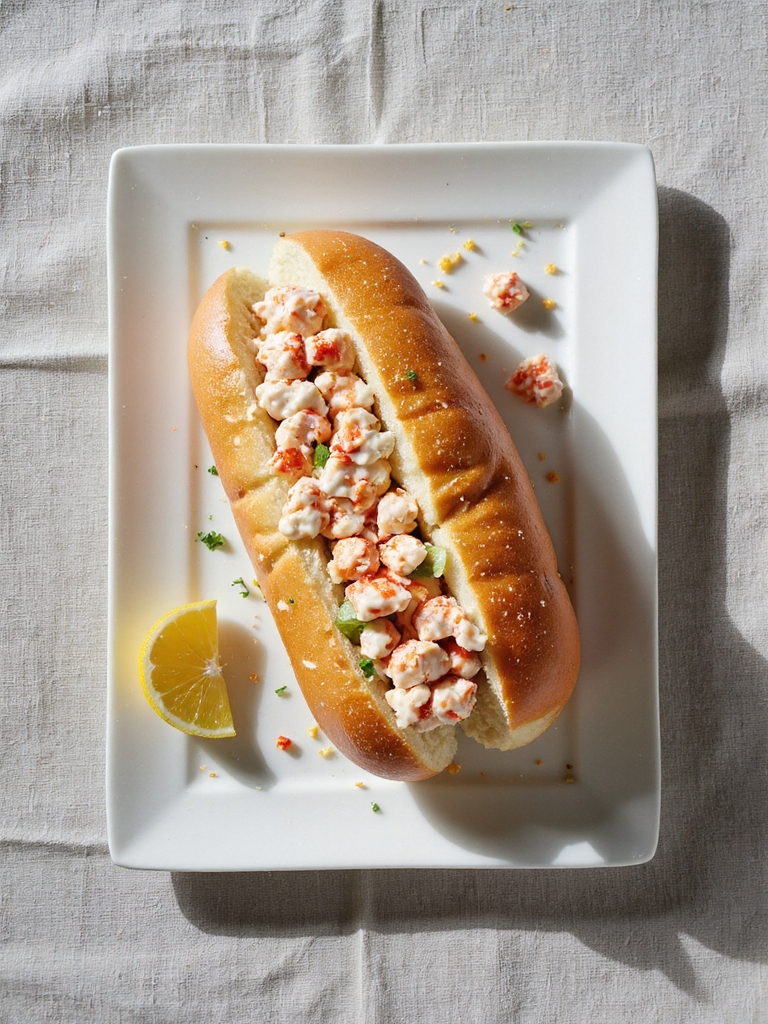
The lobster roll is a beloved culinary icon along the East Coast, primarily savored during the summer months. This simple yet indulgent dish features tender, buttery lobster meat nestled in a toasted, split-top bun. Often accompanied by a light dressing, the lobster roll celebrates the sweet, delicate flavors of lobster without overpowering its natural taste. Its simplicity and freshness make it a standout dish that captures the essence of coastal dining.
- Lobster meat
- Mayonnaise
- Lemon juice
- Celery
- Salt
- Pepper
- Split-top hot dog buns
- Unsalted butter
- Fresh chives
In a bowl, combine chopped lobster meat, mayonnaise, lemon juice, diced celery, salt, and pepper. Lightly butter the outside of split-top hot dog buns and toast them until golden brown on a griddle. Fill the buns generously with the lobster mixture and garnish with fresh chives before serving.
For the succulent lobster meat, choose fresh lobster when possible, and avoid over-dressing to let the lobster’s flavor shine through. Toast the buns to perfection for an exquisite contrast between the crispy exterior and soft, buttery interior.
Moules Marinières: Mussels Prepared The French Way
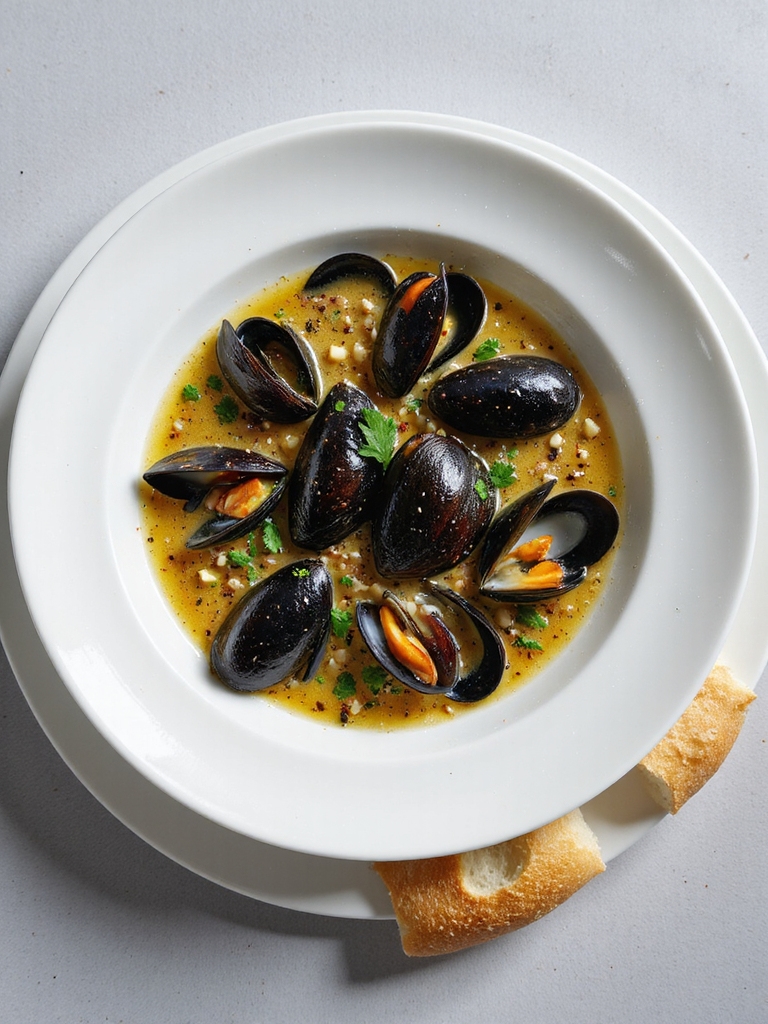
Moules Marinières, a classic French dish, emphasizes the natural sweetness and briny flavor of mussels, infusing them with the aromatic allure of white wine, shallots, and fresh herbs. Originating from the coastal regions of France, this dish is beloved for its simplicity and the way it perfectly captures the essence of seaside dining. Served as an appetizer or a main course, Moules Marinières is an elegant yet straightforward seafood preparation that highlights the freshness of its ingredients and is ideal for sharing. Additionally, this dish can be a fantastic option for a delicious seafood boil, as it brings together similar flavors and a communal dining experience.
- Fresh mussels
- Dry white wine
- Shallots
- Garlic
- Fresh parsley
- Bay leaves
- Unsalted butter
- Black pepper
In a large pot, melt butter and sauté shallots and garlic until translucent. Add mussels, white wine, bay leaves, and pepper; cover and steam for about five minutes until the mussels open. Discard any unopened mussels, sprinkle with fresh parsley, and serve hot with crusty bread.
Ensure mussels are thoroughly scrubbed and beards removed before cooking for the best results. Always discard any mussels that do not open during cooking to avoid potential food safety issues.
Cioppino: A San Francisco Seafood Feast
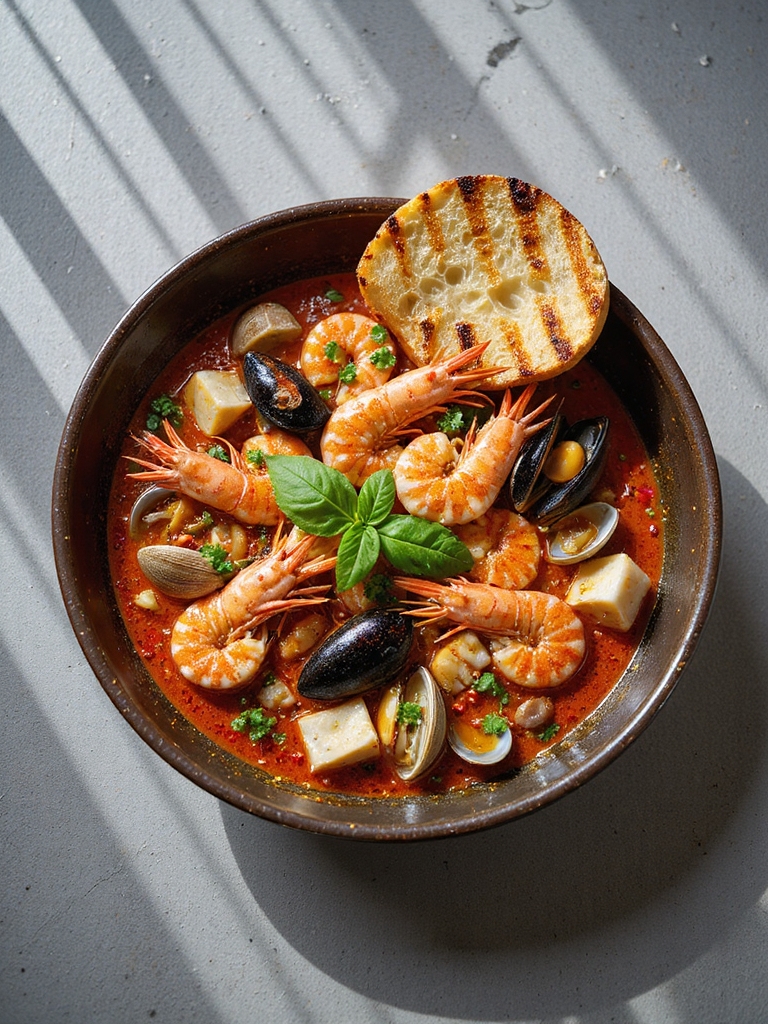
Cioppino, a hearty Italian-American seafood stew, hails from San Francisco and exemplifies the city’s rich culinary heritage. Traditionally made from a medley of fresh fish and shellfish simmered in a robust tomato-based broth with garlic, red wine, and herbs, Cioppino is a one-pot wonder that celebrates the flavors of the bay. This aromatic stew, often enjoyed with rustic sourdough bread, brings together the bounty of the sea in a comforting and satisfying dish perfect for gatherings. Seafood gumbo, much like Cioppino, showcases the vibrant flavors and diverse seafood of coastal regions and highlights the cultural significance of seafood stews.
- Olive oil
- Onion
- Garlic
- Red pepper flakes
- Tomato paste
- Canned crushed tomatoes
- Dry red wine
- Fish stock
- Clams
- Mussels
- Shrimp
- Firm white fish fillets
- Fresh basil
- Salt
- Black pepper
Begin by heating olive oil in a large pot, then sauté onions, garlic, and red pepper flakes until the onions are translucent. Stir in tomato paste, crushed tomatoes, red wine, and fish stock, bringing the mixture to a boil. Add clams, mussels, shrimp, and white fish, cover, and cook until the shellfish open and fish is just cooked through, then season with basil, salt, and pepper to taste.
For best results, use the freshest seafood available and tailor the variety of fish and shellfish to your preferences. If planning to serve the stew later, cook to just before adding seafood, then chill; reheat until just simmering before finishing the dish.
Har Gow: Dim Sum’s Shrimp Delicacy
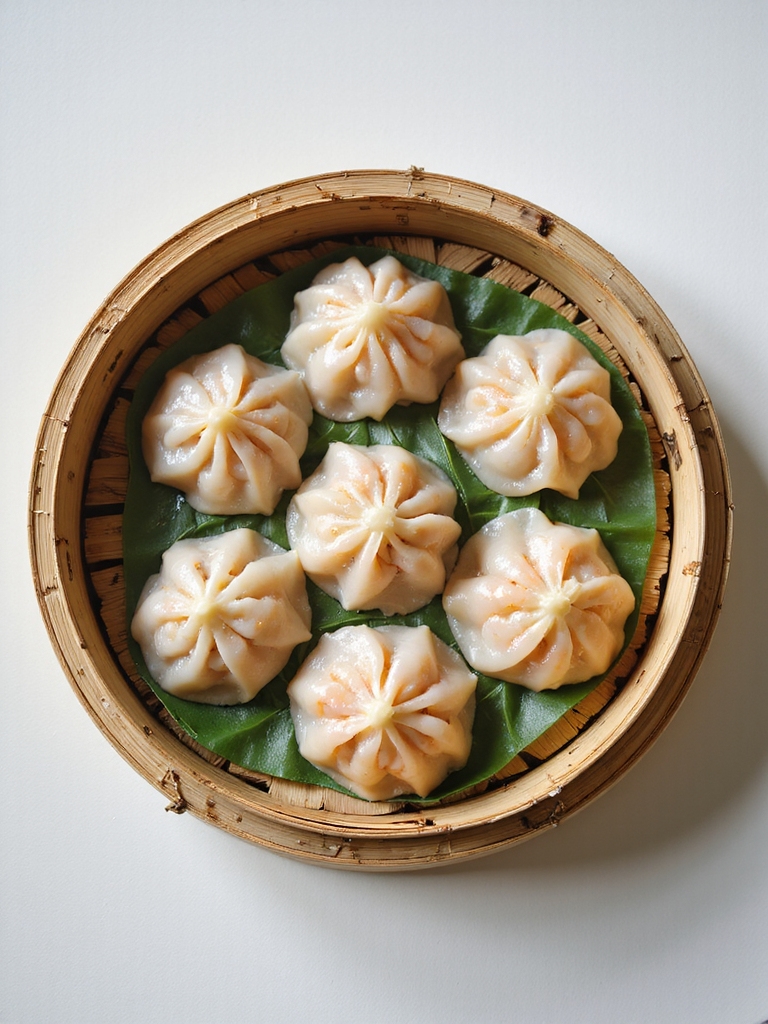
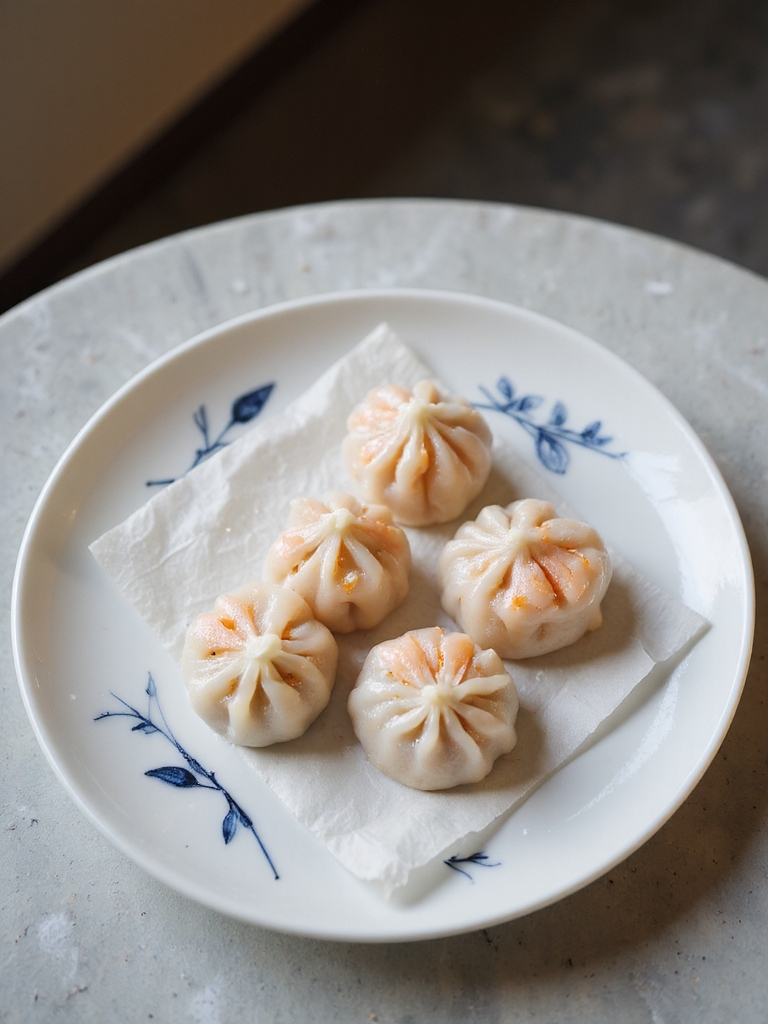
Har Gow, a beloved dim sum delicacy, consists of juicy shrimp encased in a translucent, chewy dumpling wrapper. Hailing from Cantonese cuisine, these elegant shrimp dumplings are a staple at dim sum brunches and a quintessential offering in many Chinese tea houses. The key to perfect Har Gow lies in the delicate balance of textures and flavors, achieved through a thin wrapper made from a combination of wheat starch and tapioca starch that permits the succulent shrimp filling to shine through. Steamed to perfection, these exquisite morsels are best enjoyed fresh and hot, dipped in soy sauce or chili oil for an added kick.
- Shrimp
- Wheat starch
- Tapioca starch
- Water
- Salt
- Sugar
- White pepper
- Sesame oil
- Bamboo shoots
To make Har Gow, first chop shrimp and bamboo shoots, seasoning with salt, sugar, white pepper, and sesame oil. Prepare the dough by mixing wheat and tapioca starch with boiling water, forming a smooth dough. Roll into small circles, fill with shrimp mixture, and fold into dumplings; steam until translucent.
Ensure dough remains covered to prevent drying out and keep the filling well-chilled before use for best texture. Use a bamboo steamer lined with parchment to avoid sticking and for even cooking.