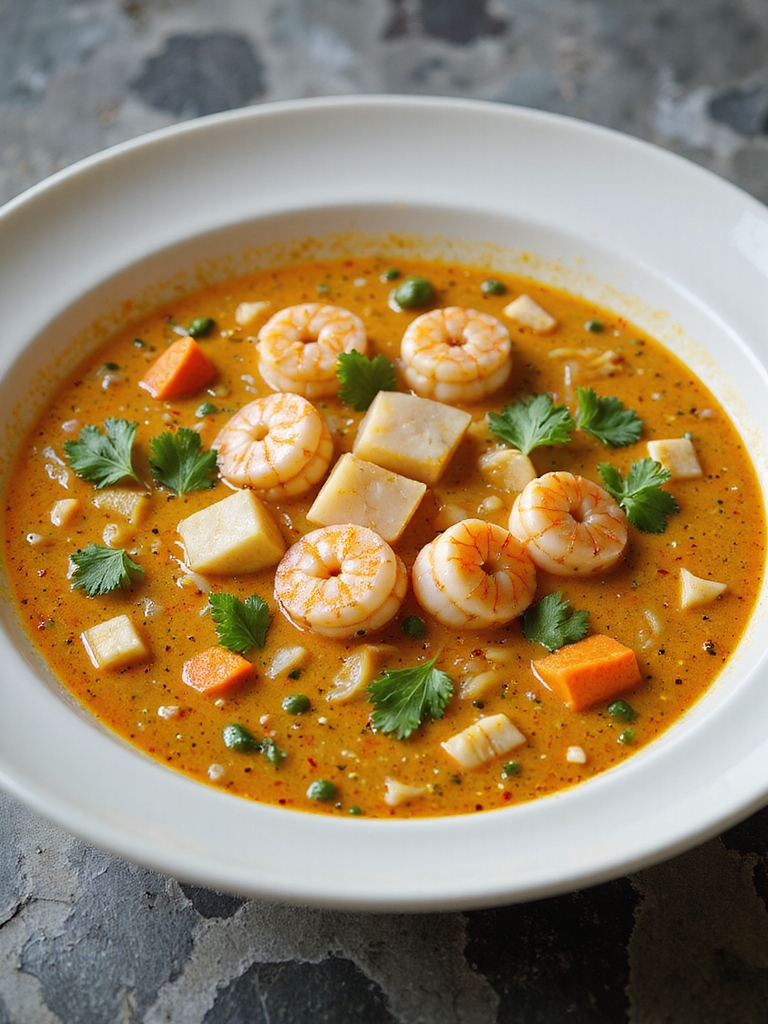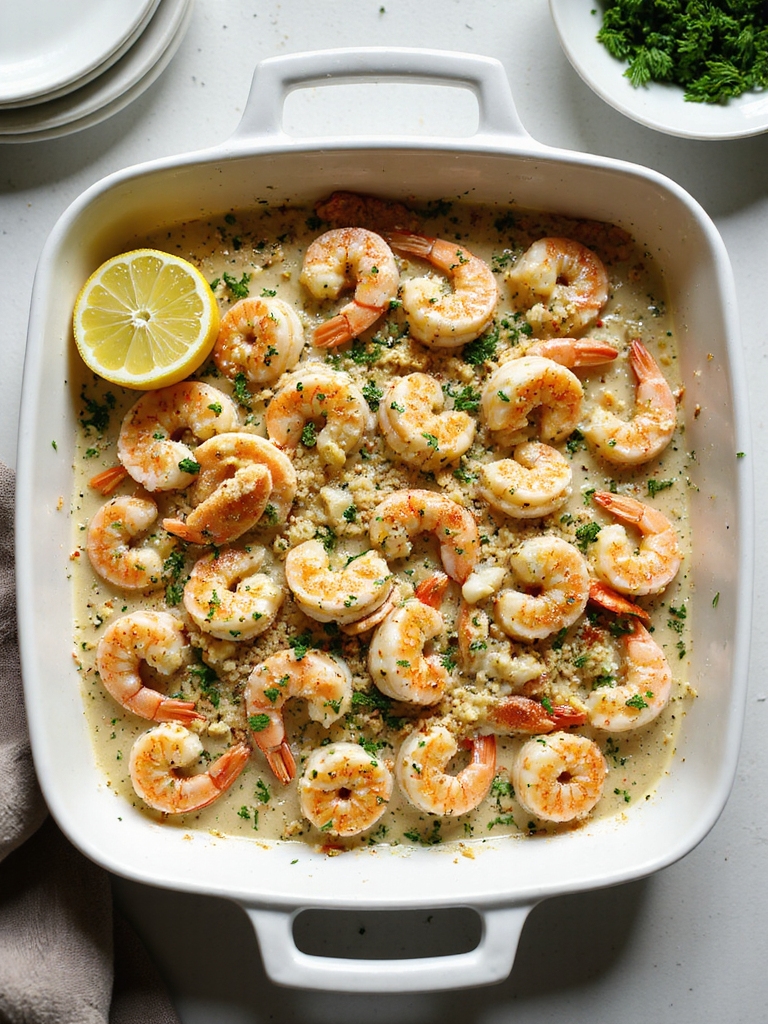
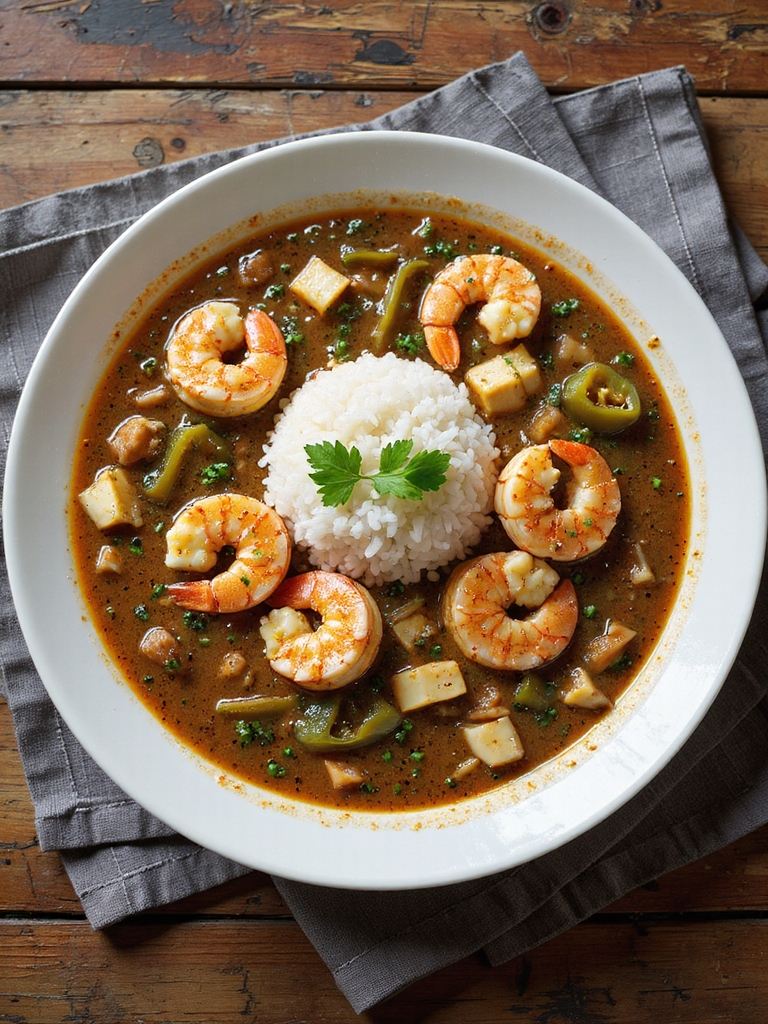
As a lover of Southern cuisine, one dish that never fails to captivate my senses is seafood gumbo. It’s a delight as rich in flavor as it is in history, a true representation of Louisiana’s culinary heritage.
With fresh shrimp, crab, and that essential Andouille sausage, the heart of gumbo lies in its dark roux and aromatic “holy trinity.” Curious how to create this soul-warming masterpiece at home? Let’s explore the essential ingredients and techniques together!
The Origins of Gumbo
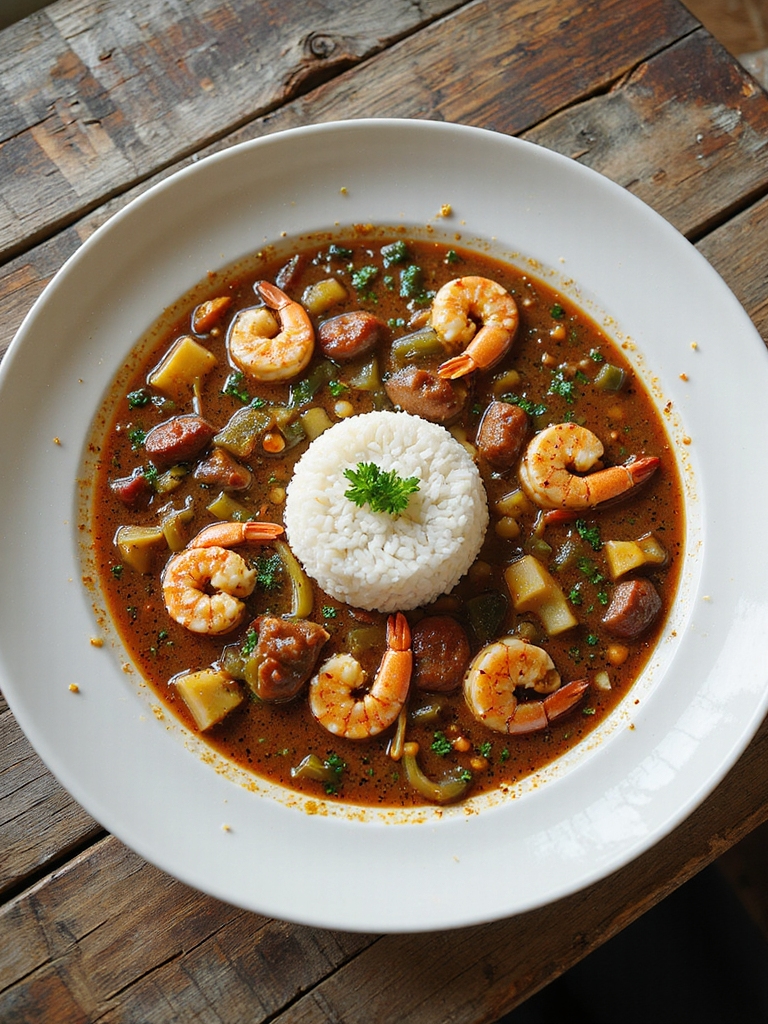
Seafood Gumbo encapsulates a rich blend of cultural influences from West African, French, Spanish, and Native American cuisines, each contributing to the iconic flavors of this quintessential dish from Louisiana. The base is a roux cooked to a rich mahogany, layered with aromatic herbs and spices that give gumbo its characteristic warmth and depth. Historically, gumbo has acted as a melting pot of flavors and ingredients, reflecting the multicultural fusion at the heart of its origin.
Ingredients:
- 1/2 cup vegetable oil
- 1/2 cup all-purpose flour
- 1 large onion, chopped
- 1 bell pepper, chopped
- 2 stalks celery, chopped
- 3 cloves garlic, minced
- 1 tablespoon Cajun seasoning
- 1 teaspoon dried thyme
- 1 bay leaf
- 1 pound shrimp, peeled and deveined
- 8 ounces crabmeat
- 1 pound Andouille sausage, sliced
- 3 cups chicken broth
- 1 can (14.5 ounces) diced tomatoes
- 2 cups okra, sliced
- Salt and pepper to taste
- Cooked rice, for serving
- Chopped parsley, for garnish
Start by making a roux with equal parts vegetable oil and flour, stirring continuously over medium heat until dark brown. Add onions, bell pepper, celery, and garlic, cooking until tender. Stir in Cajun seasoning, thyme, bay leaf, shrimp, crabmeat, Andouille sausage, chicken broth, tomatoes, and okra; bring to a simmer and cook until shrimp are done and flavors meld together. Serve gumbo over cooked rice and garnish with chopped parsley.
To guarantee a gumbo of perfect consistency, patience is essential when preparing the roux; a slow, steady stir will yield that deep, nutty aroma. Adjust seasoning to taste, and for an enhanced flavor, let the gumbo rest overnight to allow the ingredients to thoroughly mingle.
Essential Ingredients for Authentic Gumbo
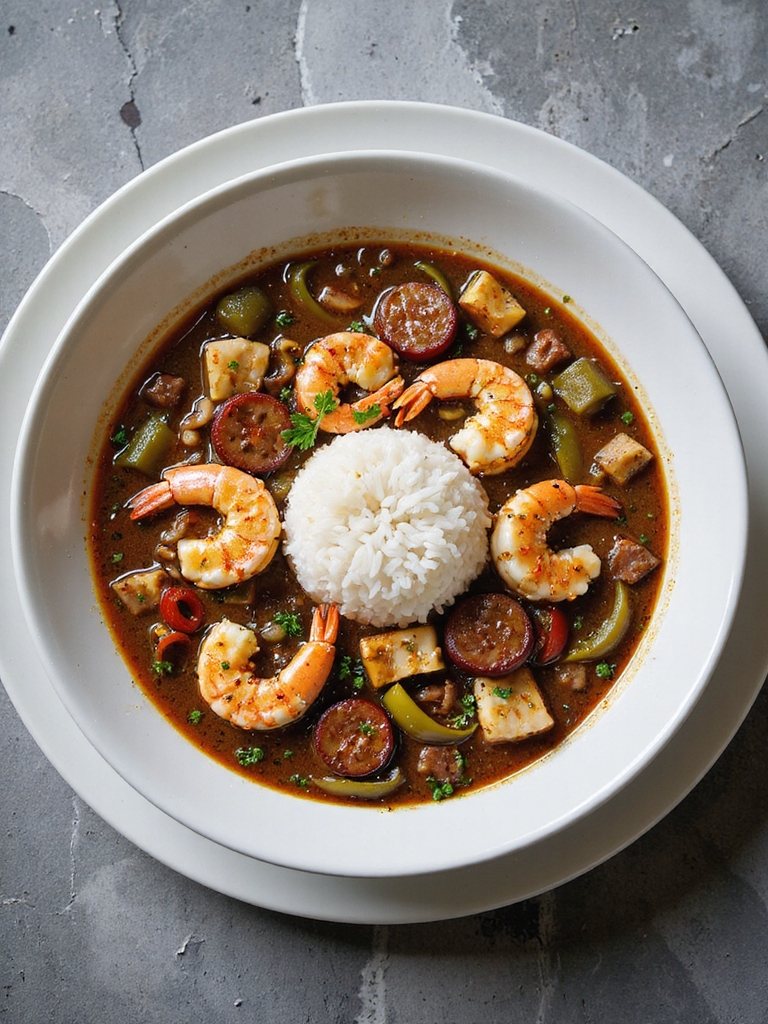
To create an authentic seafood gumbo, begin with the freshest possible ingredients, highlighting the dish’s cultural heritage. The key components – seafood, Andouille sausage, vegetables, and spices – each play significant roles in building the dish’s distinctive flavor. The combination of earthy vegetables like bell peppers, onions, and celery forms the trinity of flavors that serves as the gumbo’s foundation, while the seafood adds a touch of sweetness and depth. Andouille sausage provides a smoky, hearty element, and a balanced blend of spices ties the flavors together.
- 1/2 cup vegetable oil
- 1/2 cup all-purpose flour
- 1 large onion, chopped
- 1 bell pepper, chopped
- 2 stalks celery, chopped
- 3 cloves garlic, minced
- 1 tablespoon Cajun seasoning
- 1 teaspoon dried thyme
- 1 bay leaf
- 1 pound shrimp, peeled and deveined
- 8 ounces crabmeat
- 1 pound Andouille sausage, sliced
- 3 cups chicken broth
- 1 can (14.5 ounces) diced tomatoes
- 2 cups okra, sliced
- Salt and pepper to taste
Begin by heating vegetable oil over medium heat, then add flour, whisking continuously to make a roux, cooking until it turns a deep brown. Add chopped onion, bell pepper, celery, and garlic, sautéing until softened. Incorporate Cajun seasoning, thyme, and bay leaf, followed by shrimp, crabmeat, Andouille sausage, chicken broth, and diced tomatoes. Finally, mix in the okra, seasoning with salt and pepper, and let it simmer until all ingredients meld perfectly. Serve gumbo over rice with a sprinkle of chopped parsley for garnish.
Patience is vital when making gumbo, especially when preparing the roux. A carefully stirred roux is the foundation of flavor, creating a perfect base for the rest of the ingredients to shine through. If possible, prepare the gumbo a day in advance to enhance flavors. Additionally, traditional gumbo recipes often incorporate the cultural significance of ingredients, reflecting the diverse history and culinary influences that shape this beloved dish.
The Role of the Roux
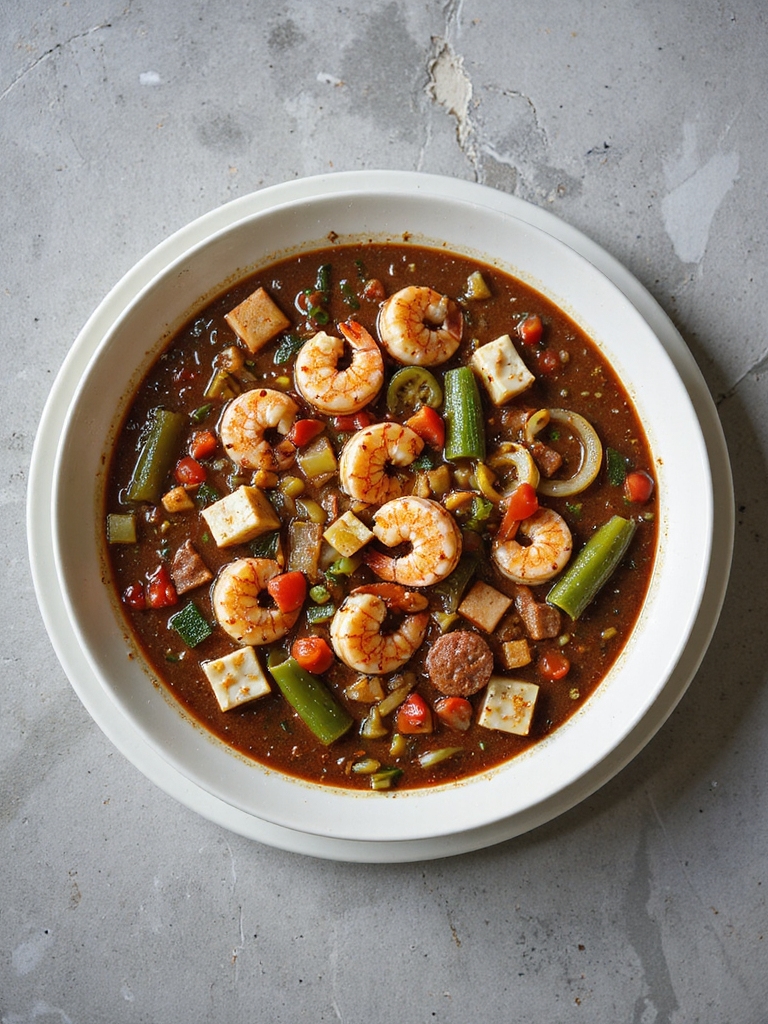
The roux is a vital component in creating a delicious seafood gumbo, acting as the rich and flavorful base that elevates the dish’s taste profile. This blend of fat and flour provides a luscious thickness and adds a savory depth of flavor. Mastering the art of creating a proper roux is essential for a successful gumbo, as it dictates the dish’s overall consistency and taste. Achieving just the right color and texture in the roux will allow the ingredients to blend harmoniously, showcasing the seafood’s sweetness against the bold and smoky notes of the Andouille sausage.
- 1/2 cup vegetable oil
- 1/2 cup all-purpose flour
- 1 large onion, chopped
- 1 bell pepper, chopped
- 2 stalks celery, chopped
- 3 cloves garlic, minced
- 1 tablespoon Cajun seasoning
- 1 teaspoon dried thyme
- 1 bay leaf
- 1 pound shrimp, peeled and deveined
- 8 ounces crabmeat
- 1 pound Andouille sausage, sliced
- 3 cups chicken broth
- 1 can (14.5 ounces) diced tomatoes
- 2 cups okra, sliced
- Salt and pepper to taste
In a large pot, heat vegetable oil over medium heat and whisk in flour to form a roux, stirring until it reaches a deep chocolate brown color. Add chopped onion, bell pepper, celery, and garlic, sauté until softened; then mix in Cajun seasoning, thyme, and bay leaf. Stir in shrimp, crabmeat, Andouille sausage, chicken broth, and tomatoes, followed by okra, seasoning with salt and pepper, and simmer to blend flavors.
Patience is key when crafting the roux; it takes consistent stirring to avoid burning and achieve the desired deep brown hue. Make sure to maintain a steady medium heat and add the vegetables directly to the hot roux to initiate a robust flavor foundation immediately. Additionally, using a blend of seasonings can enhance the gumbo’s overall flavor profile and result in a more dynamic dish.
Selecting the Perfect Seafood
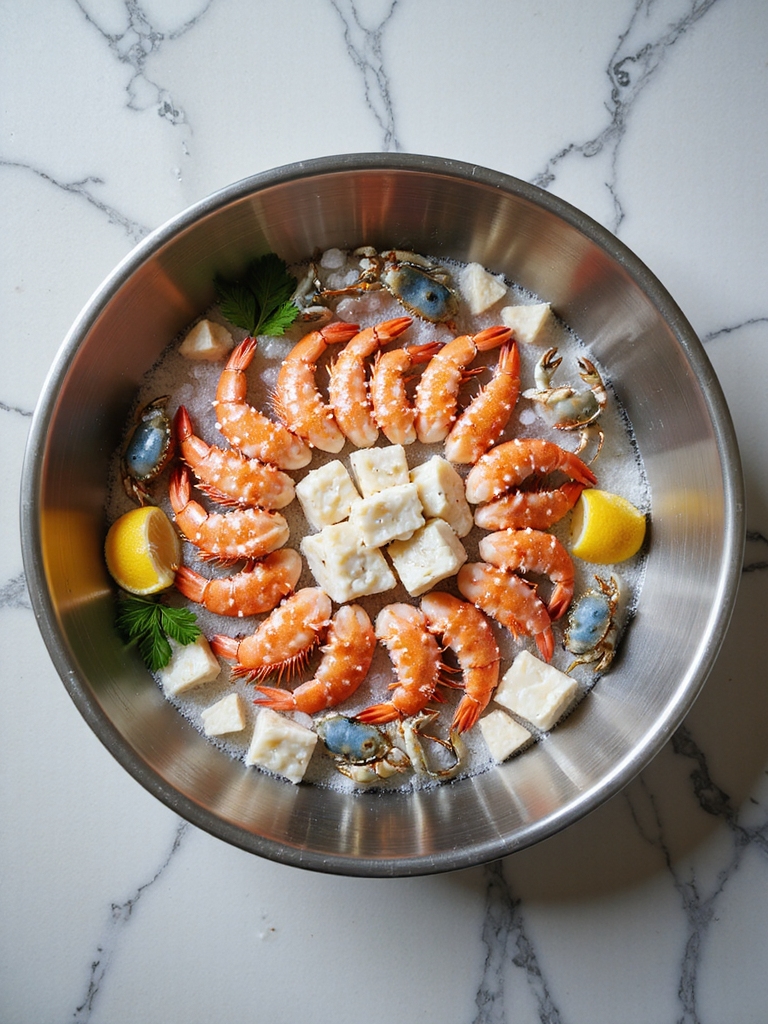
Selecting the perfect seafood for your gumbo is vital to achieving an exquisite blend of flavors. Freshness is the key factor when choosing shrimp and crab, which are the heart of the dish. Utilize firm, sweet-smelling shellfish to guarantee that none of the delightful seafood notes are overpowered by the more robust elements like the Andouille sausage. Opt for wild-caught options when possible, as they often provide superior taste and texture compared to farmed varieties. Selecting shrimp that are uniform in size will also guarantee even cooking, while maintaining the crabmeat’s integrity is essential for both flavor and presentation. Incorporating healthy seafood dishes into your meal planning can further enhance your culinary repertoire.
Ingredients:
- 1 pound shrimp, peeled and deveined
- 8 ounces crabmeat
- 1 pound Andouille sausage, sliced
- 1/2 cup vegetable oil
- 1/2 cup all-purpose flour
- 1 large onion, chopped
- 1 bell pepper, chopped
- 2 stalks celery, chopped
- 3 cloves garlic, minced
- 1 tablespoon Cajun seasoning
- 1 teaspoon dried thyme
- 1 bay leaf
- 3 cups chicken broth
- 1 can (14.5 ounces) diced tomatoes
- 2 cups okra, sliced
- Salt and pepper to taste
In a large pot, make a roux by heating oil and whisking in flour until it reaches a deep chocolate brown. Sauté onion, bell pepper, celery, and garlic until softened, then add in Cajun seasoning, thyme, and bay leaf. Stir in seafood, sausage, broth, tomatoes, and okra, seasoning with salt and pepper; simmer to blend flavors.
To enhance the dish’s depth of flavor, consider incorporating a splash of white wine or lemon juice to the gumbo as it simmers. Always taste the gumbo before serving and adjust for seasoning, guaranteeing a balanced interplay between spices and the natural sweetness of the seafood.
Spice Blends and Seasonings
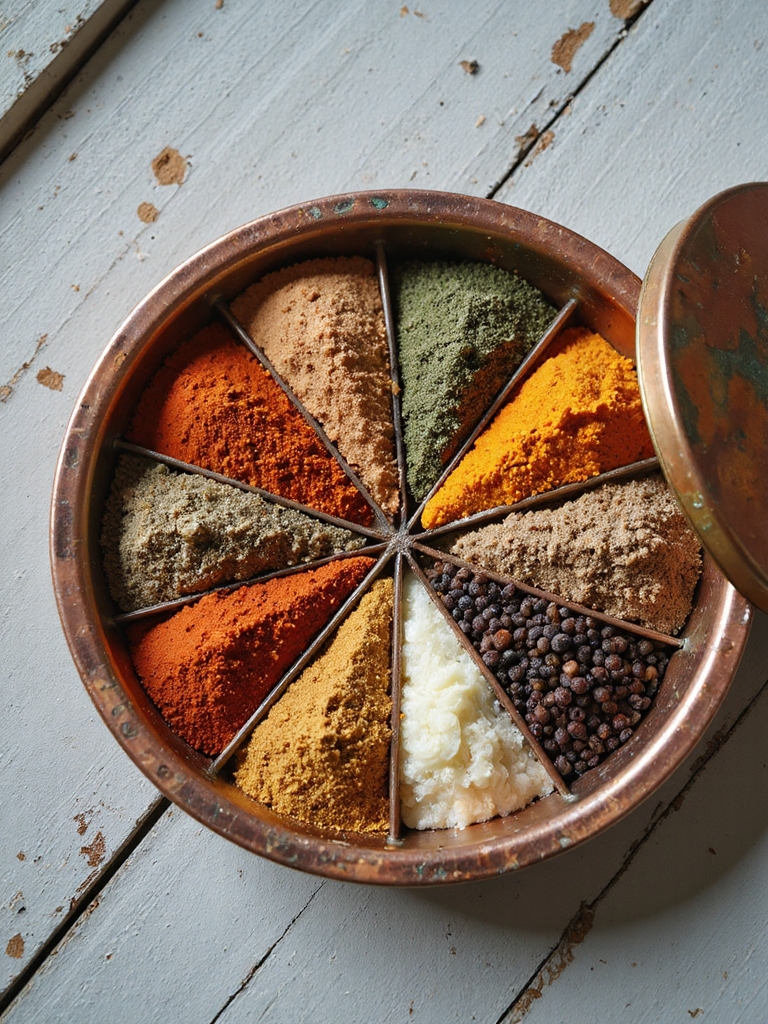
Spice blends and seasonings are essential to creating a seafood gumbo that bursts with authentic Creole flavors. Creating a homemade Cajun spice blend tailored to your taste can add a personal touch and elevate the dish. A balanced blend typically includes paprika, cayenne pepper, onion powder, garlic powder, and oregano, offering a combination of heat and earthiness to complement the delicate seafood.
Ingredients:
- 1 pound shrimp
- 8 ounces crabmeat
- 1 pound Andouille sausage
- 1/2 cup vegetable oil
- 1/2 cup all-purpose flour
- 1 large onion
- 1 bell pepper
- 2 stalks celery
- 3 cloves garlic
- 1 tablespoon Cajun seasoning
- 1 teaspoon dried thyme
- 1 bay leaf
- 3 cups chicken broth
- 1 can diced tomatoes
- 2 cups okra
- Salt and pepper to taste
Start by making a roux with vegetable oil and flour until dark brown. Add chopped onion, bell pepper, celery, and minced garlic, stirring until soft. Incorporate Cajun seasoning, thyme, and bay leaf, then add the seafood, sausage, broth, tomatoes, and okra, and simmer until the flavors meld.
Always freshly grind your spices for a more vibrant flavor, and taste your seasoning as the gumbo simmers to achieve your desired level of heat and spice. If needed, adjust the salt and pepper at the end of cooking for a perfectly balanced gumbo.
Building the Base With Aromatics
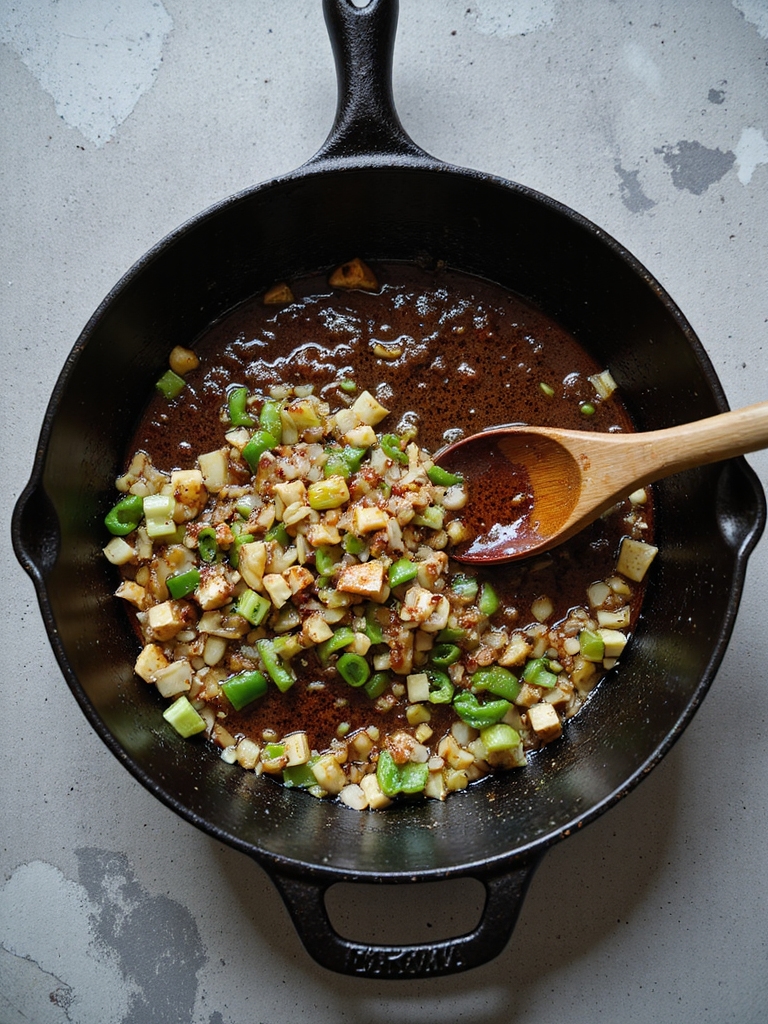
Building a rich and flavorful base with aromatics is key to crafting a delicious seafood gumbo. Aromatics like onions, bell peppers, and celery are commonly referred to as the “holy trinity” of Creole and Cajun cooking. These ingredients add an integral depth of flavor when sautéed until tender and caramelized. Adding garlic further enhances the base, providing a robust foundation that complements the rich seafood and spices used in the dish.
Ingredients:
- 1 large onion
- 1 bell pepper
- 2 stalks celery
- 3 cloves garlic
- 1/2 cup vegetable oil
- 1/2 cup all-purpose flour
Heat vegetable oil in a large pot over medium heat, then slowly whisk in the flour to create a roux, stirring constantly until it reaches a rich, dark brown color. Add the chopped onion, bell pepper, and celery, cooking until soft and fragrant, followed by the minced garlic. Continue to cook until the mixture becomes aromatic, forming the flavorful base for your gumbo.
For extra depth, make sure the roux is cooked slowly and carefully without burning, as this step is vital for the overall flavor. Deglazing the pan with a splash of chicken broth after cooking the aromatics can also lift any fond, enhancing the aroma and taste.
Classic Gumbo Variations: Creole vs. Cajun
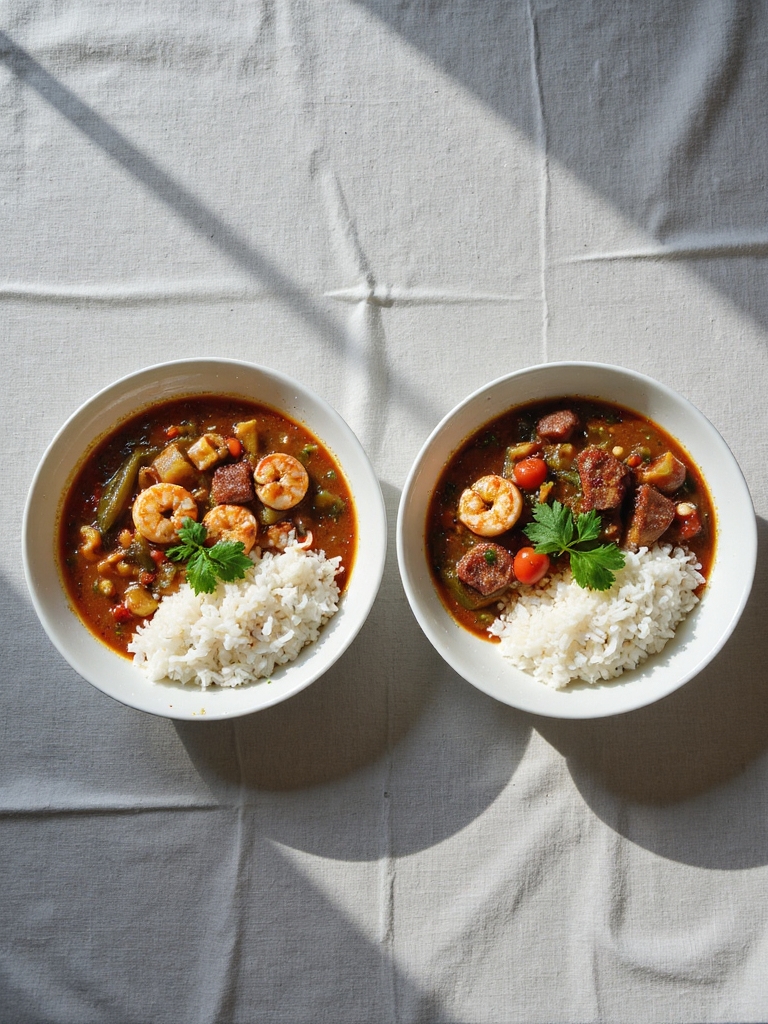
Creole and Cajun gumbos both originate from Louisiana but have distinct differences that influence their flavor and preparation. Creole gumbo typically contains tomatoes and often includes shellfish, while Cajun gumbo adopts a heartier approach with a more intense roux and the addition of earthy, smoky spices. Seafood is often the star of both styles, but the cooking process and choice of seasonings diverge, delivering unique interpretations. By understanding these variations, you can tailor the gumbo to your liking or explore each version for its delightful balance of rich flavors and textures.
Ingredients:
- 1 pound shrimp
- 1 pound crab meat
- 1/2 pound sausage
- 1 cup okra
- 2 tablespoons Creole seasoning
- 1 can of tomatoes (for Creole version)
- 6 cups chicken broth
- Salt and pepper to taste
- Cooked rice, for serving
In a large pot, prepare the roux as described previously and then add the chopped vegetables, sautéing until fragrant. Stir in tomatoes if making Creole gumbo. Add the chicken broth and bring it to a simmer, then mix in the seafood, okra, and sausage. Season with Creole seasoning, salt, and pepper, simmering until all ingredients meld perfectly and the seafood is just cooked through. Serve the gumbo over cooked rice.
To enhance the flavors, consider adding a dash of hot sauce or a sprinkle of filé powder before serving. For a thicker consistency in the Cajun version, use a slightly darker roux and allow longer simmering, which develops a profound depth in the gumbo.
Creating Depth With Stocks and Broths
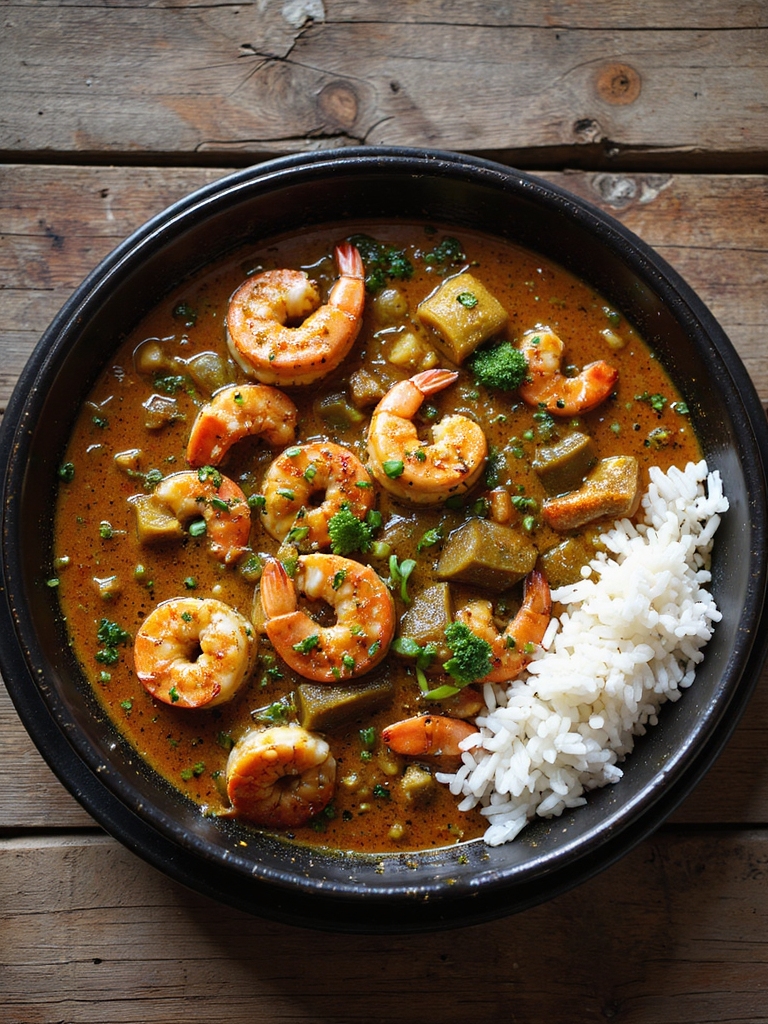
Seafood gumbo is a flavorful dish that benefits immensely from a rich, homemade stock or broth, which forms the backbone of this culinary delight. Start by simmering shrimp shells and crab carcasses with onions, celery, and bell peppers to create a seafood stock that imparts a depth of flavor unmatched by store-bought varieties. The marriage of this stock with earthy, smoky spices and the freshness of seafood elevates the gumbo, making it a comforting bowl of Southern perfection. Additionally, a well-crafted seafood stock should emphasize the natural sweetness of the shells, enhancing the overall flavor profile.
Ingredients:
- 1 pound shrimp shells
- Crab carcasses
- 1 onion
- 2 stalks celery
- 1 bell pepper
- 1 pound shrimp
- 1 pound crab meat
- 1/2 pound sausage
- 1 cup okra
- 2 tablespoons Creole seasoning
- 1 can of tomatoes
- 6 cups chicken broth
- Salt and pepper
- Rice, for serving
Combine the shrimp shells, crab carcasses, onion, celery, and bell pepper in a large pot, cover with water, and simmer for at least 30 minutes to make the stock. Strain the liquid and use it with the chicken broth to prepare the gumbo, adding all remaining ingredients while letting it simmer gently until the flavors meld and the seafood is just cooked through. Serve over rice for a satisfying meal.
To deepen the gumbo’s flavor, confirm the stock is concentrated by allowing it to reduce adequately while simmering. Using a combination of homemade seafood stock with chicken broth creates layers of flavor that will enrich the final dish.
Techniques for Achieving the Perfect Consistency
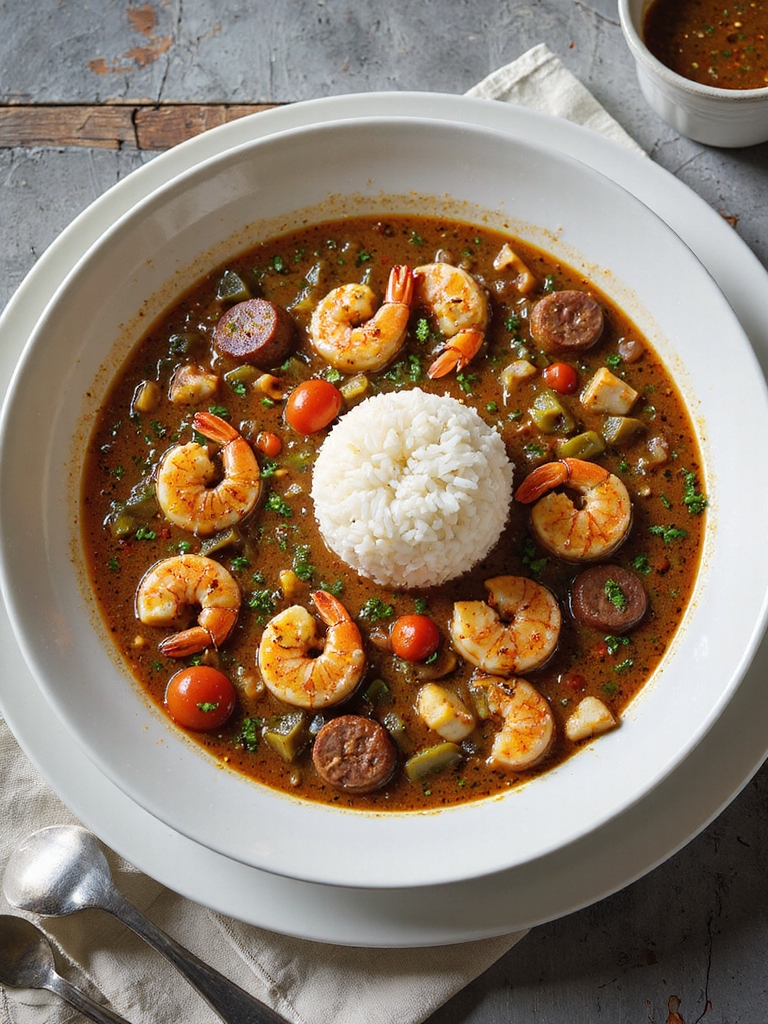
Achieving the perfect consistency in seafood gumbo is essential for creating a compelling dish that envelops your senses with each spoonful. The secret lies in balancing the roux and broth to form a thick, yet silky base that coats each piece of seafood without being too heavy. A properly prepared gumbo should have a creamy texture that holds the elements of seafood and sausage in harmony, allowing their flavors to shine through.
Ingredients:
- 1/2 cup flour
- 1/2 cup vegetable oil
- 1 pound shrimp
- 1 pound crab meat
- 1/2 pound sausage
- 1 cup okra
- 2 tablespoons Creole seasoning
- 1 can of tomatoes
- 6 cups seafood stock
- Salt and pepper
- Rice, for serving
Heat the vegetable oil over medium heat and gradually whisk in the flour, stirring continuously to form a roux that becomes a dark, nutty color. Add the seafood stock slowly while whisking to avoid lumps, then introduce the shrimp, crab meat, sausage, tomatoes, okra, and Creole seasoning. Continue simmering, adjusting the seasoning with salt and pepper, until the gumbo thickens and the seafood is tender.
To guarantee the gumbo achieves the right consistency, keep whisking vigorously as you incorporate the stock into the roux. If it gets too thick, add a bit of warm broth to reach your desired texture.
Adding the Aromatic Holy Trinity
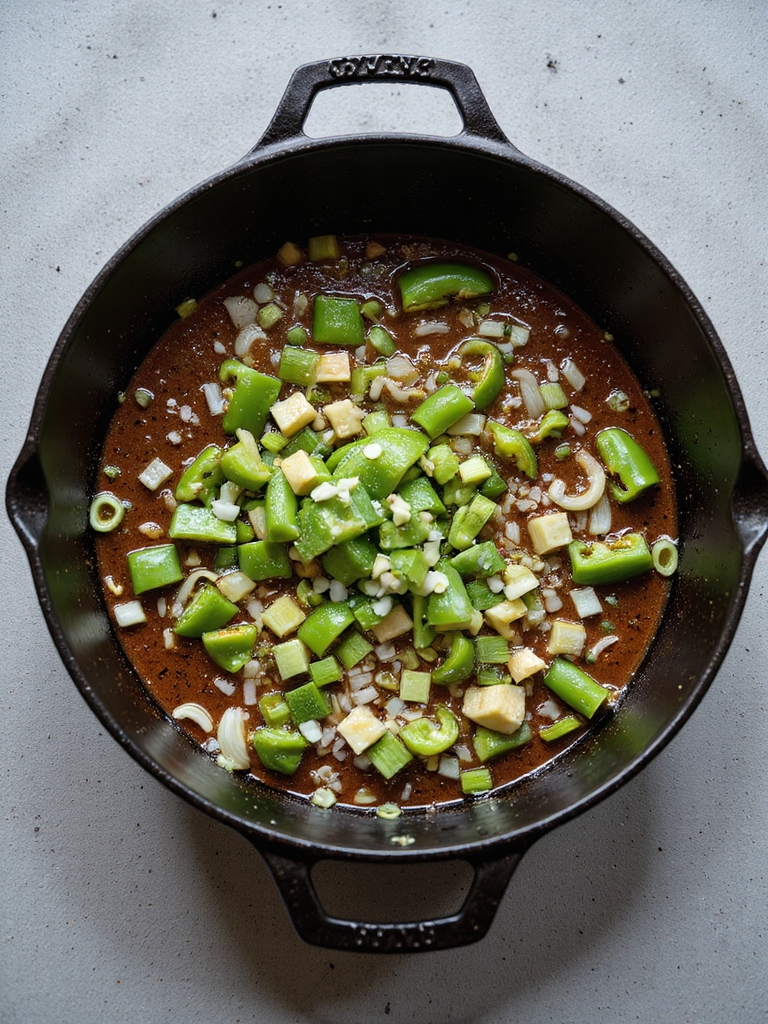
To bring out the classic, rich flavors of a true seafood gumbo, it’s essential to incorporate the aromatic Holy Trinity of bell peppers, onions, and celery. These ingredients provide the underlying flavor that complements the seafood and ties the whole gumbo together. As the fragrant blend of these aromatic vegetables melds with the dark roux, it sets the stage for a delectable culinary experience. A well-prepared gumbo can showcase the delightful variety of seafood that makes this dish a true Southern staple.
Ingredients:
- 1 bell pepper, diced
- 1 onion, diced
- 2 stalks celery, diced
- 1/2 cup flour
- 1/2 cup vegetable oil
- 1 pound shrimp
- 1 pound crab meat
- 1/2 pound sausage
- 1 cup okra
- 2 tablespoons Creole seasoning
- 1 can of tomatoes
- 6 cups seafood stock
- Salt and pepper
- Rice, for serving
Heat the oil in a large pot and stir in the flour to form a roux. Add the Holy Trinity vegetables, stirring until softened; introduce the stock, whisking continuously. Add the shrimp, crab, sausage, tomatoes, okra, and Creole seasoning, simmering until thickened and the seafood is cooked through.
Letting the roux reach a dark chocolate color is key for depth, and remember to stir constantly to prevent burning. Adjust seasonings as the gumbo simmers for a finely balanced taste that enhances the seafood.
Tips for Balancing Flavors
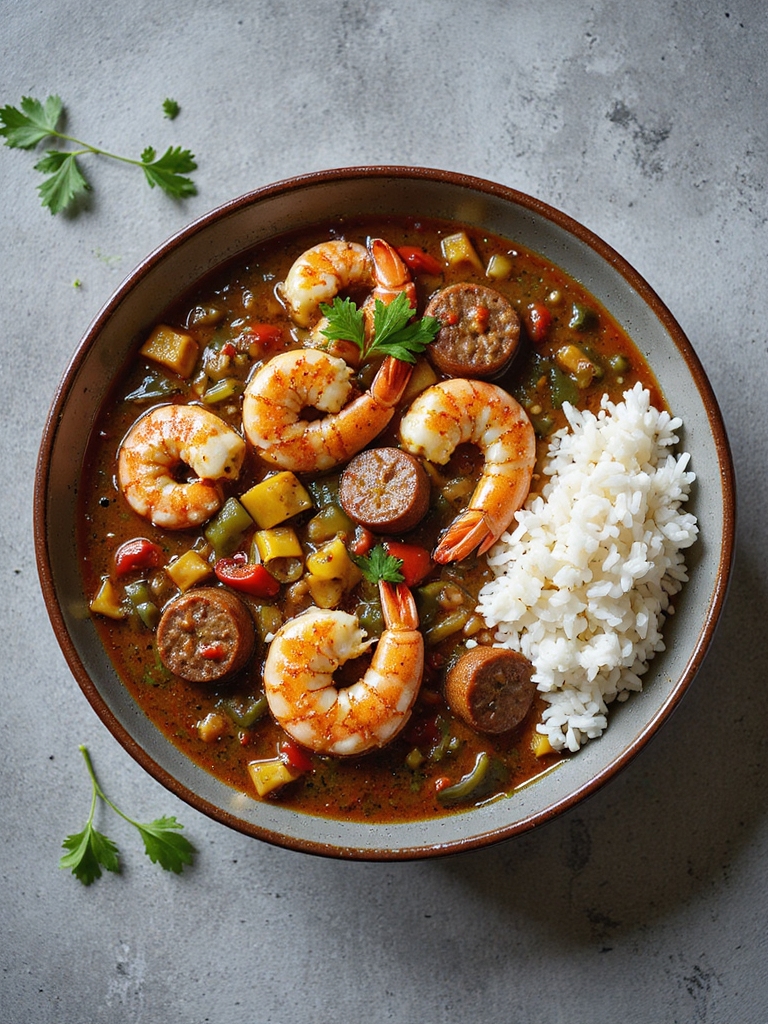
Balancing flavors in a seafood gumbo is essential to guarantee that each ingredient shines without overpowering the others. Begin by focusing on the level of seasoning; taste as you go and adjust the Creole seasoning to match your desired spice level. Take care when adding salt, as the seafood stock and sausage may already contribute to the salinity. Remember, the goal is to achieve harmony where the sweet shrimp, savory sausage, and briny crab are all distinguished yet cohesive. Additionally, a delicious seafood sauce can elevate the overall flavor profile, complementing the richness of the gumbo.
Ingredients:
- 1 bell pepper, diced
- 1 onion, diced
- 2 stalks celery, diced
- 1/2 cup flour
- 1/2 cup vegetable oil
- 1 pound shrimp
- 1 pound crab meat
- 1/2 pound sausage
- 1 cup okra
- 2 tablespoons Creole seasoning
- 1 can of tomatoes
- 6 cups seafood stock
- Salt and pepper to taste
- Rice, for serving
To cook the gumbo, heat oil and whisk in flour to make a roux until dark chocolate in color. Stir in bell pepper, onion, and celery, softening the vegetables before pouring in the stock, mixing thoroughly. Add shrimp, crab, sausage, tomatoes, okra, and seasoning, simmering until the gumbo thickens and the seafood is cooked through, while making sure flavors are well balanced.
A critical tip is to control the cooking heat to prevent the roux from overcooking and turning bitter. Moreover, don’t rush the simmering process; allowing the gumbo to gently cook will help marry the flavors seamlessly.
Serving Suggestions and Accompaniments
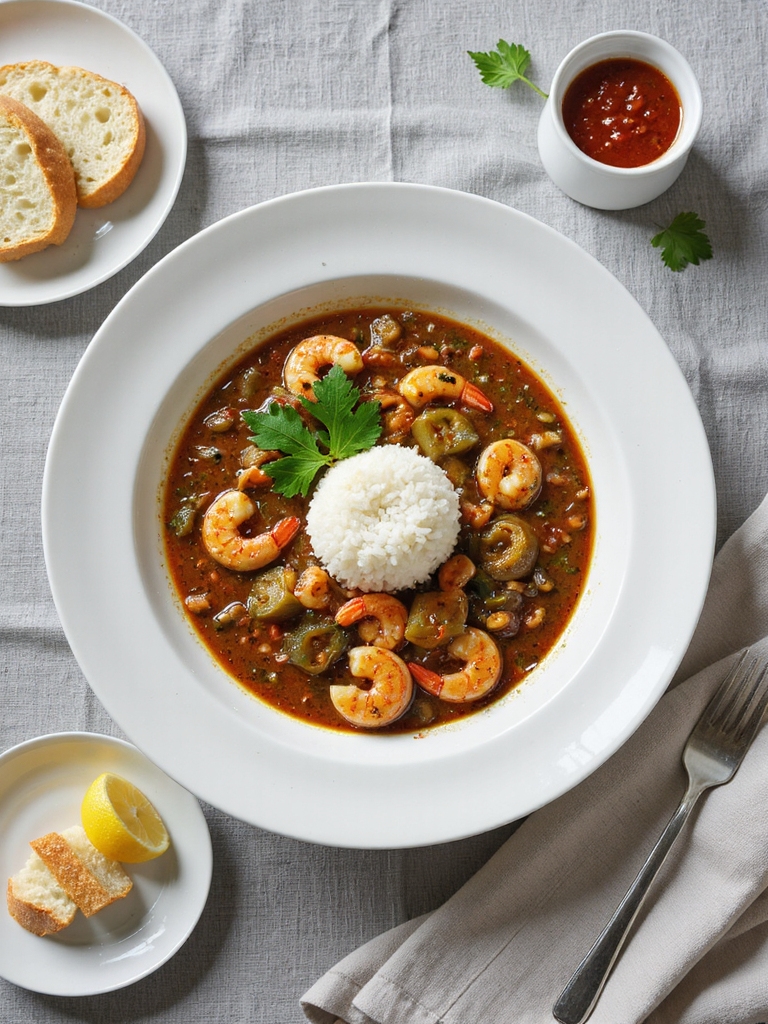
When it comes to serving your seafood gumbo, consider pairing it with steaming white rice to absorb the rich, flavorful broth. For an added touch, serve with warm, crusty French bread to mop up every last bit, and a simple side salad to provide a fresh contrast. To elevate the dining experience, complement the meal with a glass of chilled white wine, which pairs wonderfully with the seafood.
Ingredients:
- 1 pound shrimp
- 1 cup okra
- 6 cups seafood stock
- Salt and pepper
- Rice, for serving
To serve, make sure the gumbo is piping hot and ladle it generously over a mound of rice. Garnish with finely chopped parsley for a pop of color, and offer hot sauce on the side for those who prefer an extra kick. If bread is desired, slice the French loaf into serveable chunks.
Pay attention to the rice quality; it should be fluffy to balance the gumbo’s rich texture. For extra flavor depth, consider adding a squeeze of fresh lemon juice to the gumbo just before serving, enhancing the seafood’s natural sweetness.
Vegetarian and Vegan Gumbo Alternatives
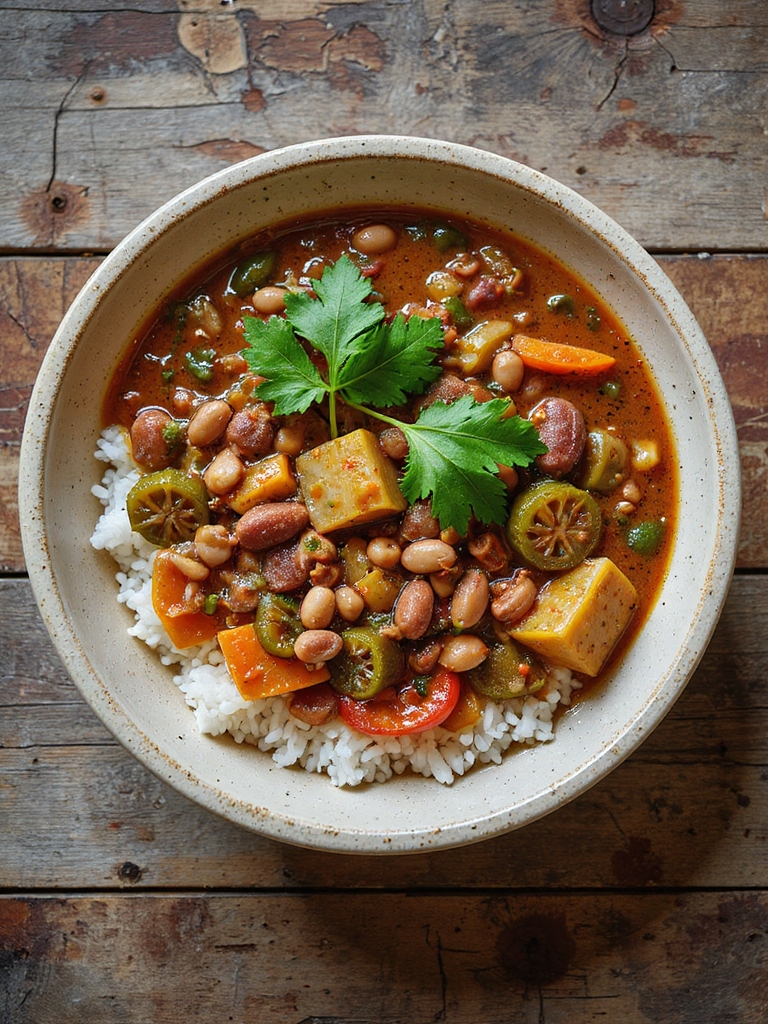
Vegetarian and vegan gumbo provides a delicious twist on the classic dish by utilizing hearty vegetables and rich spices to mimic the deep flavors of traditional gumbo. Perfect for those seeking meat-free alternatives, this recipe maintains the essence of gumbo through layered flavors and textures, enhanced by tender vegetables, hearty legumes, and spices. Substituting plant-based ingredients does not compromise the richness of the dish, making it a satisfying option for all dietary preferences.
- 1 large onion, chopped
- 1 bell pepper, chopped
- 2 stalks celery, sliced
- 3 cloves garlic, minced
- 1 cup okra, sliced
- 2 cans of kidney beans, drained and rinsed
- 6 cups vegetable stock
- 2 tablespoons olive oil
- 2 tablespoons flour
- 2 teaspoons smoked paprika
- 1 teaspoon thyme
- Salt and pepper
- Cooked rice, for serving
- Fresh parsley, for garnish
Begin by heating olive oil in a large pot and sautéing the onion, bell pepper, and celery until they soften. Stir in the garlic and okra, cooking for a few more minutes before adding flour for thickening. Slowly add vegetable stock, beans, smoked paprika, thyme, salt, and pepper, letting the mixture simmer until the flavors meld together and thicken slightly, then serve over cooked rice with fresh parsley.
When cooking gumbo, balance is key; verify the vegetables are evenly cooked and flavors are well-distributed. Taste and adjust seasonings as needed, especially the salt, to maintain the dish’s depth and richness while keeping it flavorful and fresh.
Troubleshooting Common Gumbo Mistakes
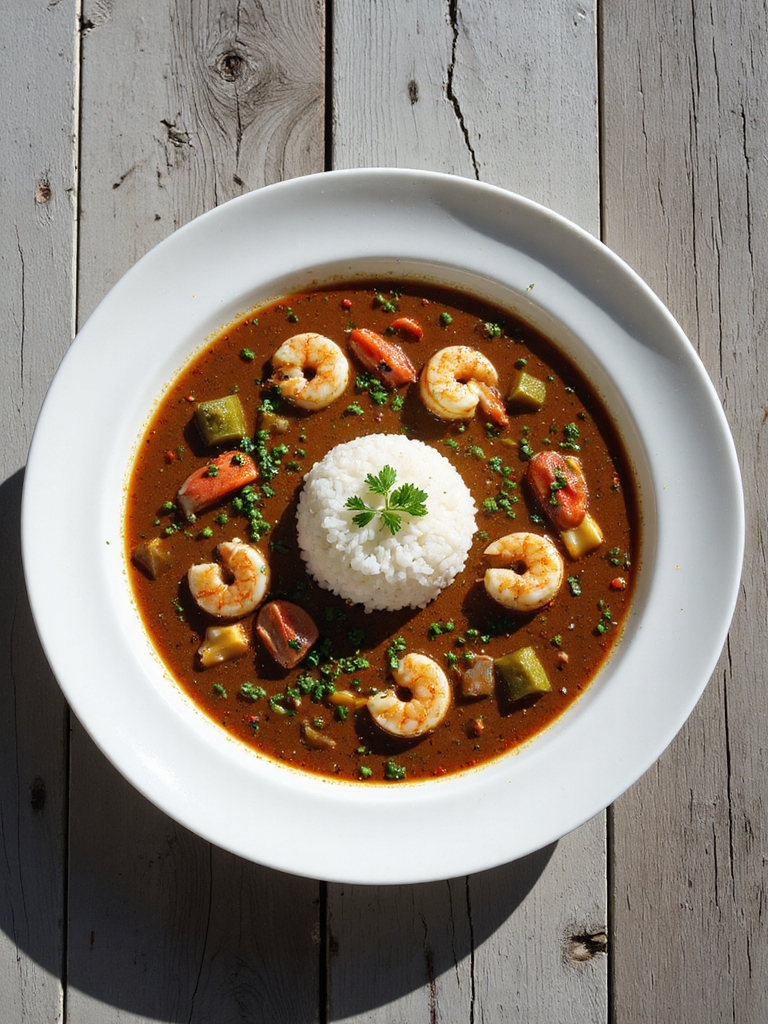
Gumbo, while delicious, can sometimes result in a thick or uneven texture if not executed properly; however, with careful attention to common culinary pitfalls and techniques, you can perfect this rich Southern classic. Here’s a seafood gumbo recipe that addresses these hurdles and guarantees a deep, flavorful result, making it a delightful addition to any meal.
- 1 pound shrimp, peeled and deveined
- 1 pound crabmeat, picked over for shells
- 1 large onion, chopped
- 1 bell pepper, chopped
- 2 stalks celery, sliced
- 4 cloves garlic, minced
- 1 cup sliced okra
- 8 cups seafood stock
- 2 tablespoons flour
- 2 tablespoons vegetable oil
- 1 teaspoon smoked paprika
- 1 teaspoon thyme
- Salt and pepper
- Cooked rice, for serving
- Fresh parsley, for garnish
Heat vegetable oil in a large pot, sautéing onion, bell pepper, and celery until tender; add garlic and okra. Stir in flour, allow it to brown, followed by stock, paprika, and thyme. Mix in shrimp and crab, simmer until seafood is cooked. Serve over rice with parsley.
To prevent a clumpy texture, cook the flour until it becomes a golden roux before adding stock. Control the thickness by adjusting the amount of roux or stock, guaranteeing seafood remains juicy and not overcooked. Additionally, incorporating a hearty seafood stew can provide a wonderful depth of flavor that complements the gumbo beautifully.
Storing and Reheating Your Gumbo
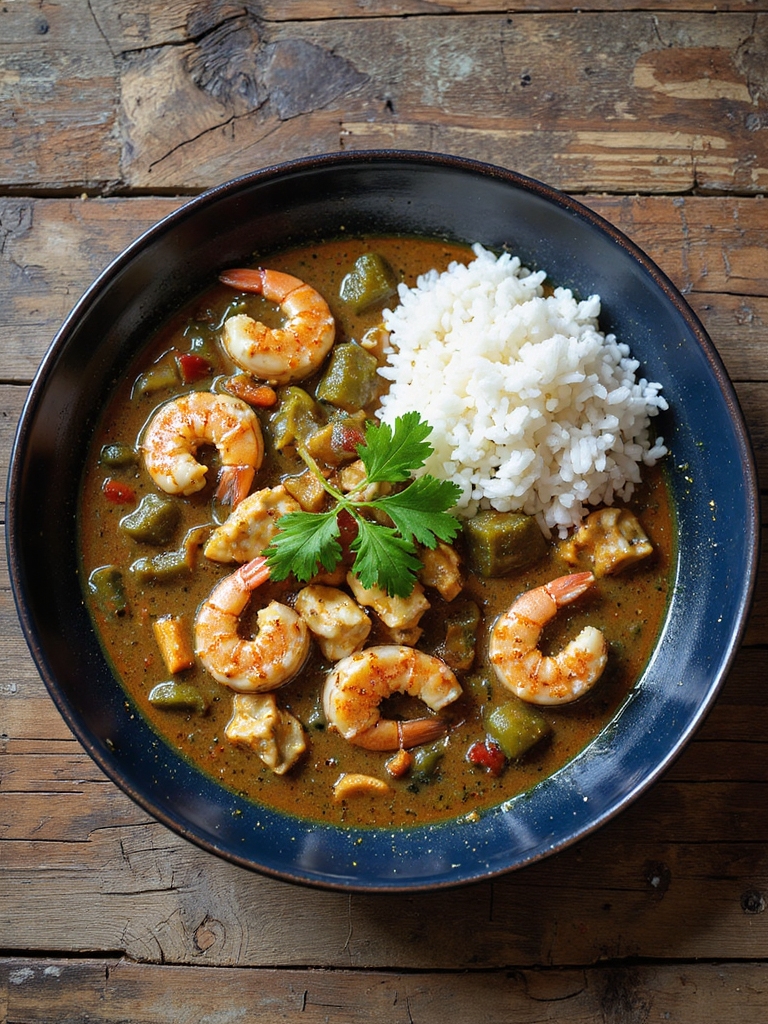
Storing and reheating your seafood gumbo requires careful attention to maintain its flavor and texture. Begin by letting the gumbo cool to room temperature after cooking. Transfer it to an airtight container, covering the surface with plastic wrap to keep air out and preserve moisture before sealing and refrigerating. When you’re ready to enjoy the gumbo again, reheat it gently on the stove to prevent the seafood from becoming tough, bringing it just to a simmer to guarantee it’s heated through evenly.
- 1 pound shrimp
- 1 pound crabmeat
- 1 large onion
- 1 bell pepper
- 2 stalks celery
- 4 cloves garlic
- 1 cup okra
- 8 cups seafood stock
- 2 tablespoons flour
- 2 tablespoons vegetable oil
- 1 teaspoon smoked paprika
- 1 teaspoon thyme
- Salt and pepper
- Cooked rice
- Fresh parsley
To reheat, place gumbo in a pot over low to medium heat, stirring occasionally to prevent sticking. Once steam rises and seafood is heated through, serve it hot over freshly cooked rice, garnished with parsley. Avoid microwaving as it may cause uneven heating and alter the texture. Additionally, for a deeper flavor in your gumbo, consider incorporating creamy seafood bisque as an inspiration for seasoning or thickening techniques.
When storing gumbo in the freezer, divide it into portion sizes for convenience and thaw it in the fridge before reheating. Always check the dish for freshness before consuming, assuring that it remains a delicious treat that tastes as good as when it was freshly made.