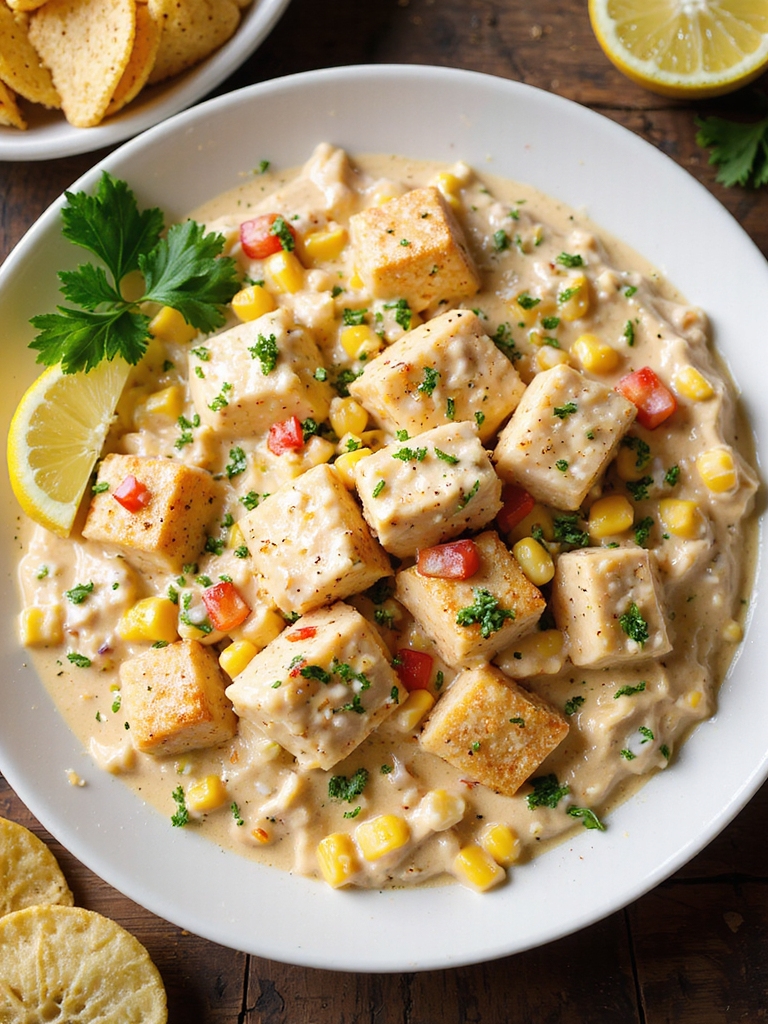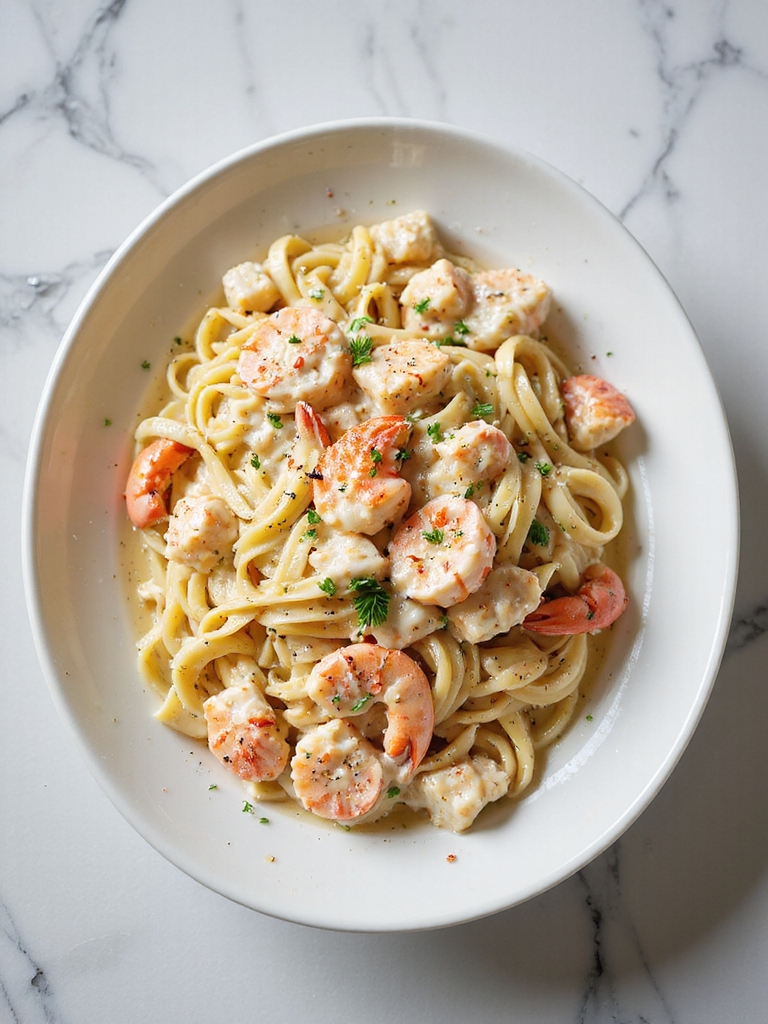
Imagine this: you’re in your cozy kitchen, savoring the aroma of simmering spices and tender seafood. Tonight, let’s explore tantalizing seafood stew recipes together, each promising a rich experience with every bite.
Regardless of being drawn to the allure of a French Bouillabaisse or the boldness of a Louisiana Gumbo, there’s a world of flavors waiting. Grab that crusty bread and get ready—you’ll want to immerse yourself in these delightful bowls.
Classic French Bouillabaisse
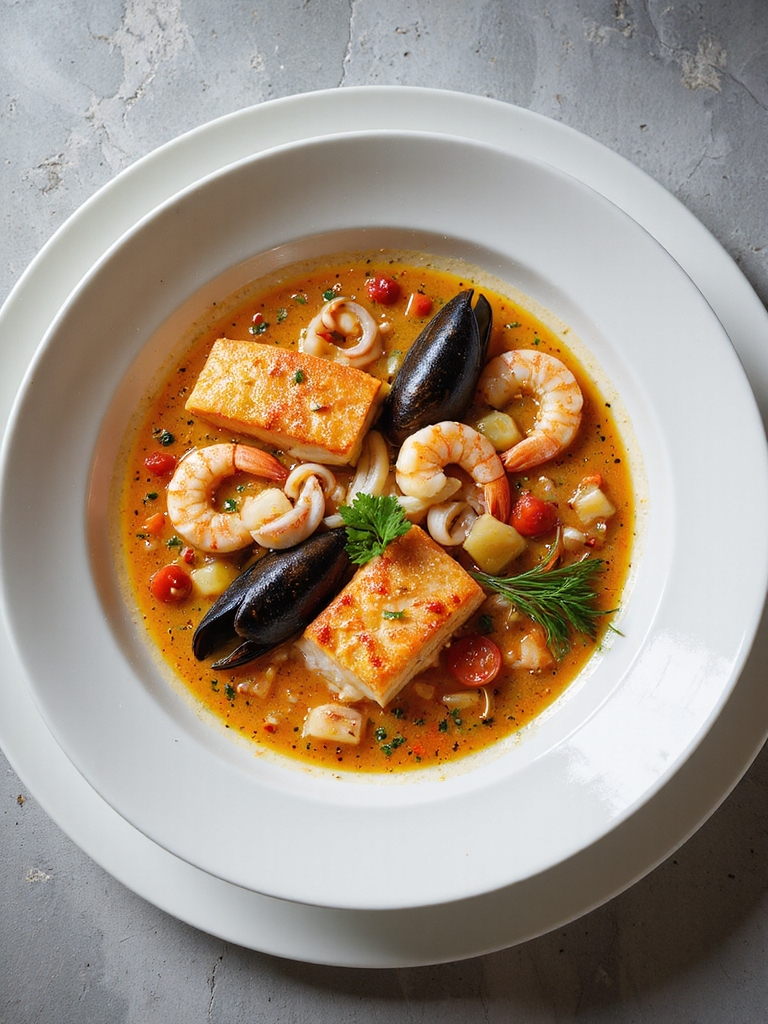
Classic French Bouillabaisse
Bouillabaisse is a classic French seafood stew hailing from the city of Marseille. Traditionally, it blends a variety of Mediterranean fish and shellfish with aromatic herbs and vegetables, all simmered in a rich broth flavored with saffron, garlic, and fennel. Its complex flavors are achieved through careful layering and slow cooking, making it both a culinary challenge and a rewarding experience for any home cook wanting to explore the depths of French cuisine. This rich broth is key to the overall flavor profile of this dish.
Ingredients:
- 2 pounds of assorted fish (monkfish, red snapper, sea bass)
- 1 pound of mussels, cleaned
- 1 pound of shrimp, peeled and deveined
- 1/2 pound of squid, cleaned and sliced into rings
- 1 large onion, finely chopped
- 2 leeks, white parts only, sliced
- 4 cloves of garlic, minced
- 5 ripe tomatoes, chopped
- 1 teaspoon saffron threads
- 1 teaspoon fennel seeds
- 1 bay leaf
- 1 sprig of fresh thyme
- 1/2 cup of white wine
- 4 cups fish stock
- Salt and pepper to taste
- 1/4 cup of extra-virgin olive oil
- 1/4 cup of chopped fresh parsley
Heat olive oil in a large pot over medium heat, then sauté onion, leeks, and garlic until translucent. Add tomatoes, saffron, fennel seeds, thyme, and bay leaf, cooking briefly before pouring in white wine and fish stock. Simmer fish, mussels, shrimp, and squid; season and cover until seafood is cooked and flavors meld.
When preparing the seafood, verify mussels are closed and intact to avoid unwanted surprises. Steep saffron in a bit of hot water for a more potent flavor, and serve with crusty bread and a dollop of rouille for an authentic touch.
Spicy Italian Cioppino
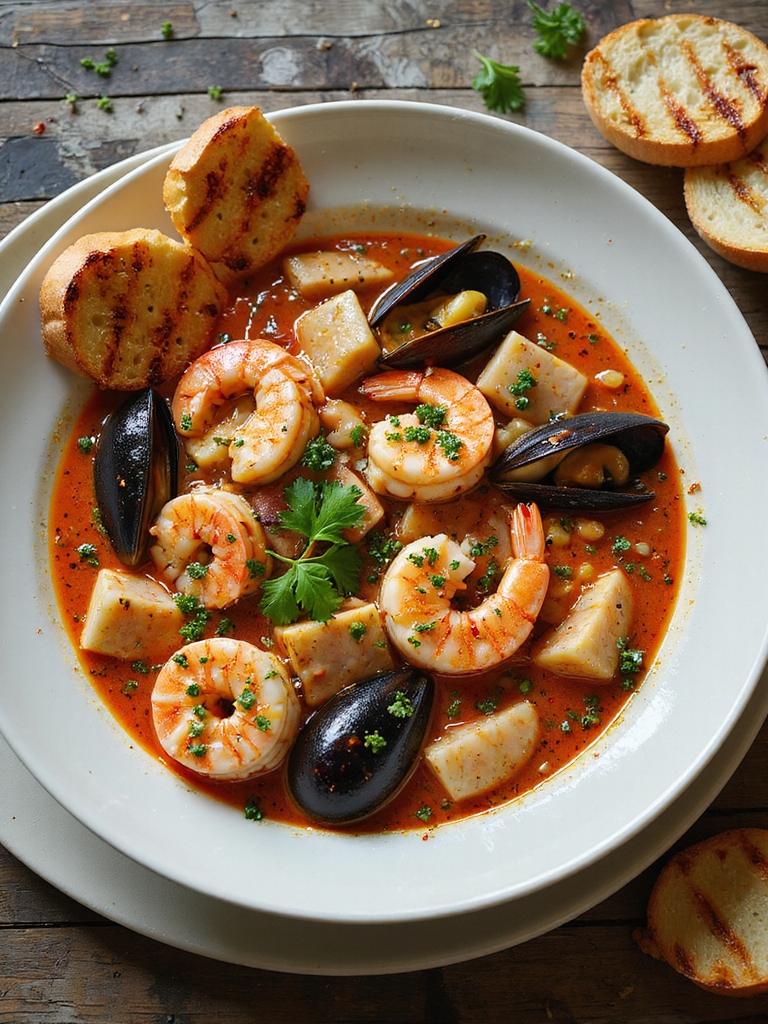
Cioppino is a robust and flavorful seafood stew that originated in San Francisco, inspired by Italian immigrants’ coastal cuisine. This dish features a mix of fresh seafood simmered in a spicy, tomato-based broth enhanced with aromatic herbs and served with plenty of crusty bread for soaking. It’s versatile, allowing cooks to use whatever seafood is freshest or most abundant.
To make this dish even more authentic, consider including fish stock for a depth of flavor that complements the seafood beautifully.
Ingredients:
- 3 tablespoons olive oil
- 1 large onion, chopped
- 4 cloves garlic, minced
- 1 teaspoon red pepper flakes
- 2 cups crushed tomatoes
- 1 cup white wine
- 2 cups fish stock
- 1 bay leaf
- 1 teaspoon dried oregano
- 1 pound clams, scrubbed
- 1 pound mussels, cleaned
- 1/2 pound large shrimp, peeled and deveined
- 1/2 pound scallops
- 1/2 pound firm white fish, cut into chunks
- Salt and pepper to taste
In a large pot over medium heat, sauté onion and garlic in olive oil until soft, then add red pepper flakes, tomatoes, wine, fish stock, bay leaf, and oregano. Bring to a simmer, add clams, mussels, shrimp, scallops, and white fish, cooking until seafood is opaque and clams and mussels open, about 5-7 minutes. Season the stew with salt and pepper and serve hot with crusty bread.
To enhance the flavor, use fresh seafood and let the stew rest briefly before serving to allow the flavors to meld. Adjust the level of spice by varying the amount of red pepper flakes to suit your taste preferences.
Louisiana Seafood Gumbo
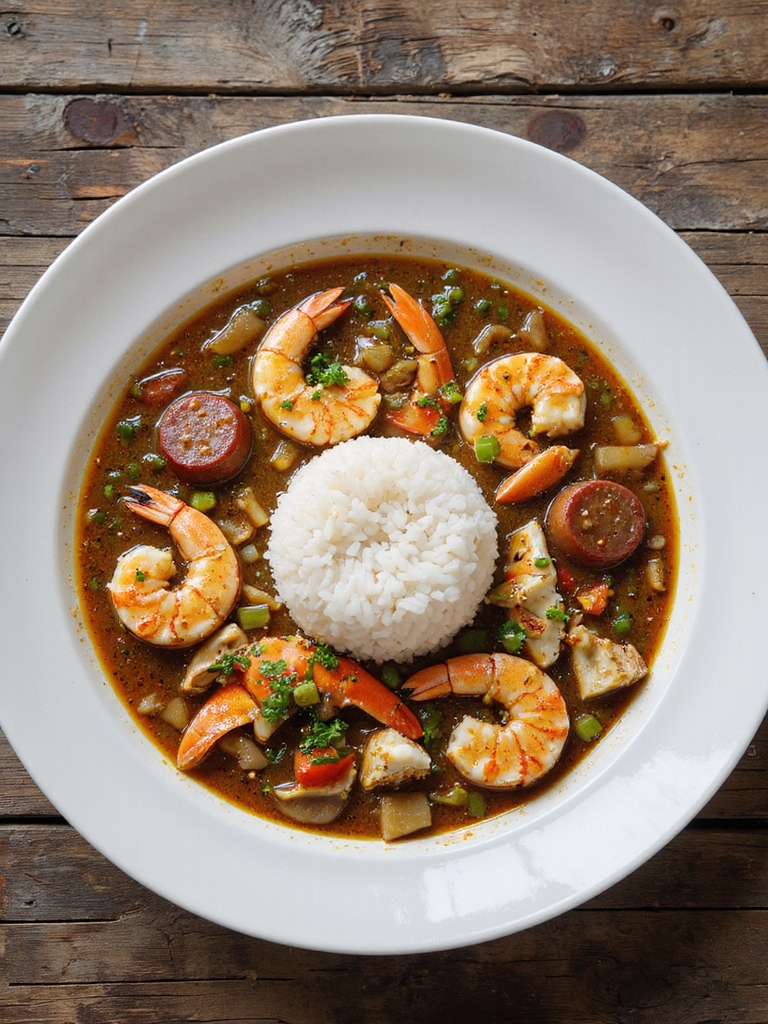
Louisiana Seafood Gumbo is a rich and hearty dish that embodies the vibrant flavors of the Deep South. This traditional stew combines a variety of seafood with aromatic vegetables, all simmered together in a thickened, flavorful broth enriched with spices and served over rice. The roux gives the gumbo its characteristic thickness and adds to the complexity of flavors.
- 1/2 cup vegetable oil
- 1/2 cup all-purpose flour
- 1 large onion, chopped
- 1 bell pepper, chopped
- 3 celery stalks, chopped
- 4 cloves garlic, minced
- 1 teaspoon cayenne pepper
- 1 teaspoon dried thyme
- 1 teaspoon paprika
- 2 bay leaves
- 2 quarts seafood stock
- 1 pound shrimp, peeled and deveined
- 1 pound crabmeat
- 1 pound crab legs
- 1 pound andouille sausage, sliced
- Salt and pepper to taste
- Cooked rice
In a large pot over medium heat, combine oil and flour to make a dark roux, stirring constantly until golden brown. Add onion, bell pepper, celery, and garlic, cooking until soft. Stir in cayenne, thyme, paprika, and bay leaves, then pour in seafood stock. Add shrimp, crabmeat, crab legs, sausage, and simmer until seafood is cooked through, about 10 minutes. Season with salt and pepper, serve over cooked rice.
To maximize flavor, use fresh seafood and verify your roux reaches a rich, golden-brown color before adding vegetables. Letting the gumbo sit for a while before serving enhances the flavor by allowing spices to blend more thoroughly. Additionally, the use of fresh seafood can elevate the taste of your gumbo significantly.
Spanish Zarzuela De Mariscos
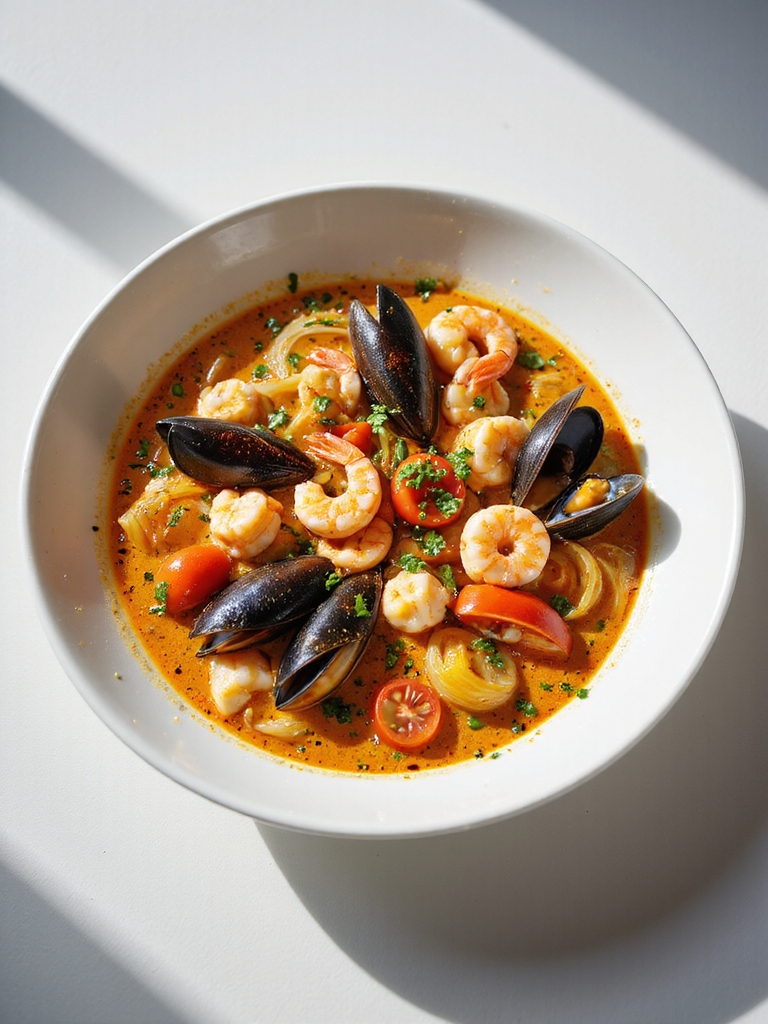
Zarzuela de Mariscos is a delightful Spanish seafood stew known for its rich and aromatic broth, combining a blend of fresh seafood and savory spices. This traditional Catalonian dish is a feast of flavors, offering the perfect harmony of herbs, tomatoes, and saffron, creating a vibrant and hearty meal. The depth of flavor in this dish is elevated by using high-quality saffron, which is a key ingredient that distinguishes it from other seafood stews.
- 1/4 cup olive oil
- 1 large onion, chopped
- 2 garlic cloves, minced
- 1/2 cup white wine
- 2 ripe tomatoes, chopped
- 1 teaspoon saffron threads
- 1 teaspoon smoked paprika
- 2 bay leaves
- 1/2 pound mussels, cleaned
- 1/2 pound clams, cleaned
- 1/2 pound shrimp, peeled and deveined
- 1/2 pound calamari, sliced
- Salt and pepper to taste
- Fresh parsley, chopped
In a large pot over medium heat, heat olive oil and sauté onion and garlic until soft. Add white wine, tomatoes, saffron, paprika, and bay leaves, simmering for a few minutes. Stir in mussels, clams, shrimp, and calamari, cooking until the seafood is cooked through and the shellfish have opened, seasoning with salt, pepper, and topping with parsley before serving.
For maximum flavor, make certain the saffron is high-quality and soak it in warm water before adding it to the stew. Fresh seafood is essential for the best taste, and be sure to discard any unopened shellfish after cooking.
New England Fisherman’s Stew
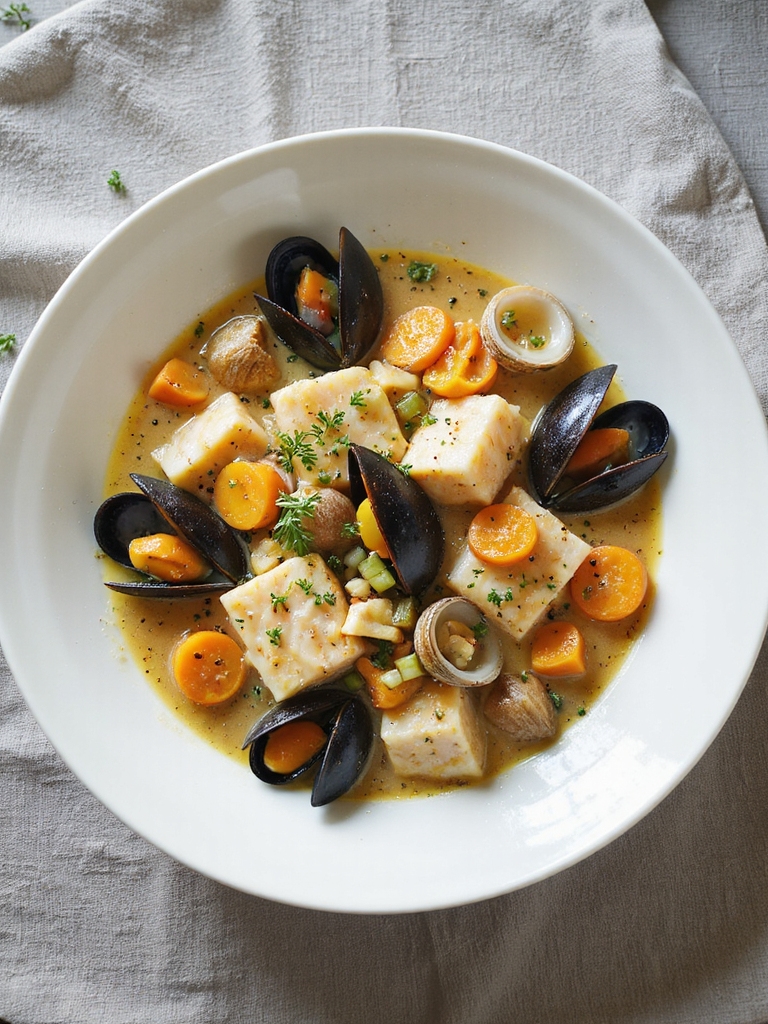
New England Fisherman’s Stew is a comforting and robust dish, celebrated for its hearty blend of fresh seafood and rich, creamy broth. This classic stew captures the essence of New England‘s coastal bounty, featuring tender pieces of white fish and shellfish combined with aromatic vegetables and seasoning. It’s an ideal meal for a cozy family gathering or any occasion that requires a dash of authentic maritime flavor.
- 2 tablespoons butter
- 1 large onion, chopped
- 2 celery stalks, chopped
- 2 carrots, sliced
- 3 cups fish stock
- 1 cup heavy cream
- 1 pound white fish fillets, cubed
- 1/2 pound mussels, cleaned
- 1/2 pound clams, cleaned
- Salt and pepper to taste
- Fresh thyme, chopped
In a large pot, melt butter over medium heat, and add onion, celery, and carrots, cooking until softened. Pour in fish stock, bring to a boil, then reduce heat and stir in cream, white fish, mussels, and clams. Cook until the seafood is cooked through and the shellfish have opened, seasoning with salt, pepper, and fresh thyme before serving.
For the best results, use fresh, sustainably sourced seafood to maintain the authentic flavor of the stew. A seafood boil recipe guarantees all shellfish are properly cleaned and discard any unopened shells after cooking to avoid potential safety issues.
Thai Coconut Curry Seafood Stew
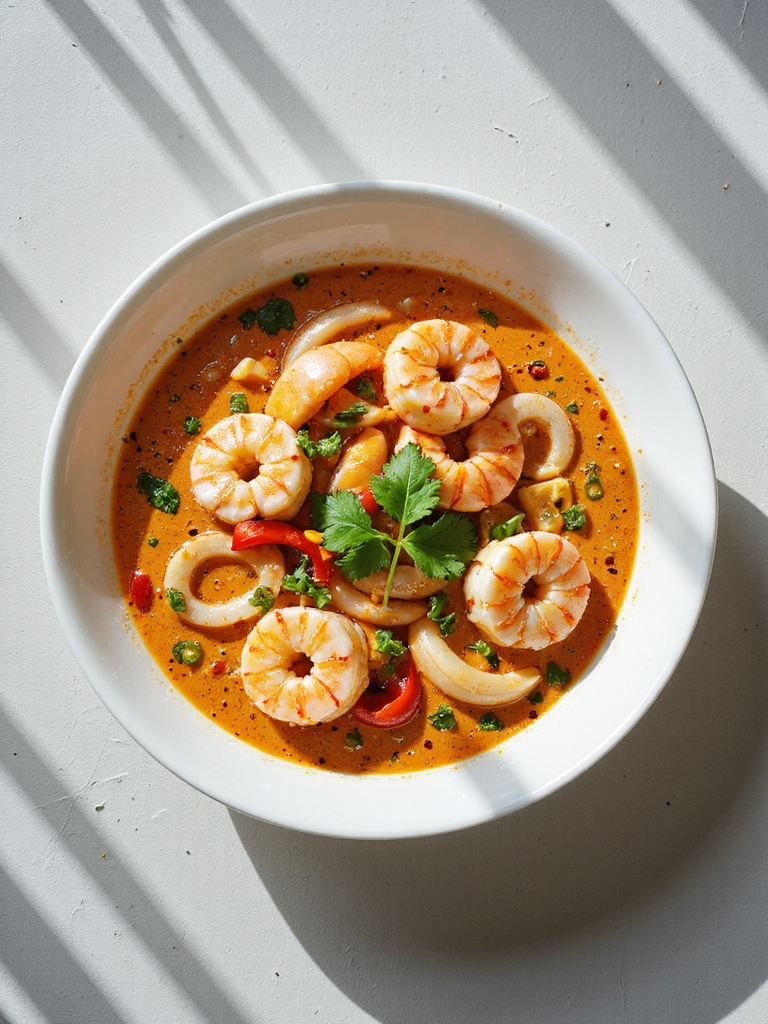
Indulge in the flavors of Thailand with this Thai Coconut Curry Seafood Stew, a dish that combines the richness of coconut milk with a medley of seafood and aromatic Thai spices. This stew showcases the vibrant and bold flavors that define Thai cuisine, creating a harmonious blend of sweet, spicy, and tangy notes that will transport your taste buds to Southeast Asia.
- 2 tablespoons vegetable oil
- 1 large onion, sliced
- 3 cloves garlic, minced
- 1 tablespoon ginger, grated
- 1 tablespoon red curry paste
- 1 can (14 oz) coconut milk
- 2 cups chicken or vegetable broth
- 1 pound shrimp, cleaned and deveined
- 1/2 pound squid, cleaned and sliced
- 1 red bell pepper, sliced
- 2 tablespoons fish sauce
- Juice of 1 lime
- Cilantro, for garnish
Heat oil in a large pot over medium heat, add onion, garlic, and ginger, cooking until fragrant. Stir in curry paste, followed by coconut milk and broth, bringing to a simmer. Add shrimp, squid, and bell pepper, cooking until seafood is done, then stir in fish sauce and lime juice, garnishing with cilantro before serving.
For a more traditional experience, serve the stew with jasmine rice to balance its intense flavors and provide a complete meal. Adjust the curry paste quantity to suit your spice preference, and consider adding a splash of soy sauce or sugar for additional depth.
Brazilian Moqueca
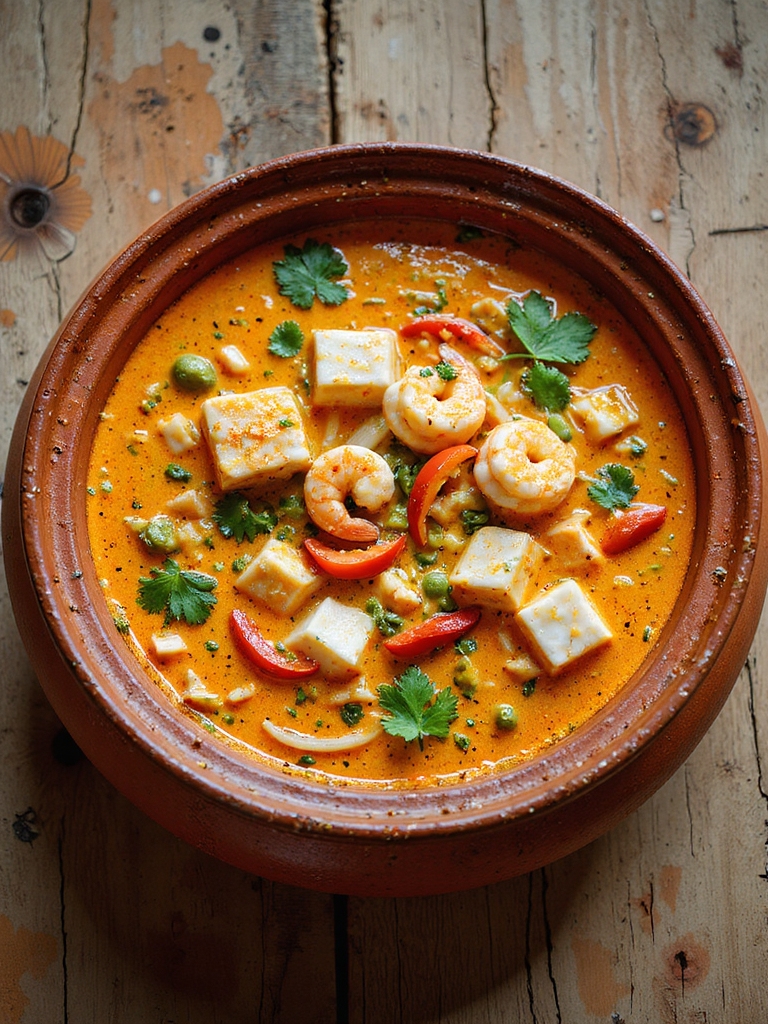
Brazilian Moqueca is a vibrant and flavorful seafood stew that originates from the coastal regions of Brazil. This dish combines the unique tastes of coconut milk, palm oil, and fresh seafood, infused with aromatic herbs and spices. Moqueca is traditionally cooked in a clay pot, which enhances the flavors and adds an authentic touch to the meal. Its rich, savory broth and tender seafood make it a truly comforting and satisfying dish, perfect for any occasion. Additionally, this dish showcases healthy seafood dishes, making it not only tasty but also nutritious.
- 1 pound white fish fillets, cut into chunks
- 1/2 pound shrimp, cleaned and deveined
- 2 tablespoons palm oil
- 1 onion, sliced
- 3 cloves garlic, minced
- 2 tomatoes, chopped
- 1 red bell pepper, sliced
- 1 can (14 oz) coconut milk
- 1 cup fish or vegetable broth
- Juice of 2 limes
- 1/4 cup cilantro, chopped
- Salt and pepper to taste
Heat palm oil in a large pot over medium heat, adding the onion and garlic to sauté until soft. Stir in tomatoes, bell pepper, and coconut milk followed by broth, bringing to a simmer. Add the fish and shrimp, cooking until seafood is tender; finish with lime juice and cilantro, seasoning with salt and pepper before serving.
For an authentic Brazilian experience, serve Moqueca with steamed rice and farofa, a toasted cassava flour dish. Adjust the amount of palm oil for a milder flavor and consider adding a pinch of chili flakes if you prefer a spicier stew.
Creole Seafood Jambalaya
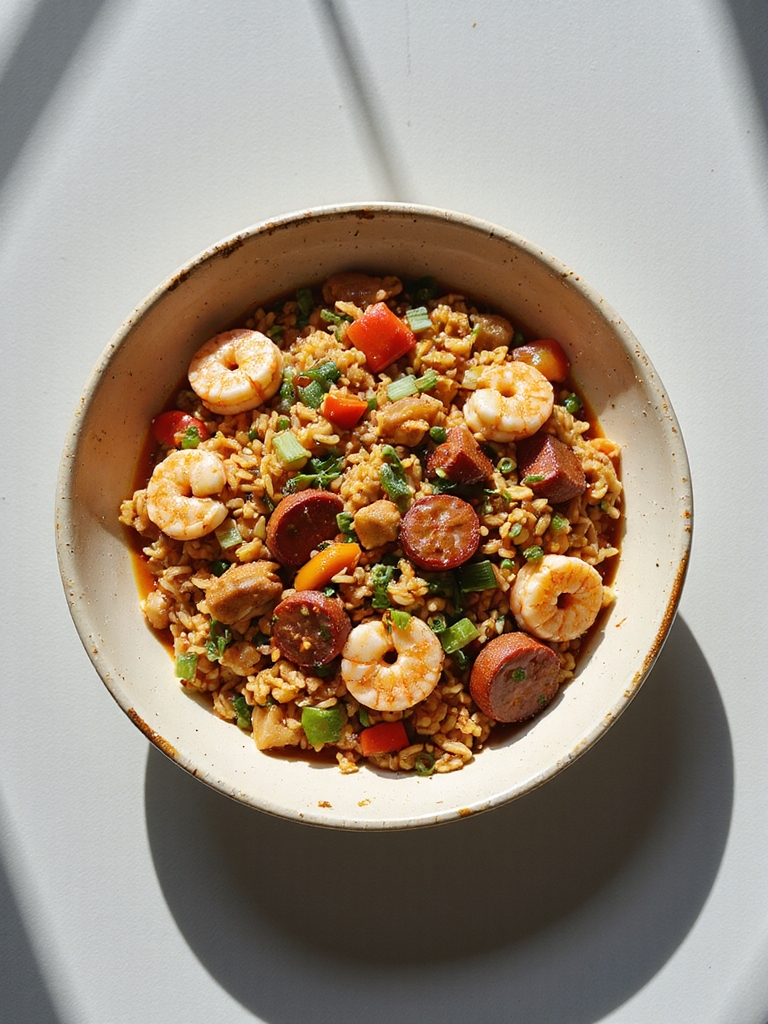
Creole Seafood Jambalaya is a hearty and aromatic dish that hails from the southern United States, particularly Louisiana. This one-pot wonder features a fragrant blend of seafood, rice, vegetables, and Creole spices that come together to create a symphony of flavors. Often enjoyed with family and friends, Jambalaya is known for its comforting richness and the vibrant kick of Cajun seasoning, which makes it an irresistible culinary delight.
- 1 pound shrimp, peeled and deveined
- 1 pound andouille sausage, sliced
- 2 tablespoons olive oil
- 1 onion, diced
- 1 red bell pepper, diced
- 1 celery stalk, diced
- 3 cloves garlic, minced
- 2 cups long-grain rice
- 4 cups chicken or seafood broth
- 1 can (14 oz) diced tomatoes
- 2 teaspoons Creole seasoning
- 1 bay leaf
- 1/4 cup green onions, sliced
- 1/4 cup parsley, chopped
- Salt and pepper to taste
Heat olive oil in a large pot over medium heat, sauté onion, bell pepper, celery, and garlic until soft. Stir in rice, cooking for a minute before adding broth, tomatoes, sausage, Creole seasoning, and bay leaf; bring to a simmer. Add shrimp and cook until rice is tender and shrimp are pink, stir in green onions and parsley, seasoning with salt and pepper before serving.
For best results, choose high-quality andouille sausage for a rich, authentic flavor, and make certain the rice is not overcooked to avoid a mushy texture. Adjust the Creole seasoning to your taste; for a spicy kick, add cayenne pepper.
Mediterranean Seafood Ragout
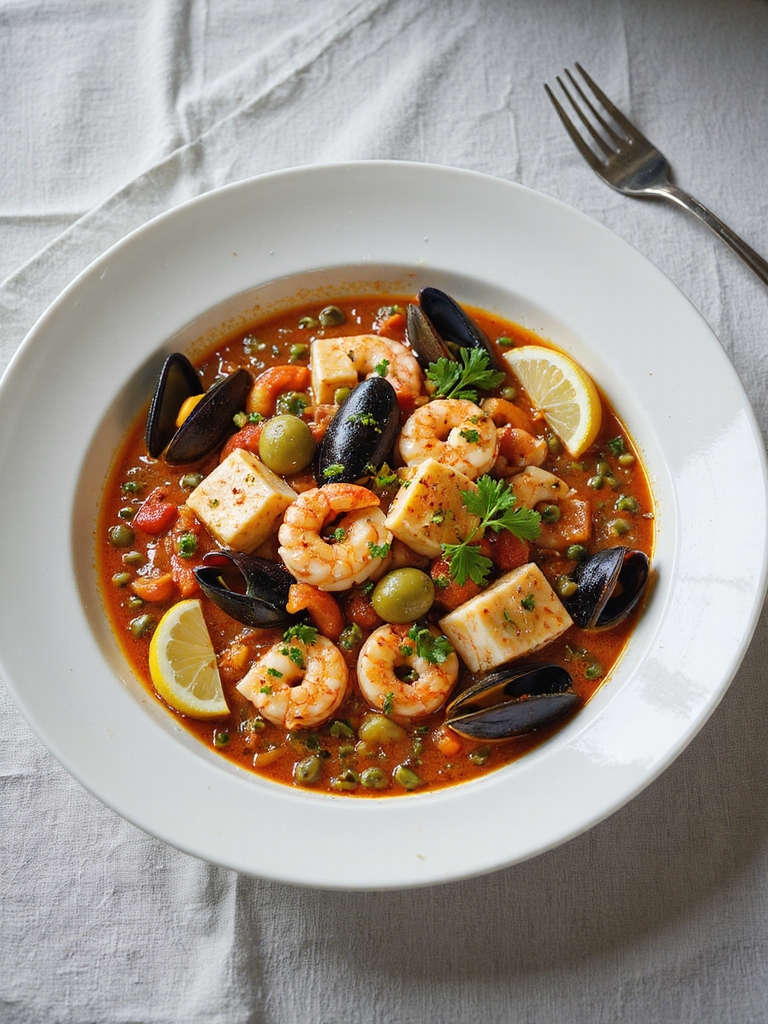
Mediterranean Seafood Ragout is a mouthwatering stew that captures the essence of the Mediterranean coastline with its use of fresh seafood, aromatic herbs, and vibrant vegetables. The dish typically features a medley of fish, shrimp, and shellfish simmered in a savory tomato and white wine base, enriched with olives, capers, and a hint of citrus. This delightful ragout is a versatile option, perfect as a hearty family meal or a sophisticated dinner party offering.
- 1 pound white fish fillets, cubed
- 1/2 pound shrimp, peeled and deveined
- 1/2 pound mussels, cleaned
- 2 tablespoons olive oil
- 1 onion, diced
- 2 cloves garlic, minced
- 1 can (14.5 oz) diced tomatoes
- 1/2 cup white wine
- 1/4 cup green olives, sliced
- 2 tablespoons capers
- 1 teaspoon dried oregano
- 1 teaspoon smoked paprika
- Salt and pepper to taste
- Lemon wedges for serving
- Fresh parsley, chopped
Heat olive oil in a large pan over medium heat, sauté onion and garlic until fragrant. Stir in tomatoes, white wine, olives, capers, oregano, and paprika. Add fish, shrimp, and mussels, cooking until seafood is cooked through; season with salt and pepper.
For best flavor, use the freshest seafood available and ascertain the mussels are properly cleaned and debearded before cooking. Additionally, pairing this dish with deliciously simple seafood appetizers can create a delightful meal experience. Serve the ragout with crusty bread and garnish with lemon wedges and fresh parsley for an extra burst of flavor.
Indian Kerala-Style Fish Stew
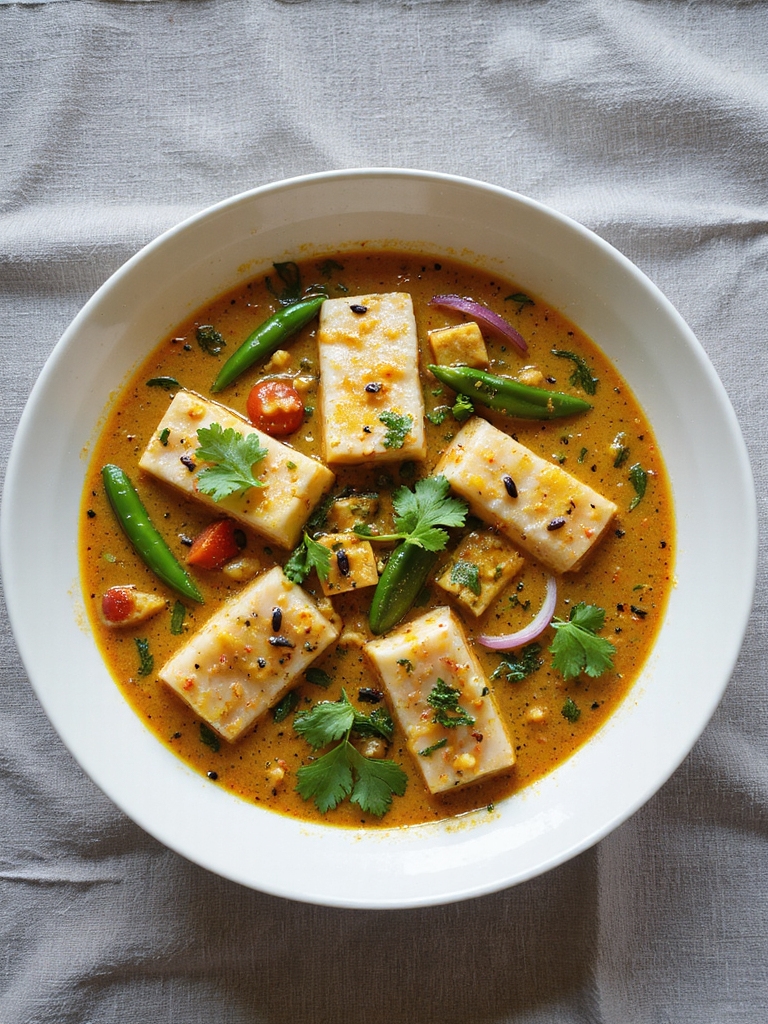
Kerala-Style Fish Stew, also known as Meen Moilee, is a delightful and aromatic dish from the southwestern coast of India. This stew is characterized by its rich and coconutty flavor, complemented by a medley of spices and the subtle tanginess of tamarind. Traditionally prepared with fresh fish such as kingfish or pomfret, this dish is an excellent choice for those seeking an exotic and comforting meal. The stew’s vibrant flavors are further enhanced by the use of curry leaves, mustard seeds, and green chilies, offering a taste of Kerala’s coastal culinary heritage.
- 1 pound firm white fish fillets, cut into chunks
- 2 tablespoons coconut oil
- 1 teaspoon mustard seeds
- 1 onion, thinly sliced
- 2 green chilies, slit
- 1-inch piece of ginger, minced
- 1/2 teaspoon turmeric powder
- 1 cup coconut milk
- 1 small tomato, chopped
- 1 tablespoon tamarind paste
- A few curry leaves
- Salt to taste
- Fresh cilantro, chopped
Heat coconut oil in a large pan, add mustard seeds, and when they start to splutter, add onions, green chilies, ginger, and turmeric powder. Stir in tomatoes, salt, curry leaves, and tamarind paste, cooking until tomatoes soften. Add fish chunks and coconut milk, simmer for a few minutes until the fish is cooked through and flavors meld together.
For authentic taste, use freshly extracted coconut milk and fresh curry leaves. Adjust the number of green chilies to taste, depending on your tolerance for heat, and remember to gently handle the fish to prevent breaking.
Rustic Portuguese Caldeirada
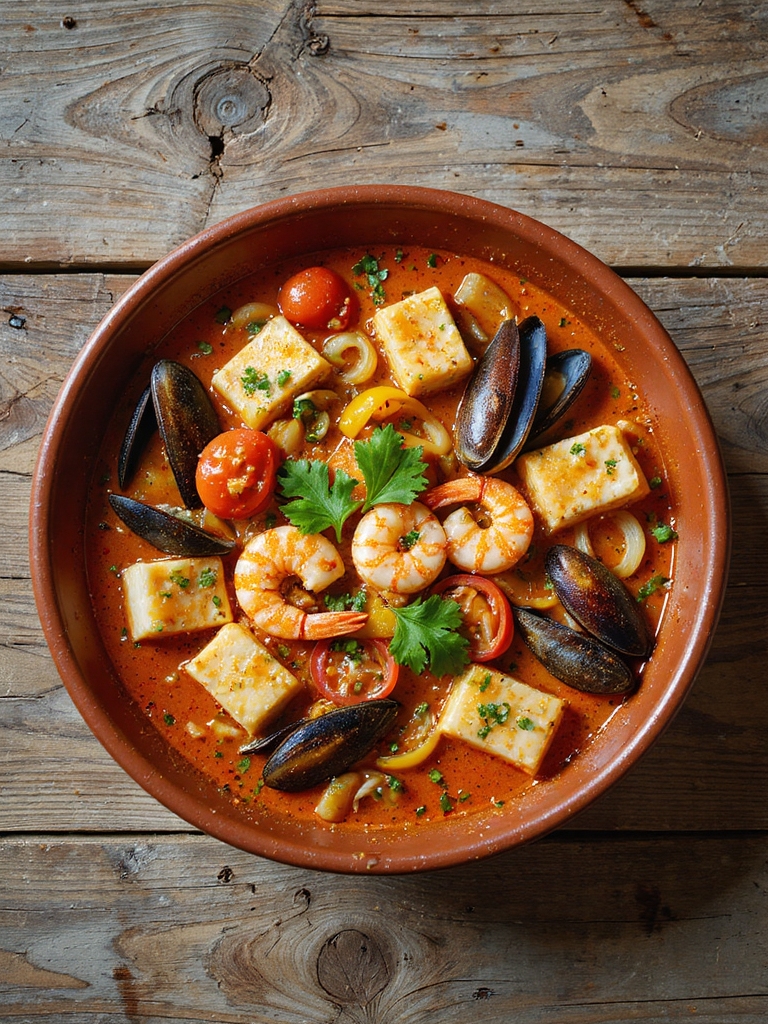
Rustic Portuguese Caldeirada is a traditional seafood stew brimming with an assortment of fresh fish and shellfish, giving this dish a fascinating array of flavors and textures. Hailing from Portugal, this rustic stew combines fresh seafood with a hearty mix of vegetables and is infused with aromatic herbs and spices, creating a warming, satisfying dish. Known for its vibrant flavors, the key to a perfect Caldeirada lies in using the freshest ingredients available, alongside classic Portuguese seasonings.
- 1 pound mixed fish fillets (e.g., cod, halibut)
- 8-10 clams
- 8-10 mussels
- 1/2 pound shrimp, peeled and deveined
- 4 tablespoons olive oil
- 2 onions, sliced
- 3 garlic cloves, minced
- 2 tomatoes, chopped
- 1 bell pepper, sliced
- 2 bay leaves
- 1 teaspoon paprika
- 4 cups fish stock
- Salt and pepper
- Fresh parsley, chopped
In a large pot, heat olive oil and sauté onions, garlic, and bell pepper until softened. Add tomatoes, bay leaves, paprika, and fish stock, then bring to a simmer. Add fish, shellfish, and shrimp, cooking gently until seafood is just tender and flavors meld; season with salt and pepper.
For the best results, use the freshest seafood available and take care not to overcook it to preserve the delicate textures. Make sure clams and mussels are clean and discard any that remain open after cooking.
Caribbean Callaloo and Seafood Stew
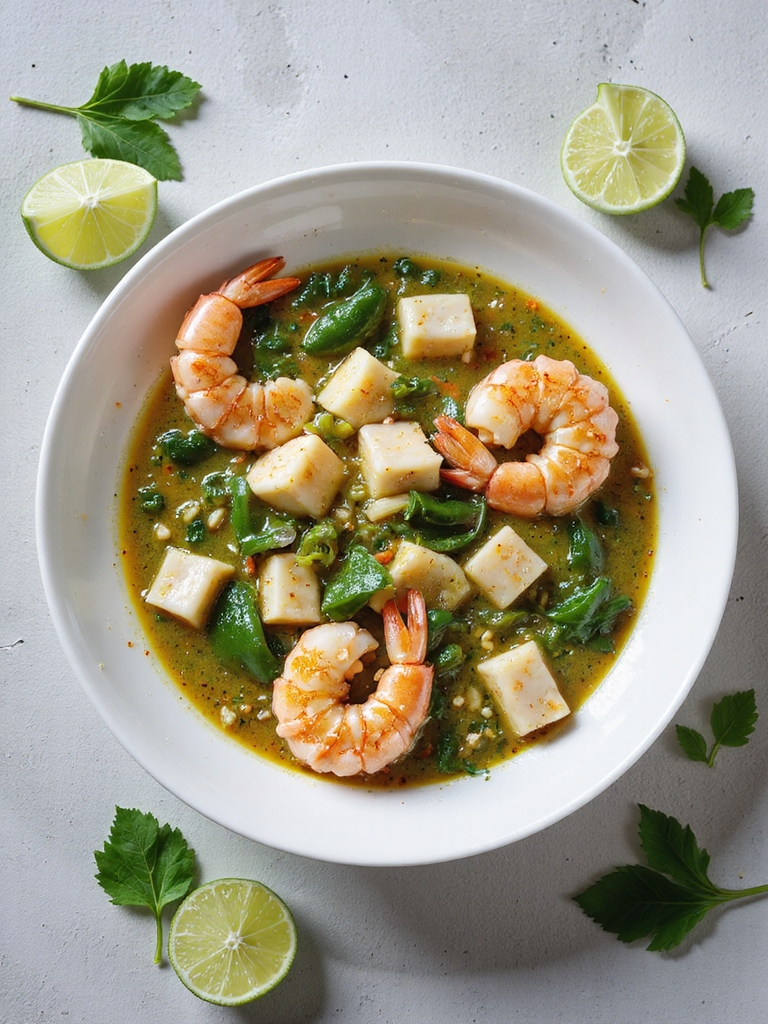
Caribbean Callaloo and Seafood Stew is a delicious fusion of Caribbean flavors and fresh seafood, creating a rich and nourishing dish. This vibrant stew combines the earthy, slightly peppery taste of callaloo leaves with a variety of succulent seafood and traditional Caribbean spices. With its layers of flavors, this dish brings together the best of tropical ingredients, offering a warm, comforting meal perfect for any occasion. Additionally, seafood dishes often highlight local ingredients, contributing to their delicious and unique flavors.
- 1 pound mixed seafood (e.g., shrimp, scallops, fish)
- 4 cups callaloo leaves, chopped
- 2 tablespoons olive oil
- 1 onion, chopped
- 3 garlic cloves, minced
- 2 cups coconut milk
- 1 scotch bonnet pepper, whole
- 1 bell pepper, chopped
- Salt and pepper
- Lime wedges
In a large pot, heat olive oil and sauté onion, garlic, and bell pepper until soft. Add callaloo and coconut milk, bringing to a simmer before adding seafood and scotch bonnet pepper. Simmer gently until seafood is cooked through and flavors meld; season with salt and pepper and serve with lime wedges.
Ensure the scotch bonnet pepper remains whole to control the level of heat; removing it will reduce the spice intensity. Use the freshest seafood possible to enhance the stew’s quality and avoid overcooking for perfect tender textures.
Korean Spicy Fish Stew (Maeuntang)
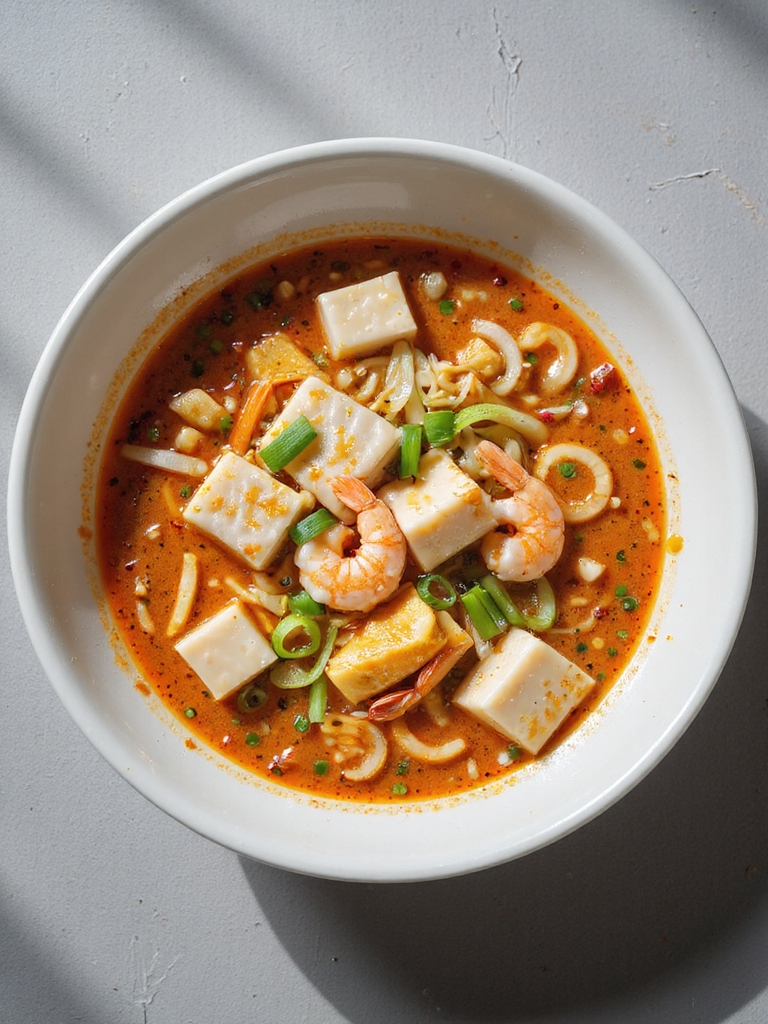
Korean Spicy Fish Stew, known as Maeuntang, is a fiery, savory Korean dish brimming with bold flavors and nutritious ingredients. This hearty stew is traditionally made with a variety of fresh fish and seafood simmered in a bright red, spicy broth infused with Korean chili paste and chili powder. The addition of vegetables and tofu adds texture and depth, creating a filling and satisfying meal that’s perfect for cold days or whenever you’re in the mood for something spicy.
- 1 pound white fish fillets
- 8 shrimp, deveined
- 2 tablespoons Korean chili paste (gochujang)
- 1 tablespoon Korean chili powder
- 4 cups fish stock
- 1 onion, sliced
- 3 cloves garlic, minced
- 1 block tofu, cubed
- 2 green onions, chopped
- 1 cup napa cabbage, shredded
- 1 tablespoon soy sauce
- Salt and pepper
In a large pot, bring fish stock to a boil and add onion, garlic, Korean chili paste, and powder. Add the fish fillets, shrimp, tofu, napa cabbage, and soy sauce, simmering until the seafood is cooked and vegetables are tender. Season with salt and pepper to taste and garnish with green onions before serving.
For an authentic taste, use fresh fish and adjust spice levels according to your preference by varying the amount of chili paste and powder. Additionally, a good seafood boil sauce can elevate the flavors even further, making Maeuntang a versatile dish perfect for various occasions. Serve with a side of steamed rice to complement the robust, spicy flavors of Maeuntang.
Japanese Seafood Nabe
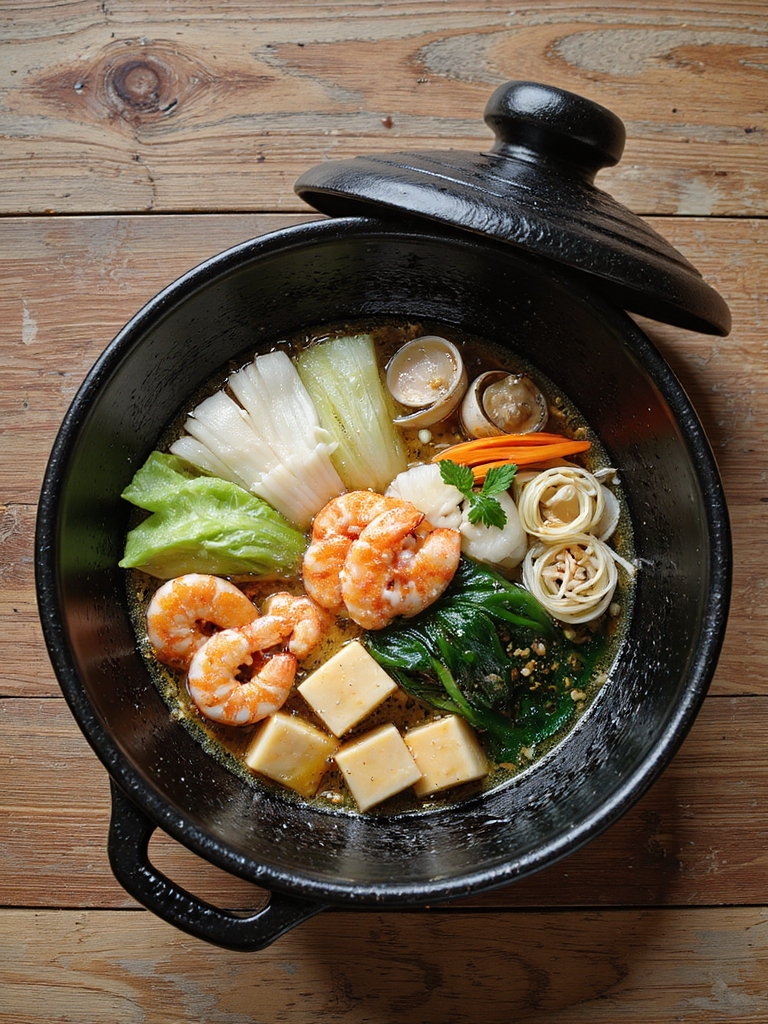
Japanese Seafood Nabe, also known as Yosenabe, is a delightful one-pot Japanese dish perfect for communal dining. Traditionally enjoyed during colder months, this hot pot meal combines an assortment of fresh seafood, vegetables, and sometimes tofu, all simmered in a light broth. The dish is versatile, allowing you to tailor the ingredients to suit your preferences or use what’s on hand, making it a hearty and nourishing option that’s simple yet full of flavor.
- 1 pound assorted seafood (such as shrimp, clams, scallops)
- 1 block tofu, cubed
- 1/2 napa cabbage, roughly chopped
- 1 bunch enoki mushrooms
- 3 cups dashi stock
- 1 tablespoon soy sauce
- 2 green onions, sliced
- 1 carrot, thinly sliced
- Salt to taste
In a large pot, bring the dashi stock to a boil and add soy sauce and salt; then, lower the heat. Add the seafood, tofu, napa cabbage, enoki mushrooms, carrot, and green onions. Simmer until the seafood is cooked and vegetables are tender, adjusting seasoning as needed before serving.
For best results, use the freshest seafood and high-quality dashi stock to impart a deeper umami flavor. Consider serving this hot pot with a side of rice or noodles to balance the broth’s delicate taste.
Scandinavian Fish Soup (Soppa)
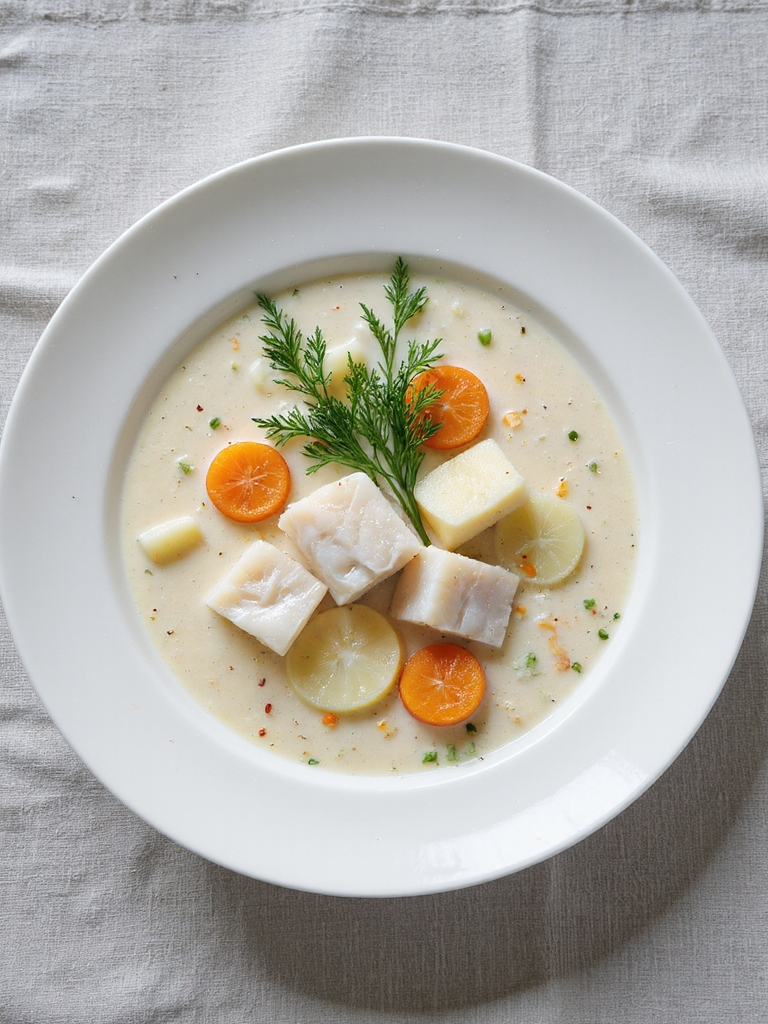
Scandinavian Fish Soup, or Soppa, is a comforting and flavorful dish that embodies the essence of Nordic cuisine. This creamy fish soup features a blend of fresh fish, aromatic vegetables, and a touch of cream, creating a warm, satisfying meal perfect for any season. Traditionally served with crusty bread, Soppa is a great way to showcase the region’s seafood and bring a taste of Scandinavia to your table.
- 1 pound white fish fillets, cut into chunks
- 2 tablespoons butter
- 1 leek, sliced
- 2 carrots, diced
- 3 potatoes, peeled and cubed
- 4 cups fish stock
- 1 cup heavy cream
- 2 tablespoons fresh dill, chopped
- Salt and pepper to taste
Melt butter in a large pot over medium heat; add leeks, carrots, and potatoes, cooking until softened. Stir in the fish stock and bring to a boil, then reduce heat and simmer until the vegetables are tender. Add fish and cream, cooking until the fish is cooked through; season with dill, salt, and pepper before serving.
For a richer flavor, use a mix of different types of white fish and ascertain not to overcook it to prevent it from becoming tough. Remember to taste and adjust the seasoning to your liking, allowing the creamy broth to complement the fish’s natural flavor.