Growing up, my heart was always warmed by the rich aroma of beef stew simmering away on the stovetop, filling our home with the promise of comfort and nostalgia. If you’re looking to recreate that classic homestyle dish and savor its hearty goodness tonight, then this is the place for you. With seasoned tips and secrets at your fingertips, you’re just a ladle away from a cozy, memory-filled dinner experience.
Choosing the Best Cuts of Beef for Stew
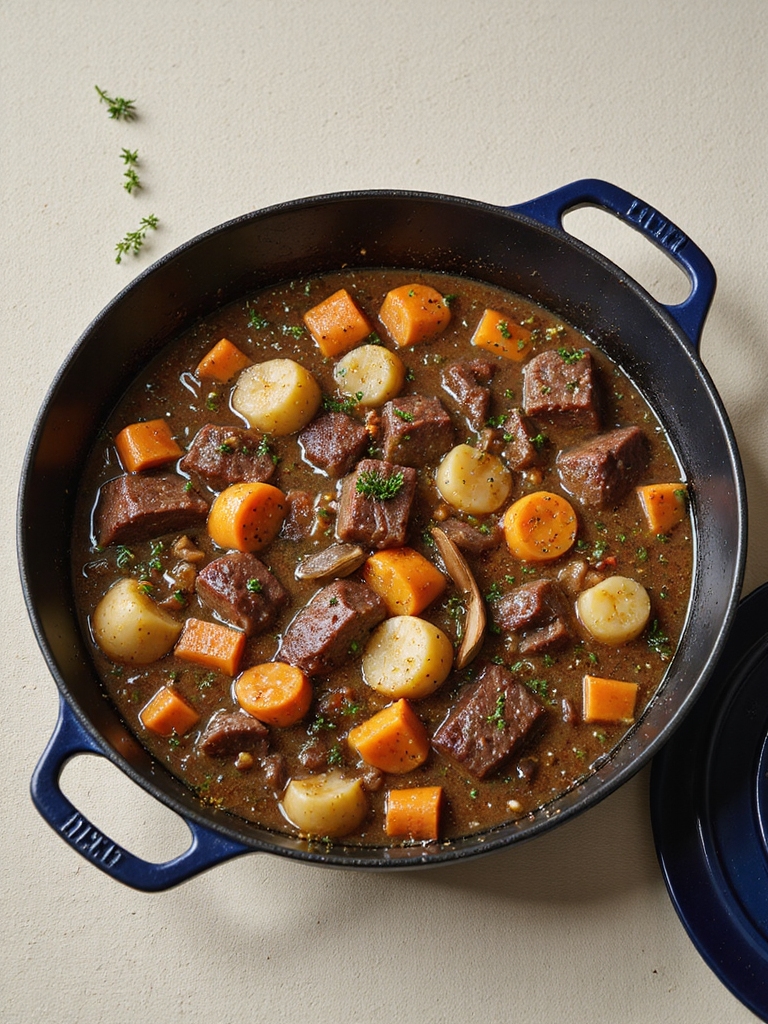
For a hearty beef stew, selecting the right cut of beef is essential to achieving the best flavor and texture. Generally, tougher cuts with more connective tissue, such as chuck roast, are ideal because they break down during the cooking process, yielding tender, flavorful meat. Furthermore, oxtail or short ribs can also be used for a richer stew, but these may require a slightly longer cooking time. Chuck roast is a popular choice among many home cooks for its robust flavor and affordability. Paired with seasonal vegetables, this stew will warm you up on a cold day.
Ingredients:
- 2 lbs beef chuck roast, cut into 1-inch cubes
- 3 tbsp olive oil
- 1 large onion, chopped
- 3 cloves garlic, minced
- 4 cups beef broth
- 1 cup red wine
- 4 carrots, sliced
- 4 potatoes, diced
- 2 tsp thyme
- 2 bay leaves
- Salt and pepper to taste
Heat olive oil in a Dutch oven over medium-high heat and brown the beef cubes in batches. Remove beef, then sauté onion and garlic until soft. Return beef to the pot, add broth, wine, thyme, and bay leaves; bring to a boil, reduce to simmer, cover and let cook for 2 hours. Add carrots and potatoes, season, and continue simmering for another hour until vegetables are tender.
Consider browning the beef in small batches to avoid overcrowding the pan, which guarantees even cooking. For extra flavor, marinate the beef in red wine overnight before beginning the recipe.
Perfecting the Beef Searing Process
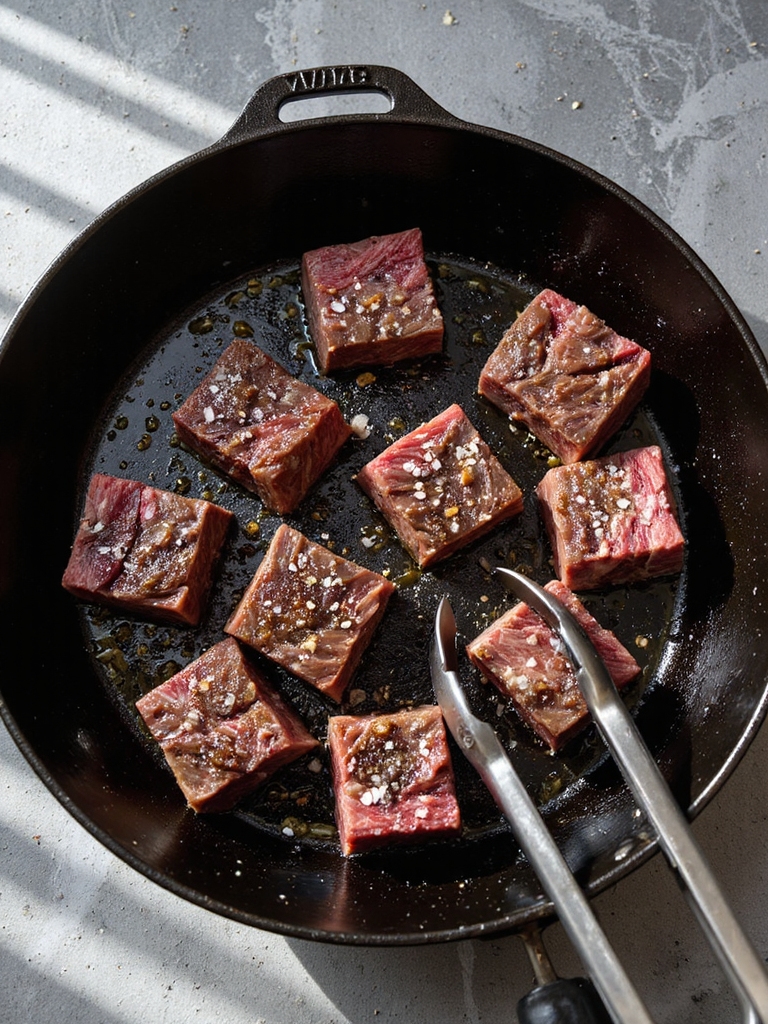
To guarantee the beef used in beef stew is perfectly seared and rich in flavor, focus on the searing process. Searing locks in juices and develops a deep brown crust that enhances the overall dish. Begin by guaranteeing the beef is dry by patting it with paper towels, which prevents steaming and promotes browning. Use a heavy-bottomed pot, like a Dutch oven, and preheat it with oil until it is shimmering before adding the beef cubes.
Ingredients:
- 2 lbs beef chuck roast, cut into 1-inch cubes
- Olive oil
Once the oil is hot, work in small batches to sear the beef cubes, making sure not to overcrowd the pot to allow even browning on all sides. After searing, remove the beef and proceed with the stew recipe as planned, adding any fond bits left in the pot to enrich the broth. Searing not only improves the flavor but also adds a hearty texture that pairs well with vegetables. It’s important to note that savory stewing beef recipes can greatly benefit from this technique.
For optimum results, guarantee the beef cubes are an even size to promote uniform cooking and searing. Always use tongs to turn the beef pieces instead of forks to prevent puncturing the meat, which can cause juices to escape.
Essential Herbs and Spices for Flavor
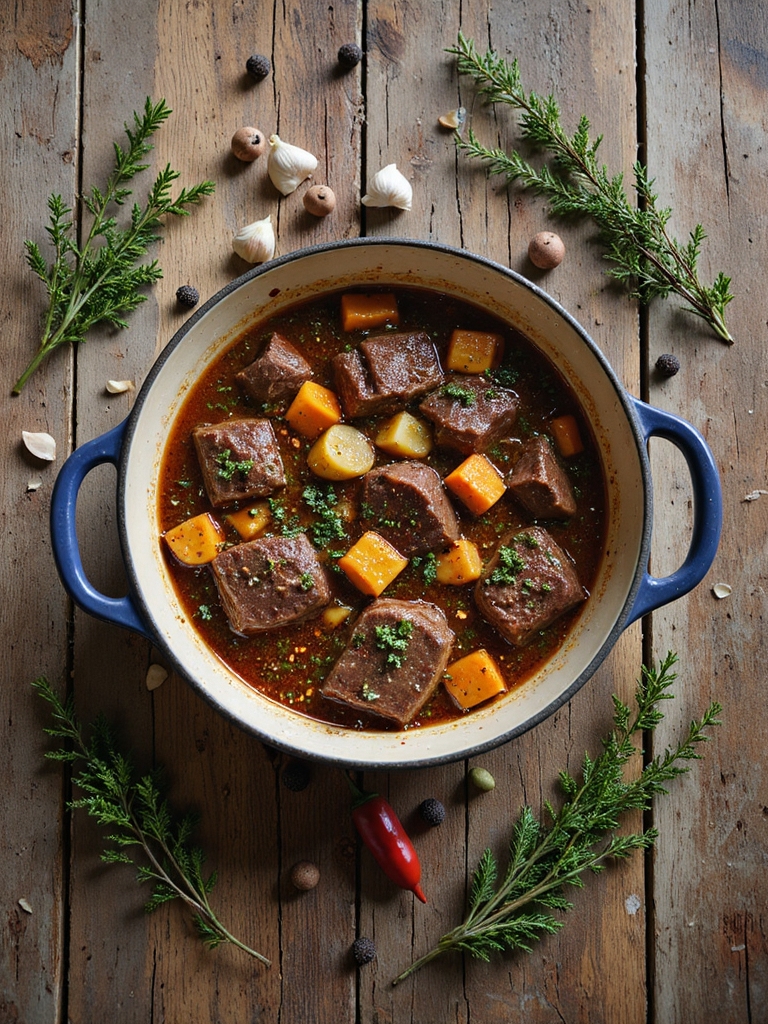
For a beef stew rich in taste and aroma, the choice of herbs and spices is essential. These ingredients meld with the seared beef to create a symphony of flavors. Key spices such as garlic and bay leaves add depth, while rosemary and thyme infuse the stew with an herby freshness. Paprika provides a smoky undertone, and a pinch of cayenne can add a subtle heat that elevates the entire dish. Additionally, incorporating savory beef soup recipes can provide you with more inspiration for your culinary adventures.
Ingredients:
- 2 lbs seared beef cubes
- 4 cloves garlic, minced
- 2 bay leaves
- 2 sprigs fresh rosemary
- 2 sprigs fresh thyme
- 1 tsp paprika
- 1/4 tsp cayenne pepper
- Salt and pepper to taste
- Beef broth
In a large pot, combine the seared beef with garlic, bay leaves, rosemary, thyme, paprika, and cayenne. Pour in enough beef broth to cover the ingredients, season with salt and pepper, and bring to a gentle boil. Reduce to simmer and cook until beef is tender, stirring occasionally to prevent sticking and ensuring flavors blend.
Remember to remove the herb stems before serving to avoid any unwanted woody texture in the stew. Adjust salt and pepper according to your preference, and feel free to experiment with additional herbs like oregano or basil for a personal touch.
Selecting the Right Vegetables
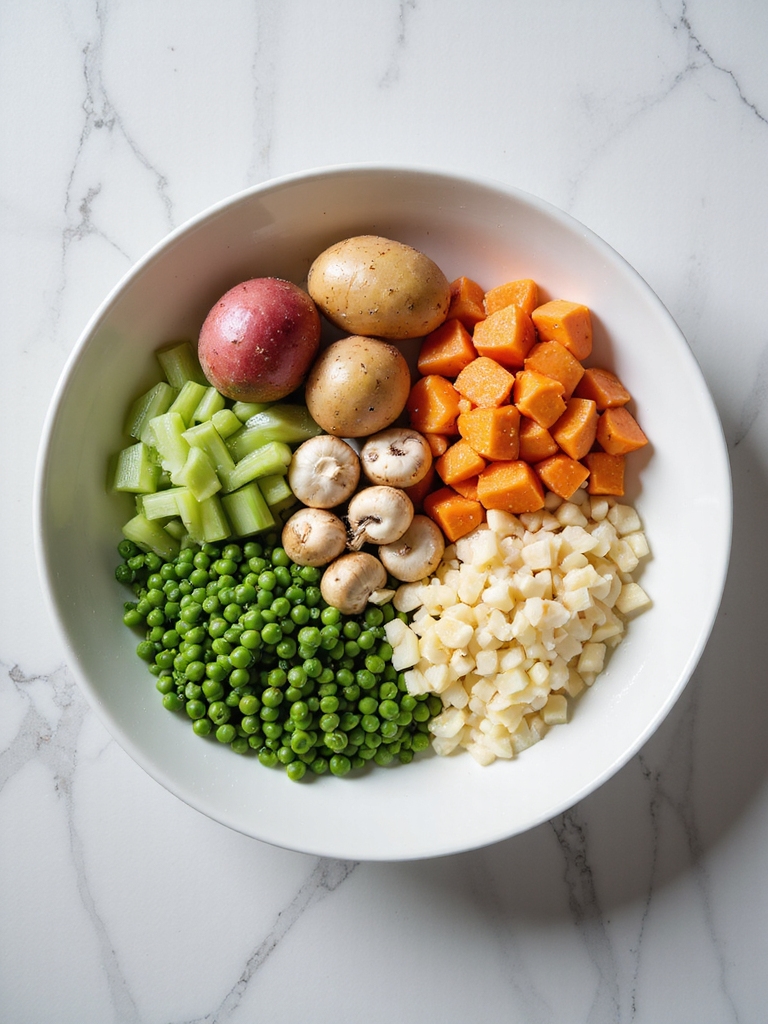
For a balanced and hearty beef stew, selecting the right vegetables is essential. The aim is to choose vegetables that hold up well during prolonged cooking and contribute to the overall flavor and texture profile of the stew. Potatoes add a creamy consistency, while carrots and celery offer a sweet and savory balance. Mushrooms introduce an earthy element, while onions give depth and richness. Adding peas towards the end adds a pop of color and a sweet contrast to the robust stew.
Incorporating hearty Crock Pot beef stew ideas can also inspire your vegetable selection.
Ingredients:
- 2 large potatoes, peeled and cubed
- 3 carrots, sliced
- 3 celery stalks, chopped
- 1 cup mushrooms, sliced
- 1 onion, chopped
- 1 cup peas
Incorporate the vegetables with the seared beef and spices, pouring in just enough beef broth to cover the ingredients. Allow the stew to simmer gently, stirring occasionally, until the beef and vegetables reach desired tenderness. Add peas in the last few minutes to keep them vibrant and crisp before serving.
To enhance the flavors, consider roasting the vegetables before adding them to the stew for extra depth. Adjust the amount of vegetables based on personal preference or dietary needs, ensuring not to overcrowd the pot to maintain an even cook.
Stock and Broth Options
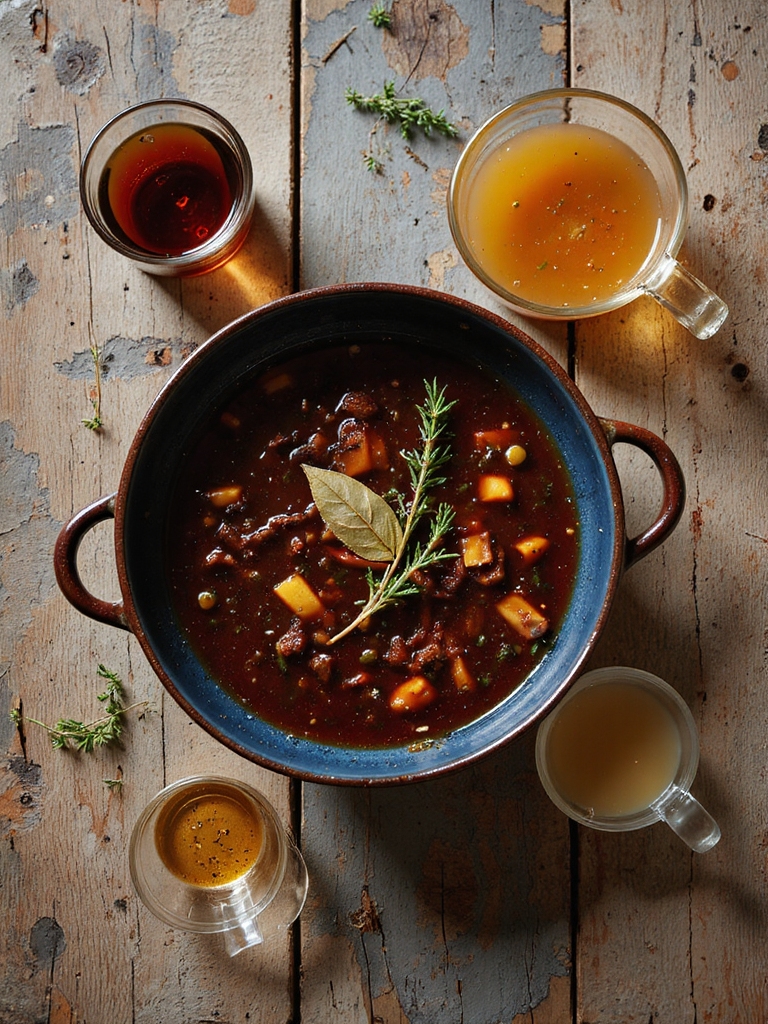
A key decision for making beef stew is selecting between stock and broth; both have their benefits, though the choice affects the stew’s flavor and texture. Stock, made from bones and connective tissue, thickens the stew naturally, providing richness and body. On the other hand, broth, typically a seasoned meat liquid, imparts a lighter taste, ideal for highlighting the stew’s vegetable medley. Both stock and broth can be used depending on the desired flavor profile and dietary preferences, but when selecting pre-packaged options, choosing a low-sodium variety allows for greater control over seasoning. Additionally, incorporating easy recipes with ground beef can elevate the meal by adding variety and depth to the dish.
Ingredients:
- 1.5 lbs beef stew meat
- 2 large potatoes
- 3 carrots
- 3 celery stalks
- 1 cup mushrooms
- 1 onion
- 1 cup peas
- 4 cups beef stock or broth
- 2 tbsp olive oil
- Salt and pepper to taste
- 1 tsp thyme
- 2 bay leaves
In a large pot, heat olive oil over medium heat, sear beef until browned, then remove. In the same pot, add potatoes, carrots, celery, mushrooms, and onions; cook briefly, then return beef to the pot. Pour stock or broth to cover, add thyme and bay leaves, simmer gently, during the last 5 minutes, add peas, adjust seasoning, serve warm.
When using stock for added depth, consider skimming any fat that surfaces during cooking for a cleaner finish. Remember, a long, slow simmer allows the flavors to meld beautifully; resist the urge to rush the process for best results.
Thickening Agents and Techniques
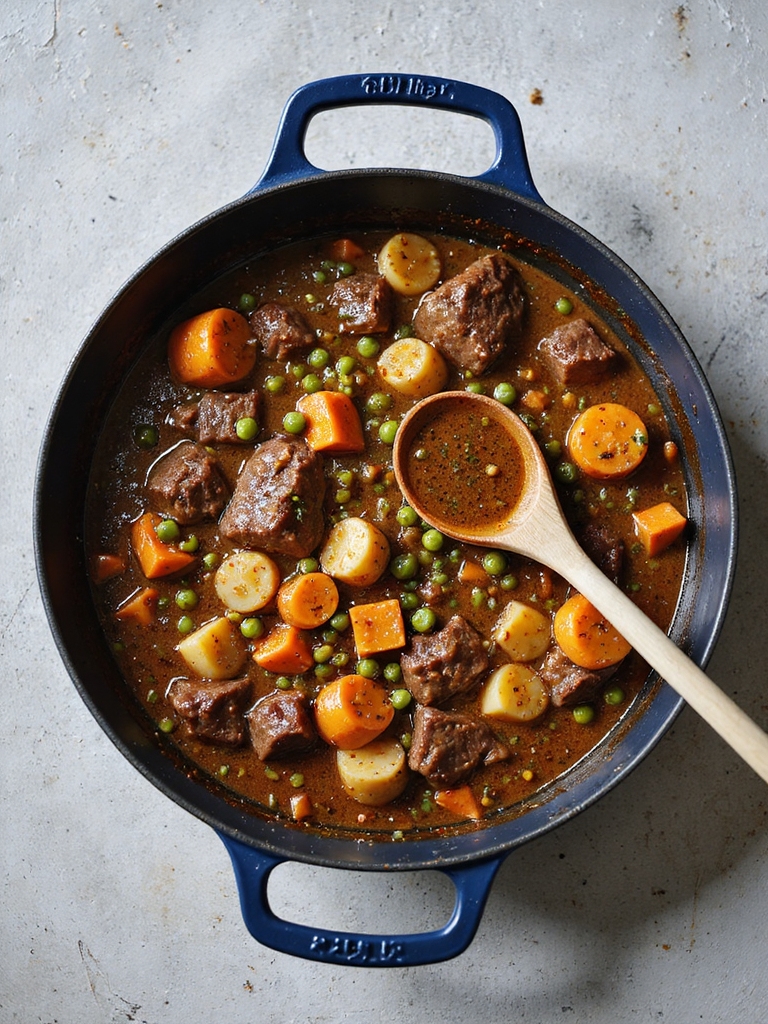
To thicken your beef stew, consider using a slurry or a roux. A slurry made from flour or cornstarch mixed with water, added to your simmering stew, will give it a rich, satisfying consistency. Alternatively, a roux—cooked flour and fat—can bring a buttery, silky texture; these methods are perfect for enhancing and complementing the broth or stock’s inherent flavors and guarantee a stew that’s both hearty and balanced. Incorporating flavors from spices can elevate the overall taste profile of your stew.
Ingredients:
- 1.5 lbs beef stew meat
- 4 cups beef stock or broth
- 2 tbsp olive oil
- 2 tbsp flour (for slurry) or 2 tbsp butter + 2 tbsp flour (for roux)
- 2 large potatoes
- 3 carrots
- 3 celery stalks
- 1 cup mushrooms
- 1 onion
- 1 cup peas
- Salt and pepper to taste
- 1 tsp thyme
- 2 bay leaves
In a large pot, heat olive oil over medium heat, sear beef until browned, then remove. Cook vegetables, return the beef, pour in stock or broth, add thyme, and bay leaves, bring to a simmer. To thicken, introduce slurry or roux, stir throughout, add peas in the last 5 minutes, season as needed, and serve warm.
For best results, gradually add the thickening agent, stirring to prevent lumps, and continue simmering to remove any raw flour taste. Allow the stew to rest before serving to help the flavors deepen and settle.
Time-Saving Tips for Quick Cooking
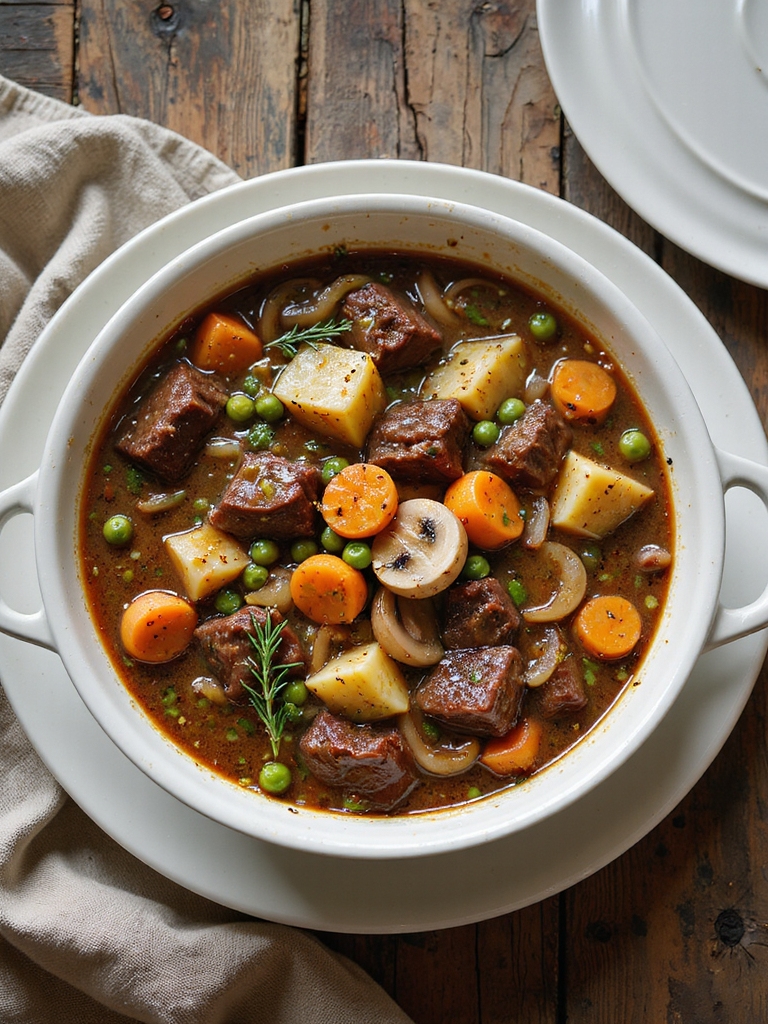
For a quick beef stew, utilize a pressure cooker or instant pot to reduce cooking time while locking in rich flavors. Begin by browning the beef in the cooker using the sauté function, allowing the meat to develop a deep, caramelized exterior. Proceed with adding the vegetables and seasoning, and set the cooker to pressure cook. This method speeds up the traditional slow-cook process, providing a hearty stew in record time.
- 1.5 lbs beef stew meat
- 4 cups beef stock or broth
- 2 tbsp olive oil
- 2 tbsp flour (for slurry) or 2 tbsp butter + 2 tbsp flour (for roux)
- 2 large potatoes
- 3 carrots
- 3 celery stalks
- 1 cup mushrooms
- 1 onion
- 1 cup peas
- Salt and pepper to taste
- 1 tsp thyme
- 2 bay leaves
Brown beef in the instant pot using olive oil, then add all vegetables except peas, followed by beef stock. Toss in thyme, bay leaves, and either slurry or roux for thickening. Seal and pressure cook for 25 minutes, quickly release pressure, add peas, season as needed, and serve.
For added flavor, deglaze the pot with a splash of red wine after browning the beef, scraping the bottom to lift browned bits. Allow your beef stew to rest for a short while before serving it to let the flavors marry perfectly. Additionally, using a pressure cooker can significantly enhance the tenderness of the meat while cooking.
One-Pot Wonder: Less Cleanup, More Flavor
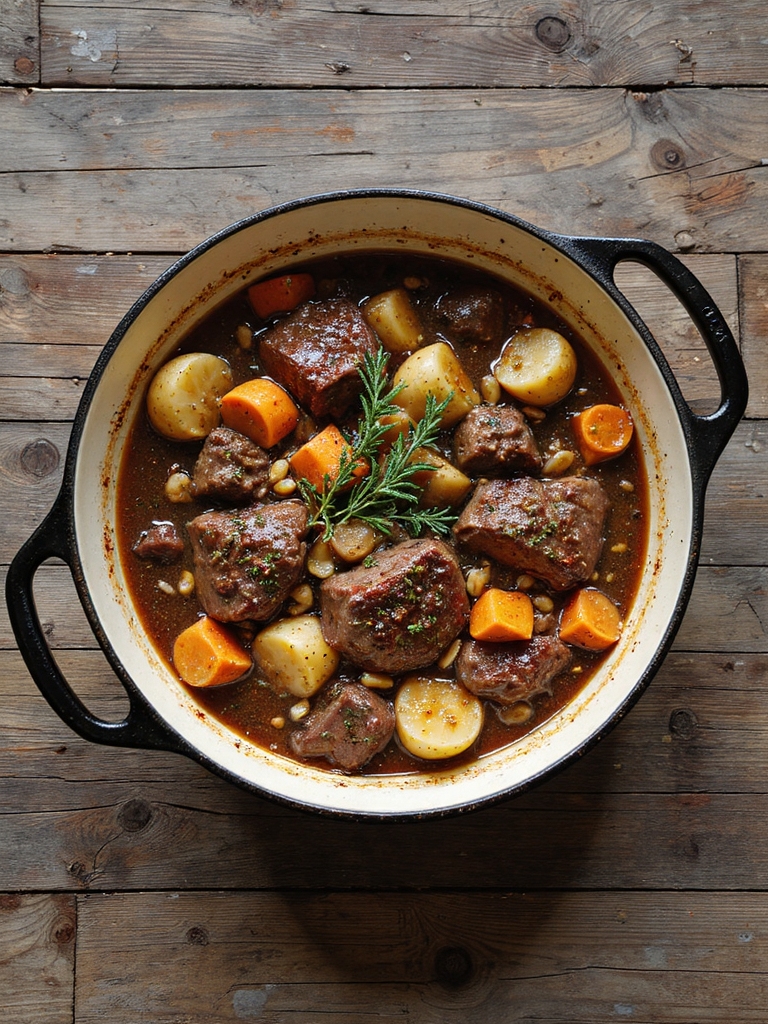
For those seeking a streamlined and flavorful meal, the one-pot beef stew offers a delicious solution with minimal cleanup. Simple yet hearty, this dish capitalizes on developing layers of taste by sequentially cooking ingredients in one vessel. Start by browning beef chunks in olive oil, incorporating roasted vegetables, earthy herbs, and a robust beef stock for depth. This holistic method melds flavors seamlessly, ensuring an enriching stew experience with fewer dishes to tackle afterward.
Furthermore, using a slow cooker allows for a more hands-off approach, making it a perfect option for busy weeknights.
- 1.5 lbs beef stew meat
- 4 cups beef stock
- 2 tbsp olive oil
- 2 tbsp flour (for thickening)
- 2 large potatoes, diced
- 3 carrots, sliced
- 3 celery stalks, chopped
- 1 onion, chopped
- 3 garlic cloves, minced
- Salt and pepper to taste
- 1 tsp rosemary
- 1 tsp thyme
Brown the beef in the pot with olive oil, removing once caramelized; add onion and garlic, then celery, carrots, and potatoes, stirring in flour to thicken. Return meat, add broth, season with rosemary and thyme, then cover and simmer until tender. Stir occasionally and season with salt and pepper, ensuring a harmonious blend of flavors.
To elevate tastes, consider adding a splash of balsamic vinegar or Worcestershire sauce. Monitor the simmering process and adjust liquid levels to prevent sticking, ensuring a rich, creamy consistency throughout.
Adding Depth With Aromatic Ingredients
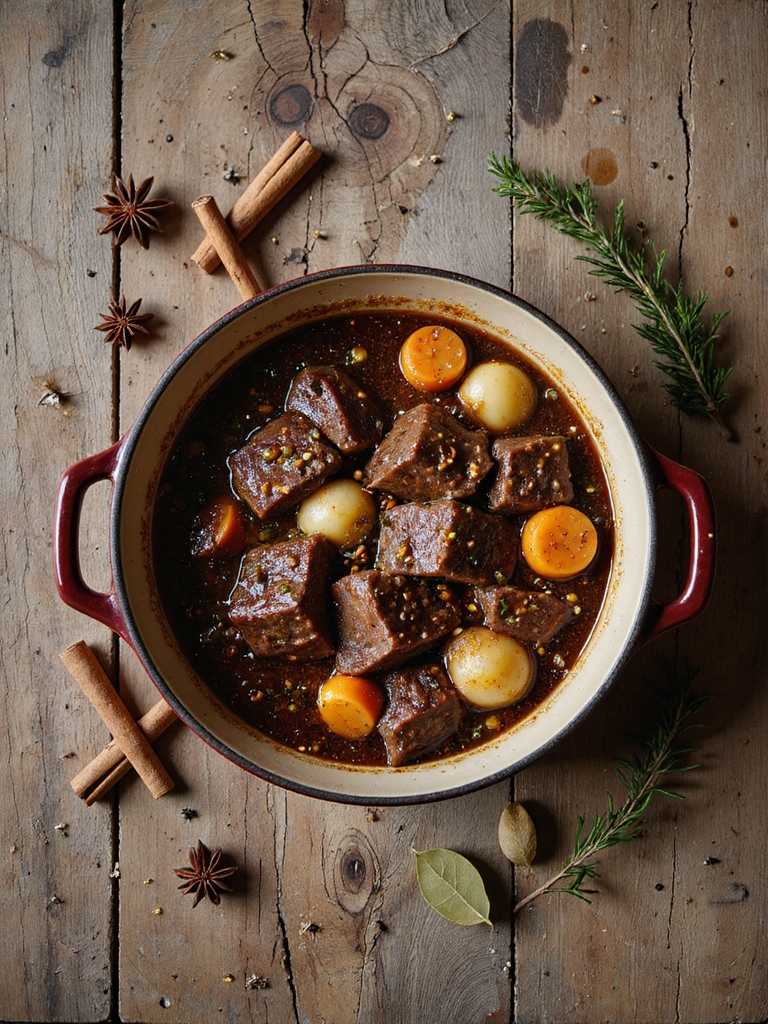
To enhance your beef stew’s flavor profile, incorporate aromatic ingredients that elevate the dish’s complexity and depth. Begin by sautéing fragrant elements such as bay leaves, star anise, or a cinnamon stick after browning the beef and before adding vegetables. These aromatics infuse the stew with subtle, warm undertones that pair beautifully with the hearty beef and vegetables, creating a layering of scents and tastes that improve the overall dining experience. Additionally, using a variety of aromatics can create a more nuanced and satisfying flavor in your stew.
- 1.5 lbs beef stew meat
- 4 cups beef stock
- 2 tbsp olive oil
- 2 tbsp flour (for thickening)
- 2 large potatoes, diced
- 3 carrots, sliced
- 3 celery stalks, chopped
- 1 onion, chopped
- 3 garlic cloves, minced
- Salt and pepper to taste
- 1 tsp rosemary
- 1 tsp thyme
- 2 bay leaves
- 1-star anise
- 1 cinnamon stick
Brown the beef in olive oil, then remove and sauté onion, garlic, and celery, followed by carrots and potatoes with flour for thickening. Add broth, return beef, and introduce rosemary, thyme, bay leaves, star anise, and cinnamon stick; cover and simmer until the meat is tender. Stir occasionally, adjusting salt and pepper to taste, and make sure the aromas mix thoroughly while monitoring liquid consistency.
For best results, remove aromatics before serving to guarantee their flavors don’t overpower the stew. Adjust spices according to your preference, and serve with crusty bread to soak up the aromatic juices, improving the meal’s delight.
Creative Variations on Classic Recipes
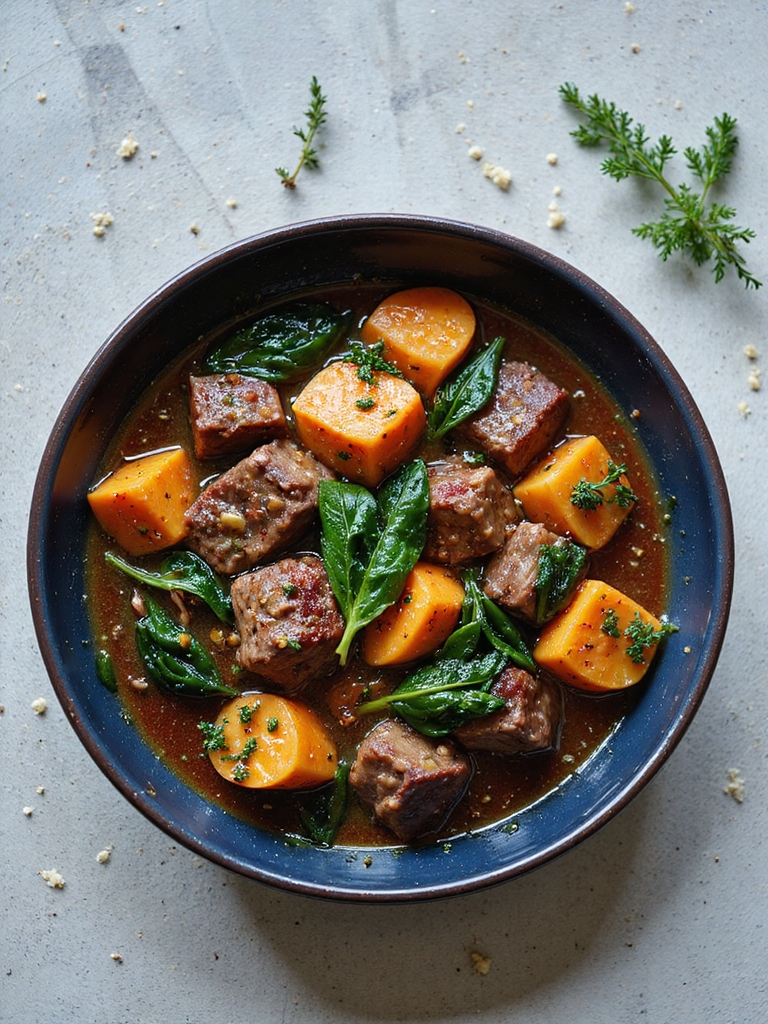
Explore a unique twist on the classic beef stew by incorporating creative variations that bring a new dimension to the beloved dish. Add unexpected elements like diced sweet potatoes instead of regular ones, or include a splash of red wine for added richness and depth. Experiment with herbs such as basil or oregano, and consider adding a handful of spinach or kale towards the end of cooking for an extra nutrient boost and vibrant color contrast. Additionally, using a good quality red wine can enhance the flavors and sophistication of your stew.
- 1.5 lbs beef stew meat
- 4 cups beef stock
- 2 tbsp olive oil
- 2 tbsp flour
- 2 large sweet potatoes, diced
- 3 carrots, sliced
- 3 celery stalks, chopped
- 1 onion, chopped
- 3 garlic cloves, minced
- Salt and pepper to taste
- 1 tsp rosemary
- 1 tsp thyme
- 2 bay leaves
- 3/4 cup red wine
- Handful of spinach or kale
Begin by browning the beef in olive oil, then remove and sauté onions, garlic, celery, carrots, and sweet potatoes with flour for a thick, hearty base. Introduce red wine, beef stock, and return the beef, adding rosemary, thyme, bay leaves, and spinach; cover and let simmer until meat is tender. Season with salt and pepper to taste, guaranteeing all flavors meld together seamlessly.
For an intensified flavor, confirm the wine is of good quality, which will result in a more sophisticated stew. Remember to remove bay leaves before serving and slightly mash some sweet potatoes for a creamier texture within the broth.
Hearty and Healthy Stew Alternatives

For a healthier spin on beef stew, substitute the beef with lean protein options like chicken or turkey and reduce the sodium by making your own broth. Incorporate nutrient-rich vegetables such as butternut squash and broccoli in place of or in addition to traditional veggies. This not only adds health benefits but also keeps the stew hearty and filling. Use fresh herbs for robust flavor and consider quinoa or farro for added fiber and texture, creating a wholesome meal that is both satisfying and nutritious.
- 1.5 lbs chicken or turkey, cubed
- 4 cups homemade broth
- 2 tbsp olive oil
- 2 tbsp flour
- 2 large butternut squash, diced
- 3 carrots, sliced
- 2 broccoli crowns, chopped
- 1 onion, chopped
- 3 garlic cloves, minced
- Salt and pepper to taste
- 1 tsp basil
- 1 tsp oregano
- 2 bay leaves
- 3/4 cup quinoa or farro
Begin by browning the chicken or turkey in olive oil, then remove and sauté onions, garlic, broccoli, carrots, and butternut squash with flour for a hearty base. Add homemade broth, return the cooked protein, tossing in quinoa or farro, along with basil, oregano, and bay leaves. Let simmer until grains and vegetables are tender, seasoning with salt and pepper to taste.
For added nutrient absorption, enjoy the stew with a squeeze of lemon juice before serving, which enhances both flavor and digestion, providing a delightful zest to the dish.
Troubleshooting Common Stew Problems
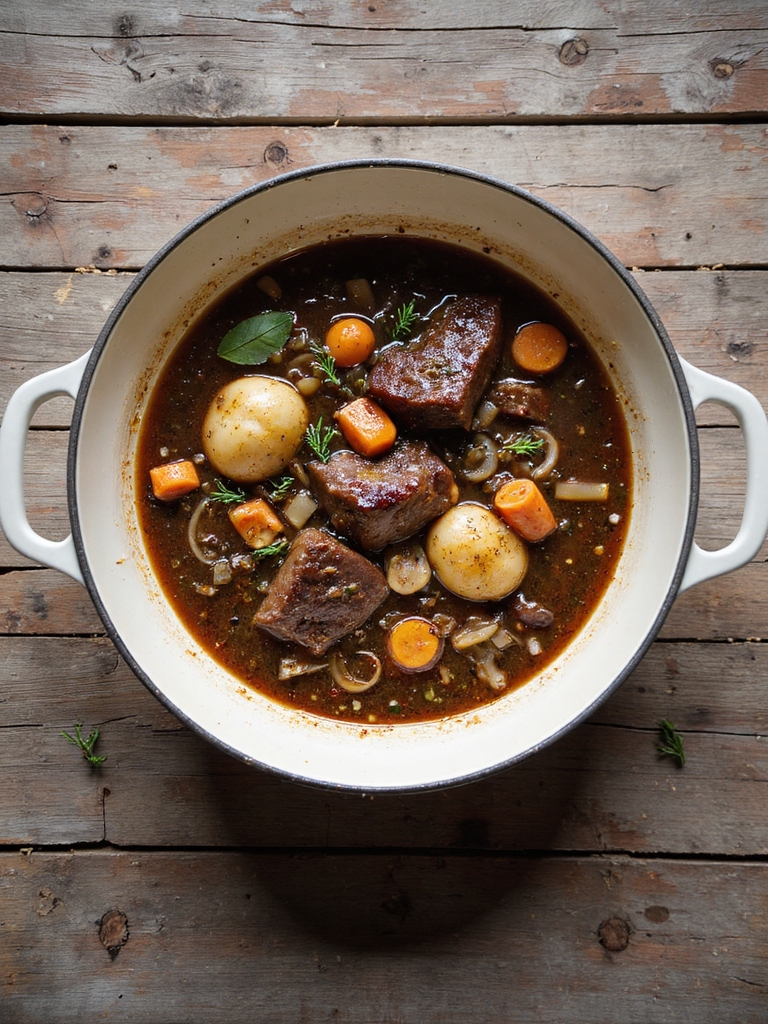
When making a beef stew, various issues can arise, but there are solutions to overcome them. If your stew lacks flavor, try adjusting the seasoning with extra salt, pepper, or herbs. Too thick? Add additional broth or a splash of wine to thin it out. If the meat is too tough, allow extra simmering time; low and slow cooking helps tenderize the meat. If your stew is greasy, skim off the excess fat with a spoon or refrigerate the stew and remove the hardened fat once it cools. For a step-by-step guide to making a perfectly tailored beef stew, here’s a tried-and-true recipe that seeks to solve these common pitfalls.
- 2 lbs beef chuck, cubed
- 1/4 cup all-purpose flour
- 2 tbsp olive oil
- 4 cups beef broth
- 3 carrots, sliced
- 3 potatoes, diced
- 2 onions, chopped
- 3 garlic cloves, minced
- Salt and pepper to taste
- 1 tsp thyme
- 1 tsp rosemary
- 2 bay leaves
- 1/2 cup red wine (optional)
Firstly, coat beef cubes in flour and brown them in olive oil. Add onions and garlic, sautéing until soft and fragrant, then incorporate carrots, potatoes, and the beef broth, allowing the mixture to deglaze. Add the beef, wine, thyme, rosemary, and bay leaves, simmering until the meat is tender and the flavors meld, adjusting seasoning with salt and pepper to taste.
Opt for well-marbled beef chuck for a rich flavor, and resist the urge to increase the heat; maintaining a gentle simmer guarantees tenderness. Monitor liquid levels, adding broth if necessary to prevent sticking and guarantee flavor distribution.
Pairing Your Stew With the Perfect Sides
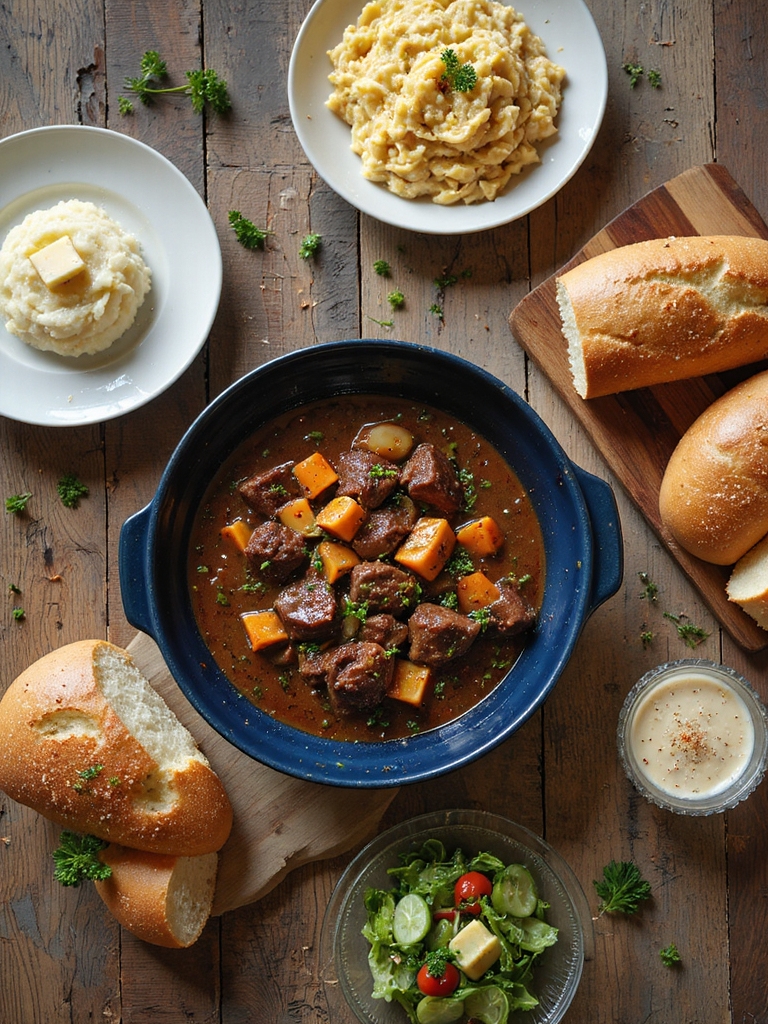
When pairing your beef stew with the perfect sides, consider classic accompaniments that will enhance its rich and hearty flavors. Creamy mashed potatoes offer a smooth contrast to the stew’s robust texture, while crusty artisan bread is perfect for sopping up the delicious broth, and a crisp, fresh salad adds a revitalizing touch to balance the meal. Alternatively, incorporate a simple rice pilaf or buttery egg noodles to provide a comforting base that complements the savory components of the stew.
- Mashed potatoes
- Crusty artisan bread
- Fresh salad
- Rice pilaf
- Egg noodles
To prepare mashed potatoes, peel and boil potatoes until tender, then mash them with butter, cream, salt, and pepper. Serve the crusty bread warm for dipping, and dress a basic garden salad with a light vinaigrette. Prepare the rice pilaf by sautéing onions in butter, adding rice, and cooking in broth; cook egg noodles per package instructions, enhancing with butter and parsley.
For the best experience, prepare sides just before serving to guarantee they are hot and fresh. Allow the stew to rest momentarily to deepen flavors while sides are cooking, and serve everything together for a delightful balance of tastes and textures.
Freezing and Storing Leftovers
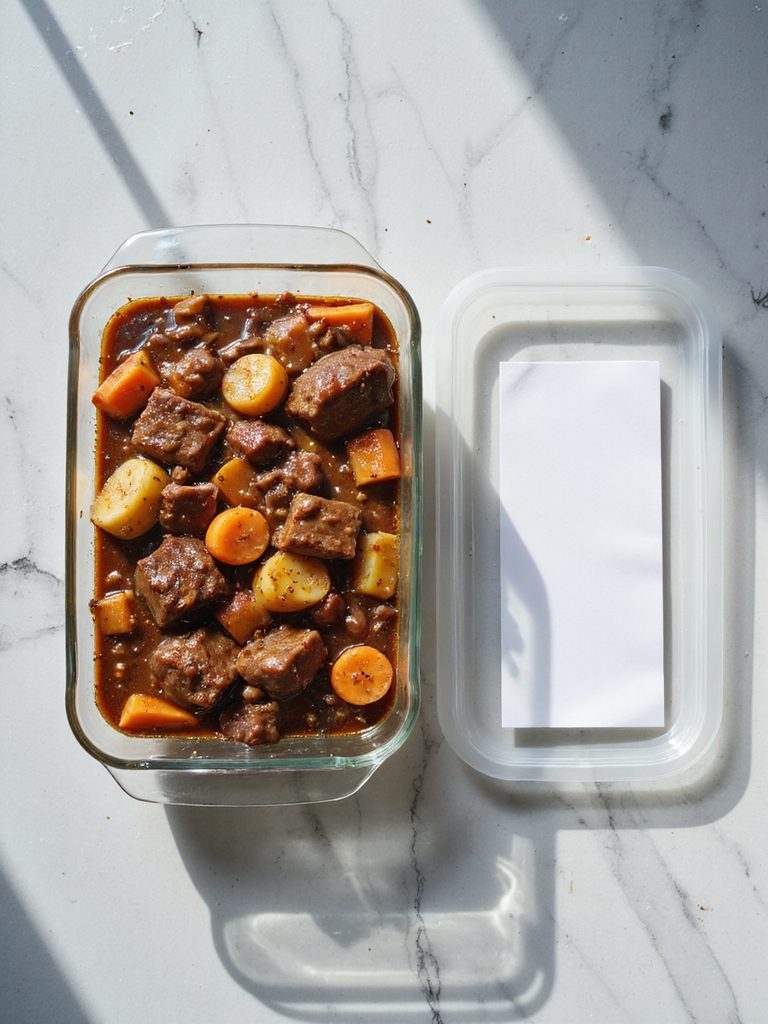
To store leftover beef stew effectively, first allow it to cool to room temperature. Transfer the stew into airtight containers or resealable freezer bags, leaving some space for expansion if freezing. Store in the refrigerator for up to 3-4 days, or freeze for up to 3 months, making sure to label with the date. This makes it convenient to enjoy your flavorful stew at a later time without compromising its rich taste and hearty consistency.
- Leftover beef stew
- Airtight containers or freezer bags
- Permanent marker for labeling
Once the beef stew has cooled, portion it into the chosen containers, being mindful not to overfill. Seal tightly and, if freezing, label each container with the current date. When ready to enjoy, thaw frozen stew in the refrigerator overnight and reheat on the stovetop over medium heat until it reaches a safe internal temperature.
For peak taste, avoid refreezing stew after it’s been thawed and remember to mix well while reheating to guarantee even warming. If you wish to enhance the flavor upon reheating, consider adding a splash of broth or a pat of butter.
Elevate Your Stew With Garnishes and Toppings
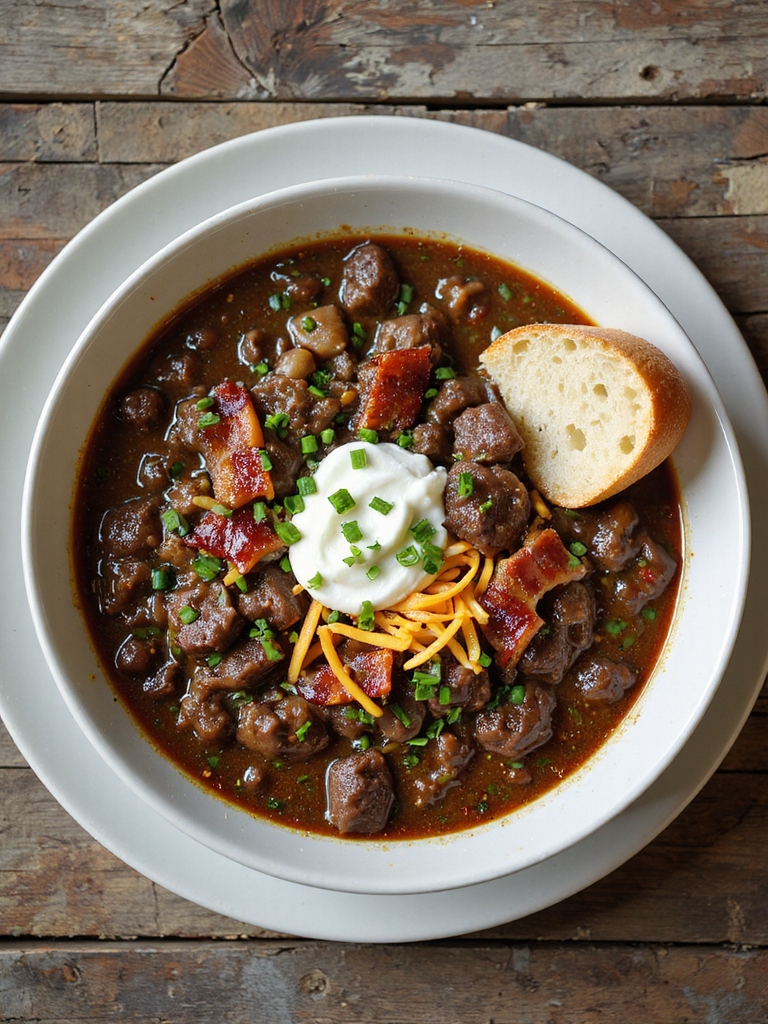
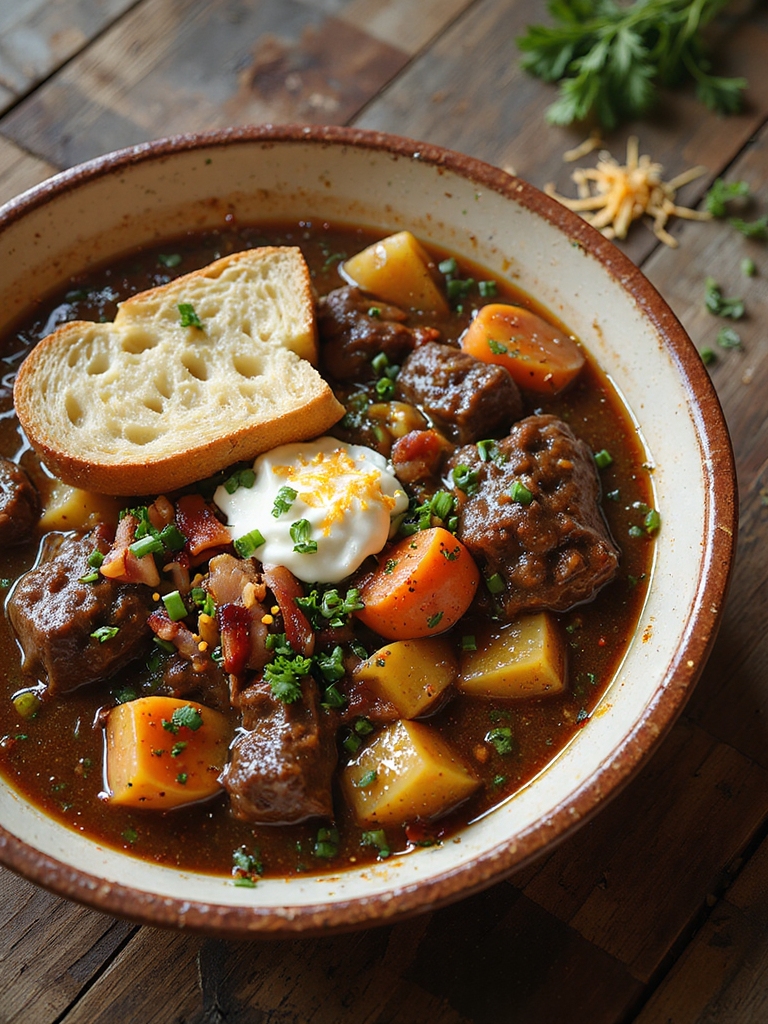
Elevate your beef stew by adding garnishes and toppings that enhance its flavor and presentation. Begin with a base of hearty stew and add fresh elements like herbs, crispy onions, or tangy add-ons to complement the rich and savory notes of the dish. These additions not only bring a burst of vibrant flavors but also add a satisfying texture contrast, guaranteeing that each bite is as exciting as the last.
- Parsley
- Chives
- Sour cream
- Crispy bacon
- Grated cheddar cheese
- Crusty bread
Once your beef stew is ready, spoon it into serving bowls. Sprinkle with chopped parsley and chives, a dollop of sour cream, and crumbled crispy bacon. Top with grated cheddar cheese and accompany with a slice of crusty bread for a gourmet touch.
To confirm your toppings stay fresh and enticing, garnish the stew just before serving. Mixing up your selection will keep each meal exciting while letting your culinary creativity shine.