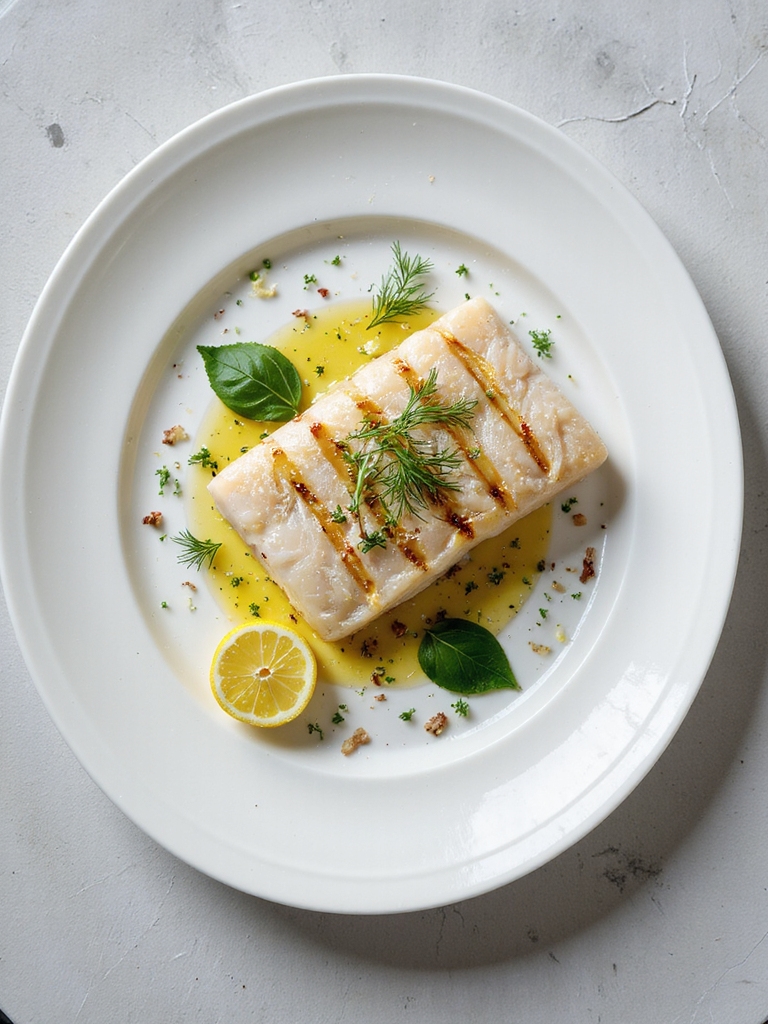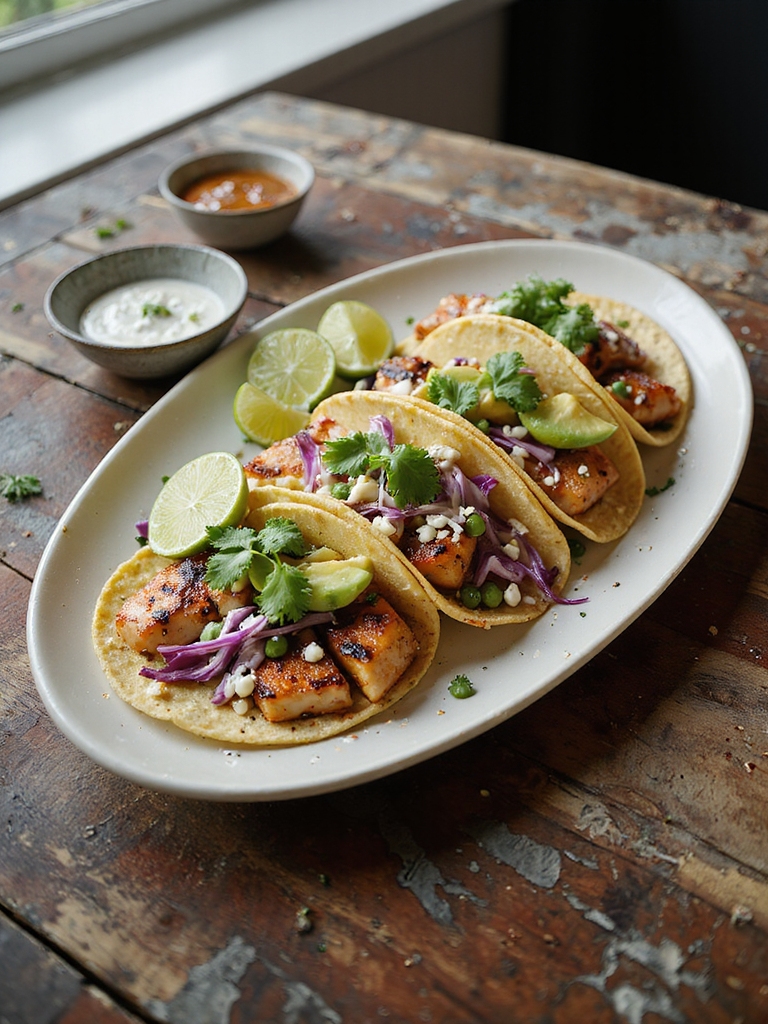
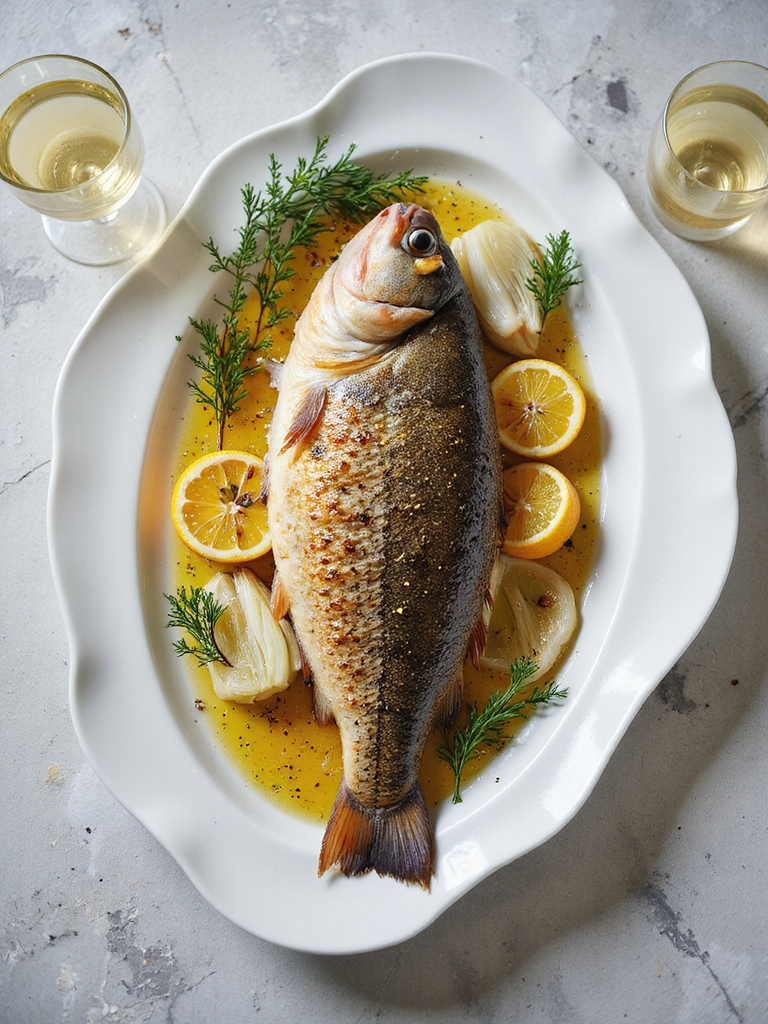
Whenever I entertain, I love to impress my guests with a beautifully presented whole fish recipe. Believe me; it’s easier than it looks and always leaves a lasting impression. I’ve learned a few tricks over the years, from selecting the freshest catch to achieving that crispy, irresistible skin.
And the aroma? Divine! There’s something quite special about serving a whole fish, and I’m enthusiastic to share the secrets that make it extraordinary.
Selecting the Perfect Fish for Your Recipe
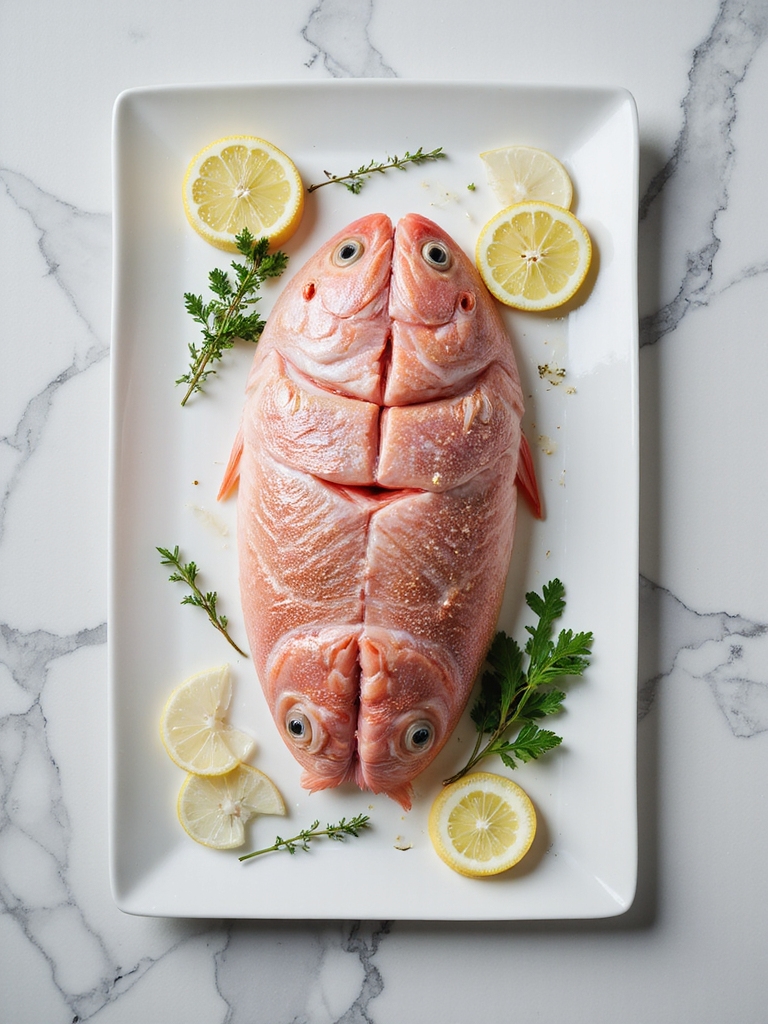
When selecting the perfect fish for your recipe, it’s important to take into account the flavor profile, texture, and freshness of the fish. For this whole fish recipe, a medium-sized fish like red snapper or sea bass is ideal due to their tender flesh and mild flavor that will absorb the herbs and other seasonings beautifully. Choose a fish that is fresh, with bright eyes and firm flesh, to guarantee the best possible results.
- 1 whole medium-sized red snapper or sea bass
- 2 tablespoons olive oil
- 1 lemon, sliced
- 3 garlic cloves, minced
- 1 teaspoon salt
- 1 teaspoon black pepper
- A handful of fresh parsley, chopped
- 2-3 sprigs of fresh thyme
Preheat your oven to 400°F (200°C). Pat the fish dry with paper towels and make three slashes on each side; season with salt and pepper. Stuff the lemon slices, garlic, parsley, and thyme into the cavity, drizzle the olive oil on top, place on a baking sheet, and bake for 20-25 minutes until the fish is opaque and flakes easily with a fork.
Opt for wild-caught fish as they tend to have better flavor and nutritional value. Research has shown that wild-caught fish are more environmentally sustainable and healthier. Always check for any scales left on the fish and remove them before cooking to guarantee the best texture once cooked.
Essential Tools for Preparing Whole Fish

Preparing a whole fish requires a few essential tools to guarantee the best results. First, make certain to have a sharp knife for making clean incisions, which is vital for seasoning and guaranteeing even cooking. A fish scaler is necessary for removing any remaining scales, securing a smooth texture, while a boning knife is useful for any additional trimming. A pair of kitchen shears helps remove fins, and a sturdy cutting board will provide the right surface for preparation. Finally, a baking sheet or roasting pan is needed for cooking the fish in the oven, along with a thermometer to check doneness.
In addition to these tools, having the right preparation method will significantly enhance the flavor and texture of your dish.
- 1 whole medium-sized red snapper or sea bass
- 2 tablespoons olive oil
- 1 lemon, sliced
- 3 garlic cloves, minced
- 1 teaspoon salt
- 1 teaspoon black pepper
- A handful of fresh parsley, chopped
- 2-3 sprigs of fresh thyme
Preheat your oven to 400°F (200°C). Pat the fish dry with paper towels and make three slashes on each side; season with salt and pepper. Stuff the lemon slices, garlic, parsley, and thyme into the cavity, drizzle the olive oil on top, place on a baking sheet, and bake for 20-25 minutes until the fish is opaque and flakes easily with a fork.
For an extra crispy skin, guarantee the fish is thoroughly dried before cooking, and use a light spray of oil on the skin before placing it in the oven. Avoid overcrowding the baking sheet, as this helps the fish cook evenly and achieve the desired texture.
Mastering the Art of Scaling and Cleaning
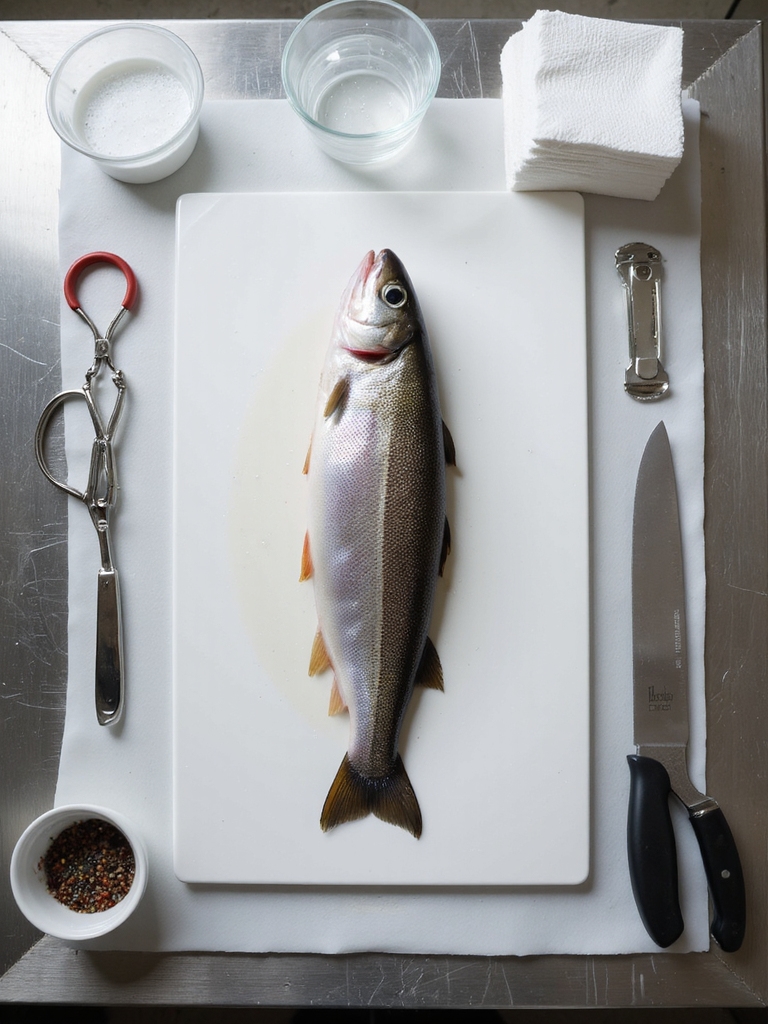
To master the art of scaling and cleaning a whole fish, begin by confirming the fish is completely defrosted if frozen, and then use a fish scaler or the back of a knife to remove all scales by moving from tail to head. Rinse the fish under cold water, making certain to remove all loose scales. Next, make an incision along the belly from the gills to the tail, and carefully remove the innards, rinsing away any residue. Trim the fins with kitchen shears, and make sure the fish is cleaned and ready for seasoning or cooking.
- 1 whole fish (such as trout or bass)
- Cold water
- Fish scaler or back of a knife
- Sharp knife
- Kitchen shears
- Paper towels
Start by placing the fish on a sturdy cutting board and using your scaler or knife to gently scrape off all scales from the tail towards the head. Rinse the fish under cold water, confirming all scales and residue are completely washed away. Make a clean incision along the belly to remove the innards, rinse thoroughly, and pat dry with paper towels in preparation for cooking.
For best results, confirm the fish is as fresh as possible for easier scaling and cleaning. Keep your work surface clean and organized to maintain a quick and efficient cleaning process, and dispose of the waste properly after the fish is cleaned.
Flavorful Marinades and Seasonings
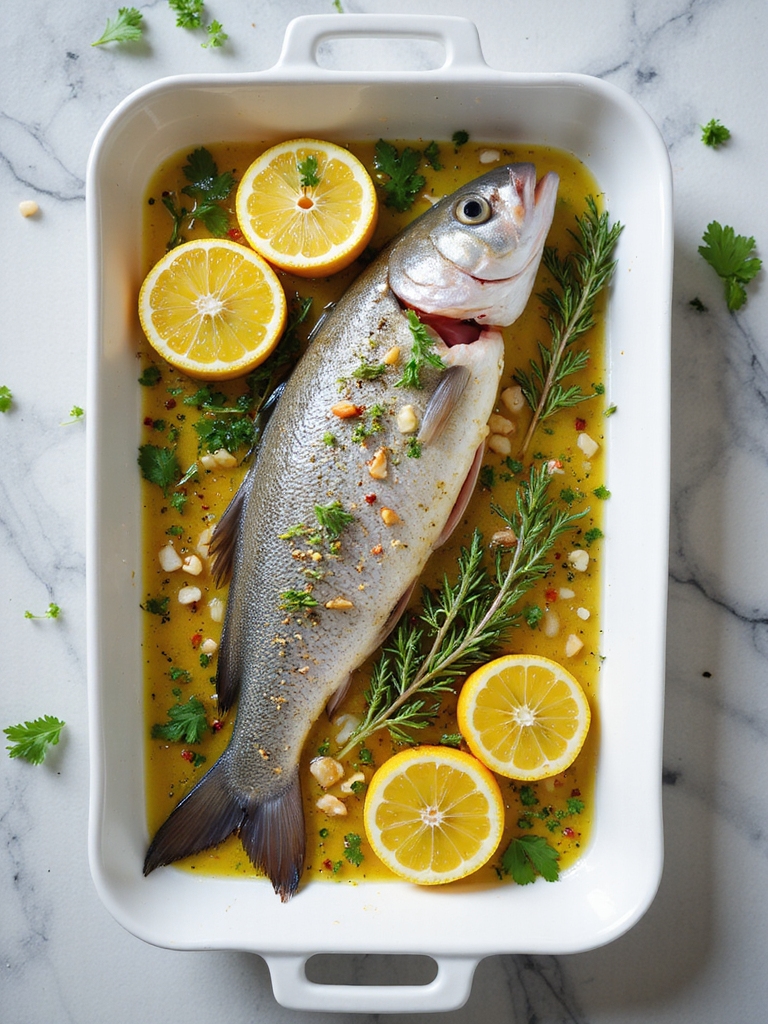
To enhance the natural flavors of your whole fish, marinate it using a blend of herbs and spices that complement the fish without overpowering its delicate taste. Start by mixing lemon juice, olive oil, minced garlic, fresh herbs, and a hint of chili for a balanced and aromatic marinade. Allow the fish to soak in the marinade for at least 30 minutes to absorb the flavors, ensuring it’s evenly coated for the best results.
- Whole fish (such as trout or bass)
- Lemon juice
- Olive oil
- Minced garlic
- Fresh herbs (such as thyme or parsley)
- Chili flakes
- Salt and pepper
Combine lemon juice, olive oil, minced garlic, fresh herbs, and chili flakes in a bowl. Season the marinade with salt and pepper, then thoroughly coat the fish inside and out. Let it sit in the refrigerator for 30 minutes before proceeding with your preferred cooking method, such as baking or grilling. Cooking grilled fish recipes can create a delightful summer meal full of flavor.
Make sure the fish is evenly marinated for consistent flavor and avoid over-marinating to prevent the fish from becoming mushy. Adjust the amount of chili flakes according to your desired level of heat, and choose herbs that enhance rather than mask the fish’s natural flavor.
Grilled Whole Fish With Citrus and Herbs
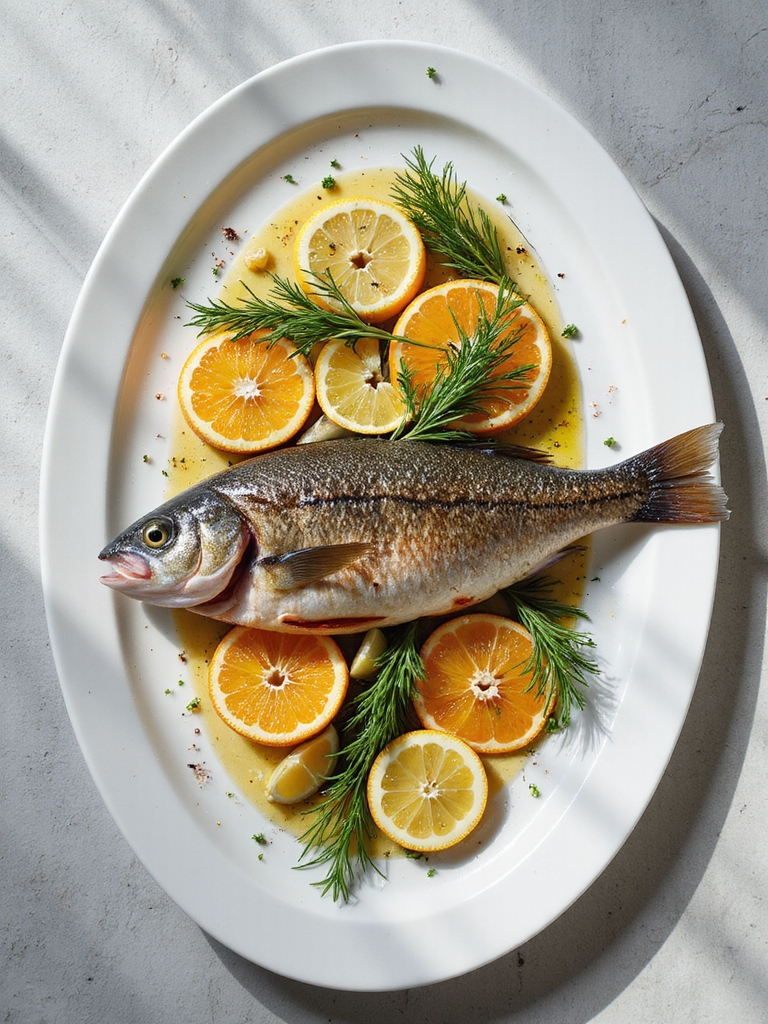
Grilled Whole Fish with Citrus and Herbs is a delightful dish that captures the essence of fresh ingredients and vibrant flavors. The combination of citrus and herbs enhances the fish’s natural taste, resulting in a succulent and aromatic meal that’s perfect for any occasion. Start by choosing a whole fish, such as trout or snapper, that is well-suited for grilling. The citrus will add a zesty kick, while the herbs provide earthy notes that complement the fish beautifully.
- Whole fish (trout or snapper)
- Lemon slices
- Orange slices
- Fresh herbs (such as rosemary or dill)
- Olive oil
- Salt and pepper
To prepare the dish, rub the fish with olive oil and season it with salt and pepper. Stuff the cavity with fresh herbs and slices of lemon and orange, then grill the fish over medium heat, turning once, until it’s cooked through and has a crispy skin. Adjust cooking time based on the fish’s thickness to guarantee it is moist and flaky.
For the best results, make certain to preheat the grill adequately to prevent the fish from sticking, and use a fish spatula for easy handling. Avoid flipping the fish too often to keep it intact and maintain the flavorful, delicate texture.
Oven-Baked Fish With Mediterranean Flair
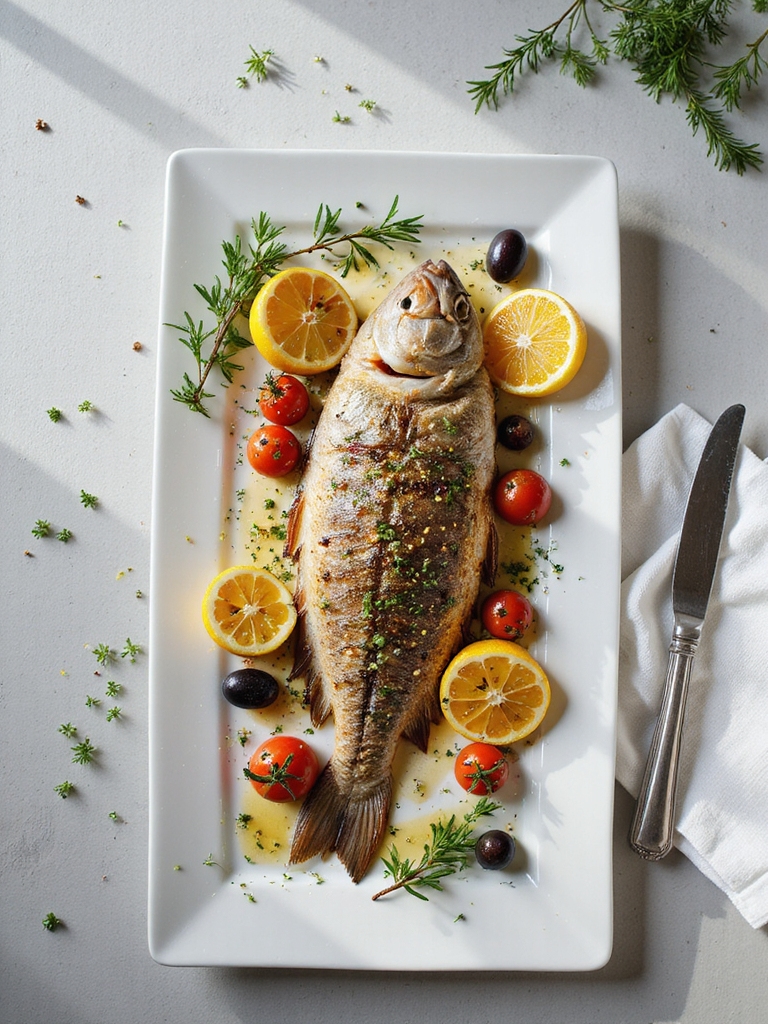
Oven-Baked Fish with Mediterranean Flair is a wonderfully aromatic dish that’s both healthy and bursting with flavor. Featuring a whole fish, such as sea bass or branzino, this recipe brings together the vibrant tastes of Mediterranean ingredients including olives, tomatoes, and olive oil. The dish is easy to prepare and perfect for any home cook looking to bring a taste of the Mediterranean to their table. By baking the fish, you guarantee it remains moist and tender, while the surrounding vegetables soak up the delicious juices.
- Whole fish (sea bass or branzino)
- Cherry tomatoes
- Sliced black olives
- Lemon wedges
- Fresh thyme
- Olive oil
- Salt and pepper
Preheat the oven to 400°F. Rub the fish with olive oil, season with salt and pepper, and stuff the cavity with thyme and lemon wedges. Place the fish on a baking sheet lined with cherry tomatoes and olives, then bake for 20-25 minutes until the fish is flaky and the vegetables are tender. The combination of Mediterranean ingredients not only adds complexity to the dish but also highlights the region’s culinary richness.
To enhance the dish further, drizzle an extra splash of olive oil before serving and garnish with fresh herbs. Keep an eye on the baking time as ovens may vary, guaranteeing the fish stays tender and juicy throughout the cooking process.
Classic Steamed Fish With Asian Aromatics
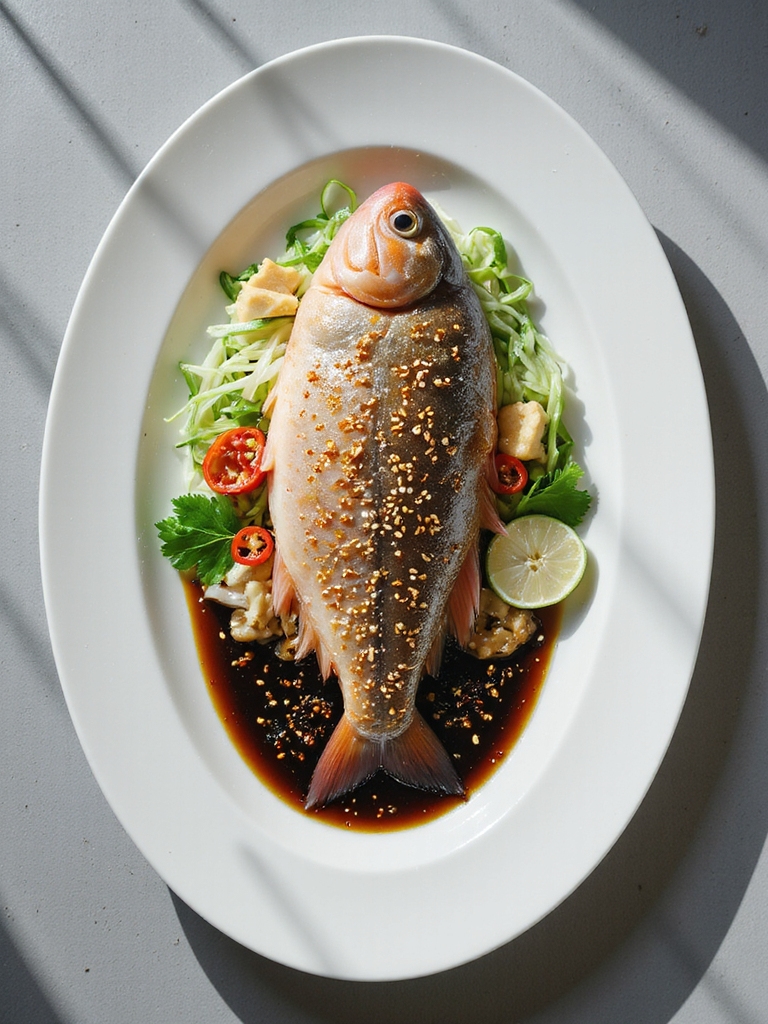
Classic Steamed Fish with Asian Aromatics makes use of simple ingredients like ginger, garlic, and soy sauce that impart essential depth without overpowering the fresh taste of the fish. This method preserves the fish’s moisture while infusing it with enticing aromas, making it an excellent choice for a light and satisfying meal. Steaming is a fundamental cooking technique in Asian cuisine that emphasizes health and flavor.
- Whole fish (such as snapper or tilapia)
- Fresh ginger, sliced
- Garlic cloves, sliced
- Soy sauce
- Green onions, sliced
- Sesame oil
- Salt
Place the fish on a heatproof plate and sprinkle with ginger and garlic slices. Steam over simmering water for 15-20 minutes, or until the fish is cooked through. Drizzle with soy sauce, sprinkle sliced green onions, and finish with a splash of sesame oil just before serving.
Ensure your fish is thoroughly cleaned and scaled before steaming to avoid bitterness. Keep the lid on while steaming to maintain consistent heat and prevent the escape of aromatic flavors that are vital for this dish.
Poaching Techniques for Delicate Texture
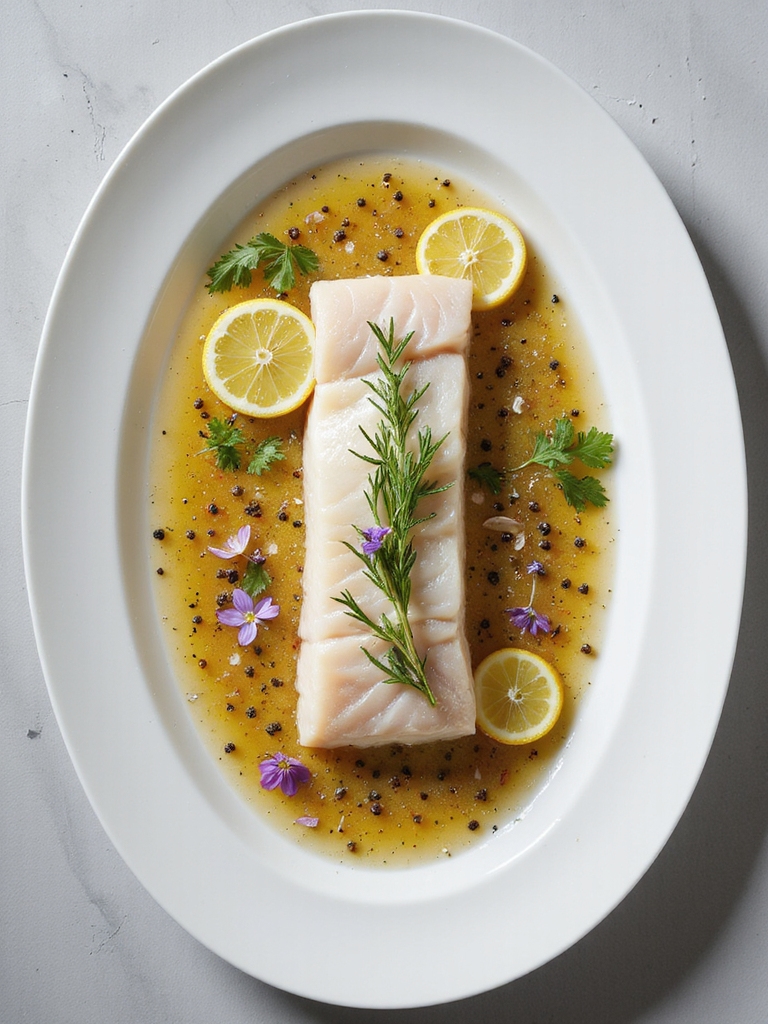
Poaching fish is a gentle cooking technique that yields a tender and flavorful result, ideal for highlighting the fish’s natural taste without overpowering it. The process involves simmering the fish in a seasoned liquid, subtly infusing it with flavor while maintaining its delicate texture. Poached fish can be served warm or chilled and pairs beautifully with a light sauce or a fresh vegetable salad to enhance its simple yet elegant profile.
- Whole fish (such as cod or halibut)
- White wine
- Fish or vegetable stock
- Fresh thyme sprigs
- Lemon slices
- Black peppercorns
- Salt
To poach the fish, bring a mixture of white wine, fish stock, thyme, lemon slices, and peppercorns to a simmer in a large pan. Carefully slide in the whole fish and ascertain the liquid covers it by at least an inch. Cook gently for 10-15 minutes, depending on the size of the fish, until the flesh is opaque and flakes easily with a fork.
For best results, confirm the poaching liquid never comes to a boil to prevent overcooking the fish. Let the fish sit in the liquid off the heat for a few minutes before serving to allow flavors to meld and guarantee a moist bite.
Crispy Skin Techniques for Pan-Fried Perfection
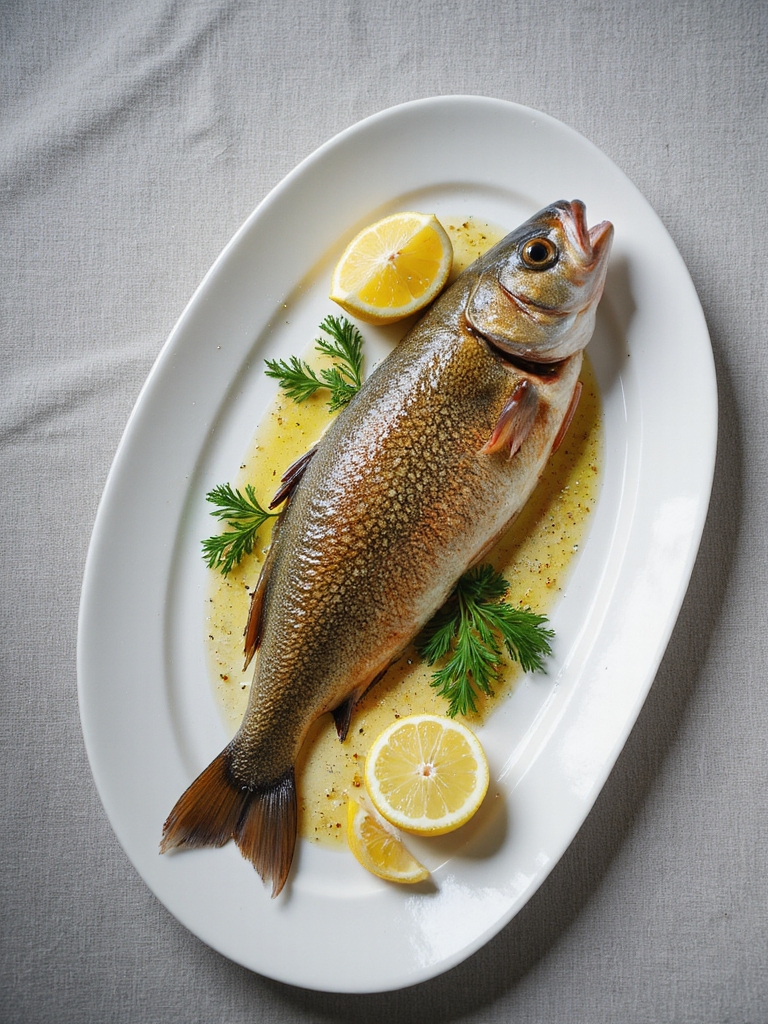
Achieving crispy skin on a pan-fried whole fish is a delightful technique that enhances flavor and gives your dish a restaurant-quality touch. The method focuses on skillfully cooking the fish skin-side down, guaranteeing a golden-brown, crispy texture while keeping the flesh moist and tender inside. This technique works beautifully with fish like bass or snapper, whose skins are robust enough to withstand frying.
- Whole fish (such as bass or snapper)
- Olive oil
- Salt
- Black pepper
- Lemon wedges
- Fresh herbs (optional)
Heat olive oil in a heavy skillet over medium-high heat until shimmering. Season the fish generously with salt and pepper, then place it skin-side down in the pan. Press gently with a spatula to guarantee even contact before cooking for 6-8 minutes, or until the skin is crispy and the flesh is opaque. Flip the fish carefully and cook for an additional 2-3 minutes. Serve immediately with lemon wedges and fresh herbs if desired.
For best results, ascertain the fish is completely dry before seasoning, as moisture is the enemy of crispy skin. Use a pan large enough to avoid overcrowding, which can lead to steaming rather than frying, and keep the heat consistent for an ideal sear.
Stuffed Whole Fish With Seasonal Ingredients
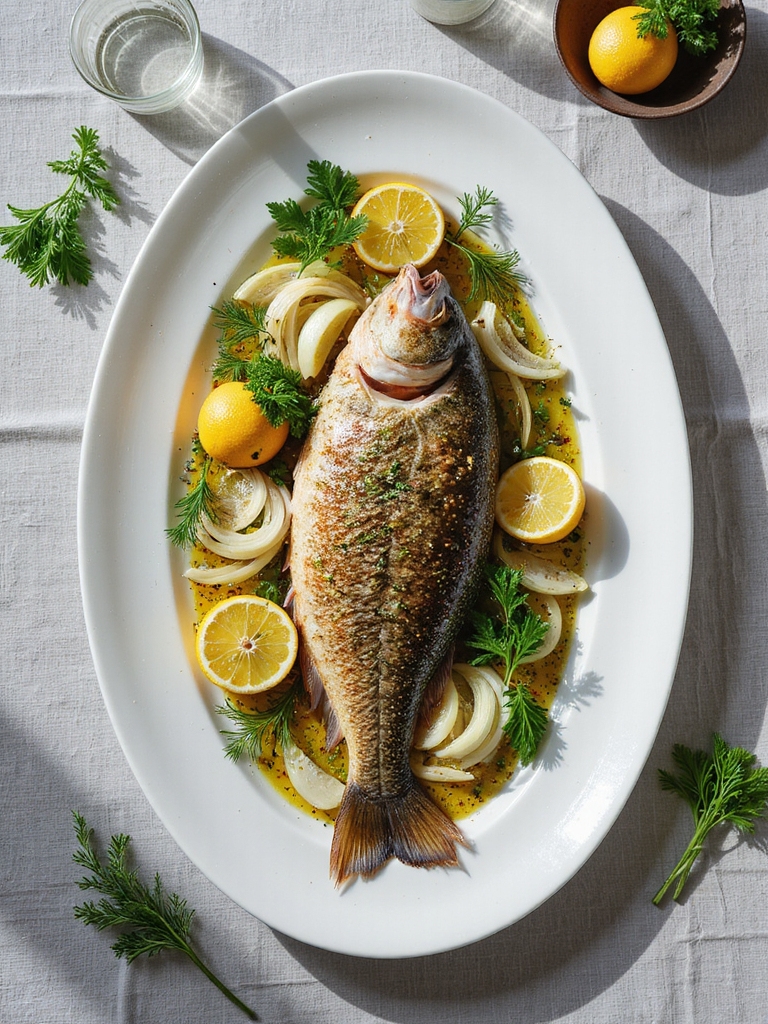
Stuffed whole fish is a beautiful way to celebrate the bounty of the season, utilizing fresh and flavorful ingredients to complement the rich taste of fish. This recipe combines fragrant herbs, aromatic vegetables, and zesty citrus, creating a succulent meal. Perfect for a festive occasion or an elegant weeknight dinner, stuffed whole fish presents a dramatic centerpiece that balances textures and flavors, inviting guests to experience every delicious bite. Additionally, using seasonal ingredients not only enhances the dish’s flavor profile but also supports local agriculture.
- Whole fish (such as trout or sea bass)
- Olive oil
- Salt
- Black pepper
- Lemon (sliced)
- Fresh herbs (thyme, dill, parsley)
- Seasonal vegetables (such as sliced fennel and leeks)
- Garlic (minced)
- White wine (optional)
Preheat the oven to 400°F (200°C). Season the fish with salt, pepper, and olive oil. Stuff the cavity with lemon slices, herbs, vegetables, and garlic. Place in a roasting pan, drizzle with wine, cover with foil, and bake for 20-25 minutes or until cooked through.
Ensure the fish cavity is generously packed with the stuffing to infuse flavor throughout. Choose vegetables that are in season for the best taste and freshness, and consider experimenting with different herbs to customize the dish to your liking.
Plating Tips for an Impressive Presentation
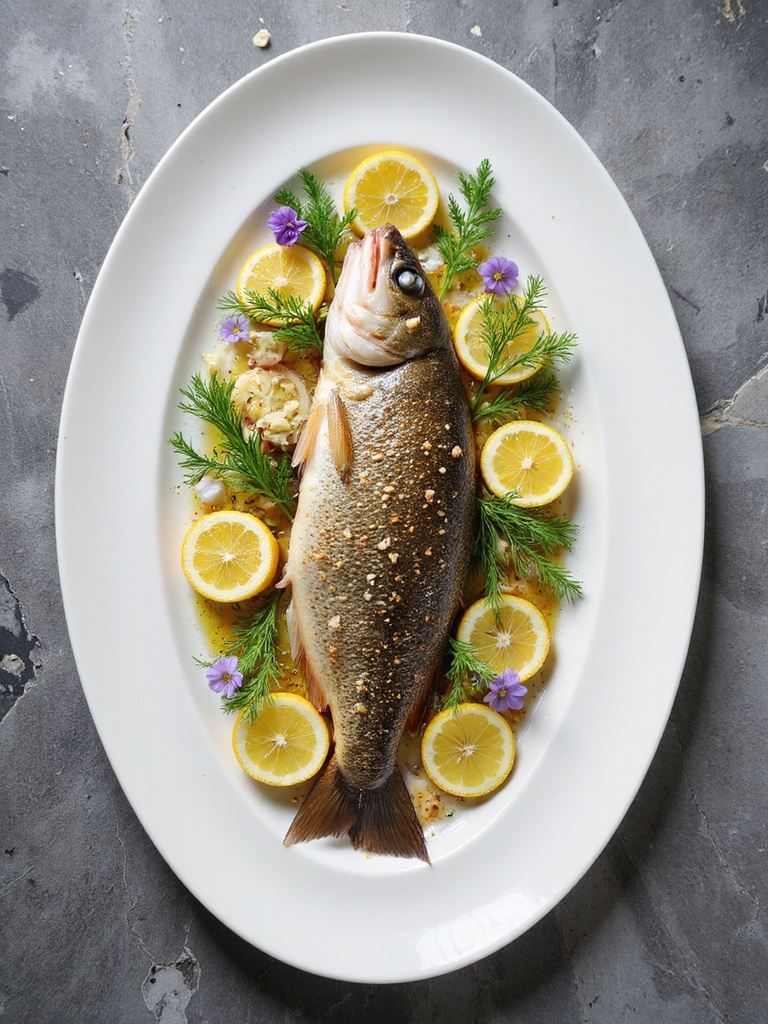
For a visually appealing presentation of stuffed whole fish, consider utilizing thoughtful plating techniques that highlight the dish’s natural beauty. Start with a large, flat plate or platter to provide ample space for the fish. Carefully place the whole fish in the center, ensuring the stuffing remains inside. Garnish around the fish with additional slices of lemon, fresh herbs, and a small scattering of the seasonal vegetables used for stuffing, creating a vibrant and inviting look.
- Whole fish (trout or sea bass)
- Olive oil
- Salt
- Black pepper
- Lemon (sliced)
- Fresh herbs (thyme, dill, parsley)
- Seasonal vegetables (such as sliced fennel and leeks)
- Garlic (minced)
After baking the fish as per the previous recipe, transfer it to a serving platter. Arrange the lemon slices and fresh herbs around the perimeter. Add some of the cooked vegetables alongside the fish, using them as garnish. Drizzle a light amount of fresh olive oil over the entire dish and sprinkle with black pepper.
To enhance presentation, consider adding edible flowers or microgreens if available, to elevate the visual appeal even more. Use a long, thin, sharp knife to gently carve servings, ensuring each plate includes some of the flavorful stuffing along with the fish. Additionally, serving whole fish can be a delicious way to impress your guests and create a memorable dining experience.
Pairing Sides and Wines to Complement Your Dish
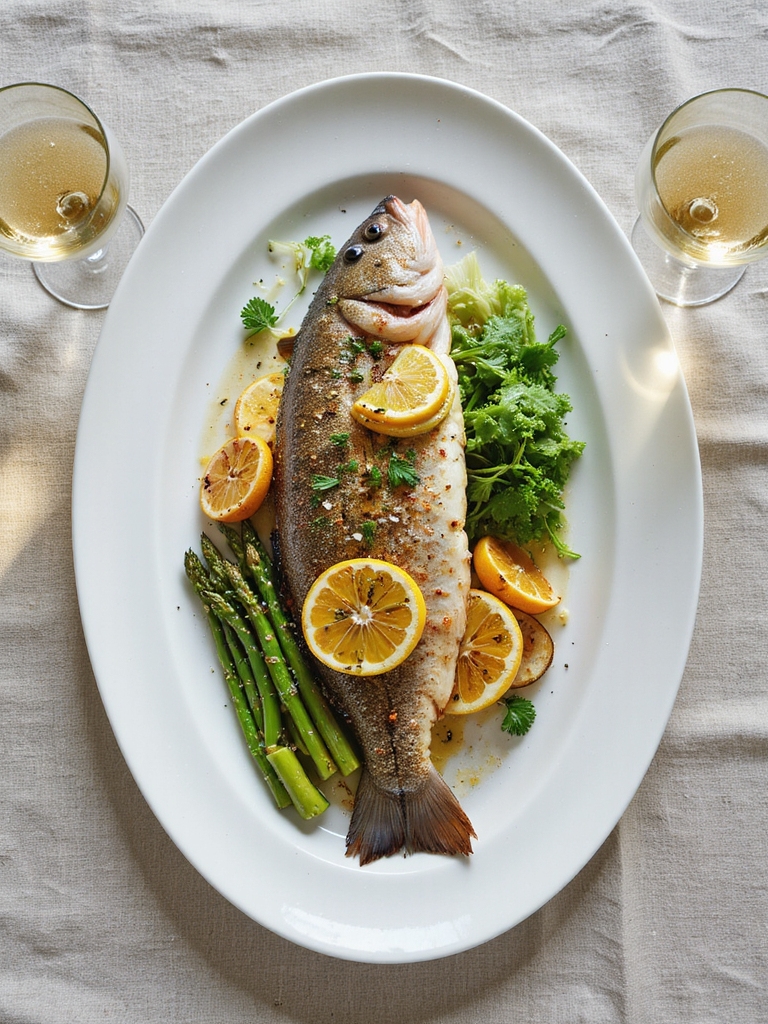
To perfectly pair sides and wines with your stuffed whole fish dish, consider light and flavorful options that will enhance the taste without overpowering it. A fresh green salad with a citrus vinaigrette or roasted asparagus with a sprinkle of sea salt can be excellent companions. For wine, choose a crisp white like Sauvignon Blanc or a light-bodied Pinot Grigio, which complements the fish’s delicate flavors. Take into account the herbs and lemon used in the stuffing to create a harmonious dining experience.
As a general rule, fresh seafood dishes are best enjoyed with light accompaniments to maintain balance in flavors.
Ingredients:
- Whole fish (trout or sea bass)
- Olive oil
- Salt
- Black pepper
- Lemon (sliced)
- Fresh herbs (thyme, dill, parsley)
- Seasonal vegetables (such as sliced fennel and leeks)
- Garlic (minced)
- Sauvignon Blanc or Pinot Grigio wine
Rub the fish with olive oil, salt, and pepper, then stuff with herbs, lemon, and vegetables. Bake until cooked through, about 20-25 minutes, in a preheated oven at 375°F. Serve with a glass of chilled white wine, allowing its crispness to highlight the flavors of the stuffed fish.
To guarantee the best results when serving this dish, let the fish rest a few minutes before carving to help maintain its moisture. Select a wine that mirrors the acidity of the lemon in the stuffing for a pleasing balance.