I love taking a tough, fatty cut and turning it into tender, smoky pork that’s bursting with sweet, savory, and spicy notes.
I’ll walk you through choosing the right shoulder or ribs, building a rub and brine that lock in juiciness, and smoking low and slow until the bark is perfect. Stick around and I’ll show the tricks that make sandwiches and plates truly unforgettable.
Essential Tools and Equipment for Perfect BBQ Pork
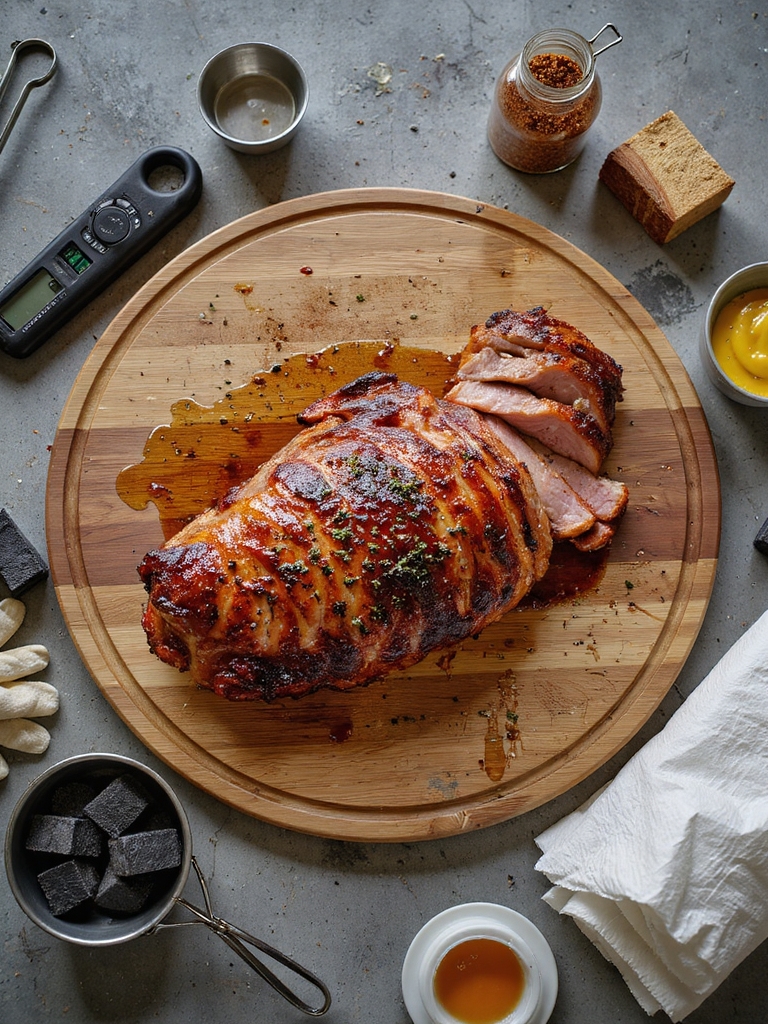
Creating perfect BBQ pork starts with choosing the right tools and equipment to assure even heat, good smoke, and consistent results; this recipe uses a simple pork shoulder cooked low and slow on a charcoal or pellet smoker, with indirect heat, a water pan for moisture, and a reliable thermometer to hit the ideal pull temperature and bark formation.
- 4–5 lb bone-in pork shoulder (Boston butt)
- Kosher salt
- Coarse black pepper
- Brown sugar
- Paprika
- Garlic powder
- Onion powder
- Cayenne (optional)
- Yellow mustard (for binder)
- Apple juice or apple cider vinegar (for spritz)
- Hardwood chips or chunks (hickory, apple, or oak)
- Charcoal or pellets for smoker
- Water pan
- Digital probe thermometer
- Long-handled tongs and heat-resistant gloves
- Aluminum foil or butcher paper
Trim excess fat from the pork shoulder and apply a thin mustard binder, then rub the spice mix evenly and let sit in the fridge for 1–4 hours while you prepare the smoker to 225°F with a water pan in place; place hardwood for smoke and set the pork fat-side up on the grate over indirect heat, smoke until internal temp reaches about 195–205°F, spritz with apple juice every hour after the first 2 hours, and wrap in foil or butcher paper when a deep mahogany bark forms to speed through the stall, then rest wrapped for at least 1 hour before pulling.
Use a reliable probe thermometer to track internal temperature rather than time, maintain stable 225°F heat with consistent fuel and airflow, and practice with your specific smoker to learn its hot spots and fuel consumption for best results. Texas BBQ celebrates regional techniques and flavors, so embrace smoke-first cooking to get authentic taste and bark.
Choosing the Right Cut: Shoulder, Boston Butt, Ribs, and Chops
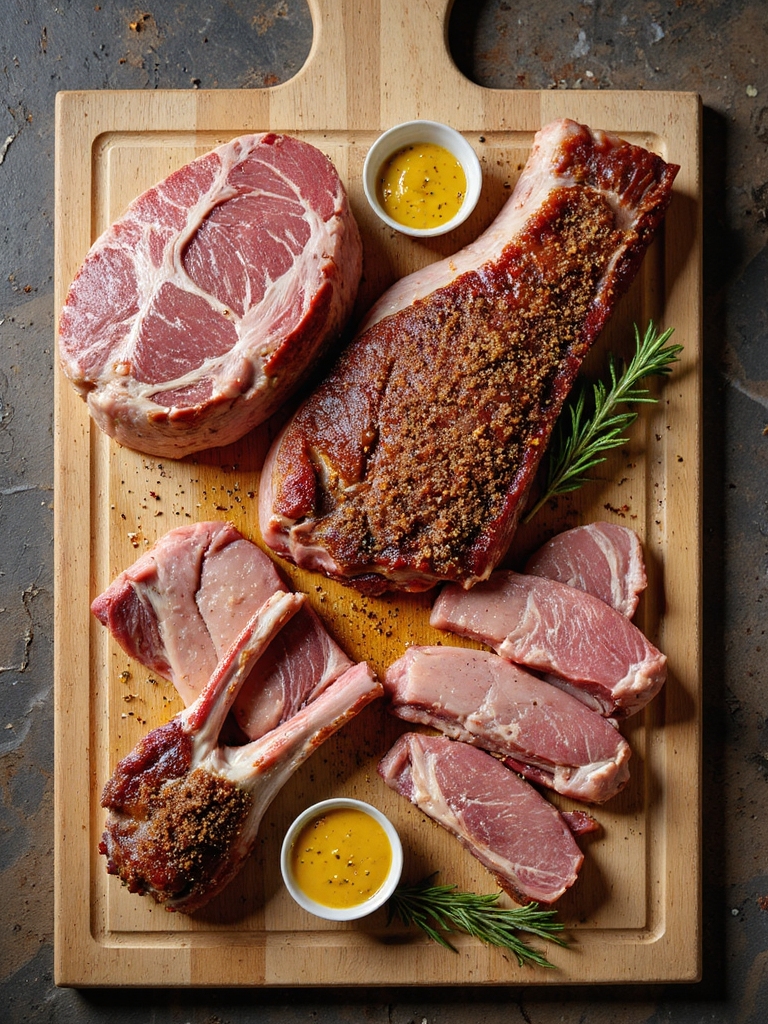
Choosing the right cut of pork is the foundation of great BBQ: bone-in pork shoulder (Boston butt) is best for pulled pork thanks to its marbling and connective tissue that breaks down during long, low cooking; spare or baby back ribs shine when cooked with a shorter smoke and tenderizing techniques to preserve bite; and pork chops are ideal for quick, high-heat grilling or reverse-seared over indirect heat to avoid drying—select cuts based on cooking time, desired texture, and the level of fat to render for flavor and moisture.
- 4–5 lb bone-in pork shoulder (Boston butt)
- 2–3 lb pork spare ribs or baby back ribs (choose one)
- 4 bone-in pork chops, 1–1.5 inches thick
- Kosher salt
- Coarse black pepper
- Brown sugar
- Paprika
- Garlic powder
- Onion powder
- Cayenne (optional)
- Yellow mustard (for binder)
- Apple juice or apple cider vinegar (for spritz)
- Hardwood chips or chunks (hickory, apple, or oak)
- Charcoal or pellets for smoker
- Water pan
- Digital probe thermometer
- Long-handled tongs and heat-resistant gloves
- Aluminum foil or butcher paper
For shoulder: trim, bind with mustard, rub generously, smoke fat-side up at 225°F over indirect heat with a water pan, spritz hourly after 2 hours, wrap in foil or butcher paper when deep bark forms and finish to 195–205°F then rest 1 hour before pulling;
For ribs: remove membrane, apply a lighter rub, smoke at 225–250°F for 3 hours unwrapped, wrap and continue 1–2 hours until tender, then rest;
For chops: dry brine salt for 1 hour, apply rub, cook over medium-high direct heat or reverse sear to 130–135°F internal for medium-rare to medium, rest 5–10 minutes.
Tip: Choose the cut based on time and texture you want—shoulder for long, fall-apart pulled pork, ribs for tender chew with bark, and thick chops for quick juicy steaks; always use a probe thermometer and adjust heat and wrapping to manage the stall and bark development.
Smoking low and slow preserves moisture and develops smoke flavor, so plan for long cook times and consistent temperature control using a digital probe thermometer.
Mastering Dry Rubs: Balance of Sweet, Savory, and Heat
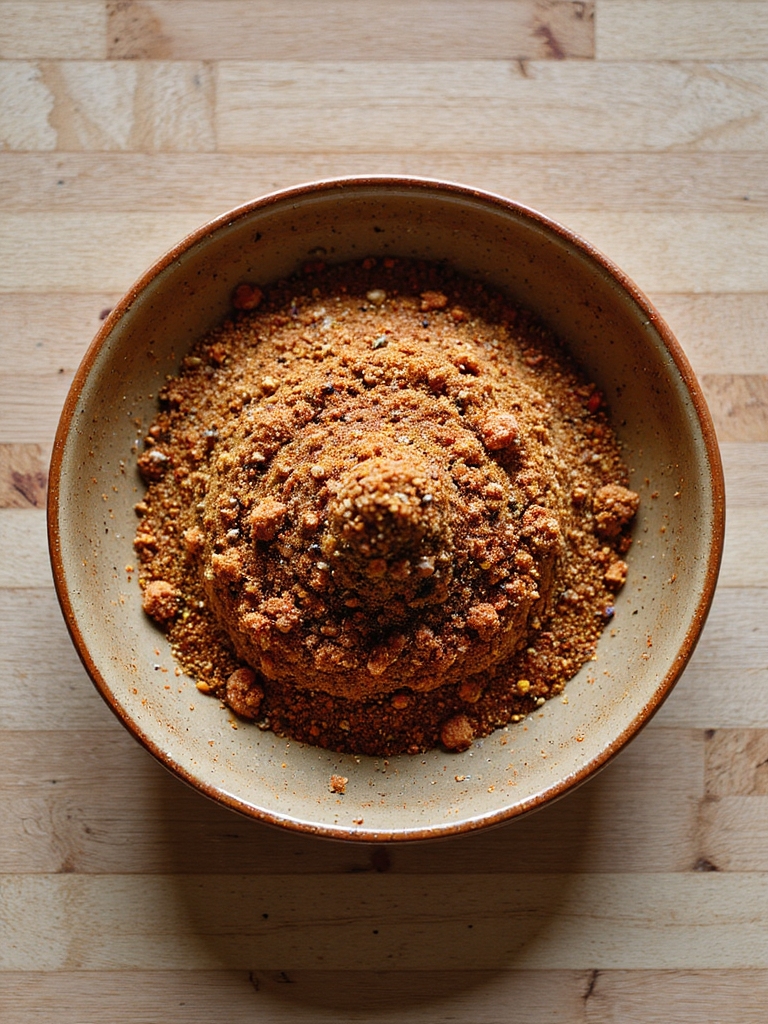
Mastering a dry rub is about layering flavors so each bite of pork has a clear seasoning profile: sweet, savory, and a touch of heat. This recipe builds a versatile rub suitable for shoulder, ribs, or chops and shows how to apply and develop it on the grill or smoker so you get a balanced bark, caramelized sugars, and a nuanced heat that complements—not overpowers—the meat.
- 1/4 cup brown sugar
- 2 tbsp kosher salt
- 1 tbsp coarse black pepper
- 2 tbsp smoked paprika
- 1 tbsp garlic powder
- 1 tbsp onion powder
- 1 tsp ground cumin
- 1 tsp mustard powder
- 1/2 tsp cayenne pepper (adjust to taste)
- 1 tsp dried thyme or oregano
- 2 tbsp yellow mustard (as binder; optional)
- 1 tbsp olive oil (optional for paste)
Pat the pork dry with paper towels and, if using, lightly coat with yellow mustard or a thin film of olive oil to help the rub adhere; combine all dry rub ingredients in a bowl, taste a tiny pinch and adjust for sweetness or heat, then generously massage the rub into all surfaces of the meat.
Refrigerate uncovered for at least 1 hour or up to overnight to let flavors penetrate, bring to room temperature before cooking, then smoke or grill per your cut (shoulder 225°F until 195–205°F, ribs 225–250°F until tender, chops sear over high heat to 130–135°F) using a probe thermometer to monitor doneness and spritz or mop sparingly to preserve bark.
Let rested, rubbed pork sit 10–15 minutes (chops) or 30–60 minutes (ribs/shoulder) after cooking to allow juices to redistribute and the rub to set; for longer smoke cooks, apply a light re-rub after the stall if you want a stronger bark and always taste and tweak the rub proportions next time to suit your preferred balance of sweet, savory, and heat. A finishing brush of homemade BBQ sauce can enhance the final flavor and add shine to the crust, especially when applied during the last 10–15 minutes of cooking to set the glaze and build layered flavor.
Brines and Marinades to Keep Pork Juicy
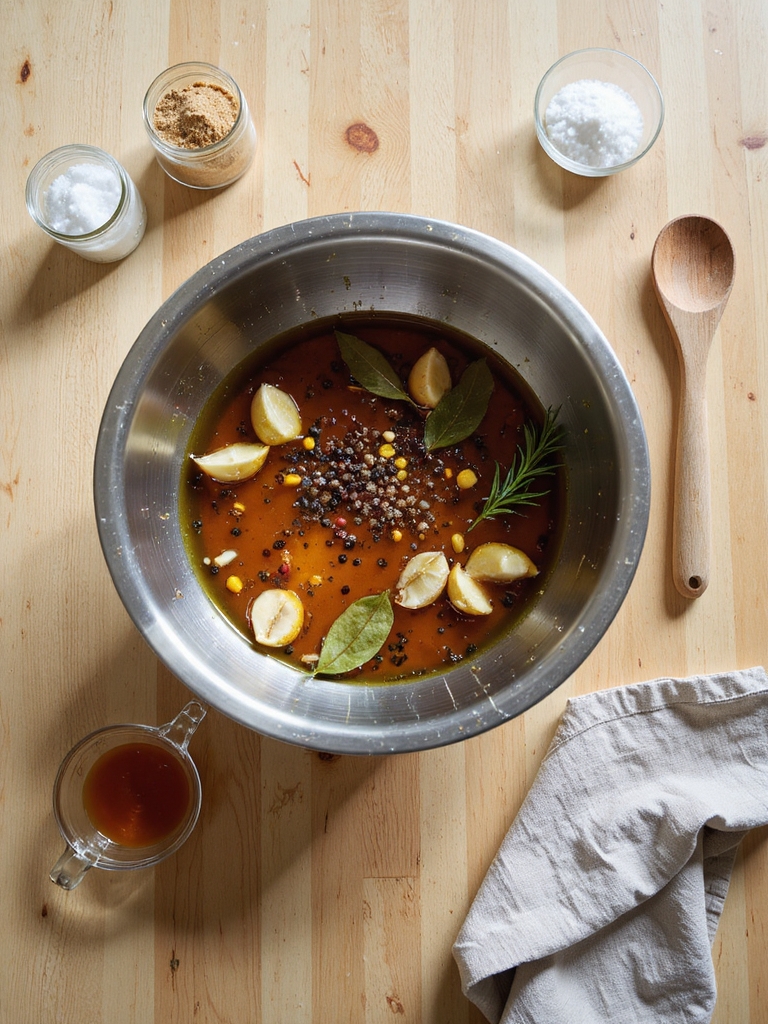
Brining and marinading are powerful tools to keep pork juicy, add flavor, and improve texture — use a basic wet brine for whole cuts and a quick marinade for chops/future grilling; this recipe gives a versatile all-purpose brine and an optional flavor-forward marinade so you can choose based on time and cut, with guidance on ratios, timing, and safety.
- 8 cups (2 liters) cold water
- 1/2 cup kosher salt
- 1/2 cup brown sugar
- 4 cloves garlic, smashed
- 2 bay leaves
- 1 tbsp black peppercorns
- 1 tbsp whole mustard seeds (optional)
- 1 small sprig fresh rosemary or 1 tsp dried thyme
- 1/2 cup apple cider or apple juice (optional, for flavor)
- 1/4 cup soy sauce or Worcestershire (optional for umami)
- 1/4 cup olive oil (for marinade option)
- 2 tbsp apple cider vinegar or lemon juice (marinade acid)
- 2 tbsp honey or maple syrup (marinade sweetener)
- 2 cloves garlic, minced (marinade)
- 1 tsp smoked paprika (marinade)
- Freshly ground black pepper to taste (marinade)
For a wet brine, dissolve salt and sugar in 2 cups hot water then add remaining cold water and all brine aromatics; fully submerge pork (shoulder, loin, chops, or ribs) in the cooled brine in a nonreactive container or bag and refrigerate — chops: 30–90 minutes, ribs: 4–6 hours, loin: 6–8 hours, shoulder: 12–18 hours.
For a marinade, whisk oil, acid, sweetener, soy/Worcestershire, garlic, and spices and marinate chilled for 30 minutes to 4 hours depending on cut thickness, always rinse or pat meat dry after brining, bring to room temperature before cooking, and discard used brine or boil it 10 minutes before reuse; use a probe thermometer to cook to the proper internal temperature (pork chops/loins 145°F with 3-minute rest, shoulder for pulled pork 195–205°F) and proceed with your rub/smoke or sear method.
Tip: Always keep brine chilled and never brine longer than recommended for the cut to avoid overly soft texture, and if you rinse brined pork, pat very dry and reapply a light rub or oil so the surface will brown properly during cooking.
This brine pairs exceptionally well with a Simple and Delicious Homemade BBQ Sauce Recipe for finishing and serving.
Low-and-Slow Smoking Techniques and Temperature Guide
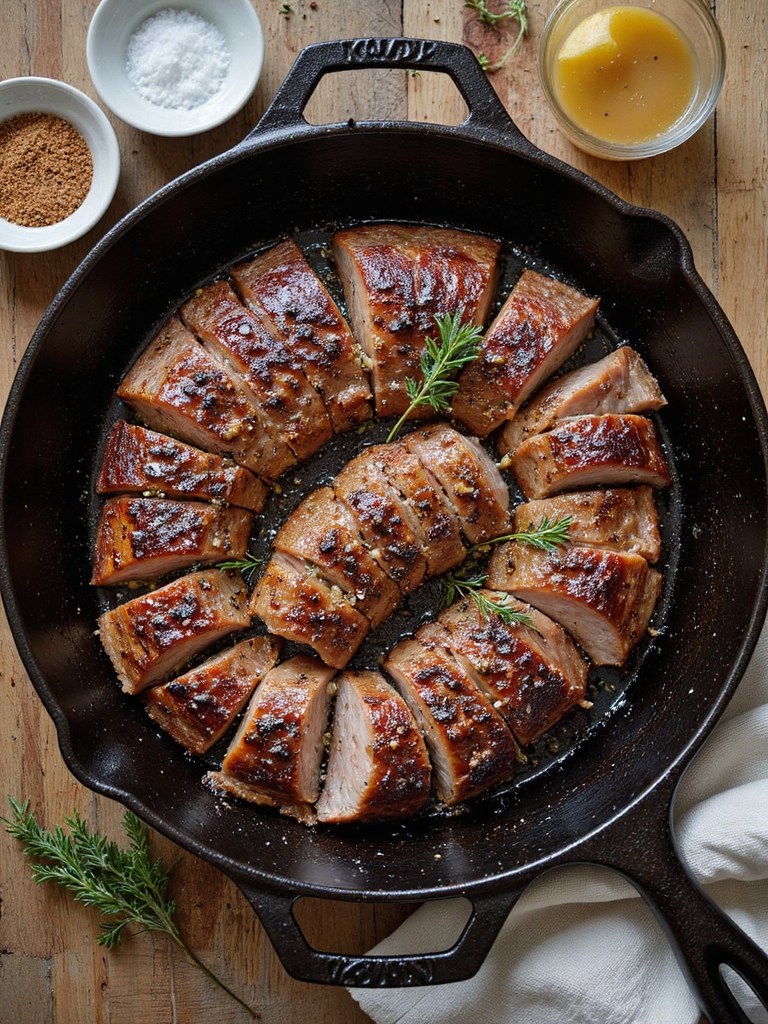
Low-and-slow smoking is the best way to transform pork shoulder or ribs into tender, deeply flavored barbecue by cooking at low temperatures for many hours so connective tissue breaks down and smoke penetrates; this recipe guides you through a simple dry rub, the smoking process at controlled temps, and resting so you get fall-apart texture and a beautiful bark.
- 4–6 lb pork shoulder (Boston butt) or 2 racks pork ribs (baby back or spare)
- 1/4 cup kosher salt
- 1/4 cup brown sugar
- 2 tbsp smoked paprika
- 1 tbsp black pepper
- 1 tbsp garlic powder
- 1 tbsp onion powder
- 1 tsp cayenne (optional)
- 2 tbsp yellow mustard (as binder)
- 1 cup apple juice or apple cider (for spritzing)
- Wood chips/chunks: hickory, apple, or oak
Trim excess fat and silver skin, rub mustard over the meat as a binder, coat thoroughly with the dry rub and let sit refrigerated 1–4 hours while you set up your smoker to hold 225°F (107°C) using a stabilized fuel and add wood for smoke; place meat fat-side up on the grate, close the lid and smoke undisturbed until internal temp reaches 165°F (74°C) for ribs or around 195–205°F (90–96°C) for shoulder (for ribs you can wrap in foil with a splash of apple juice at the stall if desired), spritz every 45–60 minutes with apple juice to keep surface moist, monitor smoker temp and adjust vents or fuel to maintain 225°F, and when target temperature is reached rest shoulder wrapped in foil and a towel in a cooler for 1 hour or rest ribs 20–30 minutes before slicing.
Tip: Keep a water pan in the smoker to stabilize temperature and humidity, avoid opening the lid frequently to preserve heat and smoke, and use a reliable probe thermometer to track both smoker and meat temperatures for consistent low-and-slow results. A crockpot or slow cooker can be used as an alternative for hands-off cooking when smoke is not required, producing tender meat with effortless slow-cooking.
Quick-Grill Methods for Tender, Juicy Pork Chops
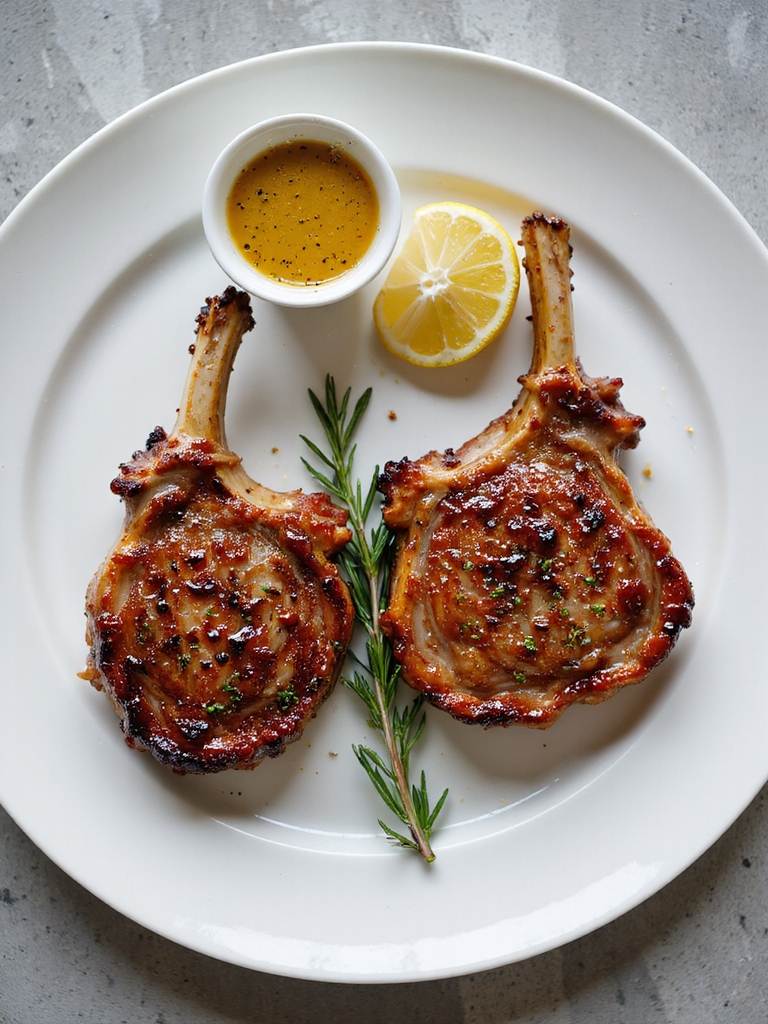
Quick-grill pork chops are a fast, flavorful way to get tender, juicy meat with a caramelized crust by using a simple brine or marinade, a hot grill, and careful timing; this recipe uses a short brine and a high-heat sear followed by a brief indirect finish to make sure chops stay moist while developing great color and flavor.
- 4 bone-in pork chops (1 to 1¼ inches thick)
- 4 cups water
- 2 tbsp kosher salt
- 2 tbsp brown sugar
- 2 cloves garlic, smashed
- 1 tsp black peppercorns
- 2 tbsp olive oil
- 1 tbsp Dijon mustard
- 1 tbsp apple cider vinegar
- 1 tsp smoked paprika
- 1/2 tsp cayenne (optional)
- Fresh rosemary or thyme sprigs for garnish
- Lemon wedges for serving
Whisk brine salt and sugar into water until dissolved, add garlic and peppercorns, submerge chops and refrigerate 30–45 minutes, remove and pat dry, mix oil, mustard, vinegar and spices and brush onto chops; preheat grill to high (about 500°F/260°C) with one side for indirect heat, sear chops 2–3 minutes per side over direct heat to develop crust, then move to indirect heat and cook 3–6 minutes more until an instant-read thermometer reads 135°F (57°C) for medium-rare–medium, remove and tent for 5 minutes to reach about 140°F (60°C) before serving.
Tip: Use an instant-read thermometer, resist overcooking past 145°F (63°C) to avoid dry chops, and rest briefly so juices redistribute for maximum juiciness. Be sure to baste with your favorite sauce during the final minutes for added flavor and glaze BBQ chicken.
Carolina-Style Pulled Pork: Vinegar and Mustard-Based Sauces
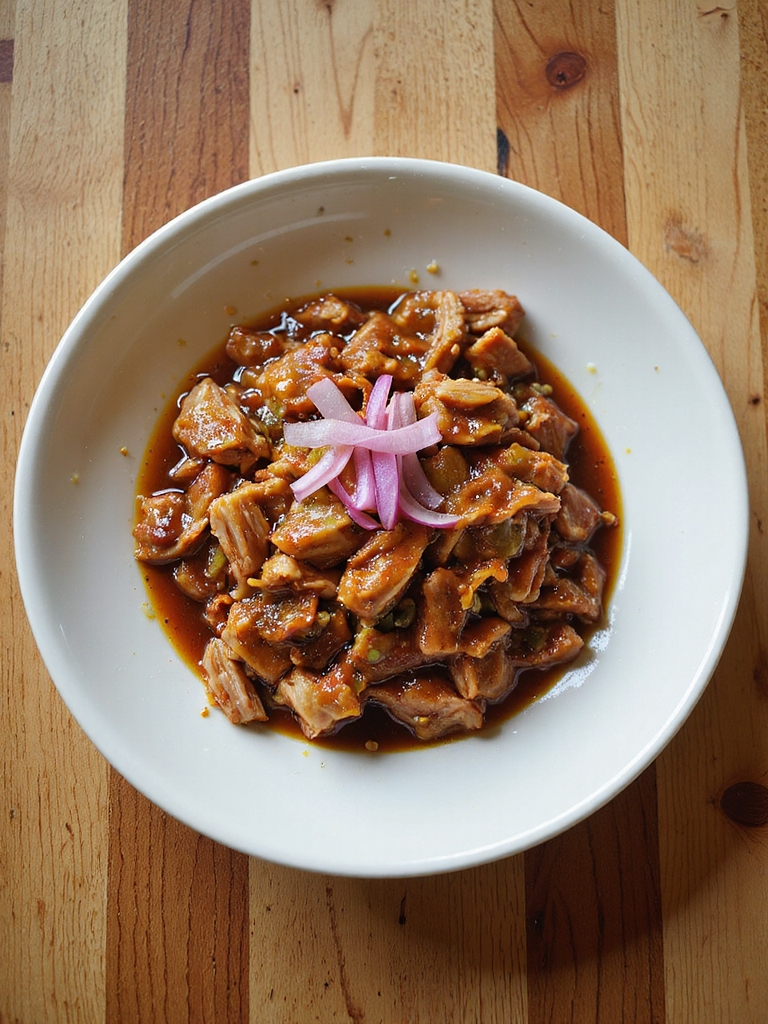
Carolina-style pulled pork is slow-cooked pork shoulder (Boston butt) seasoned simply and braised until shreddable, then tossed with a tangy, vinegar-and-mustard-based sauce that cuts the richness and adds bright, savory heat — this recipe produces moist, fork-tender pork with a bright, punchy sauce perfect for sandwiches, plates, or serving alongside coleslaw.
- 4–5 lb (1.8–2.3 kg) pork shoulder (bone-in or boneless)
- 2 tbsp kosher salt
- 2 tbsp brown sugar
- 1 tbsp smoked paprika
- 1 tbsp garlic powder
- 1 tsp black pepper
- 1/2 tsp cayenne pepper (optional)
- 1 cup apple cider vinegar
- 1/2 cup brown mustard (Dijon or yellow blend)
- 1/4 cup ketchup (optional, for color)
- 2 tbsp Worcestershire sauce
- 1/4 cup hot water
- 1 small onion, quartered
- 3 cloves garlic, smashed
- 2 bay leaves
- 2 tbsp neutral oil
- Soft sandwich rolls and coleslaw for serving
Preheat oven to 300°F (150°C); rub the pork shoulder all over with salt, brown sugar, smoked paprika, garlic powder, black pepper, and cayenne, sear in a heavy Dutch oven with oil over medium-high heat until browned on all sides, add onion, garlic, bay leaves and 1/2 cup apple cider vinegar plus 1/4 cup hot water, cover and braise in oven 3.5–4.5 hours until a thermometer reads 200–205°F (93–96°C) and meat pulls apart easily, remove pork to a tray and let rest 15 minutes.
Meanwhile whisk remaining 1/2 cup vinegar with mustard, ketchup (if using), Worcestershire and a pinch of salt and pepper to make the sauce, shred pork with forks, discard bay leaves and stir shredded pork with sauce to taste, return to low heat to meld for 10–15 minutes and serve on rolls with coleslaw.
Tip: Taste and adjust the vinegar-to-mustard ratio at the end — Carolina styles vary from sharp-and-sour to slightly sweet, and if the sauce is too tangy add a touch of brown sugar or honey to balance.
This slow, low braise method mirrors the tenderness achieved in slow cooker pulled pork recipes and helps produce consistently moist, shreddable pork.
Sticky Sweet and Spicy Glazes and Finishing Sauces
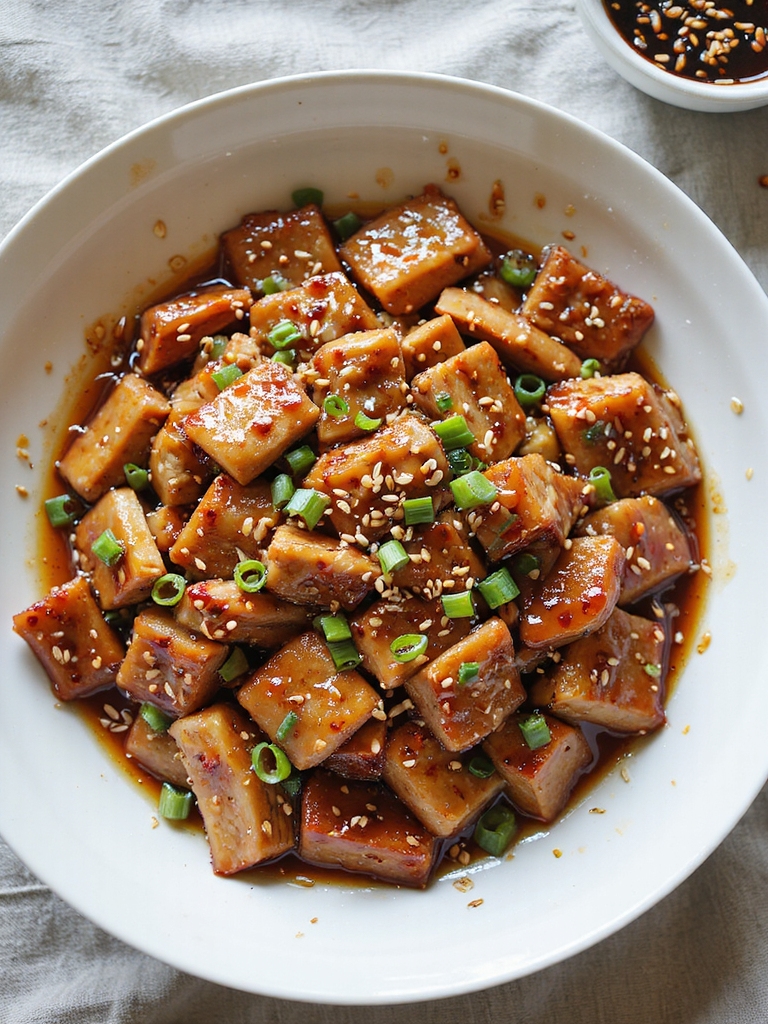
Sticky sweet and spicy glazes turn humble pork into a glossy, finger-licking finish that balances caramelized sugars, bright acids, and chile heat; this recipe shows how to braise or slow-roast pork shoulder until tender, then toss and baste it with a sticky glaze made from honey, brown sugar, soy, vinegar, and chiles, finishing in a hot oven or under a broiler to lacquer the meat and build layers of flavor perfect for sandwiches, rice bowls, or a party platter.
- 4–5 lb (1.8–2.3 kg) pork shoulder (Boston butt), trimmed of excess fat
- 1 tbsp kosher salt
- 1 tbsp brown sugar (for dry rub)
- 1 tsp smoked paprika
- 1 tsp garlic powder
- 1/2 tsp black pepper
- 1 cup apple cider vinegar, divided
- 1/2 cup low-sodium soy sauce
- 1/2 cup honey
- 1/4 cup brown sugar (for glaze)
- 2 tbsp ketchup
- 1–2 tbsp Sriracha or sambal oelek (adjust to heat preference)
- 1 tbsp Worcestershire sauce
- 2 tsp toasted sesame oil
- 3 cloves garlic, minced
- 1-inch piece fresh ginger, grated
- 1/4 cup water
- 2 tbsp neutral oil (for searing)
- 2 bay leaves
- Optional: 1 tbsp rice vinegar for brightness, toasted sesame seeds and sliced scallions for garnish
Preheat oven to 300°F (150°C); rub the pork all over with salt, brown sugar, smoked paprika, garlic powder and pepper, sear in a heavy Dutch oven with neutral oil over medium-high heat until browned on all sides, add bay leaves and 1/2 cup apple cider vinegar plus 1/4 cup water, cover and braise in oven 3.5–4.5 hours until the meat reaches 200–205°F (93–96°C) and shreds easily, transfer pork to a tray and let rest 10–15 minutes while you make the glaze by whisking together soy, honey, brown sugar, ketchup, Sriracha, Worcestershire, sesame oil, minced garlic, grated ginger and remaining 1/2 cup vinegar, shred the pork, toss with half the glaze, spread shredded pork on a rimmed baking sheet, brush with remaining glaze and broil or roast at 425°F (220°C) for 8–12 minutes until edges caramelize, watching closely and basting once, then serve hot with sesame seeds and scallions.
Tip: Balance the glaze by tasting before you finish—if it’s too sweet add a splash of rice or apple cider vinegar and if too tangy add a bit more honey or brown sugar; also use high heat briefly at the end to caramelize without drying the meat. A finishing brush of extra honey before broiling helps achieve a shiny, lacquered surface and highlights the honey glaze for a sweet, sticky finish.
Wood Selection: Hickory, Apple, Cherry, and Mesquite Effects
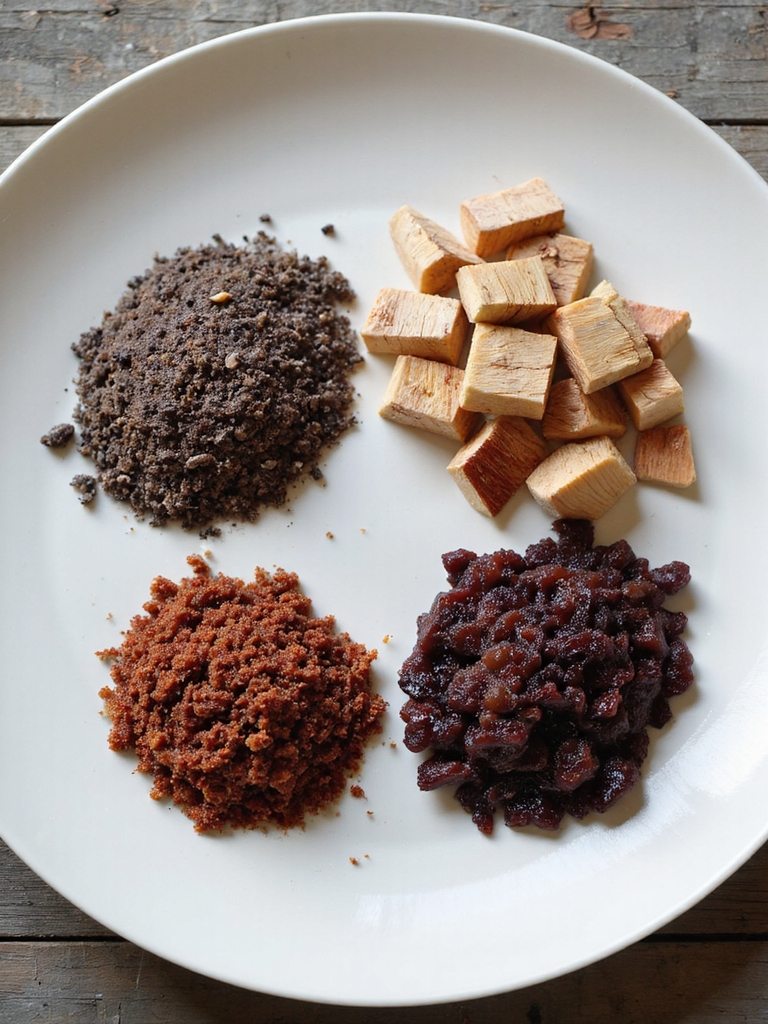
Smoking pork with different woods—hickory, apple, cherry, and mesquite—adds distinct layers of flavor, from bold and savory to fruity and sweet to intense and earthy; this recipe guides you to smoke a 4–5 lb pork shoulder using a combination of woods to build complexity, finish with a sticky sweet-spicy glaze from the previous section, and then lacquer and caramelize the pulled pork for serving.
- 4–5 lb (1.8–2.3 kg) pork shoulder (Boston butt), trimmed
- 1 tbsp kosher salt
- 1 tbsp brown sugar
- 1 tsp smoked paprika
- 1 tsp garlic powder
- 1/2 tsp black pepper
- 2 cups apple wood chips or chunks (fruitwood)
- 1 cup hickory wood chips or chunks
- 1/2 cup cherry wood chips or chunks
- 1/4 cup mesquite wood chips or chunks (use sparingly)
- 1 cup apple cider vinegar, divided
- 1/2 cup low-sodium soy sauce
- 1/2 cup honey
- 1/4 cup brown sugar (glaze)
- 2 tbsp ketchup
- 1–2 tbsp Sriracha or sambal oelek
- 1 tbsp Worcestershire sauce
- 2 tsp toasted sesame oil
- 3 cloves garlic, minced
- 1-inch piece fresh ginger, grated
- 1/4 cup water
- 2 tbsp neutral oil (for searing)
- 2 bay leaves
- Optional: 1 tbsp rice vinegar, toasted sesame seeds, sliced scallions
Prepare the smoker for indirect heat at 225–250°F (107–121°C) and soak or hydrate wood as needed; season the pork all over with salt, brown sugar, smoked paprika, garlic powder and pepper, sear in a heavy pan with neutral oil to brown the exterior if desired, then place on the smoker fat side up and add a base of apple and hickory wood with smaller amounts of cherry and mesquite to the fire to create a layered smoke profile—smoke the pork until it reaches an internal temperature of 195–205°F (90–96°C), replenishing wood and maintaining steady temps (expect 1.5–2 hours per pound), wrap in foil or butcher paper when a deep mahogany bark forms and stall is reached, continue until probe-tender, rest 30–60 minutes, shred and toss with a glaze made by whisking soy, honey, brown sugar, ketchup, Sriracha, Worcestershire, sesame oil, garlic, ginger and remaining apple cider vinegar, spread on a tray and finish under high heat (425°F/220°C or broiler) briefly to lacquer and caramelize.
Tip: Use fruitwoods (apple/cherry) for the main smoke and add hickory for backbone with just a splash of mesquite for intensity—avoid overusing mesquite to prevent bitterness; monitor temps carefully, wrap during the stall to speed finish, and always taste and adjust the glaze acidity/sweetness before the final caramelizing step.
For a reliable starting point on wood choices and smoke profiles, consult common BBQ smoker recipes to match woods to your desired flavor.
Resting, Pulling, and Serving: Texture, Sauces, and Sides
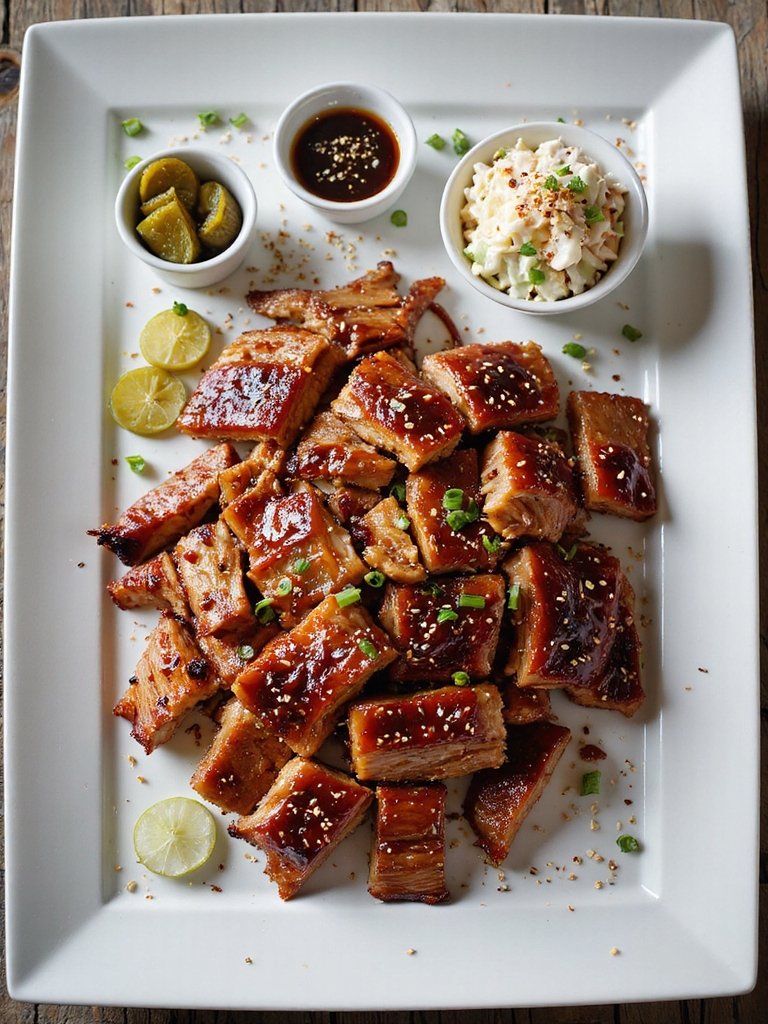
After a long smoke and a sweet-spicy lacquer, proper resting, gentle pulling, and smart serving turn your smoked pork shoulder into tender, juicy, well-textured barbecue—this recipe focuses on letting the meat relax, retaining juices while you prepare sauces and sides, shredding to the ideal bite size, finishing with a quick high-heat caramelize, and presenting with complementary condiments and sides for a complete meal.
- 4–5 lb smoked pork shoulder, rested
- Reserved glaze (soy-honey-Sriracha mix)
- 1 cup apple cider vinegar (for mop/sauce)
- 1/4 cup water
- 2 tbsp unsalted butter
- 1 tbsp kosher salt (adjust)
- 1/2 tsp freshly ground black pepper
- 1 tbsp Worcestershire sauce
- 1 tbsp brown sugar (optional)
- 1 tbsp neutral oil (for finishing tray)
- Hamburger buns or tortillas
- Pickles, coleslaw, sliced red onions, and sliced scallions
- Toasted sesame seeds (optional)
- Extra BBQ sauce and hot sauce to serve
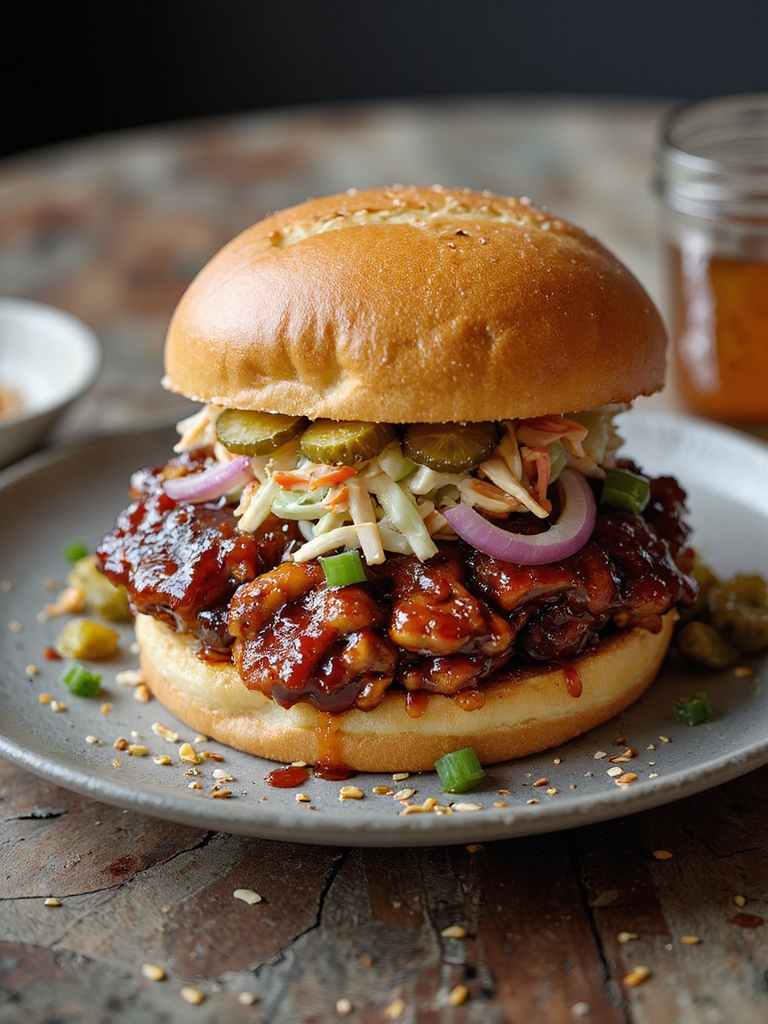
With the pork rested 30–60 minutes loosely tented in foil, transfer to a large tray, discard bay leaves, and use two forks or meat claws to pull into bite-sized shreds, removing any excess fat and distributing bark evenly; fold in 1/2–3/4 cup reserved glaze and 2 tbsp butter to moisten, spread in an even layer on an oiled sheet tray and finish under a preheated 425°F (220°C) oven or broiler 3–6 minutes until lacquered and slightly caramelized, stirring once halfway; taste and adjust with apple cider vinegar, salt, pepper, or extra glaze, then serve immediately on buns or tortillas with pickles, coleslaw, red onion, scallions, sesame seeds, and extra sauce at the table.
Tip: Resting preserves juices and makes pulling easier; remove large pockets of fat, mix in glaze gradually to avoid sogginess, and finish briefly on high heat to set the lacquer without drying the meat. A quick alternative is using pulled BBQ chicken techniques for faster shredding and glazing transfer.