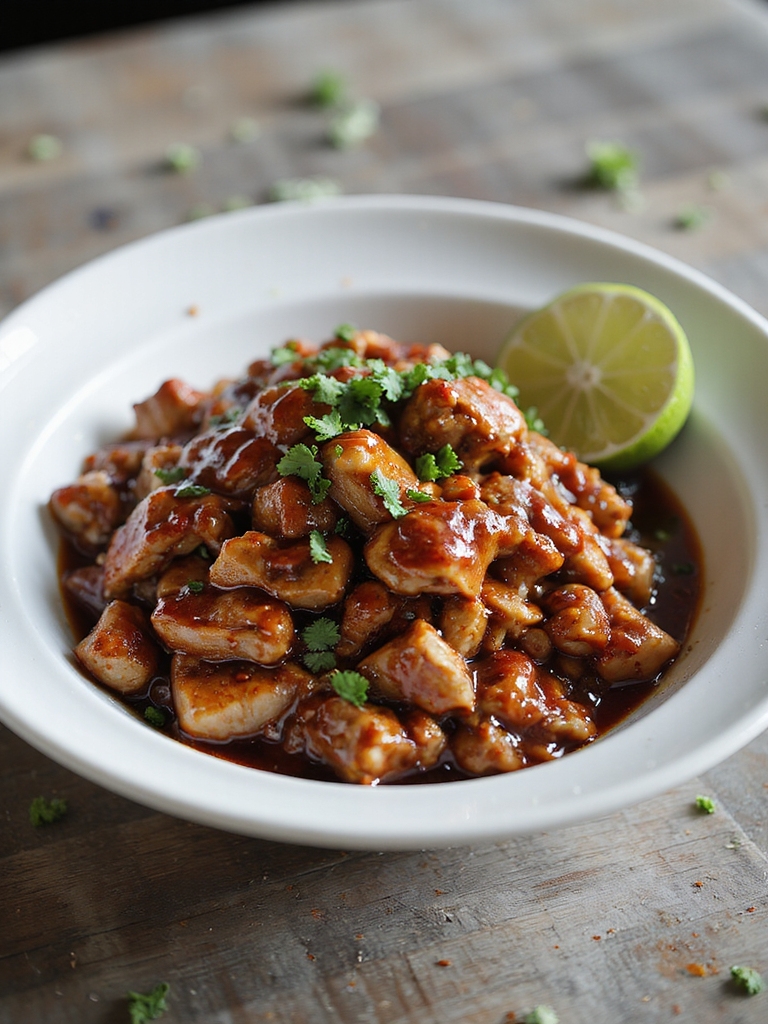
I love making pulled BBQ pork because a few simple steps turn a tough hunk of pork into saucy, shreddable bliss that everyone fights over. I’ll walk you through choosing the right cut, building a dry rub, and the low-and-slow techniques that yield 195–205°F tender meat, plus shortcuts and sauce options from tangy Carolina to sweet Kansas City.
Stick around — I’ve got tips that keep every bite moist and full-flavored.
Why Choose the Best Cut for Pull-Apart Pork
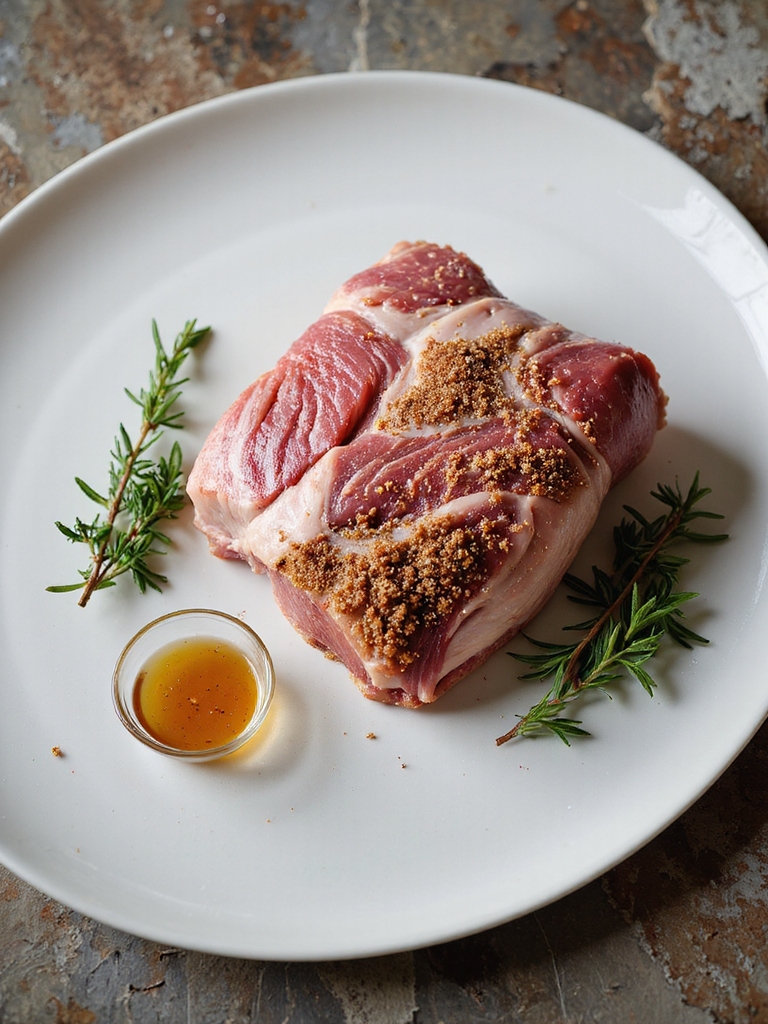
Choosing the right cut for pull-apart pork makes the difference between tender, flavorful shreds and dry, tough meat; pork shoulder (also called Boston butt) with its marbling and connective tissue breaks down into moist, succulent strands when cooked low and slow, while picnic shoulder or rump can work if cooked long enough and with added fat or braising liquid.
- 3–4 lb pork shoulder (Boston butt), bone-in or boneless
- 2 tbsp brown sugar
- 1 tbsp smoked paprika
- 2 tsp kosher salt
- 1 tsp black pepper
- 1 tsp garlic powder
- 1 tsp onion powder
- 1/2 tsp cayenne (optional)
- 1 cup apple cider or stock
- 2 tbsp apple cider vinegar
- 2 tbsp vegetable oil or mustard (for rub binder)
- 1 cup barbecue sauce (optional, for serving)
Preheat oven to 275°F (135°C) and pat the pork dry, rub with oil or mustard then coat evenly with brown sugar and spice mix; place fat-side up in a roasting pan on a rack with apple cider and vinegar in the pan, cover tightly with foil and roast until internal temperature reaches 195–205°F (90–96°C), about 4–6 hours for 3–4 lb, rest 20–30 minutes, then shred with forks and toss with pan juices and barbecue sauce as desired.
After resting and shredding, skim excess fat if needed and return meat to warm oven or slow cooker to meld flavors before serving.
Trim large exterior silverskin sparingly and keep some fat for flavor; monitor internal temperature rather than time, and if using a slow cooker or smoker adjust liquid and smoke levels so the meat stays moist without becoming greasy.
For a hands-off set-and-forget option, you can cook the pork in a crockpot on low for 8–10 hours until it falls apart easily, which makes slow cooking a great choice for busy days.
Dry Rubs and Marinades That Build Deep Flavor
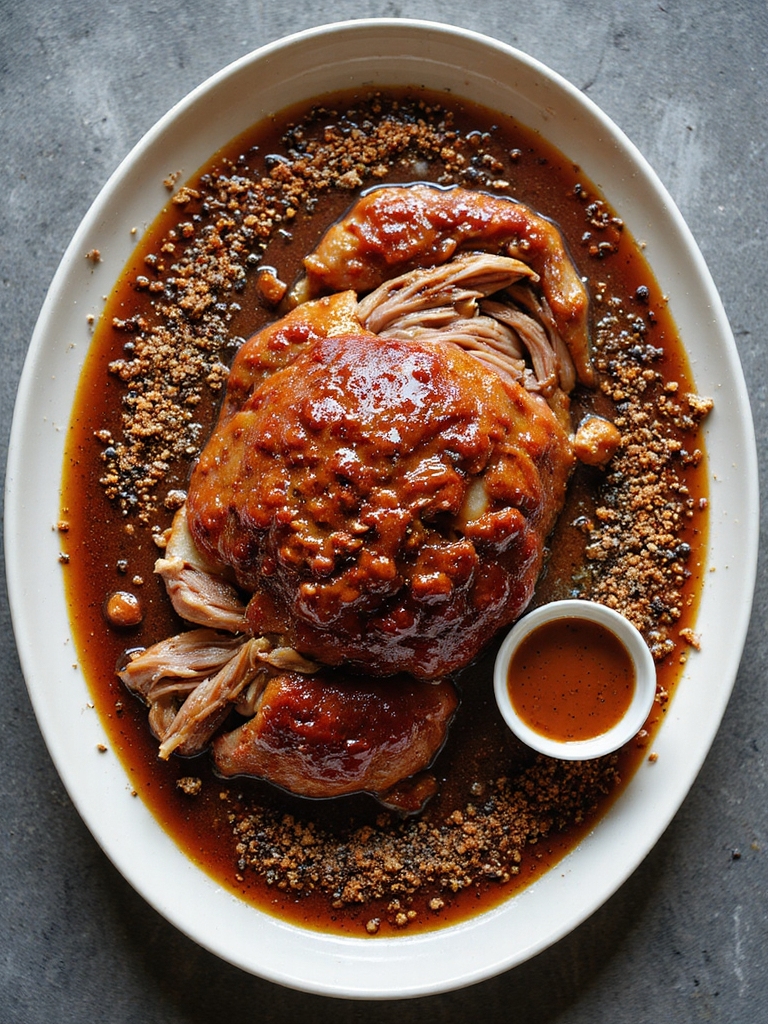
A well-crafted dry rub or a bright, acid-forward marinade sets the foundation for pulled BBQ pork by penetrating the outer layers and creating a flavorful crust that complements the rich, slow-cooked interior; below is a versatile dry rub and an optional quick marinade you can use before the low-and-slow cook to maximize flavor — apply the rub directly to the meat after patting dry and letting it sit in the fridge for a few hours or overnight for deeper penetration, or use the marinade for 2–6 hours for added tang.
- 3–4 lb pork shoulder (Boston butt), bone-in or boneless
- 2 tbsp brown sugar
- 1 tbsp smoked paprika
- 1 tsp ground cumin
- 1 tsp kosher salt
- 1 tsp black pepper
- 1 tsp garlic powder
- 1 tsp onion powder
- 1/2 tsp cayenne (optional)
- 2 tbsp mustard or vegetable oil (rub binder)
- Optional marinade: 1/2 cup apple cider, 2 tbsp apple cider vinegar, 1 tbsp soy sauce or Worcestershire
Pat pork dry, rub binder on the surface, coat thoroughly with the dry rub making sure to press it into crevices and let rest refrigerated for at least 2 hours or overnight to allow flavors to penetrate.
Then remove from fridge 30–60 minutes before cooking and proceed with your chosen low-and-slow method (oven at 275°F, slow cooker low, or smoker at 225–250°F) until the internal temperature reaches 195–205°F and meat pulls apart easily; save pan juices, skim excess fat, and toss shredded pork with juices and barbecue sauce to taste.
Extra tip: For best crust and depth, apply rub the night before, let uncovered in the fridge to dry the surface, and always cook to feel (probe/tug) as well as temperature — if it resists shredding, cook longer. Letting the rubbed pork rest overnight in the fridge can deepen flavor and improve bark formation.
Low and Slow: Oven, Slow Cooker, and Smoker Methods
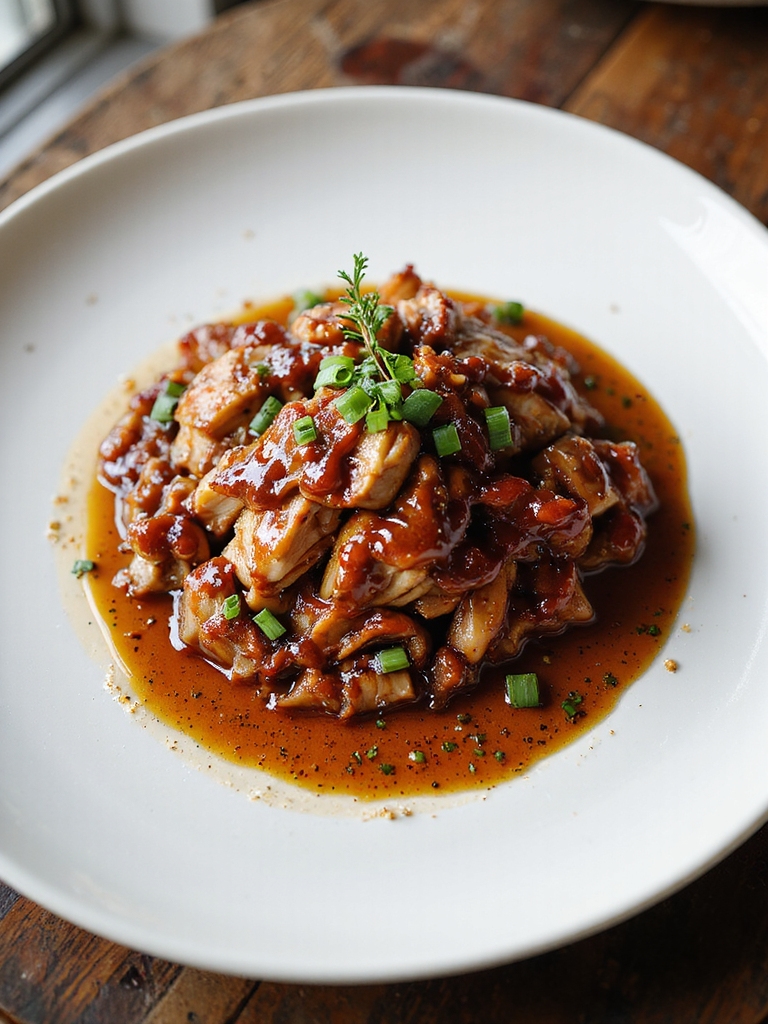
Low-and-slow cooking transforms a seasoned pork shoulder into tender, shreddable pulled pork by breaking down collagen and concentrating flavors; below are three reliable methods—oven, slow cooker, and smoker—each using the same prepared shoulder from the previous dry-rub/marinade step and ending at the 195–205°F range with a rested, juicy result.
- 3–4 lb pork shoulder (Boston butt), rubbed as above
- 2 tbsp mustard or oil (if reapplying)
- 1 cup apple juice, cider, or water (for oven/simmering)
- Optional: 1 cup wood chips (hickory/apple) for smoker
- Barbecue sauce and pan juices for finishing
- Thermometer (probe or instant-read)
For oven: preheat to 275°F, place rubbed shoulder fat-side up in a roasting pan on a rack with 1 cup apple juice in the bottom, tent loosely with foil, and roast until the probe reads 195–205°F and meat yields to a gentle tug (about 5–7 hours for 3–4 lb);
for slow cooker: sear the shoulder in a hot skillet if desired, transfer to a 6–7 qt slow cooker with 1 cup apple juice, cover and cook on Low 8–10 hours (or High 4–6 hours) until shreddable;
for smoker: preheat to 225–250°F, add soaked wood chips, place shoulder fat-side up, smoke until 195–205°F (plan 1.5–2 hours per lb), wrapping in foil with a little juice at 160–170°F (the stall) can shorten time, then rest 30–60 minutes before pulling and tossing with reserved juices and sauce.
Tip: Always cook to feel as well as temperature—if it resists shredding, give it more time; rest uncovered or tented 30–60 minutes to redistribute juices and develop the bark before pulling. A good practice to enhance crust and flavor is to sear before slow cooking the shoulder briefly in a hot skillet.
Instant Pot and Pressure Cooker Shortcuts
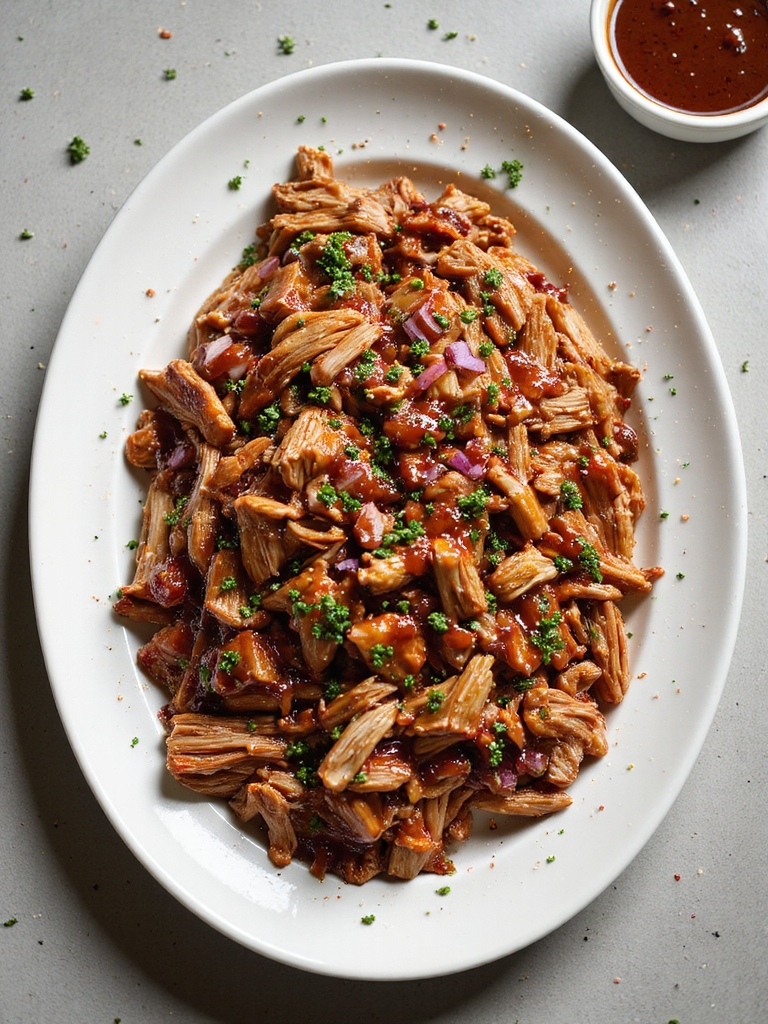
Pressure cooking/potato-style fast pulled pork gives you tender, shreddable pork shoulder in a fraction of the time by using high pressure and steam to break down collagen quickly; this Instant Pot recipe uses a simple liquid, aromatics, and optional searing to build flavor, finishes with a brief natural pressure release for tenderness, and is finished by resting and shredding before tossing with sauce.
- 3–4 lb pork shoulder (Boston butt), trimmed of excess fat and cut into 2–3 large chunks
- 2 tbsp vegetable oil or mustard (for searing or rub adhesion)
- 2–3 tbsp dry rub (salt, brown sugar, smoked paprika, garlic powder, onion powder, black pepper)
- 1 cup apple juice, cider, chicken broth, or water
- 1/2 cup chopped onion
- 3 cloves garlic, smashed
- 2 tbsp Worcestershire sauce or soy sauce (optional)
- 1 bay leaf (optional)
- 1 cup barbecue sauce (plus more for serving)
- Freshly ground black pepper to taste
Heat the Instant Pot on Sauté and add oil; sear seasoned pork chunks in batches until browned on all sides (about 2–3 minutes per side), then remove and deglaze the pot with a splash of the apple juice or broth scraping up browned bits, add the onions, garlic, Worcestershire, remaining liquid, and bay leaf, nestle pork back in, lock the lid and cook on High Pressure for 60 minutes for 3–4 lb (55 minutes for 2–3 lb), allow a natural pressure release for 15–20 minutes then quick release any remaining pressure, transfer pork to a tray, skim and reserve cooking liquid, shred the pork with forks or claws, mix in 1/2–1 cup reserved juices and desired barbecue sauce to reach preferred moisture and flavor, and serve.
Tip: If you want more concentrated sauce, simmer reserved cooking liquid on Sauté until reduced before mixing with shredded pork; rest shredded pork 10–15 minutes for juices to settle before saucing. Consider finishing on a smoker or grill for added smoked flavor if you want authentic BBQ depth.
Mastering the Perfect Pull: Resting, Shredding, and Saucing
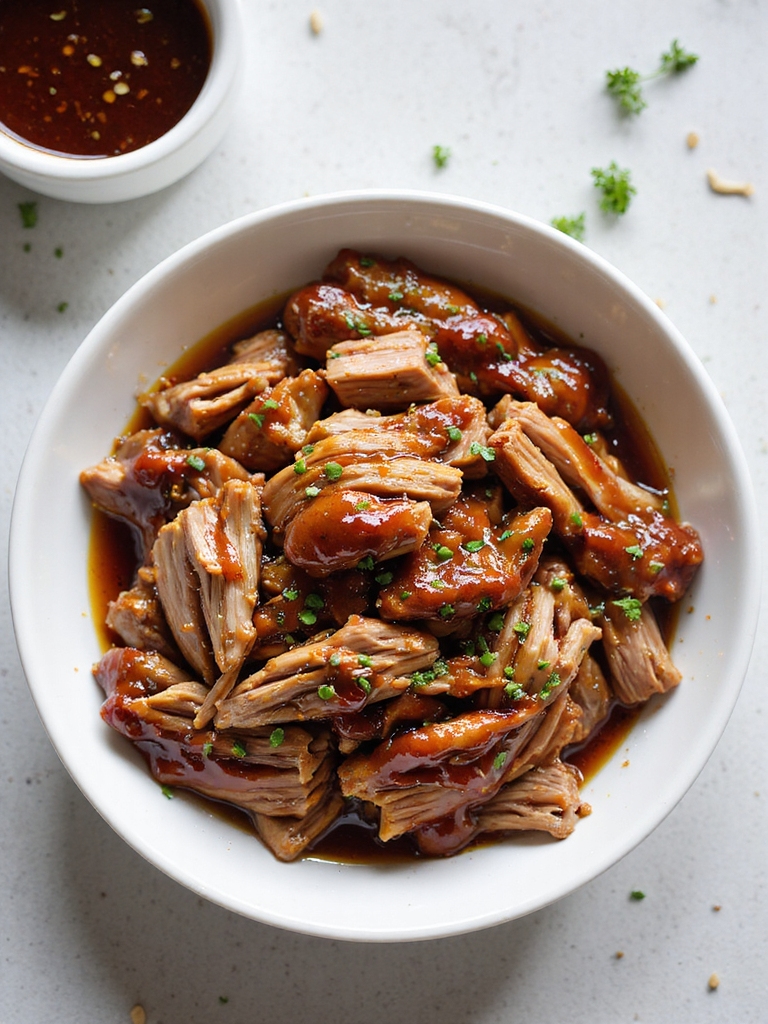
After pressure-cooking or slow-roasting your pork shoulder until tender, mastering the rest, shred, and sauce steps guarantees maximum juiciness and flavor: rest the meat to let juices redistribute, reserve and concentrate cooking liquids to control moisture, shred to your preferred texture, then combine meat with sauce gradually so you can balance tang, sweetness, and heat without making the pork soggy.
- Cooked pulled pork (from Instant Pot or oven), 3–4 lb before cooking, shredded
- Reserved cooking liquid or braising jus, 1–2 cups
- Barbecue sauce, 1 cup (adjust to taste)
- Apple cider vinegar, 2–4 tbsp (optional, for brightness)
- Yellow mustard or Carolina mustard sauce, 2–4 tbsp (optional)
- Brown sugar or honey, 1–2 tbsp (optional)
- Hot sauce or cayenne, to taste
- Kosher salt and freshly ground black pepper, to taste
- Chopped fresh parsley or chives, for garnish (optional)
After removing pork from the cooker, tent loosely with foil and rest for 10–20 minutes to let juices redistribute; skim fat from reserved liquid, then simmer that liquid on Sauté or in a small pan to reduce and concentrate flavor while you pull the meat with forks or claws until you reach your desired strand size, toss shredded pork with a little reduced jus first to moisten then add barbecue sauce gradually—taste and adjust with vinegar, mustard, sugar, salt, and heat until balanced and neither dry nor soupy; serve immediately with extra sauce on the side.
Tip: Resting for at least 10 minutes, reducing and tasting your reserved juices before saucing, and adding sauce incrementally are the keys to perfectly moist, flavorful pulled pork without over-saucing.
Deliciously easy recipes like this BBQ Pork make weeknight dinners or weekend gatherings a breeze.
Classic Carolina Vinegar and Mustard Styles
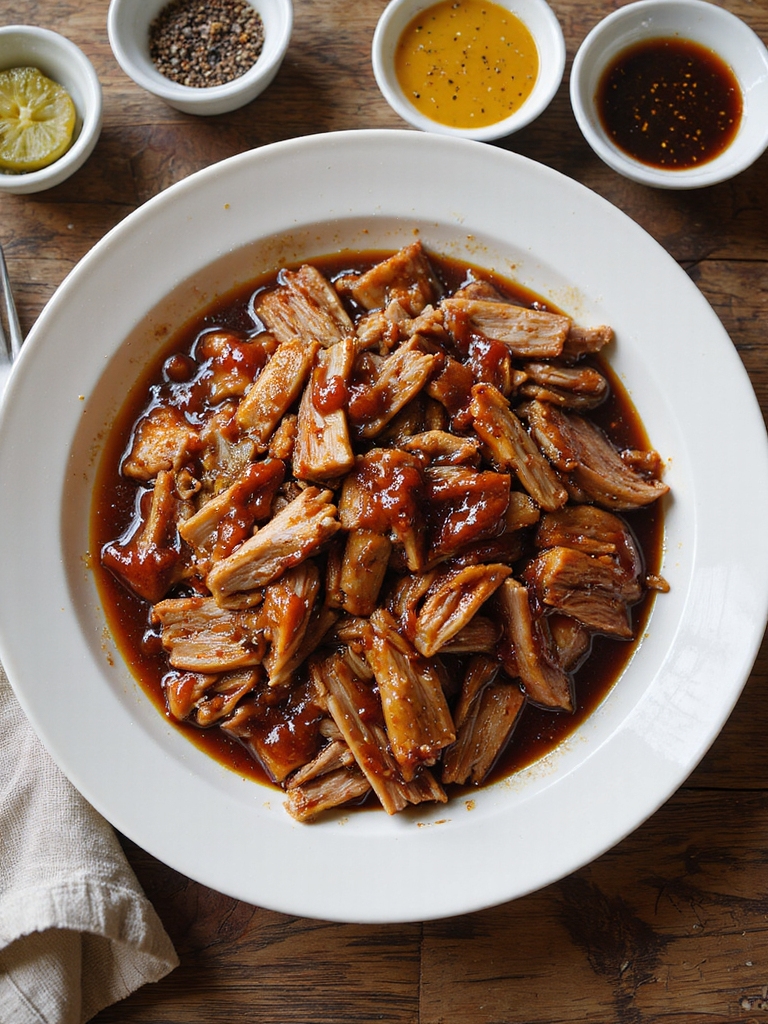
Classic Carolina pulled pork showcases bright, vinegar-forward sauces—Eastern Carolina for pure tang and spice, and Western (Lexington) for a tangy blend with ketchup and a touch of sweetness—while Carolina mustard adds a sharp, tangy alternative popular in South Carolina; this recipe guides you to make a 3–4 lb cooked pulled pork and two quick sauces so you can toss and serve the pork in either style or offer both for guests.
- Cooked pulled pork, 3–4 lb (shredded)
- Reserved cooking liquid or braising jus, 1 cup
- Eastern Carolina vinegar sauce: apple cider vinegar, 1 cup; kosher salt, 1 tsp; cracked black pepper, 1 tsp; crushed red pepper flakes, 1/2–1 tsp; brown sugar, 1 tsp (optional)
- Lexington (Western) sauce: apple cider vinegar, 1/2 cup; ketchup, 1/2 cup; brown sugar, 2 tbsp; Worcestershire sauce, 1 tsp; kosher salt, 1/2 tsp; cracked black pepper, 1/2 tsp; crushed red pepper, 1/4–1/2 tsp
- South Carolina mustard sauce: yellow mustard, 1 cup; apple cider vinegar, 1/4 cup; honey, 2 tbsp; brown sugar, 1 tbsp; kosher salt, 3/4 tsp; cracked black pepper, 1/2 tsp; hot sauce, to taste
- Optional: diced onion, chopped pickles, slider buns, coleslaw for serving
Combine and warm the reserved cooking liquid and skimmed fat in a small saucepan for a few minutes; whisk together each sauce in separate bowls, taste and adjust vinegar, sugar, and heat, then toss shredded pork first with a few tablespoons of reduced jus to moisten and finish by adding sauce gradually—Eastern fans use mostly vinegar sauce, Lexington lovers mix ketchup-based sauce into the pork and offer extra vinegar sauce on the side, and serve mustard sauce alongside for a tangy alternative.
Tip: Always add sauce incrementally and offer extra on the side so diners can control tang and moisture; keep reserved jus to rehydrate any pork that dries out during holding. For a true Texas touch, consider pairing with Savoring the Flavors of authentic Texas BBQ to contrast regional styles.
Sweet and Smoky Kansas City–Style Sauces
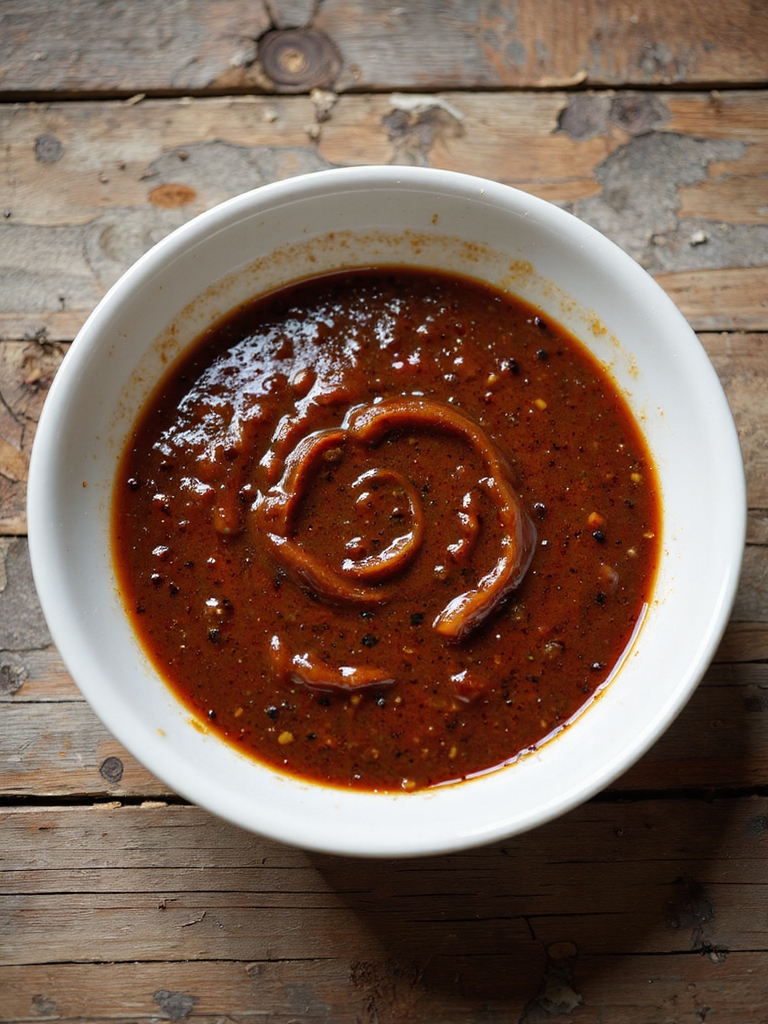
For a classic Kansas City–style sweet and smoky pulled pork, slow-cook a pork shoulder until fork-tender then coat it in a thick, molasses-and-tomato based barbecue sauce layered with smoke, brown sugar, and spices; this recipe makes about 3–4 lb cooked pulled pork and one batch of sticky KC sauce to toss with the meat or serve on the side.
- Pork shoulder (Boston butt), 4–5 lb bone-in or boneless
- Kosher salt, 2 tsp
- Black pepper, 1 tsp
- Smoked paprika, 2 tbsp
- Garlic powder, 1 tbsp
- Onion powder, 1 tbsp
- Brown sugar (packed), 1/2 cup
- Apple cider vinegar, 1/4 cup
- Ketchup, 1 cup
- Tomato paste, 2 tbsp
- Molasses, 3 tbsp
- Worcestershire sauce, 1 tbsp
- Mustard (Dijon or yellow), 1 tbsp
- Liquid smoke (optional), 1/4 tsp
- Cayenne or hot sauce, to taste
- Chicken or pork stock (or reserved cooking liquid), 1 cup
Rub the trimmed pork all over with salt, pepper, smoked paprika, garlic and onion powders, and half the brown sugar, then sear in a hot Dutch oven or heavy skillet until browned on all sides, add stock and a splash of vinegar, cover and braise in a 300°F oven until 195–205°F internal (about 4–6 hours depending on size) or cook low in a slow cooker for 8 hours;
remove pork, reserve 1 cup braising liquid, shred the meat with forks and skim fat, then in a saucepan combine ketchup, tomato paste, remaining brown sugar, molasses, Worcestershire, mustard, vinegar, liquid smoke and cayenne, bring to a simmer until glossy and slightly reduced, toss shredded pork with sauce to taste adding reserved liquid to loosen if needed and finish under a broiler or on a hot grill for a minute to caramelize if desired.
Tip: Monitor internal temperature rather than time for tender pork, add sauce gradually to control sweetness and moisture, reserve extra sauce for serving, and use a little reserved braising liquid to revive any pork that dries during holding. Carolina-style sauces are typically vinegar-based and tangy, offering a bright contrast to the sweet KC sauce and are a key part of regional barbecue traditions like Carolina BBQ Sauce.
Spicy and Tangy Variations With International Twists
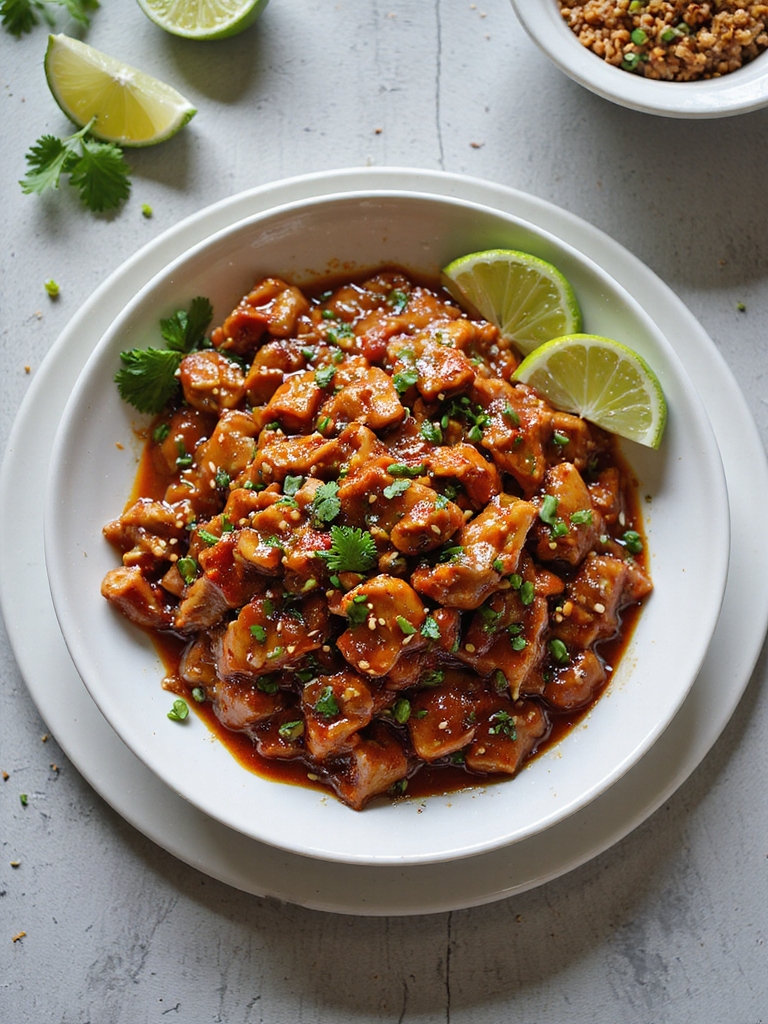
Give your pulled pork a global kick by braising a pork shoulder with bold spices and tangy condiments inspired by Mexican, Korean, and Caribbean flavors — think chipotle and ancho chiles, soy and gochujang, lime and pineapple — then shred and finish with a two-part finishing sauce (one spicy-tangy, one bright-acidic) so you can mix and match heat and brightness for tacos, bao, or sandwiches.
- Pork shoulder (Boston butt), 4–5 lb
- Kosher salt, 2 tsp
- Black pepper, 1 tsp
- Smoked paprika, 1 tbsp
- Ground cumin, 1 tbsp
- Ancho or chipotle powder, 1 tbsp (or 2 tsp chipotle + 1 tbsp ancho)
- Garlic powder, 1 tbsp
- Fresh ginger, 1 tbsp grated
- Yellow onion, 1 large, sliced
- Canned diced tomatoes with juice, 1 cup
- Chicken or pork stock, 1 cup
- Apple cider vinegar, 1/4 cup
- Soy sauce, 2 tbsp
- Gochujang (Korean chili paste), 2 tbsp
- Pineapple juice, 1/3 cup (or orange juice)
- Lime juice, 2 tbsp
- Brown sugar, 2 tbsp
- Olive oil, 2 tbsp
- Fresh cilantro, chopped, 1/2 cup (optional)
- Toasted sesame oil, 1 tsp (optional)
- Hot sauce or additional chiles to taste
Preheat oven to 300°F, pat pork dry and rub all over with salt, pepper, smoked paprika, cumin, ancho/chipotle and garlic powder; heat oil in a Dutch oven and brown pork on all sides, remove and sauté onion until soft, add ginger, tomatoes, stock, soy, apple cider vinegar and pineapple juice, return pork, cover and braise in oven until 195–205°F internal (4–6 hours), remove pork and reserve 1–2 cups braising liquid, shred pork with forks and skim fat.
In a skillet or saucepan combine reserved braising liquid with gochujang, brown sugar, lime juice and a drizzle of sesame oil, simmer to meld and slightly reduce, toss shredded pork with sauce to taste (reserve some for serving) and finish briefly under a broiler or on a hot grill to caramelize edges before serving with chopped cilantro and extra lime wedges.
Tip: Taste and adjust acid/heat in the finishing sauce gradually—add more lime or vinegar to cut sweetness or more gochujang/hot sauce for heat; reserve braising liquid to loosen and revive pork and hold sauces separate if serving a crowd so guests can choose their preferred tang and spice.
This recipe pairs well with a homemade BBQ sauce recipe to layer on top for extra depth and glaze, see crafting the perfect tips for making your own.
Sides, Buns, and Serving Ideas for Every Occasion
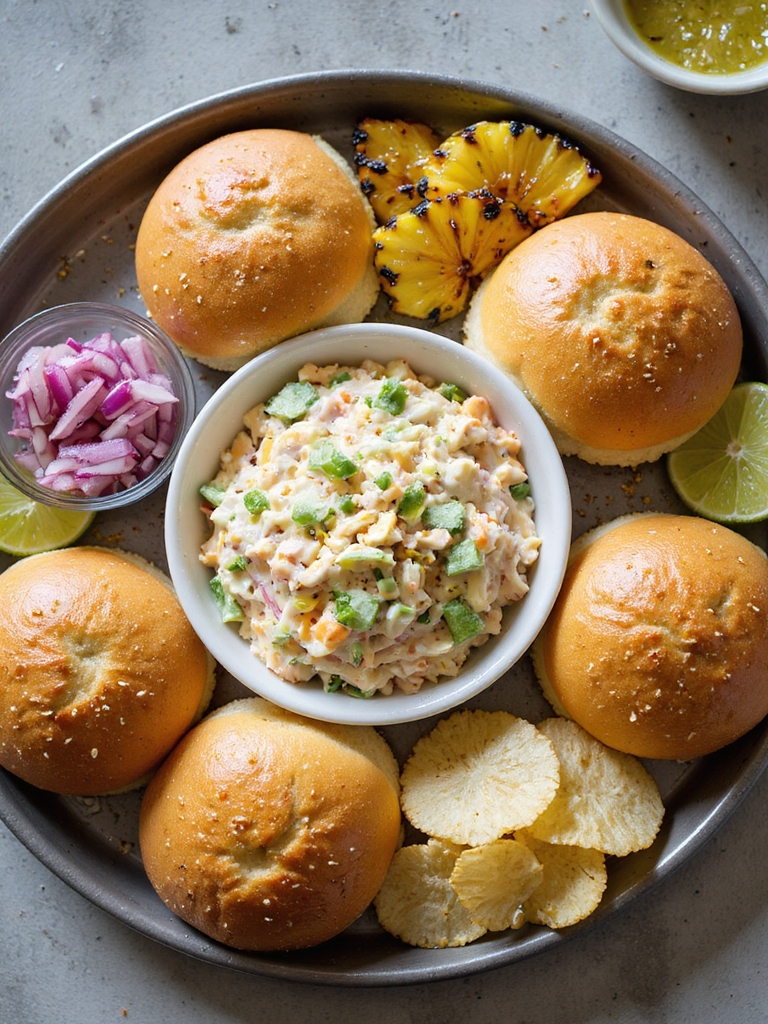
Pair your spicy-tangy pulled pork with complementary sides, buns, and serving ideas that suit any occasion—from casual weeknight tacos to festive buffet spreads—by providing a mix of textures, cool acidic contrasts, and starch carriers that soak up the saucy pork while letting guests customize heat and brightness to taste.
- Brioche buns or soft potato rolls
- Corn or flour tortillas (6–8 inch)
- Chinese steamed bao or slider buns
- Coleslaw (creamy or vinegar-based)
- Pickled red onions or quick-pickled cucumbers
- Grilled pineapple slices or charred corn
- Crispy roasted sweet potato wedges or kettle chips
- Lime wedges and extra hot sauce
- Fresh cilantro and sliced scallions
- Cotija or shredded Monterey Jack cheese
- Butter and sesame seeds for toasting buns
- BBQ baked beans or black bean salad
- Fresh green salad with citrus vinaigrette
- Rice (coconut or cilantro-lime) or steamed buns for plating
To serve, set up stations with warmed buns/tortillas/bao, shallow bowls of the pulled pork and finishing sauces (spicy-tangy and bright-acidic), and arranging sides—place cold slaws and pickles nearby for balance, warm starches like grilled pineapple, corn, or toasted buns on a separate platter, and small bowls of garnishes (cilantro, scallions, cheese, lime wedges, hot sauce) so guests assemble tacos, sandwiches, or bao to their liking, replenishing hot items to keep textures contrasty during the meal.
Tip: Keep wet and crunchy components separate until serving to preserve texture and offer extra sauce on the side so guests can control sauciness and acidity. For a classic pairing that soaks up sauce without overpowering flavors, offer brioche buns brushed with butter and lightly toasted.
Storing, Reheating, and Meal-Prep Tips
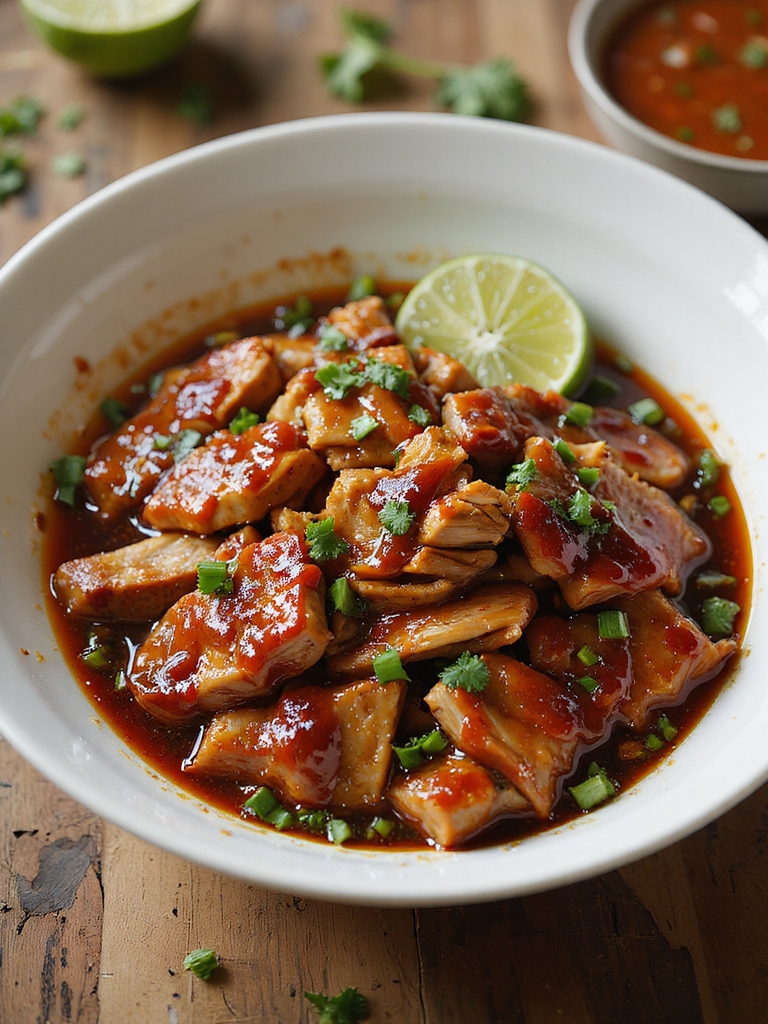
Storing, reheating, and meal-prep tips for pulled BBQ pork focus on cooling quickly, portioning for easy reheats, and preserving texture and flavor so you can enjoy sandwiches, tacos, or bowls all week; this recipe-style guide walks you through how to cool and store cooked pulled pork, reheat it without drying, and prepare make-ahead components and fully assembled meal kits.
- 3–4 lb cooked pulled pork (cooled)
- 1–2 cups BBQ sauce (divided)
- 1 cup chicken or pork broth
- 2 tbsp apple cider vinegar or lime juice
- 1 tbsp brown sugar (optional)
- 1 tsp smoked paprika
- 1 tsp kosher salt
- ½ tsp black pepper
- 2 tbsp neutral oil or butter (for reheating skillet)
- Fresh lime wedges and chopped cilantro (for finishing)
- Vacuum bags or airtight containers and freezer labels
To store and reheat: divide cooled pulled pork into meal-sized portions, toss each portion with enough BBQ sauce to lightly coat (about 2–3 tbsp per cup of meat) and 1–2 tbsp broth to prevent drying, place in airtight containers or vacuum bags, label and refrigerate up to 4 days or freeze up to 3 months, and to reheat gently warm in a covered skillet over low-medium heat or in a 300°F oven adding a splash of broth and stirring until just hot then finish with acid and fresh herbs.
For frozen portions thaw overnight in the fridge before reheating or reheat from frozen in a covered 325°F oven with added moisture until evenly heated.
Extra tips: For best texture, keep crunchy components (coleslaw, chips, toasted buns) separate until serving, flash-chill meat within 2 hours of cooking, and when reheating avoid high heat that strips fat — instead add a small amount of liquid and reheat slowly while tasting and adjusting sauce, salt, and acid.
Low-and-slow methods like a BBQ Beef Crockpot produce similar fall-apart tenderness and are useful reference points when adapting timing and moisture for pulled pork.