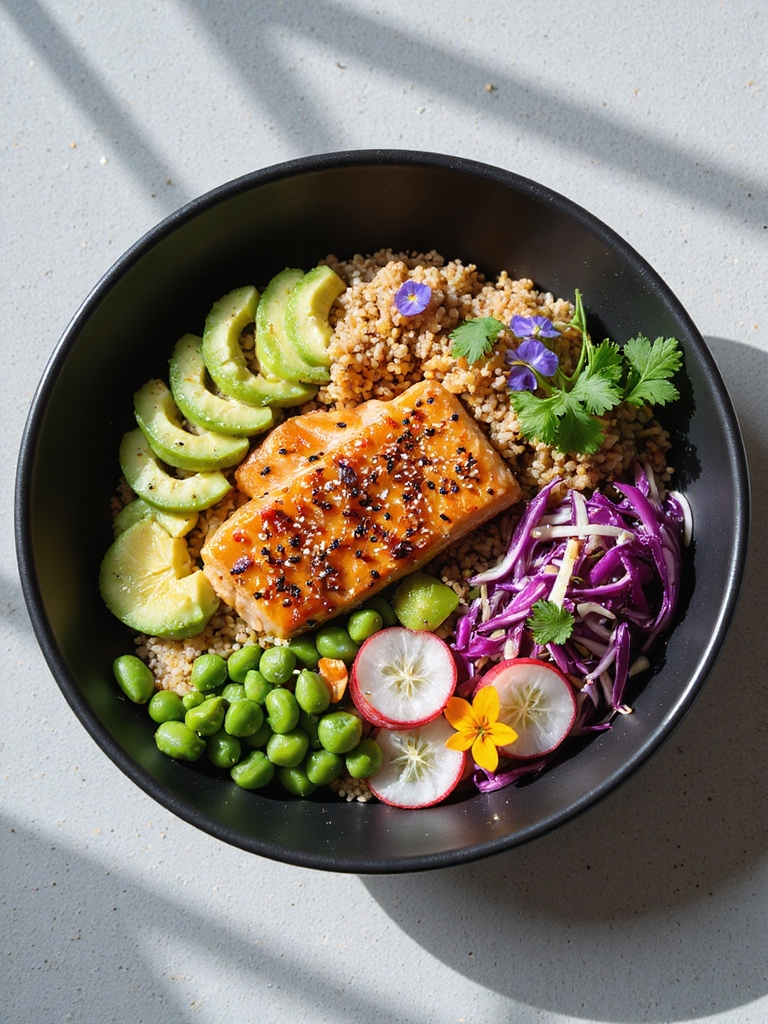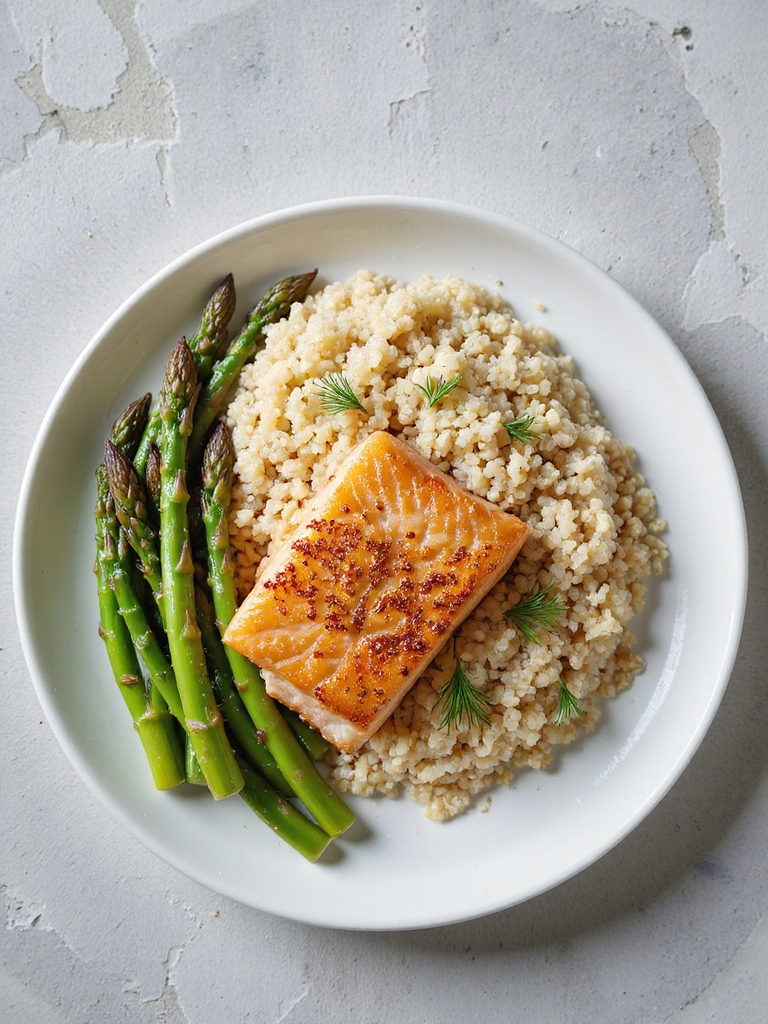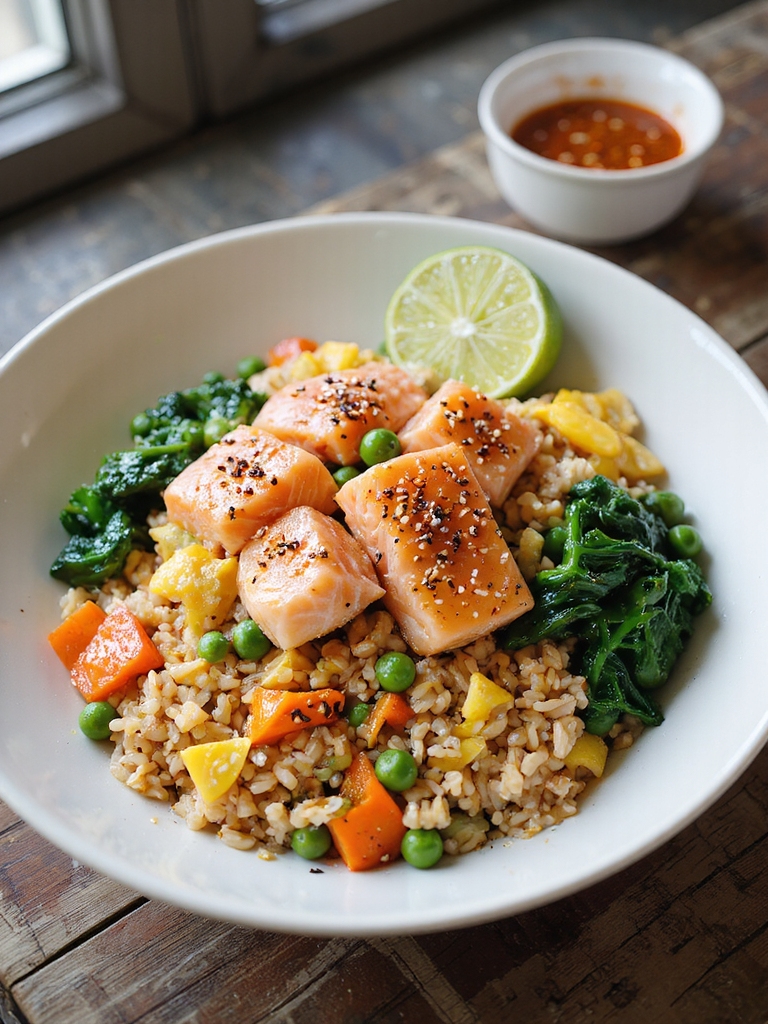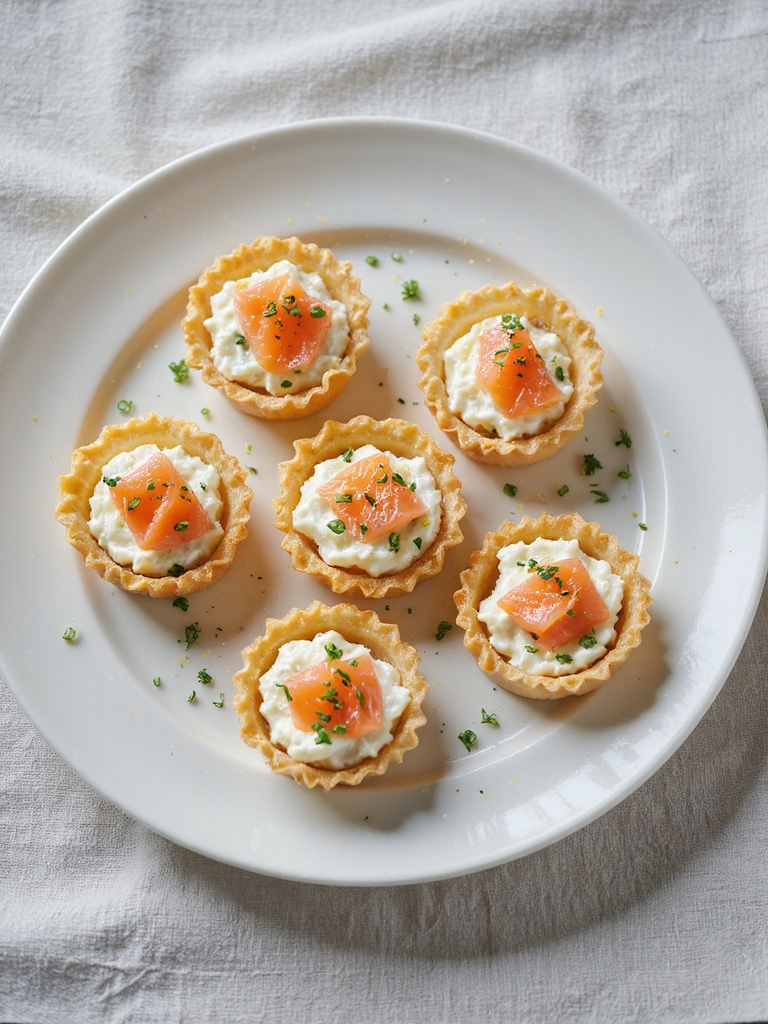
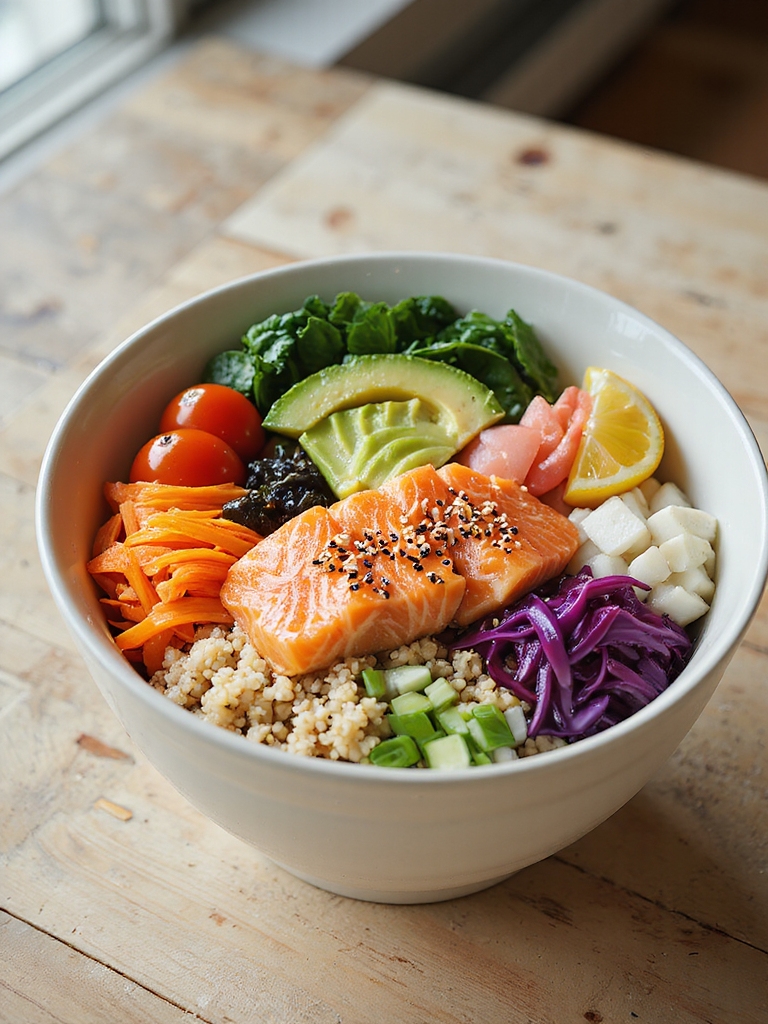
Salmon sushi bowls are my go-to for a quick, budget-friendly meal packed with fresh flavors and nutritional benefits. If you’ve ever wanted to whip up a restaurant-quality dish at home without breaking the bank, this might just be your answer.
We’ll cover everything from choosing the right salmon cut to creative toppings that will elevate your sushi bowl game. Get ready to impress yourself in the kitchen and discover all the tasty possibilities.
Ingredients for the Perfect Sushi Bowl
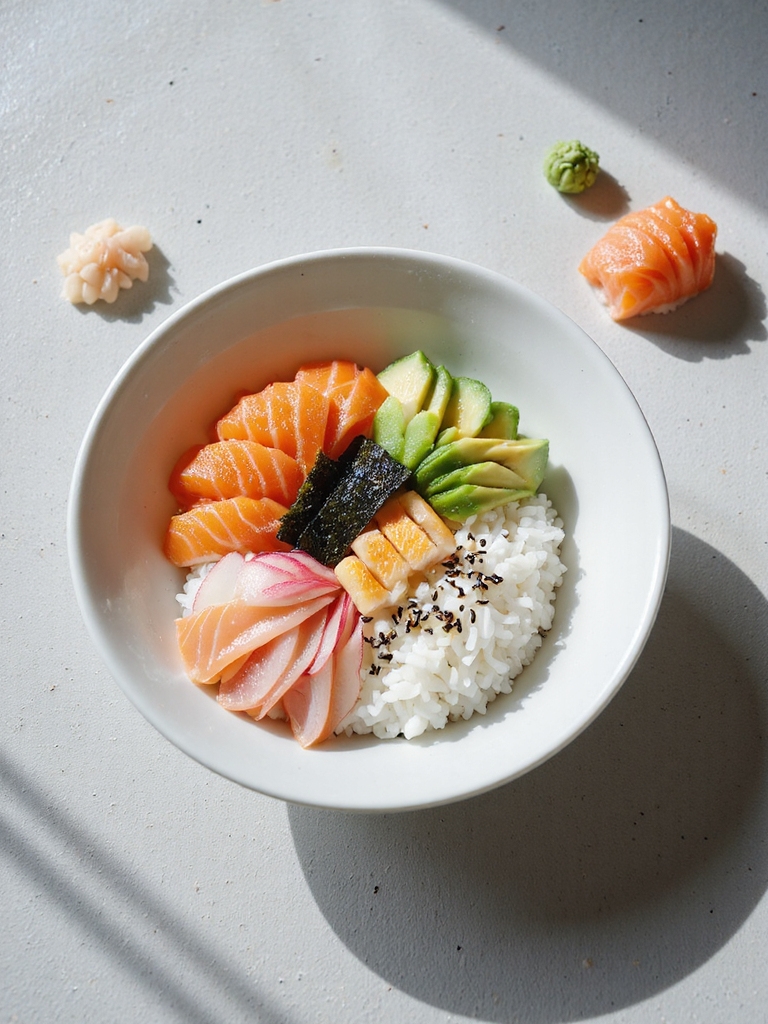
For a delicious salmon sushi bowl, start by using the freshest ingredients you can find to guarantee maximum flavor and authenticity. Combining fresh salmon sashimi, steamed sushi rice, and a variety of fresh vegetables creates a balanced and appetizing meal. The key is to carefully assemble these ingredients to highlight each component’s unique flavors and textures. Follow the recipe below for a satisfying homemade sushi experience that brings the taste of your favorite sushi bar to your kitchen.
Ingredients:
- 1 cup sushi rice
- 1 1/3 cups water
- 2 tablespoons rice vinegar
- 1 tablespoon sugar
- 1/2 teaspoon salt
- 1/4 pound fresh salmon, thinly sliced
- 1/2 avocado, sliced
- 1/2 cucumber, julienned
- 1 radish, thinly sliced
- 1 tablespoon soy sauce
- 1 teaspoon sesame oil
- 1 teaspoon toasted sesame seeds
- 1 sheet nori, sliced into thin strips
- Pickled ginger
- Wasabi and soy sauce for serving
To prepare your sushi bowl, first rinse the sushi rice under cold water until the water runs clear. Cook the rice with 1 1/3 cups water in a rice cooker or pot. In a small bowl, combine rice vinegar, sugar, and salt, then stir into the cooked rice. Arrange rice in a bowl, top with sliced salmon, avocado, cucumber, radish, a drizzle of soy sauce, and sesame oil. Garnish with sesame seeds, nori strips, and serve with pickled ginger, wasabi, and additional soy sauce.
Remember to use sushi-grade salmon to guarantee safety when consuming raw fish. Adjust the quantity of vegetables according to your preference to make the dish to your taste. Always slice ingredients thinly and evenly for the best presentation and harmonious flavor distribution.
Choosing the Right Cut of Salmon
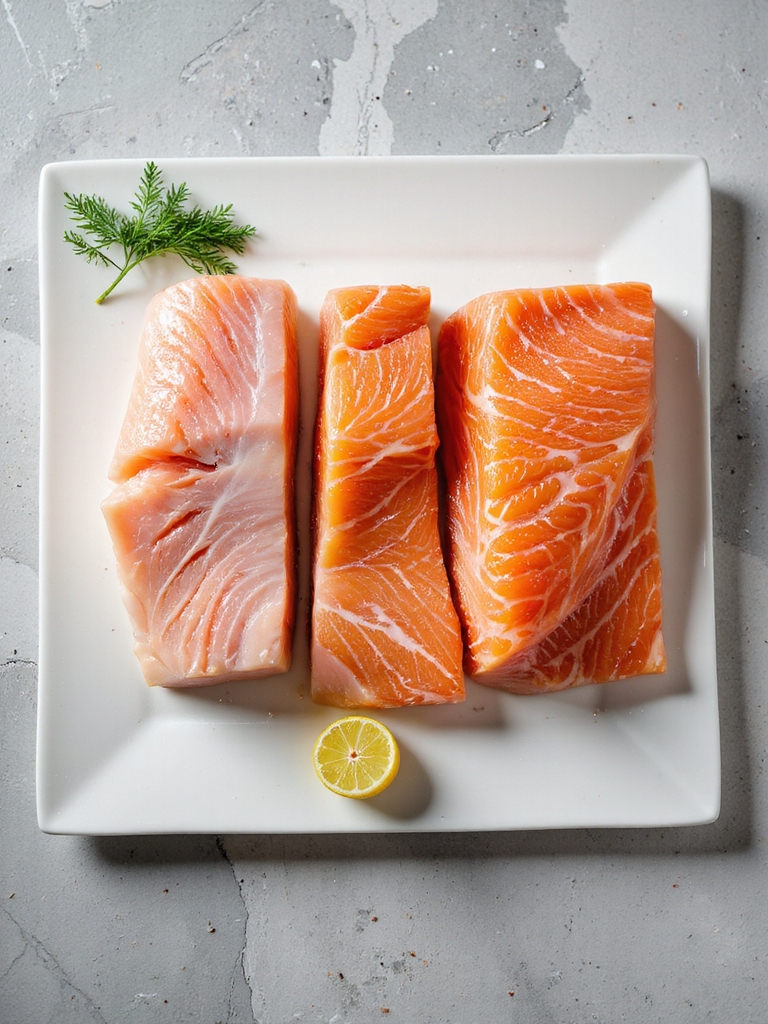
When choosing the right cut of salmon for your sushi bowl, you want to confirm you select a sushi-grade salmon, such as the belly or the fillet, known for their rich flavor and buttery texture. These cuts are highly appreciated for their marbling and tender quality. Opt for wild-caught salmon when possible, as it typically contains fewer contaminants than farm-raised varieties and offers a more intense flavor. The cut should possess a bright, vibrant color, and be free from any fishy odor, indicating freshness and quality. Additionally, baked salmon provides a delicious alternative that can be used in sushi bowls for those who prefer cooked fish.
Ingredients:
- Sushi-grade salmon (belly or fillet)
- Lemon or lime (optional, for freshness)
Thinly slice the salmon belly or fillet, confirming each piece is of uniform thickness to promote even flavor distribution. Arrange the salmon slices over the prepared rice and vegetables, partnering them with a light squeeze of lemon or lime, if desired, to enhance brightness. Be cautious with adding citrus, as too much can overpower the natural taste of the fish.
To guarantee peak freshness, purchase your salmon from a trusted fishmonger or grocery store with a high turnover for their seafood stock. Keep the salmon chilled until you’re ready to slice it, and assemble your sushi bowl just before serving to maintain the integrity and flavor of each ingredient.
Preparation Techniques for Freshness
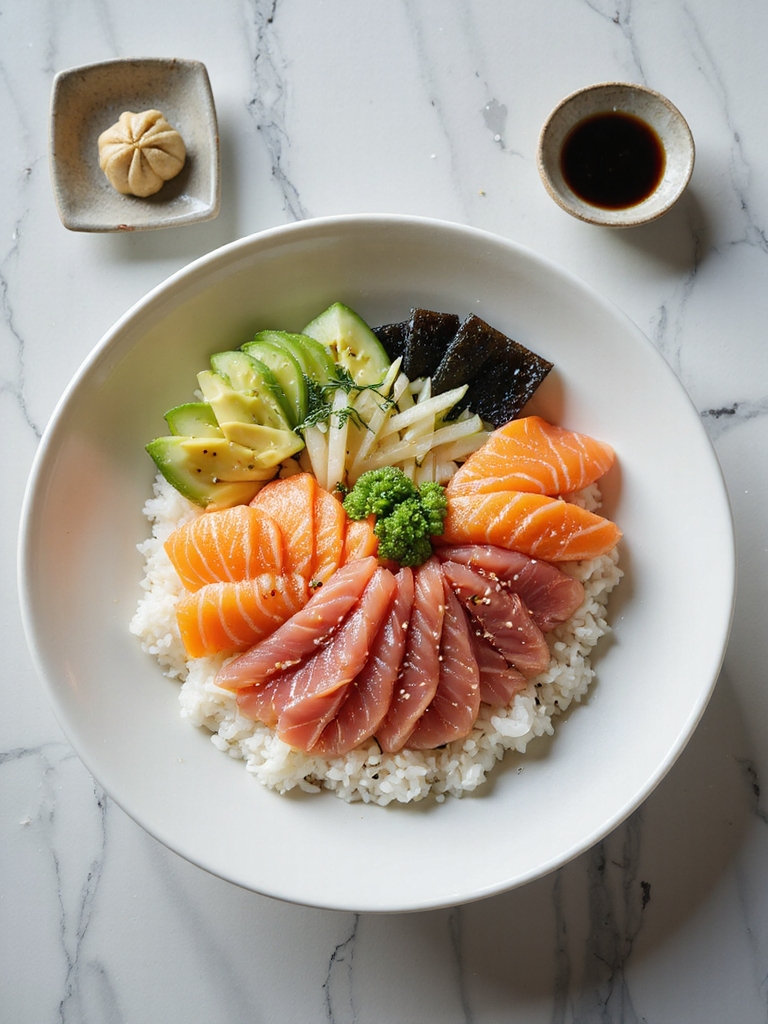
To guarantee the ultimate freshness for your salmon sushi bowl, begin by preparing all components meticulously, prioritizing cleanliness and precision. Use the best quality sushi-grade salmon you can find and handle it delicately. Freshness is key, so always slice your fish just before assembling the bowl, maintaining its taste and texture. Proper preparation involves refining each ingredient to highlight the salmon’s natural flavor while guaranteeing balanced proportions and aesthetic appeal in your presentation.
- Sushi-grade salmon
- Sushi rice
- Nori sheets (seaweed)
- Avocado
- Cucumber
- Soy sauce
- Pickled ginger
- Wasabi
- Sesame seeds
Begin by cooking sushi rice according to package instructions, allowing it to cool before assembly. While the rice cools, slice the sushi-grade salmon, avocado, and cucumber into thin, even pieces. Arrange the cooled rice at the base of your bowl, and fan out the salmon, avocado, and cucumber attractively over the top. Sprinkle sesame seeds, add nori strips, and serve with soy sauce, pickled ginger, and a small dab of wasabi on the side for added flavor.
To elevate the dish further, maintain a gentle hand when arranging each component, focusing on symmetry and color contrast to enhance visual appeal. Remember to serve the bowl immediately after preparation to preserve the freshness and quality of the ingredients. Additionally, ensuring that the salmon is sushi-grade guarantees it is safe and suitable for raw consumption.
Classic Salmon Sushi Bowl Recipe
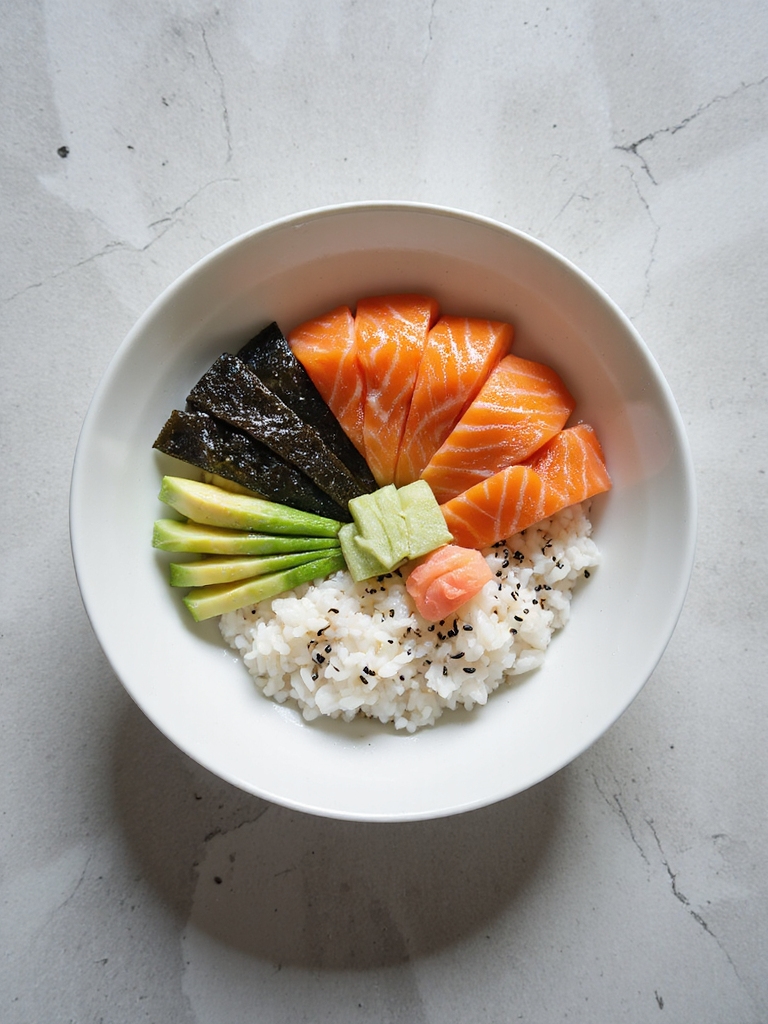
To make a classic salmon sushi bowl, begin with high-quality sushi-grade salmon and prepare each component with precision to enhance its natural flavors. Use freshly cooked sushi rice as the base, topped with perfectly sliced salmon, avocado, and cucumber. Balance the bowl with nori sheets, a sprinkle of sesame seeds, and serve it alongside soy sauce, pickled ginger, and wasabi for a traditional sushi experience.
- Sushi-grade salmon
- Sushi rice
- Nori sheets
- Avocado
- Cucumber
- Sesame seeds
- Soy sauce
- Pickled ginger
- Wasabi
Cook the rice and let it cool. Thinly slice the salmon, avocado, and cucumber. Arrange the rice in a bowl, layer the salmon, avocado, and cucumber on top, sprinkle sesame seeds, and garnish with nori sheets. Serve with soy sauce, pickled ginger, and wasabi on the side.
Ensure the rice has a sticky but firm texture for a proper sushi bowl experience. Use a sharp knife for clean salmon cuts to enhance the bowl’s overall presentation, focusing on consistency in size and shape for uniformity.
Spicy Salmon Sushi Bowl Variation
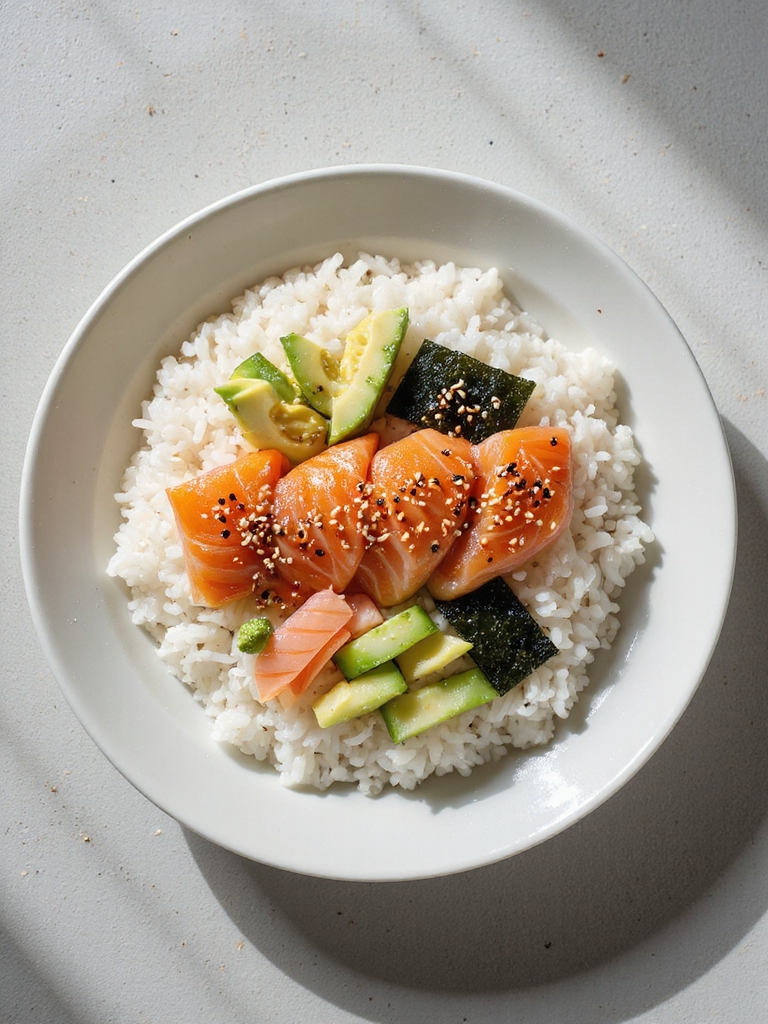
For a spicy twist on the classic salmon sushi bowl, introduce a spicy mayo sauce and some sriracha for added heat. This variation will elevate your sushi bowl with an extra kick while maintaining the traditional sushi elements. Use sushi-grade salmon, freshly cooked sushi rice, and fresh toppings such as avocado and cucumber. The nori sheets, sesame seeds, and a side of soy sauce, pickled ginger, and wasabi still accompany the bowl for a perfect balance of flavors.
- Sushi-grade salmon
- Sushi rice
- Nori sheets
- Avocado
- Cucumber
- Sesame seeds
- Soy sauce
- Pickled ginger
- Wasabi
- Mayonnaise
- Sriracha
Cook rice and let it cool, then thinly slice the salmon, avocado, and cucumber. Mix mayonnaise and sriracha to your preferred spice level. Arrange rice in a bowl, layer with salmon, avocado, cucumber, and drizzle with spicy mayo. Garnish with nori sheets and sesame seeds, and serve with soy sauce, pickled ginger, and wasabi on the side.
Adjust the sriracha amount based on your heat preference, and maintain a balance with the mayonnaise for a creamy texture. Use a sharp knife for precise cuts of salmon, avocado, and cucumber to uphold the presentation of the bowl.
Teriyaki Salmon Sushi Bowl Delight
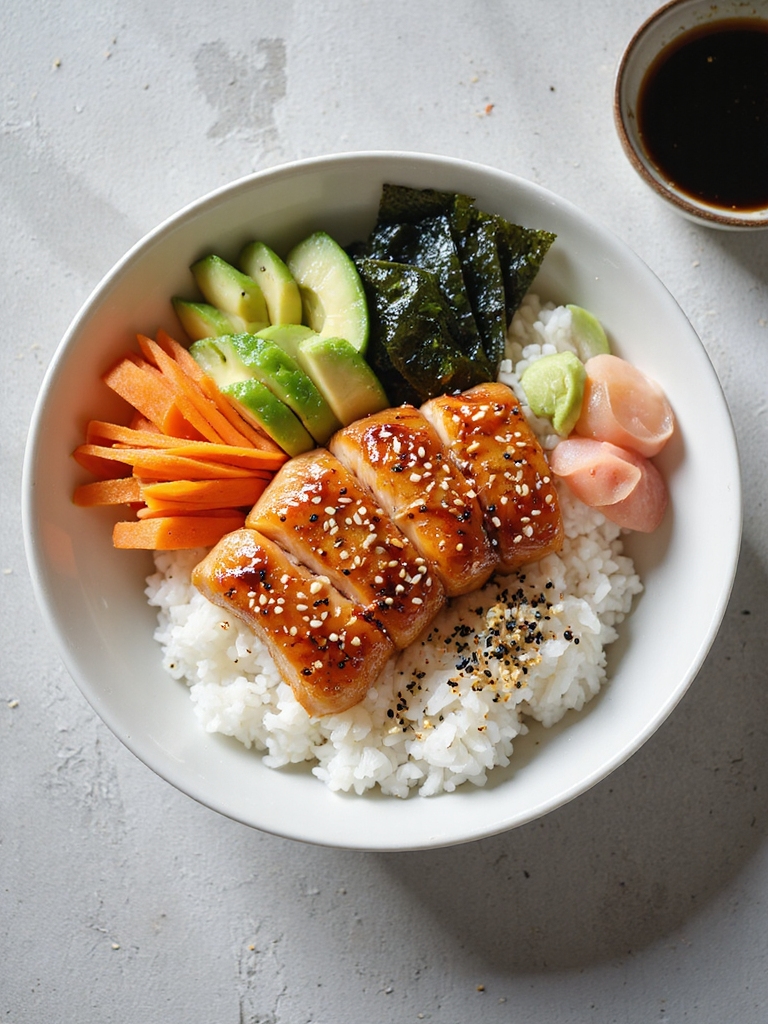
To create a delightful Teriyaki Salmon Sushi Bowl, you’ll want to marinate sushi-grade salmon fillets in a savory teriyaki sauce. This combination will infuse a rich, caramelized flavor profile into your sushi bowl, harmonizing beautifully with the bed of freshly cooked sushi rice and crispy vegetables. Include ingredients like nori strips and sesame seeds for authenticity, and serve it all with a side of tangy soy sauce and spicy wasabi to enhance the sushi experience.
- Sushi-grade salmon fillets
- Teriyaki sauce
- Sushi rice
- Nori strips
- Avocado
- Cucumber
- Sesame seeds
- Soy sauce
- Pickled ginger
- Wasabi
Marinate salmon fillets in teriyaki sauce for at least 30 minutes. While marinating, cook sushi rice and let it cool. Grill the salmon until caramelized, slice thinly, and layer it over rice with avocado, cucumber, nori strips, and sprinkle sesame seeds on top. Serve with soy sauce, pickled ginger, and wasabi on the side.
For perfect results, make sure the salmon is evenly marinated and don’t overcook to maintain its moist texture. Use a sharp knife for clean cuts of salmon and vegetables, enhancing the presentation of your Teriyaki Salmon Sushi Bowl.
Poke-Style Salmon Sushi Bowl
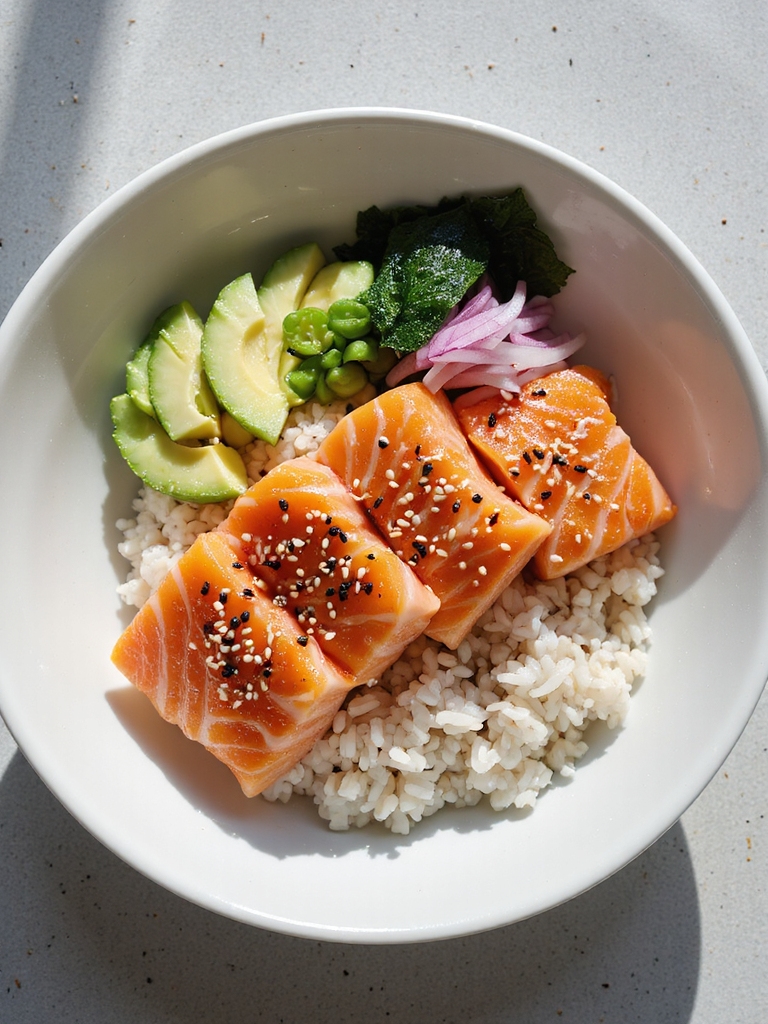
To prepare a Poke-Style Salmon Sushi Bowl, you will combine fresh, sushi-grade salmon with a mix of Japanese-inspired seasonings and classic poke ingredients. This fusion creates a revitalizing and vibrant dish, perfect for indulging in sushi flavors with a twist of Hawaiian influence. Start by cubing the salmon into bite-sized pieces, then toss it with soy sauce, sesame oil, and toasted sesame seeds. Arrange it artfully over a bed of sushi rice, accompanied by crunchy vegetables and ripe avocado.
- Sushi-grade salmon
- Soy sauce
- Sesame oil
- Sesame seeds
- Sushi rice
- Avocado
- Cucumber
- Red onion
- Edamame
- Seaweed salad
Mix cubed salmon with soy sauce, sesame oil, and sesame seeds. Layer sushi rice in bowls; top with salmon, diced avocados, sliced cucumbers, red onion slivers, and edamame. Garnish with seaweed salad and more sesame seeds, offering a fresh or pickled ginger for an extra zing. Delicious homemade salmon bowls can be enjoyed for any occasion, making this dish not only a delightful meal but also a versatile option for entertaining.
Use the freshest salmon available and a sharp knife to keep the salmon texture smooth and vibrant. Chill ingredients before assembly to enhance the flavors, and adjust seasonings according to your palate, especially the sesame oil for added fragrance.
Veggie-Loaded Salmon Sushi Bowl
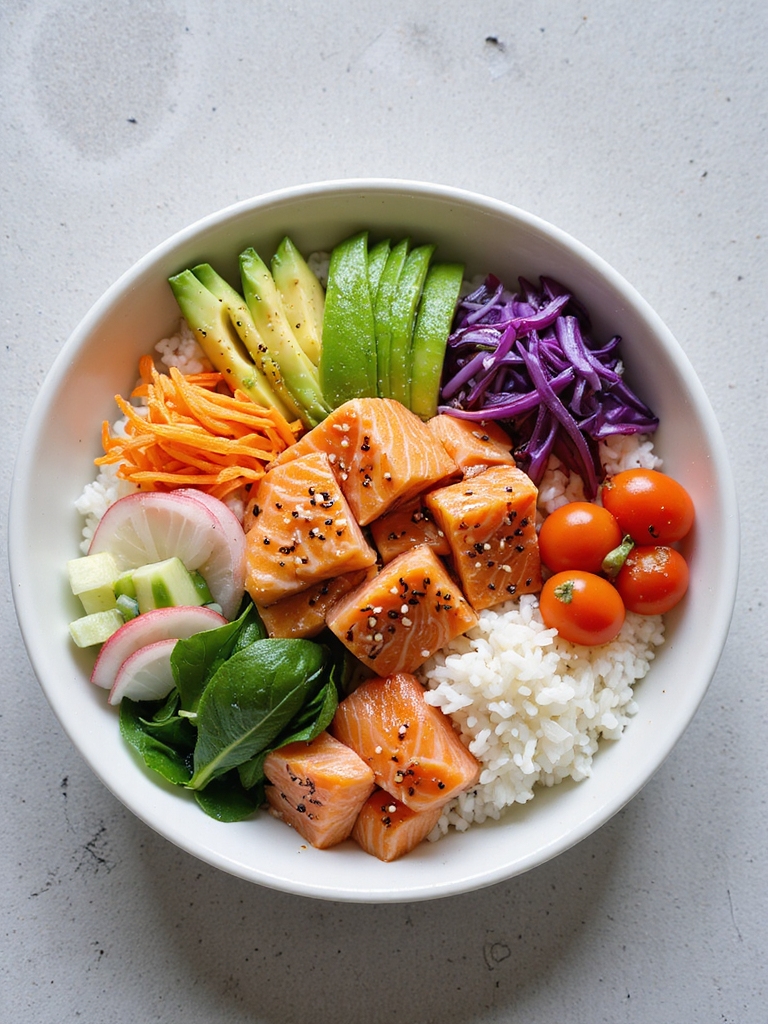
Treat yourself to a nutrient-packed Veggie-Loaded Salmon Sushi Bowl, combining the luscious taste of sushi-grade salmon with an abundance of colorful, fresh vegetables. This recipe perfects the harmony of flavors and textures, creating a wholesome, satisfying meal that is a feast for both the eyes and palate. Start by cubing the salmon and mixing it with your preferred marinade. Pile the sushi rice at the base of your bowl, and load it with vibrant veggies alongside your marinated salmon.
- Sushi-grade salmon
- Sushi rice
- Soy sauce
- Sesame oil
- Avocado
- Carrots
- Red cabbage
- Cucumber
- Scallions
- Radish
- Cherry tomatoes
- Spinach
Mix salmon cubes with soy sauce and sesame oil. Arrange a bed of sushi rice in a bowl and layer with marinated salmon. Add sliced avocado, julienned carrots, shredded red cabbage, cucumber slices, chopped scallions, radish slices, halved cherry tomatoes, and a handful of spinach.
Consider chilling your ingredients to keep the bowl invigorating, and use a variety of colors and textures for visual and palate appeal. Adjust the seasoning to your liking, especially the soy sauce and sesame oil for personalized flavor intensity.
Brown Rice Sushi Bowl Option
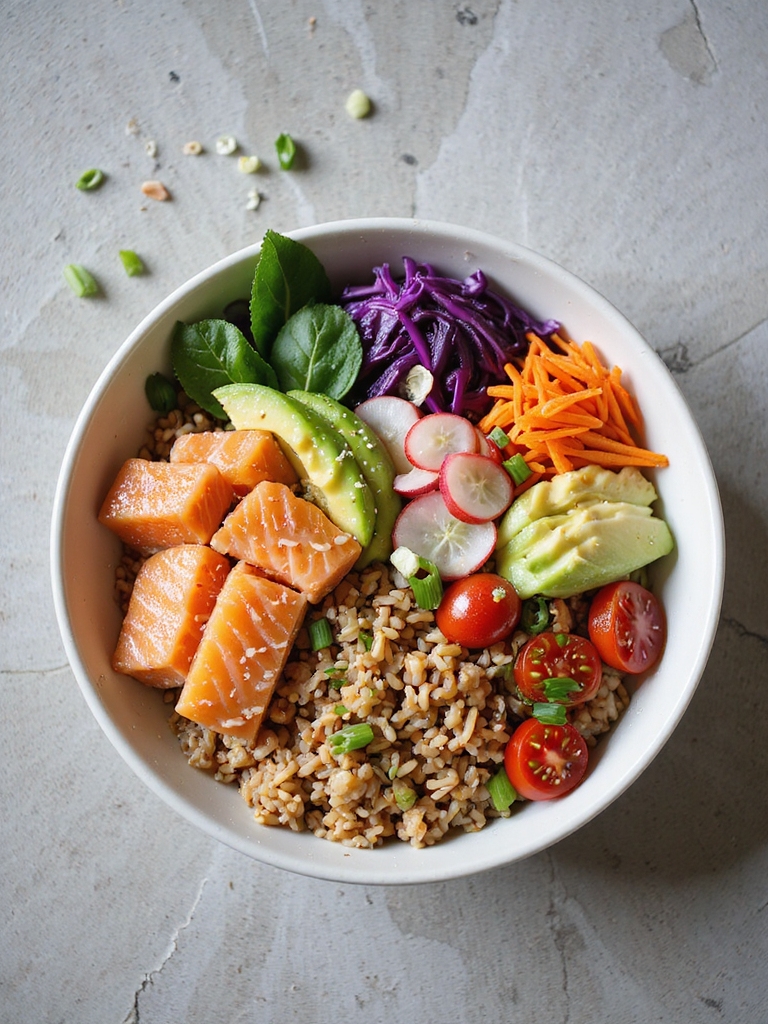
Indulge in a comforting Brown Rice Sushi Bowl that brings together the rich, delicate flavors of sushi-grade salmon with the earthy, nutty taste of brown rice. This variation provides a heartier base, complementing the fresh and vibrant vegetables perfectly. As a healthy alternative to traditional sushi rice, brown rice offers additional fiber while maintaining a slightly chewy texture that enhances the dish’s overall appeal.
- Sushi-grade salmon
- Brown rice
- Soy sauce
- Sesame oil
- Avocado
- Carrots
- Red cabbage
- Cucumber
- Scallions
- Radish
- Cherry tomatoes
- Spinach
Cook the brown rice according to package instructions, then let it cool. Cube the salmon and mix with soy sauce and sesame oil, then assemble in a bowl with a base of brown rice, topped with marinated salmon, sliced avocado, julienned carrots, shredded red cabbage, cucumber slices, chopped scallions, radish slices, halved cherry tomatoes, and spinach.
For best results, cook the brown rice ahead of time and let it cool for a firmer texture; chilled vegetables offer a revitalizing contrast. Adjust soy sauce and sesame oil amounts based on preference and dietary restrictions.
Quinoa-Based Sushi Bowl Alternative
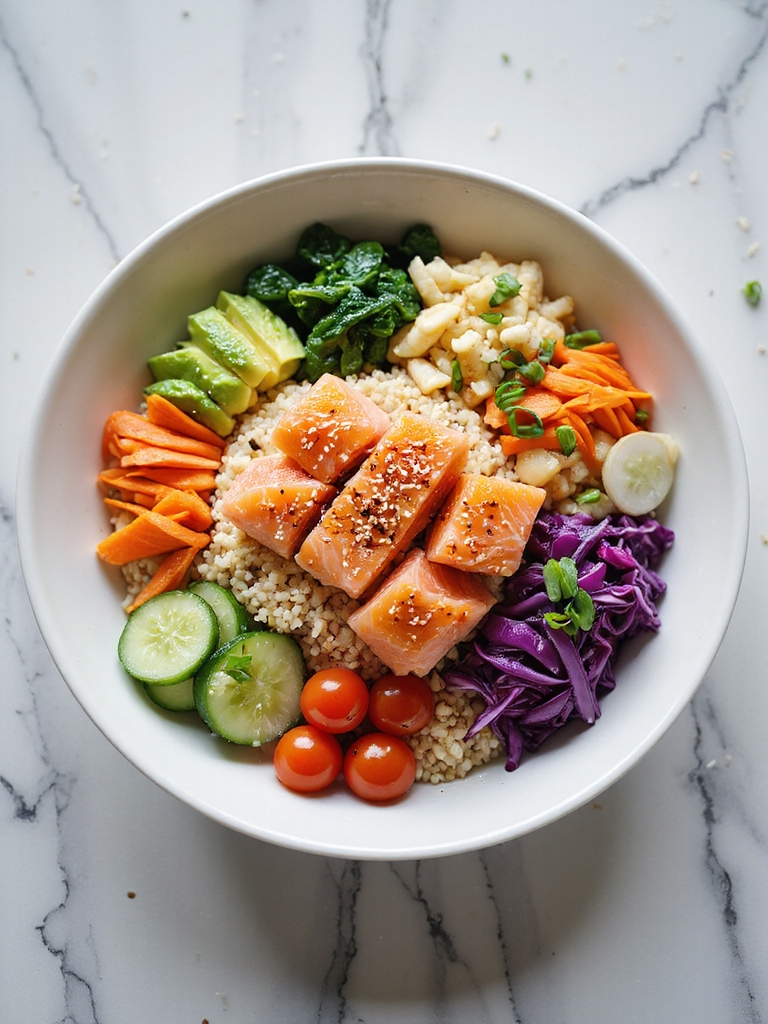
For a nutritious twist on the classic sushi bowl, try this Quinoa-Based Sushi Bowl Alternative. Quinoa, a protein-rich and gluten-free grain, makes for a light yet fulfilling base, pairing perfectly with the freshness of sushi-grade salmon and vibrant vegetables. Its slight nutty flavor adds depth to the dish, while a harmonious blend of textures and colors guarantees an enticing and wholesome meal.
- Sushi-grade salmon
- Quinoa
- Soy sauce
- Sesame oil
- Avocado
- Carrots
- Red cabbage
- Cucumber
- Scallions
- Radish
- Cherry tomatoes
- Spinach
Rinse and cook quinoa according to package instructions, then let cool. Cube salmon, mix with soy sauce and sesame oil, and arrange in a bowl with quinoa as the base layer, topped with marinated salmon, sliced avocado, julienned carrots, shredded red cabbage, cucumber slices, chopped scallions, radish slices, halved cherry tomatoes, and fresh spinach leaves.
For extra flavor, toast the quinoa slightly before cooking it, which enhances the nutty taste, and offer a squeeze of lemon juice over the final dish for added zest. Adjust the amount of soy sauce and sesame oil based on flavor preference and dietary needs.
Gluten-Free Sushi Bowl Tips
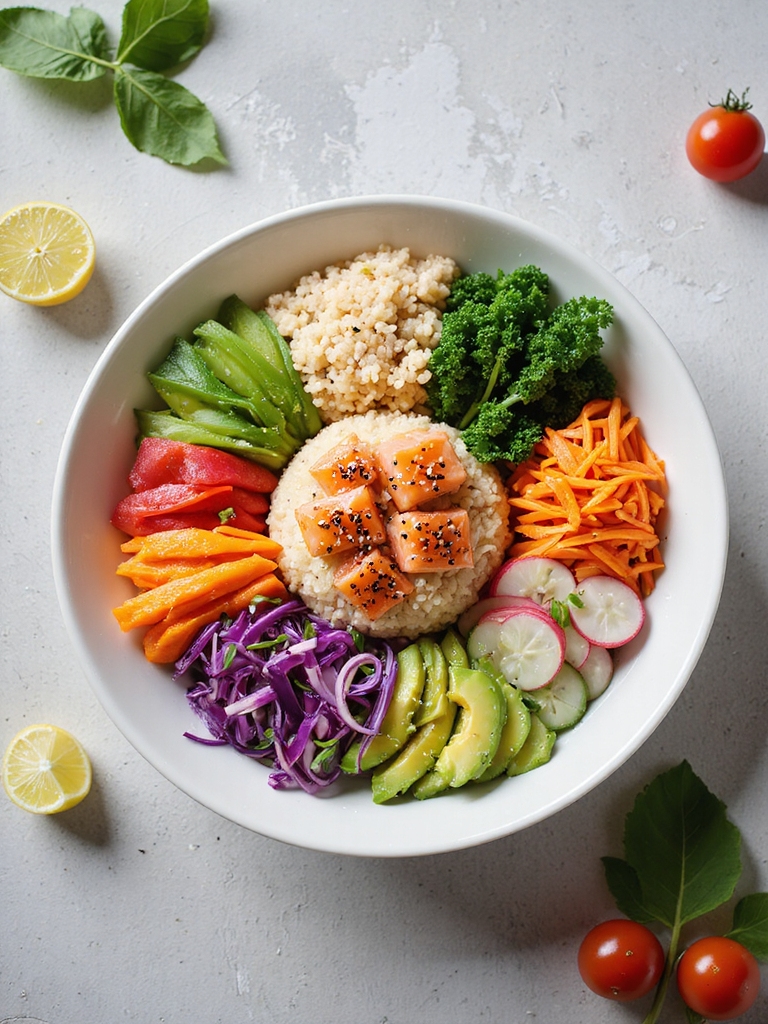
If you’re looking for a gluten-free sushi bowl that still packs all the flavor and nutrition of a traditional sushi dish, you’re in the right place. By substituting gluten-free soy sauce or tamari in place of regular soy sauce, this recipe becomes suitable for those with gluten intolerance while maintaining its tasty appeal. The rich salmon, paired with crisp vegetables and a bed of quinoa, creates a delightful experience that satisfies both your dietary requirements and taste buds. Oven-baked salmon provides a simple yet delicious way to prepare the fish, enhancing its flavor.
- Sushi-grade salmon
- Gluten-free soy sauce (or tamari)
- Quinoa
- Sesame oil
- Avocado
- Carrots
- Red cabbage
- Cucumber
- Scallions
- Radish
- Cherry tomatoes
- Spinach
- Lemon
Start by cooking the quinoa as per package directions and let it cool. Marinate cubed salmon in gluten-free soy sauce and sesame oil, and arrange over quinoa. Top with sliced avocado, julienned carrots, shredded red cabbage, cucumber, chopped scallions, radish, halved cherry tomatoes, and fresh spinach leaves. Finish with a lemon squeeze.
For added flavor, toast the quinoa before boiling to accentuate its nuttiness. Adjust the quantity of gluten-free soy sauce and sesame oil based on personal preference to guarantee the dish aligns with your specific taste and dietary guidelines.
Creative Toppings for Extra Flavor
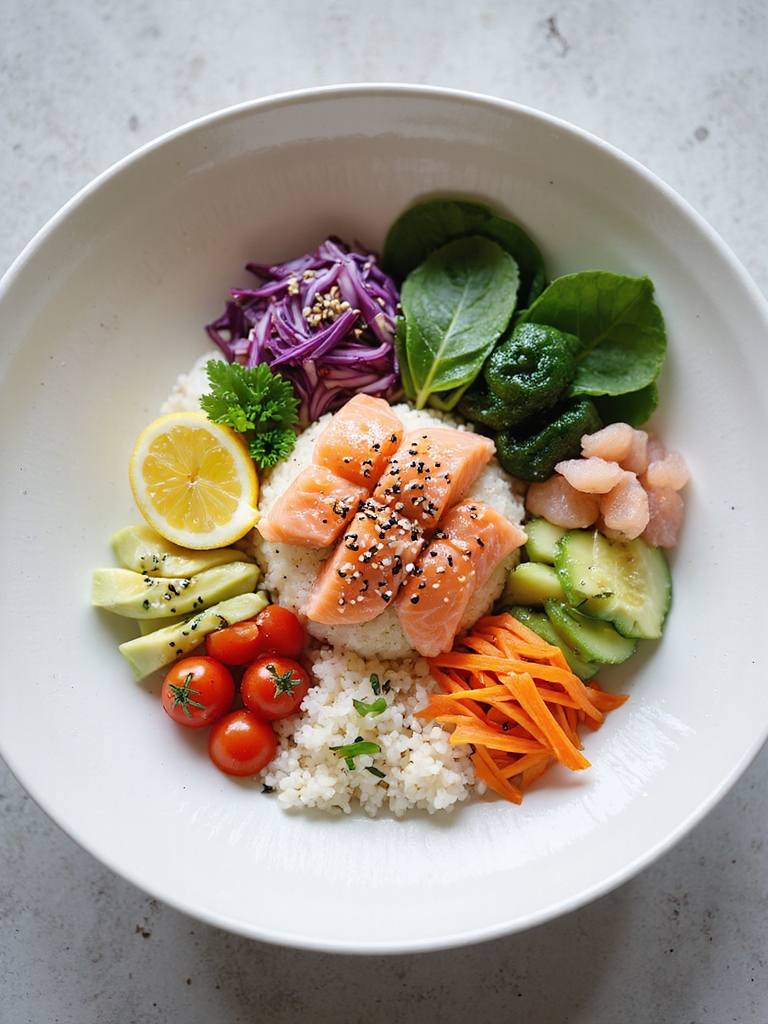
To elevate the flavor of your salmon sushi bowl, consider incorporating creative toppings that add depth and complexity. Imagine sprinkling toasted sesame seeds for a subtle crunch, or adding a touch of pickled ginger for a tangy twist. Adopting a variety of textures and flavors will turn your simple bowl into a gourmet experience, and experimenting with your favorite garnishes can yield delightful discoveries. Additionally, utilizing oven-baked salmon ensures a perfectly cooked and moist base for your dish.
- Sushi-grade salmon
- Gluten-free soy sauce (or tamari)
- Quinoa
- Sesame oil
- Avocado
- Carrots
- Red cabbage
- Cucumber
- Scallions
- Radish
- Cherry tomatoes
- Spinach
- Lemon
- Toasted sesame seeds
- Pickled ginger
Prepare the quinoa and let it cool. Marinate salmon in gluten-free soy sauce and sesame oil, and place it over quinoa. Top with avocado, carrots, red cabbage, cucumber, scallions, radish, cherry tomatoes, spinach, toasted sesame seeds, and pickled ginger, then finish with a lemon squeeze.
For an extra burst of flavor, try drizzling a bit of honey or sriracha over the bowl. Adjust toppings to suit your preferences, ensuring you balance flavors and textures for a satisfying dish.
Role of Sauces in Flavor Enhancement
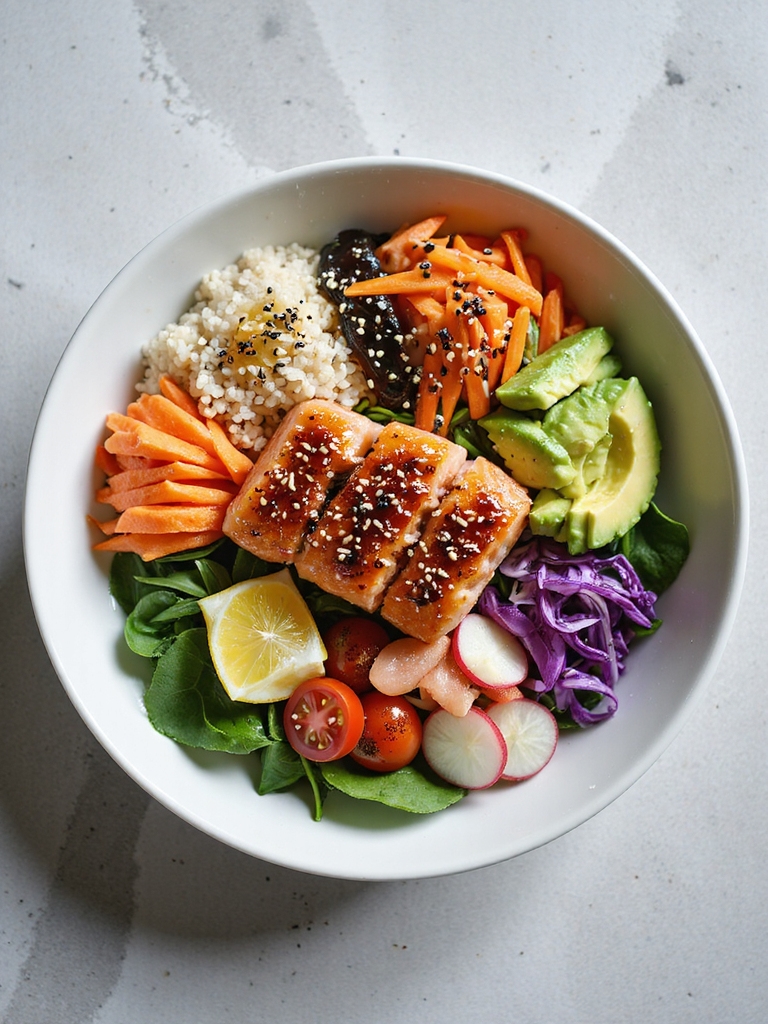
In this salmon sushi bowl recipe, the role of sauces is vital for flavor enhancement, as they bring together all ingredient elements to create a dish that’s both savory and satisfying. By using gluten-free soy sauce and sesame oil, you reveal the umami notes of the sushi-grade salmon while adding a subtle nutty richness. The sauces act as a bridge between the various fresh and vibrant components, ensuring a delightful medley of tastes and textures in every bite. Additionally, the incorporation of savory garlic butter can elevate the flavor profile even further, creating a deliciously rich experience.
- Sushi-grade salmon
- Gluten-free soy sauce (or tamari)
- Quinoa
- Sesame oil
- Avocado
- Carrots
- Red cabbage
- Cucumber
- Scallions
- Radish
- Cherry tomatoes
- Spinach
- Lemon
- Toasted sesame seeds
- Pickled ginger
- Honey or sriracha (optional)
Prepare the quinoa according to package instructions and let it cool. Marinate the salmon in a mixture of gluten-free soy sauce and sesame oil, then lay it atop the quinoa in a bowl. Add a variety of sliced vegetables — avocado, carrots, red cabbage, cucumber, scallions, radish, cherry tomatoes, and spinach — and finish with a sprinkle of toasted sesame seeds and pickled ginger, plus a squeeze of lemon to brighten the dish.
Consider drizzling a touch of honey or sriracha for an additional layer of flavor complexity. The balance of flavors is essential, so taste as you go and adjust the seasoning if necessary.
Storage and Meal Prep Advice
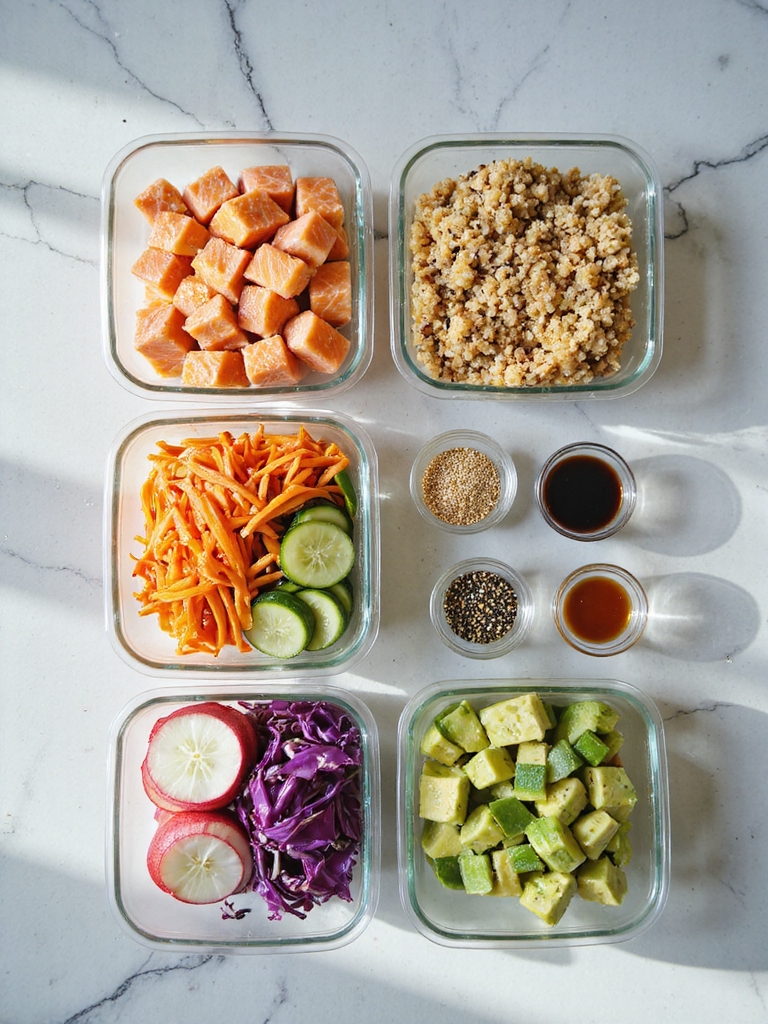
For effective storage and meal prep of this salmon sushi bowl, it is essential to separate the wet ingredients from the dry ones to maintain freshness and texture. Prepare and store all components individually in airtight containers, with the marinated salmon and sauces kept in separate containers. When ready to serve, assemble the bowls as needed, ensuring the quinoa and salmon are at room temperature, and add fresh ingredients for a prime balance of flavors and crispness.
- Sushi-grade salmon
- Gluten-free soy sauce
- Sesame oil
- Quinoa
- Avocado
- Carrots
- Red cabbage
- Cucumber
- Scallions
- Radish
- Cherry tomatoes
- Spinach
- Lemon
- Toasted sesame seeds
- Pickled ginger
- Honey or sriracha (optional)
Cook the quinoa as per package instructions and let cool; meanwhile, marinate the salmon in gluten-free soy sauce and sesame oil. Store these components separately, including chopped veggies like avocado, carrots, and cabbage. When assembling, layer quinoa in bowls, add salmon and veggies, sprinkle sesame seeds, and drizzle with lemon juice, honey, or sriracha as desired.
When prepping meals ahead of time, it’s advisable to keep sensitive ingredients like avocado separate to prevent browning and add them just before eating. For a better taste experience, allow the salmon and quinoa to reach room temperature before serving.
Pairing Beverages With Sushi Bowls
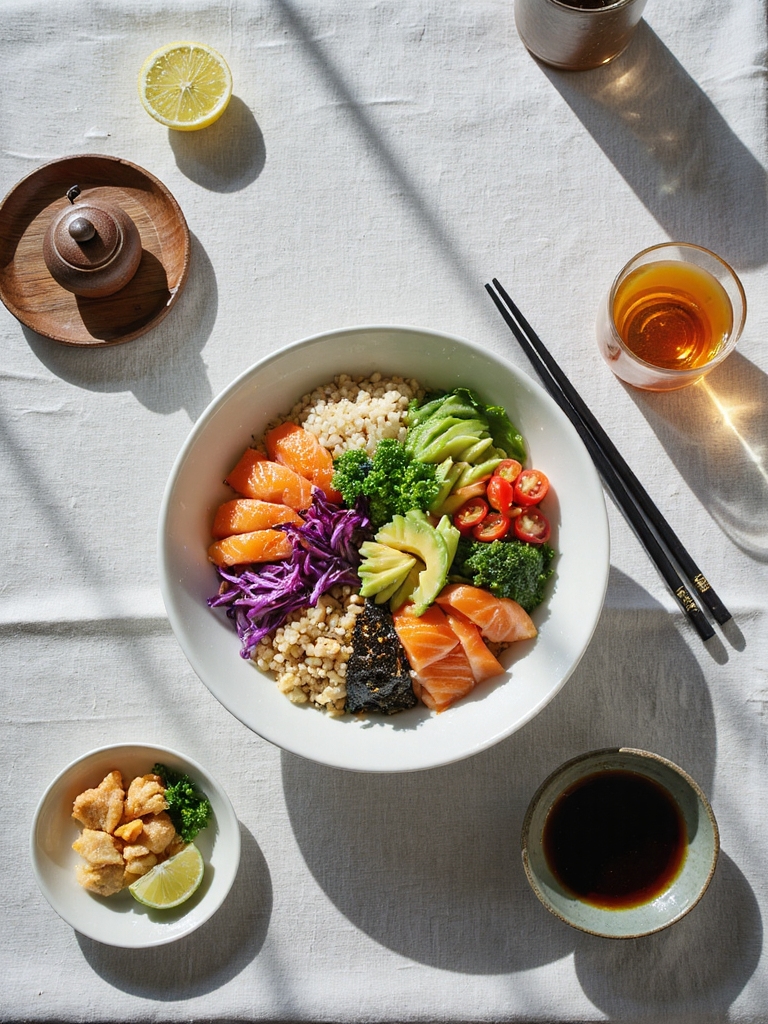
For an elevated dining experience with your salmon sushi bowl, consider the vibrant world of beverage pairing to enhance flavors. A light, crisp drink can balance the rich and diverse ingredients, making each bite enjoyable. Select a traditional Japanese sake or a chilled green tea to complement the delicate taste of the sushi-grade salmon and the fresh crunch of the vegetables, integrating seamlessly into your meal.
- Sushi-grade salmon
- Gluten-free soy sauce
- Sesame oil
- Quinoa
- Avocado
- Carrots
- Red cabbage
- Cucumber
- Scallions
- Radish
- Cherry tomatoes
- Spinach
- Lemon
- Toasted sesame seeds
- Pickled ginger
- Honey or sriracha (optional)
- Sake or chilled green tea
Begin by cooking the quinoa until soft and set aside to cool. As you wait, marinate the salmon in gluten-free soy sauce and sesame oil, preparing all vegetables to add freshness. Assemble your sushi bowl with cooled quinoa, salmon, and vibrant veggies, garnishing with sesame seeds, lemon juice, and sriracha as desired; serve with sake or green tea. Additionally, incorporating seasonal fresh vegetables can enhance the presentation and flavor profile of your dish.
To enhance your dining experience, consider serving the beverage slightly chilled to balance your sushi bowl’s flavors. Make certain all ingredients are incorporated at the right moment based on their ideal temperature and freshness for maximum enjoyment.